 Cykeo RFID IoT Solution Products R&D Manufacturer
How to Test an RFID Reader: The Beep Means Nothing
242Is your RFID reader actually reliable? Our field-proven guide on how to test an RFID reader covers range mapping, failure points, and data validation most people miss.
MoreAll RFID Product
RFID (Radio Frequency Identification) laundry tags are tiny chips designed to withstand heat, water, and detergents. They’re usually sewn into linens, uniforms, or towels. Think of them as “ID cards” for textiles—every item can be identified automatically during washing, drying, or sorting, without needing barcodes or manual counting.
Traditional laundry relies on manual records, which are prone to mistakes—like missing hotel towels or uniforms not matching up. RFID acts like a transparent ledger. Every piece of linen that enters and leaves the facility is logged, reducing losses and saving a lot of time. For large laundries, hotels, or rental companies, this efficiency translates directly into lower costs.
Yes. Laundry-specific RFID tags are engineered for extreme environments. They can survive 200+ washing cycles, including high-temperature sterilization, bleaching, and industrial ironing. Most are encased in PPS or fabric, making them waterproof and abrasion-resistant, lasting as long as the linen itself.
Barcodes require a line-of-sight scan and fail once scratched or faded. RFID works contactlessly—it doesn’t matter if the tag is hidden inside fabric or if items are stacked together. For example, scanning 100 towels with barcodes might take minutes; an RFID reader does it in seconds.
The upfront cost of RFID tags is higher than barcodes, but the savings quickly add up. Lost linens and manual labor cost far more than a small RFID tag. Over time, RFID usually saves money instead of spending more.
It’s not just about counting items. RFID systems can track:
No. RFID laundry tags only store a unique ID code—no personal information. The goal is simply to make every textile traceable within the laundry process, not to track people.
Not at all. A typical system includes RFID readers (at doors or conveyors), management software, and the tags inside linens. For workers, it’s just “scan in, scan out”—almost automatic. Training is simple, and maintenance mainly involves occasional equipment checks.
In summary:
RFID isn’t just about saving labor—it makes every linen countable and traceable. Hotels reduce losses, hospitals improve safety, laundries run faster, and clients get better service overall.
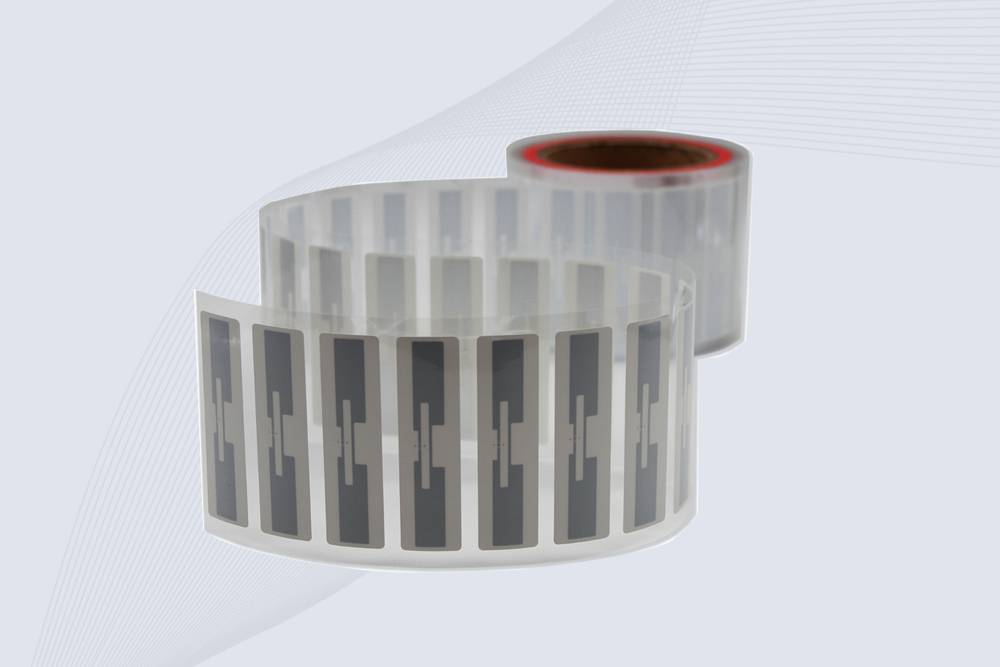
CYKEO Passive RFID Tags are made for wet and high-humidity environments where standard labels do not last. This rfid passive tag is often used around liquids, chemicals and temperature changes, providing stable reading distance and long data life for industrial tracking.
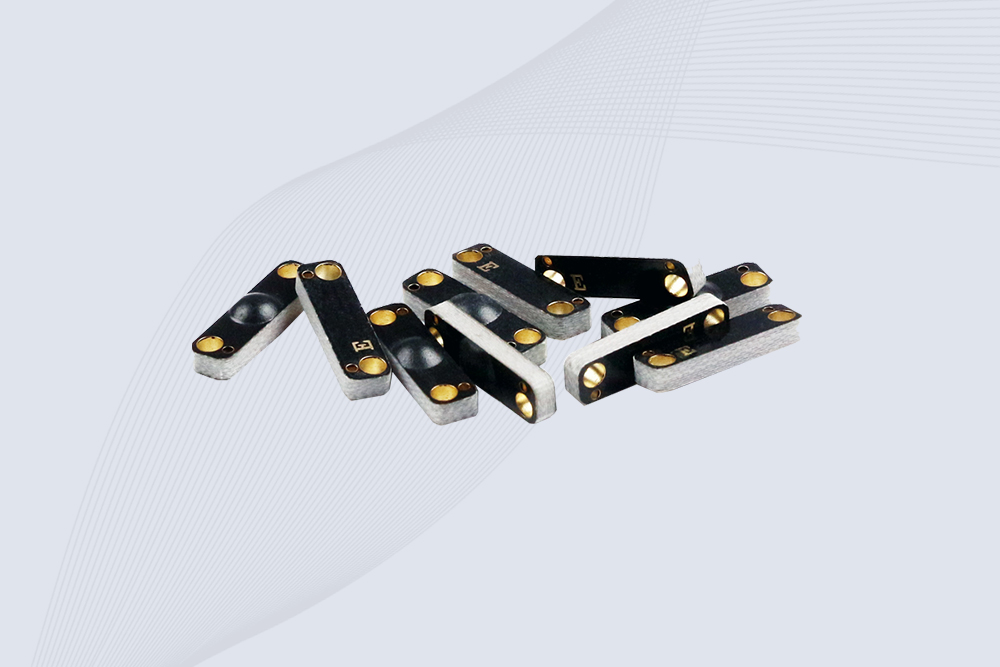
CYKEO CYKEO-PCB1504 Metal RFID Tags is a compact anti-metal UHF RFID solution built for direct mounting on metal surfaces. With stable 8-meter read range, Ucode-8 chip, and long data retention, this rfid metal tag fits tools, containers, automotive parts, and industrial asset tracking.
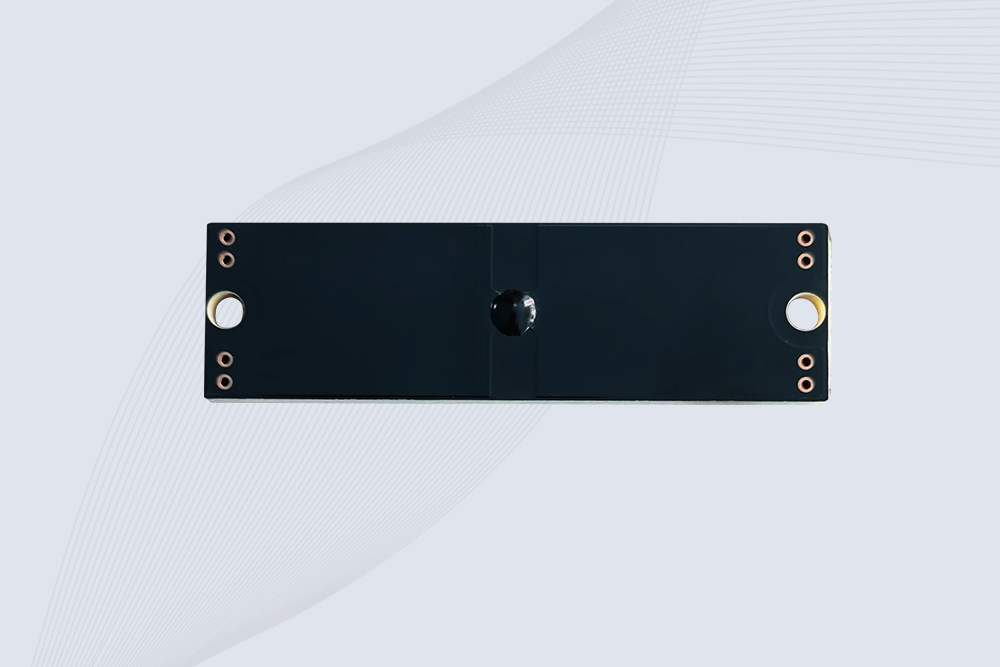
CYKEO CYKEO-PCB7020 On-Metal RFID Tags are designed for reliable tracking on steel and metal surfaces. Built with an FR4 epoxy body and industrial-grade chips, these On-Metal RFID Tags deliver stable performance, long data life, and chemical resistance, making them a dependable RFID anti-metal tag for harsh environments.
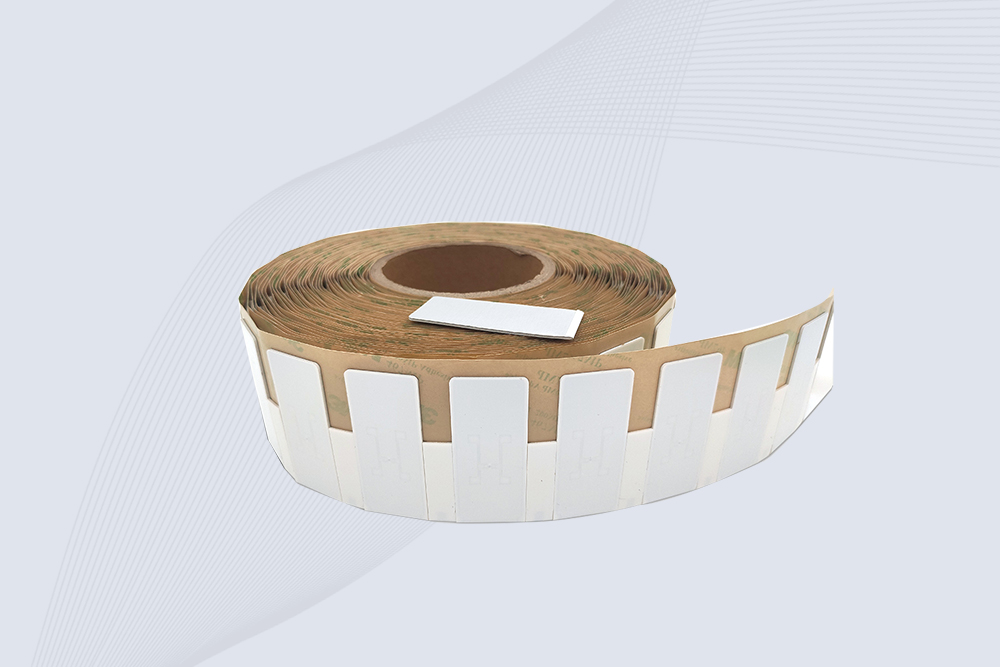
The CYKEO CYKEO-60-25 Anti-Metal RFID Tag is built for metal surfaces where standard tags fail. Designed for long-range performance, harsh environments, and stable data retention, this Anti-Metal RFID Tag is ideal for industrial assets, containers, and equipment tracking using on metal RFID tags.
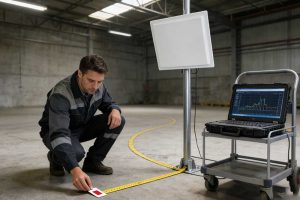
Is your RFID reader actually reliable? Our field-proven guide on how to test an RFID reader covers range mapping, failure points, and data validation most people miss.
More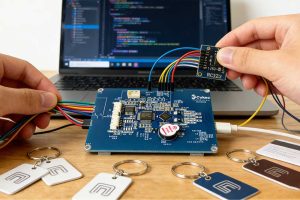
Learn how to use RFID module with Arduino step-by-step. This beginner-friendly CYKEO tutorial covers wiring, coding, and project ideas for RFID-RC522.
More
RFID asset tracking in the education sector enables digital management of books, computers, multimedia equipment, and other assets through efficient identification and real-time location tracking. It improves management efficiency, prevents asset ...
More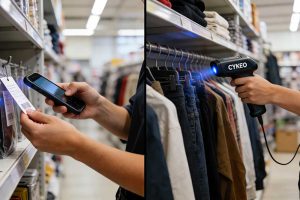
Can phones read RFID tags? We explain what's possible with phone NFC, what isn't, and why you need different hardware for business RFID tracking.
More