 Cykeo RFID IoT Solution Products R&D Manufacturer
How to Test RFID Tags with Your Smartphone (No Scanner Needed)
1310Learn how to test RFID tags using your smartphone’s NFC feature. Discover apps, DIY methods, and troubleshooting tips for quick verification.
MoreAll RFID Product
When people first hear the phrase RFID label, many imagine it’s just another type of barcode sticker. But that’s not really the case. RFID labels (Radio Frequency Identification labels) carry a small electronic chip and an antenna, so they can store and send information wirelessly.
Take a clothing store as an example. That price tag hanging from a jacket may look like an ordinary paper tag. In reality, hidden inside could be a thin RFID label. The shopper doesn’t notice it, but once the cashier waves a scanner over it, the system instantly knows which item it is, and how many are left in stock. That’s the actual meaning of RFID labels: turning objects into data points that can talk.
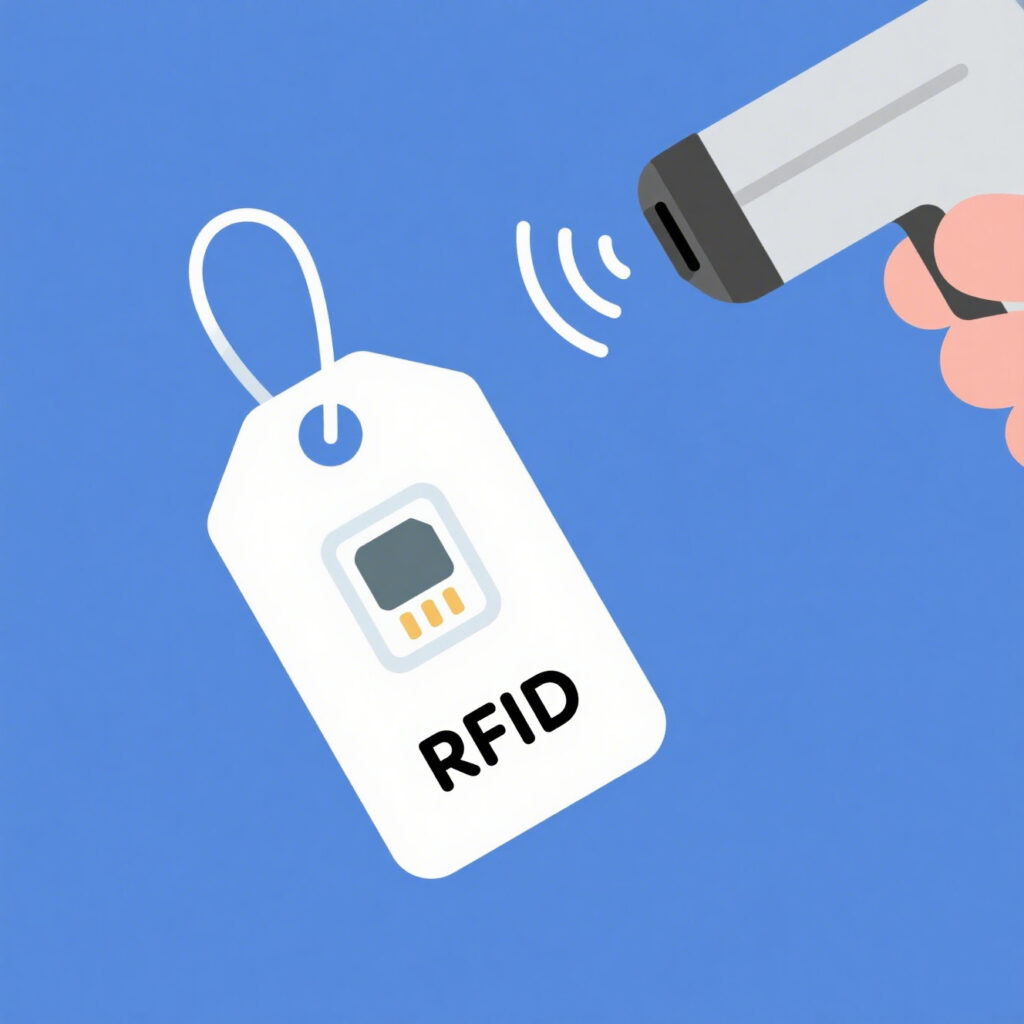
At first glance, an RFID label looks simple, but it has some very clever engineering inside. According to industry specialists like Checkpoint Systems, every RFID inlay usually has three parts:
Think of it like an ID card. The chip is the personal info, the antenna is the invisible function that lets machines read it, and the substrate is just the card body itself.
RFID labels are not one-size-fits-all. They can be grouped by power source and by frequency range.
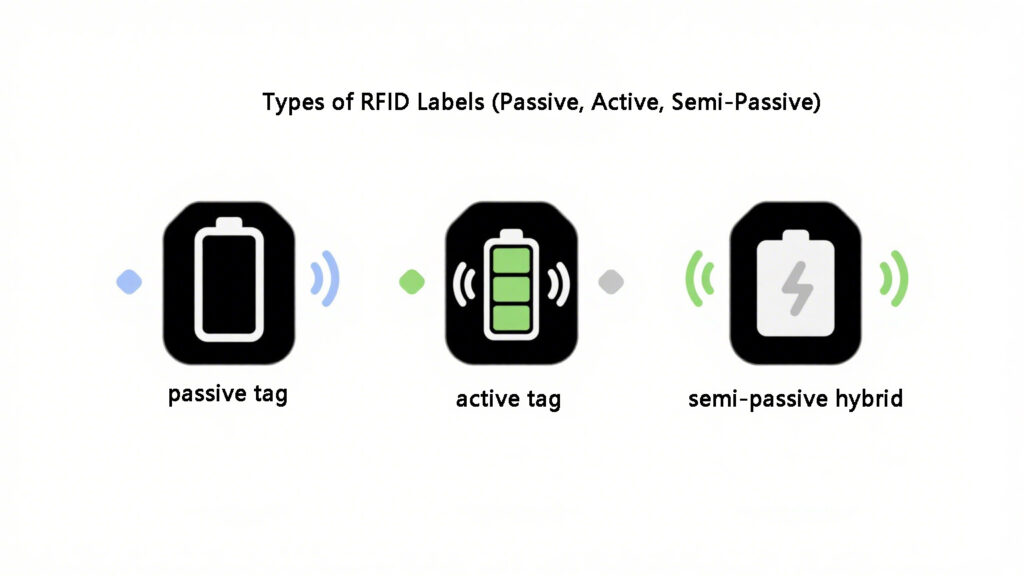
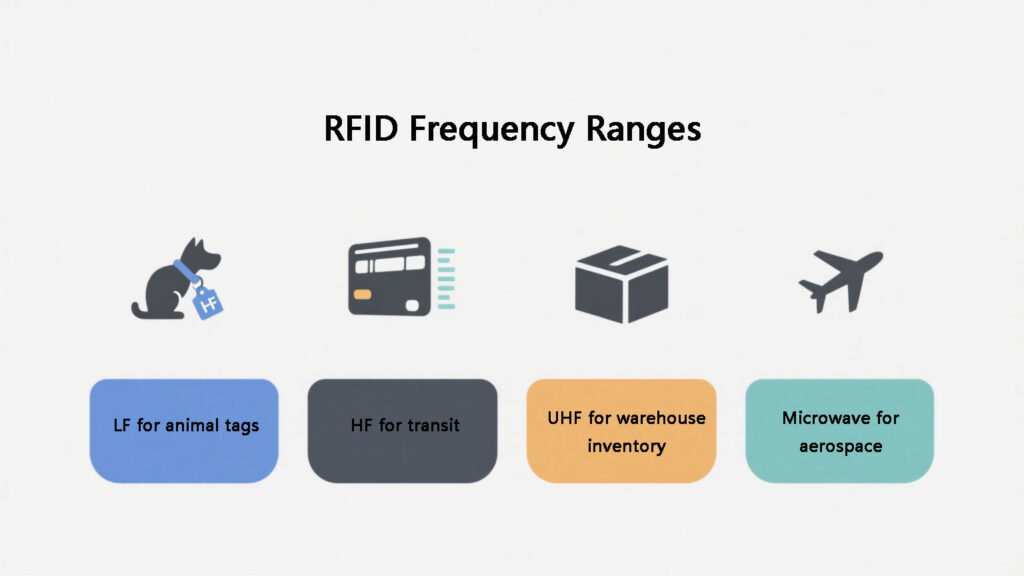
From Meyers and TechTarget’s breakdown, the common bands are:
For example: the chip vets put inside dogs and cats is usually LF. Meanwhile, a warehouse where Amazon scans hundreds of boxes at once? That’s UHF.
A fair question is: why bother with RFID if barcodes already work?
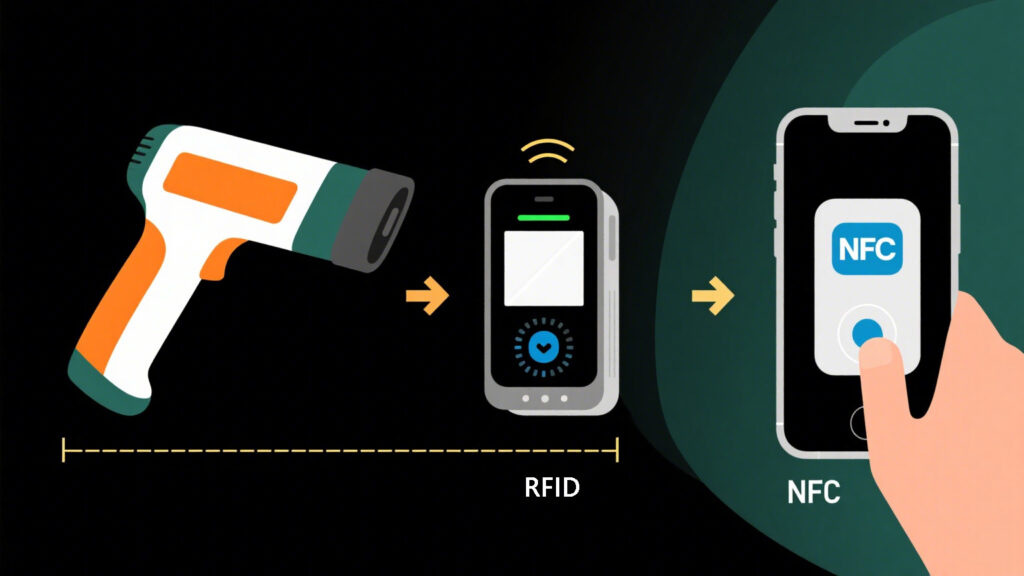
And then there’s NFC. Yes, NFC is also wireless, but it’s more like a “cousin” of RFID. NFC is for super short distances (a few centimeters), like tapping your phone to pay. RFID has much wider range and is built for larger-scale tasks like supply chains or hospital equipment.
So what’s the real value of RFID labels? Pulling together insights from Meyers, Camcode, and TechTarget, we can boil it down to a few things:
Each example highlights the same truth: RFID labels aren’t just about storing info. They’re about making physical objects visible and traceable in the digital world.
As SML points out, the choice depends on:
If I had to sum up rfid labels meaning in one line: they are not just “electronic barcodes” but tools that give products a voice.
Whether in a retail store, a hospital ward, a delivery truck, or a factory floor, RFID labels quietly collect and transmit information. They help managers see what was once invisible, they make supply chains more transparent, and they protect consumers with safer goods.
And the technology is still evolving. Labels are getting smaller, cheaper, and more eco-friendly. Chances are, the next time you pick up a product, you won’t see the RFID inside – but it will still be there, doing its job.
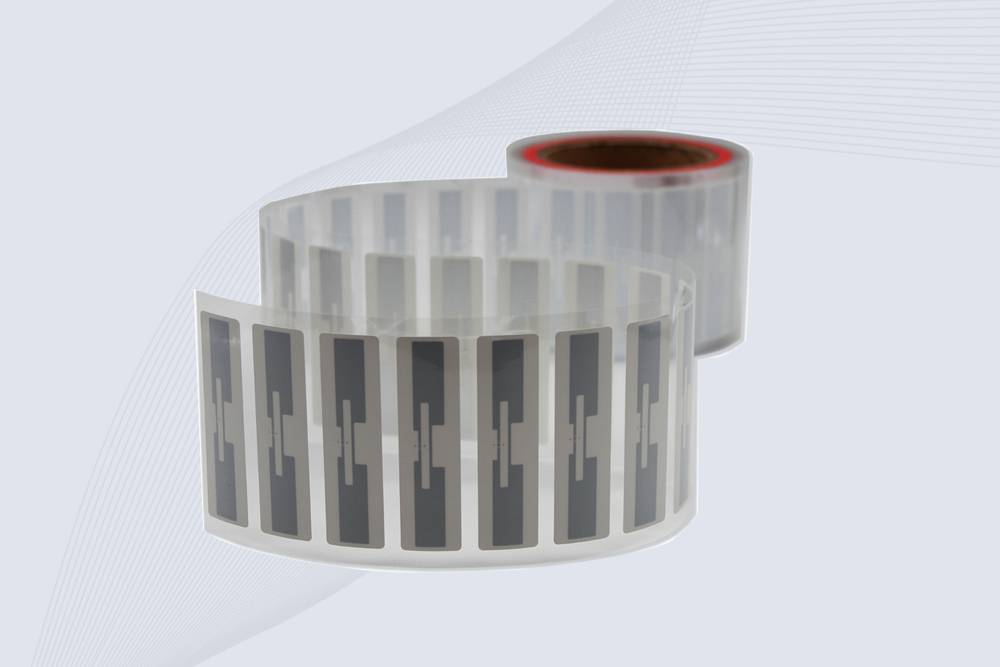
CYKEO Passive RFID Tags are made for wet and high-humidity environments where standard labels do not last. This rfid passive tag is often used around liquids, chemicals and temperature changes, providing stable reading distance and long data life for industrial tracking.
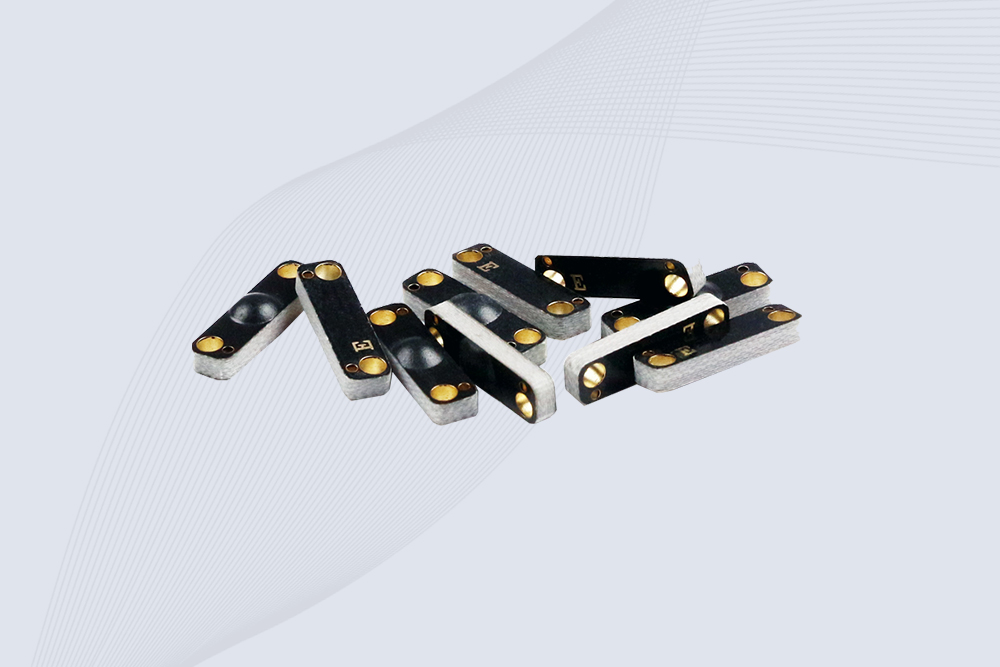
CYKEO CK-BQ1504 Metal RFID Tags is a compact anti-metal UHF RFID solution built for direct mounting on metal surfaces. With stable 8-meter read range, Ucode-8 chip, and long data retention, this rfid metal tag fits tools, containers, automotive parts, and industrial asset tracking.
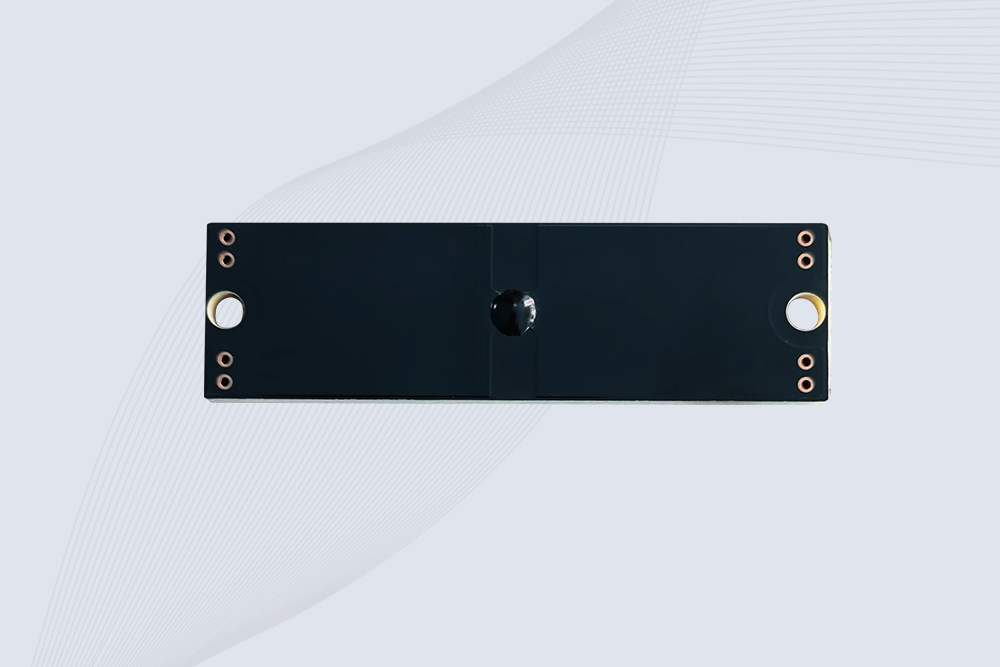
CYKEO CK-BQ7020 On-Metal RFID Tags are designed for reliable tracking on steel and metal surfaces. Built with an FR4 epoxy body and industrial-grade chips, these On-Metal RFID Tags deliver stable performance, long data life, and chemical resistance, making them a dependable RFID anti-metal tag for harsh environments.
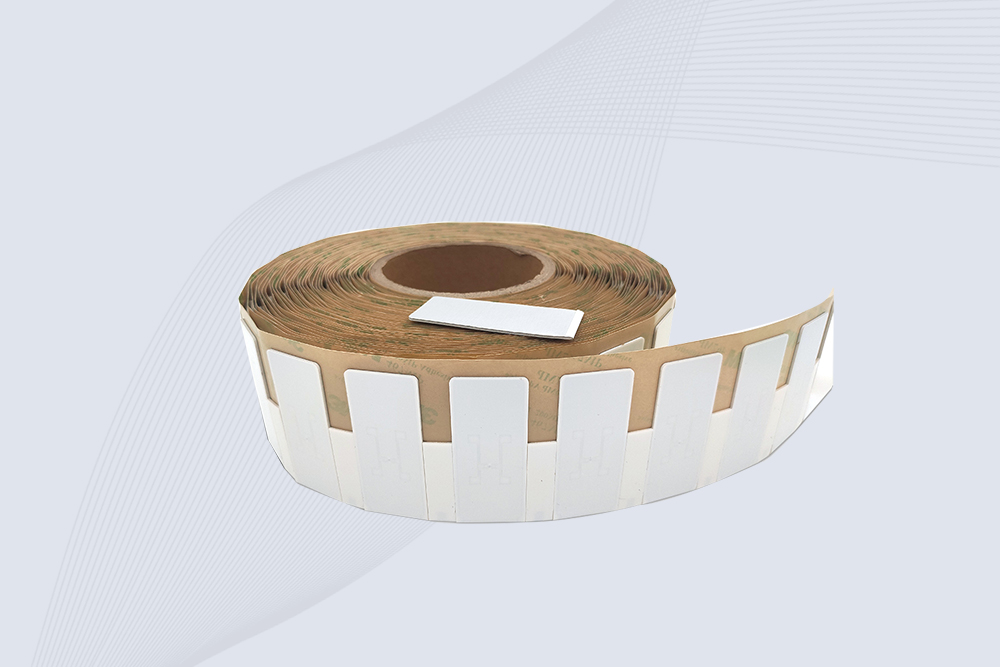
The CYKEO CK-BQ6025 Anti-Metal RFID Tag is built for metal surfaces where standard tags fail. Designed for long-range performance, harsh environments, and stable data retention, this Anti-Metal RFID Tag is ideal for industrial assets, containers, and equipment tracking using on metal RFID tags.

Learn how to test RFID tags using your smartphone’s NFC feature. Discover apps, DIY methods, and troubleshooting tips for quick verification.
More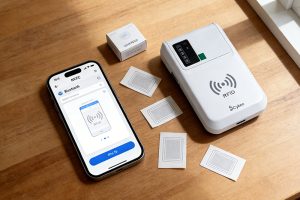
Wondering where is the RFID reader on an iPhone? Understand iPhone's NFC capabilities, its location, limitations, and see professional RFID solutions from CYKEO.
More
An in-depth look at fixed RFID readers from a developer’s perspective, covering system integration, secondary development, API control, and flexible antenna configurations for real RFID solutions.
More
Learn how Tesla’s top suppliers use RFID to track 10,000+ auto parts with precision. Cykeo reveals the tech, challenges, and ROI of RFID in automotive manufacturing.
More