RFID is quietly creeping into the textile and apparel world. It’s not flashy, and nobody’s writing headlines about it, but it’s showing up everywhere — production floors, warehouses, retail stores, even recycling. Slowly, it’s making things run smoother, faster, and sometimes greener.
So why does it matter? What does it actually do? And where does it get messy? Let’s unpack it.
What RFID Is — and Why It Works for Textiles
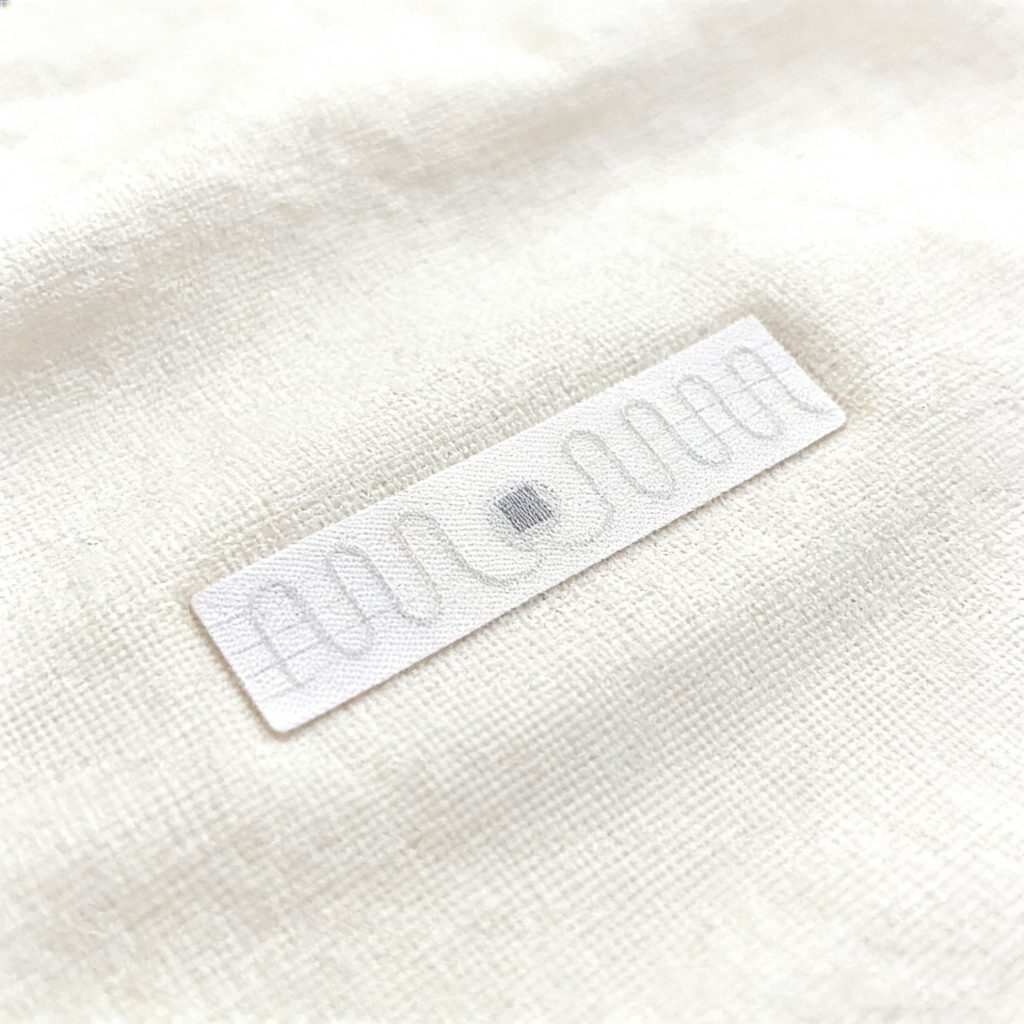
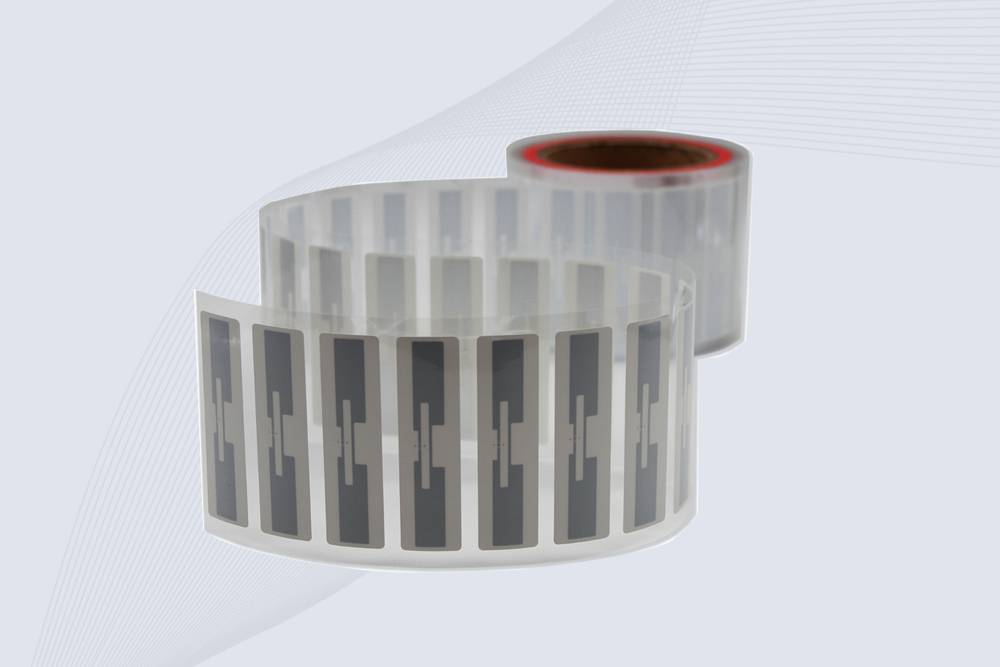
At its simplest, RFID is just a way to automatically identify items using radio waves. Every product, roll of fabric, or finished garment can carry a small tag. Inside, there’s a chip and an antenna storing info like product ID, batch number, material type, or production date.
Here’s the kicker: unlike barcodes, you don’t have to line up each item or even see it. Folded clothes, packed boxes, hangers — all of it can be read at once.
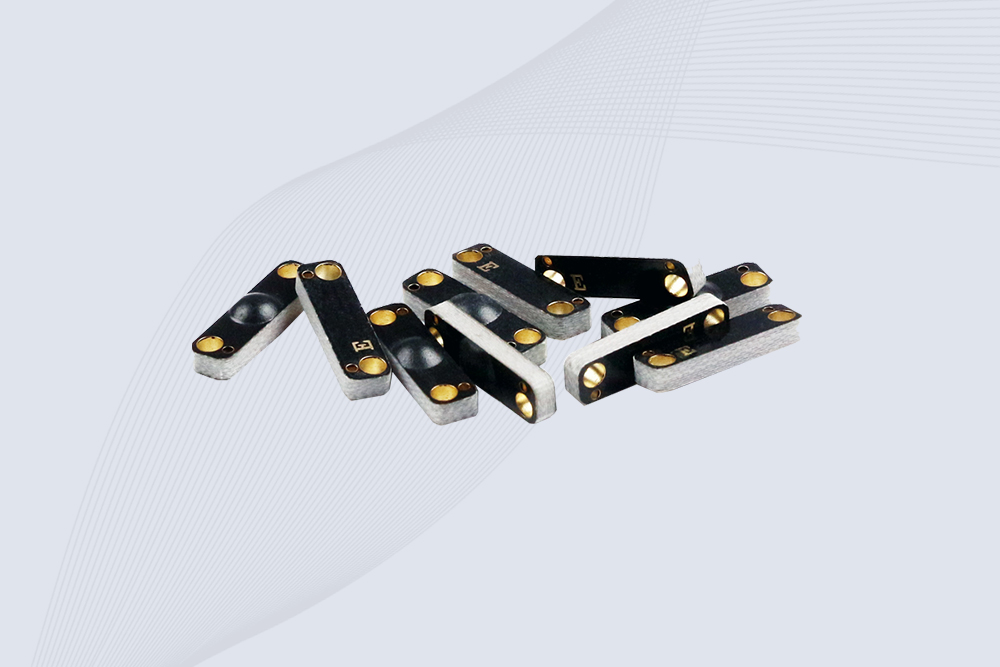
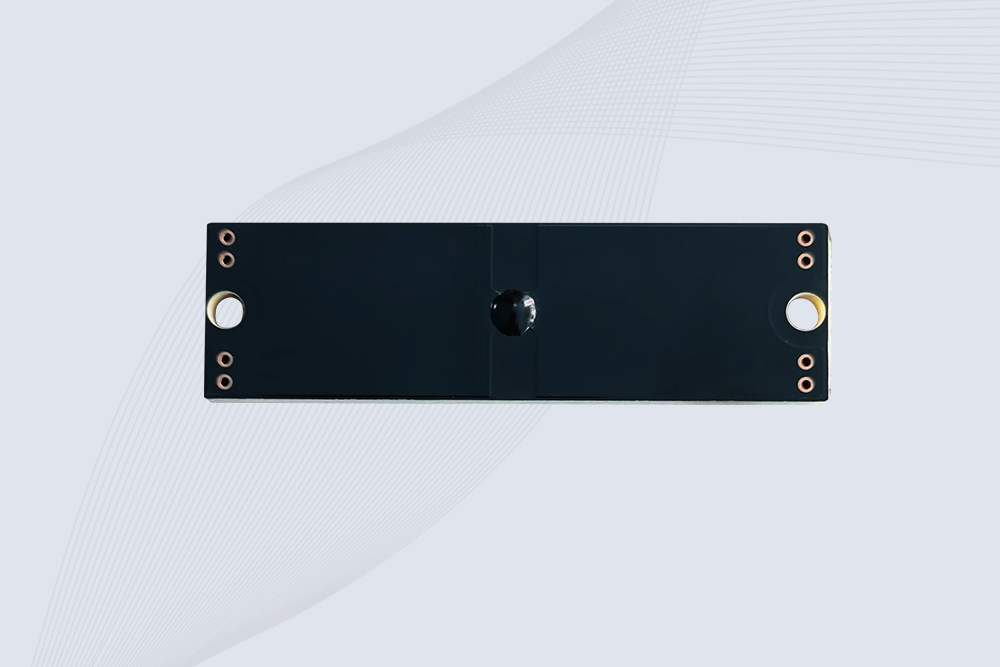
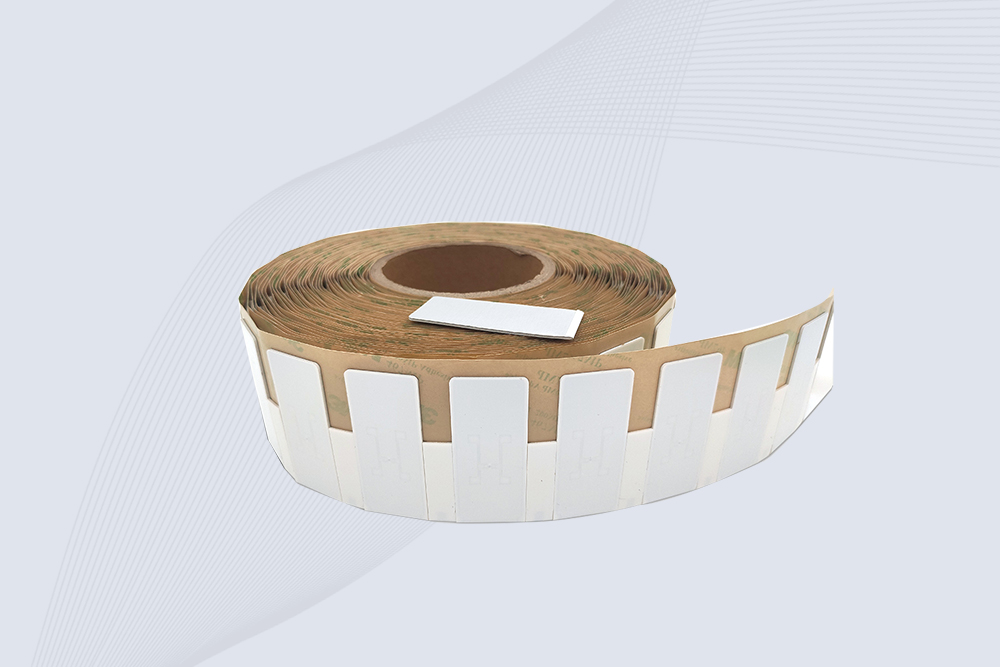
For textiles and apparel, this is huge. Tracking yarn, fabric batches, finished garments, even accessories suddenly becomes way easier. For example, industrial laundry items often use durable RFID tags like CK-BQ7015 that survive harsh washing and repeated use, making the whole process more reliable.
How RFID Actually Helps
1. Real-Time Inventory & Warehousing On the warehouse floor or production line, RFID tells you where everything is. Fabric batches, semi-finished items, finished garments — all trackable. No more mix-ups, no more lost items. Inventory gets easier, and counts are more accurate.
Stocktaking? Shipping or receiving hundreds of items at once? RFID handles them all at once. Time saved, less labor, fewer mistakes.
In stores or distribution centers, inventory updates happen in real time. Fewer stockouts, less overstock, faster responses to demand — basically, the system keeps you in check.
2. Production Tracking & Quality Control RFID can follow a product from raw material → semi-finished → finished garment. Batch tracking becomes clear, mistakes drop, and quality stays more consistent.
For complex supply chains, this visibility is a game-changer. It’s not just knowing where things are — it’s seeing the whole flow and actually being able to control it.
3. Supply Chain Transparency & Traceability Every garment can have a unique ID. Track it from material origin, factory, production date, all the way through warehouses and stores.
This isn’t just for internal control. It helps recycling, resale, circular economy stuff too. Consumers care more about sustainability every year, and RFID lets brands back it up.
4. Reducing Waste & Supporting Sustainability Better inventory and tracking = less overproduction, fewer mismatched items, fewer scrapped items. For recycling or reuse, RFID tags help trace materials and history, making second-life use way easier. Durable options like CK-BQ7015 can even survive industrial laundry cycles, which is a big help for textile recyclers and service providers.
Small things at first glance, but over time, it adds up — less waste, smarter resource use, actual steps toward sustainable fashion.
5. Retail, Distribution, and Sales Efficiency In stores or distribution centers, RFID speeds things up. Packed items, folded clothes, hangers — all read in bulk. Picking, stock checks, shipping, even checkout — faster.
For brands with multiple stores or global supply chains, it’s lower cost and quicker responses. Efficiency matters, and RFID delivers.
The Real-World Challenges
Of course, RFID isn’t perfect. There are bumps along the road:
Cost — Tags are pricier than barcodes. Add readers, infrastructure, backend systems — it can feel steep, especially for smaller businesses.
Standards and compatibility — Different countries, different frequencies, different rules. Global brands have to navigate this.
Technical limits — Signals get blocked by metal, liquid, packaging. Tags can get damaged during sewing, washing, or transport. Clothes get folded, washed, moved constantly — all of it adds complexity.
Privacy — Once products leave the warehouse, RFID could theoretically be read by others. Proper data management is key.
Integration — RFID isn’t just tagging items. Workflows, IT systems, staff training — all need adjustments. It’s a process change, not just sticking tags on stuff.
Why Companies Still Choose RFID
So, with all these challenges, why bother?
The industry is messy and complex — Multiple batches, factories, warehouses, sales channels. Manual tracking or barcodes can’t keep up. RFID handles it.
Sustainability and responsibility — Consumers care about sourcing, labor, environment. RFID gives brands a way to actually show transparency.
Long-term efficiency — Sure, the initial cost is higher, but savings in labor, less waste, faster logistics — it pays off.
Part of digital transformation — For big brands, RFID isn’t just a tool. It’s a step toward modernizing and controlling global supply chains.
Even with challenges, RFID is slowly becoming a standard part of textile and apparel operations.
Conclusion
RFID in textiles isn’t just a tech solution. It’s a new way to run a business. From production to sales, inventory to recycling, it turns opaque processes into clear, data-driven ones.
For companies looking to boost efficiency, cut waste, and improve supply chain visibility, RFID is worth exploring. Costs, standards, integration, privacy — sure, you need to pay attention, but as the tech matures, these hurdles will shrink.
In short, RFID is quietly becoming the backbone of modern textile and apparel operations. And for applications like industrial laundry, tags like CK-BQ7015 make the process much more reliable and durable.
CYKEO Passive RFID Tags are made for wet and high-humidity environments where standard labels do not last. This rfid passive tag is often used around liquids, chemicals and temperature changes, providing stable reading distance and long data life for industrial tracking.
CYKEO CK-BQ1504 Metal RFID Tags is a compact anti-metal UHF RFID solution built for direct mounting on metal surfaces. With stable 8-meter read range, Ucode-8 chip, and long data retention, this rfid metal tag fits tools, containers, automotive parts, and industrial asset tracking.
CYKEO CK-BQ7020 On-Metal RFID Tags are designed for reliable tracking on steel and metal surfaces. Built with an FR4 epoxy body and industrial-grade chips, these On-Metal RFID Tags deliver stable performance, long data life, and chemical resistance, making them a dependable RFID anti-metal tag for harsh environments.
The CYKEO CK-BQ6025 Anti-Metal RFID Tag is built for metal surfaces where standard tags fail. Designed for long-range performance, harsh environments, and stable data retention, this Anti-Metal RFID Tag is ideal for industrial assets, containers, and equipment tracking using on metal RFID tags.
Understand the differences between passive and active RFID for construction tool tracking. Learn how Cykeo’s solutions optimize tool management on job sites.
Got a single RC522 module? Learn what to do with RC522 RFID module 1pc. We cover real first-step projects like a simple lock or logger to get you started.
RFID and barcode technologies are widely used in international trade, manufacturing, warehousing, and retail industries. This article provides a detailed comparison of the two in terms of identification methods, reading efficiency, data capacity, ...
Upgrade your library, warehouse, or retail space with the CK-DP4B Wall-Mounted RFID Kiosk. Fast, secure, and efficient self-checkout and real-time asset tracking. Streamline your operations today.
 Cykeo RFID IoT Solution Products R&D Manufacturer