 Cykeo RFID IoT Solution Products R&D Manufacturer
Can NFC Read and Write to RFID? Let’s Clear Up the Confusion
30People ask me all the time, can NFC read and write to RFID? I break down the frequency battle, real-world hacks, and which CYKEO gear gets the job done without the jargon.
MoreAll RFID Product
Let’s be honest — the logistics industry has been under crazy pressure these past few years. Everyone wants things faster and cheaper, and the old ways of doing things just don’t cut it anymore. Manual counts, handwritten logs… they feel like something from another era. In that context, rfid in logistics has started showing up more and more in conversations. At first glance, it might look like just a “fancy tag,” but to me, it’s much more than that. It’s changing how we see warehouses, transportation, and the supply chain as a whole.
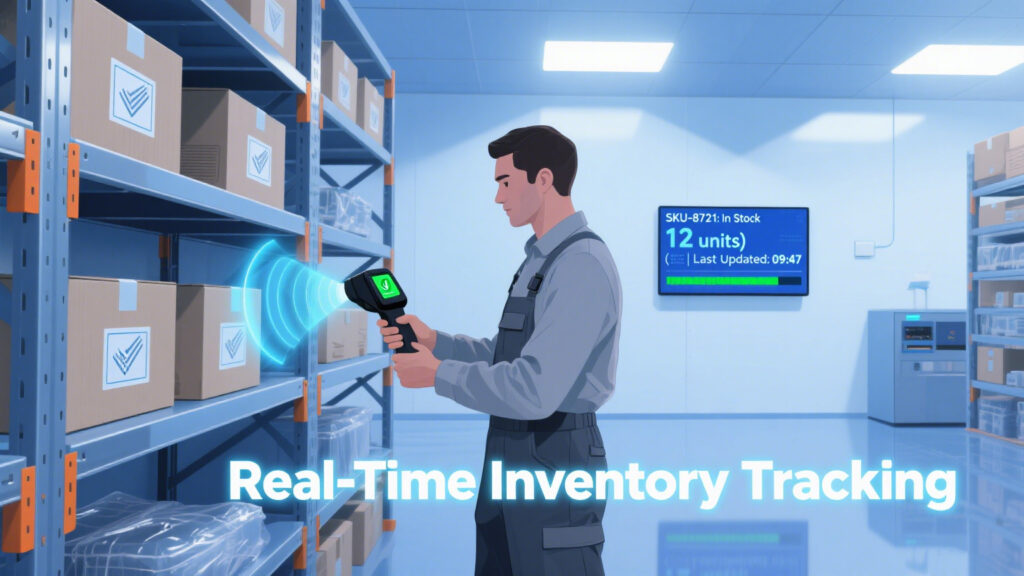
The first time I saw RFID used in a warehouse, I was honestly impressed. Inventory counts that used to drag on for days could be done in a matter of hours — and with fewer mistakes. Workers simply walked around with a reader, and suddenly the system knew exactly what was missing or overstocked.
What struck me even more was that the tags could also carry environmental info, like temperature. For goods that need cold storage, that’s a game changer. Of course, it’s not all perfect. Installing the equipment isn’t cheap, and if there’s too much metal or liquid around, signals can get messy. Still, the big shift is that a warehouse is no longer a “black hole” — it’s becoming transparent, almost alive with data.
A lot of people think RFID is just about scanning a label. The reality is, it’s getting smarter. Today, “intelligent RFID” means it’s not just tags and readers, but also how it connects with warehouse management and ERP systems.
Take inventory, for example. Instead of waiting for a scheduled count, updates are real-time. Expensive assets can be tagged too — vehicles, containers, you name it — so they don’t “disappear” unexpectedly. And because all this info feeds into a central system, managers can make quicker decisions. That said, I’ve heard complaints: the upfront investment is heavy, integration isn’t always smooth, and some people are nervous about privacy. So no, it’s not a magic bullet — but it’s definitely where the industry is heading.
Outside the warehouse, transportation is another critical piece. One of the biggest headaches in logistics is losing track of shipments mid-route. RFID helps fix that. Fleets can be equipped with readers, giving updates not only on location but also on vehicle conditions like fuel use or maintenance needs.
Looking ahead, I think RFID will get even more powerful. Imagine tags with sensors that track temperature, vibration, or pressure. For food and medicine, that’s crucial — a small glitch during transit can ruin everything. The one issue? Again, cost. Smaller companies may find it tough to roll out RFID across the entire chain all at once.
If you zoom out to the full supply chain, RFID touches almost every stage. It’s there in production lines, keeping track of work-in-progress. It’s at the dock and the yard, recording the flow of containers. And even in reverse logistics — returns — RFID makes life easier. Instead of someone manually checking every item, a shipment can pass through an RFID gate and the system updates automatically. That kind of efficiency isn’t just an upgrade — it’s a re-design of the whole process.
For me, rfid in logistics is really a trade-off between efficiency and cost. On the one hand, you get faster receiving, picking, and shipping, fewer mistakes, and better customer satisfaction. On the other, there’s the cost of the system, training, and maintenance. And let’s not forget — standards aren’t always consistent yet.
Still, the numbers are hard to ignore. Some companies report inventory accuracy jumping from 65% to over 99%. Others have given customers full visibility into shipments, something that was impossible a few years ago. There are even industry projects underway to create standardized traceability platforms that should roll out soon.

The impact doesn’t stop at logistics. In retail, RFID is used to reduce theft and speed up stock checks. In healthcare, hospitals use it to locate critical equipment and reduce the risk of cross-contamination. Manufacturing plants track parts with it, cutting down on recalls and rework. “Smart labels” — the modern form of RFID — are likely to become the norm, with different frequencies and types of tags designed for different needs.
Looking back, it’s clear that rfid in logistics has moved way beyond pilot projects. Warehouses are more transparent, shipments don’t get lost as easily, and the supply chain is less of a mystery and more of a living network.
Is it perfect? No. Costs, signal interference, privacy — those issues aren’t going away overnight. But I genuinely believe that, just like barcodes decades ago, RFID will become the backbone of logistics. It’s not just about tracking stuff. It’s about making the entire chain smarter, faster, and a lot more resilient.
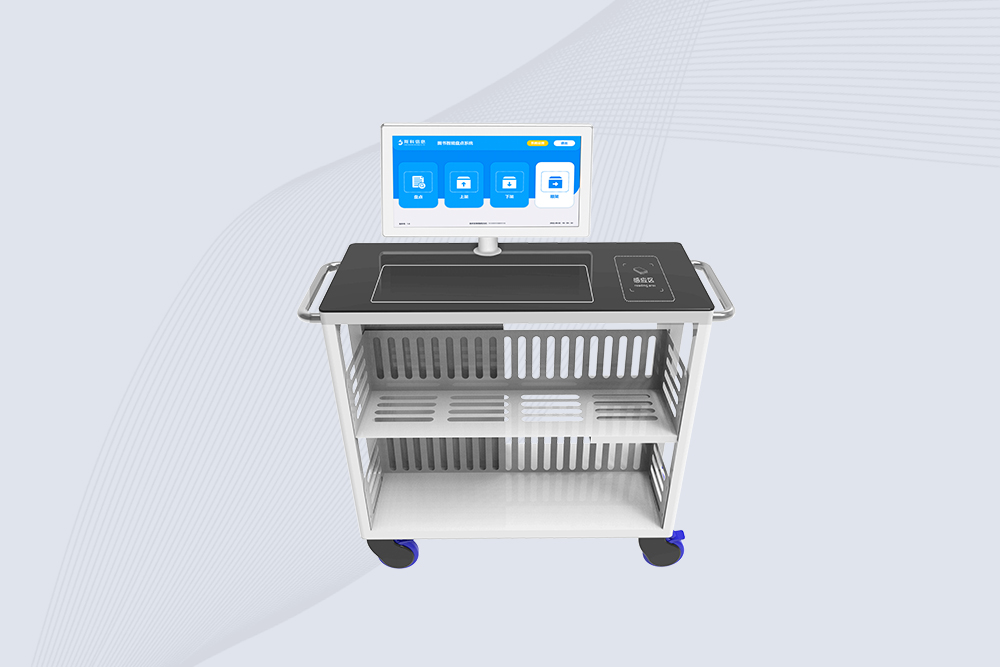
Cykeo CYKEO-C2 UHF RFID inventory cart features 10 UHF readers, 500 tags/sec scanning, Windows/Android OS, and hybrid power for warehouses/libraries. Supports ISO 18000-6C protocols and customization.
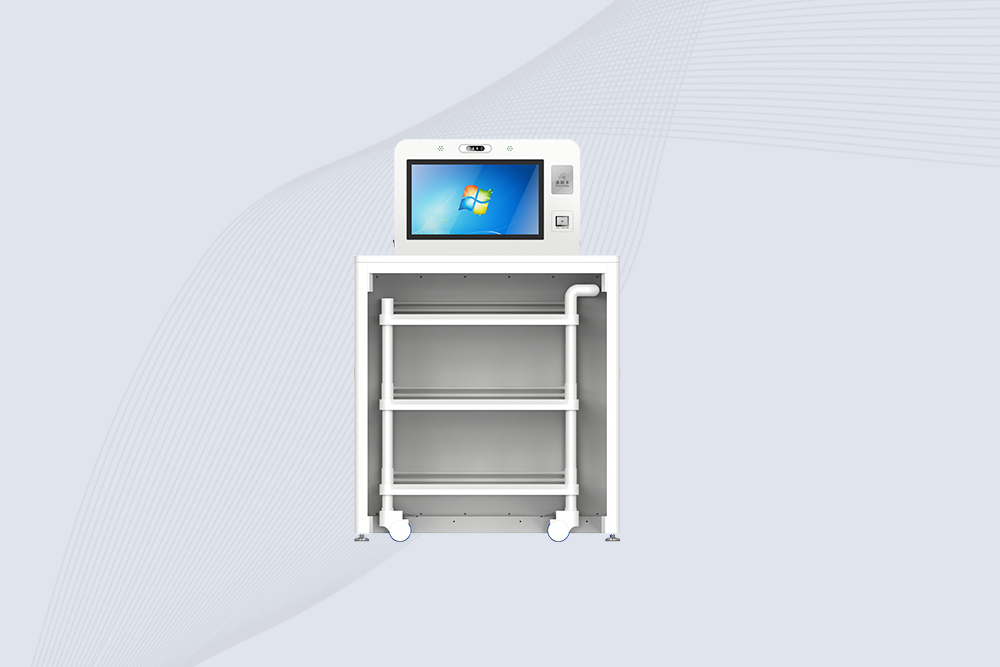
Cykeo’s industrial RFID Inventory Tracking station features dual scanning modes, 200+ items/sec bulk reading, and SAP integration for precise warehouse management. MIL-STD-810G certified with Windows/Android OS.

Cykeo CYKEO-D7 RFID system for inventory offers 40+ tags/sec scanning, 150L secure storage, and Impinj R2000 chipset for warehouses, toolrooms, and retail. Global frequency compliance (840-960MHz).
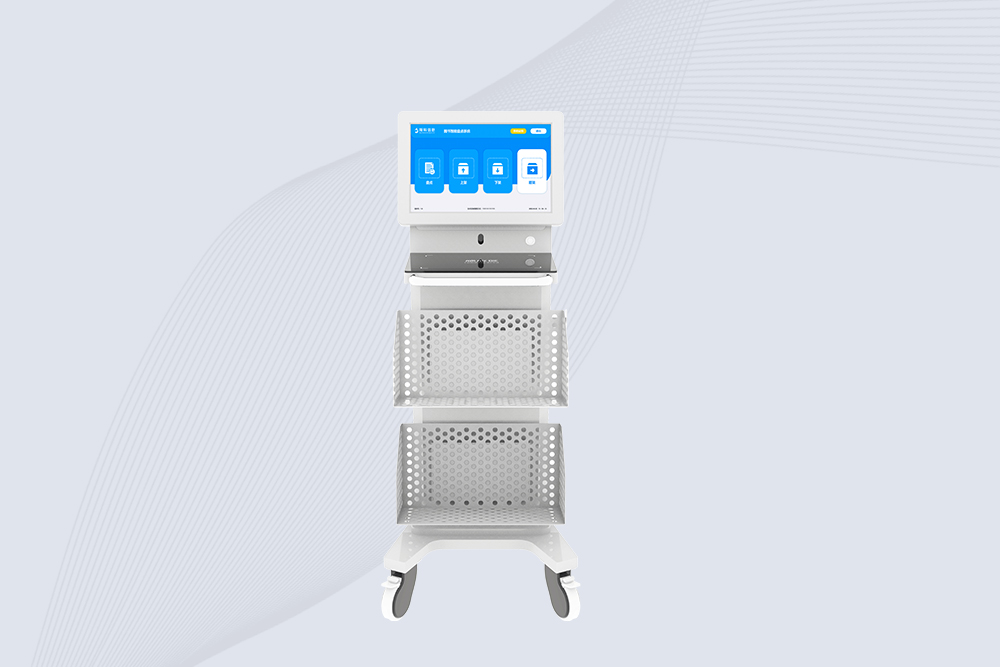
Cykeo CYKEO-C1 mobile RFID scanner cart features PLC-controlled antenna lifting, 10-tag/sec reading, and 21.5″ touchscreen for libraries, hospitals, and warehouses. Supports Windows/Android and multi-protocol RFID.
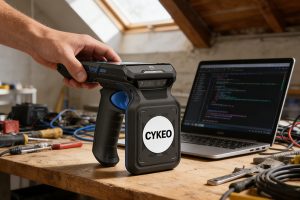
People ask me all the time, can NFC read and write to RFID? I break down the frequency battle, real-world hacks, and which CYKEO gear gets the job done without the jargon.
More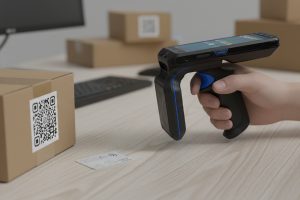
CYKEO CK-B3L is a rugged uhf rfid bluetooth handheld reader with long read range, Android system and stable performance. This UHF RFID Handheld Reader is designed for warehousing, logistics, manufacturing and outdoor field operations.
More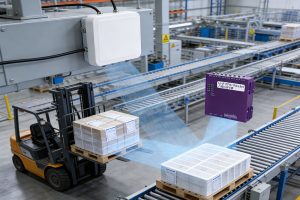
long-range industrial RFID readers for warehouse, production line, and logistics operations.integration with RFID antennas,Custom RFID hardware solution providers.
More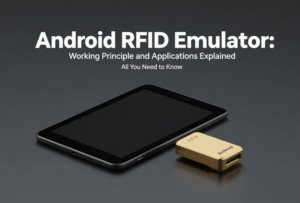
The Android RFID Emulator leverages Host-based Card Emulation (HCE) to turn Android phones into RFID/EPC tags. It enables low-cost testing, access control simulation, and rapid prototyping—making it an essential tool for RFID system integrators an...
More