 Cykeo RFID IoT Solution Products R&D Manufacturer
How to Integrate Handheld RFID Scanners with Your Inventory System
1109Learn how to seamlessly connect handheld RFID scanners to your inventory system for real-time tracking, reduced errors, and improved efficiency.
MoreAll RFID Product
Walk into any busy hospital, and you quickly notice how much depends on timing and accuracy. Beds need to be ready, equipment needs to be in the right place, and the right medication has to reach the right patient at the right time. In this environment, small errors can have big consequences. Over the past few years, RFID technology has quietly become a tool that hospitals are using to tackle these challenges. By allowing real-time tracking of equipment, supplies, and even patients, RFID is helping healthcare workers work smarter, not harder.

One of the most obvious uses of RFID in hospitals is keeping track of equipment and supplies. Anyone who has worked in a hospital knows how frustrating it is to hunt for a missing infusion pump or a wheelchair. With RFID, each piece of equipment can be tagged, and staff can locate it instantly without wasting time.
In practice, some hospitals have seen huge differences after implementing RFID. In one case, a medium-sized hospital was losing dozens of pieces of medical equipment every month. After tagging critical items, the staff could see exactly where each piece was at all times. The result? Less scrambling, fewer emergency purchases, and a smoother day-to-day workflow.
RFID is not just about equipment—it can directly impact patient safety. Consider patient identification. Wristbands with RFID chips allow nurses to verify a patient’s identity before administering medication or performing procedures. This reduces the risk of errors that could have serious consequences.

In another example, a hospital implemented a system where nurses use tablets to scan patient wristbands and log care activities in real time. This eliminated the need for piles of paperwork and ensured that every dose of medication and every procedure was properly recorded. Staff reported feeling more confident that they were giving the right care to the right patient.
Hospitals often struggle with keeping track of medicines and other consumables. Running out of essential drugs or using expired items can be dangerous. RFID tags make it possible to monitor inventory levels automatically. Staff can see which medications are running low or which items need to be restocked, without having to manually count every box.
This kind of system has made a noticeable difference in hospital pharmacies. Staff spend less time on inventory checks and more time helping patients. In one scenario, a hospital pharmacy reduced wasted medication by nearly half simply by tracking supplies in real time with RFID.
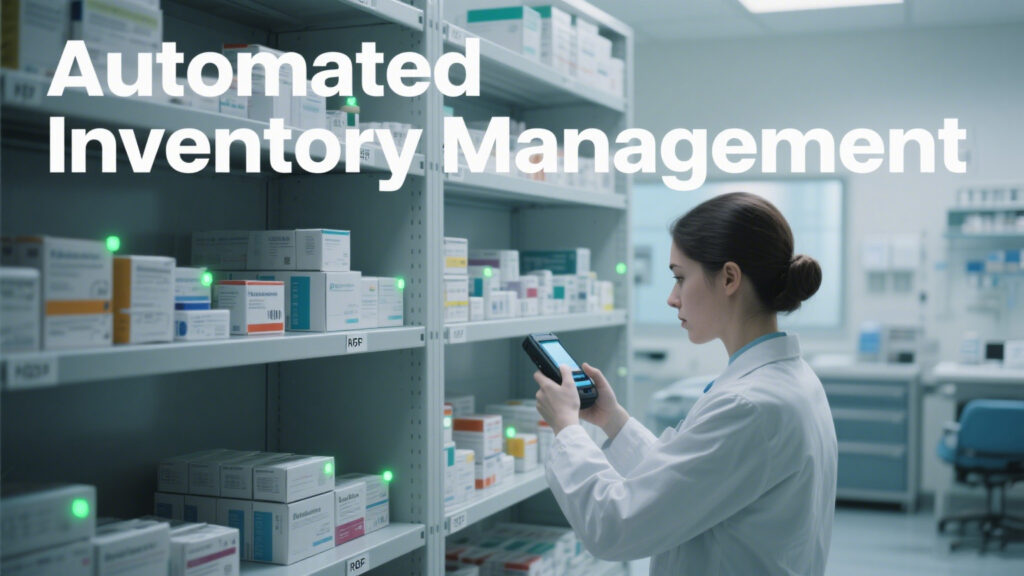
Beyond tracking equipment and supplies, RFID can provide real-time insights that improve how hospitals operate. Knowing where a bed or a vital piece of equipment is at any moment allows staff to plan procedures more efficiently. Tracking patient flow through wards can reveal bottlenecks and help management adjust staffing levels.
For instance, in a busy emergency department, staff noticed delays caused by waiting for equipment to become available. After implementing RFID tracking, they could see which equipment was idle and redirect it where it was needed most. The changes didn’t require hiring more staff—just smarter use of existing resources.
Of course, RFID isn’t a silver bullet. Implementing it takes planning. Tags need to be durable and reliable, staff need training, and systems must integrate with existing hospital processes. Interference from other equipment and complex hospital layouts can also present challenges. But when done thoughtfully, the benefits—safer patients, better resource management, and less stress for staff—far outweigh the hurdles.
RFID solutions for healthcare are quietly changing the way hospitals operate. By tracking equipment, ensuring the right medications reach the right patients, and providing real-time insights into hospital workflows, RFID is helping healthcare workers provide better care, faster and more efficiently. It’s not flashy technology—it’s practical, everyday help in a field where every minute counts.
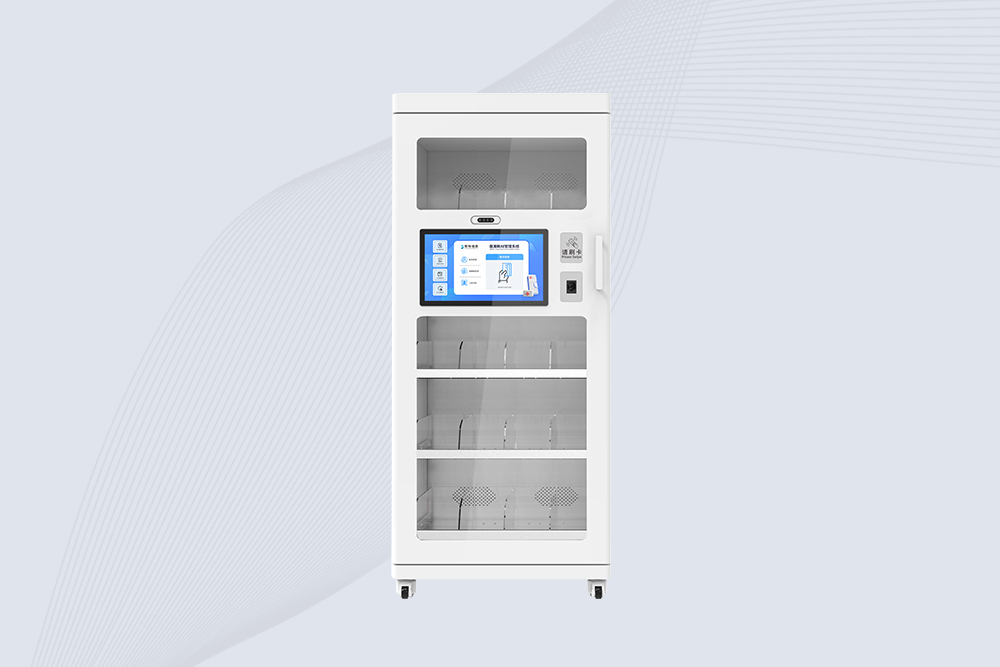
Cykeo’s medical RFID cabinet features 21.5″ touchscreen, dual-door security & HIPAA compliance for OR/pharmacy. Tracks implants, gauze & consumables. Request demo.
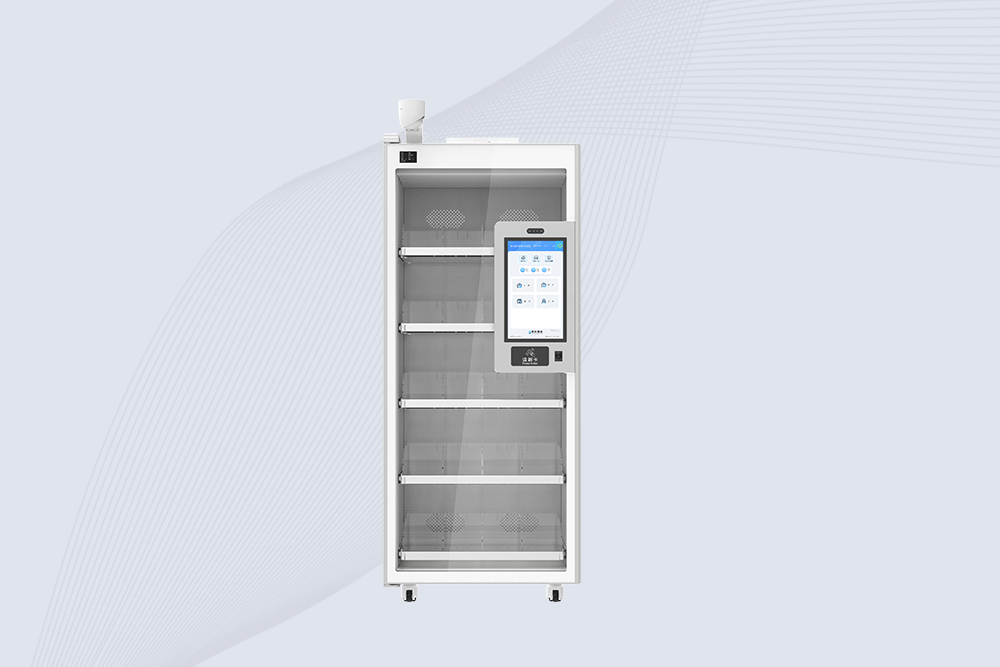
Cykeo’s smart medical cabinet RFID features 21.5″ touchscreen & 99.9% accuracy for OR instrument tracking. Modular shelves for 500+ items. HIPAA compliant. Request demo.
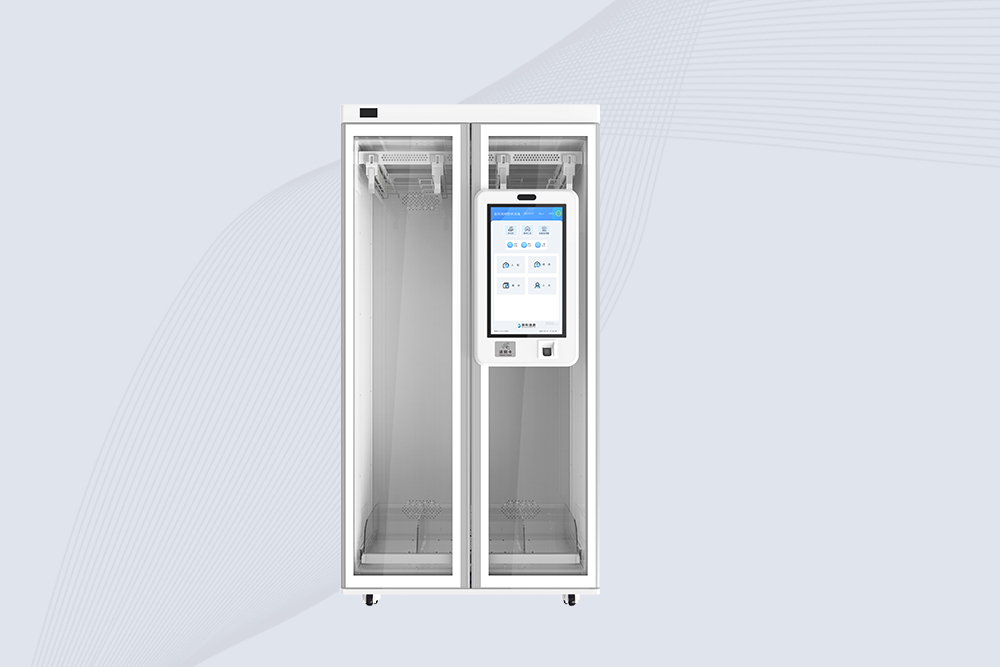
Cykeo’s UHF RFID hospital asset cabinet features dual-door security, antibacterial coating & 99.9% accuracy for OR implants. ISO 13485 compliant. Tracks 2000+ items.
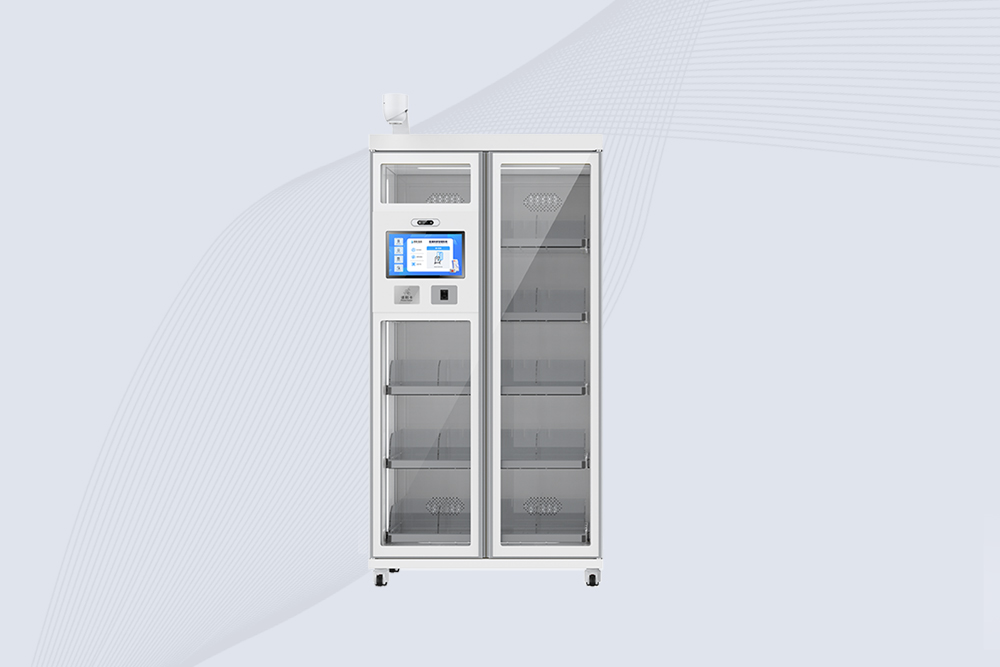
Cykeo’s medical RFID storage cabinet features 14″ touchscreen, 600 tags/sec scanning & 1.2mm steel security. Tracks 500+ surgical consumables. Reduces staff workload by 70%.

Learn how to seamlessly connect handheld RFID scanners to your inventory system for real-time tracking, reduced errors, and improved efficiency.
More
RFID reader DIY guide: Brutally honest parts list, why 73% fail, and when Cykeo’s pre-built saves cash. Real solder-burn stories included.
More
Discover how an RFID antenna works as the critical translator in your system. Learn about signal transmission, power harvesting, and data collection in simple terms.
More
Cykeo showcased advanced RFID security solutions at the 24th China (Jinan) Digital Security Expo 2025. Discover how our IoT-driven technology enhances asset tracking and access control worldwide.
More