RFID Handheld Reader vs. Fixed Reader: Which Is Better for Retail?
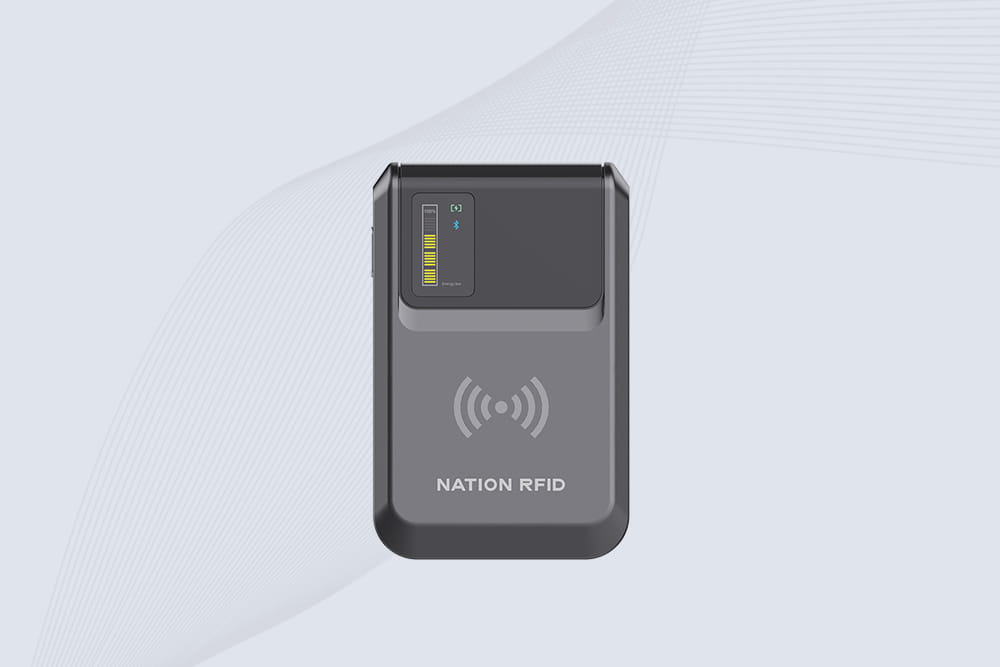
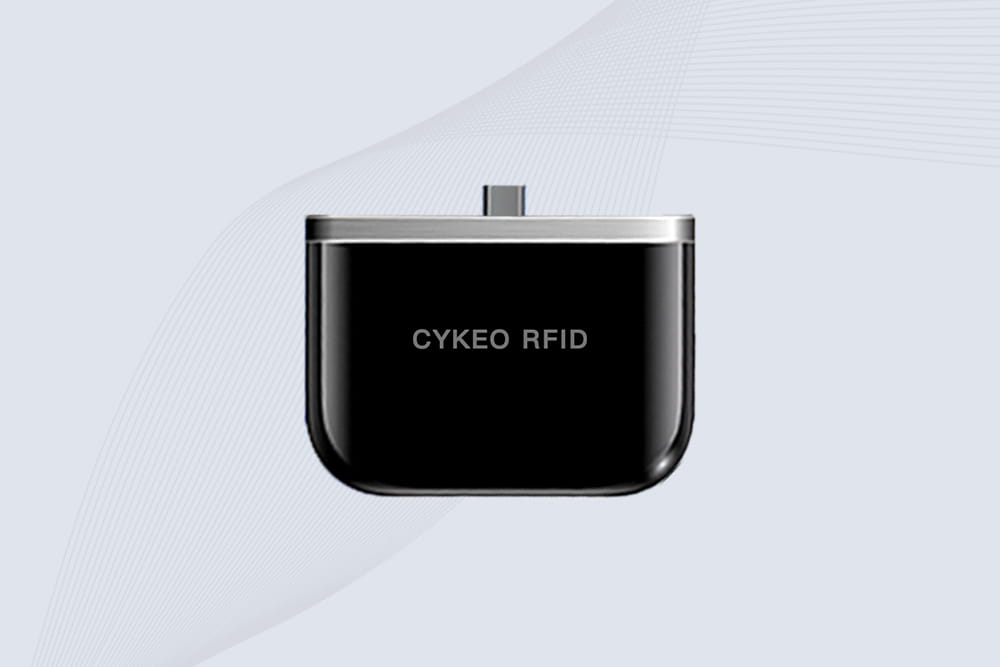
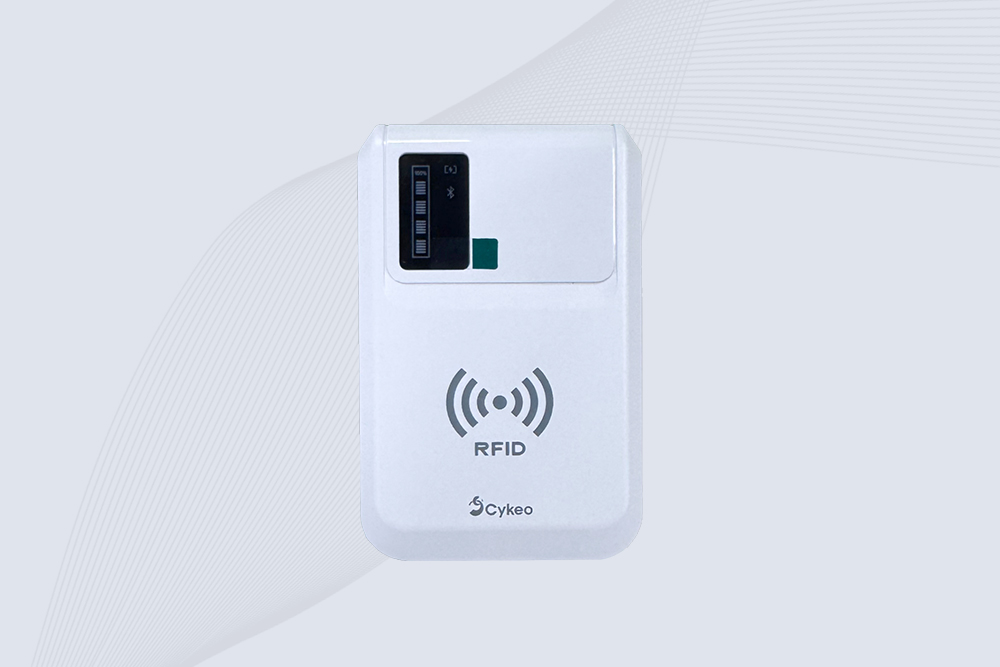
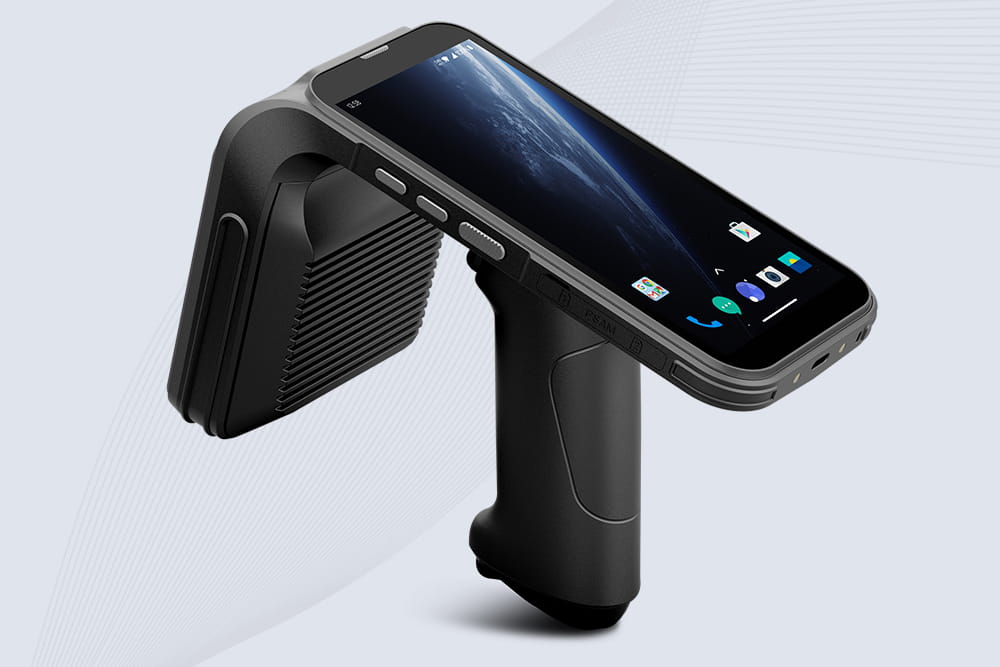
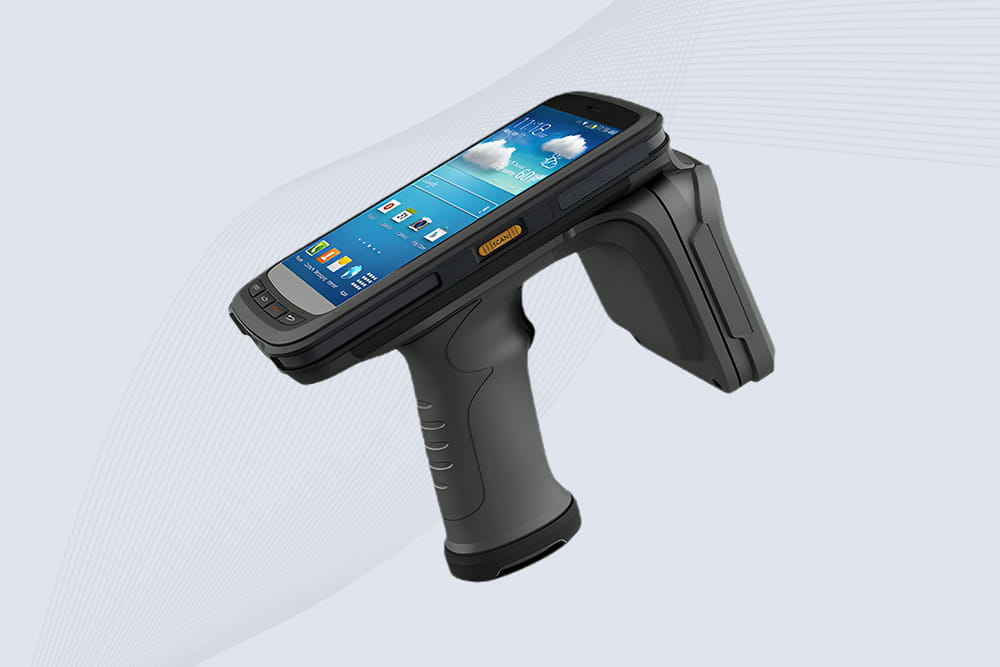
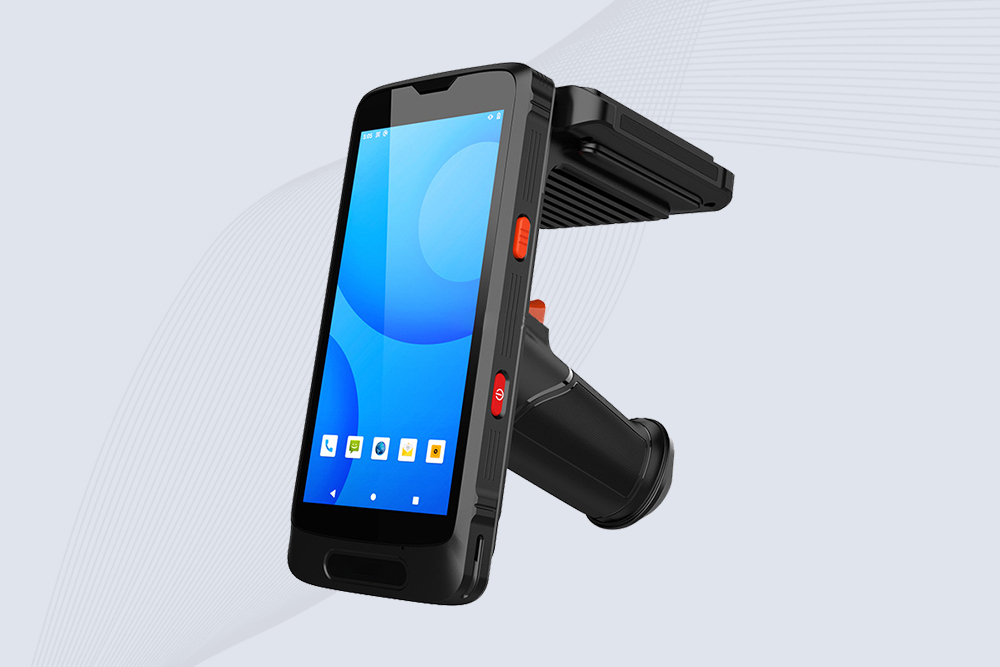
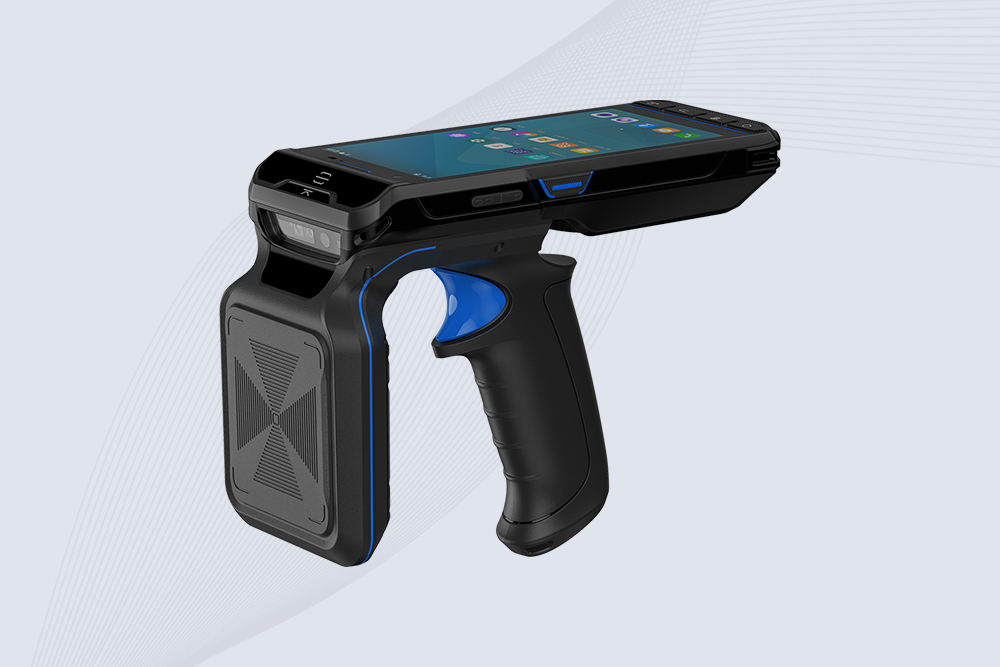
Choosing between handheld and fixed RFID readers depends on your retail store’s size, workflow, and security needs. Here’s a breakdown of their strengths, limitations, and ideal applications.
- Pros:
- Flexibility: Scan items anywhere (e.g., stockrooms, sales floors).
- Cost-Effective: Lower upfront cost (~800–2,000 per unit).
- Staff-Friendly: Ideal for daily stock checks and small stores.
- Cons:
- Manual Operation: Requires staff time for scanning.
- Limited Automation: No real-time monitoring for theft.
- Pros:
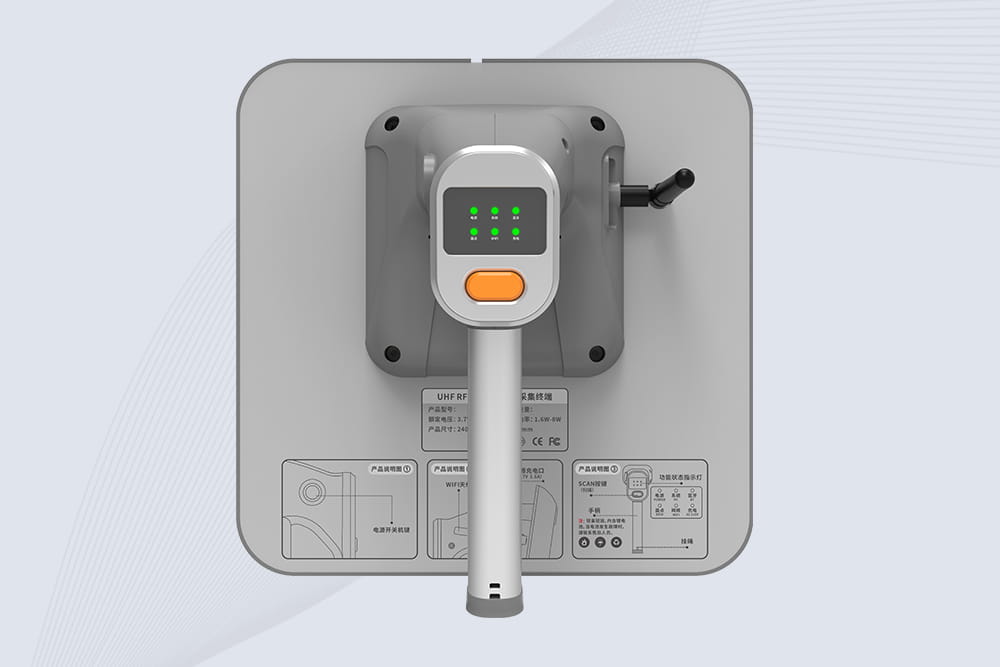
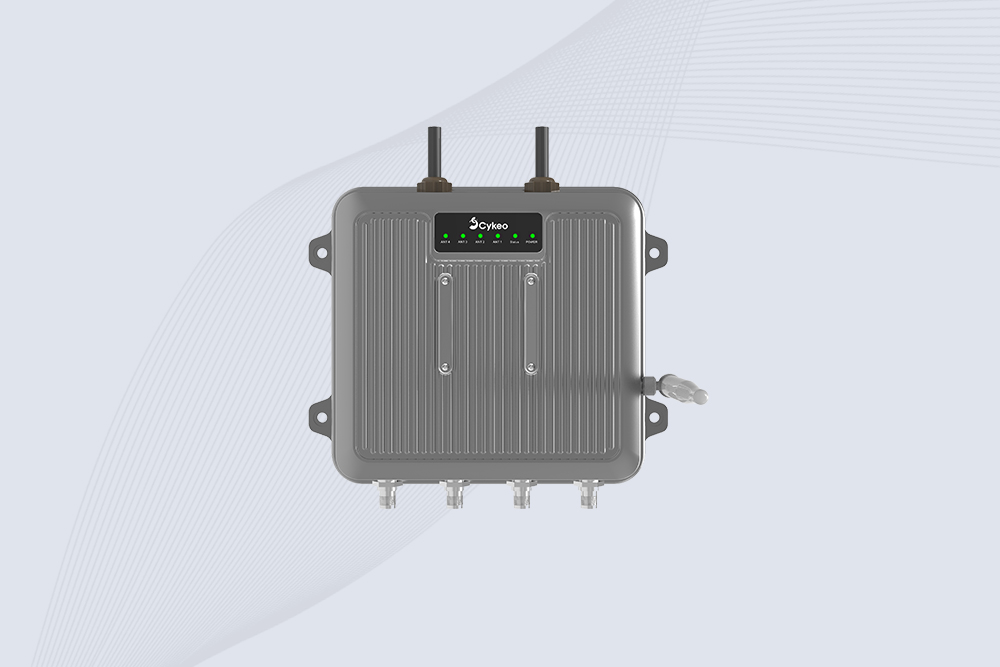
- Automation: Monitor high-traffic zones (e.g., exits, fitting rooms) 24/7.
- Theft Deterrence: Detect unpaid items instantly (e.g., Cykeo’s RetailGuard System).
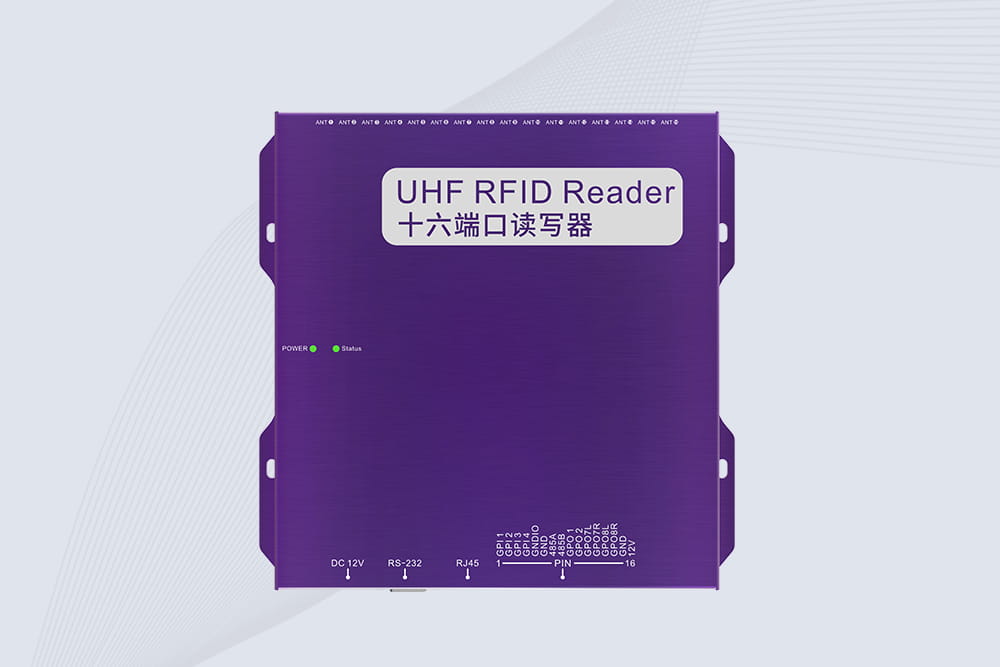
- Bulk Scanning: Read 100+ tags/sec for fast checkout lanes.
- Cons:
- Higher Cost: Installation and hardware (~3,000–10,000+).
- Fixed Locations: Less adaptable to layout changes.
3. Best Use Cases
- Handheld Readers:
- Mid-sized stores needing frequent, flexible audits.
- Pop-up shops or seasonal inventory checks.
- Fixed Readers:
- High-theft areas (exits, luxury sections).
- Stores with high daily foot traffic.
4. Hybrid Strategy
Smaller stores: Start with handhelds for audits.
Larger stores: Combine handhelds (stockrooms) with fixed gates (exits). Cykeo’s solutions seamlessly sync data between both systems.
Case Study: Retailer Cuts Losses by 55%
A fashion retailer reduced theft by 55% using fixed exit readers, while handheld scanners cut inventory time by 40%, achieving 99% accuracy.
RFID handheld vs fixed retail
 Cykeo RFID IoT Solution Products R&D Manufacturer