Walk into almost any hospital, and you’ll hear the same complaint:
“Where did this equipment go?”
It might be an infusion pump. A portable monitor. Or a set of surgical tools that was just used a few hours ago.
No one intentionally misplaces equipment. But in a busy hospital environment, things move constantly—and tracking them manually doesn’t always keep up.
That’s where RFID for hospitals starts to make a difference.
1. Why Equipment Gets Lost in Hospitals
Most hospitals already have some form of tracking.
Usually:
Manual logs
Barcode systems
Department-level control
On paper, it works.
In reality, a few things make it difficult:
Equipment moves between departments
Items are shared across shifts
Staff don’t always have time to log usage
Emergency situations override procedures
Over time, small gaps in tracking turn into real problems.
2. The Real Cost of “Missing” Equipment
When equipment can’t be found, the impact is immediate:
Nurses spend time searching instead of treating patients
Departments reorder items they already have
Procedures get delayed
Inventory data becomes unreliable
And in some cases:
Equipment isn’t actually lost—it’s just not visible.
3. How RFID Changes the Situation
RFID doesn’t rely on manual input.
Instead of asking staff to scan or record equipment, the system tracks it automatically.
Here’s the basic idea:
Equipment is tagged with RFID
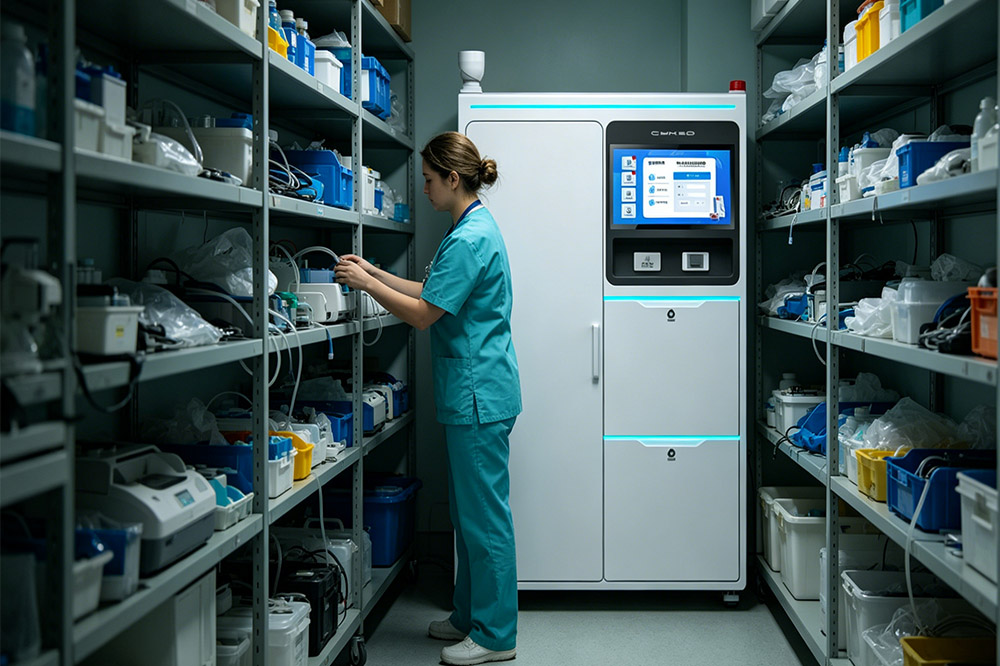
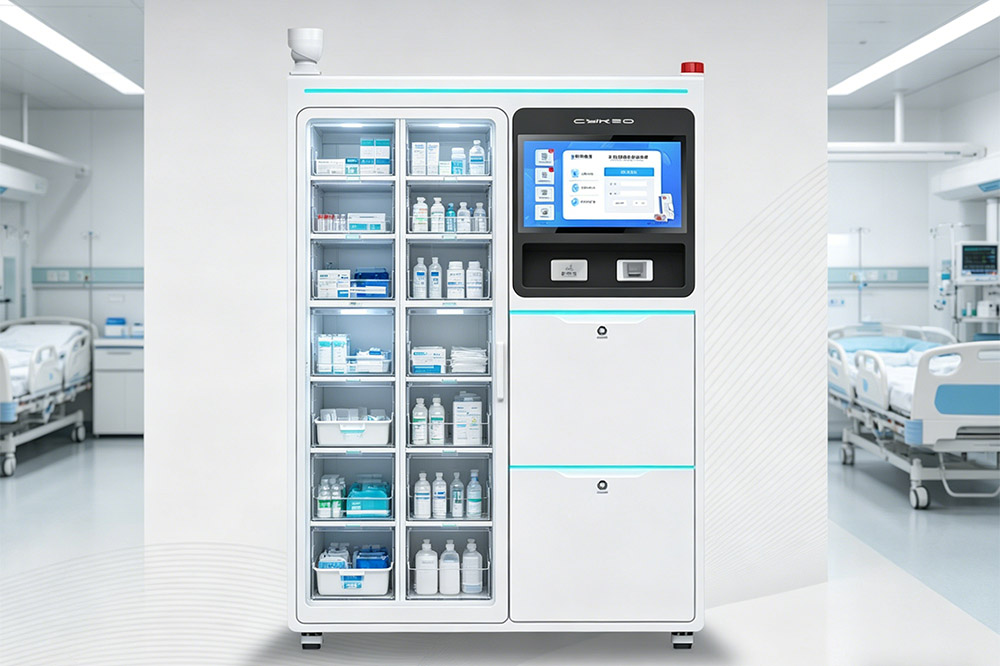
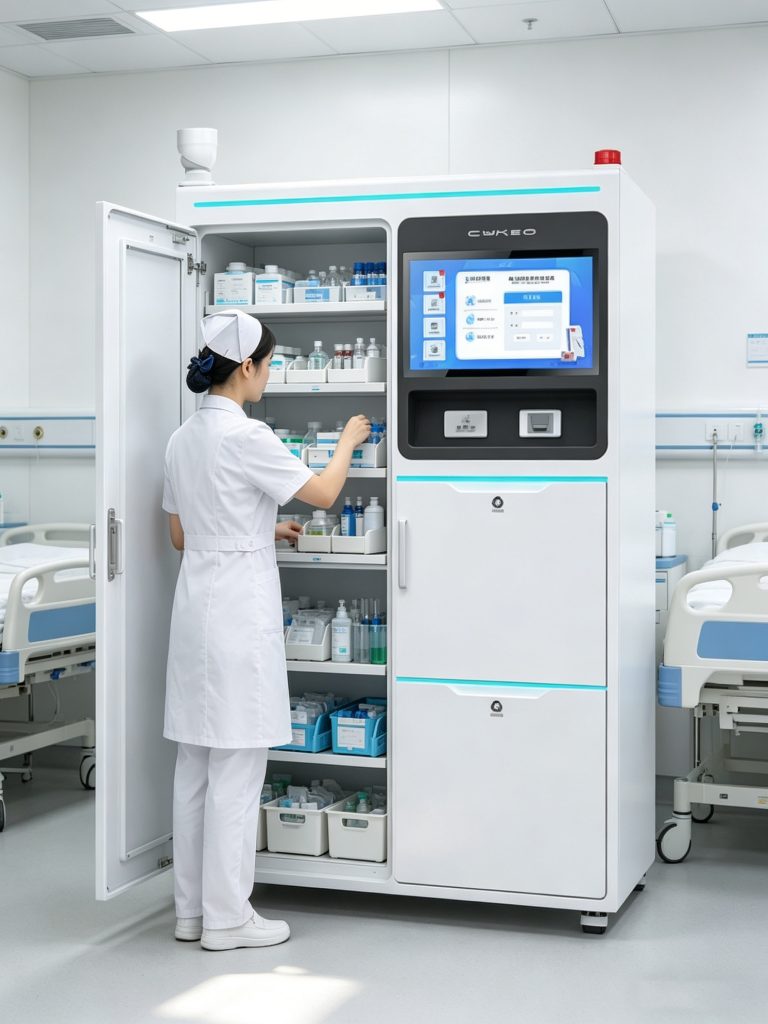
Readers or cabinets detect items automatically
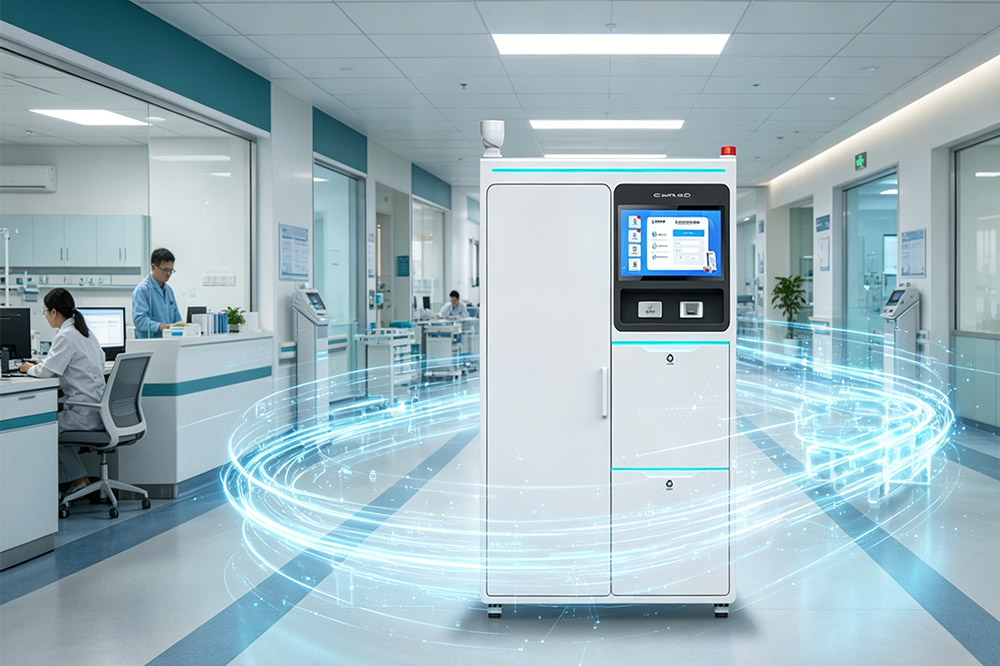
Movement is recorded in real time
From a user perspective, nothing extra needs to be done.
That’s what makes it practical in a hospital setting.
4. Where RFID Makes the Biggest Difference
Equipment Tracking Across Departments
Items like infusion pumps or wheelchairs are constantly moved.
With RFID:
You can see where equipment is
Which department last used it
Whether it has been returned
Medical Supply Management
Consumables and high-value items (like implants) are often stored in controlled environments.
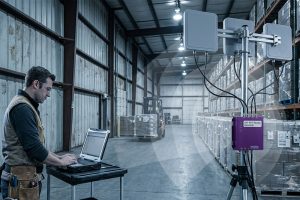
Learn how far a long range RFID reader can really read. Explore the factors affecting RFID read distance, including reader power, antenna gain, tag type, frequency, installation, and real project examples.
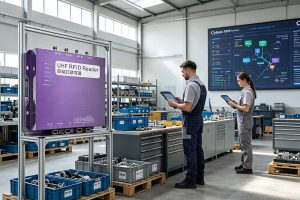
Discover what is rfid asset tracking and how RFID technology improves asset visibility, location management, and operational efficiency with Cykeo solutions.
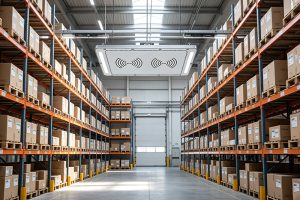
inventory management rfid tags enable real-time asset visibility, reduce manual errors, and improve warehouse accuracy up to 99% for efficient operations.
 Cykeo RFID IoT Solution Products R&D Manufacturer