 Cykeo RFID IoT Solution Products R&D Manufacturer
How to Use RFID Scanner for Daily Operations and Real Project Situations?
195Learn how to use rfid scanner in real work scenarios. Clear, field-tested steps for inventory, access control, and asset tracking using CYKEO RFID solutions.
MoreAll RFID Product
An RFID asset tag is a smart identification label attached to equipment, tools, IT assets, documents, or inventory, enabling automatic tracking, faster audits, and real-time asset visibility. Properly deployed RFID asset tag systems can significantly improve inventory accuracy while reducing manual labor and asset loss.
As an RFID engineer who has participated in asset-tracking deployments across manufacturing plants, logistics centers, hospitals, and utility companies for more than a decade, I have seen a consistent pattern: organizations rarely lose assets because equipment disappears entirely. Most losses occur because nobody knows where assets are at the moment they are needed.
That is exactly where RFID changes the equation.
Traditional barcode systems require line-of-sight scanning.
RFID does not.
An RFID reader can identify multiple tagged assets automatically without direct visual contact.
According to research from Avery Dennison and industry RFID deployments, RFID-enabled inventory programs frequently achieve inventory accuracy levels above 95%, compared with traditional retail inventory accuracy levels often around 65%–76%.
That difference becomes significant when managing:
| Function | Benefit |
|---|---|
| Unique Asset ID | Prevents duplication |
| Contactless Reading | Faster operations |
| Real-Time Tracking | Better visibility |
| Batch Identification | Higher efficiency |
| Lifecycle Management | Improved compliance |
| Asset History Records | Easier auditing |
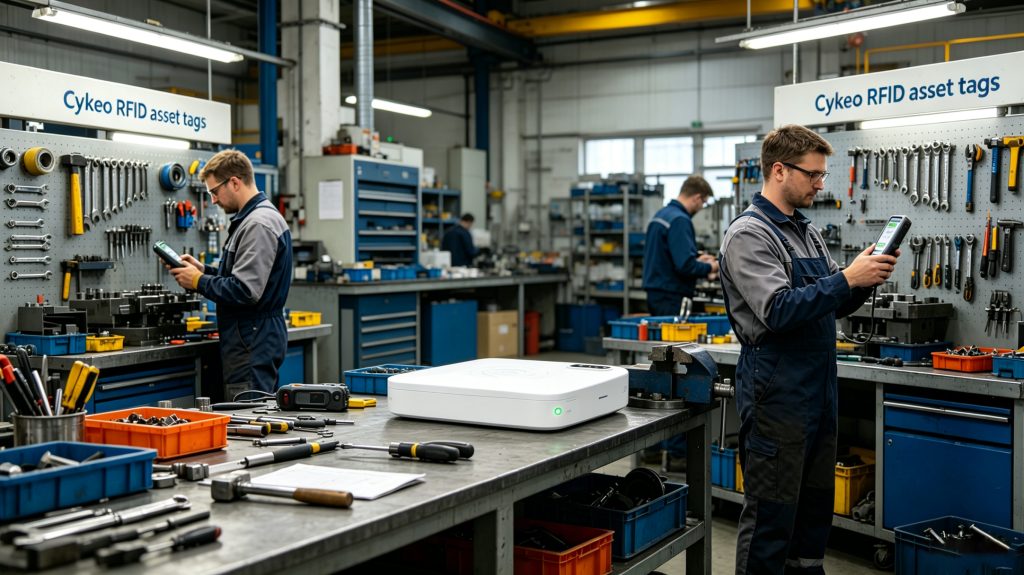
A few months ago, our team worked with a manufacturing customer managing nearly 18,000 maintenance tools across multiple workshops.
The challenge was not theft.
The challenge was search time.
Technicians spent several minutes locating specialized tools before maintenance tasks even started.
After RFID asset tag deployment:
The biggest improvement was operational speed rather than security.
That distinction is often overlooked.
Not all assets require the same tag.
Metal surfaces affect RF signals.
For:
Use:
Suitable for:
Common choices:
Recommended for:
Required features:
The National Retail Federation reported substantial increases in inventory-related losses and theft incidents over recent years, pushing organizations to invest more heavily in asset visibility technologies.
In practice, however, RFID often solves a broader problem than theft.
Many organizations discover:
An RFID asset tag creates a digital identity that follows the asset throughout its lifecycle.
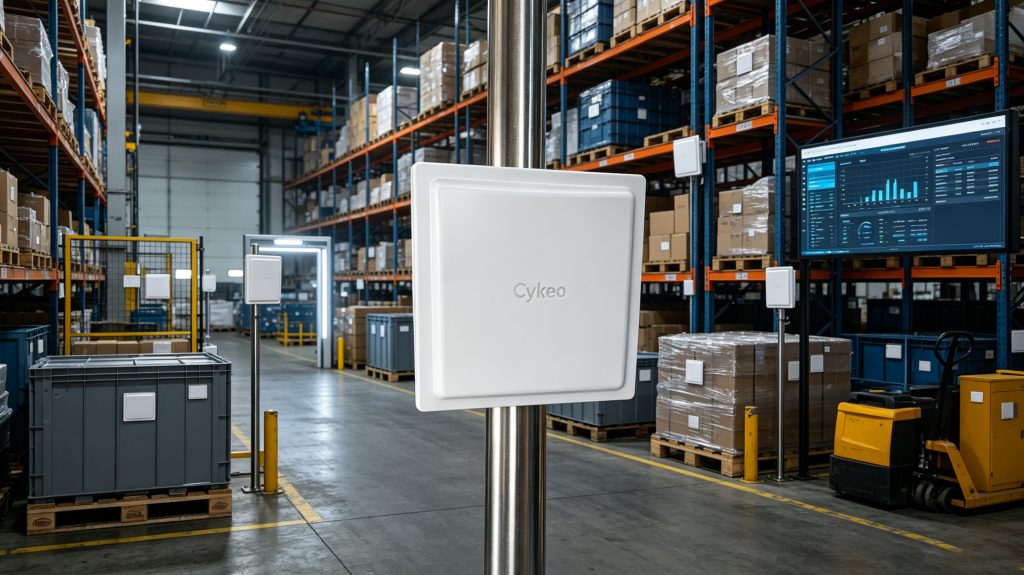
Several factors influence performance:
In successful deployments, infrastructure planning often matters more than tag cost.
An RFID asset tag identifies and tracks physical assets automatically using radio frequency technology, reducing manual inventory effort and improving asset visibility.
Yes. Specialized on-metal RFID asset tags are specifically designed for metallic surfaces and industrial machinery.
Passive RFID asset tags typically last many years because they contain no battery and require minimal maintenance.
Many industrial RFID asset tags are available with waterproof and weather-resistant designs suitable for outdoor use.
Yes. Modern RFID systems can integrate with ERP, WMS, CMMS, and asset management platforms through APIs and middleware.
An effective RFID asset tag deployment is not simply a labeling project. It creates a real-time digital connection between physical assets and enterprise systems. Organizations that implement RFID strategically gain faster audits, higher inventory accuracy, improved asset utilization, and stronger operational visibility.
For enterprises seeking scalable asset management, Cykeo RFID asset tag solutions provide a practical path toward automated tracking, reduced manual workload, and long-term control of valuable assets.

Learn how to use rfid scanner in real work scenarios. Clear, field-tested steps for inventory, access control, and asset tracking using CYKEO RFID solutions.
More
How to use RFID reader writer: Connect the device to software, place compatible RFID tags in the controlled area, write required data, and verify the program...
More
Discover how handheld RFID scanners enhance patient care, streamline equipment tracking, and reduce errors in hospitals and clinics.
More
Get past the theory. See exactly what is RFID antenna used for in daily operations—from speeding up shipping to stopping theft. Learn why it’s your system's workhorse.
More