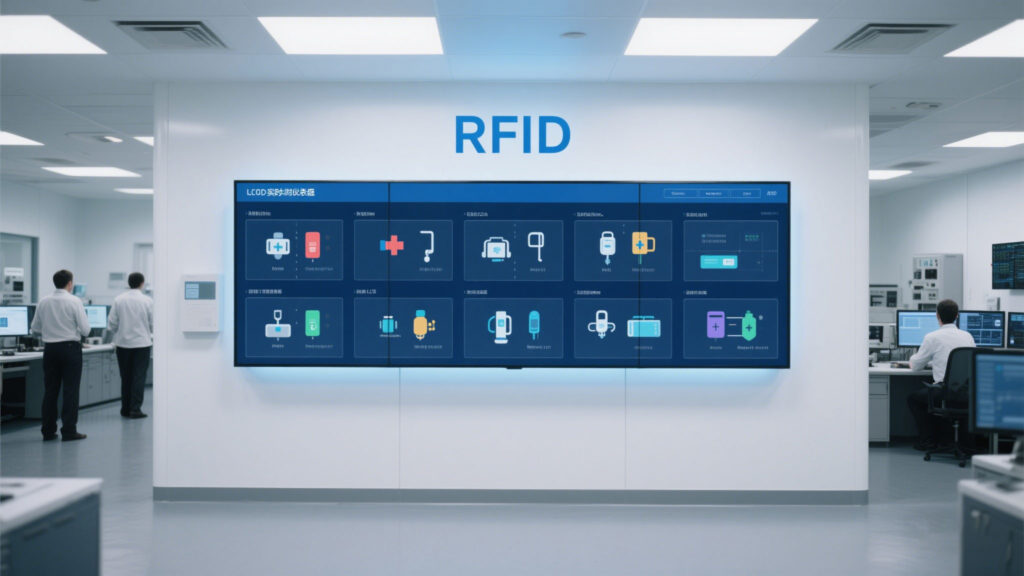
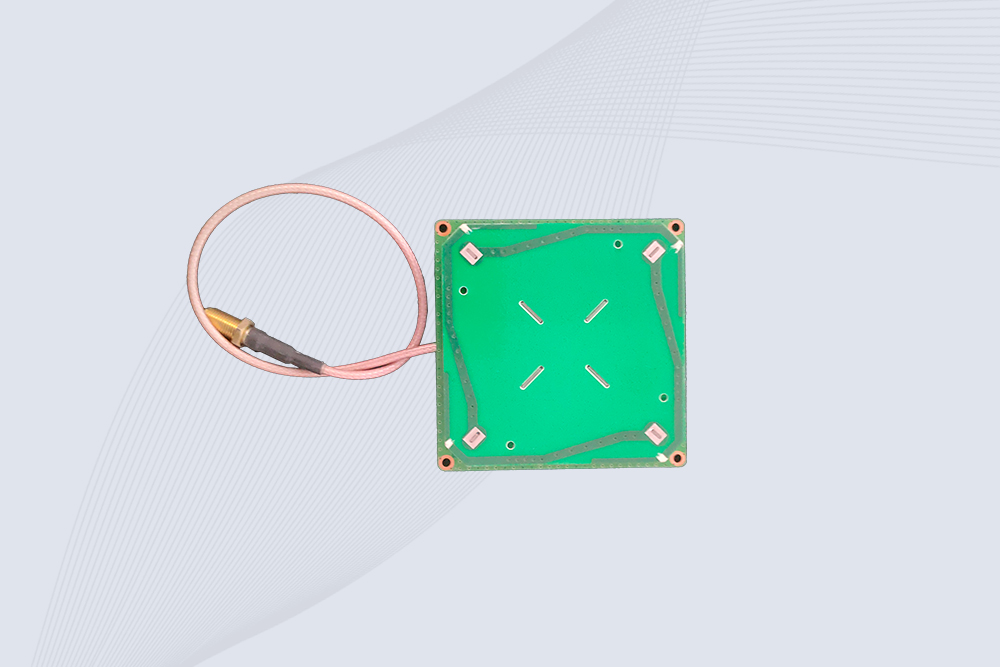
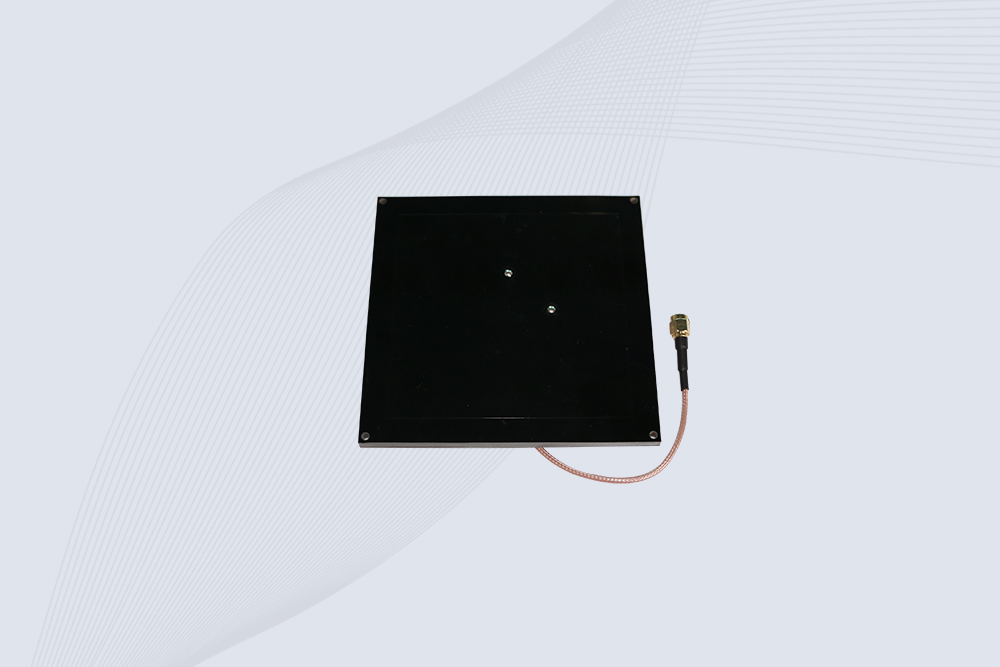
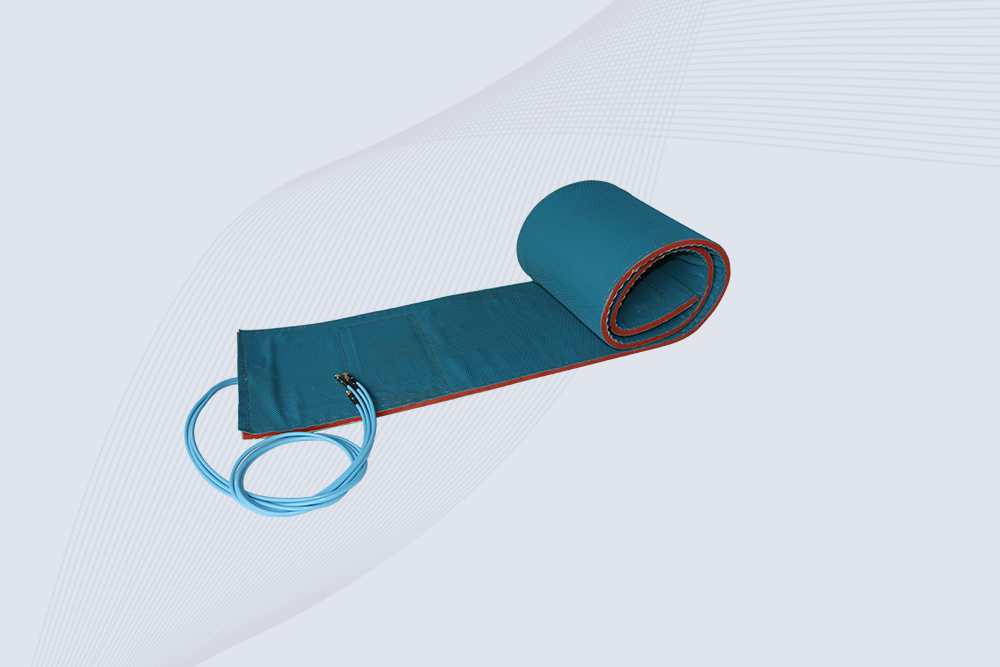
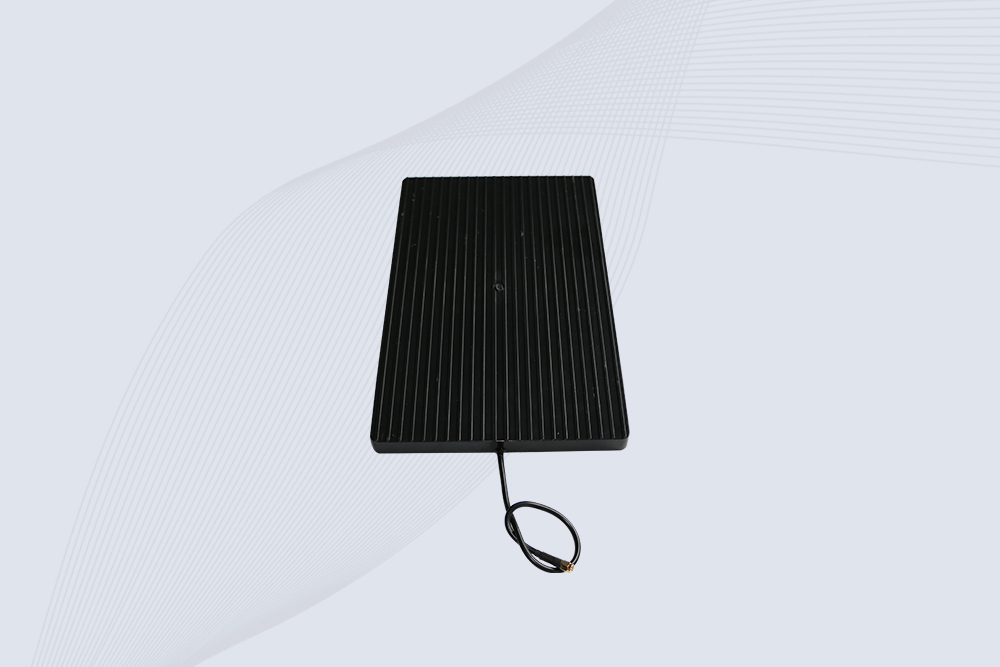
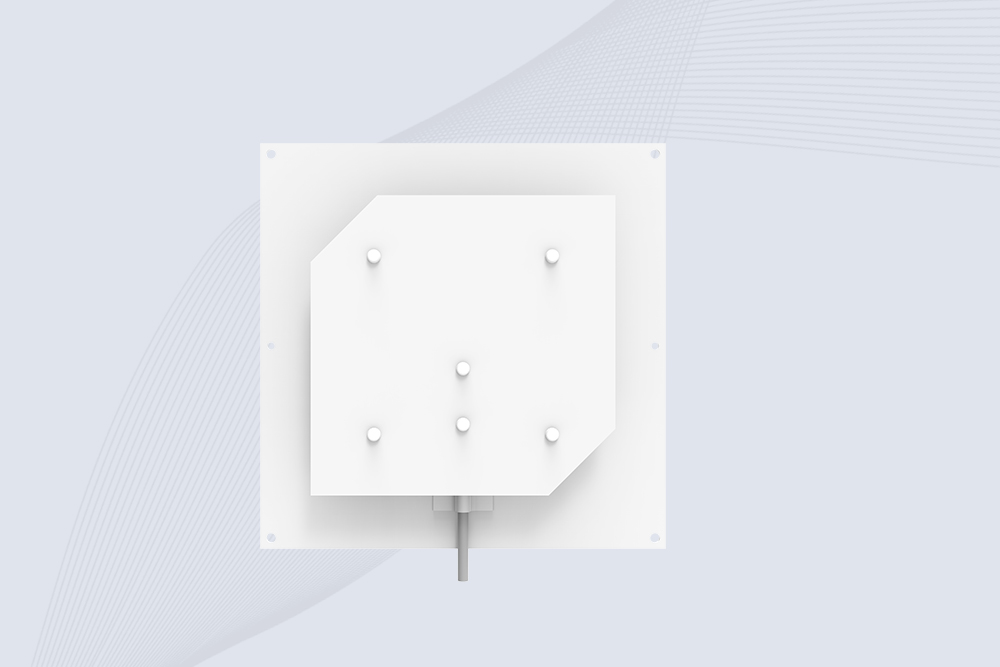
Picture this: A nurse frantically searches for a defibrillator during a code blue, only to find it hidden in an unmarked storage closet. Meanwhile, a surgeon unknowingly reaches for a sterilized-but-expired scalpel. These aren’t plot twists from a medical drama—they’re daily risks in hospitals worldwide. RFID antennas are changing that narrative by turning chaotic device tracking into a precision safety net. Here’s how.
Blockchain: Immutable logs for malpractice litigation defense.
5G: Sub-second latency for emergency equipment tracking.
Takeaway: RFID antennas aren’t just inventory tools—they’re patient safety guardians. By automating what humans often miss (expirations, misplacements, sterilization gaps), they let clinicians focus on care, not clerical hunts. Start small: Tag crash carts and high-risk devices first. The ROI? Measured in lives protected, not just dollars saved.
Find cost-effective long-range RFID readers for logistics operations. Learn how Cykeo’s solutions balance performance and budget for warehouses, ports, and fleets.
Programming RFID cards is a critical step in IoT systems for identity verification and data exchange. Widely used in access control, warehouse logistics, and smart factories, this article introduces the principles, methods, and common applications...
passive RFID tags do not contain batteries. They function like a delicate "energy harvester." When entering the electromagnetic field emitted by the reader, the tag antenna converts the received electromagnetic wave energy into direct current, whi...
 Cykeo RFID IoT Solution Products R&D Manufacturer