Doors look simple. In reality… they’re not. Different locations. Different rules. Different users. That’s why RFID access control is still everywhere. Offices. Factories. Campuses. Data centers.
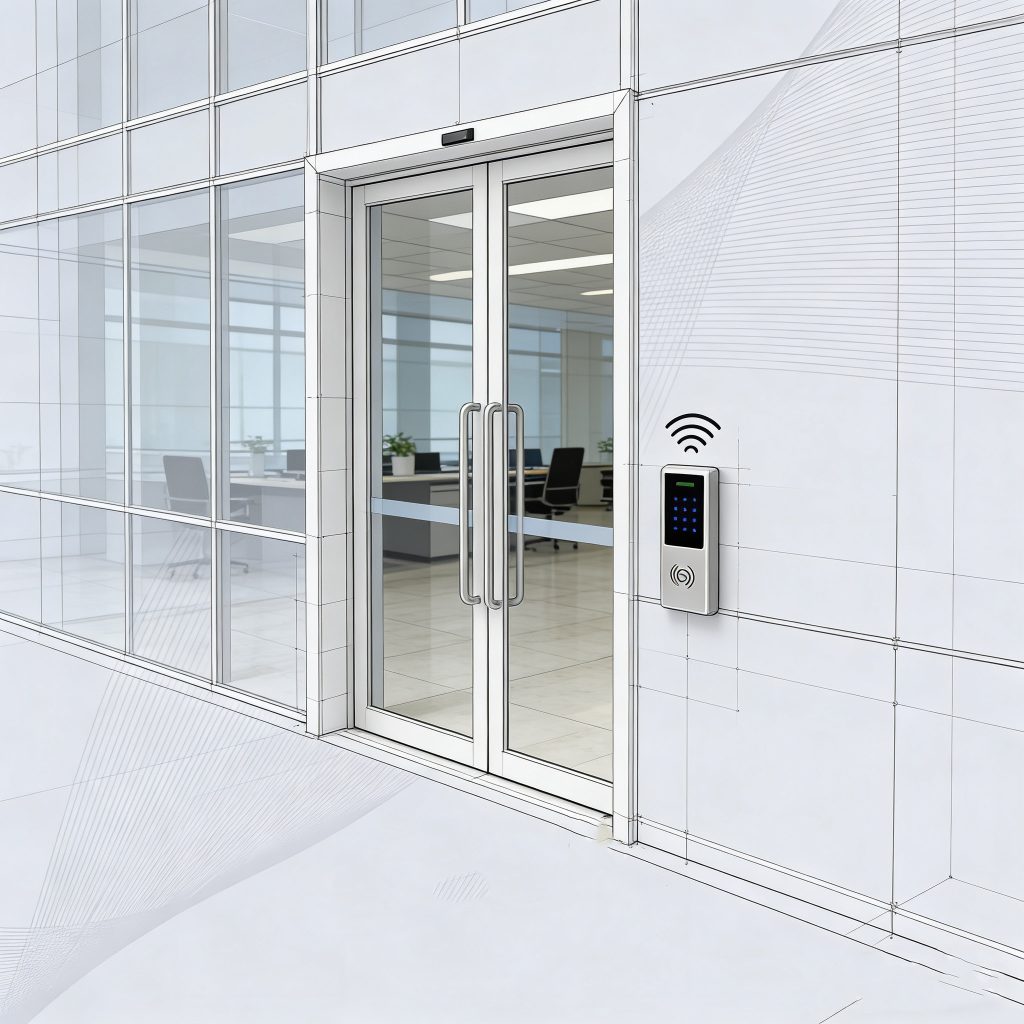
Swipe. Tap. Walk through. No keys. No mechanical wear. Just identity. And permission.
For solution providers, RFID-based access control isn’t old tech. It’s modular tech. You decide how deep to integrate. How smart to make it.
Designing an RFID Access Control System from the Ground Up
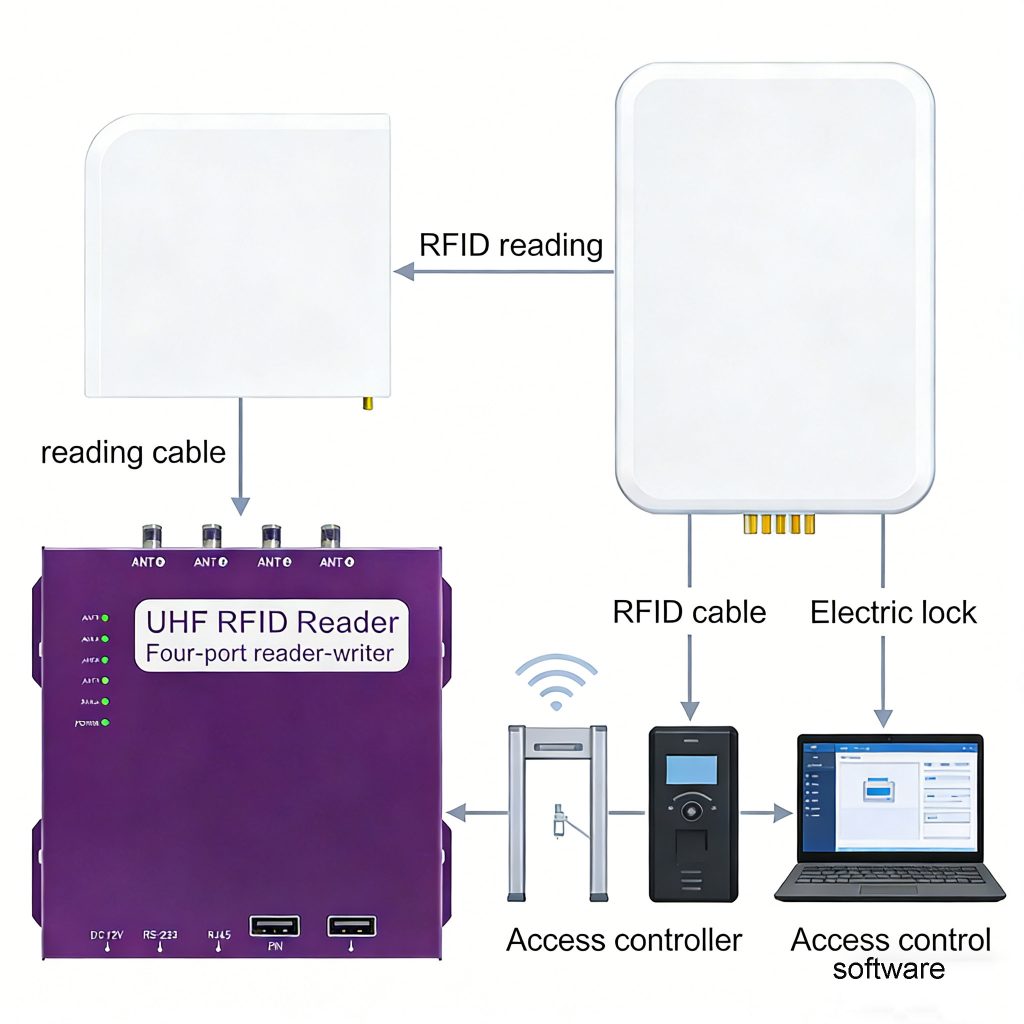
If you’re building your own solution, the logic is straightforward. Reader. Antenna. Controller. Software. The details, though, matter.
This beginner-oriented guide on how to set up an RFID access control system breaks down the structure clearly—hardware layout, reader selection, wiring logic. Useful even if you’re not a beginner. Especially when you’re designing something custom.
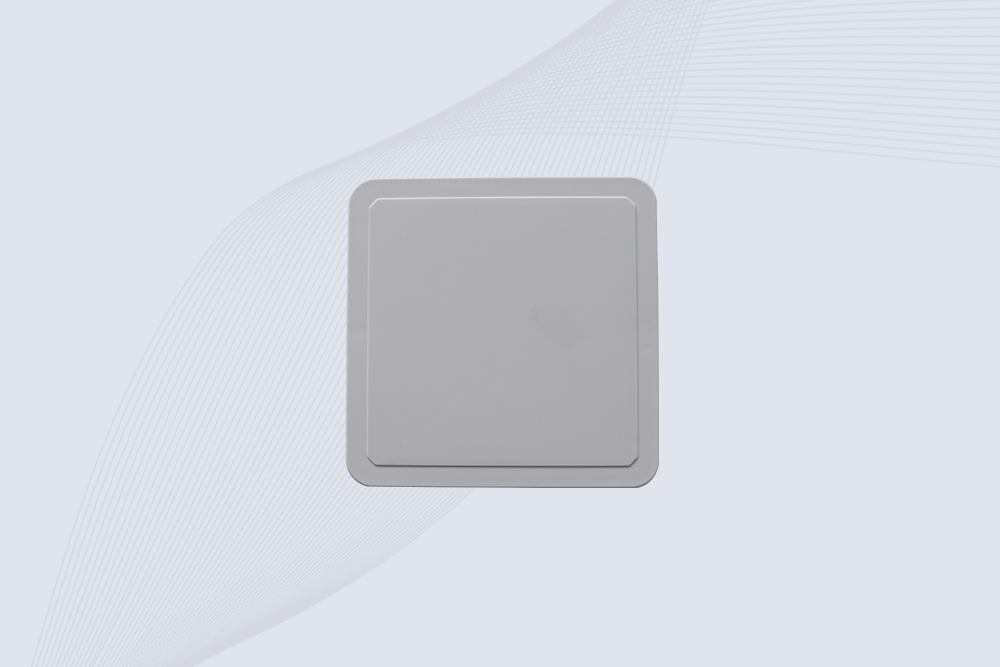
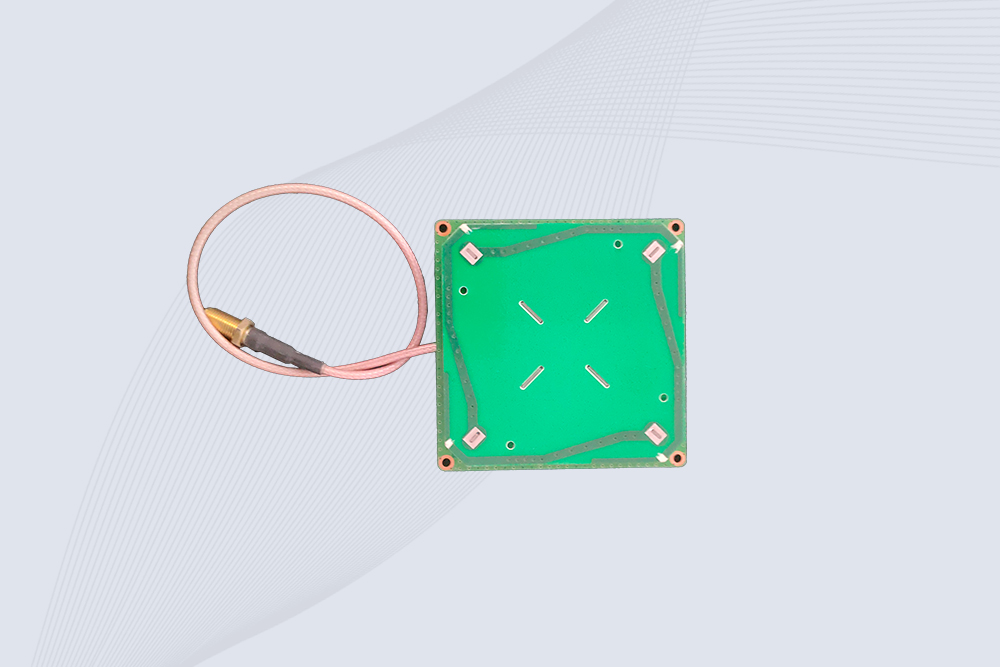
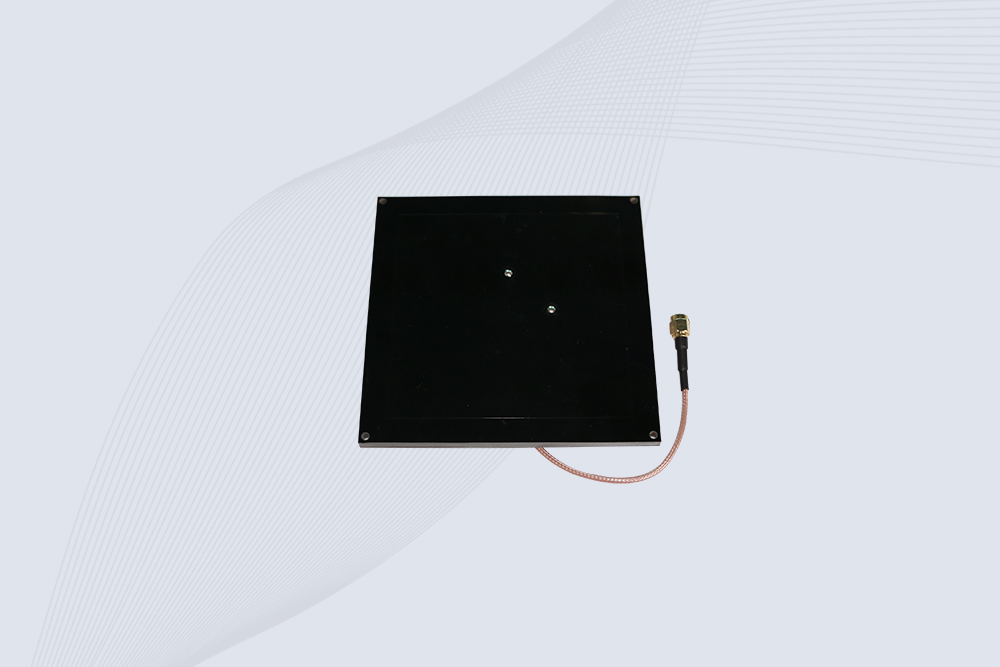
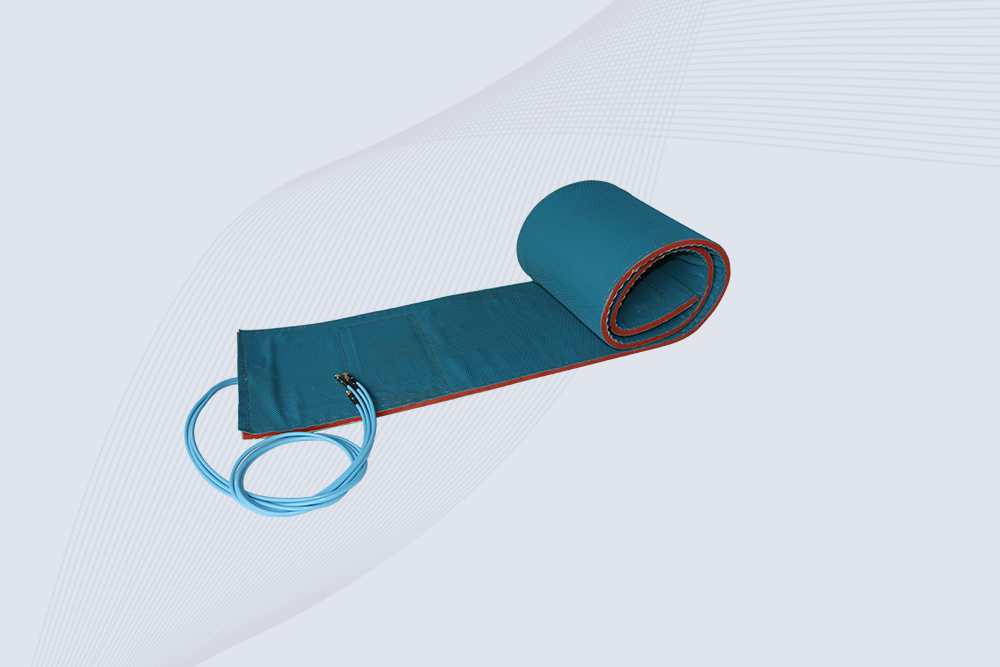
And that’s the point. As a solution provider, you’re not locked into a closed system. You can choose RFID readers and antennas separately. Tune the read range. Control the behavior. Build exactly what your customer needs.
Reader-Centric Integration: Where Flexibility Comes From
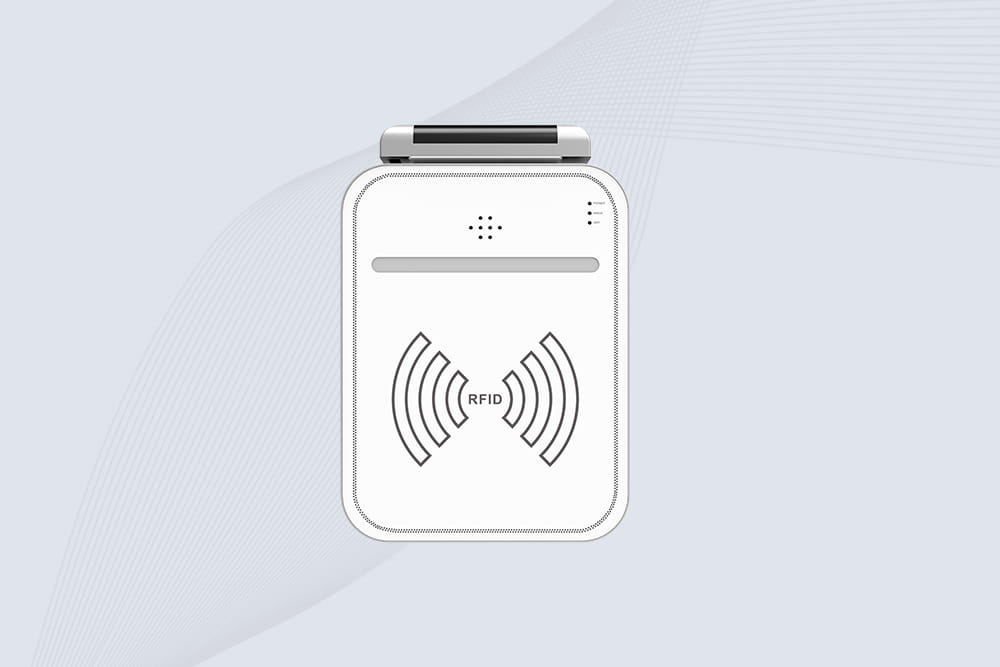
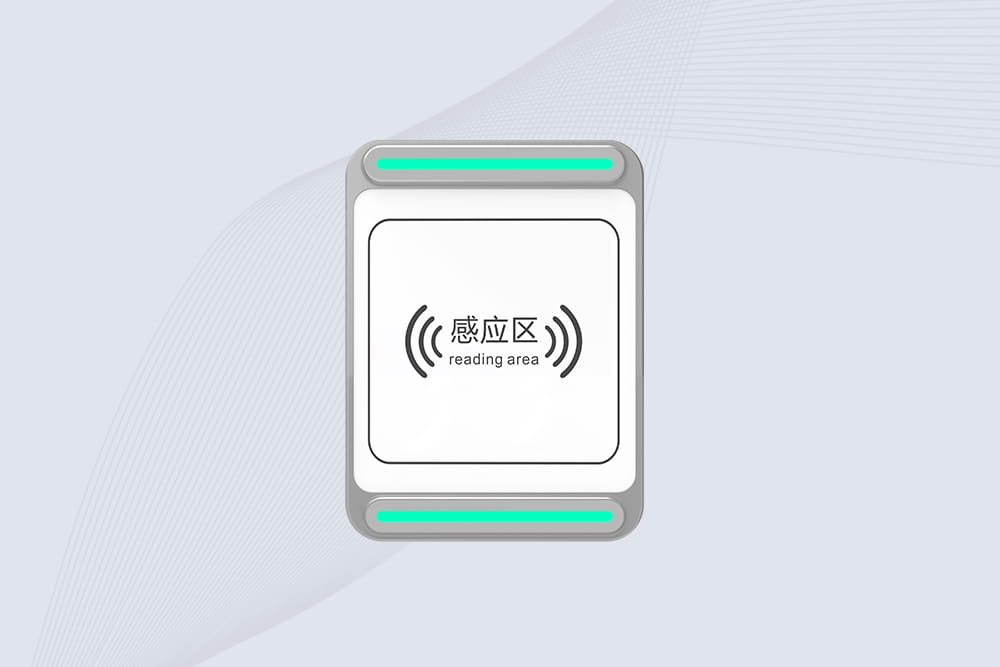
In real projects, the reader is the core. Not the lock. Not the door. The RFID reader decides performance, compatibility, and expansion.
Using an industrial-grade reader means you can:
Connect to different door controllers
Support multiple tag types
Adjust read distance and sensitivity
Integrate with your own access software
This is where solutions like RFID door lock access control systems start to show their value—not as finished products, but as reference architectures. They show how readers, antennas, and locks work together. Then you adapt.
Application Scenarios That Actually Sell
RFID access control works best where scale and flow matter.
Office buildings with multiple entry points. Factories with restricted zones. Warehouses separating people and assets. Schools, hospitals, campuses—lots of users, changing permissions.
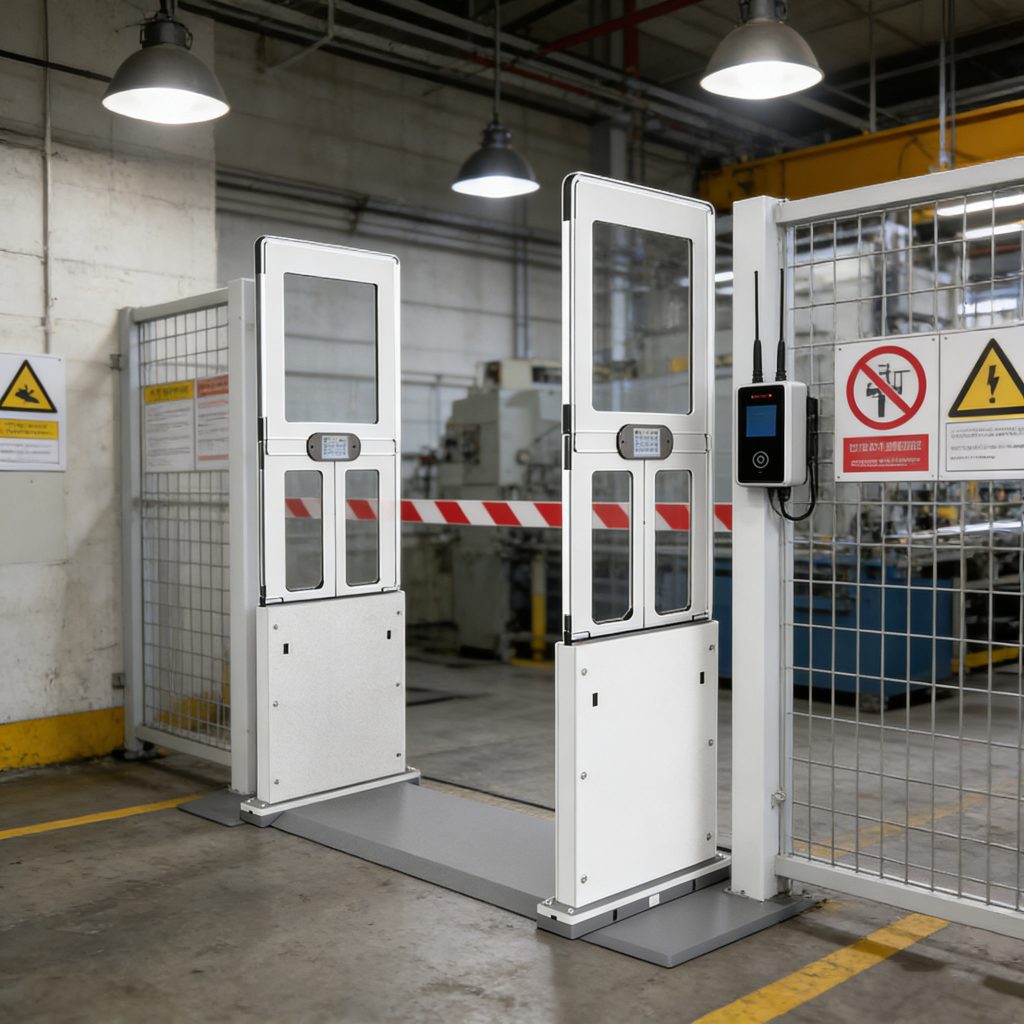
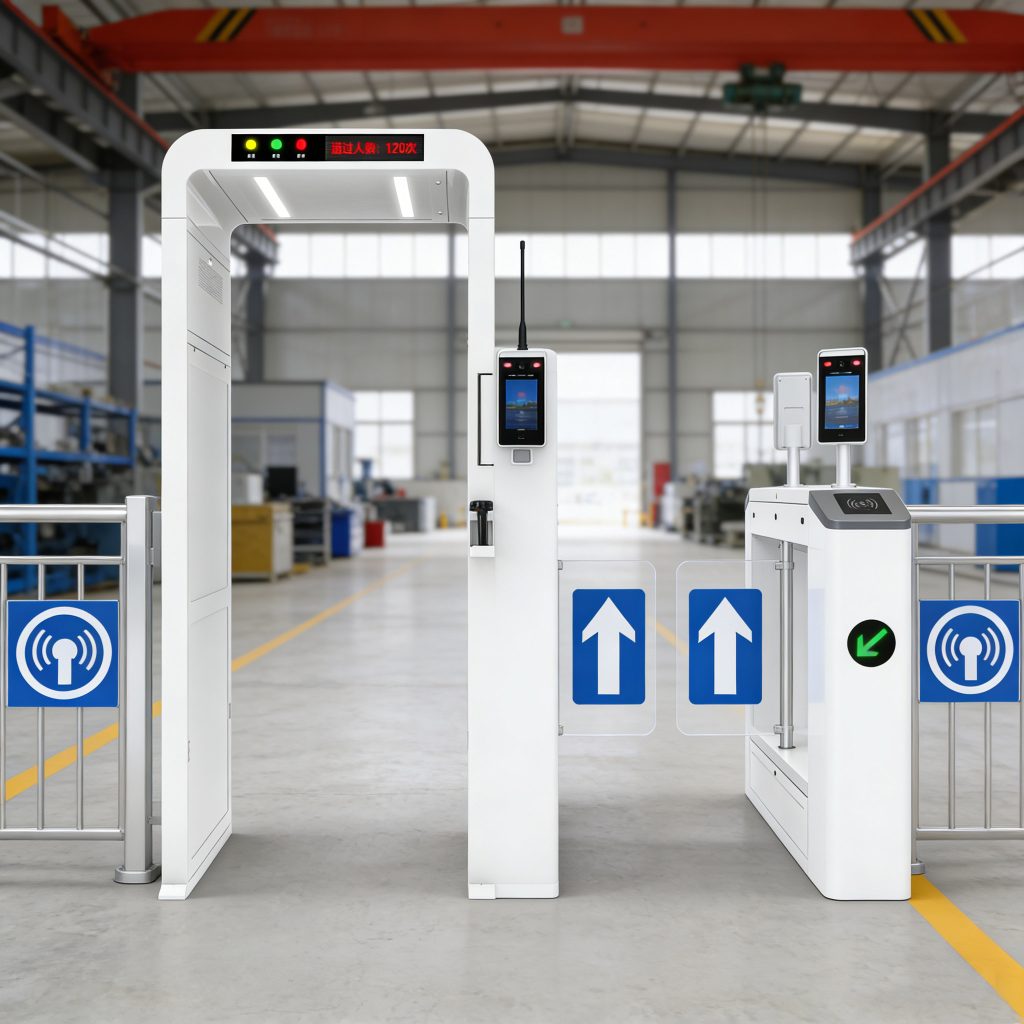
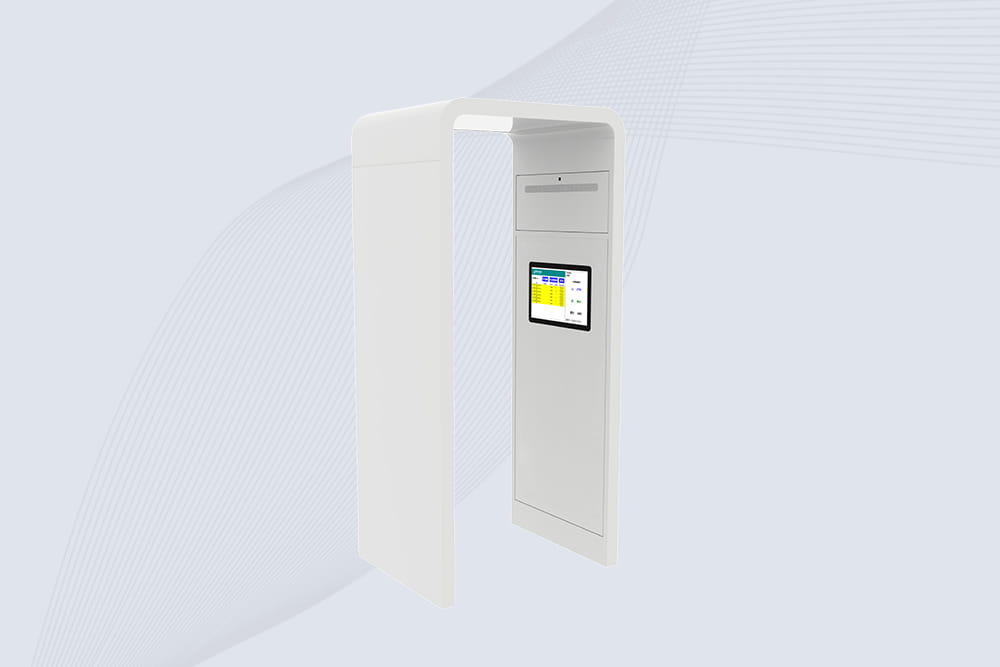
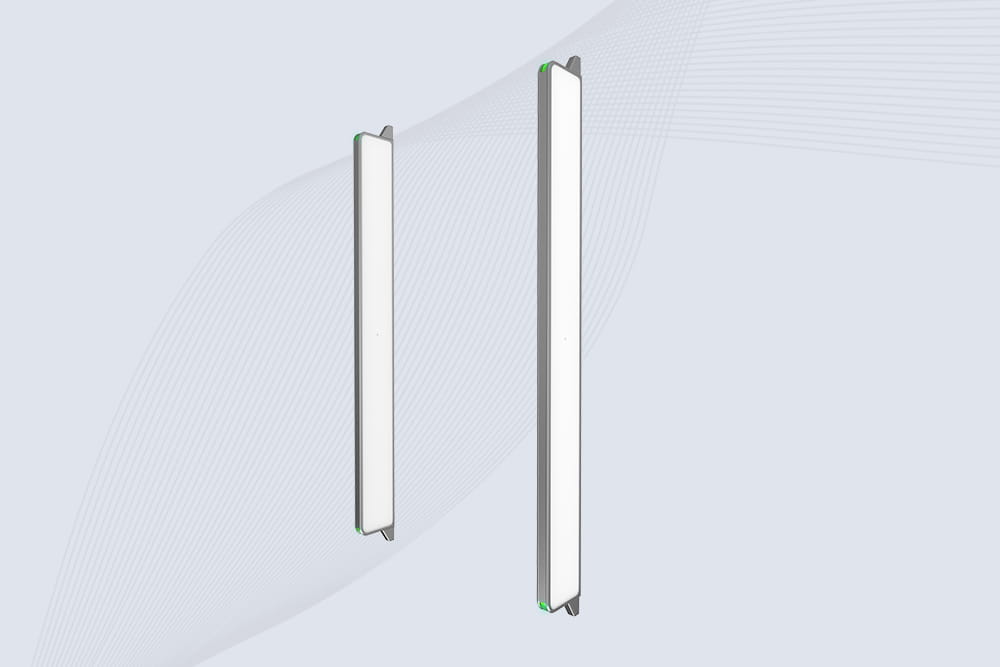
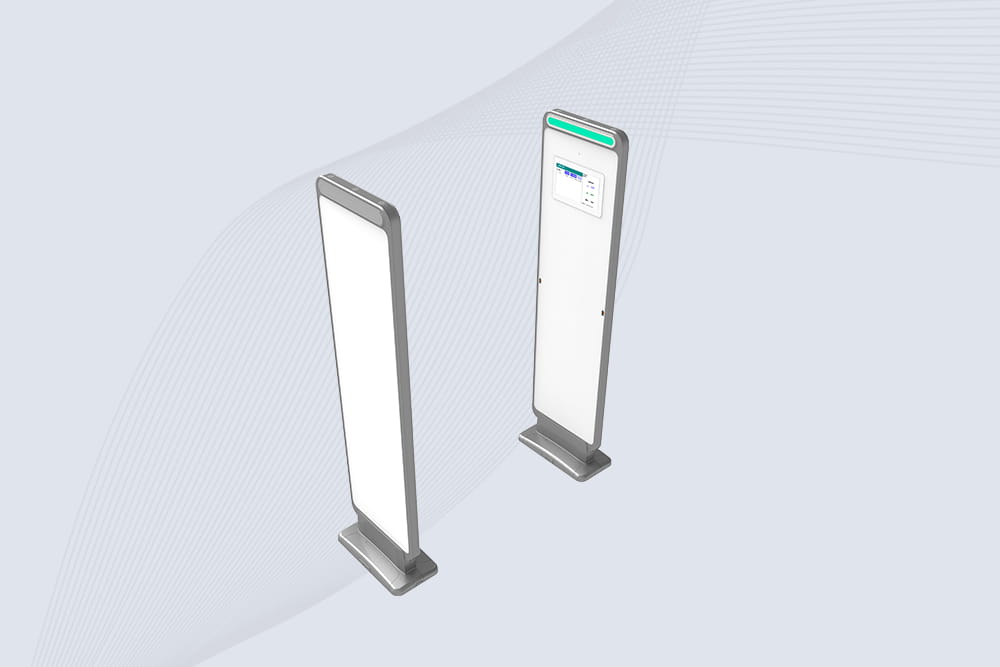
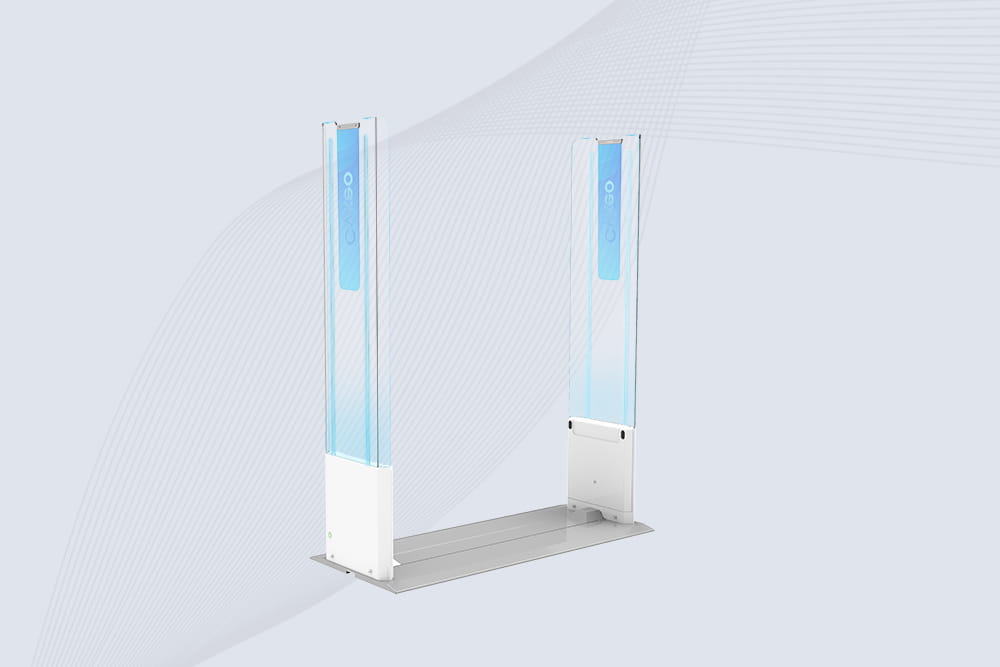
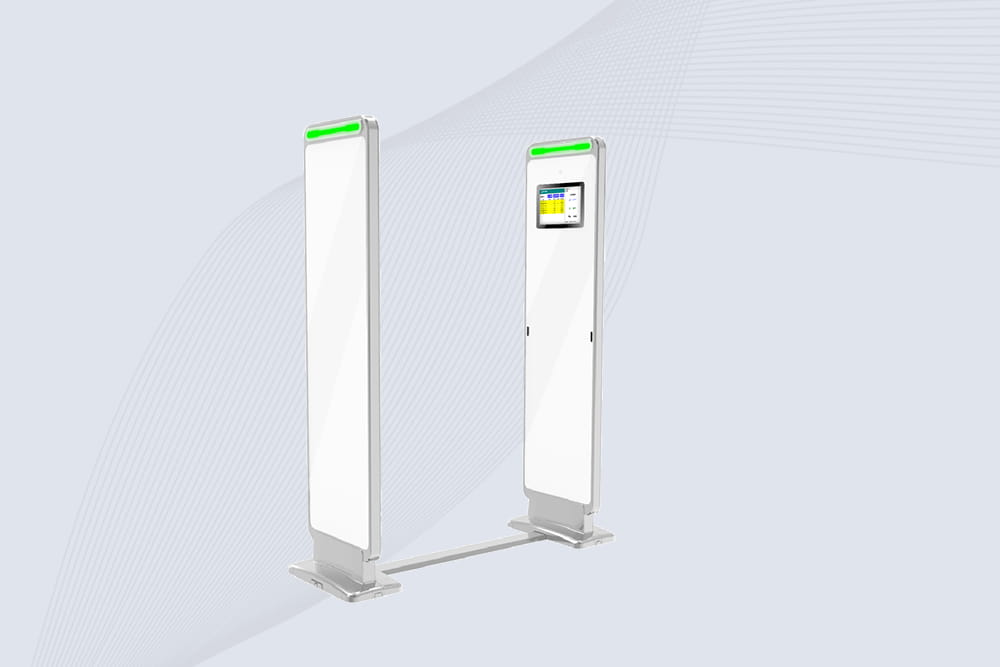
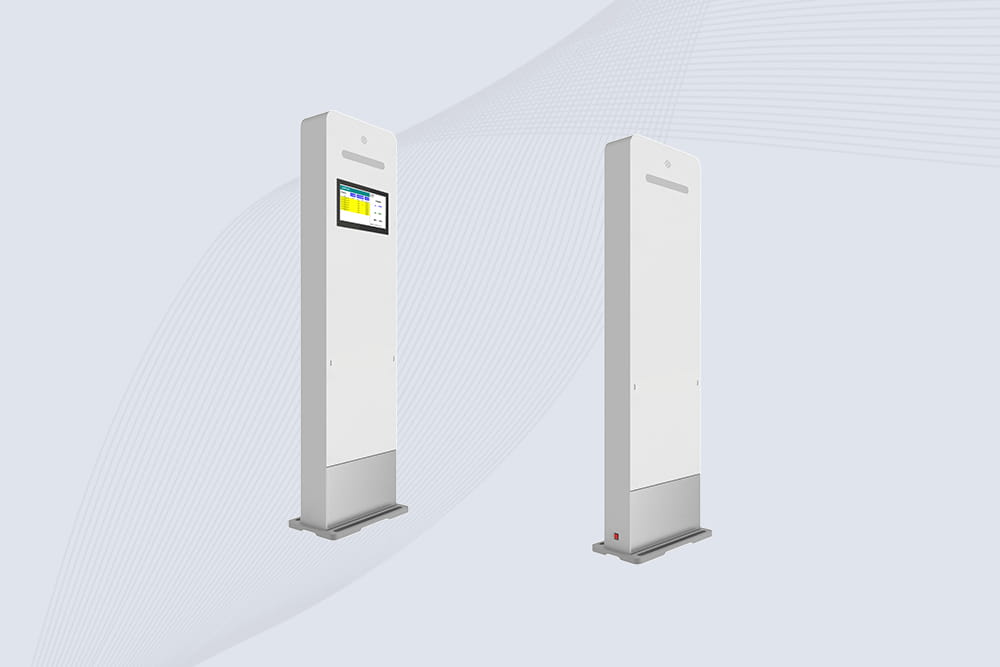
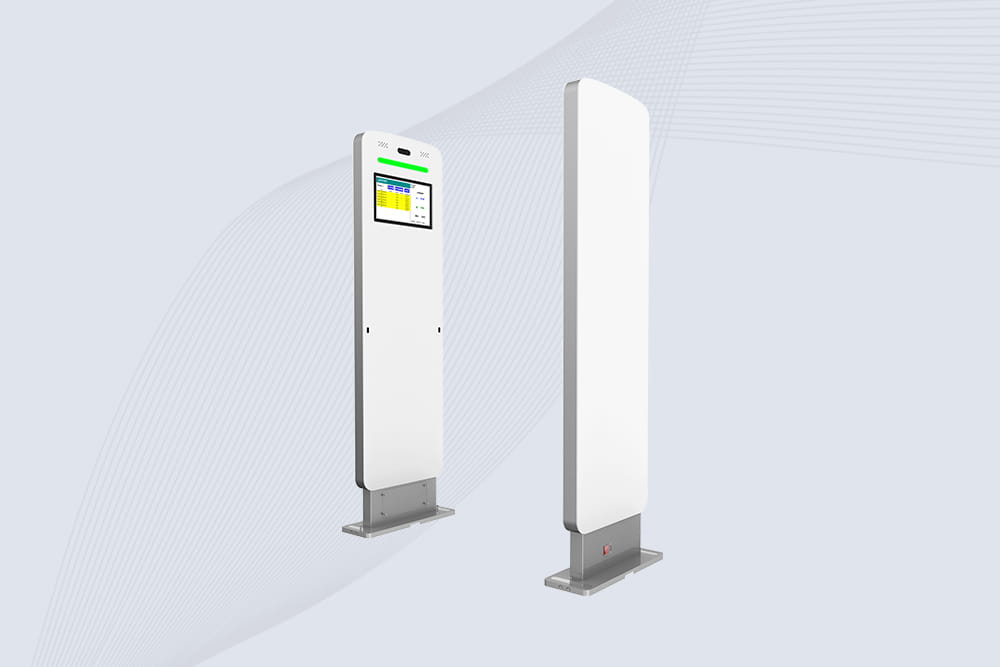
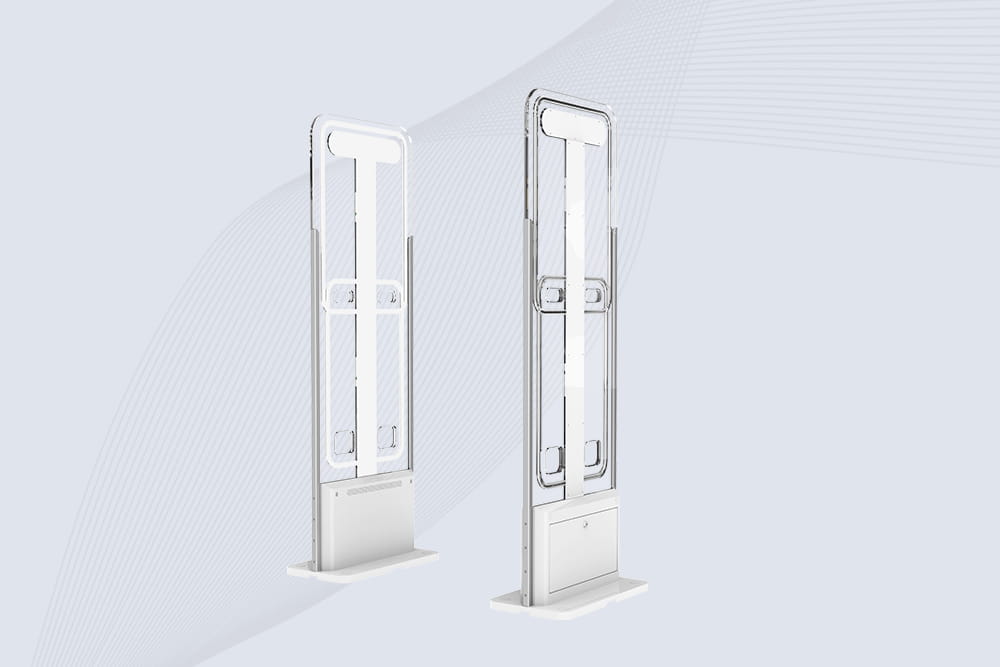
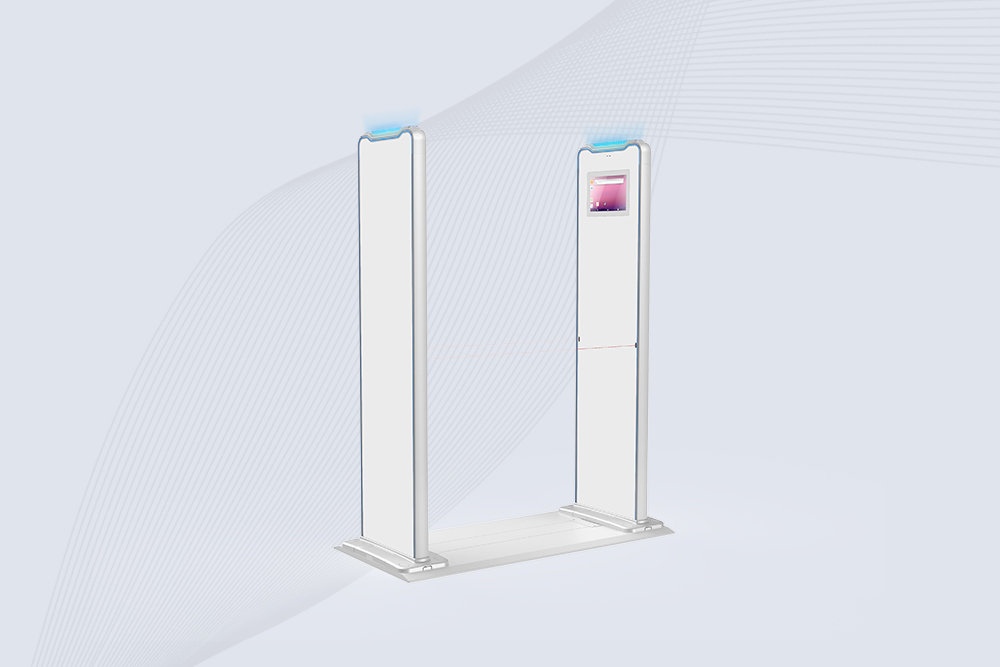
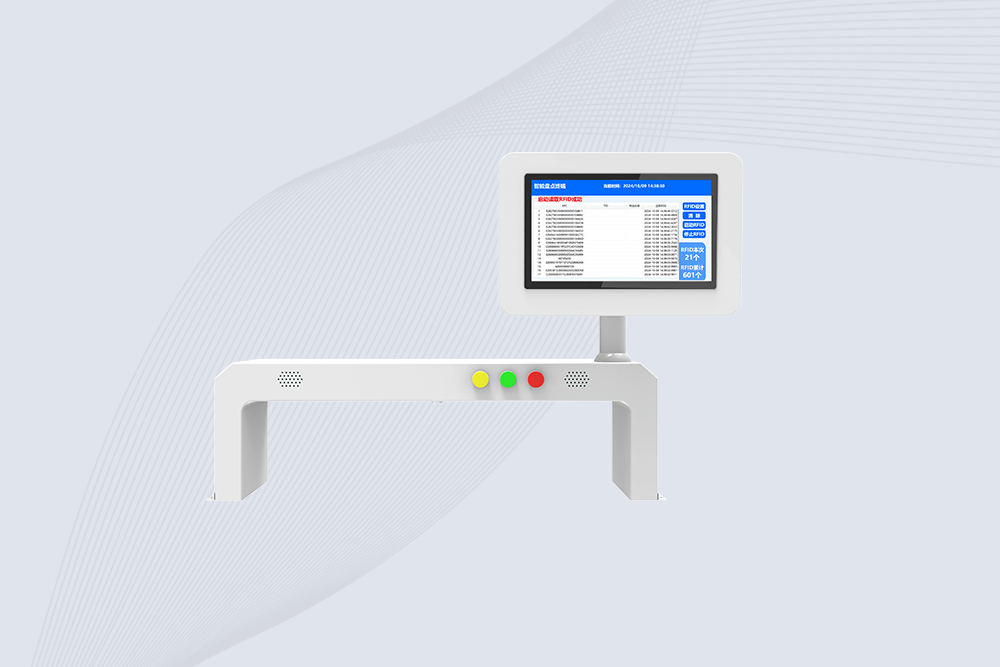
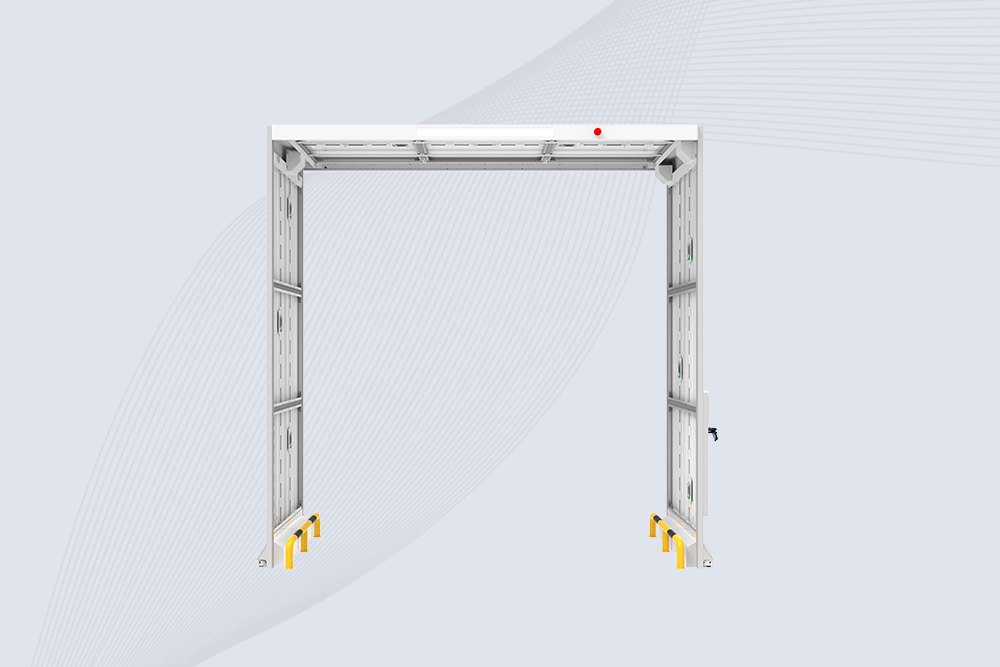
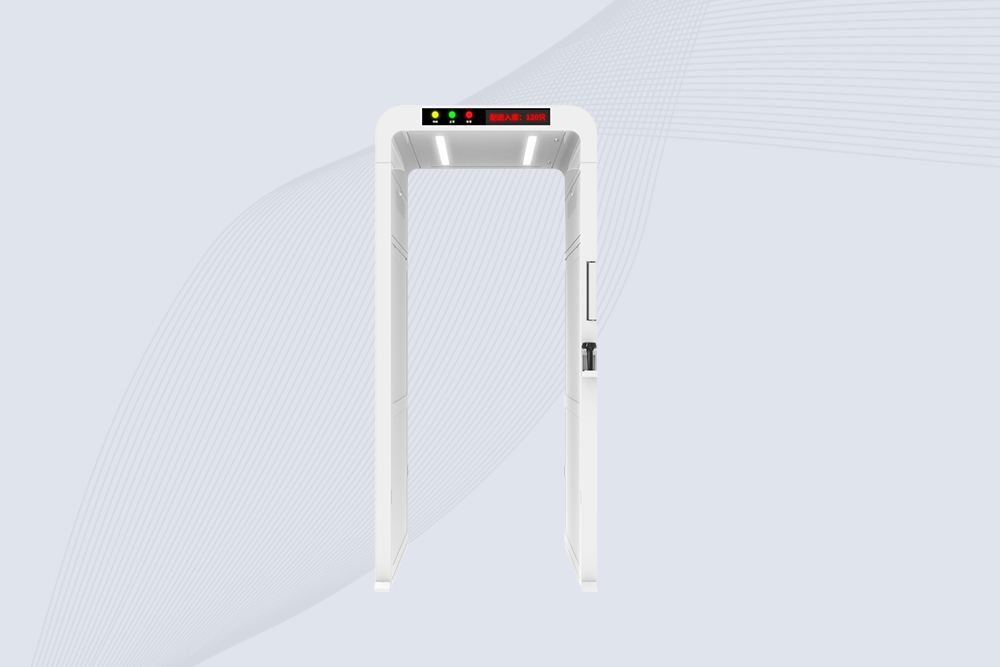
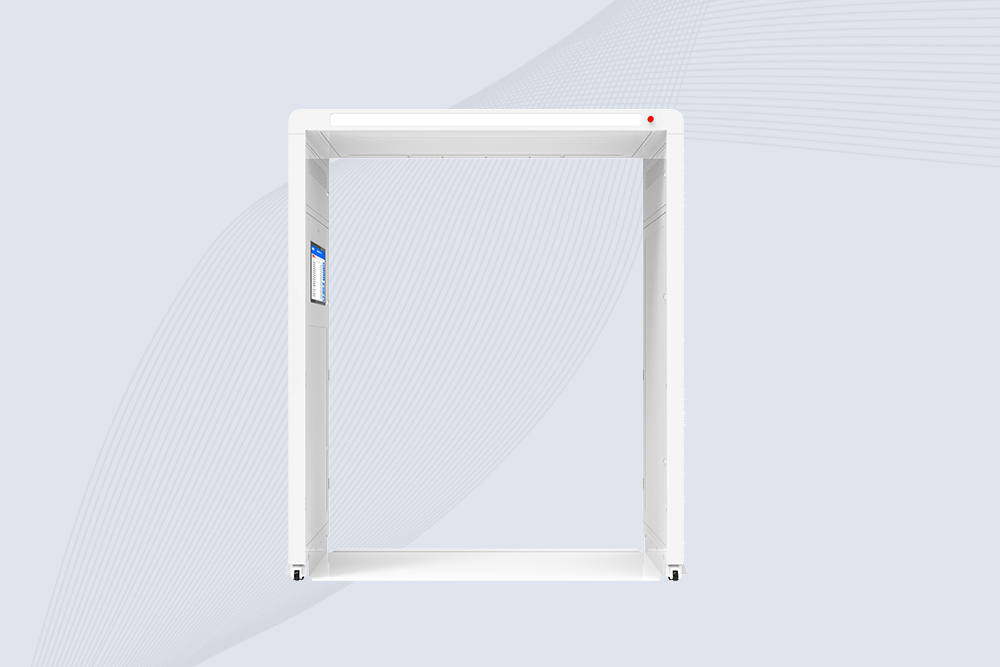
In higher-traffic scenarios, gate-style access becomes interesting. A fixed reader mounted at an entrance. Directional antennas. Clear logic. RFID gate readers are often used not just for access, but for behavior tracking—who entered, when, and from which direction.
For integrators, that opens up more value. Access control plus attendance. Access plus safety. Access plus audit trails.
Why System Integrators Prefer Open RFID Hardware
Closed systems are easy to sell. And painful to maintain.
Open RFID readers and antennas give you room. You control firmware integration. You control middleware. You decide how access rules work.
That means:
Easier customization for different projects
Faster response to customer requests
No vendor lock-in
Better margins on hardware sourcing
From a procurement point of view, this matters. You’re not buying “a door lock.” You’re sourcing components that scale across projects.
Turning RFID Access Control into a Platform
At some point, access control stops being just about doors. It becomes a platform.
Same RFID reader. Different antenna. Different enclosure. Different software logic.
One project becomes ten. One customer becomes a reference.
That’s why many RFID access control solution providers prefer integrating their own readers and antennas. It’s not just technical freedom. It’s business freedom.
If you’re building or upgrading an RFID access control solution, starting from the reader level gives you options. And options are what keep solution providers competitive.
RFID Access Control: Building Flexible, Scalable Door Security Systems
Why RFID Access Control Still Makes Sense
Doors look simple. In reality… they’re not. Different locations. Different rules. Different users. That’s why RFID access control is still everywhere. Offices. Factories. Campuses. Data centers.
Swipe. Tap. Walk through. No keys. No mechanical wear. Just identity. And permission.
For solution providers, RFID-based access control isn’t old tech. It’s modular tech. You decide how deep to integrate. How smart to make it.
Designing an RFID Access Control System from the Ground Up
If you’re building your own solution, the logic is straightforward. Reader. Antenna. Controller. Software. The details, though, matter.
This beginner-oriented guide on how to set up an RFID access control system breaks down the structure clearly—hardware layout, reader selection, wiring logic. Useful even if you’re not a beginner. Especially when you’re designing something custom.
And that’s the point. As a solution provider, you’re not locked into a closed system. You can choose RFID readers and rfid antennas separately. Tune the read range. Control the behavior. Build exactly what your customer needs.
Reader-Centric Integration: Where Flexibility Comes From
In real projects, the reader is the core. Not the lock. Not the door. The RFID reader decides performance, compatibility, and expansion.
Using an industrial-grade reader means you can:
Connect to different door controllers
Support multiple tag types
Adjust read distance and sensitivity
Integrate with your own access software
This is where solutions like RFID door lock access control systems start to show their value—not as finished products, but as reference architectures. They show how readers, antennas, and locks work together. Then you adapt.
Application Scenarios That Actually Sell
RFID access control works best where scale and flow matter.
Office buildings with multiple entry points. Factories with restricted zones. Warehouses separating people and assets. Schools, hospitals, campuses—lots of users, changing permissions.
In higher-traffic scenarios, gate-style access becomes interesting. A fixed rfid reader mounted at an entrance. Directional antennas. Clear logic. RFID gate readers are often used not just for access, but for behavior tracking—who entered, when, and from which direction.
For integrators, that opens up more value. Access control plus attendance. Access plus safety. Access plus audit trails.
Why System Integrators Prefer Open RFID Hardware
Closed systems are easy to sell. And painful to maintain.
Open RFID readers and antennas give you room. You control firmware integration. You control middleware. You decide how access rules work.
That means:
Easier customization for different projects
Faster response to customer requests
No vendor lock-in
Better margins on hardware sourcing
From a procurement point of view, this matters. You’re not buying “a door lock.” You’re sourcing components that scale across projects.
Turning RFID Access Control into a Platform
At some point, access control stops being just about doors. It becomes a platform.
Same RFID reader. Different antenna. Different enclosure. Different software logic.
One project becomes ten. One customer becomes a reference.
That’s why many RFID access control solution providers prefer integrating their own readers and antennas. It’s not just technical freedom. It’s business freedom.
If you’re building or upgrading an RFID access control solution, starting from the reader level gives you options. And options are what keep solution providers competitive.
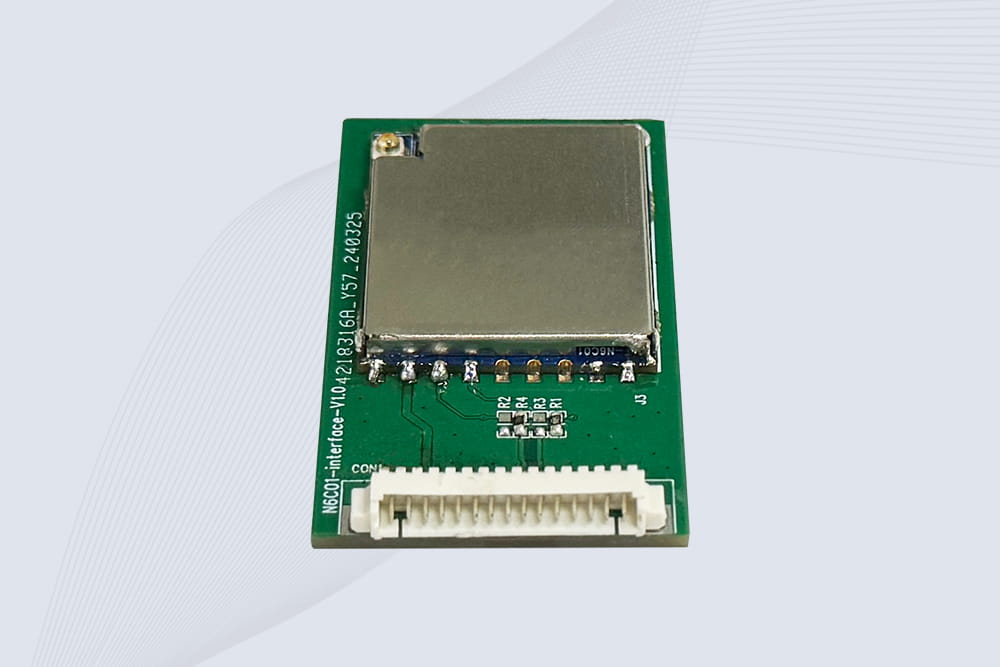
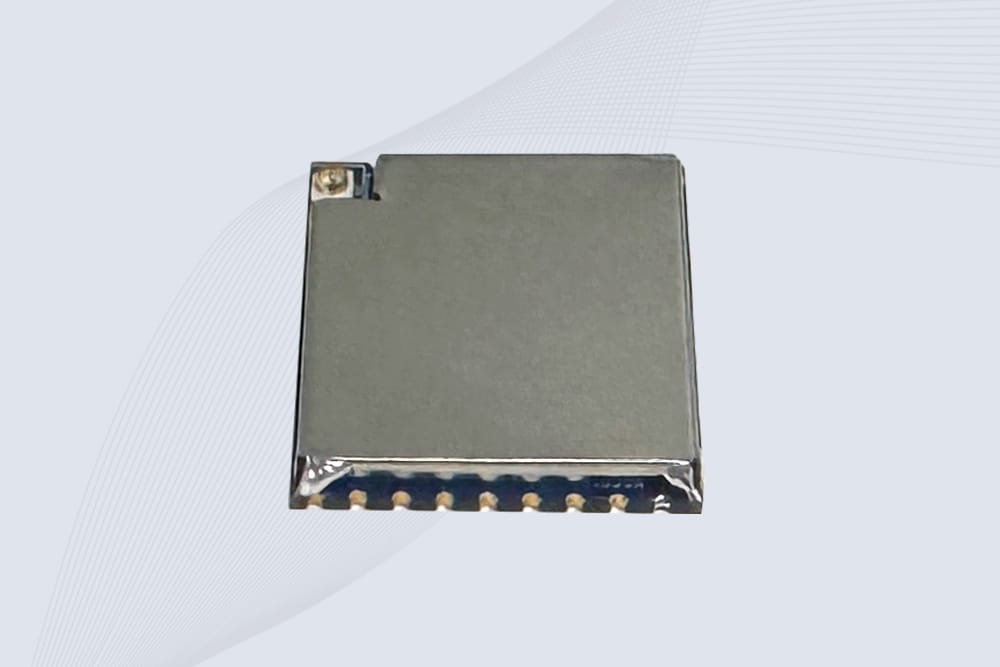
CYKEO Embedded RFID Modules are designed for compact industrial and IoT devices that require stable UHF performance. These UHF RFID Modules support global protocols, flexible power control, and reliable multi-tag reading for smart cabinets, production lines, and asset tracking systems.
CYKEO Embedded RFID Module is built for compact IoT and industrial devices that need stable UHF performance. This UHF module supports global protocols, low power operation, and reliable multi-tag reading for smart lockers, production lines, and always-on RFID systems.
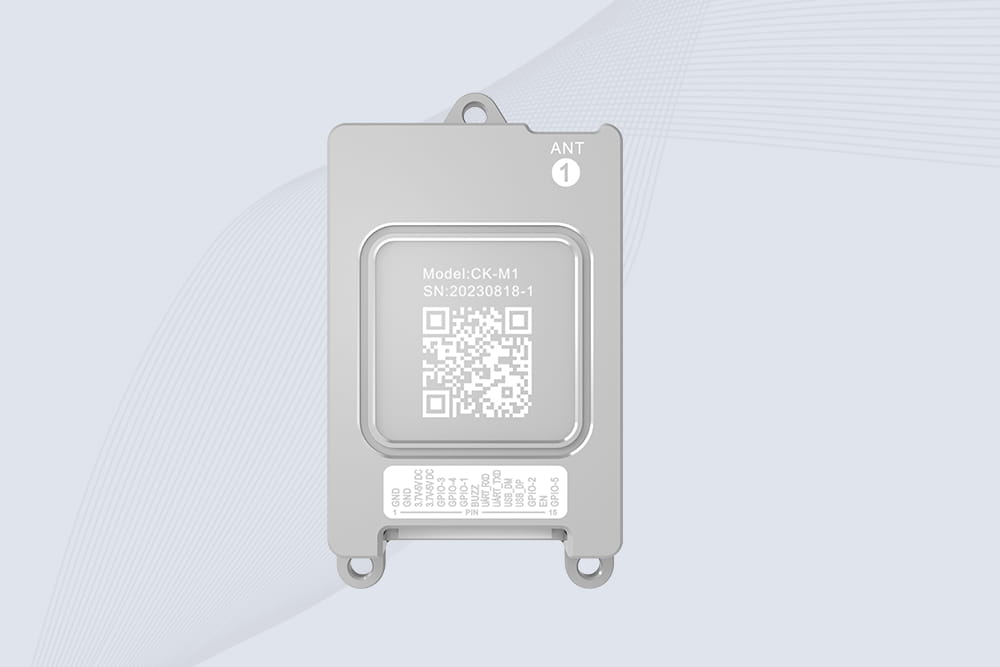
CYKEO CYKEO-M1 drone rfid module is a compact UHF RFID reader module designed for drones and UAV platforms. It supports long-range aerial scanning, fast multi-tag reading, and stable performance in wind, vibration, and outdoor environments.
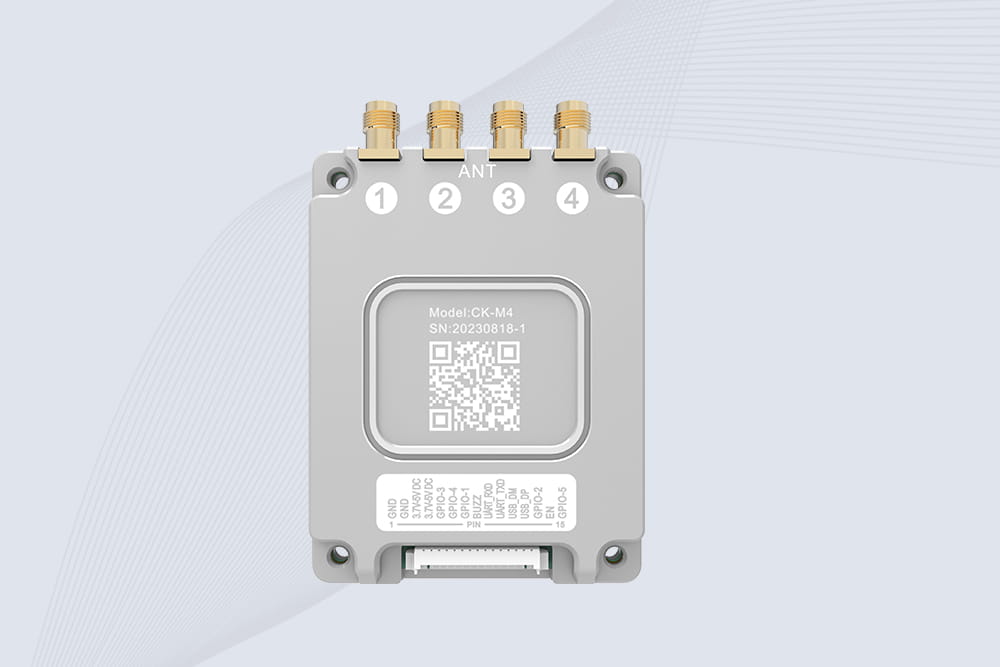
CYKEO CYKEO-M4 RC522 RFID Module is an industrial-grade UHF RFID reader with 4 ports, supporting ISO, EPC, and GB protocols. High-speed, accurate reading for IoT, automation, and warehouse applications.
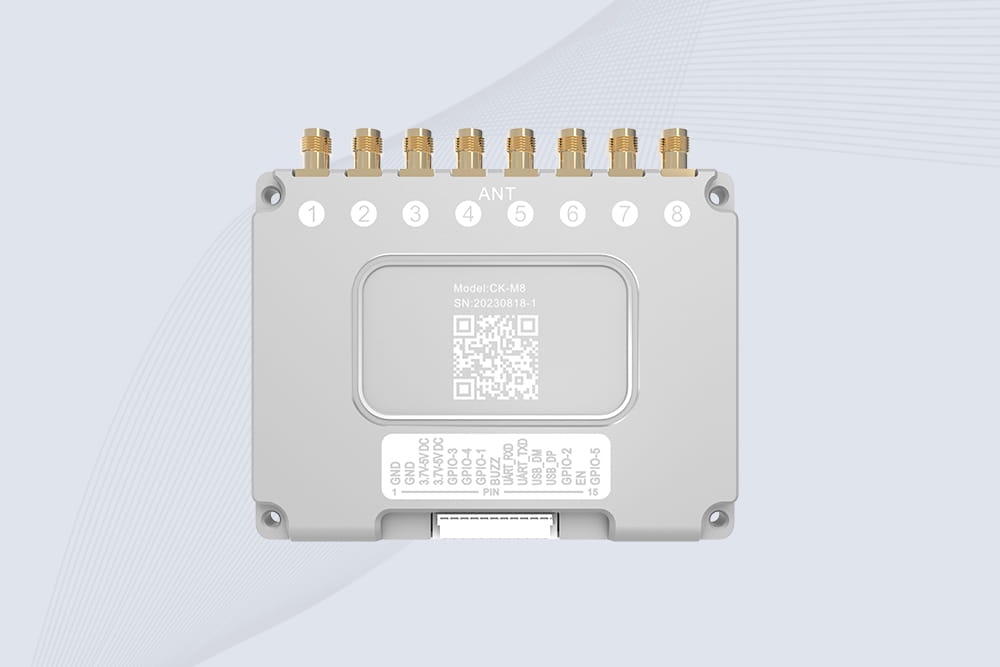
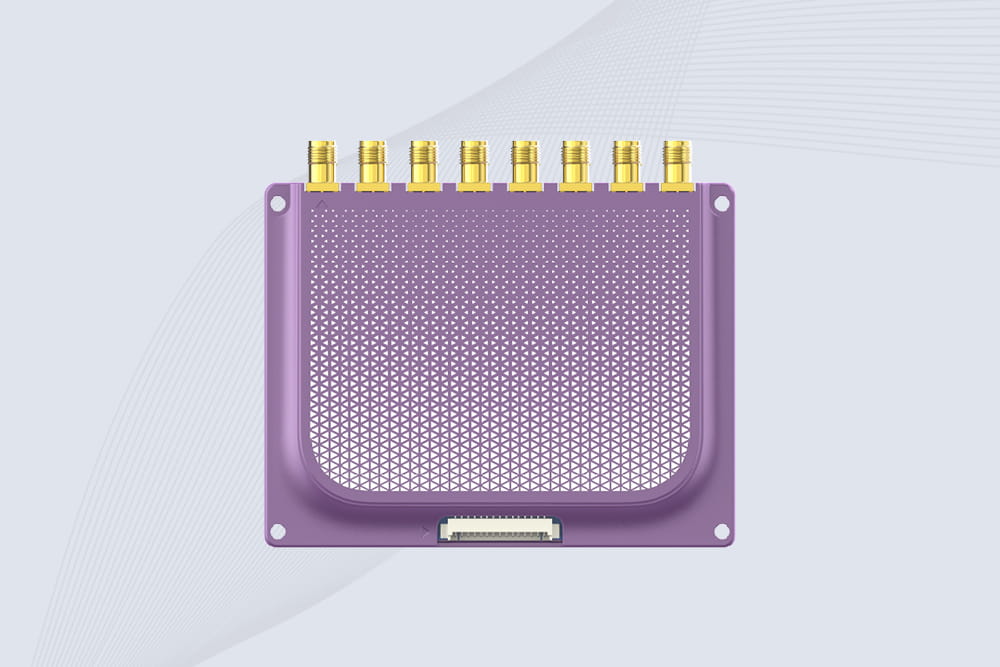
CYKEO CYKEO-M8 Module RFID is an 8-port UHF R2000 RFID Module designed for high-density, multi-tag environments. Stable 33dBm output, ISO & GB protocol support, ideal for warehouses, factories, and automated systems.
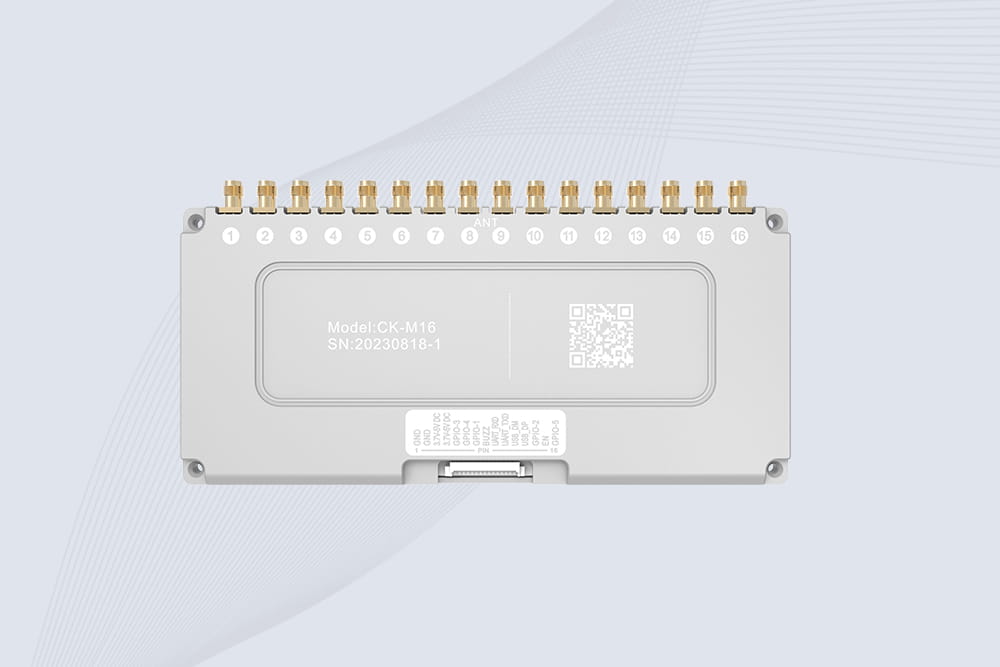
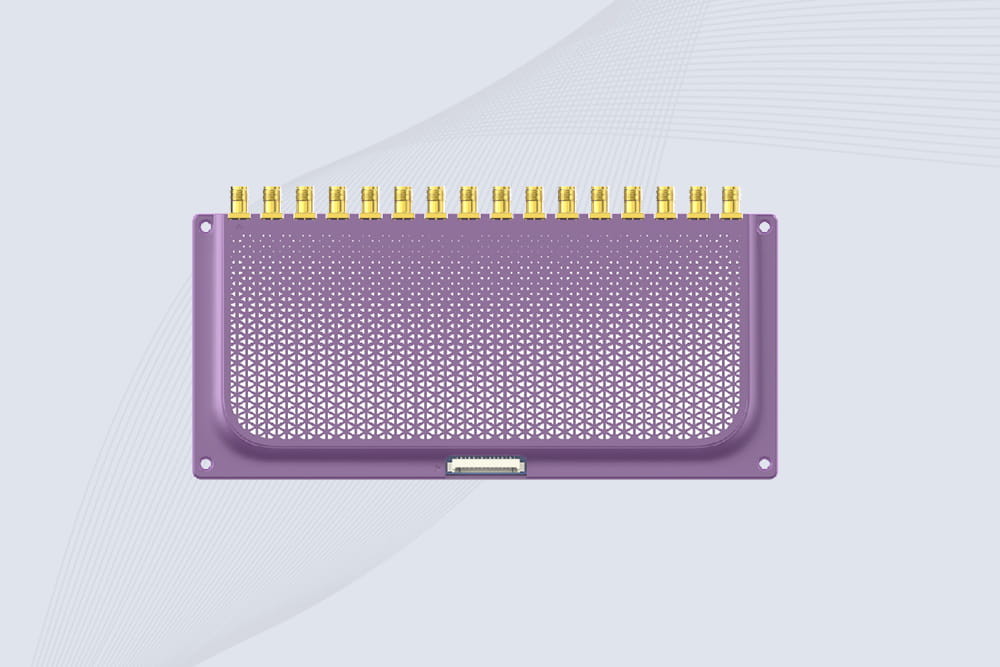
CYKEO CYKEO-M16 RFID Module is a 16-port UHF RFID reader module based on the R2000 chipset. Designed for dense tag environments, it supports ISO and GB standards and delivers stable multi-antenna control for industrial automation.
The CYKEO CYKEO-M16L RFID Reader Module is a 16-channel UHF RFID core designed for dense tag environments. With adjustable 33dBm output, multi-protocol support, and stable multi-antenna control, this RFID Tag Reader Module fits industrial automation, warehouse systems, and large-scale IoT deployments.
CYKEO CYKEO-M8L module RFID is a compact industrial UHF module built for dense tag and multi-antenna environments. With 8 RF ports, adjustable 33 dBm output, and ISO & GB protocol support, it is widely used in factories, warehouses, and automated tracking systems.
CYKEOCYKEO-M4L UHF RFID Module is a compact 4-channel RFID tag reader module designed for dense tag environments. Supporting ISO and GB protocols, it delivers stable reads up to 10 meters for industrial and IoT systems.
Cykeo’s CYKEO-T1D industrial RFID ceiling reader features 500 tags/sec scanning, IP54 protection, and -20℃~60℃ operation for retail/warehouse security. Supports ISO18000-6C and GB/T29768 protocols.
Cykeo’s ceiling-mounted RFID reader enables hands-free 5m inventory tracking with 500 tags/min speed. Features dual alerts, ERP integration, and IP54 rating for warehouse security.
Cykeo CK-T1E RFID gate system features 120° coverage, AI motion filtering, and 5m detection for retail/warehouse security. IP67 rugged design with ERP integration.
Cykeo CYKEO-T1B ceiling-mounted RFID system delivers 10-20m reading range, 500+ tags/sec processing, and integrated security alarms. Ideal for warehouse/logistics automation with Android-compatible SDK.
Cykeo’s industrial ceiling-mounted RFID reader offers 10m+ automated inventory tracking, ISO-18000 compliance, and anti-theft alarms. Designed for retail/warehouse/logistics facilities.
Cykeo CYKEO-T3 industrial RFID gate reader features 200cm detection, infrared triggering, and dual alarm modes for warehouses/libraries. Supports WiFi/4G and Java/C# SDK integration.
Cykeo CYKEO-T4 industrial RFID gate system features 4-antenna array, 99.9% detection accuracy, dual EAS alarms, and WiFi/4G connectivity for library/warehouse/retail security. ISO 18000-6C compliant.
Cykeo’s CYKEO-T5 UHF RFID gate reader features 600cm detection, infrared tracking, and dual-mode alarms for retail/library security. Supports crowd counting and multi-protocol integration.
Cykeo’s CYKEO-T4 RFID Gate Reader system offers 200+ tags/sec scanning, EAS alarms, and rugged design for libraries/warehouses. Supports WiFi/4G and Windows/Android OS.
Cykeo HF RFID gate reader offers 90cm detection range, ISO15693/18000-6C compliance, and industrial-grade durability for libraries/retail. Features EAS alarms, infrared traffic analysis, and 3D omni-directional scanning.
Cykeo CYKEO-T7 UHF RFID Gate Reader system delivers 600cm read range, 99.9% tag accuracy, real-time personnel counting, and SAP integration for logistics/warehouse/manufacturing. Supports dual OS & offline alarms.
Cykeo CYKEO-T6 gate RFID reader features 1,200+ tags/min scanning, 6m detection range, and industrial-grade durability for libraries/stores/warehouses. Supports ISO 18000-6C and waterproof installations.
Cykeo CYKEO-T9HA industrial HF RFID gate reader offers 100cm range, 100+ tags/sec scanning, ISO 15693/14443A protocols, and IP66 durability for libraries, archives, and retail. Supports offline alarms and SAP integration.
Cykeo CYKEO-T9UH UHF RFID gate reader offers 90cm detection width, EAS/AFI anti-theft alerts, IP54 rugged design, and multi-protocol support for libraries, retail, and logistics.
Cykeo’s Fixed RFID Gate Reader features 60 tags/sec scanning, IP54 rugged design, and dual-mode EAS alarm. Ideal for library/warehouse/event access control with real-time crowd analytics.
Cykeo CYKEO-T8A rfid gate access control system features IP68 enclosure, 400 tags/sec scanning, and 6-antenna array for warehouse/manufacturing security.
Cykeo CYKEO-T8F RFID gate entry systems deliver 200+ tags/sec scanning, EPC C1G2 compliance, and EAS alarms for warehouse/production gates. Supports Windows/Android OS.
Cykeo CYKEO-T8D RFID gate access control system features 4-antenna 99.98% accuracy, ISO 18000-6C compliance, and real-time theft prevention for libraries/warehouses. Supports Windows/Android OS.
Cykeo CYKEO-T2 industrial RFID gate features 500+ tags/sec scanning, 0-3m vertical detection, and cloud management for warehouse automation and inventory control.
Cykeo CYKEO-A11 UHF RFID reader antenna delivers 11dBi gain, 840-960MHz frequency range, and IP65 ruggedness for retail, logistics, and industrial RFID systems. Features low VSWR and easy installation.
CYKEO Antenna RFID Reader delivers stable long-range UHF performance with a 10.5dBi directional design, built for warehouses, conveyor portals, and industrial RFID systems. This rfid reader antenna provides 20m+ read distance and rugged IP67 protection.
Cykeo CYKEO-A5B industrial Linear RFID Antenna delivers 5dBi gain, ≤1.5:1 VSWR, and IP65 rugged design for warehouse, production line, and logistics UHF systems.
Cykeo’s CYKEO-B12 Long Range RFID Antenna delivers 15m+ read range with 12dBi gain, IP65 rugged design, and global 840-960MHz UHF support. Ideal for warehouse/logistics asset tracking.
Cykeo CYKEO-B10 Long Distance RFID Antenna offers 10dBi gain, 840-960MHz frequency range, IP65 rating, and 20m+ coverage for logistics/warehousing/ETC systems. Low VSWR ensures stable signal transmission.
Cykeo CYKEO-A6 UHF RFID panel antenna features 6dBi gain, 840-960MHz broadband, IP65 metal-ready housing for logistics/smart retail. 18mm ultra-thin design with tool-free mounting.
Cykeo CK-A3 industrial antenna RFID UHF offers 5m+ tag detection, ≤1.3:1 VSWR, IP65 rugged design, and global UHF spectrum compatibility (840-960MHz) for warehouses, factories, and retail.
Cykeo CYKEO-B5 directional RFID antenna provides 5dBi gain with 60° narrow beamwidth for precise inventory tracking. IP65-rated, global UHF frequency support, and low VSWR.
Create your own high-performance DIY RFID antenna! 5dBi gain, 840-960MHz tunable, step-by-step guides. Compatible with Arduino, Raspberry Pi, and commercial UHF readers.
Cykeo CYKEO-A7 Flexible RFID Antenna features 840-960MHz wideband tuning, 7dBi gain, and IP68 rating for medical/retail/industrial curved surface deployments. 98% read accuracy with peel-and-stick installation.
Cykeo CYKEO-B5A industrial Passive RFID Antenna delivers 5dBi gain, 70° beamwidth, and -40°C~55°C operation for warehouses/smart cabinets. Compatible with Zebra/Impinj readers.
Cykeo’s CYKEO-A9B High Gain RFID Antenna delivers 15m+ read range with 9dBi amplification. Features IP54 rugged design, 840-960MHz bandwidth, and 80° beamwidth for warehouse/manufacturing RFID systems.
Cykeo’s enterprise-grade 8dbi Impinj RFID Antenna 10m+ read range with 840-960MHz tuning. Features IP65 housing, 1.4 VSWR, 35° beamwidth for retail/warehouse RFID systems.
Cykeo CYKEO-A9 industrial UHF RFID antenna delivers 9dBi gain, 840-960MHz frequency range, and IP65 protection for warehouse/logistics/retail RFID systems. Features N-type connector and ≤1.3:1 VSWR.
CYKEO UHF RFID Antenna built for long-distance and industrial applications. This antenna rfid uhf delivers strong gain, outdoor durability, and reliable tag performance in warehouses, yards, and vehicle ID systems.
CYKEO Antenna RFID delivers reliable long-range UHF performance in warehouses, retail shelves, and cold-chain environments. This compact uhf rfid antenna provides stable reads with circular polarization and ultra-wide 840–960 MHz support, ideal for industrial tracking, smart shelves, and asset monitoring.
Many RFID asset tracking projects fail after deployment. This article explains the real reasons warehouses struggle with RFID systems and practical ways to fix them.
Get a clear answer to how far can RFID be read. We break down the real ranges for LF, HF, and UHF systems and what factors actually affect reading distance.
Discover the cost of implementing RFID attendance systems in schools, including hardware, software, and long-term savings. Explore Cykeo’s affordable, scalable solutions.
RFID isn’t for everyone. Discover the 3 industries where RFID technology may cause more harm than good—and what to use instead. Expert analysis by Cykeo.
 Cykeo RFID IoT Solution Products R&D Manufacturer