Is an RFID Antenna and Reader Two Separate Devices? It Depends on Your Toolbox.
If you’re new to RFID, this is a smart first question. When you look at a handheld scanner, it’s one unit. When you see a warehouse gate system, there’s a box on the wall and separate panels by the door. So, is an RFID antenna and reader two separate devices? The accurate answer is: they are functionally separate components, but they can be physically packaged together or apart depending on the job. Let’s break down why both setups exist.
The Handheld: A Married Couple You Can’t Separate
Look at a typical UHF handheld RFID gun. The reader (the brains and radio) and the uhf rfid antenna (the voice and ears) are integrated into a single, sealed housing. They are designed as one inseparable device for portability and ergonomics. You can’t detach the antenna; it’s woven into the plastic shell around the handle. This is perfect for mobile workers doing inventory—it’s one tool, ready to go.
In this case, while electronically they are still two distinct components working together, for the user, they are a single device. You never ask, “is an RFID antenna and reader two separate devices” when holding a handheld—they’re a unified tool.
The Fixed Reader: A Modular System You Configure
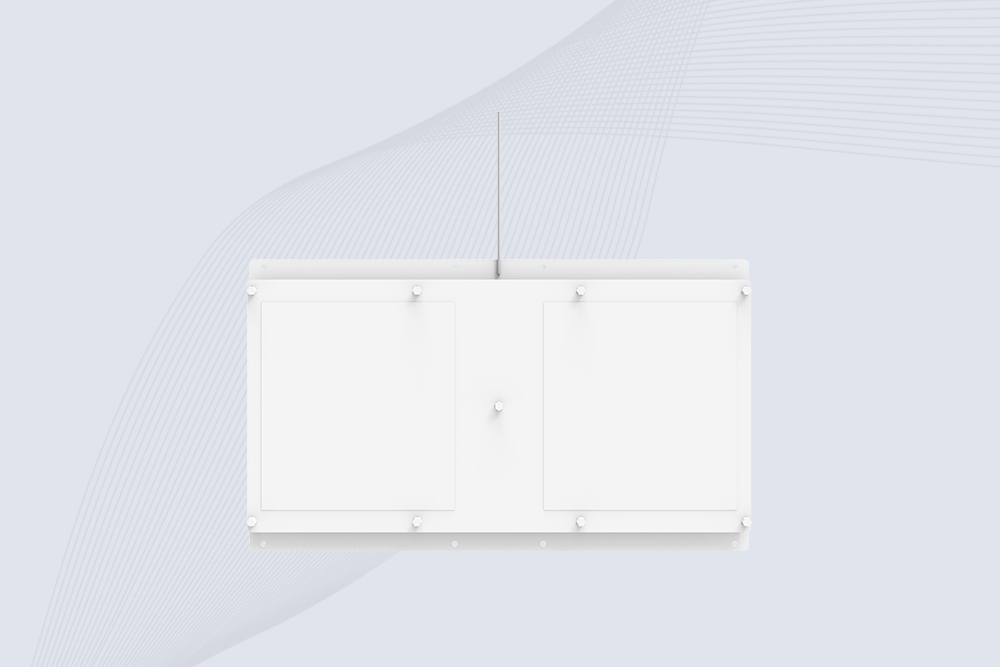
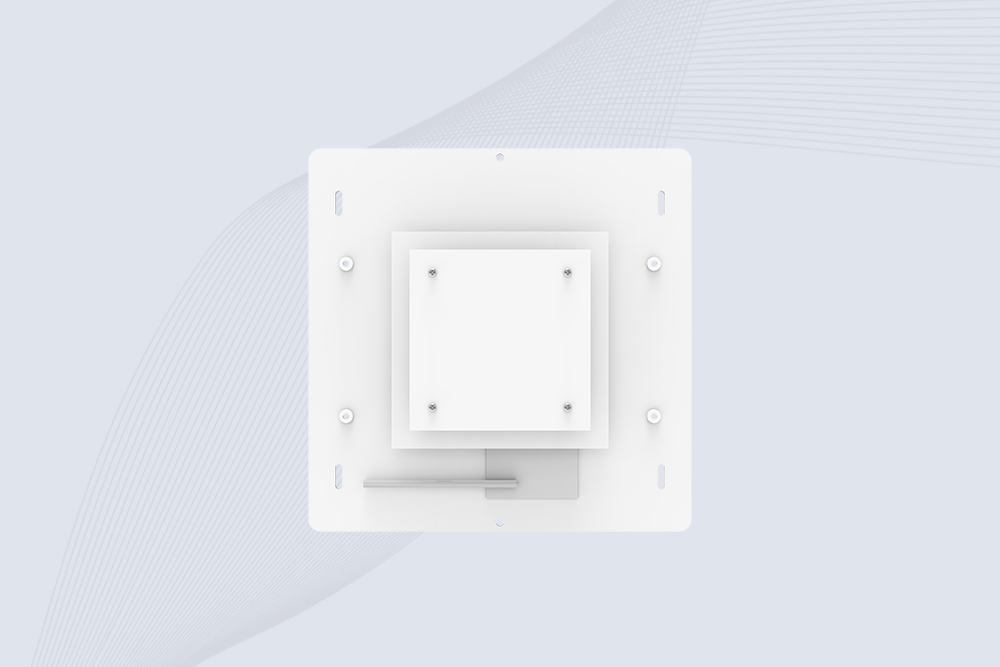
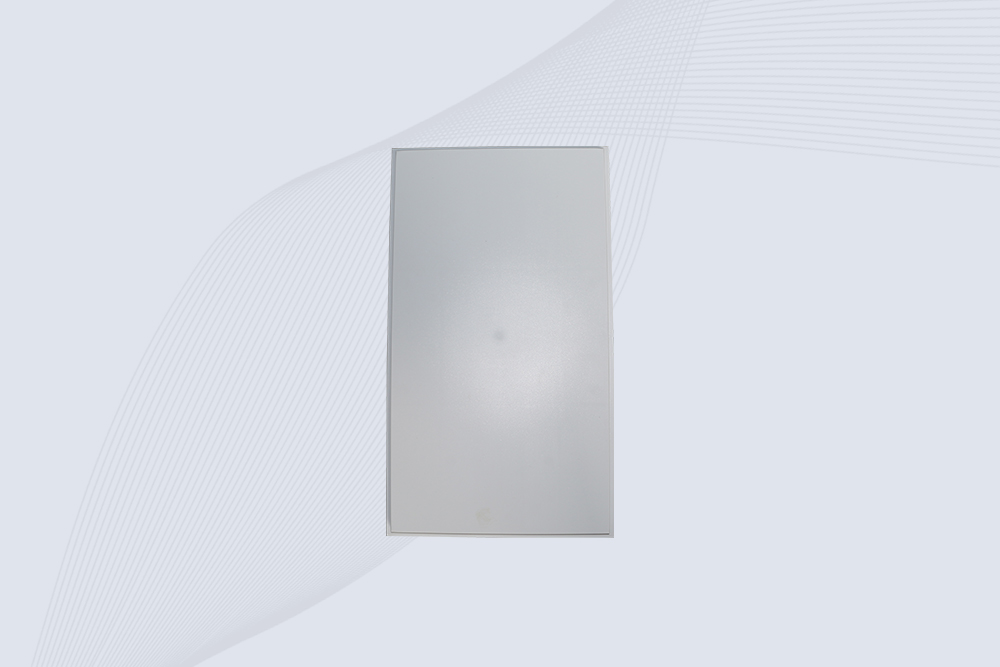
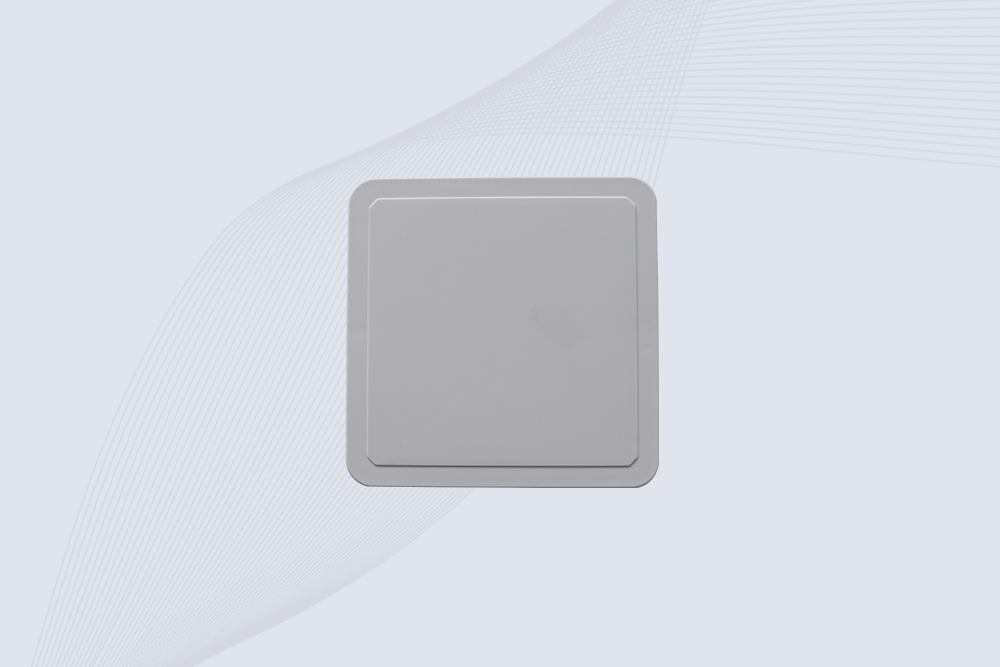
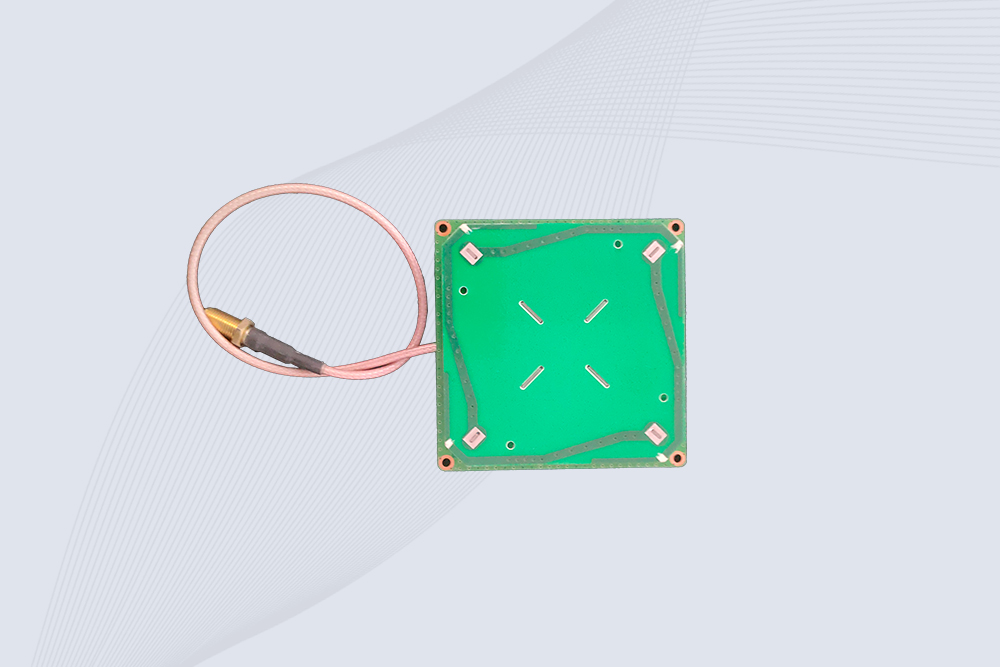
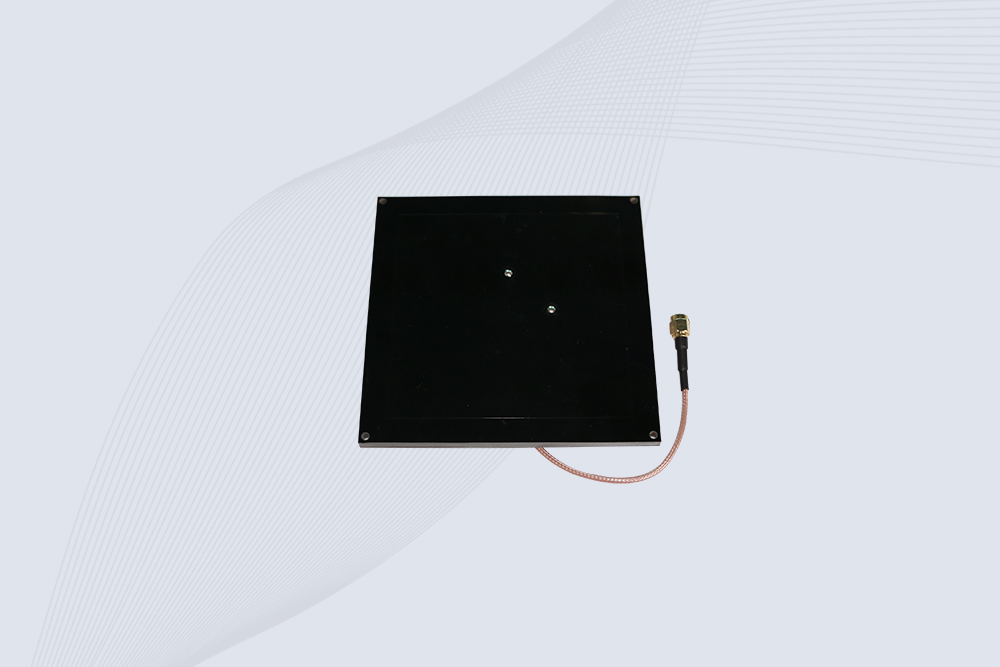
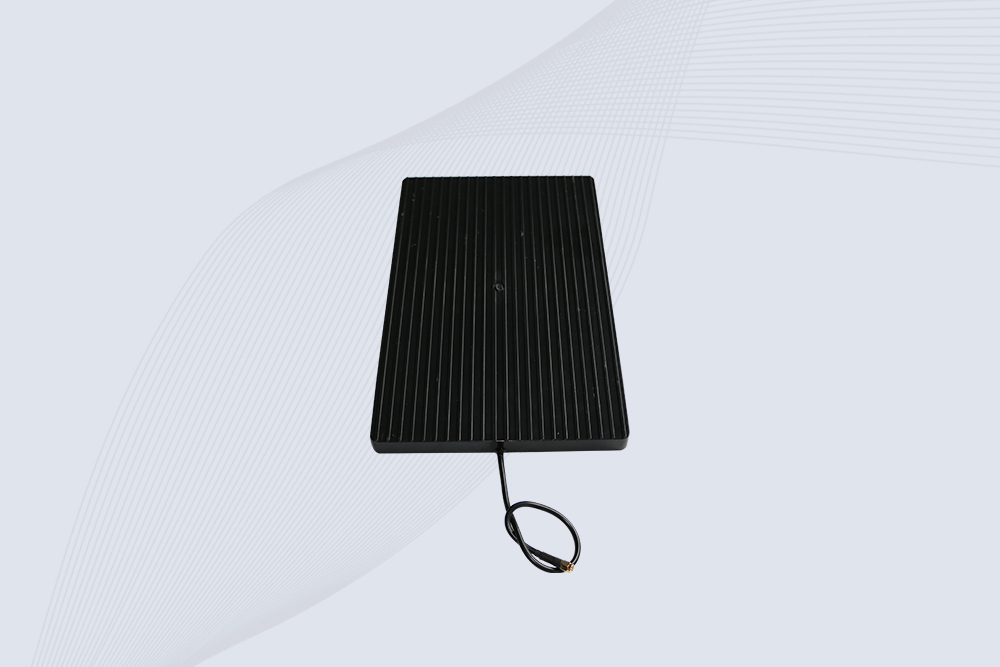
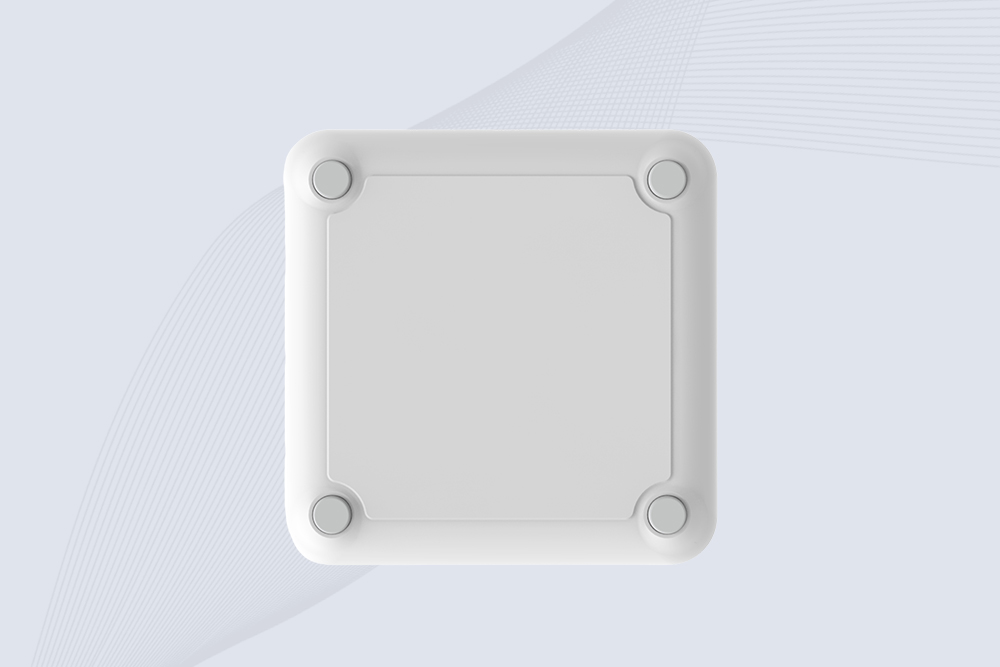
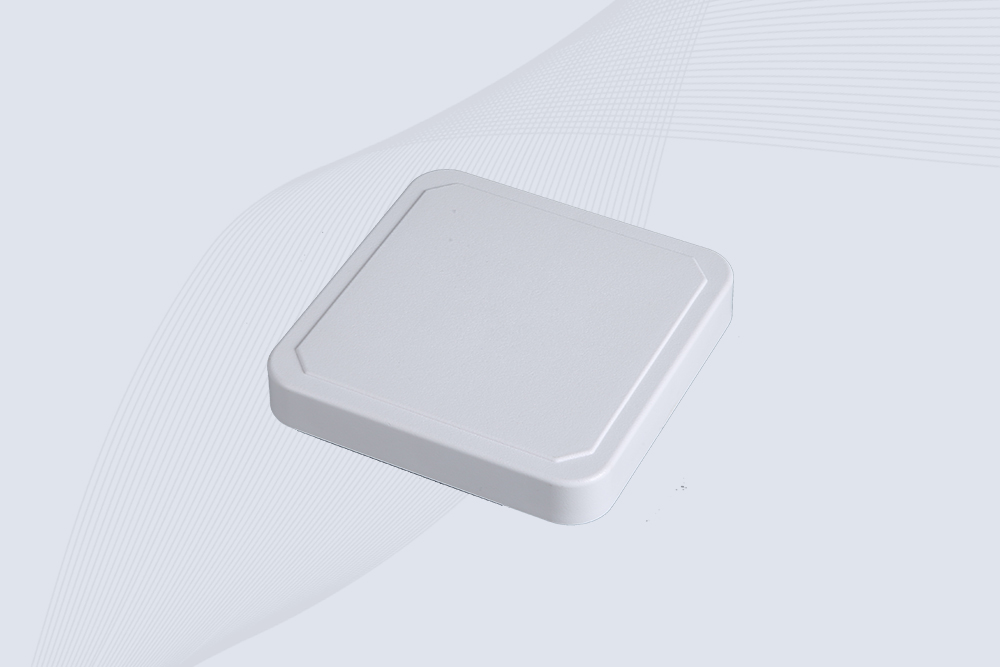
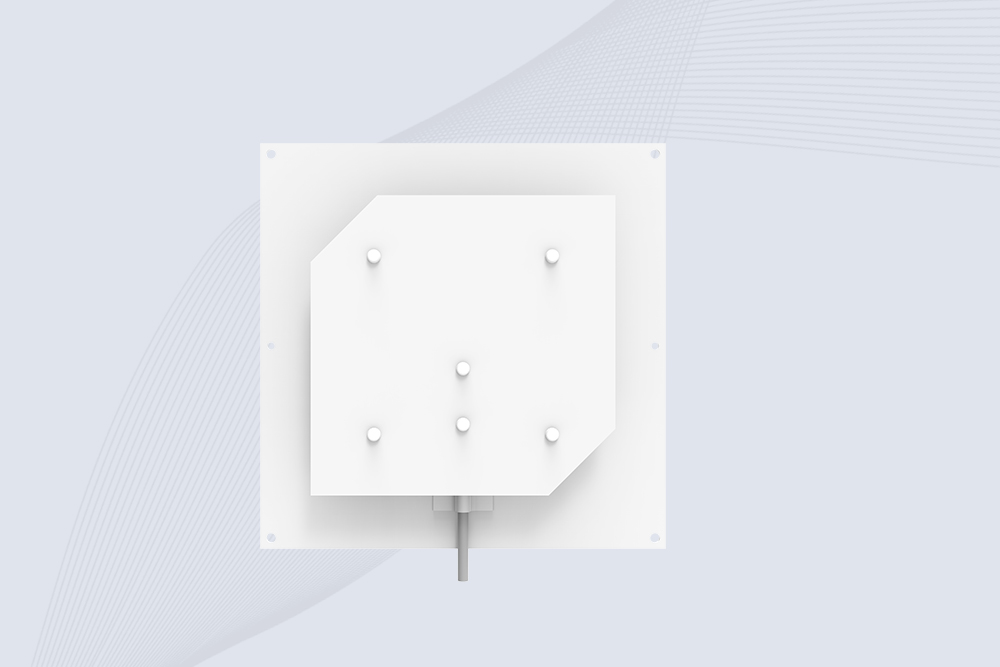
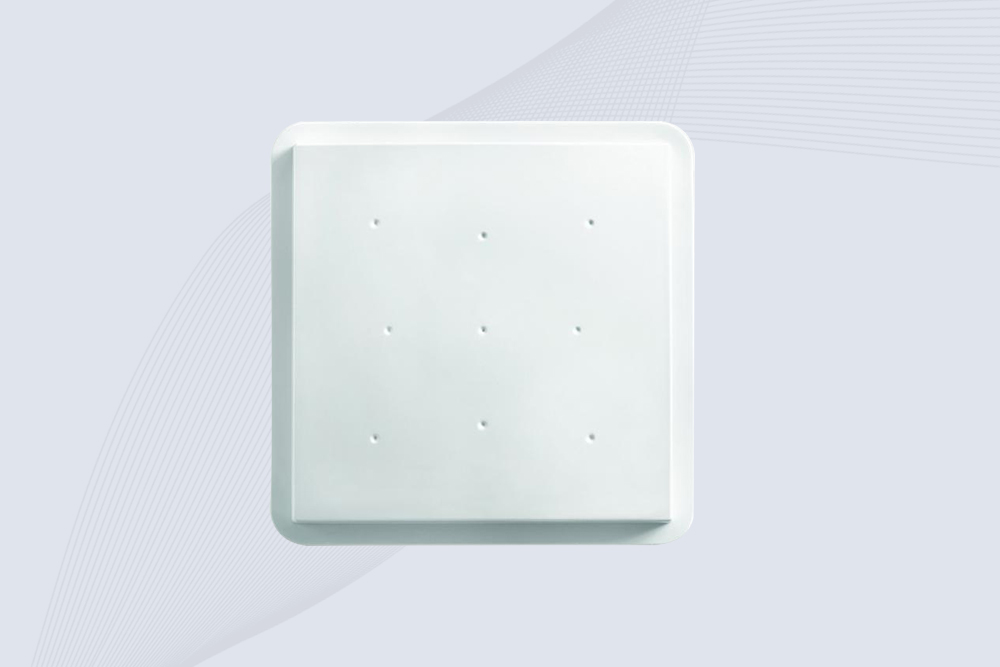
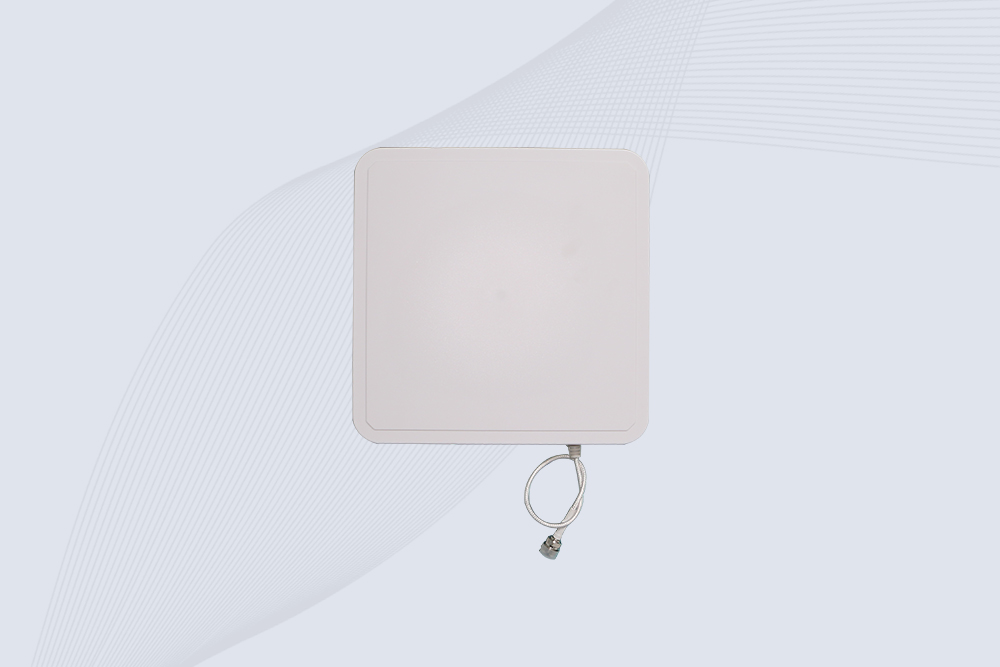
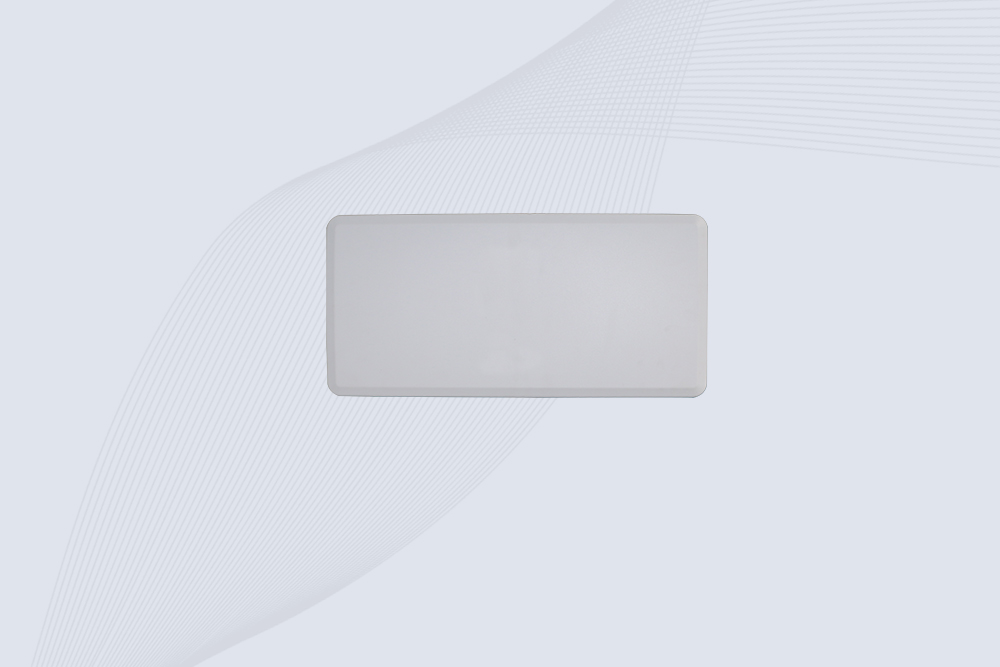
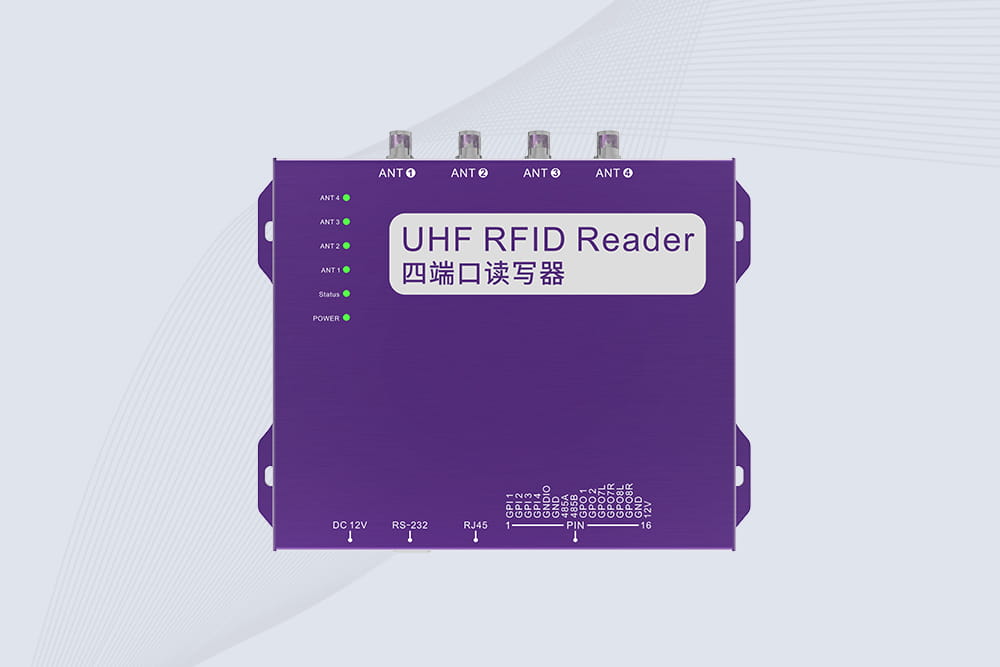
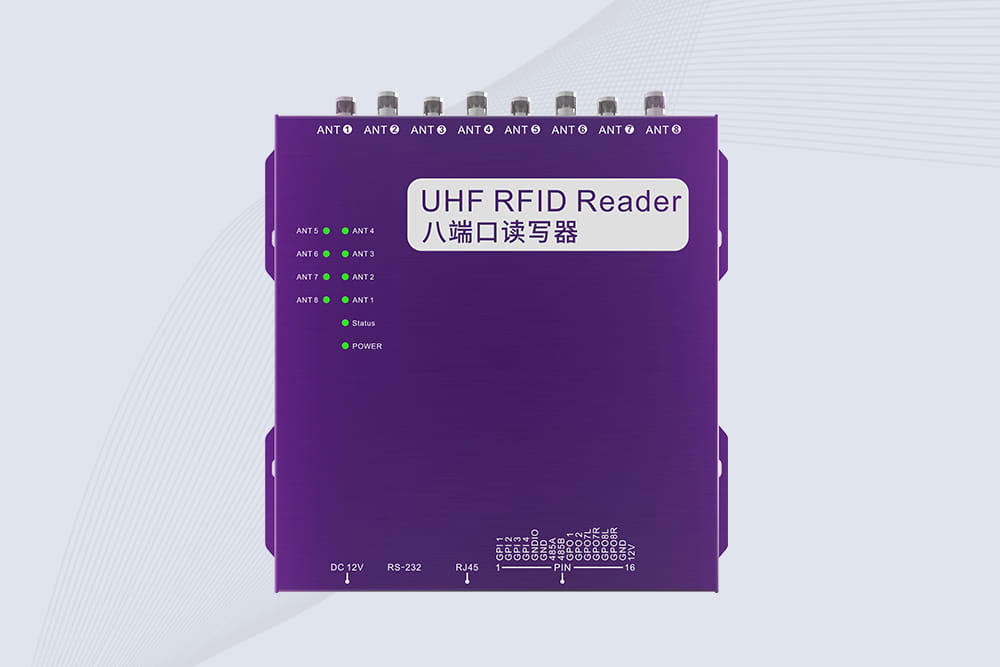
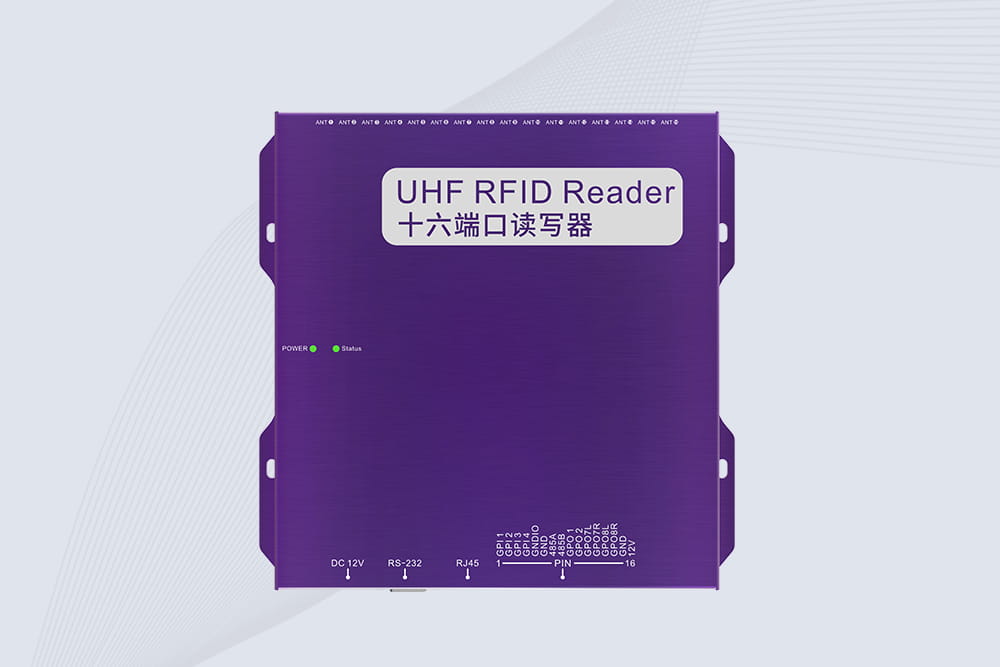
Now, look at a warehouse dock door or a manufacturing line. Here, you’ll typically find a fixed reader (a box with network ports and processing power) mounted in an IT closet or on a pole. Connected to it via coaxial cables are one, two, or four separate, external antenna panels.
Why? Flexibility.
- Coverage: You can position antennas optimally (high on a wall, angled inward) while keeping the reader in a protected location.
- Specialization: You can choose different antennas for different jobs—a wide-beam antenna for a large gate, a near-field antenna for a precise conveyor read point.
- Maintenance: If an antenna is damaged, you replace just that panel, not the entire rfid reader brain.
This is the classic scenario where the answer is yes, the RFID antenna and reader are two separate physical devices. They are connected by a cable, and each can be selected independently based on the application.
Why This Distinction Matters for Your Project
Understanding the difference between integrated and external RFID setups is crucial for planning.
- For Mobility & Simplicity: Choose an integrated handheld or all-in-one tablet. It’s simpler to deploy and manage.
- For Performance & Flexibility: Choose a modular system with a separate reader and antennas. This lets you tailor the system perfectly to challenging environments (long range, harsh conditions, specific read zones).
You can think of it like audio equipment. A Bluetooth speaker has the amplifier and speaker built together. A high-end stereo system has a separate amplifier and speakers you connect with wires. Both play music, but one is portable and simple, while the other is configurable for optimal performance in a fixed location.
At CYKEO, we work with both models daily. We help clients select the right architecture. If you need rugged handhelds for cycle counts, we provide integrated tools. If you’re building a high-throughput portal, we supply the optimized reader and the perfectly matched, separate antennas to ensure 99.9% read rates.
So, the final answer to “is an RFID antenna and reader two separate devices?” is this: They are always two separate functional components. Whether they come in one physical package or two is a design choice based on what you need the technology to do. Knowing which setup you need is the first step to a successful RFID system.
RFID Antennas Recommendation
 Cykeo RFID IoT Solution Products R&D Manufacturer