 Cykeo RFID IoT Solution Products R&D Manufacturer



How Handheld RFID Scanners Simplify Livestock Tracking and Farm Management
846Discover how handheld RFID scanners improve livestock tracking, health monitoring, and farm efficiency. Learn key features for agricultural use.
MoreAll RFID Product
RFID reader connectivity problems can halt operations in warehouses, retail stores, and healthcare facilities. These issues often stem from hardware misconfigurations, environmental interference, or outdated software. Here’s a systematic approach to identify and resolve them—without needing an IT specialist on standby.
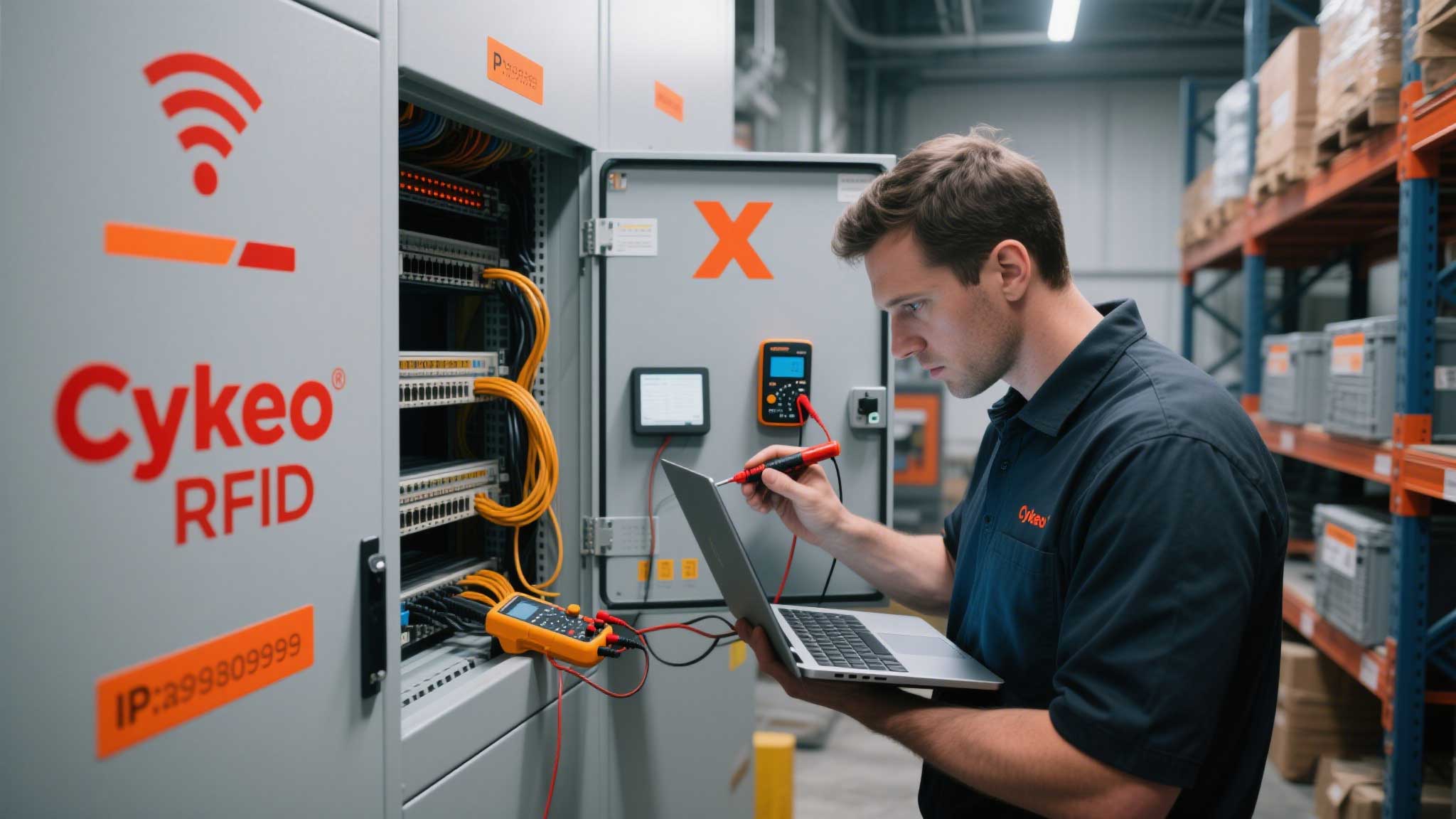
If issues persist, reset the reader to default settings. For Cykeo models, hold the setup button for 10 seconds until the LED flashes amber.
Cykeo’s ConnectGuard toolkit auto-detects signal loss and generates diagnostic reports. If hardware faults (e.g., fried circuits) are suspected, their 24/7 support team provides remote or on-site assistance.

Discover how handheld RFID scanners improve livestock tracking, health monitoring, and farm efficiency. Learn key features for agricultural use.
More
Discover what a UHF RFID reader is and how it enables long-range, bulk scanning for logistics, retail, and industrial tracking. Learn the technology from CYKEO.
More
rfid tracking devices explained from real projects. Learn how they work, where they fail, and how CYKEO engineers deploy RFID tracking in real environments.
More
How to test RFID with a phone? With NFC functionality and mobile apps, users can quickly read high-frequency RFID tags. This is ideal for field testing, verification, and early project identification. Learn the exact steps and how to troubleshoot ...
More