 Cykeo RFID IoT Solution Products R&D Manufacturer








Case Study: How RFID Slashed Stockouts by 40% in a 200-Store Retail Chain
669Discover how a major retail chain reduced stockouts by 40% using RFID for real-time inventory tracking. Learn actionable strategies to apply in your stores.
MoreAll RFID Product
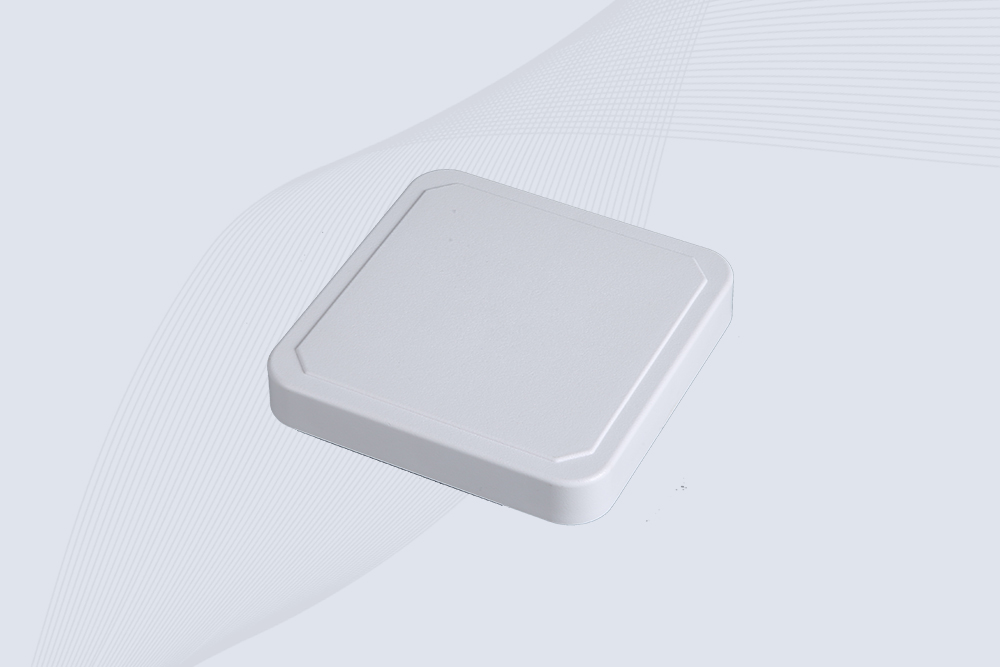
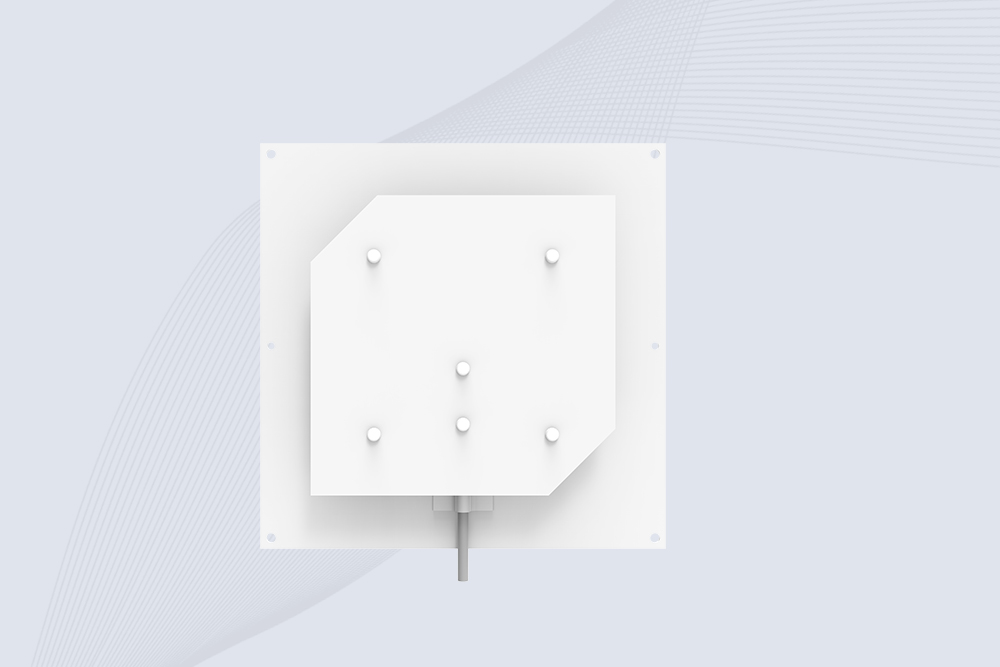
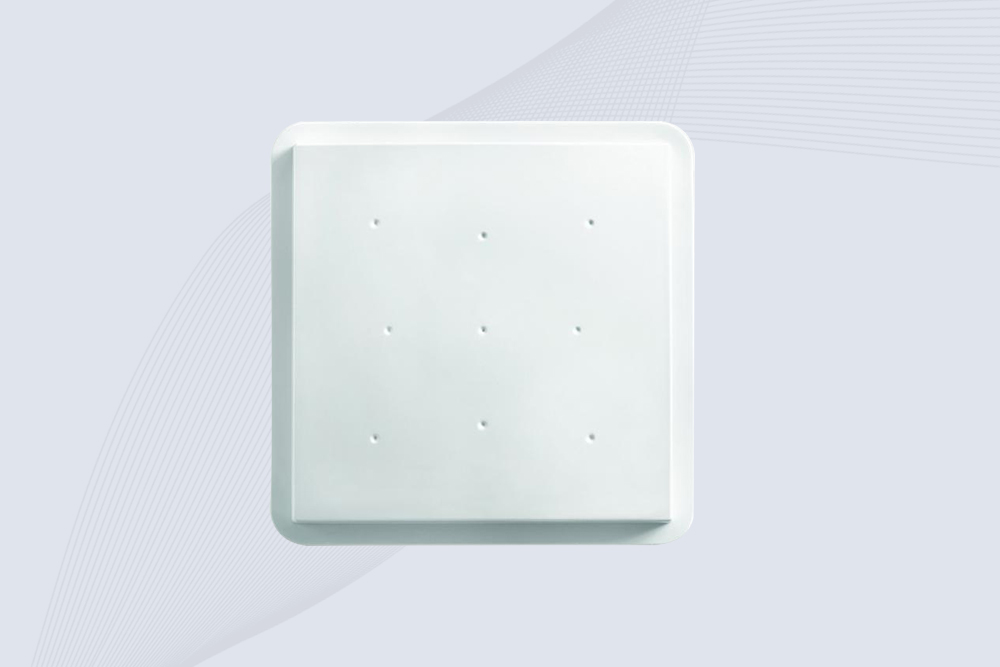
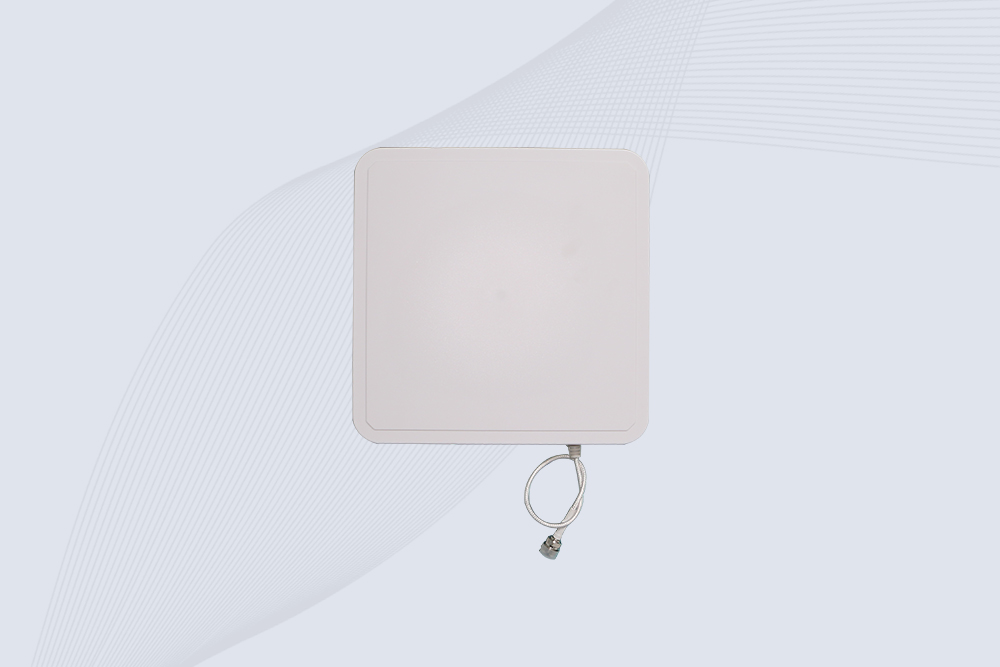
Ever watch a worker scan a whole pallet of boxes without touching a single barcode and wonder what’s happening? The real magic isn’t in the handheld device or the sticker—it’s in the unseen conversation happening through the antenna. So, let’s talk about how to RFID antennas work in plain terms. They have two jobs: shout energy, then listen for a whisper back. Get this wrong, and your whole system goes silent.
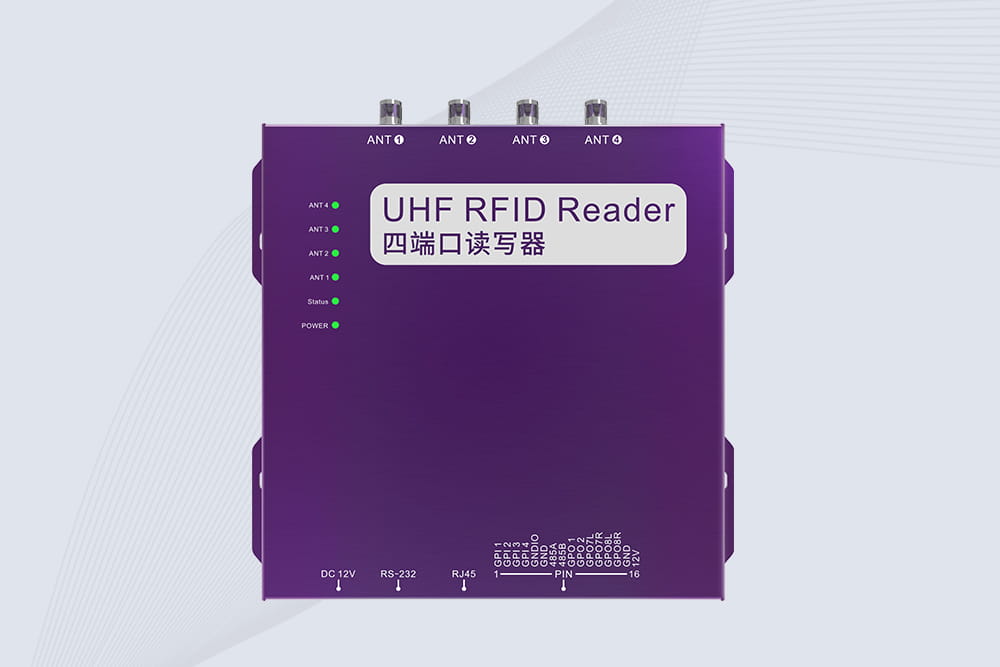
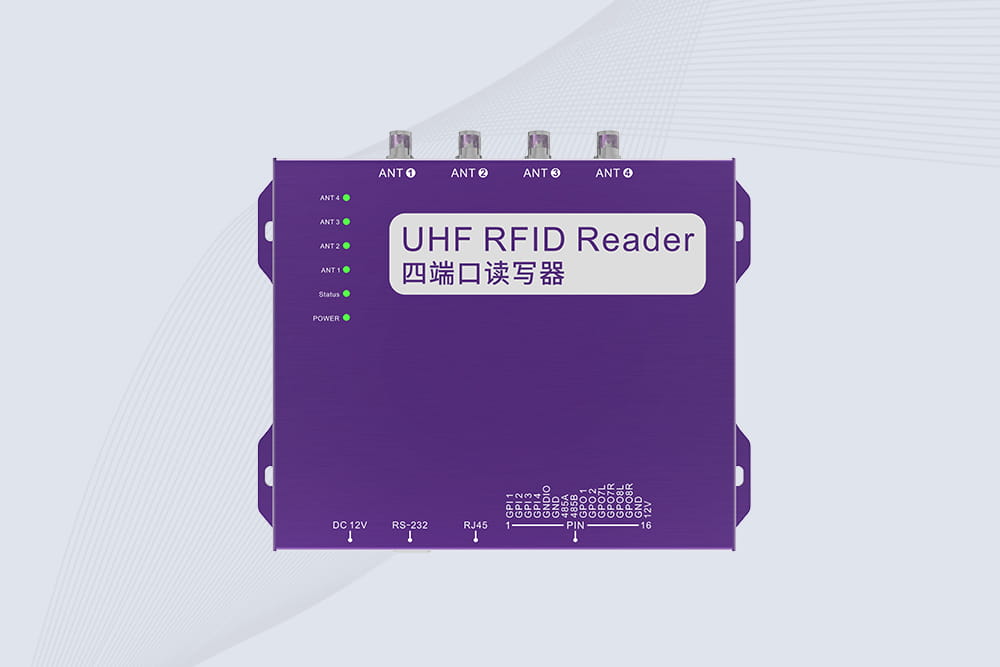
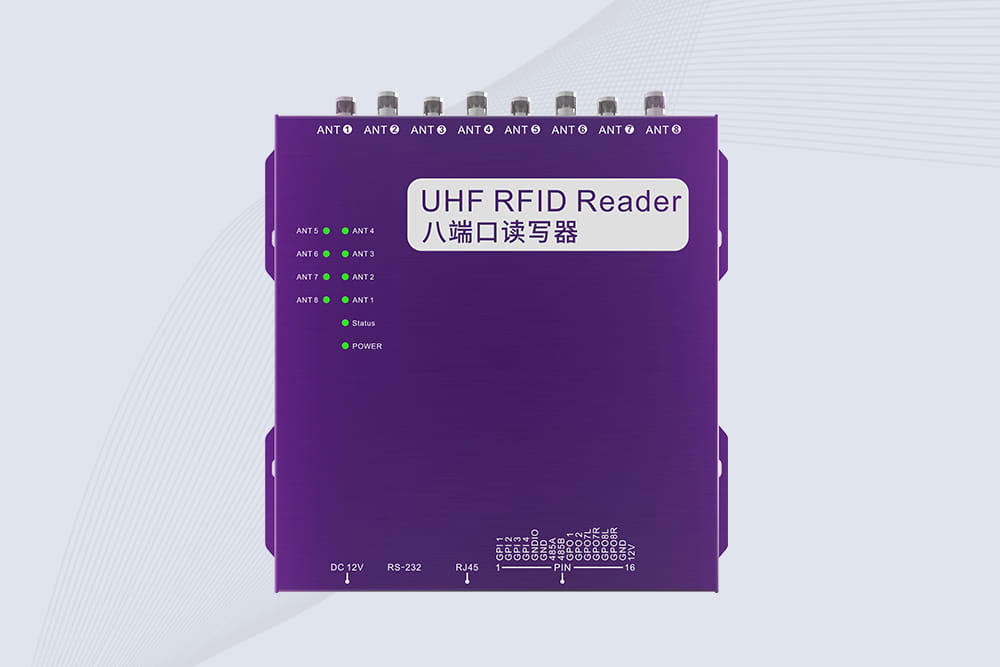
The process starts with the uhf rfid reader. It’s a computer that creates a command (“Hey, who’s there?”) and sends it as an electrical signal down a cable to the antenna.
This is the first critical conversion. The antenna takes this electrical energy and transforms it into radio waves (RF energy) that radiate out into space. For the passive UHF systems used in logistics, this broadcast does double duty. It carries the encoded command, and—this is the cool part—it is the power source. A passive tag has no battery. The energy from these radio waves is what wakes up the tiny chip inside any tag within range. This is the fundamental answer to how RFID antennas power tags.
Once powered, the tag’s chip does its thing: it grabs its unique ID from memory. But how does it send this info back? It doesn’t have a mini-transmitter.
It uses a clever trick called backscatter. The tag modifies the incoming radio wave from the reader’s antenna and reflects this altered signal back. Think of it like changing the echo of a shout.
This return signal is incredibly faint. Now comes the antenna’s second, equally vital role. It acts as a highly sensitive ear, finely tuned to pick up these specific, modified echoes. It captures the weak radio waves and converts them back into a clean electrical signal for the reader to decode. This complete rfid antenna communication loop—shout, listen, understand—happens in milliseconds.
If the core function is that simple, why are there so many types? Because the real world isn’t a perfect lab. The key is how the antenna shouts and listens.
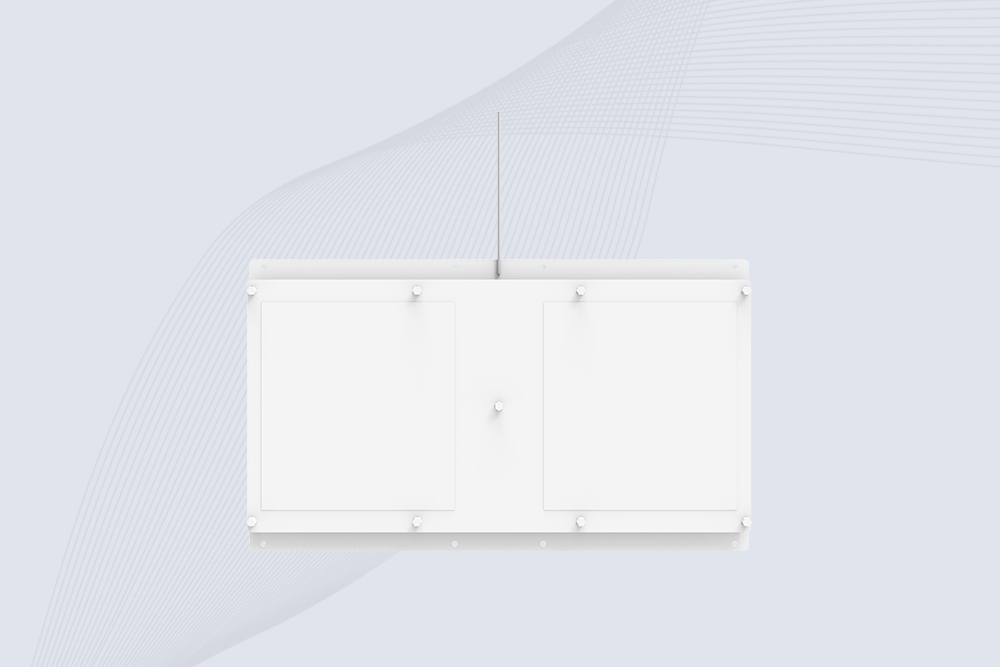
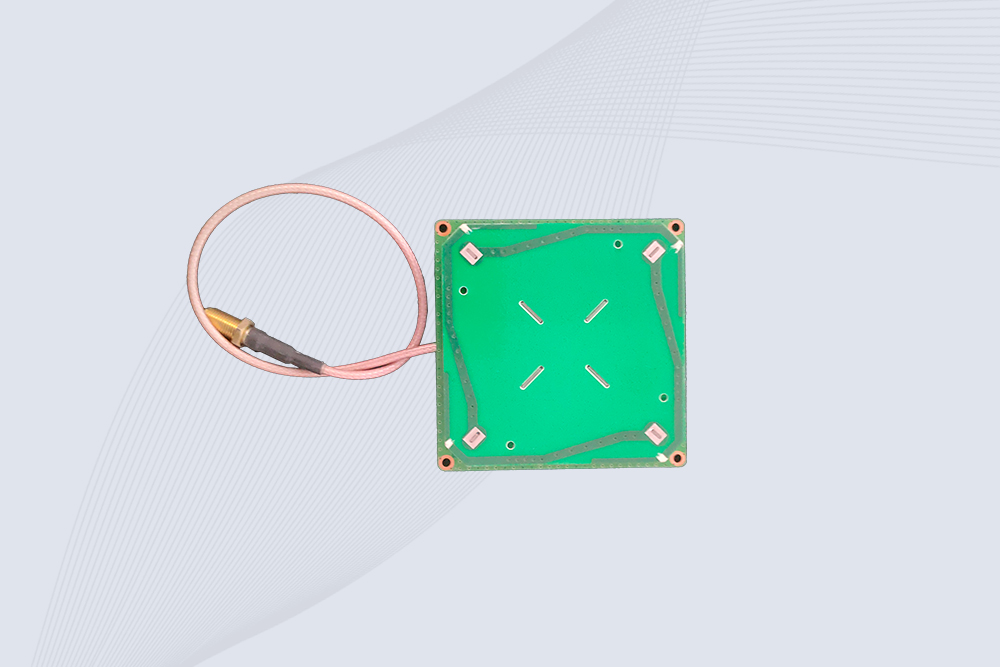
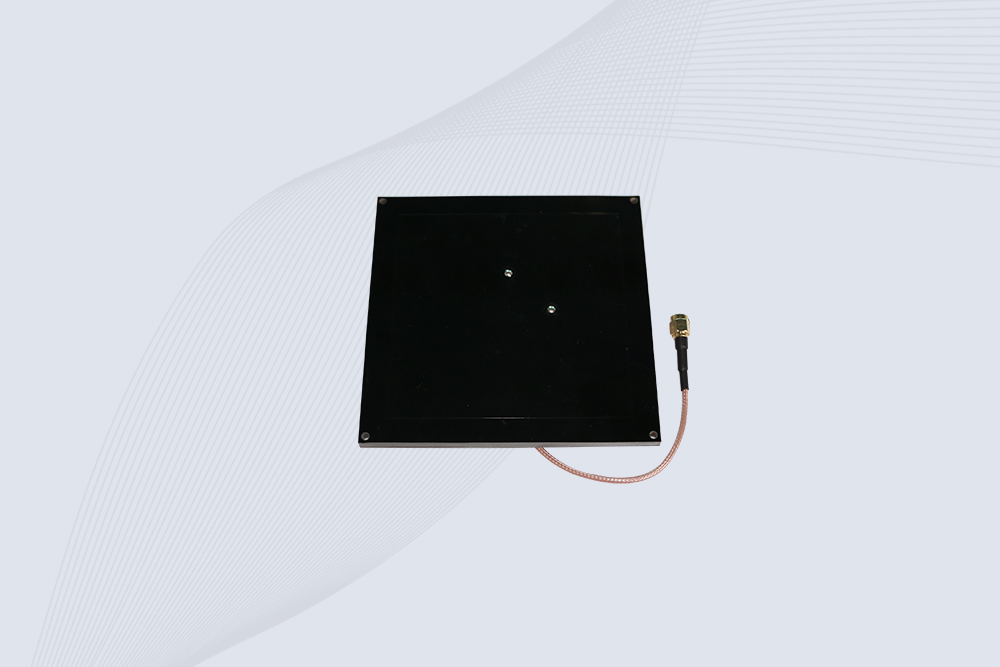
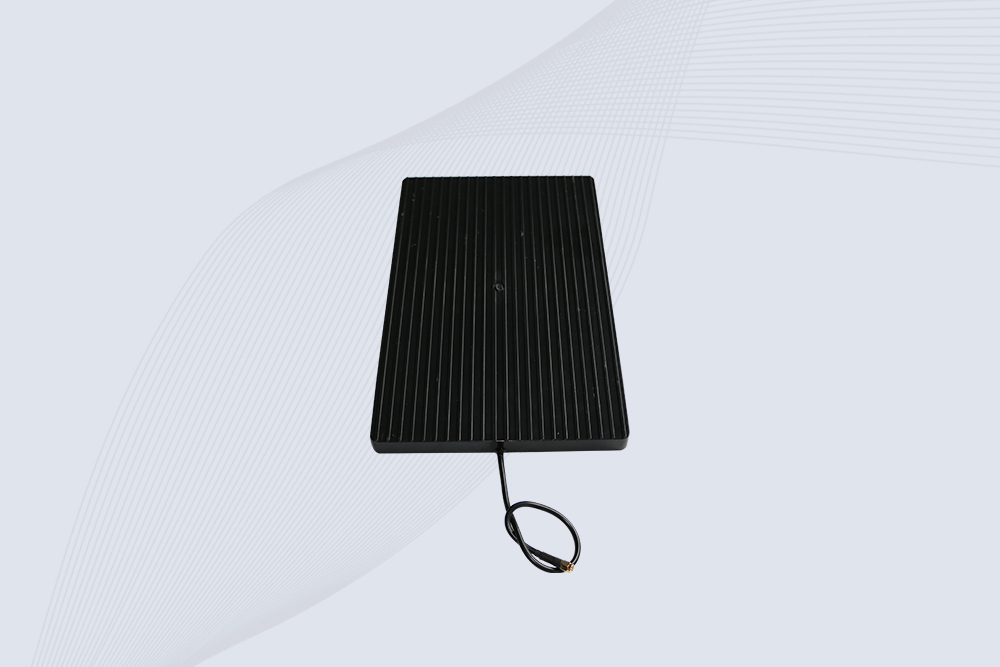
The biggest factor is polarization.
Understanding the role of antennas in RFID systems helps you fix problems. Are tags on a conveyor being missed? Maybe they’re all oriented wrong for a linear antenna. Is your range inconsistent? Metal shelving could be scattering the antenna’s shout.
At CYKEO, we move you from asking “how to RFID antennas work” to knowing exactly which antenna will work for your floor. We match the antenna’s shout and listening skills to your environment’s chaos, turning radio waves into reliable, actionable data.

Discover how a major retail chain reduced stockouts by 40% using RFID for real-time inventory tracking. Learn actionable strategies to apply in your stores.
More
125kHz RFID reader, with its unique performance characteristics, plays an irreplaceable role in many use cases.
More
A field perspective on selecting, configuring, and deploying RFID key cabinets, including real-world considerations, integration tips, and system setup.
More
Can RFID readers withstand extreme cold or heat? Discover how industrial-grade designs ensure reliability in freezing or scorching environments.
More