Walking out of a clothing store and realizing a security tag is still attached to your new jacket or shirt is a situation many people have experienced. Usually, the problem is simple — the tag was not removed properly at checkout.
But from a retailer’s point of view, these small devices are not just plastic clips. A security clothes tag represents an important part of inventory protection, loss prevention, and sometimes even RFID-based retail management.
When apparel brands, wholesalers, and retail chains purchase clothing security tags in bulk, the focus is usually not only on “how to remove” them. The bigger questions are:
How reliable is the tag during daily sales?
Can employees remove it quickly?
Does it support RFID inventory management?
Will it damage clothing?
Is the supplier able to provide customized solutions?
This article looks at security clothes tags from a retail supply perspective.
Why Are Security Tags Attached to Clothes?
Security tags are mainly used to reduce shoplifting and improve inventory control.
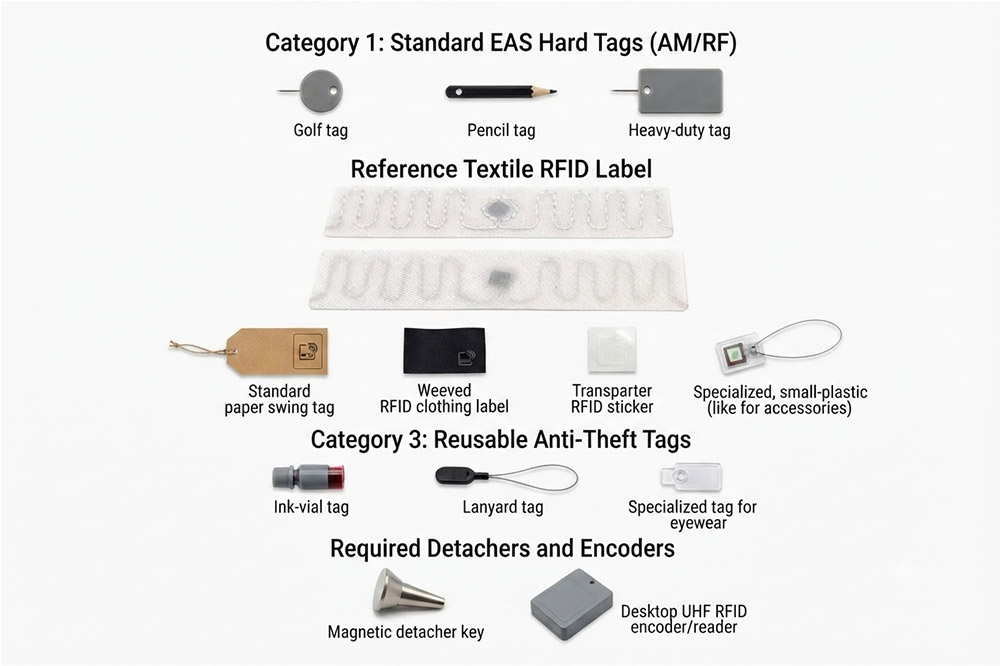
Traditional clothing security tags usually contain mechanical locking systems. They are removed at the checkout counter using a special detacher.
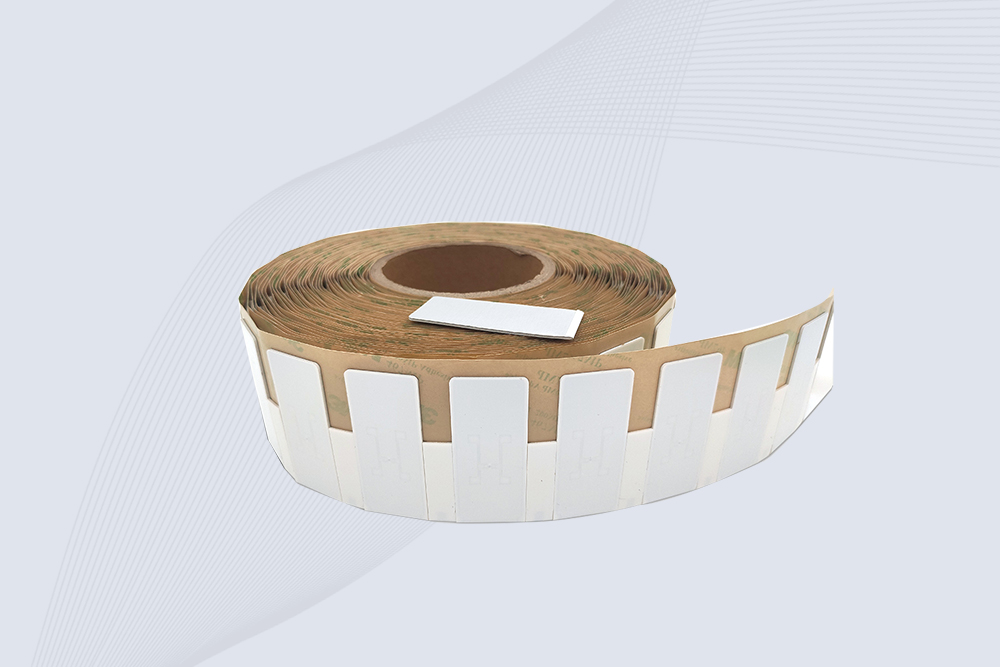
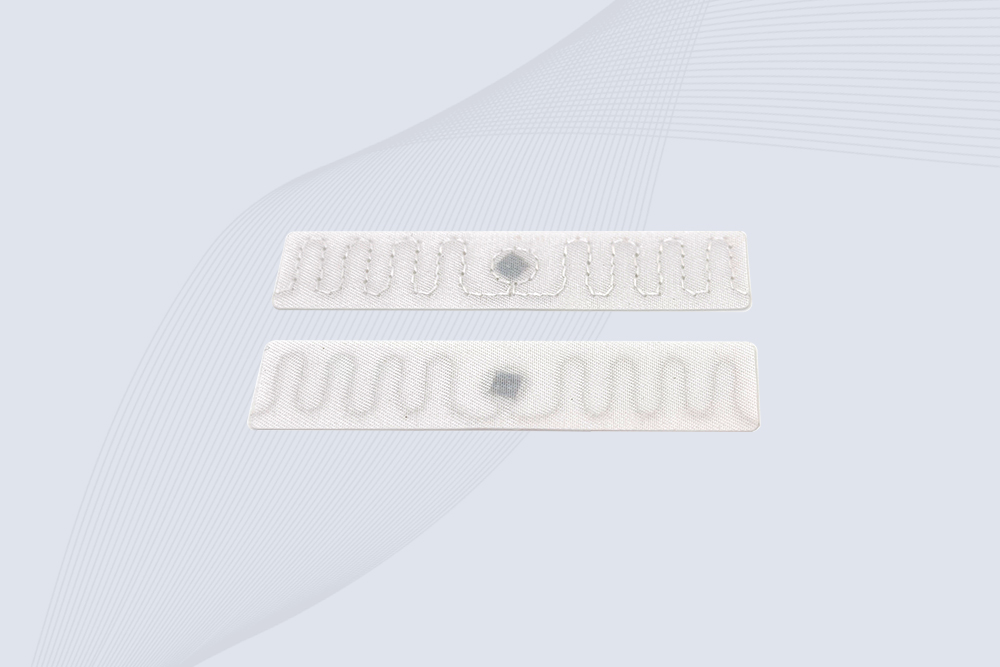
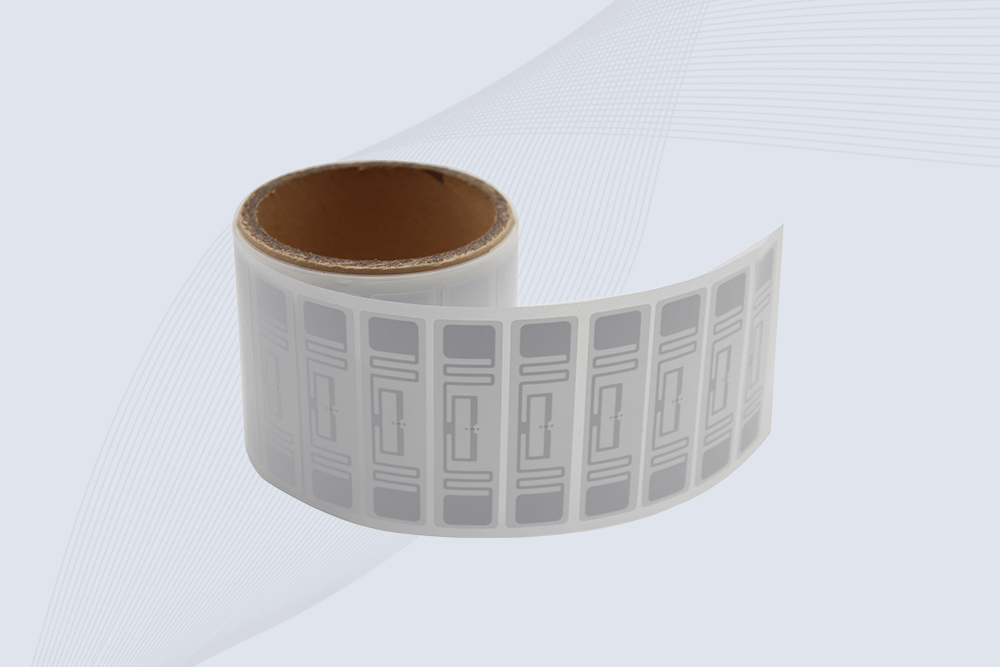
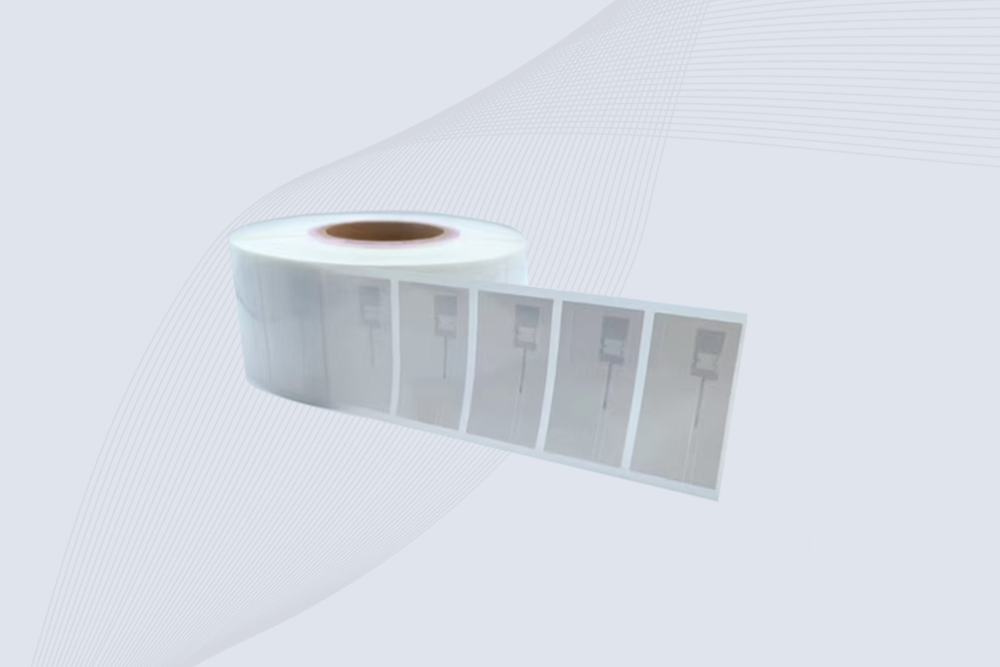
Newer retail solutions may combine RFID technology with traditional anti-theft functions. For example, an RFID clothing tag can help stores identify products automatically, track stock movement, and improve warehouse efficiency.
For large apparel businesses, the tag is no longer only an anti-theft accessory. It becomes part of the whole retail operation.
In many projects we see, clothing brands start with simple anti-theft tags but later move toward RFID solutions because inventory accuracy becomes a bigger challenge than theft prevention.
How Do Retail Stores Remove Security Clothes Tags?
For consumers, the safest method is always returning to the store with proof of purchase. Retail employees have professional tools designed for removing security tags without damaging garments.
In a retail environment, staff normally use:
Magnetic detachers
Mechanical tag removers
RFID tag management systems
Checkout verification systems
Trying to force open a security tag at home can easily damage the fabric, especially with jackets, knitted clothing, or expensive fashion products.
From a manufacturing perspective, the removal process is actually part of the tag design. A good security tag should provide strong protection during display while still allowing fast removal when the product is sold.
Different Types of Clothing Security Tags Used by Brands
Not every apparel business uses the same type of tag.
1. Traditional Hard Security Tags
These are common in supermarkets and clothing stores.
Advantages:
Low cost
Easy installation
Reusable
Suitable for mass retail
However, they mainly solve theft problems and provide limited product data.
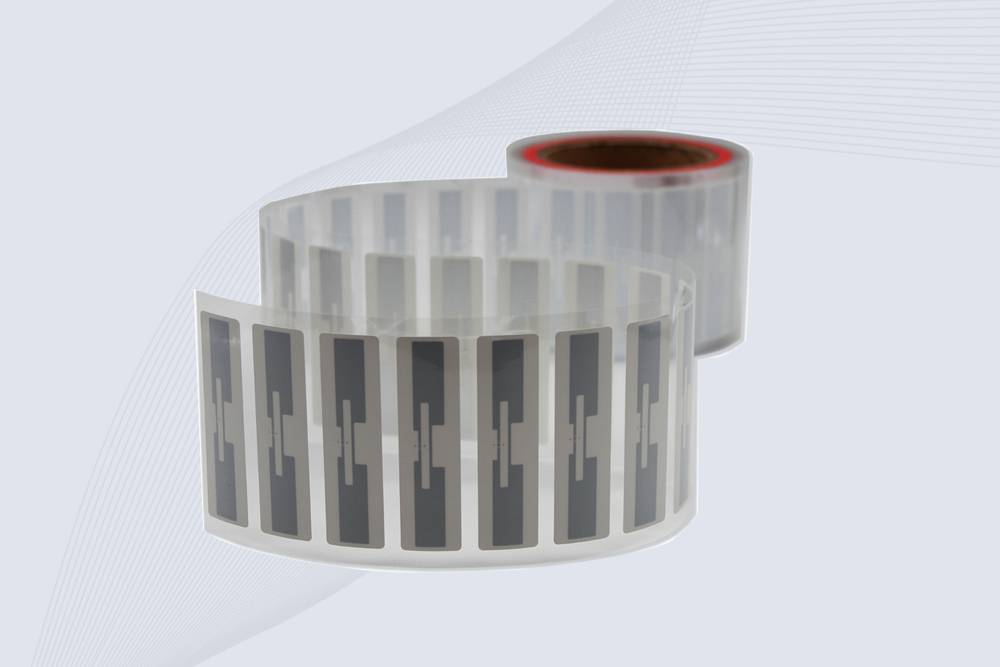
2. RFID Clothing Tags
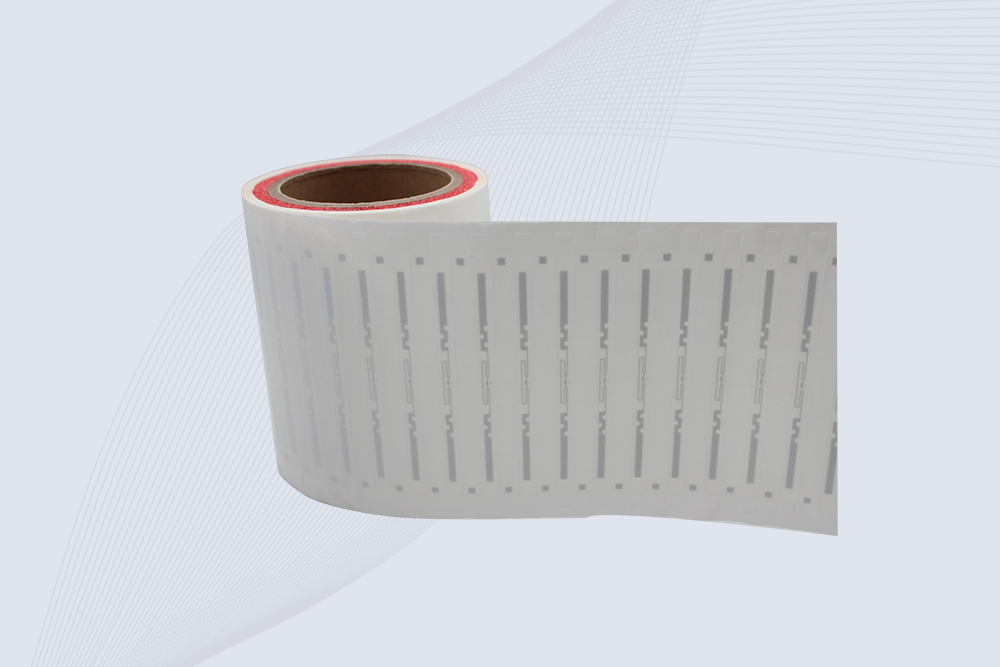
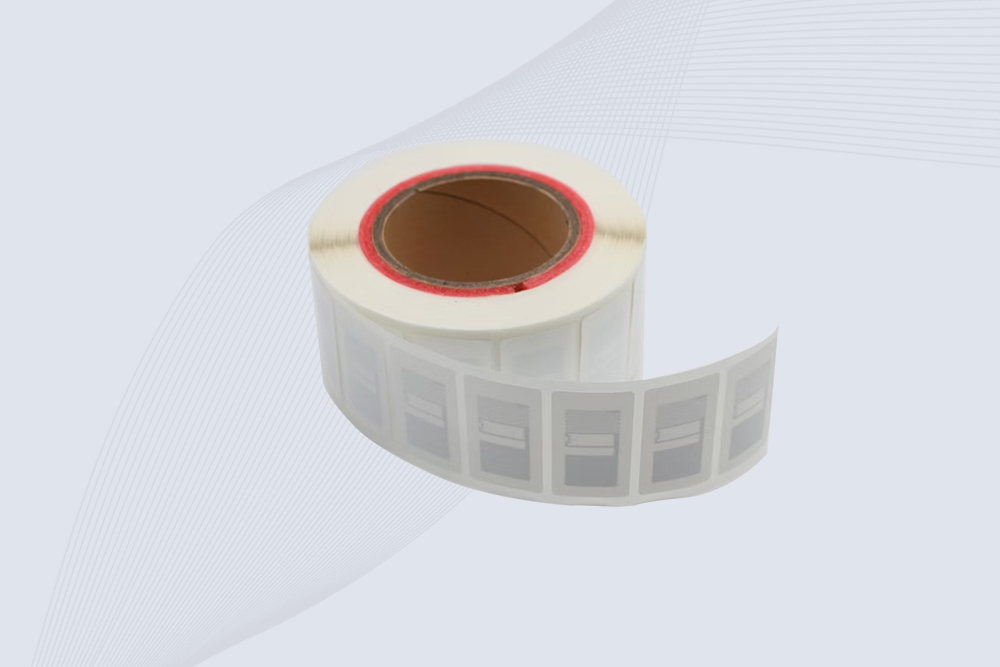
RFID tags are becoming more popular among clothing manufacturers, warehouses, and fashion retailers.
Compared with traditional tags, RFID clothing tags can provide:
Faster inventory counting
Better stock visibility
Automated warehouse management
Reduced manual scanning work
For example, a warehouse worker can scan hundreds of tagged garments within seconds instead of manually checking each item.
This is where RFID becomes interesting for apparel suppliers. The goal is not only preventing theft but also improving the entire supply chain.
How Are RFID Tags Removed From Clothing Without Damage?
If you are interested in the difference between normal security tags and RFID clothing tags, you can also read our detailed guide:
This article explains RFID clothing tag structures, common removal methods, and why improper handling can damage garments.
What Should Apparel Companies Consider When Buying Security Tags Wholesale?
For clothing brands and distributors, buying security tags is not only about price.
A few points usually create bigger problems later:
Tag Size and Clothing Compatibility
A heavy or poorly designed tag can leave marks on soft fabrics.
Luxury clothing, sportswear, and children’s apparel often require different tag designs.
Reusability
Large retail chains often prefer reusable security tags because the same tags can be used across thousands of products.
RFID Compatibility
If a company plans to upgrade warehouse management in the future, choosing RFID-compatible solutions early can reduce replacement costs.
Supplier Manufacturing Ability
A reliable security tag supplier should provide:
Stable production capacity
Custom design options
Testing support
Packaging solutions
RFID integration experience
For wholesalers, supplier flexibility is often more important than buying the cheapest tag.
Why RFID Clothing Tags Are Becoming More Popular
Many apparel companies first search for solutions related to removing or identifying clothing tags. However, the bigger trend is moving toward smarter clothing management.
Our previous article explains more about RFID clothing tag applications, including how RFID improves apparel tracking and inventory accuracy.
Common Problems Retailers Face With Security Clothes Tags
From real retail projects, several issues appear repeatedly.
One problem is false alarms. Poor-quality tags may trigger security gates unnecessarily, creating a bad customer experience.
Another problem is difficult removal. If employees need too much time at checkout, customer waiting time increases.
For larger stores, the bigger challenge is usually inventory management. Thousands of clothing items move every day, and manual counting becomes expensive.
This is why many retailers are gradually combining anti-theft solutions with RFID technology.
Choosing the Right Security Tag Supplier
When purchasing clothing security tags in bulk, retailers should look beyond product photos.
A professional supplier should understand:
Apparel production requirements
Retail security needs
RFID application scenarios
Large-scale customization
For brands that sell globally, consistency is also important. A small quality difference between batches can create problems across hundreds of stores.
A good tag is not the one with the lowest price. It is the one that works reliably after thousands of uses.
Final Thoughts
Security clothes tags may look simple, but they play an important role in modern retail.
For consumers, removing a tag is mainly about solving a checkout mistake.
For clothing manufacturers and retailers, the real question is how security tags, RFID technology, and inventory systems can work together to reduce losses and improve efficiency.
As apparel supply chains become more digital, RFID-based clothing management will likely become a bigger part of retail operations.
CYKEO Passive RFID Tags are made for wet and high-humidity environments where standard labels do not last. This rfid passive tag is often used around liquids, chemicals and temperature changes, providing stable reading distance and long data life for industrial tracking.
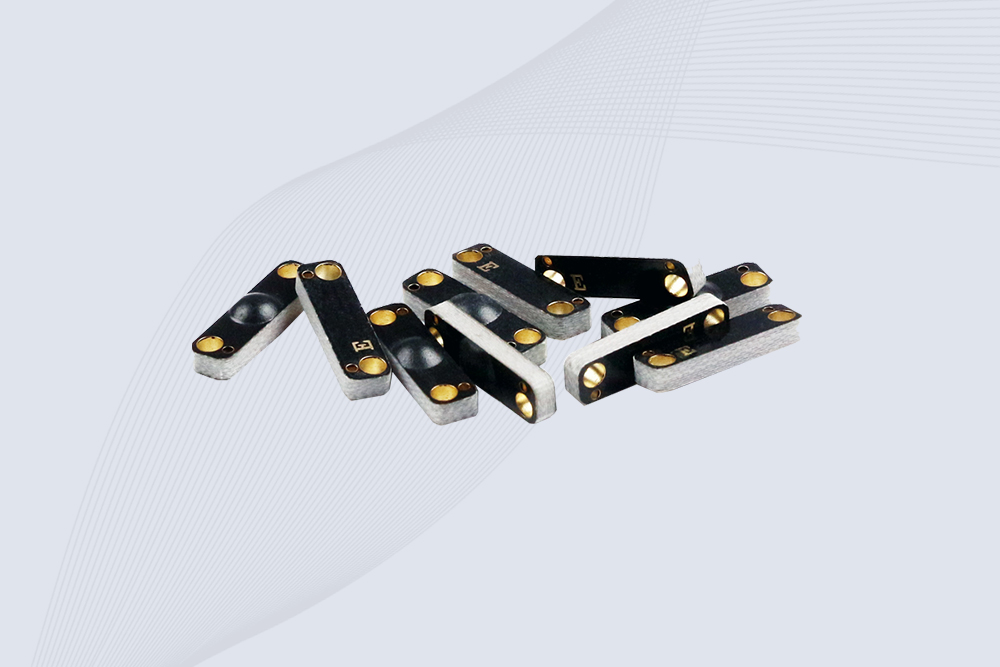
CYKEO CYKEO-PCB1504 Metal RFID Tags is a compact anti-metal UHF RFID solution built for direct mounting on metal surfaces. With stable 8-meter read range, Ucode-8 chip, and long data retention, this rfid metal tag fits tools, containers, automotive parts, and industrial asset tracking.
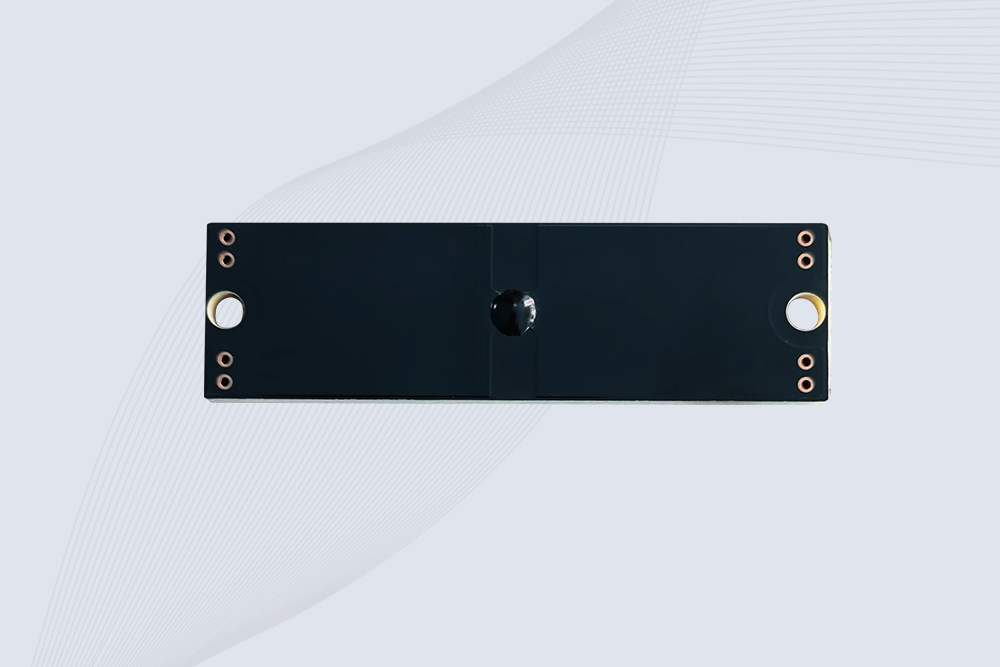
CYKEO CYKEO-PCB7020 On-Metal RFID Tags are designed for reliable tracking on steel and metal surfaces. Built with an FR4 epoxy body and industrial-grade chips, these On-Metal RFID Tags deliver stable performance, long data life, and chemical resistance, making them a dependable RFID anti-metal tag for harsh environments.
The CYKEO CYKEO-60-25 Anti-Metal RFID Tag is built for metal surfaces where standard tags fail. Designed for long-range performance, harsh environments, and stable data retention, this Anti-Metal RFID Tag is ideal for industrial assets, containers, and equipment tracking using on metal RFID tags.
The CYKEO RFID Laundry Tag is designed for long-term textile identification in harsh laundry environments. Built to withstand high heat, chemicals, and repeated washing, this RFID Laundry Tag delivers stable performance for hotels, hospitals, and industrial laundry operations using laundry rfid tags at scale.
The CYKEO CYKEO-125-7 RFID Book Tag is designed for reliable book and document tracking in libraries and archives. This RFID Book Tag delivers long read range, dense placement support, and stable performance on shelves, making it a practical rfid tag on books for library automation, file management, and archival systems.
CYKEO RFID tags in hospitals are designed for sterile environments where accuracy matters. These autoclavable RFID tags support long-term tracking of surgical tools, implants, and medications, helping hospitals improve visibility, compliance, and patient safety.
CYKEO RFID Cable Tie Tag is built for reliable identification on metal surfaces. This UHF RFID Cable Tie Tag is widely used in rfid tags for inventory systems, industrial asset management and Hospital RFID Tags, offering stable read performance, long service life and global EPC Gen2 compatibility.
CYKEO RFID Asset Tag is designed for stable identification of metal assets in industrial environments. This UHF RFID Asset Tag is commonly used for rfid tag asset tracking on equipment, tools and containers, providing reliable reads, long service life and ISO/IEC 18000-6C support.
CYKEO UHF RFID Card is designed for fast identification and long-term use in industrial and commercial systems. Supporting ISO 18000-6C, this UHF RFID Card works at 860–960 MHz and is suitable for custom RFID cards used in asset tracking, access control and inventory management.
CYKEO HF RFID Cards are designed for secure and stable access control systems. These 13.56 MHz RFID key cards support ISO 14443-A, reliable rewriting and long service life, making HF RFID Cards suitable for offices, campuses, events and membership management.
CYKEO UHF RFID Tag is designed for reliable tracking of metal jewelry and high-value items. This Jewelry RFID Tag supports long-range reading up to 8 meters, anti-counterfeit protection and stable performance on metal, making it suitable for retail, inventory control and asset management.
RFID Industry Writer | IoT & Asset Tracking Analyst
James writes about RFID technology, asset tracking, and the practical challenges of digital transformation across warehousing, retail, manufacturing, and logistics.
His work focuses on how RFID is applied in real-world operations—improving inventory visibility, automating workflows, and helping businesses manage assets with greater accuracy and efficiency.
He regularly covers topics including UHF RFID, smart cabinets, RFID portals, tool tracking, warehouse automation, and industrial IoT trends..
Buying in Bulk: Are RFID Tags Really Worth It? Honestly, when I first dealt with RFID tags, I thought, “It’s just a sticker, right? How hard can it be?” Turns out, I was dead wrong. One tag here and there? No problem. But when you hit hundreds, th...
Discover how RFID antennas drive modern supply chain automation—reduce errors, enable real-time tracking, and streamline operations without manual bottlenecks.
Explore fascinating RFID applications across industries like healthcare, retail, and sports. Discover how Cykeo’s RFID solutions drive efficiency and innovation.
RFID tracking manufacturing solutions provide real-time visibility of materials, WIP, and finished goods. Discover how Cykeo RFID improves production accuracy, traceability, and operational efficiency.
 Cykeo RFID IoT Solution Products R&D Manufacturer