 Cykeo RFID IoT Solution Products R&D Manufacturer







How RFID Reader Reads RFID Tag
98Discover how RFID reader reads RFID tag using simple radio waves. We break down the step-by-step process of powering and communicating with a passive tag.
MoreAll RFID Product
So, you’re curious about how to make an RFID antenna. Maybe you’re prototyping a unique idea or just love a hands-on tech challenge. We get it—our own engineers sometimes tinker on side projects. Let’s walk through what this actually involves, not just in theory, but with the solder burns and head-scratching included.
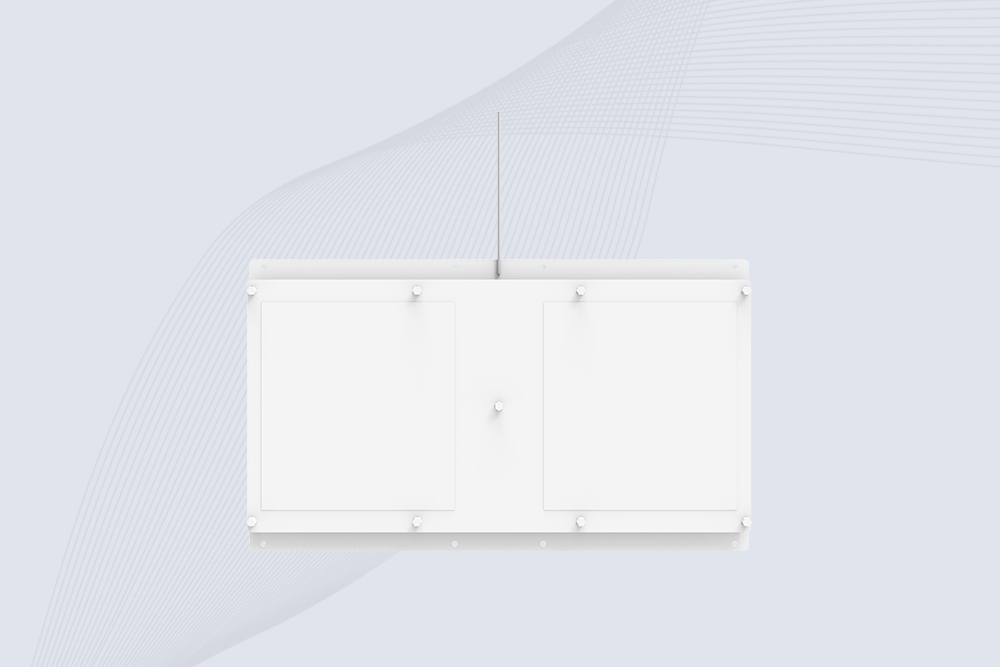
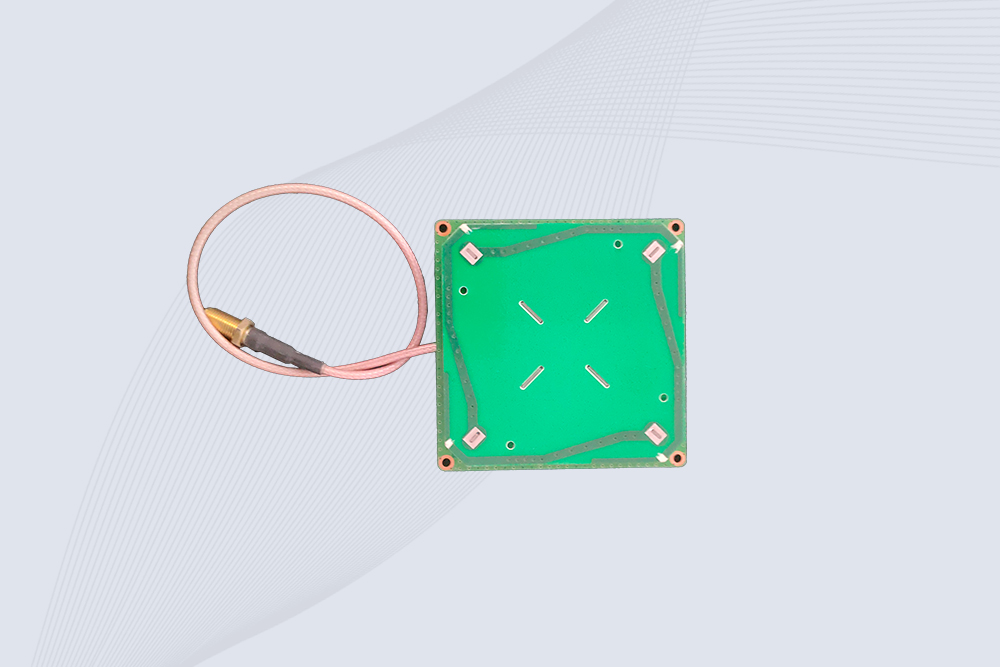
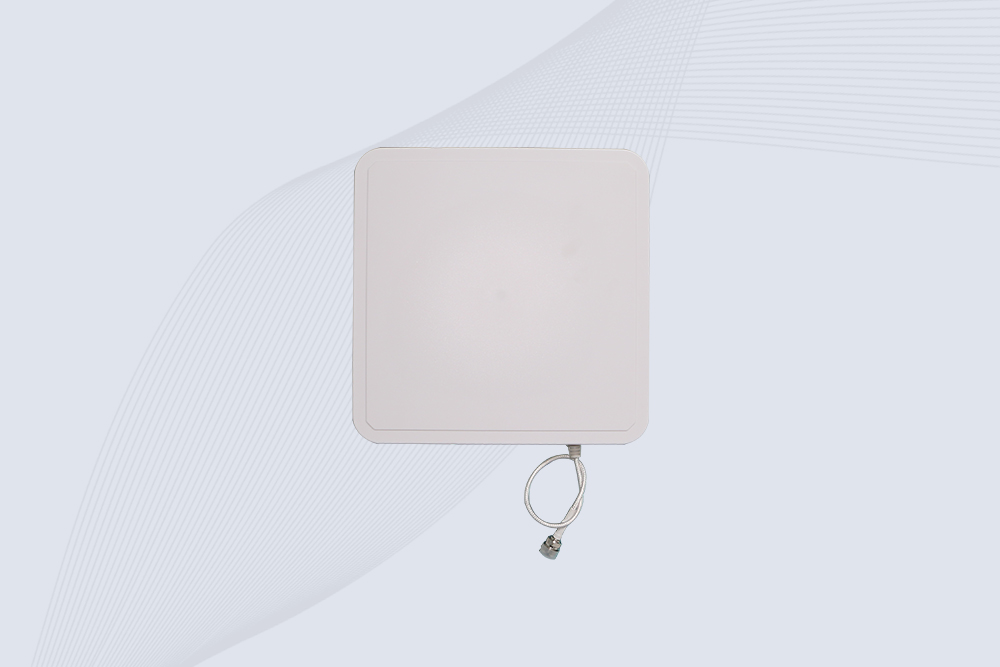
Following a online diy rfid antenna experiment guide, we aimed for a basic UHF dipole. The shopping list was simple: copper tape, a slab of FR4 (fiberglass board), an SMA connector, and some coaxial cable. The theory is straightforward: cut two copper strips to a specific length (about 80mm for 915MHz), stick them onto the board, and solder the cable.
The first “aha moment” came with impedance. You can’t just solder the wire directly. You need to etch a small T-shaped notch in the copper arms—a impedance matching trick. Our first version, without this, was practically deaf. Even a millimeter in the trace width changed everything. This is the core of rfid antenna prototyping challenges: translating a clean electrical concept into a physical object that behaves.
We got our homemade antenna to finally chirp at a tag about a foot away. Success? Sort of. The real issues started with consistency. Move the tag an inch to the left, nothing. Turn it sideways, dead. Place it on a metal notebook—forget it.
In our lab, we have a tool called a Vector Network Analyzer (VNA). Hooking our DIY antenna to it showed the problem: the resonant frequency was a messy hill, not a sharp peak, and it shifted if you even waved your hand near it. This sensitivity is why building vs buying rfid antennas is a serious debate. A working prototype is miles away from a robust product.
This experience crystalizes why we approach commercial rfid antenna design CYKEO with such rigor. For a hobby project, variation is expected. For a business tracking inventory or managing access control, it’s a disaster.
When we design an antenna at CYKEO, it’s not a one-off. We spend weeks in simulation software, modeling how the RF energy behaves around different materials. We then build dozens of iterations, testing them in anechoic chambers (rooms that swallow reflections) to map the radiation pattern perfectly. We bake them, freeze them, and vibrate them to ensure the solder joints and materials won’t fail. The plastic housing isn’t just for looks; it’s a critical part of the antenna’s performance, protecting it from the environment and your hands.
So, should you learn how to make an RFID antenna? Absolutely—it’s a fantastic way to understand the physics. You’ll gain huge respect for what goes into them. But for any application where reliability, range, and predictability matter, the engineered, tested, and mass-produced solution isn’t just easier; it’s the only one that actually works day in, day out. Our DIY model sits on a shelf as a reminder—a fun proof-of-concept that underscores why professional tools exist.
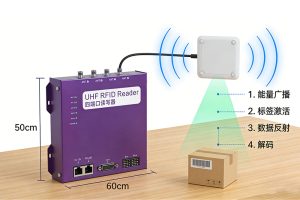
Discover how RFID reader reads RFID tag using simple radio waves. We break down the step-by-step process of powering and communicating with a passive tag.
More
Discover if fixed RFID readers can operate in extreme temperatures. Learn how Cykeo’s industrial-grade solutions handle freezing cold, intense heat, and harsh environments.
More
Need to know what type of antenna is used for an RFID tag? We explain the common dipole and loop antennas, how they work on metal or items, and key selection tips.
More
Find out if you can use your Android's NFC to read RFID tags. We explain the compatibility, major limitations, and why it's not a business solution.
More