 Cykeo RFID IoT Solution Products R&D Manufacturer

What Are the Practical Benefits of RFID in Supply Chain Management?
369Discover how RFID in supply chain management boosts visibility, reduces errors, and cuts costs. Practical implementation guide with Cykeo solutions.
MoreAll RFID Product
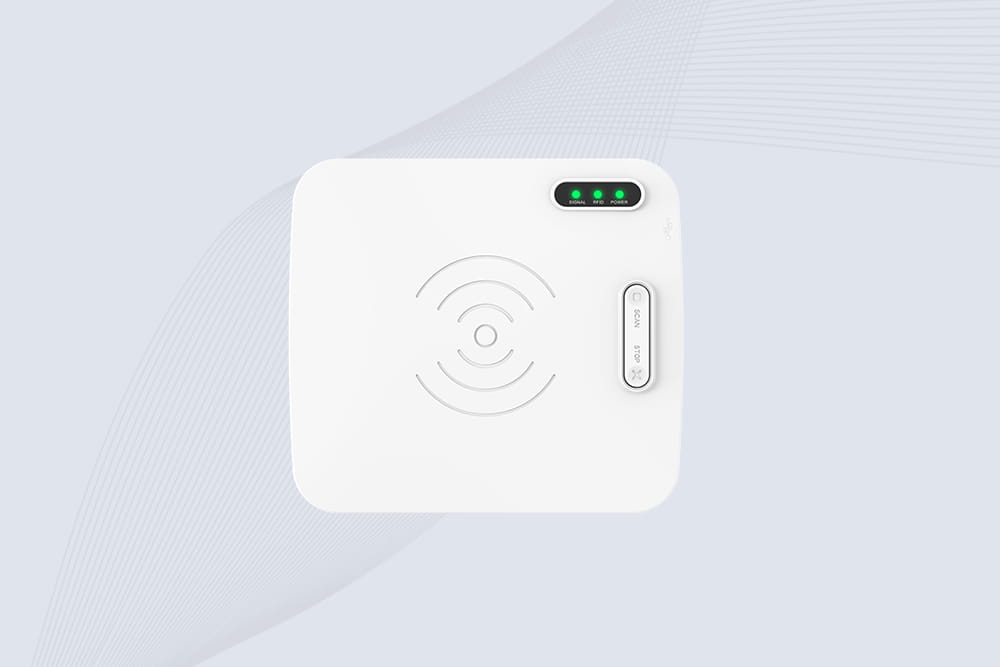
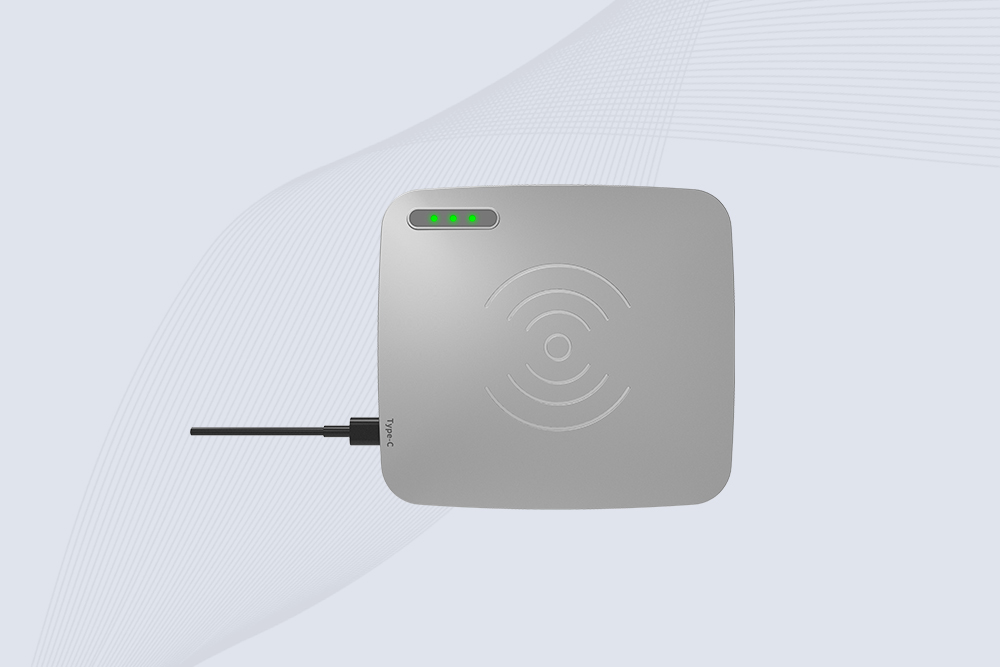
You bought a USB RFID reader, plugged it in, and… nothing happens. Windows throws a driver error, your inventory software doesn’t detect it, and you’re stuck Googling tech jargon at midnight. Been there. Let’s cut through the chaos with a dead-simple guide to setting up any USB RFID reader on Windows 10 or 11—no computer science degree required.

a. Automatic Setup (For Most Readers)
b. Manual Driver Install (If Auto-Fails)
Pro Tip: Disable Windows driver updates temporarily to prevent conflicts:
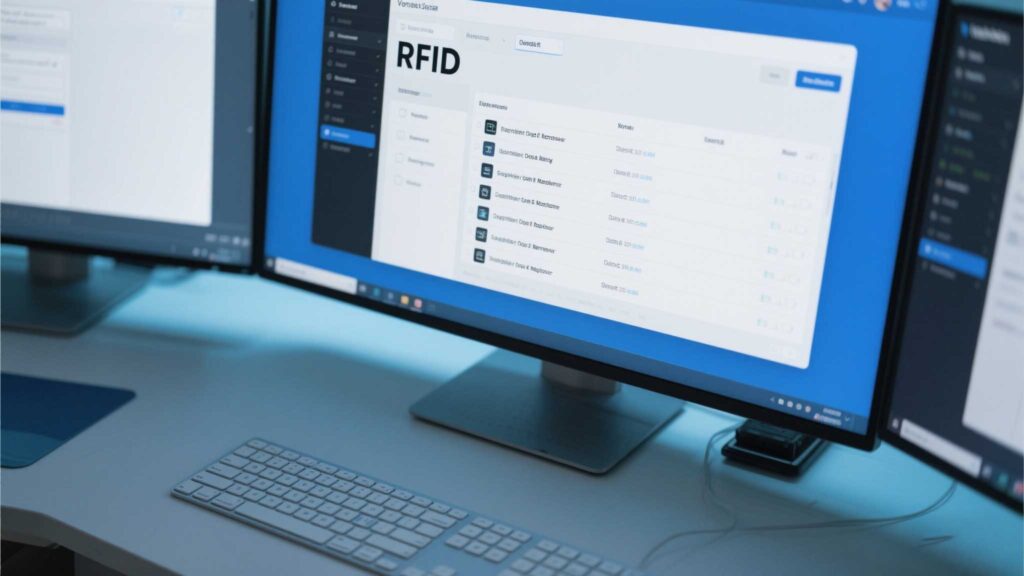
a. Use Notepad (Yes, Really)
b. Check Device Manager (Again)
a. Free Options for Small Biz
b. Configure Software
Cykeo Tip: Their free “ScanLite” software auto-detects most USB readers and skips complex setups.
a. Reader Not Detected
b. Tag Scans but Software Ignores Them
c. Inconsistent Reads
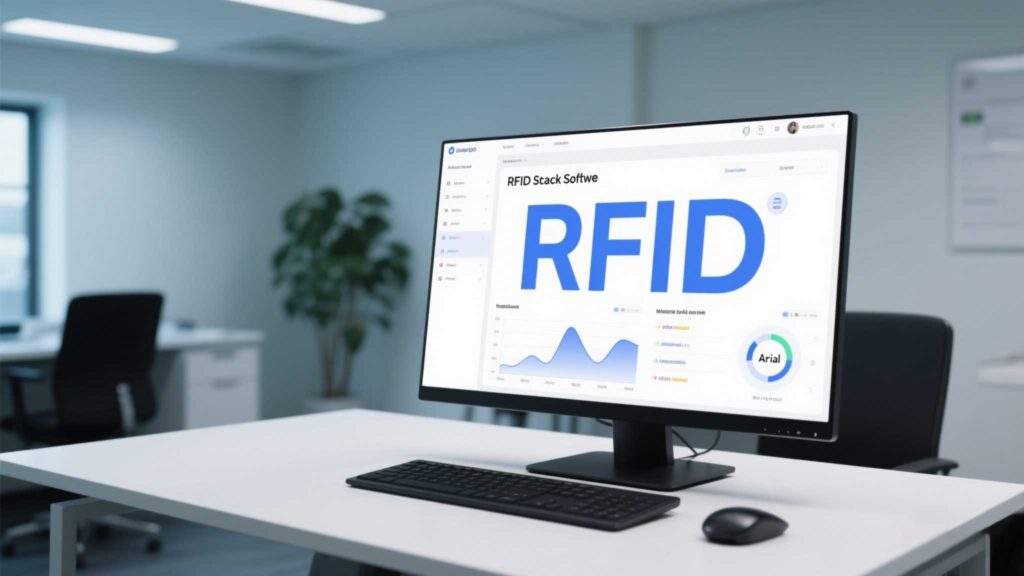
a. Assign Tag IDs to Products
b. Schedule Scans During Downtime
c. Backup Your Config
Takeaway: Setting up a USB RFID reader on Windows 10/11 isn’t rocket science—it’s about dodging driver drama and testing with free tools first. Spend 10 minutes upfront to save hours of inventory headaches later. And if your reader still acts up? Swap it. Life’s too short for janky gear.
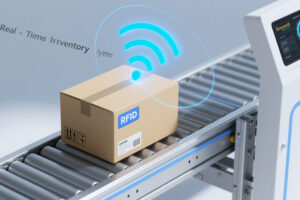
Discover how RFID in supply chain management boosts visibility, reduces errors, and cuts costs. Practical implementation guide with Cykeo solutions.
More
Vehicle RFID tags are transforming modern transportation with fast, accurate identification and tracking. Discover how this technology improves traffic flow, toll collection, and logistics management.
More
using a fixed RFID reader in a hospital parking system, with real integration notes on APIs, SDKs, and vehicle access control.
More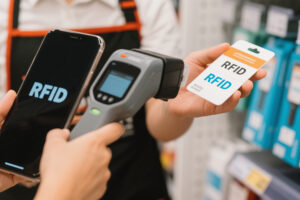
Discover budget-friendly RFID solutions tailored for small businesses. Learn how to reduce errors, save time, and scale operations without breaking the bank.
More