 Cykeo RFID IoT Solution Products R&D Manufacturer



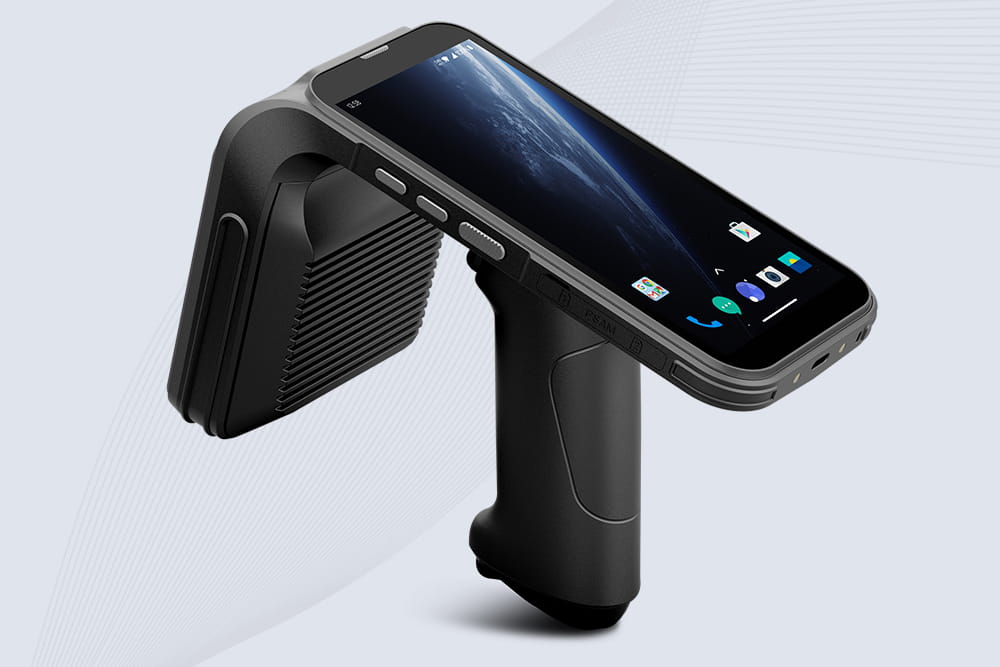
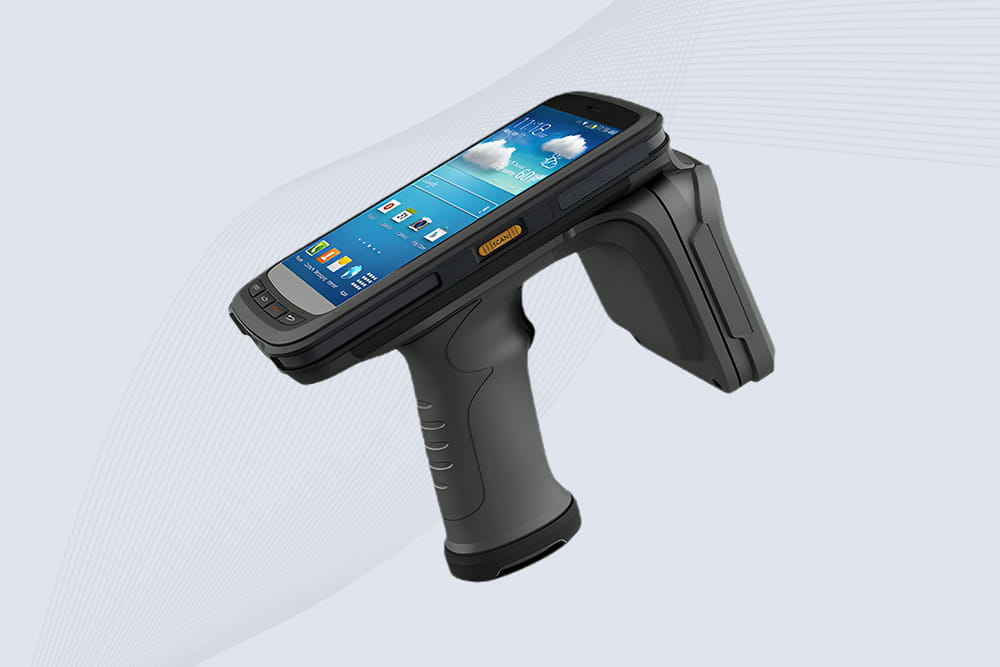
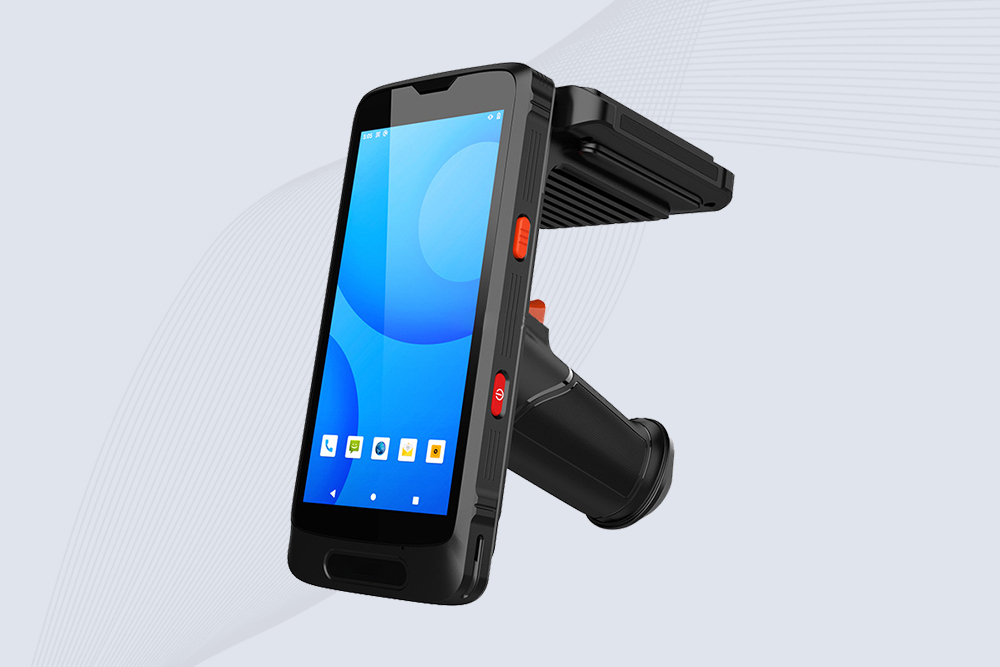
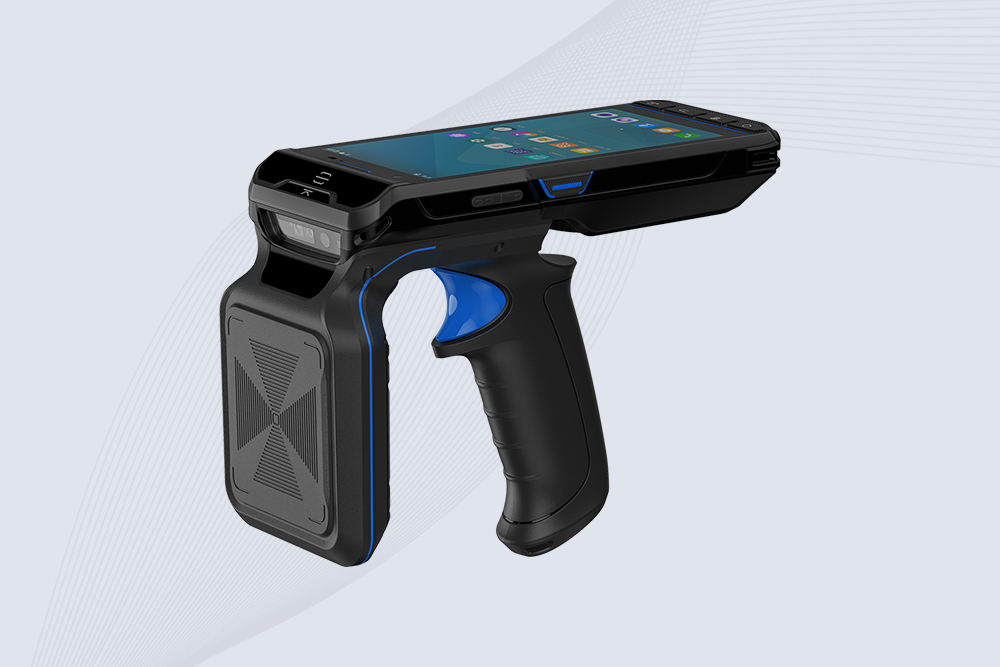
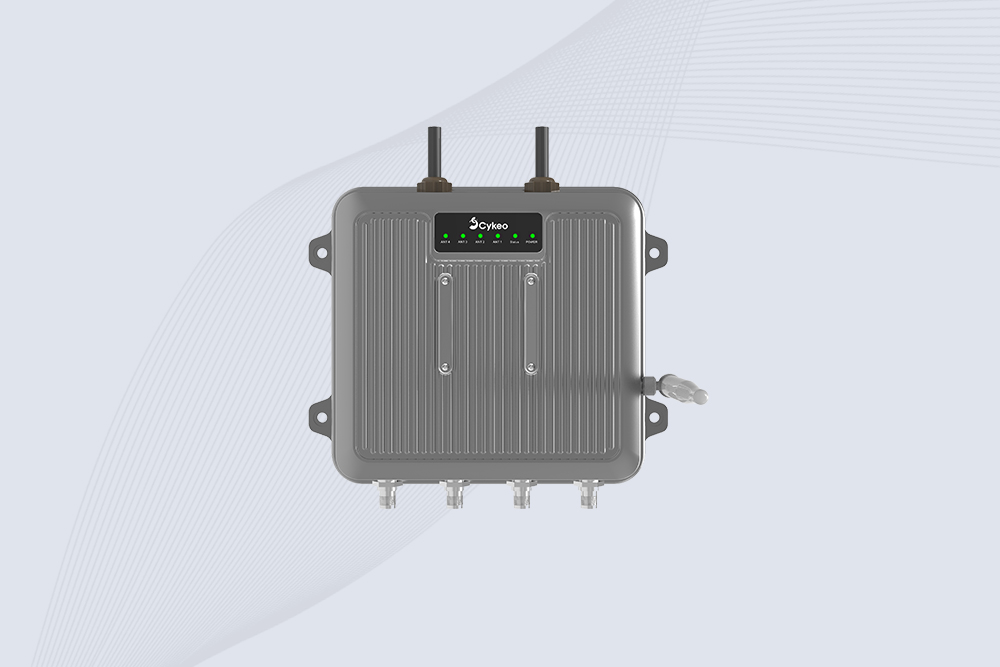
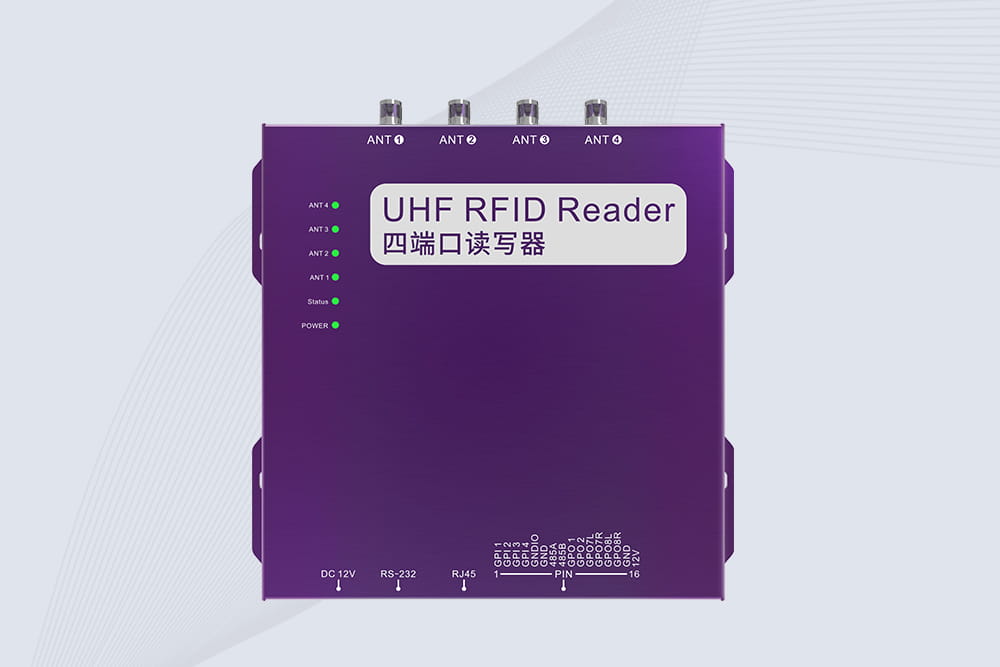
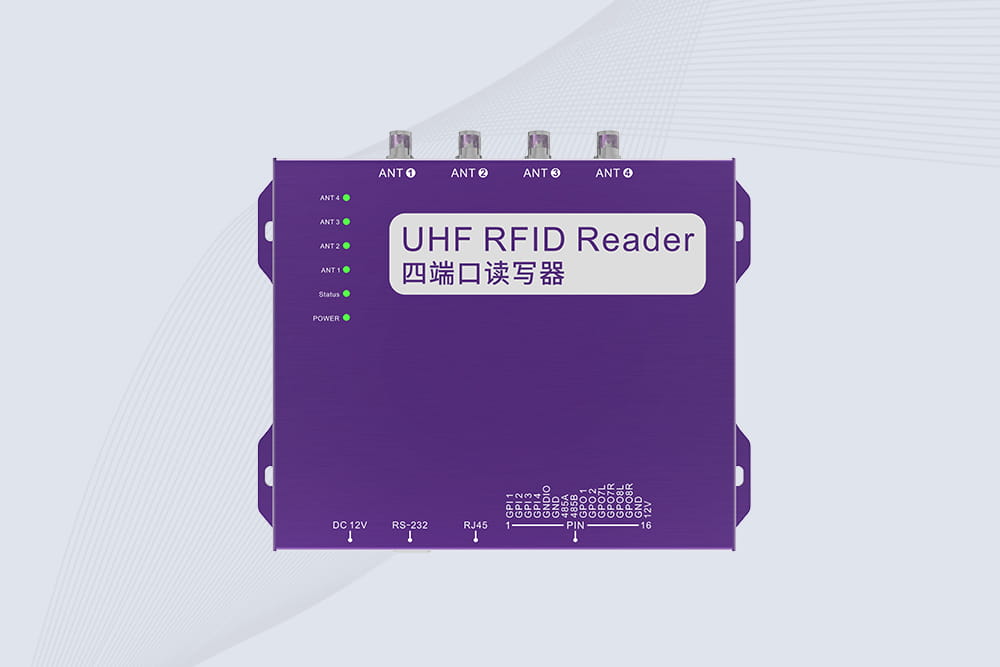
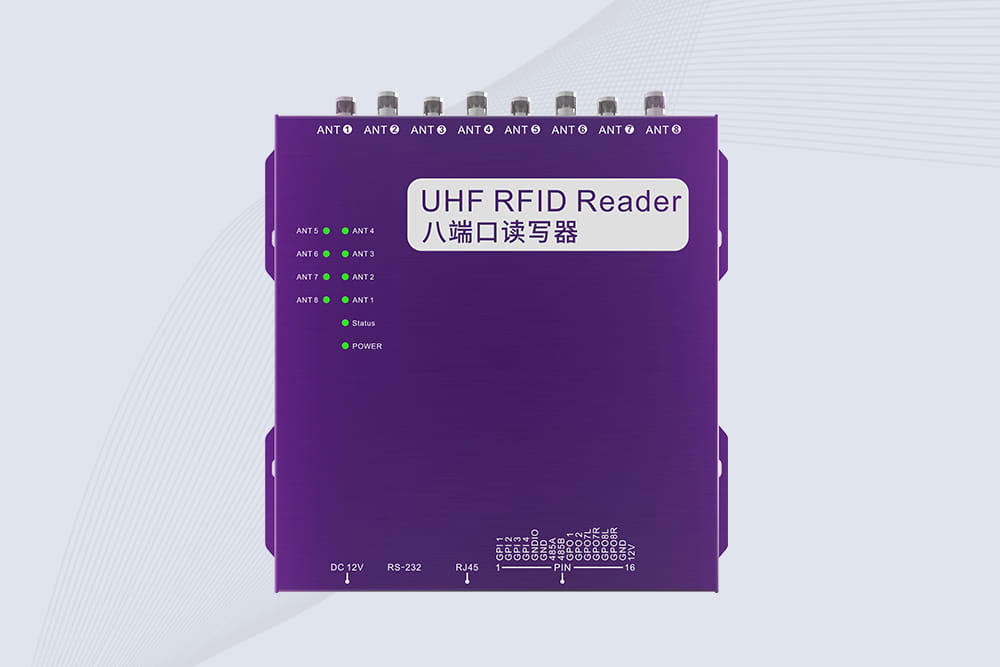
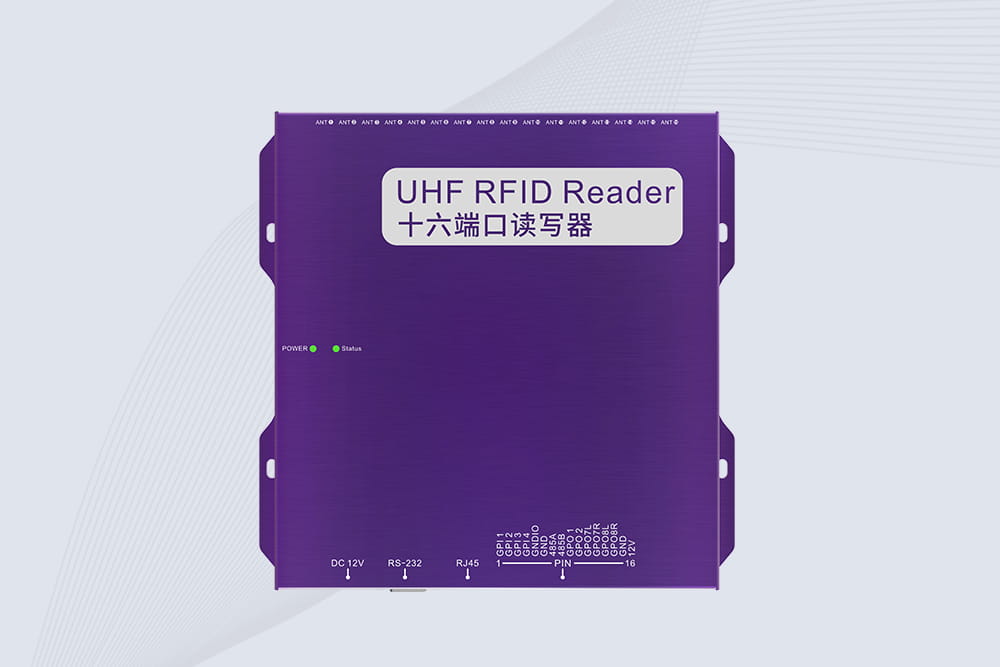
What’s the maximum read range of long-range RFID readers in industrial settings?
846Discover the maximum read range of industrial long-range RFID readers, factors affecting performance, and best practices for optimizing UHF RFID systems.
MoreAll RFID Product
Implementing RFID for healthcare equipment tracking ensures compliance with regulations like HIPAA, FDA UDI, and Joint Commission standards while reducing equipment loss and sterilization errors. A successful rollout requires selecting medical-grade RFID tags, integrating with EHR/CMMS systems, and maintaining audit trails. Below, we outline a compliance-focused strategy for hospitals, clinics, and labs.
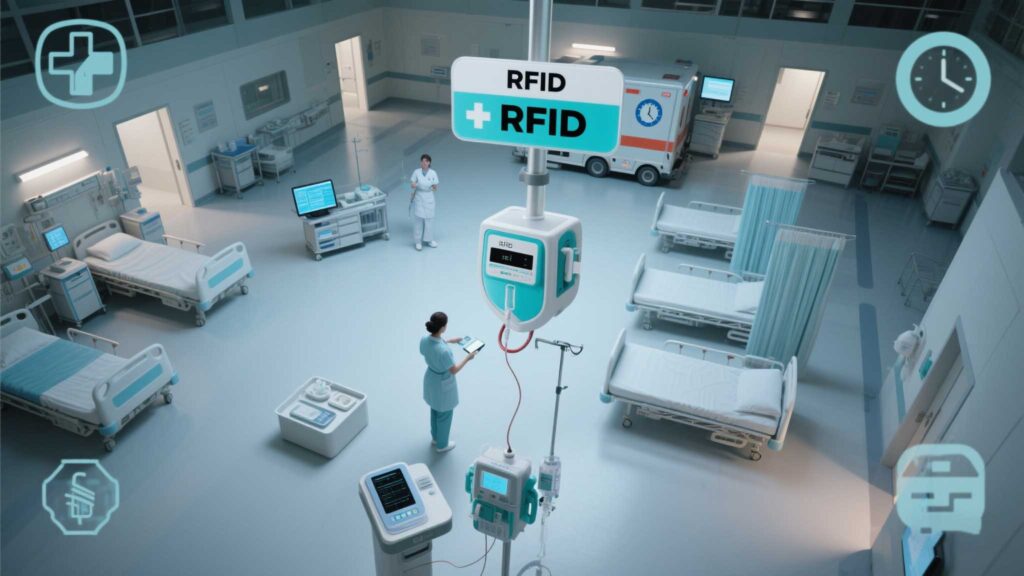
Cykeo’s MedTrack tags are validated for 1,000+ autoclave cycles and pre-mapped to FDA Unique Device Identification (UDI) databases.
A Midwest hospital network reduced HIPAA violations by 62% after deploying Cykeo’s encrypted RFID tags for infusion pumps.
Cykeo’s healthcare RFID systems are pre-validated for ISO 13485, HIPAA, and GDPR compliance. Their cloud platform auto-generates audit reports, reducing prep time by 80% for Joint Commission inspections.

Discover the maximum read range of industrial long-range RFID readers, factors affecting performance, and best practices for optimizing UHF RFID systems.
More
Planning a diy rfid reader project? Learn real build tips, hardware choices, range limits, and when DIY works or fails. Practical insights from CYKEO RFID engineers.
More
Discover how IoT-enabled RFID readers are revolutionizing smart factories in 2024. Enhance efficiency, reduce downtime, and optimize workflows with Cykeo’s advanced RFID solutions.
More
RFID transponder technology enables reliable identification across logistics, assets, and industry. Learn how it works and when to use it.
More