 Cykeo RFID IoT Solution Products R&D Manufacturer
How Does RFID Technology Revolutionize Warehouse Management? Cykeo UHF RFID Solution Helps Boost Efficiency
445Cykeo UHF RFID Solution Helps Warehouse Management Boost Efficiency
MoreAll RFID Product
When people start designing an RFID system, they usually focus on the reader first.
Which reader?
How many ports?
What protocol?
But after a few real deployments, most engineers realize something interesting.
The reader rarely causes problems.
The RFID UHF antenna does.
I’ve seen perfectly good readers fail to deliver stable read rates simply because the wrong antenna type was installed. Same tags. Same environment. Swap the antenna—and suddenly the system works.
So if you’re designing a project—warehouse tracking, asset management, or an RFID portal—the antenna decision deserves more attention than most people give it.
Let’s walk through the things that actually matter.

One mistake I see often is engineers browsing antenna catalogs before defining the read environment.
But antennas don’t operate in isolation.
They behave very differently depending on where they’re installed.
For example:
A warehouse aisle
A conveyor line
A doorway portal
An outdoor yard
All of these require different RF coverage patterns.
Before choosing an antenna, ask yourself three simple questions:
• Where will tags physically pass?
• From which direction will they face the antenna?
• How controlled is the reading zone?
Those answers usually narrow down the antenna type immediately.
If you’re exploring common industrial antenna models, you can see typical options here:
RFID antenna models for different deployment environments
Polarization is probably the most important antenna characteristic.
But it’s also the one many people misunderstand.
Linear polarized antennas
Pros
• Longer read distance
• Stronger focused RF energy
Cons
• Tags must align with the antenna orientation
Circular polarized antennas
Pros
• Reads tags from multiple angles
• Better for unpredictable tag orientation
Cons
• Slightly shorter read range
In logistics or warehouse systems, circular polarization usually wins because tags aren’t always aligned neatly.
In controlled environments—like conveyor belt scanning—linear antennas often perform better.
It really depends on how predictable the tag orientation is.
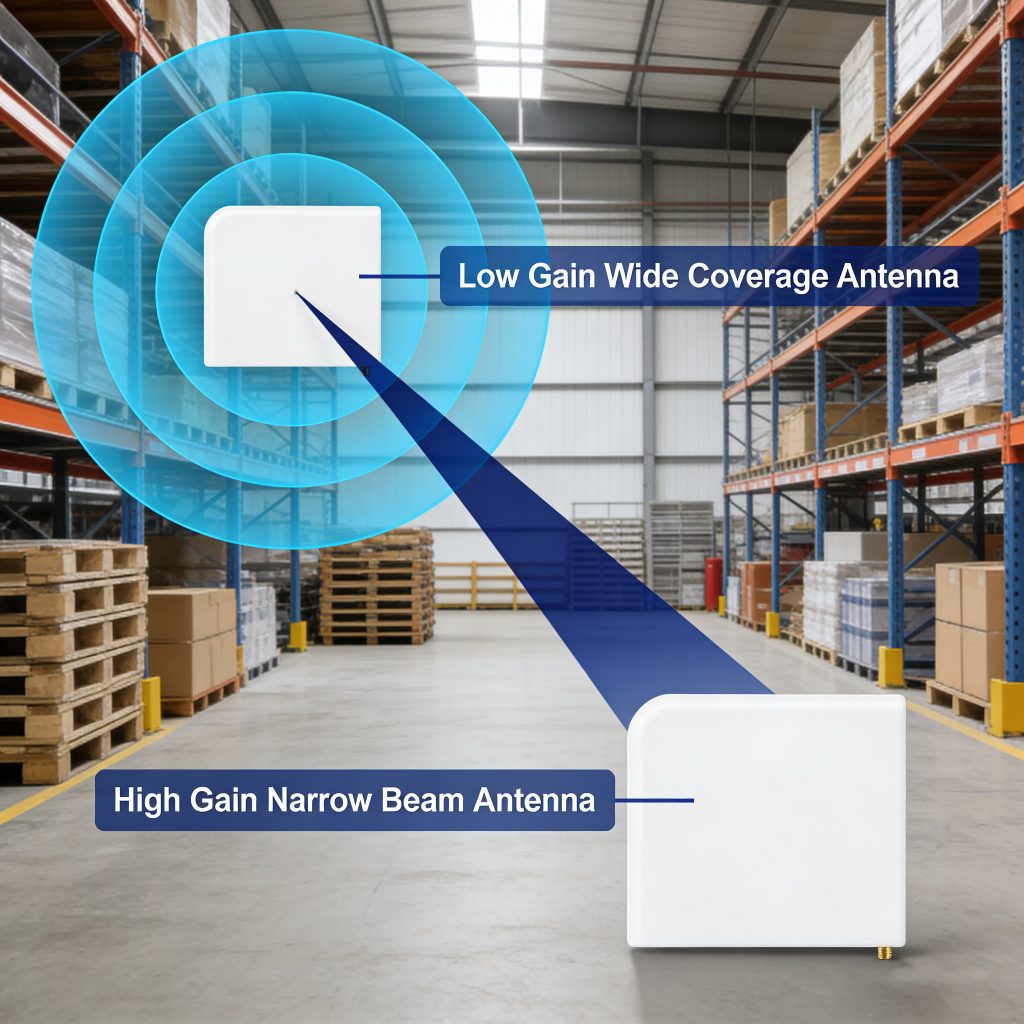
Another important factor is antenna gain.
Gain doesn’t just mean “stronger signal.”
It actually changes how the RF energy spreads.
Higher gain antennas produce a narrower, longer beam.
Lower gain antennas create wider coverage but shorter range.
Think of it like a flashlight:
A spotlight travels farther but covers less area.
A floodlight spreads wide but doesn’t reach as far.
Typical scenarios:
6 dBi antenna
Short range, wide coverage
8–9 dBi antenna
Balanced performance (very common)
10–12 dBi antenna
Longer range, more focused beam
For most indoor RFID deployments, 8–9 dBi antennas are the practical sweet spot.
Closely related to gain is beam width.
Beam width describes how wide the RF signal spreads horizontally and vertically.
A wide beam width means tags can be read across a larger area.
A narrow beam width focuses reading on a specific path.
This becomes important in places like:
• Dock door portals
• Conveyor tunnels
• Security checkpoints
In these cases, you don’t want antennas reading tags outside the intended zone.
Designing a controlled RF tunnel often improves read accuracy more than increasing reader power.
Something I learned after visiting multiple RFID installations is this:
Two antennas with the same specifications can behave very differently depending on the environment.
Why?
Because RF signals interact with:
Metal
Liquids
Concrete
Glass
Nearby electronics
A warehouse filled with metal racks will behave very differently from a retail store.
That’s why experienced integrators always do on-site RF testing before finalizing antenna positions.
Even small adjustments—moving an antenna 20 cm—can dramatically improve read stability.
Technical specs get a lot of attention.
But practical details matter too.
In real deployments, antennas may face:
Dust
Temperature swings
Vibration
Outdoor exposure
Industrial RFID antennas are usually rated with IP protection levels to handle these environments.
Mounting options also matter.
A well-designed bracket system makes it much easier to fine-tune antenna angles during installation.
And that adjustment stage is often where the real optimization happens.
Choosing an RFID antenna isn’t just a hardware decision.
It’s a system design decision.
The right antenna should match:
• Tag orientation
• Reading distance
• Environmental conditions
• Coverage control requirements
When those factors align, even a simple RFID setup can deliver extremely reliable results.
And in most cases, spending a little more time on antenna planning saves a lot of troubleshooting later.
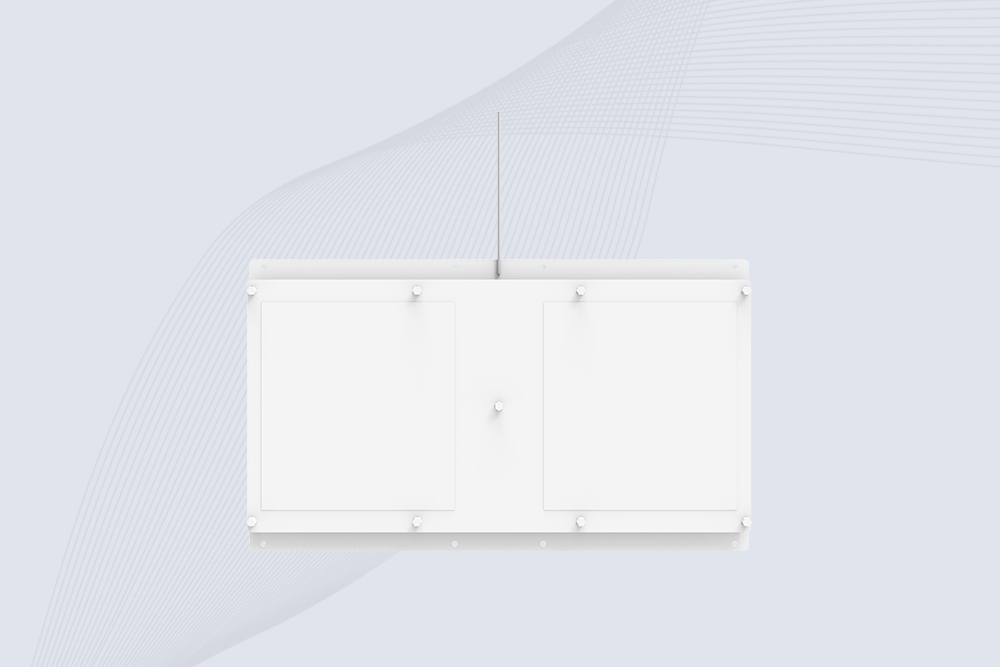
Cykeo CYKEO-A11 UHF RFID reader antenna delivers 11dBi gain, 840-960MHz frequency range, and IP65 ruggedness for retail, logistics, and industrial RFID systems. Features low VSWR and easy installation.

CYKEO Antenna RFID Reader delivers stable long-range UHF performance with a 10.5dBi directional design, built for warehouses, conveyor portals, and industrial RFID systems. This rfid reader antenna provides 20m+ read distance and rugged IP67 protection.

Cykeo CYKEO-PHF3 industrial HF RFID Antenna offers 24-point dynamic tracking, ISO 14443A/15693 protocols, metal-environment stability for archives/libraries/manufacturing.

Cykeo CYKEO-A5B industrial Linear RFID Antenna delivers 5dBi gain, ≤1.5:1 VSWR, and IP65 rugged design for warehouse, production line, and logistics UHF systems.

Cykeo’s CYKEO-B12 Long Range RFID Antenna delivers 15m+ read range with 12dBi gain, IP65 rugged design, and global 840-960MHz UHF support. Ideal for warehouse/logistics asset tracking.
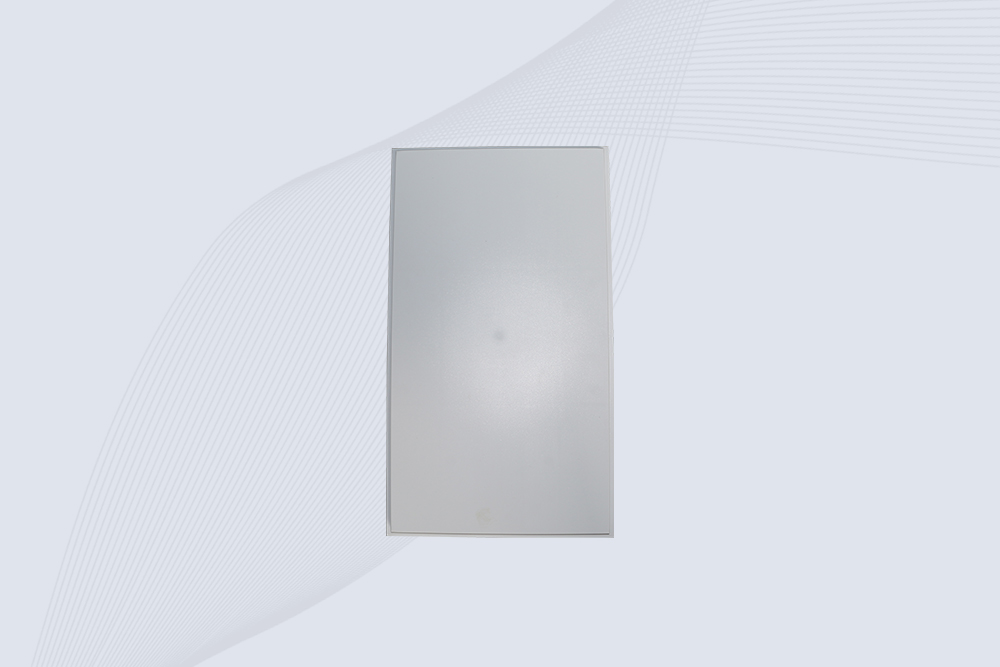
Cykeo CYKEO-B10 Long Distance RFID Antenna offers 10dBi gain, 840-960MHz frequency range, IP65 rating, and 20m+ coverage for logistics/warehousing/ETC systems. Low VSWR ensures stable signal transmission.
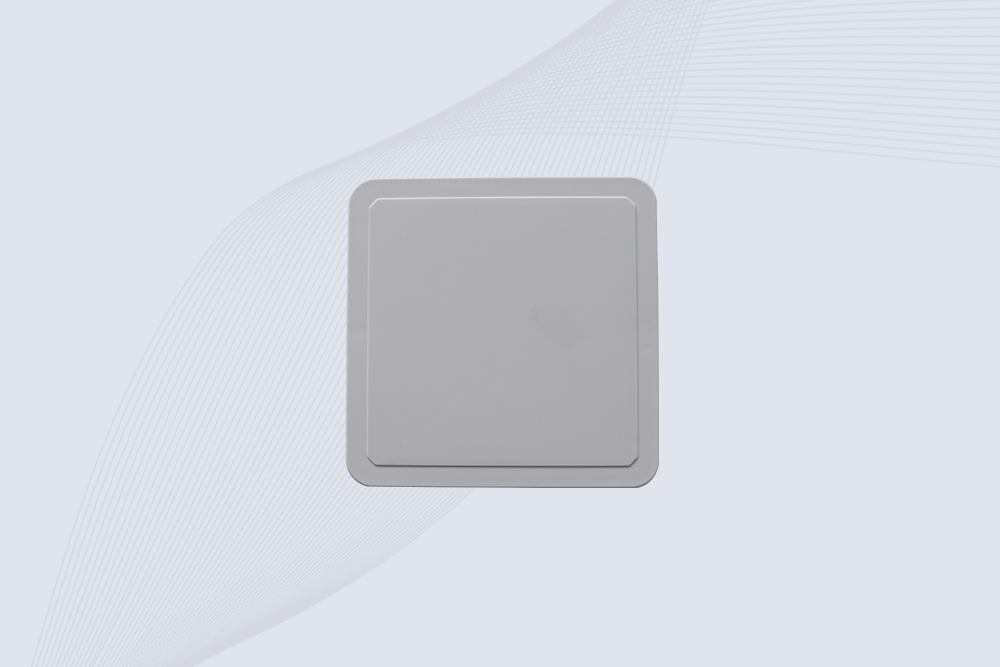
Cykeo CYKEO-A6 UHF RFID panel antenna features 6dBi gain, 840-960MHz broadband, IP65 metal-ready housing for logistics/smart retail. 18mm ultra-thin design with tool-free mounting.

Cykeo CK-A3 industrial antenna RFID UHF offers 5m+ tag detection, ≤1.3:1 VSWR, IP65 rugged design, and global UHF spectrum compatibility (840-960MHz) for warehouses, factories, and retail.
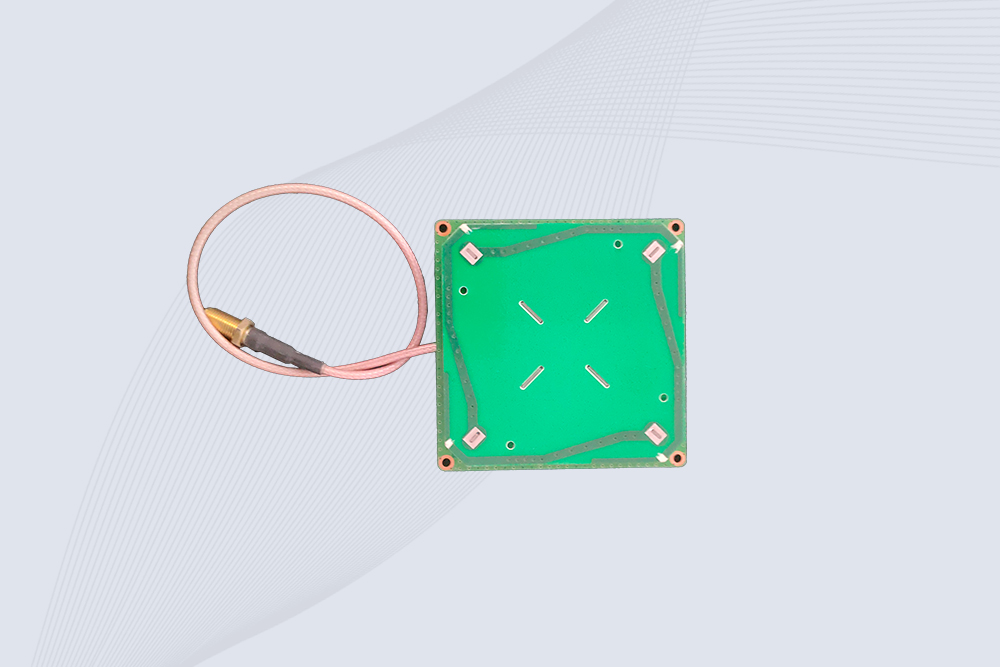
Cykeo CYKEO-B5 directional RFID antenna provides 5dBi gain with 60° narrow beamwidth for precise inventory tracking. IP65-rated, global UHF frequency support, and low VSWR.
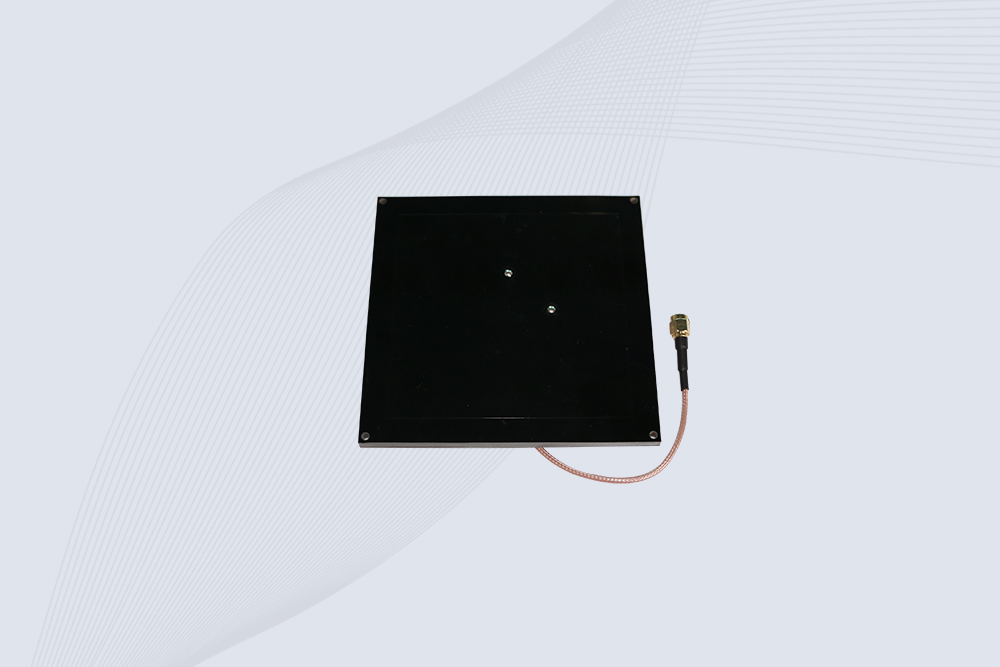
Create your own high-performance DIY RFID antenna! 5dBi gain, 840-960MHz tunable, step-by-step guides. Compatible with Arduino, Raspberry Pi, and commercial UHF readers.
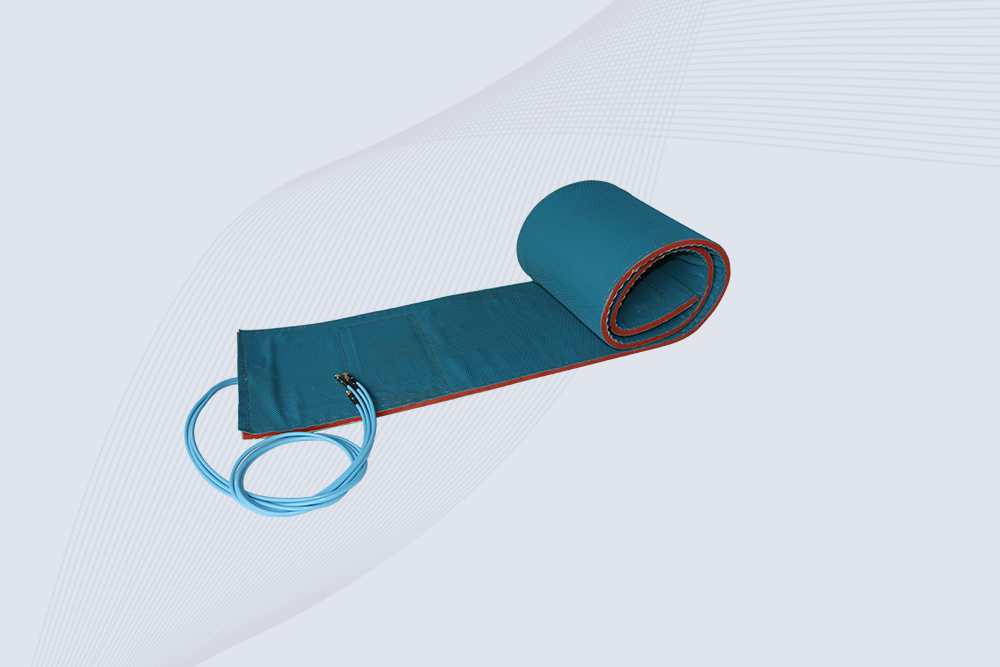
Cykeo CYKEO-A7 Flexible RFID Antenna features 840-960MHz wideband tuning, 7dBi gain, and IP68 rating for medical/retail/industrial curved surface deployments. 98% read accuracy with peel-and-stick installation.

Cykeo CYKEO-B5A industrial Passive RFID Antenna delivers 5dBi gain, 70° beamwidth, and -40°C~55°C operation for warehouses/smart cabinets. Compatible with Zebra/Impinj readers.
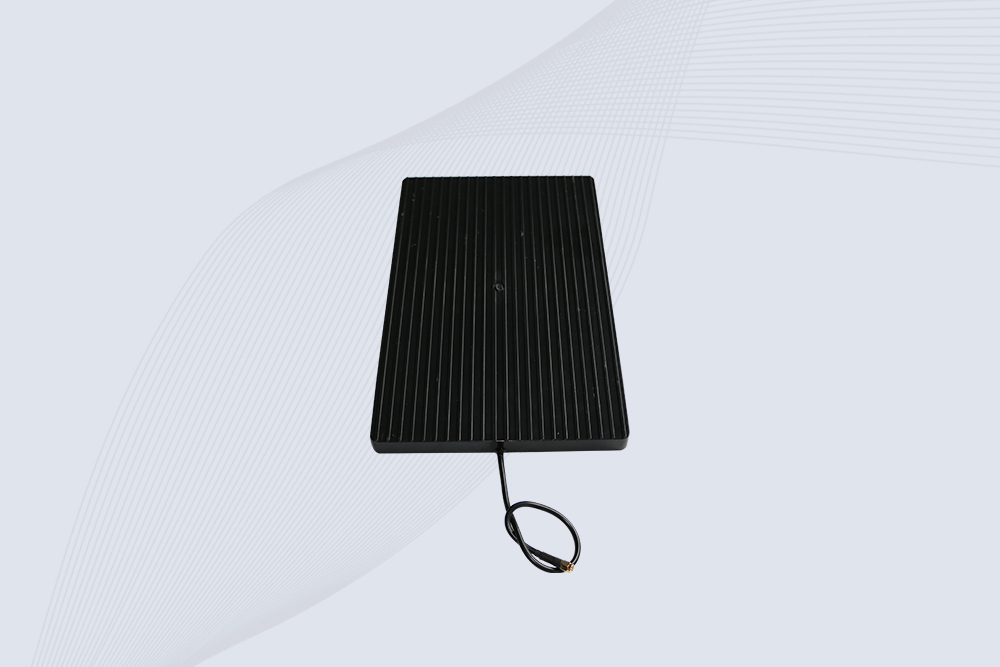
Cykeo’s CYKEO-A9B High Gain RFID Antenna delivers 15m+ read range with 9dBi amplification. Features IP54 rugged design, 840-960MHz bandwidth, and 80° beamwidth for warehouse/manufacturing RFID systems.

Cykeo’s enterprise-grade 8dbi Impinj RFID Antenna 10m+ read range with 840-960MHz tuning. Features IP65 housing, 1.4 VSWR, 35° beamwidth for retail/warehouse RFID systems.
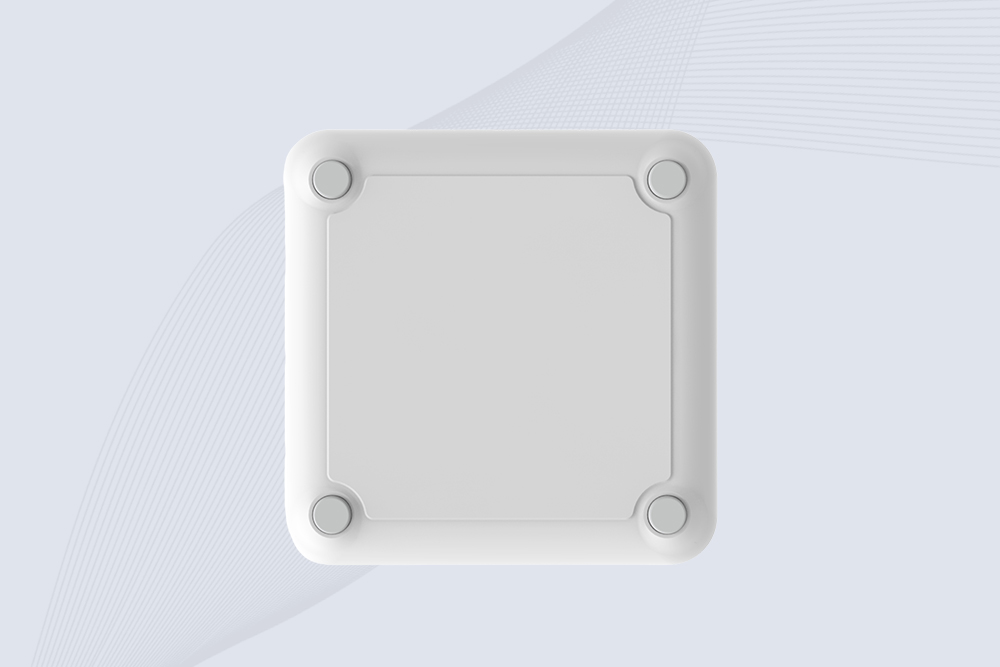
Cykeo CYKEO-A9 industrial UHF RFID antenna delivers 9dBi gain, 840-960MHz frequency range, and IP65 protection for warehouse/logistics/retail RFID systems. Features N-type connector and ≤1.3:1 VSWR.

CYKEO UHF RFID Antenna built for long-distance and industrial applications. This antenna rfid uhf delivers strong gain, outdoor durability, and reliable tag performance in warehouses, yards, and vehicle ID systems.
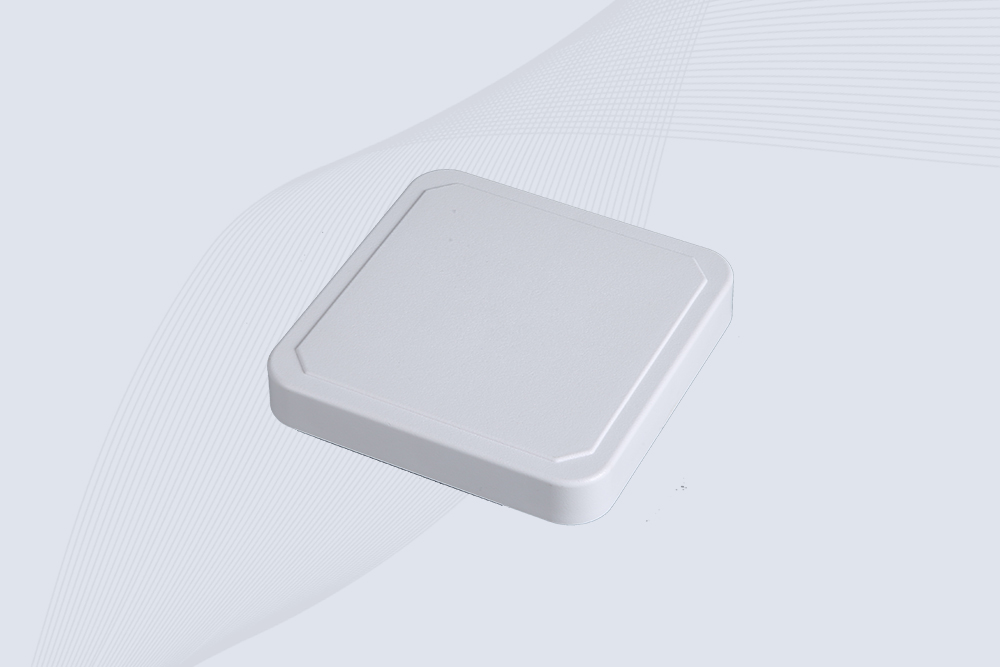
CYKEO Antenna RFID delivers reliable long-range UHF performance in warehouses, retail shelves, and cold-chain environments. This compact uhf rfid antenna provides stable reads with circular polarization and ultra-wide 840–960 MHz support, ideal for industrial tracking, smart shelves, and asset monitoring.
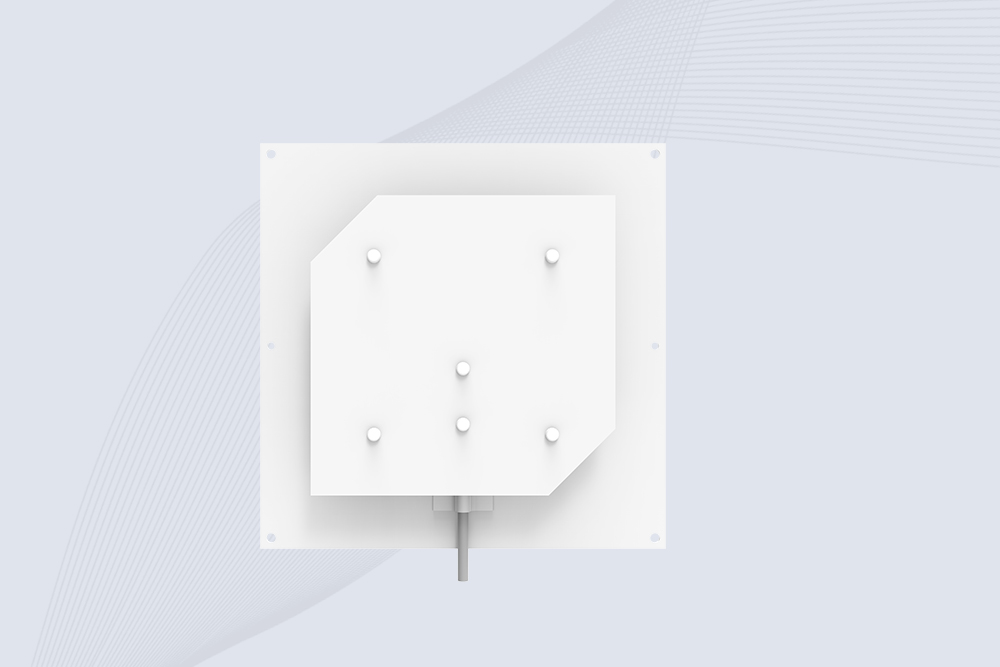
Cykeo’s CYKEO-C8 UHF RFID antennas delivers 8dBi gain, 840-960MHz full-band coverage, and IP65 ruggedness for manufacturing/warehouse RFID systems. Industrial RFID Antennas Features
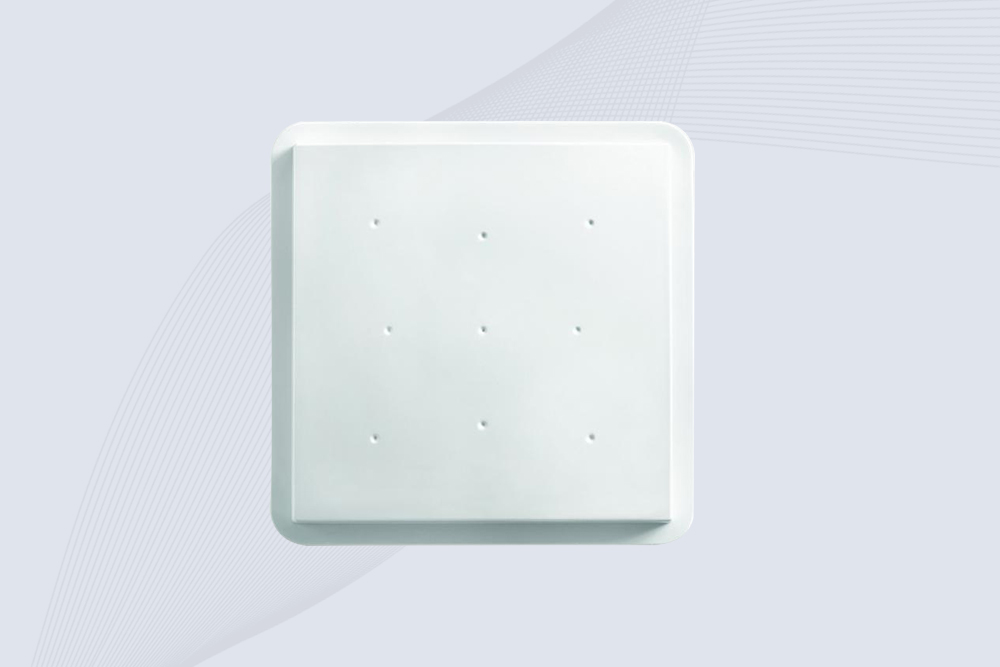
Cykeo’s 8dBi UHF RFID antenna and reader kit delivers 10m+ range, 840-960MHz broadband, and IP65 ruggedness for factories, warehouses, and logistics. ISO 18000-6C & EPC Gen2 certified.
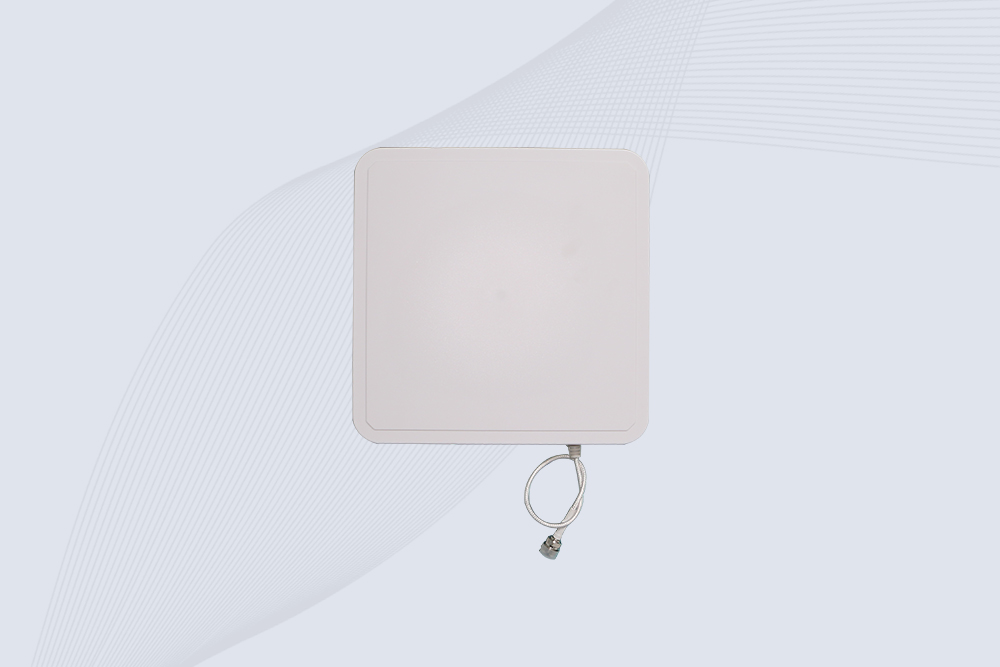
Cykeo CYKEO-A9A industrial UHF RFID reader and antenna kit delivers 10m range, 500 tags/sec, IP65 ruggedness for manufacturing/logistics. Supports EPC Gen2, ISO18000-6C.
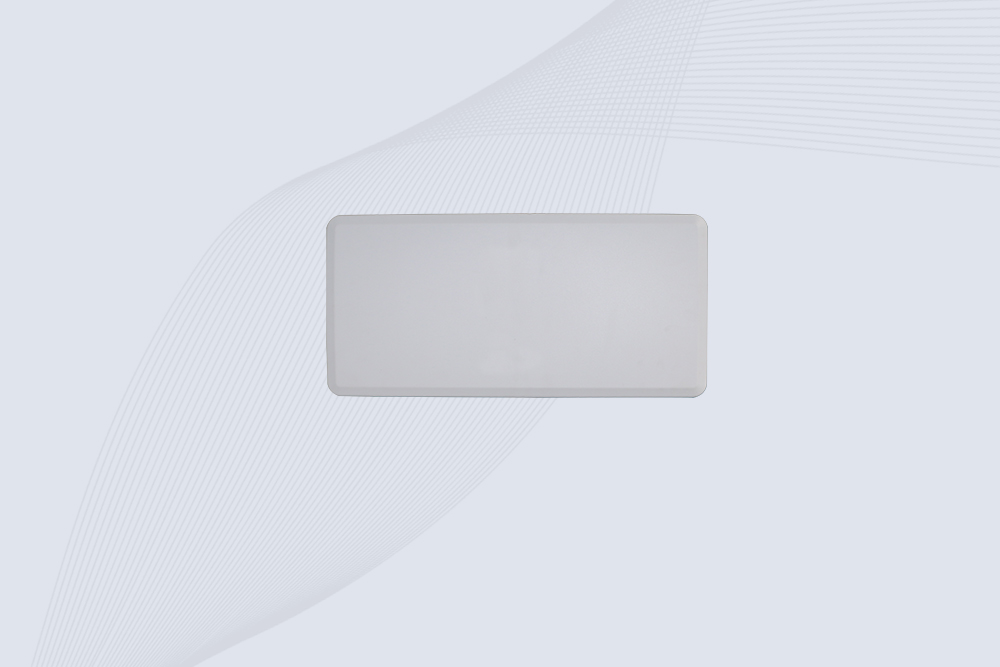
Cykeo’s CYKEO-A12C UHF Large RFID Antenna delivers 12dBi gain, 840-960MHz global frequency, IP65 ruggedness for logistics/warehousing/automotive. 40° beamwidth ensures stable 15m+ tag reads.

CYKEO Near Field RFID Antenna provides precise 5–30 cm reading for shelves, cabinets, and workstations. This compact rfid shelf antenna delivers stable short-range performance around metal and clutter, ideal for pharmacies, libraries, and electronics sorting.

Cykeo UHF RFID Solution Helps Warehouse Management Boost Efficiency
More
UHF (Ultra High Frequency) RFID readers stand out for their unique performance, becoming a powerful tool for enterprises to achieve efficient management and intelligent upgrades.
More
Antennas rfid uhf play irreplaceable role in many fields with their outstanding performance.
More
A hands-on look at the CK-T8D RFID Gate Access Control System. This article breaks down real warehouse performance, read accuracy, direction detection, anti-interference capability, and why this industrial RFID gate fits high-volume access points ...
More