 Cykeo RFID IoT Solution Products R&D Manufacturer








Handheld RFID Scanners vs. Barcode Scanners: Key Differences Explained
760Discover the key differences between handheld RFID and barcode scanners—speed, accuracy, durability, and which suits your workflow.
MoreAll RFID Product
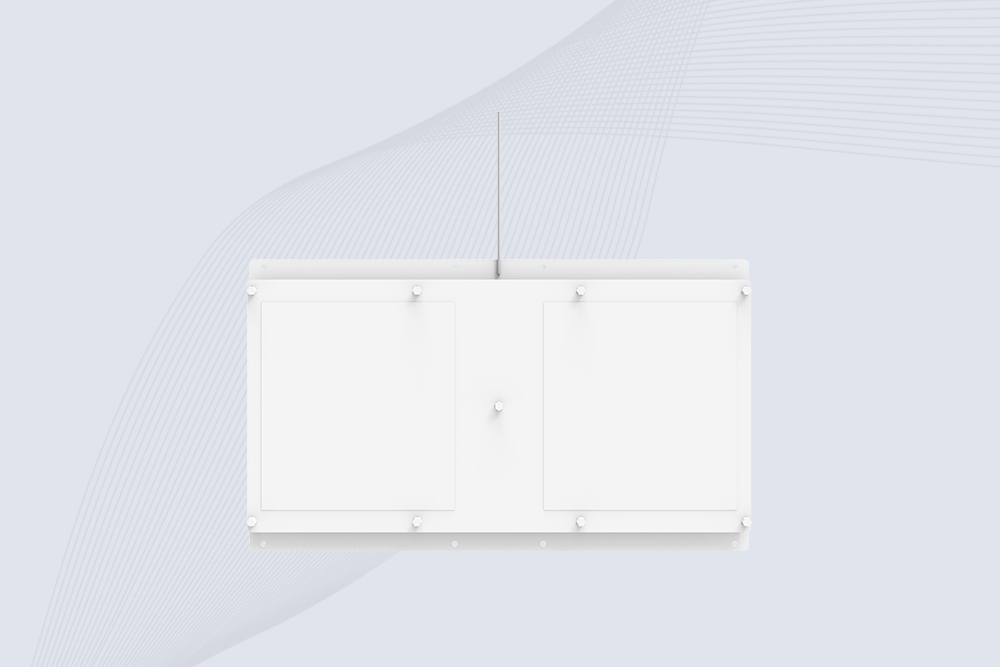
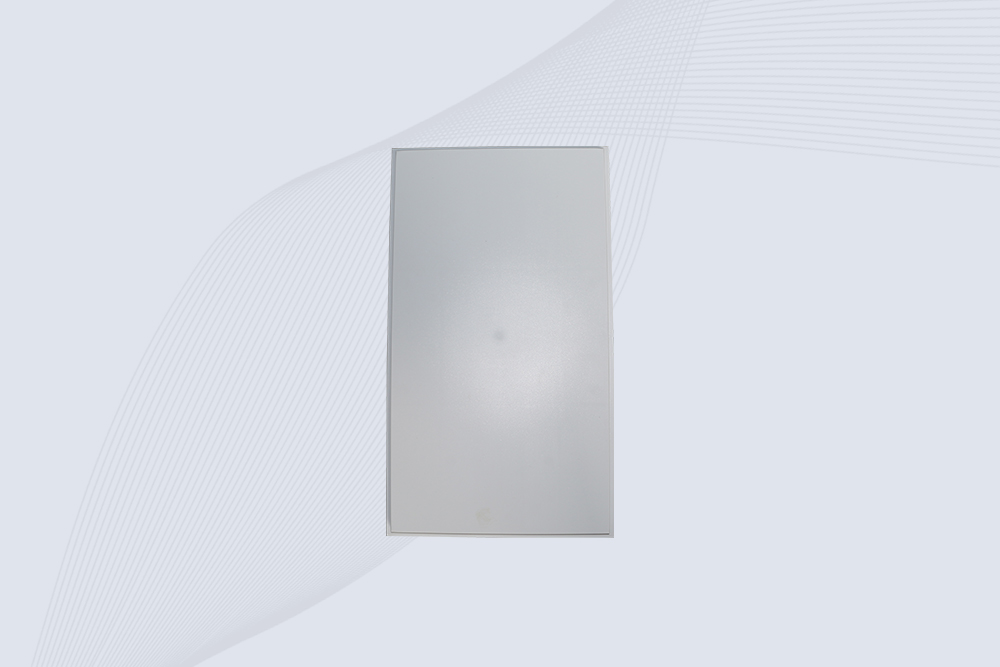
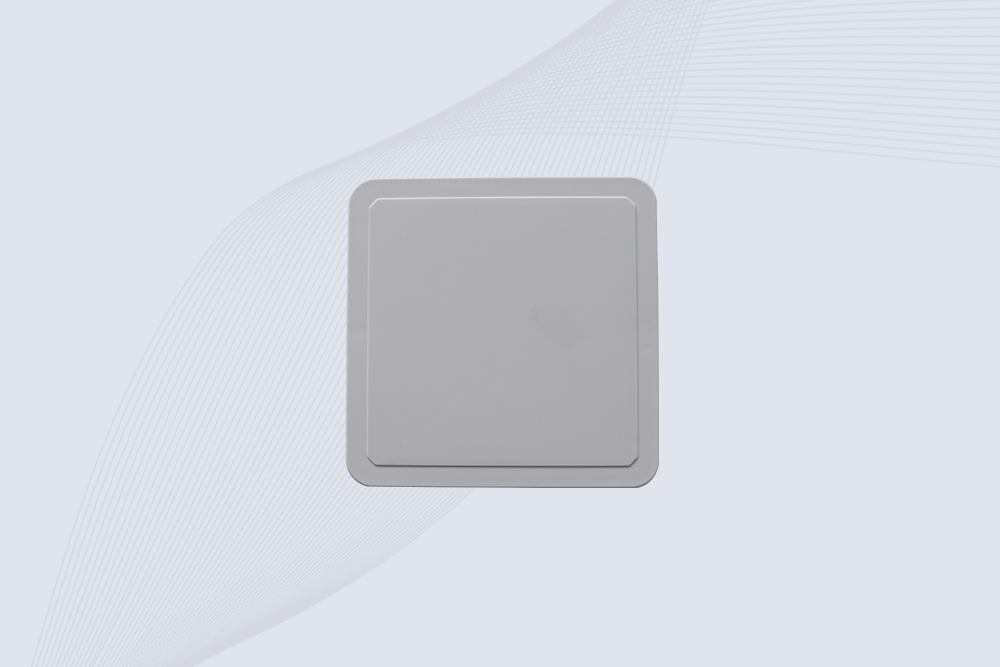
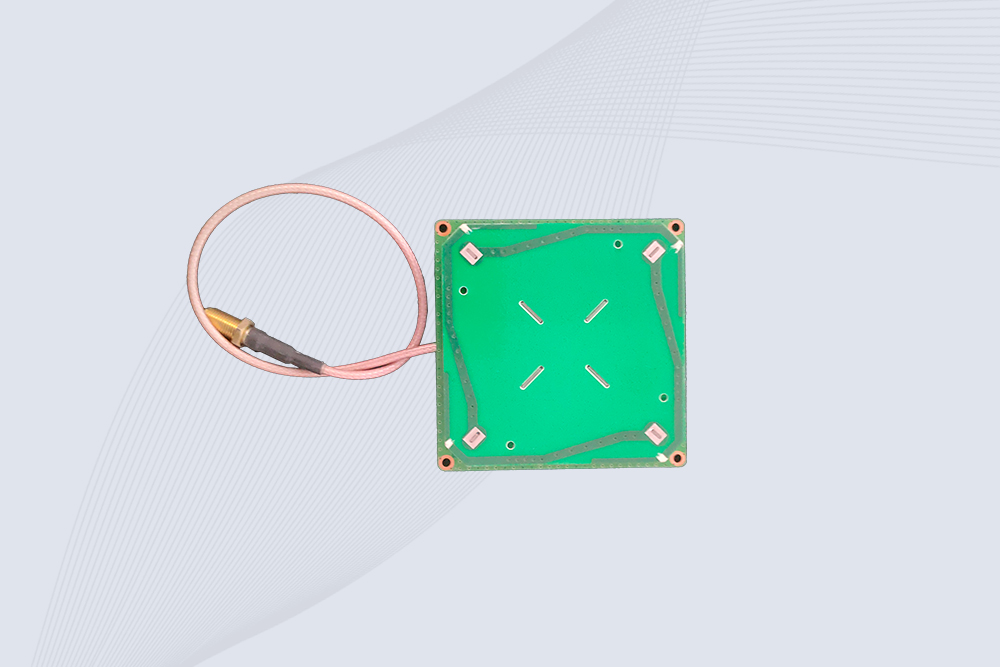
Choosing an RFID antenna can feel overwhelming. You’re presented with a dozen nearly identical-looking panels, all promising peak performance. The secret isn’t about finding the “best” antenna, but the right one for your exact situation. How to choose the correct RFID antenna is a process of matching technical specs to physical realities. Let’s break down the real-world factors that move the needle from frustrating failure to reliable reads.
Before you look at a single spec sheet, look at the actual space. Your environment dictates nearly everything. Ask yourself:
“Working” isn’t a spec. You need to define success with clear metrics for your specific use case.
The antenna doesn’t work in isolation. Matching the antenna to your application environment means ensuring it works seamlessly with your other gear.
Ignore the marketing fluff. On the datasheet, these are the critical factors for selecting an RFID antenna:
Your final step in learning how to choose the correct RFID antenna is validation. Theory and specs can be wrong for your unique setup.
This on-site testing is the best investment you can make. It prevents costly, large-scale mistakes. To simplify the initial selection, tools like a CYKEO antenna selection guide can point you in the right direction based on your answers about environment and goals.
Choosing the correct antenna isn’t about finding a universal winner. It’s about being a matchmaker between a precise RF tool and your specific physical and operational challenges. Getting this match right is what transforms an RFID project from a technical experiment into a reliable business asset.

Discover the key differences between handheld RFID and barcode scanners—speed, accuracy, durability, and which suits your workflow.
More
Does aluminum foil stop RFID signals? Learn what really happens, when it works, when it fails, and how RFID behaves around metal in real use.
More
how to rfid passive antennas work
More
Confused about RC522? We explain what is RC522 RFID module, its common uses for access control and learning, and how it differs from industrial systems.
More