In most RFID projects, the first mistake doesn’t happen during installation—it happens much earlier, during selection.
We’ve seen cases where customers picked a high-power reader thinking it would “solve everything,” but later struggled with tag overlap in parking lanes or unstable reads in warehouse aisles. On paper, the device looked perfect. On site, things felt different.
Choosing a long range RFID reader is less about specifications and more about matching the device to the real workflow.
Start from the Project, Not the Product
If there’s one thing experienced system integrators tend to do differently, it’s this: they start from the scenario.
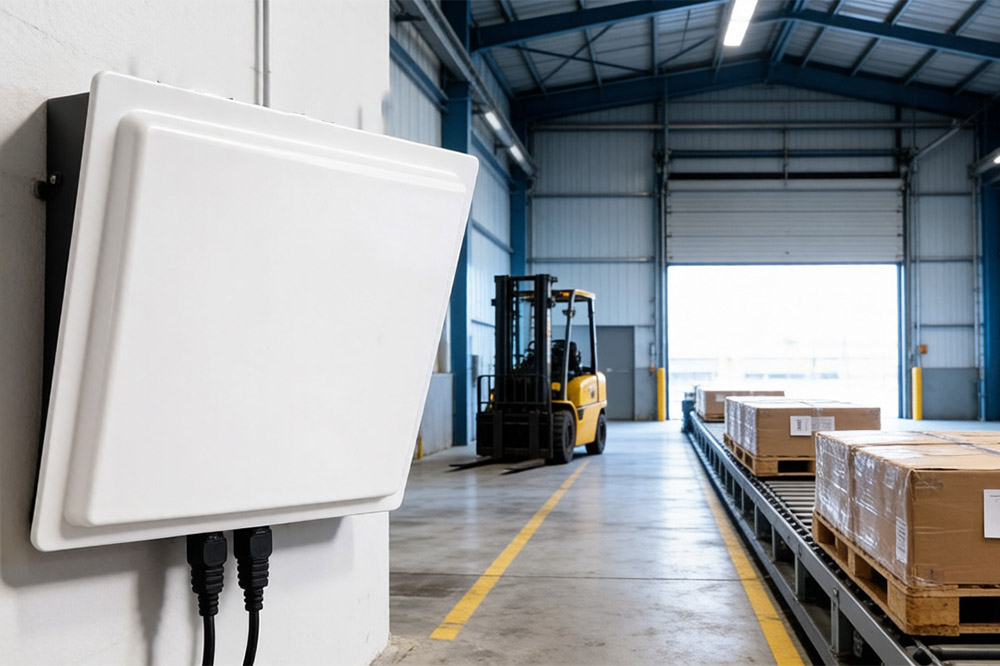
A warehouse dock door doesn’t behave like a parking gate. A forklift passing through a reading zone is not the same as a stationary asset cabinet. Even two warehouses can behave differently depending on metal racks, pallet height, and traffic flow.
Before looking at any reader model, it usually helps to clarify a few simple things:
What is moving—tags or readers?
How fast is the movement?
Do you need a narrow reading zone or a wide coverage area?
Will tags appear in large groups or one by one?
These questions sound basic, but they often decide 70% of the system design.
Reading Distance Is Not the Main Decision
Many people start by asking for “10 meters or 15 meters read range.” In real deployments, that number is rarely the key factor.
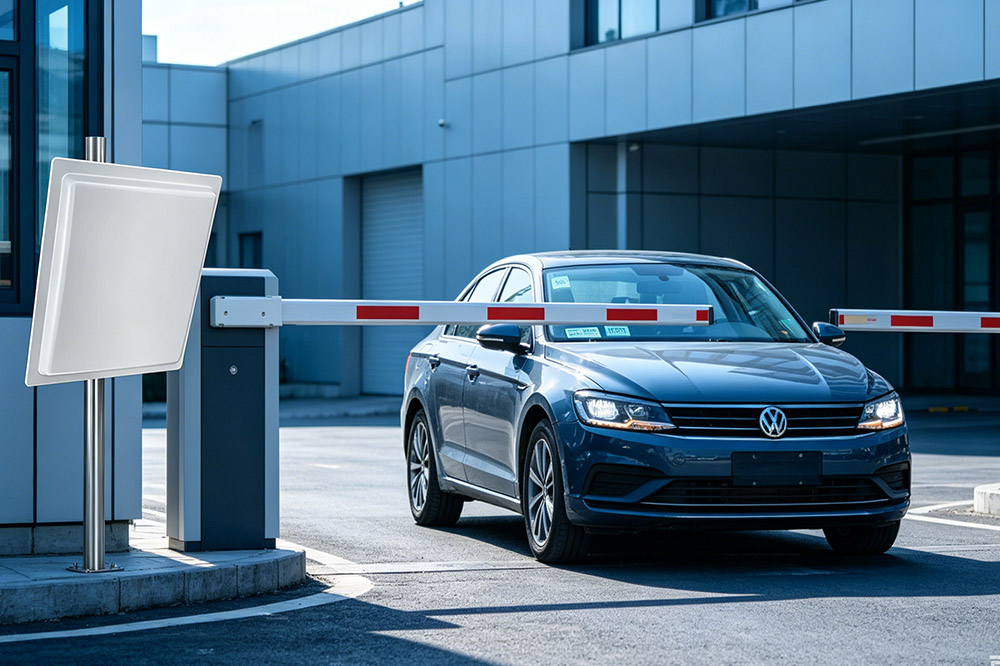
A slightly shorter but stable reading zone often performs better than a long but uncontrolled one. In parking projects, for example, too wide a range may pick up vehicles from the adjacent lane. In warehouses, it can trigger duplicate reads from nearby shelves.
So instead of chasing maximum distance, it’s usually better to define a controlled reading zone first, then design around it.
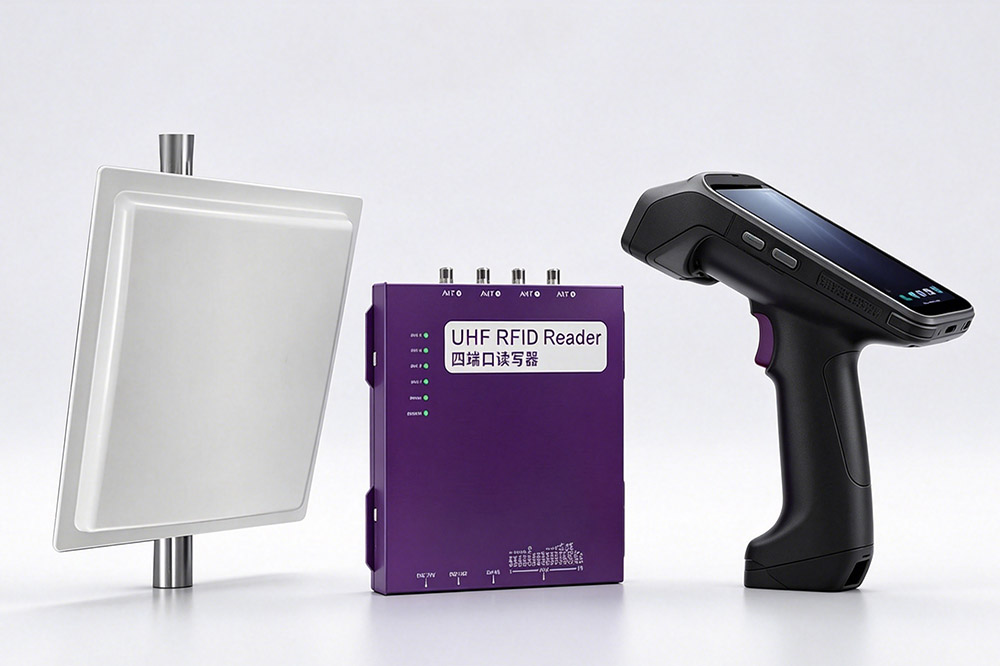
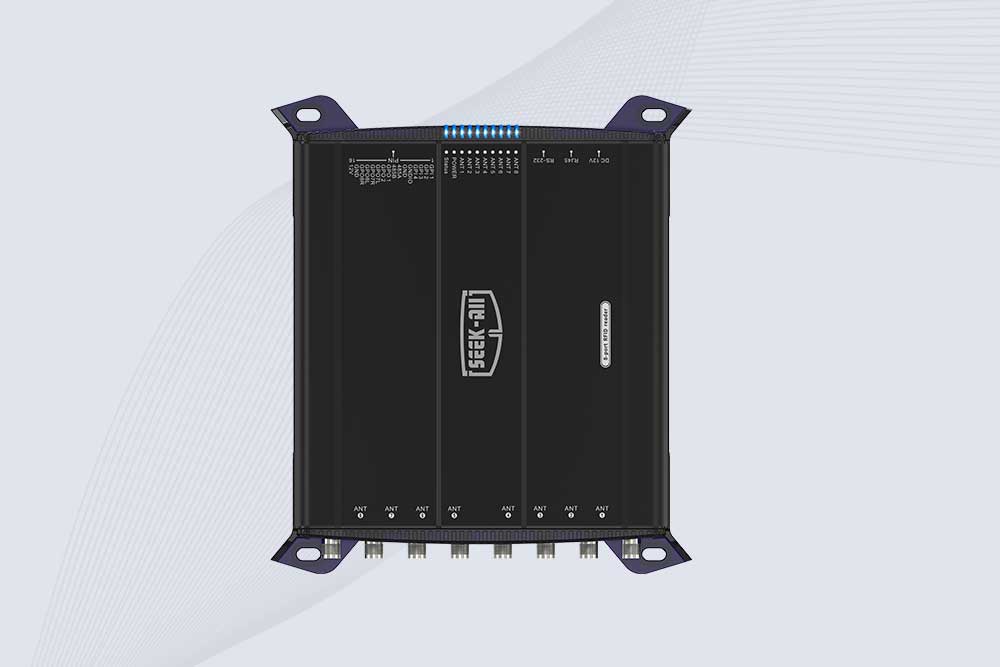
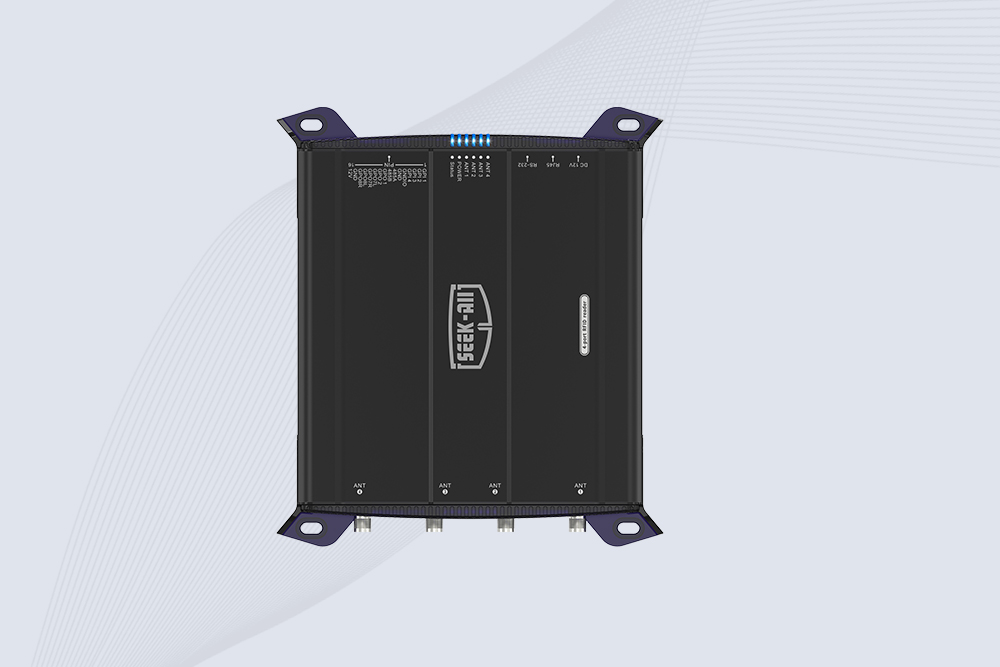
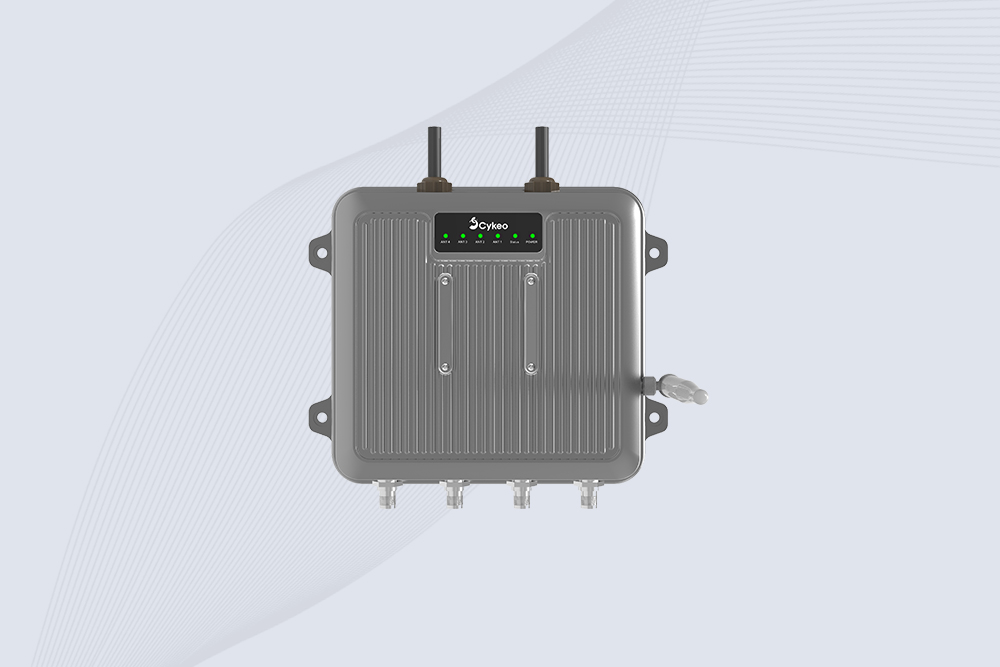
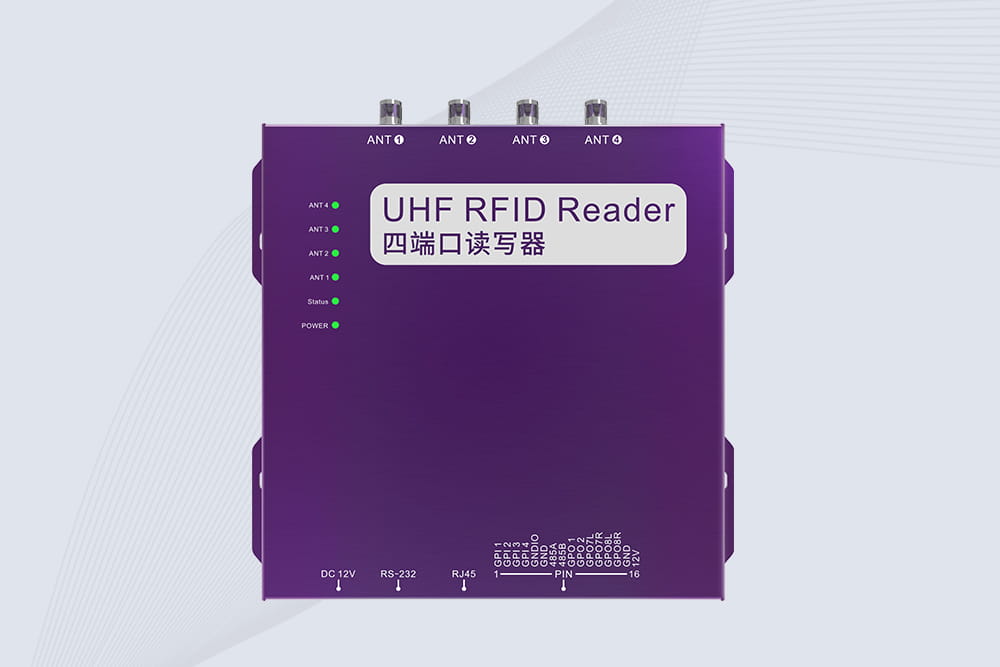
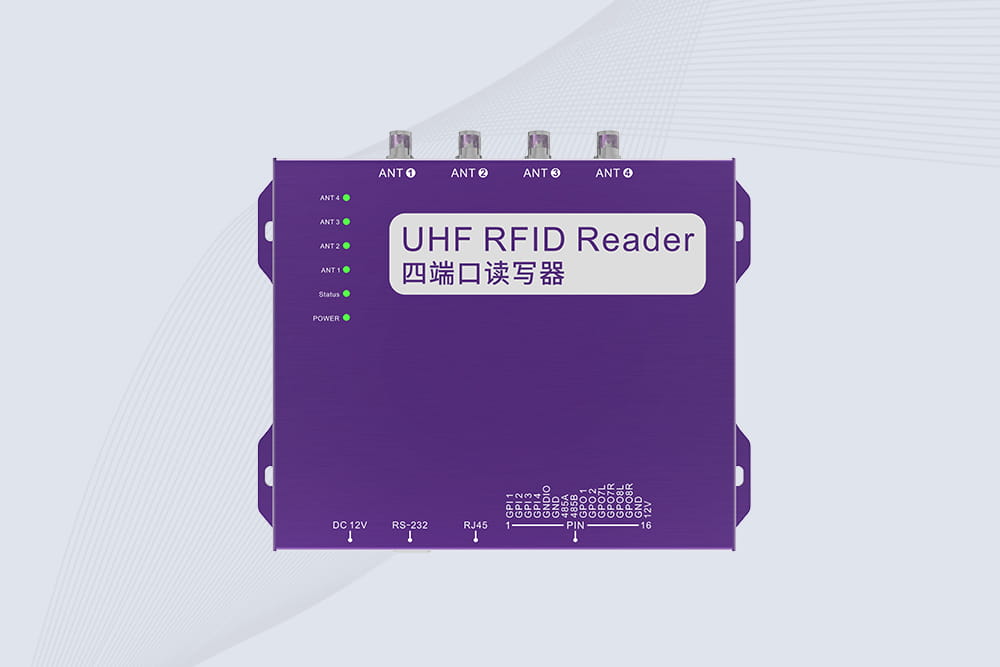
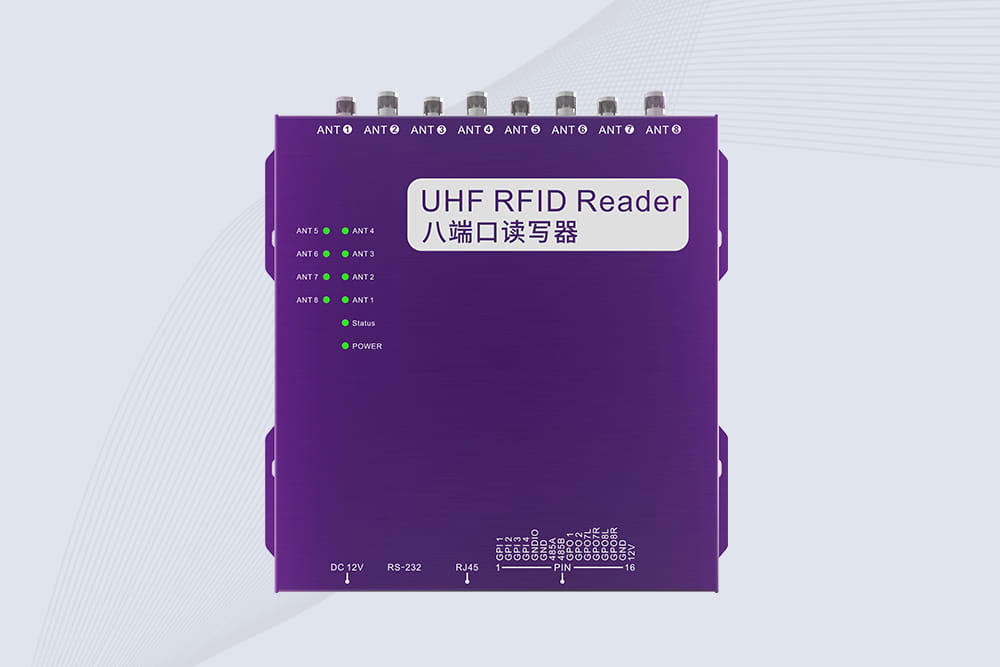
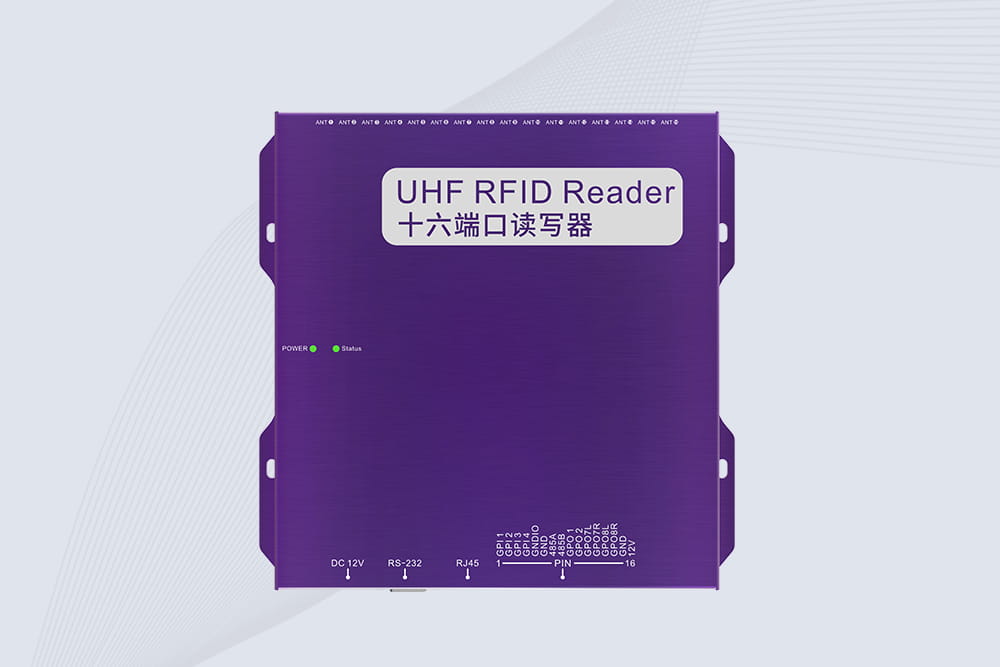
These are the most common in industrial projects. They connect to multiple antennas and are typically used in warehouses, parking systems, and production lines.
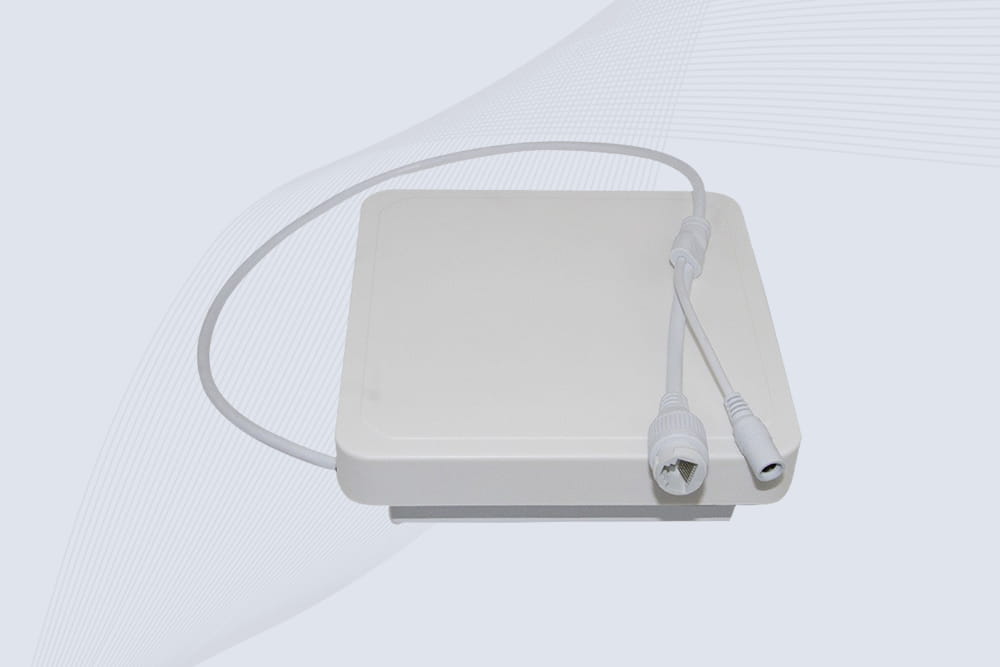
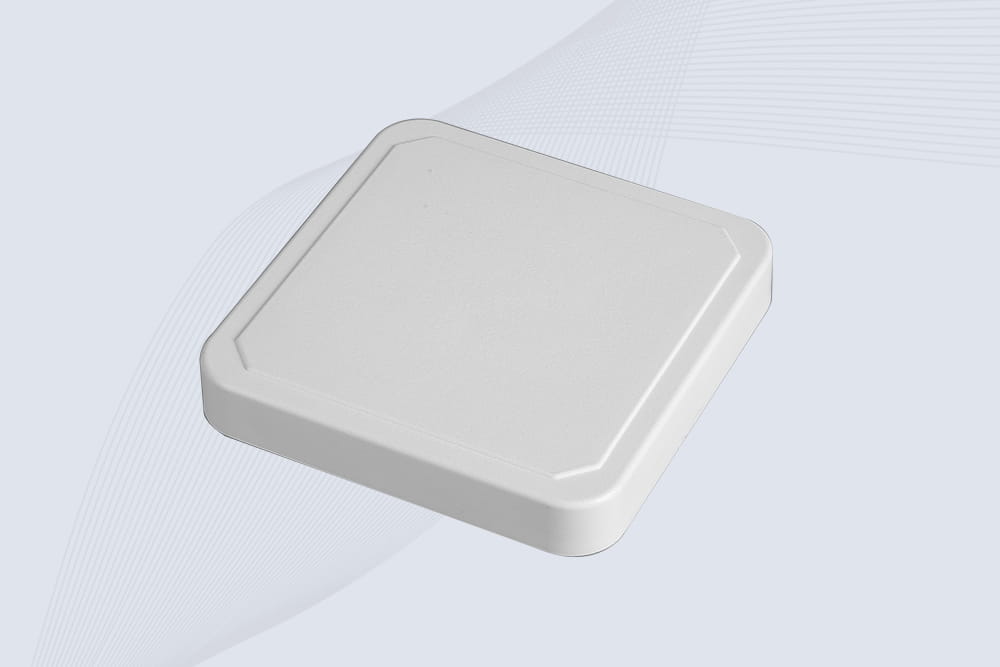
Integrated Readers
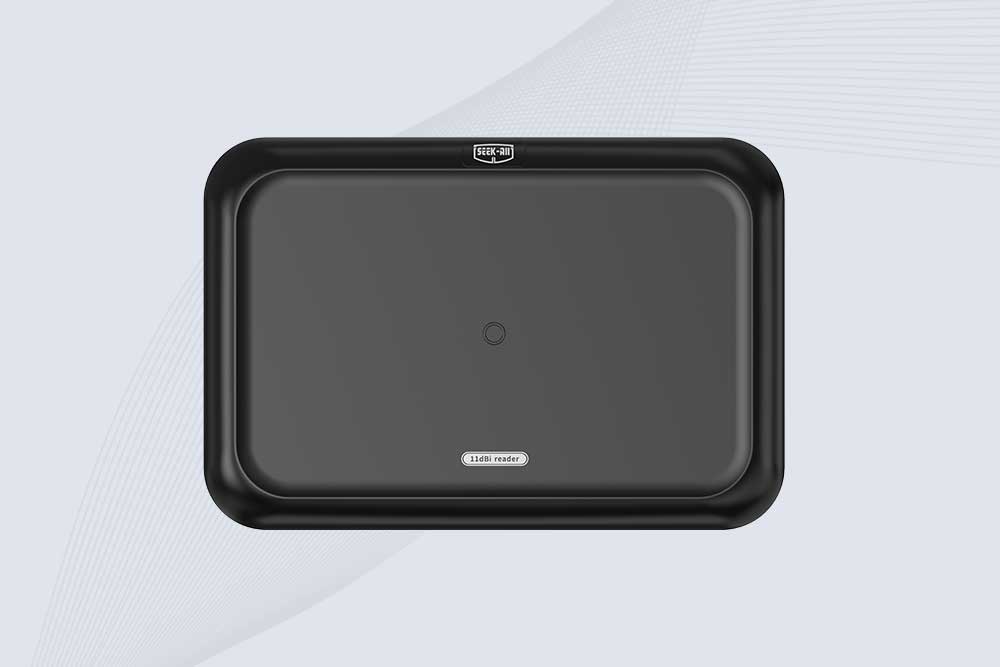
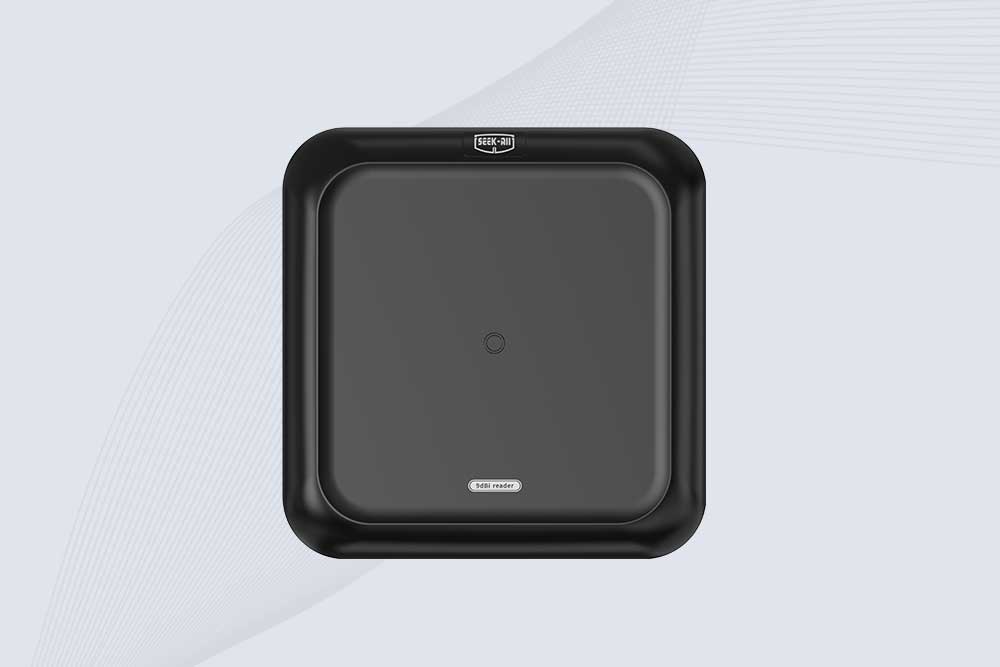
Compact designs where the reader and rfid antenna are combined. They are easier to install but less flexible in large-scale systems.
Modular / Multi-Port Readers
Used in complex setups where multiple antennas are required, such as large warehouse gates or multi-lane vehicle access systems.
In most B2B projects, fixed multi-port readers are still the most common choice because they offer a balance between control and scalability.
Antenna Compatibility Is Often Overlooked
One thing that often surprises new integrators is how much antennas influence performance.
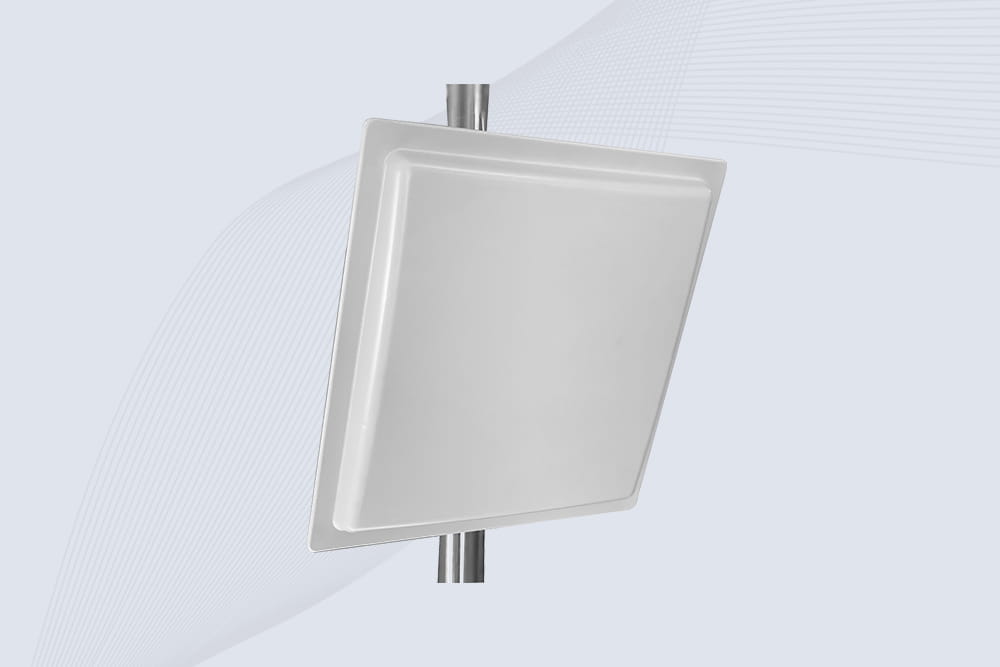
A good reader with a poor antenna setup will still underperform. Circular polarization is often used when tag orientation is unpredictable, while directional antennas are better for controlled zones like dock doors or parking lanes.
Some projects even require multiple antennas working together. In those cases, port count becomes more important than raw reading distance.
SDK and Integration Can Decide the Project Timeline
For system integrators, hardware is only half of the story.
The real work usually starts when integration begins.
Before selecting a reader, it’s worth checking:
Does it support Java / C# / Android SDK?
Is API documentation stable and clear?
Can it integrate with WMS / ERP / access control systems?
Does it support TCP/IP or REST communication?
We’ve seen projects delayed not because of hardware issues, but because SDK support was incomplete or poorly documented.
Installation Environment Is Easy to Underestimate
Even a well-chosen reader can perform poorly if installed in the wrong place.
Metal structures, reflective surfaces, and narrow corridors can all affect signal behavior. In parking systems, antenna height and angle often matter more than expected. In warehouses, dock door width and pallet stacking height can change the reading pattern completely.
Sometimes reducing power or adjusting antenna direction solves more problems than replacing equipment.
OEM and Project Support Matters More Than Specs
For distributors and solution providers, technical support often matters as much as hardware performance.
In real projects, questions rarely stop at “what reader should I buy.” They often include:
Can this be customized for my system?
Do you support OEM branding?
Can I get firmware adjustments?
Can your engineers help with deployment tuning?
Manufacturers who understand project-level requirements usually reduce integration time significantly.
A Simple Way to Think About Selection
Instead of comparing datasheets line by line, many experienced engineers use a simpler logic:
Define the reading zone first
Choose antenna layout
Match reader ports and power
Confirm SDK and integration method
Then finalize hardware
This sequence is not always perfect, but it avoids most common mistakes seen in early-stage RFID deployments.
FAQ
What is the best long range RFID reader for warehouse use?
There is no single best model. Most warehouse systems use fixed multi-port UHF RFID readers with external antennas, depending on dock door layout and tag density.
How many antennas can one RFID reader support?
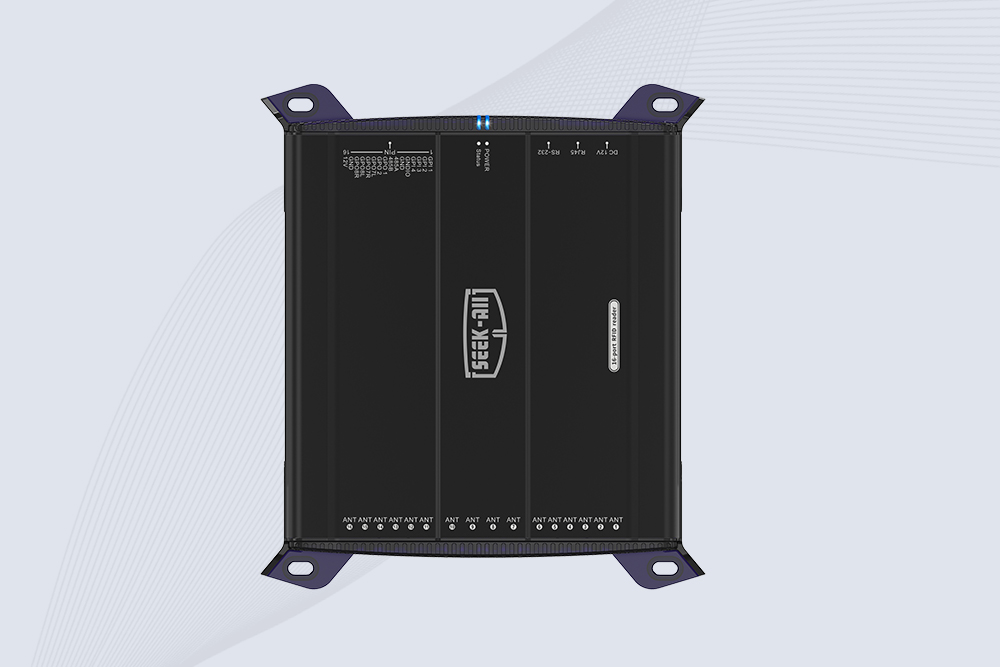
Common industrial readers support 4, 8, or 16 antenna ports depending on system scale.
Is a higher power RFID reader always better?
Not necessarily. Too much power can increase unwanted reads and reduce system accuracy.
Do I need SDK for RFID integration?
Yes, if the reader is part of a software system like WMS, ERP, or access control, SDK support is usually essential.
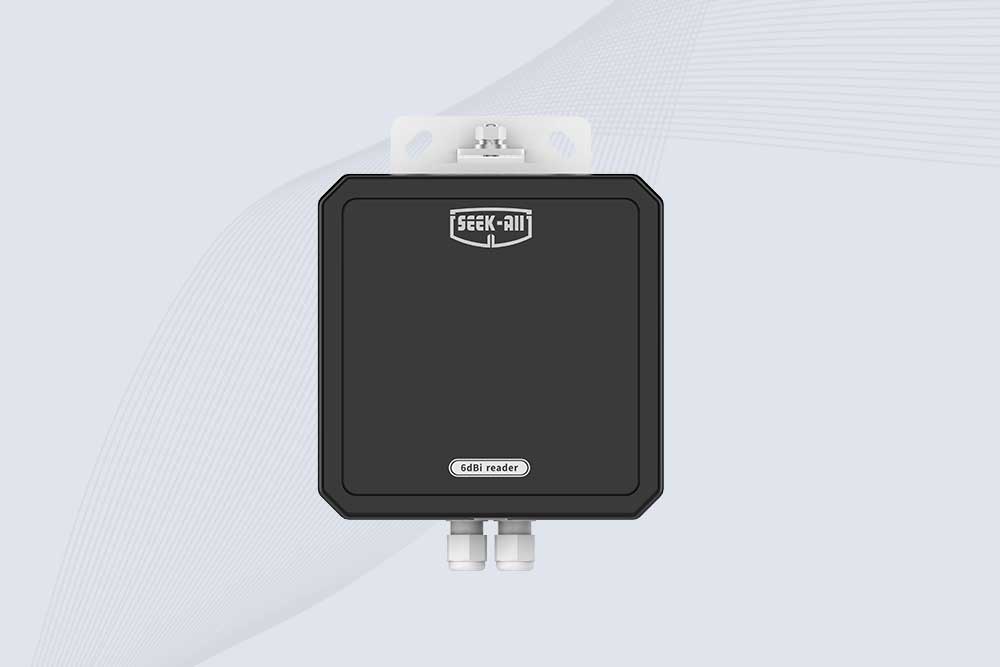
SSD-RA06L is an industrial UHF RFID reader with a built-in 6 dBi antenna, 3 m read range, 600+ tags/s, Ethernet, RS232, and optional Wi-Fi, 4G, and PoE.
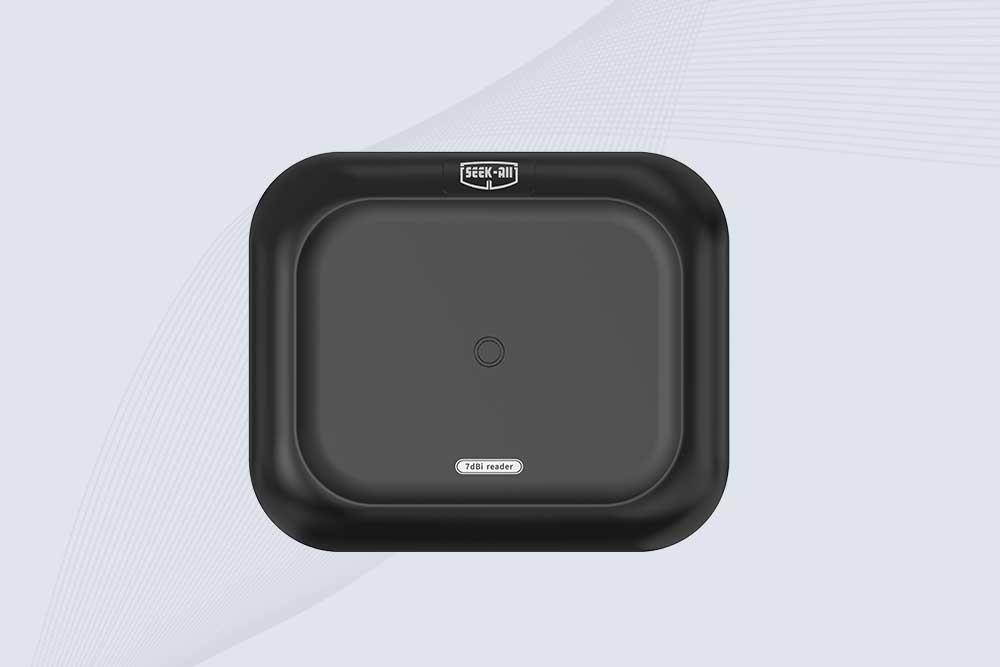
SSD-RA07L industrial UHF RFID reader with integrated 7 dBi antenna, up to 6 m reading distance, over 600 tags/s, Ethernet, RS232, and optional Wi-Fi, 4G, and PoE.
SSD-R16L Multi-Channel RFID Infrastructure for Automated Inventory Management ✔️ 16-Port High-Density RFID Reading Equipped with 16 SMA antenna ports, SSD-R16L supports multi-antenna deployment for warehouses, retail stores, logistics, production lines, and large-area RFID identification. ✔️ High-Speed & Long-Range Performance With up to 33…
SSD-R8L 8-port UHF RFID reader with 33dBm output, up to 20m reading range and 600+ tags/s recognition. Ideal for warehouse, logistics, retail and asset tracking.
Cykeo’s industrial long range RFID reader delivers 20-meter scanning, 500+ tags/sec speed, and IP67 waterproof design for automated warehouses, logistics, and harsh environment applications.
Cykeo’s CYKEO-RA6L industrial RFID long range reader features 20m read distance, 500 tags/sec speed, and IP67 protection. Ideal for warehouse automation, manufacturing WIP tracking, and smart logistics. Supports ISO 18000-6C/6B protocols.
CYKEO Long Range RFID Tag Reader built for outdoor and industrial operations. This Outdoor RFID Reader delivers 20m read distance, fast tag processing, and IP67 durability for wide-area tracking.
Cykeo CYKEO-RA12L industrial Long Range RFID Reader delivers 20m read range, 200+ tags/sec scanning, and IP67 protection for manufacturing/logistics applications. Supports ISO 18000-6C/GB protocols.
Cykeo CYKEO-C1 industrial Forklift RFID Reader features 20m read range, 600 tags/sec scanning, Impinj R2000 chipset, and IP67 rugged design. Ideal for warehouse logistics and manufacturing. Supports ISO 18000-6C/6B protocols.
Cykeo CYKEO-R4 industrial UHF RFID Fixed Reader features 4 TNC ports, 400+ tags/sec speed, IP67 housing, and global frequency compliance for vehicle inspection, smart warehouse, and asset management systems.
CYKEO CYKEO-R8L Fixed RFID Reader with 8-port UHF design, Impinj-based RF core and up to 20m read range. An industrial Fixed RFID Reader for vehicle inspection, warehouse portals, smart manufacturing lines and secure access checkpoints.
RFID Fixed Reader from CYKEO – the CYKEO-R16L 16-port UHF fixed reader for warehouses, smart cabinets, and production lines. Long-range, multi-tag reading, stable performance for 24/7 industrial use.
RFID Industry Writer | IoT & Asset Tracking Analyst
James writes about RFID technology, asset tracking, and the practical challenges of digital transformation across warehousing, retail, manufacturing, and logistics.
His work focuses on how RFID is applied in real-world operations—improving inventory visibility, automating workflows, and helping businesses manage assets with greater accuracy and efficiency.
He regularly covers topics including UHF RFID, smart cabinets, RFID portals, tool tracking, warehouse automation, and industrial IoT trends..
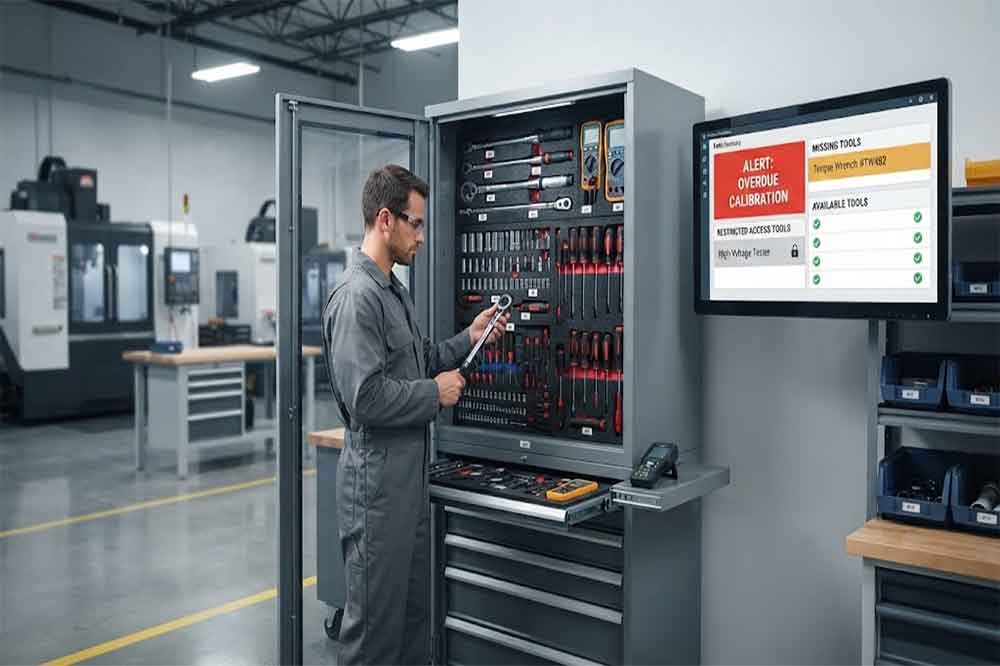
RFID tool cabinet can send alerts when tools become overdue, missing, restricted, unavailable, or due for inspection. Well-designed notifications help mainte...
Secure and HIPAA-compliant fentanyl storage with the FTNG‑L‑CK‑02 RFID Anesthesia Medication Cabinet. Features real-time drug tracking, blockchain audit logs, rugged MIL-STD-810G design, and developer support with RESTful/native APIs and SDK. Perf...
A reliable RFID system combines UHF tags, readers, antennas, software, and business applications around defined read events and real operating conditions.
 Cykeo RFID IoT Solution Products R&D Manufacturer