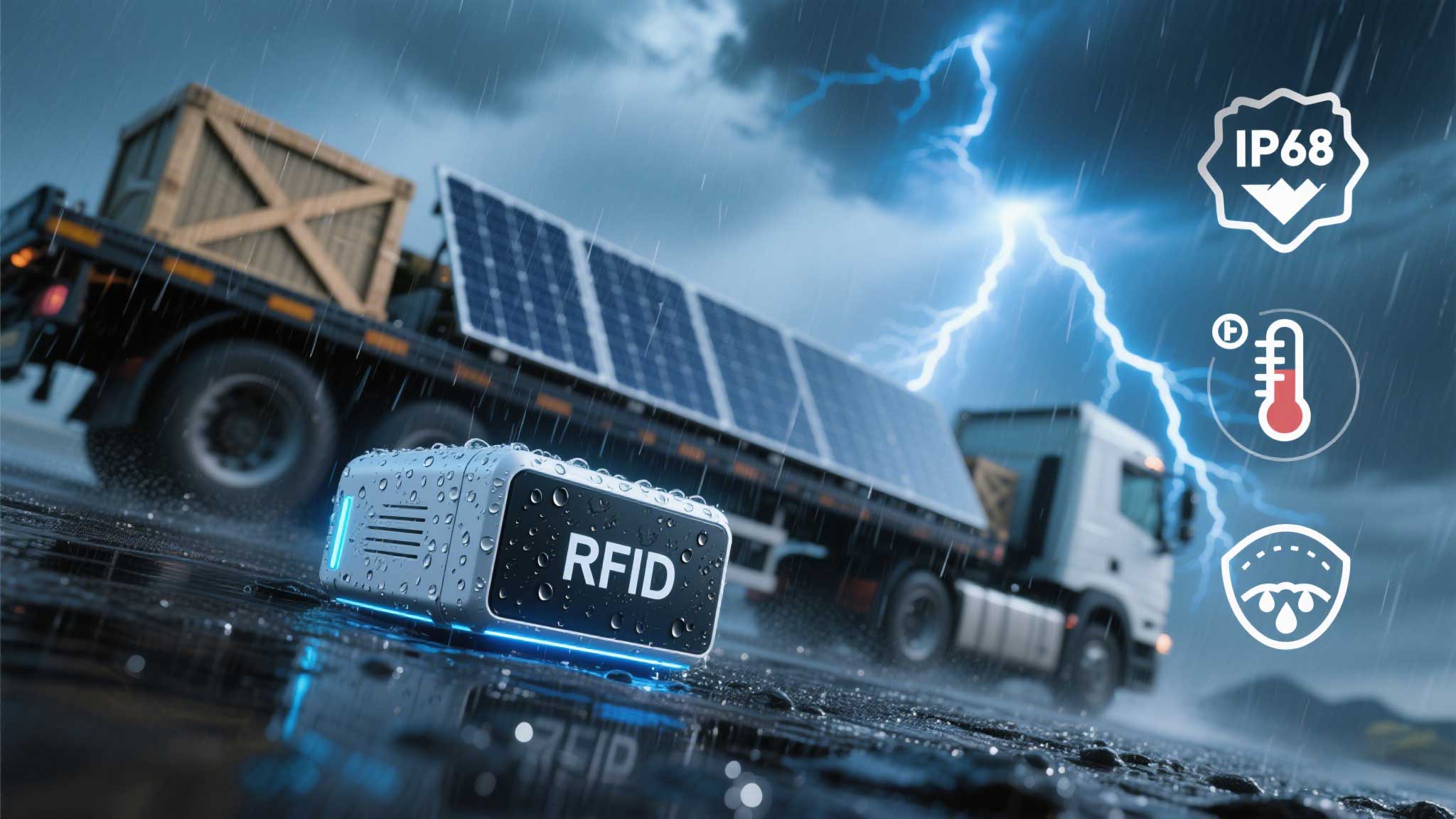
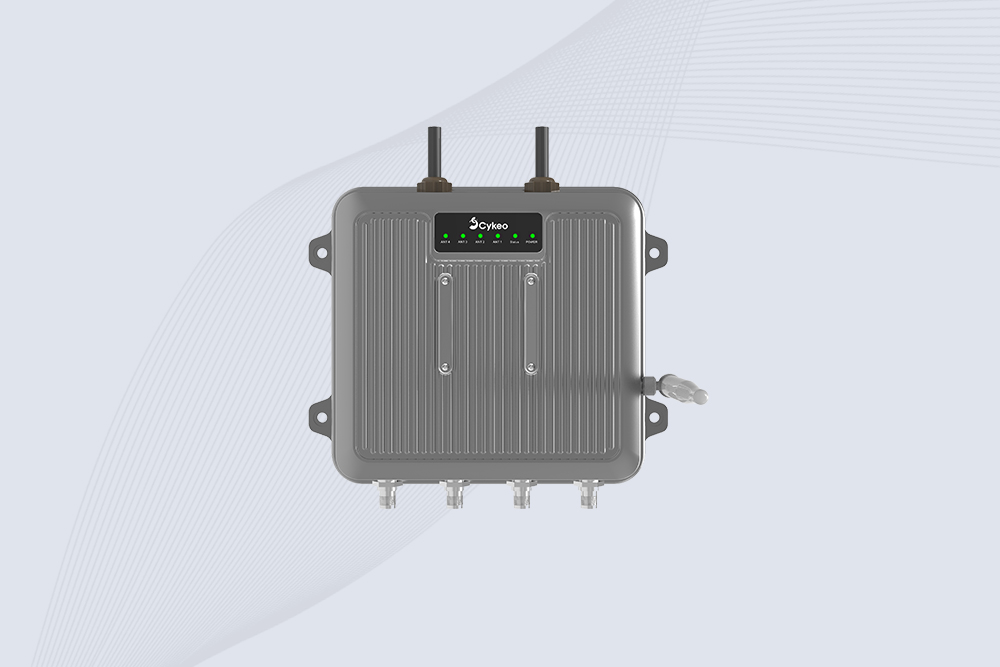
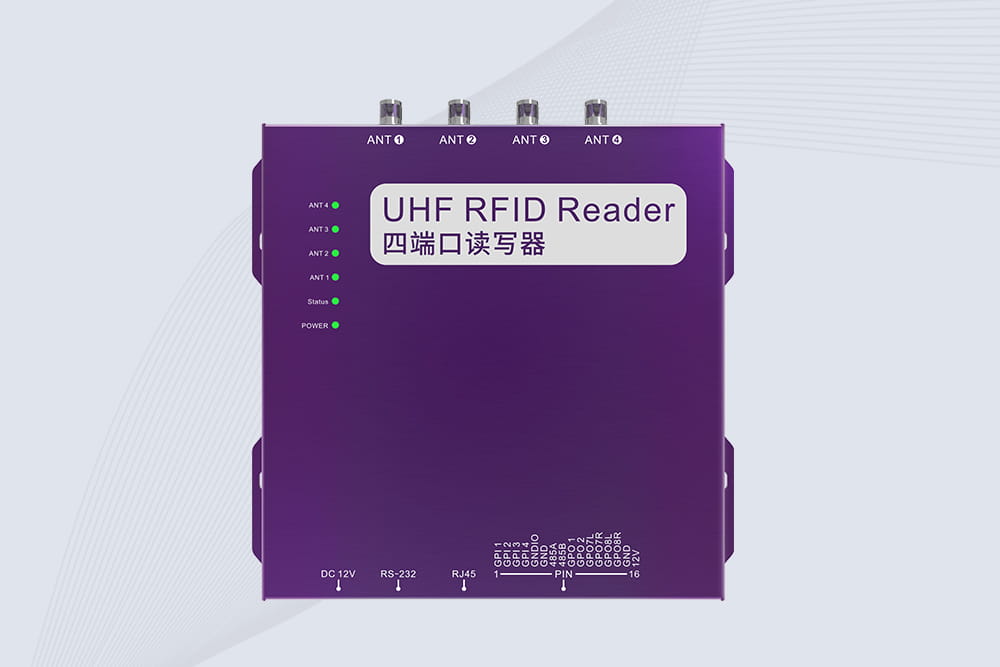
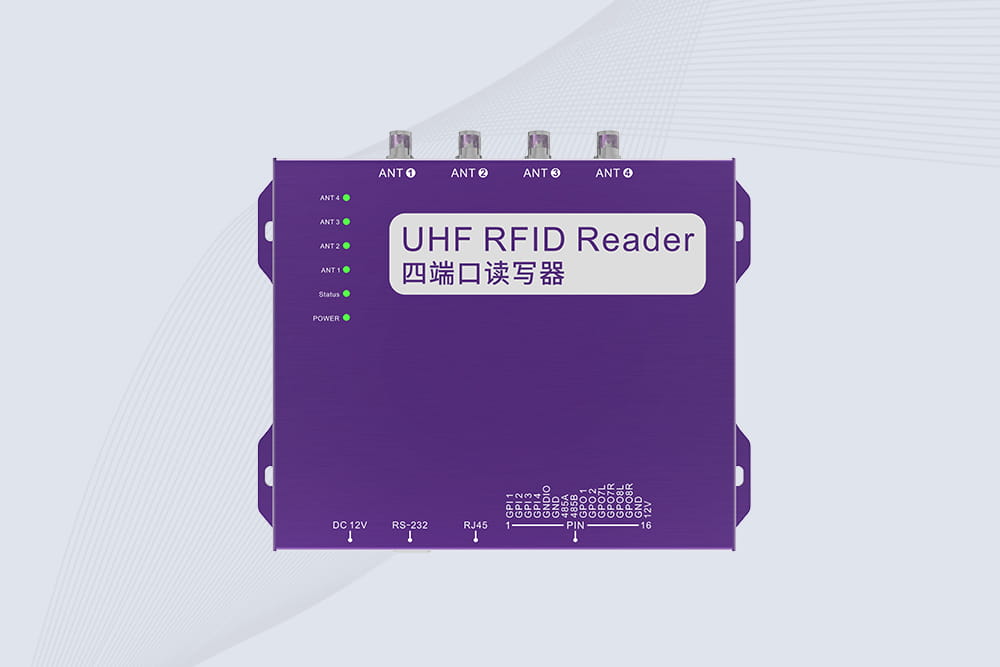
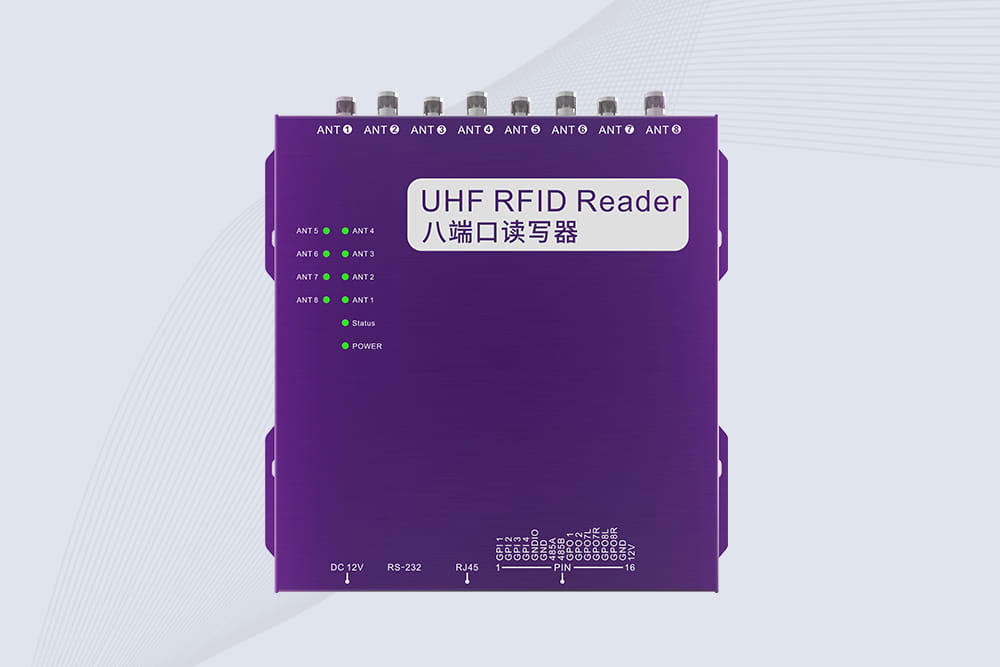
Outdoor RFID deployments—from construction sites to agricultural fields—demand readers that withstand rain, dust, UV exposure, and temperature swings. While many claim to be “weatherproof,” true reliability hinges on certifications, materials, and design. Here’s how to choose a system that won’t fail when storms roll in.
1. Prioritize IP Ratings for Water and Dust Resistance
IP65: Protects against low-pressure water jets (rain) and dust. Suitable for covered outdoor areas.
IP67: Submersible in 1m of water for 30 minutes. Ideal for flood-prone zones or marine applications.
Extreme Cold: Look for -40°F (-40°C) capability for winter climates.
Scorching Heat: Ensure functionality up to 158°F (70°C) for desert or asphalt-heavy environments. Cykeo’s OutdoorPro Series operates reliably from -40°F to 185°F (-40°C to 85°C).
3. Evaluate Housing Materials
Polycarbonate: UV-resistant, won’t yellow or crack under sunlight.
Stainless Steel: Rust-proof for coastal or high-salinity areas.
Anti-Corrosive Coatings: Essential for industrial zones with chemical exposure.
4. Assess Mounting and Power Options
Pole/Wall Mounts: Ensure brackets are galvanized or powder-coated to prevent rust.
Solar Compatibility: Readers with 12–24V DC input work with off-grid solar setups.
PoE Support: Simplifies cabling but requires weatherproof Ethernet connectors.
5. Test for Real-World Scenarios
Before full deployment, verify performance in:
Heavy Rain: RFID Tag read rates during downpours.
Dust Storms: Signal consistency in particulate-heavy air.
Vibration: Stability on vehicles or machinery.
Why Cykeo’s Outdoor Readers Stand Out
Cykeo’s weatherproof readers combine IP68-rated housings with anti-glare touchscreens for sunlight readability. Their patented StormShield antenna design minimizes signal loss during heavy rain, critical for logistics yards and smart farming.
RFID barrier gates are becoming a common sight in parking lots, residential communities, and workplaces. Here’s a closer look at how they work, why they matter, and what it’s like to actually use them in daily life.
Explore the key uses of RFID card readers, including access control, payments, and inventory tracking. Learn how Cykeo’s RFID solutions enhance security and efficiency.
In the digital age, data has become a crucial asset for businesses and individuals alike. Whether it’s personal photos, work documents, or corporate secrets, the security and reliability of hard drives as storage media are more important ...
Learn how UHF RFID antenna design improves pallet and carton scanning in warehouse environments. Practical insights on dock door layouts, antenna placement, and reliable RFID gate systems.
 Cykeo RFID IoT Solution Products R&D Manufacturer