Define Your Business Needs: Choose the Right Tag Type
Before selecting supplier, identify your specific RFID application scenario—whether it’s for warehouse management, retail, medical device tracking, or industrial automation. Each scenario requires different tag materials (such as washable, anti-metal, or flexible types) and frequency ranges (LF/HF/UHF).
Evaluate Product Quality and Performance Consistency
A reliable supplier offers high-performance chips and antenna combinations, ensuring long read distances and stable performance. They also implement strict batch consistency testing to guarantee low error rates and performance stability across all units.
Check Certifications and Compliance: Standardized Production Matters
A qualified RFID tag manufacturer holds certifications like ISO 9001, RoHS, and CE, proving compliance with international quality and environmental standards. Examine whether the factory uses automated production lines and has batch manufacturing capabilities to assess their overall strength.
Assess Customization Capabilities and Technical Support
Different industries often require tags with custom sizes, encapsulation, encoding, or printing. A strong supplier provides full OEM/ODM solutions, including chip selection, marking services, encapsulation, and prototyping support to meet specific project needs.
Examine After-Sales Service and Delivery Capabilities
Excellent after-sales service includes application-specific technical support, predictable delivery times, and responsive communication. Some suppliers also offer pre-encoding, batch testing, and remote debugging services to help clients implement RFID systems quickly and smoothly.
Conclusion:
Choosing RFID tag supplier isn’t just about price. Businesses should comprehensively evaluate product quality, service capabilities, technical expertise, and response efficiency. By following these five key criteria, you can reduce supply chain risks and build long-term, stable partnerships.
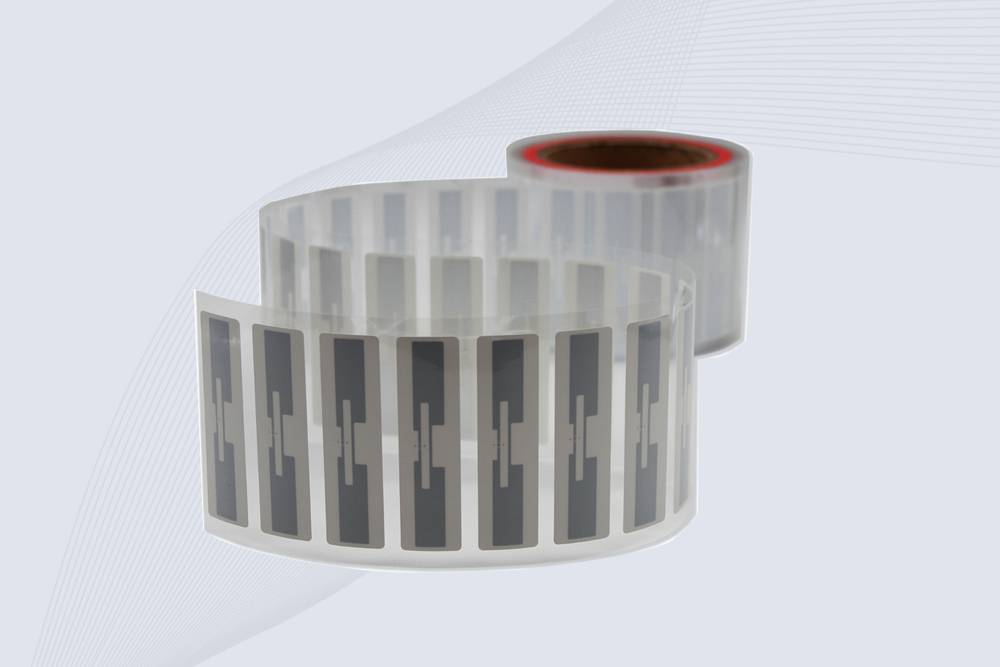
CYKEO Passive RFID Tags are made for wet and high-humidity environments where standard labels do not last. This rfid passive tag is often used around liquids, chemicals and temperature changes, providing stable reading distance and long data life for industrial tracking.
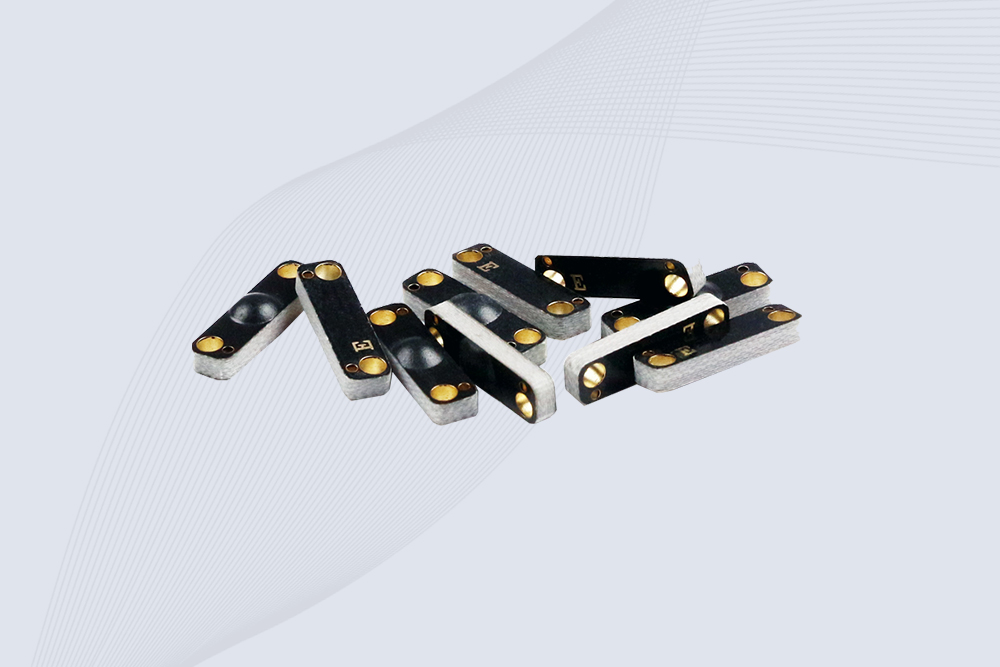
CYKEO CK-BQ1504 Metal RFID Tags is a compact anti-metal UHF RFID solution built for direct mounting on metal surfaces. With stable 8-meter read range, Ucode-8 chip, and long data retention, this rfid metal tag fits tools, containers, automotive parts, and industrial asset tracking.
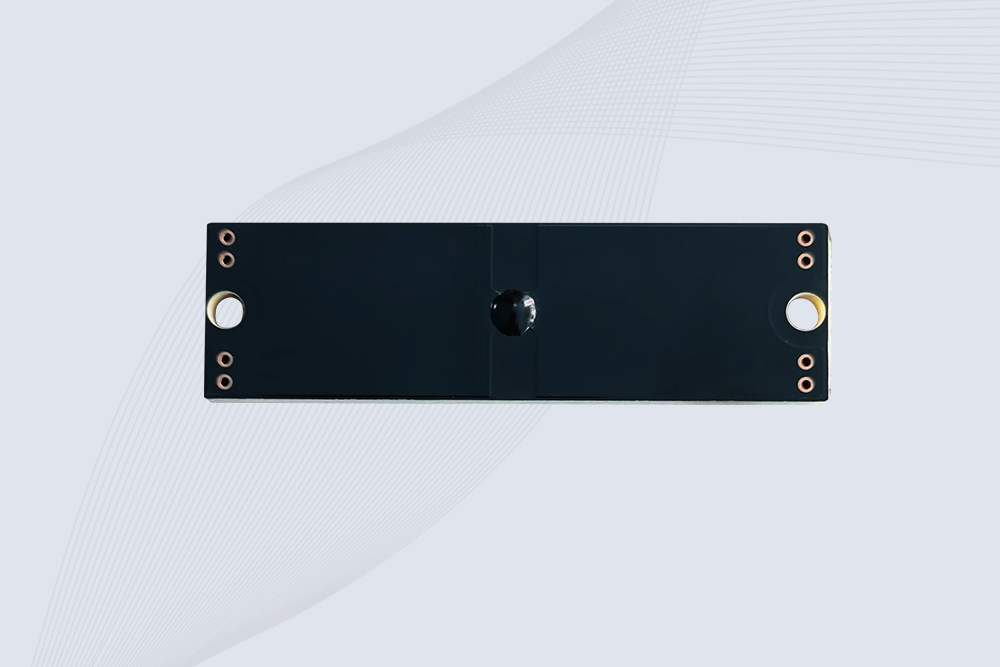
CYKEO CK-BQ7020 On-Metal RFID Tags are designed for reliable tracking on steel and metal surfaces. Built with an FR4 epoxy body and industrial-grade chips, these On-Metal RFID Tags deliver stable performance, long data life, and chemical resistance, making them a dependable RFID anti-metal tag for harsh environments.
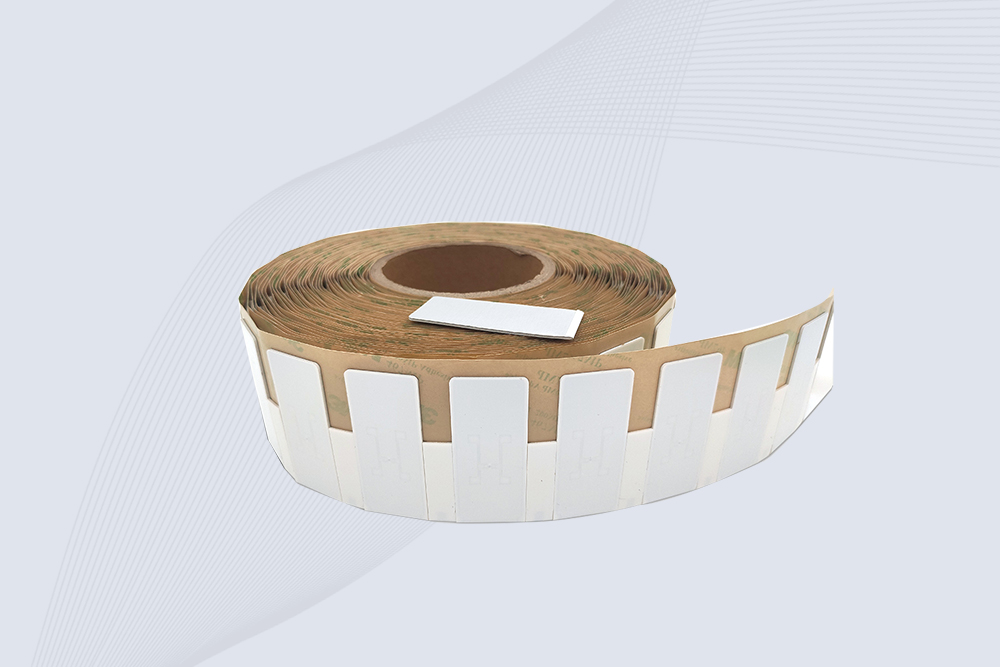
The CYKEO CK-BQ6025 Anti-Metal RFID Tag is built for metal surfaces where standard tags fail. Designed for long-range performance, harsh environments, and stable data retention, this Anti-Metal RFID Tag is ideal for industrial assets, containers, and equipment tracking using on metal RFID tags.
Discover the pros and cons of RFID readers and GPS systems for real-time asset tracking. Learn why Cykeo’s RFID solutions offer cost-effective accuracy for warehouses, healthcare, and logistics.
Learn how to transfer RFID tag data to a MySQL database step-by-step. Explore hardware setup, middleware configuration, and Cykeo’s RFID-to-database solutions.
RFID library system built around smart RFID cabinets, antennas, and readers. Suitable for system integrators and solution providers seeking flexible deployment.
 Cykeo RFID IoT Solution Products R&D Manufacturer