How to Build RFID Reader Antenna: What You Learn When You Try
The idea to build an RFID reader antenna often starts in a garage, a university lab, or a prototyping workshop. It’s a hands-on way to understand the RF physics that make wireless tracking possible. While you can absolutely create a functional antenna, the journey from “it transmits” to “it works reliably in the field” is where the real education happens. This guide walks you through the reality of the build, not just the theory.
Starting Simple: The Basic Patch Antenna Blueprint
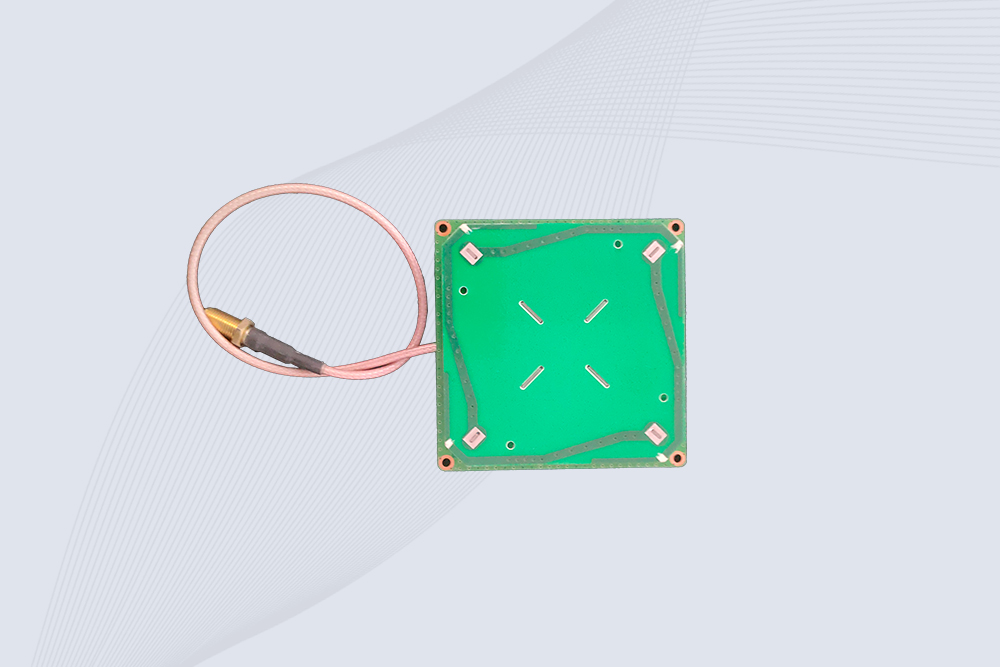
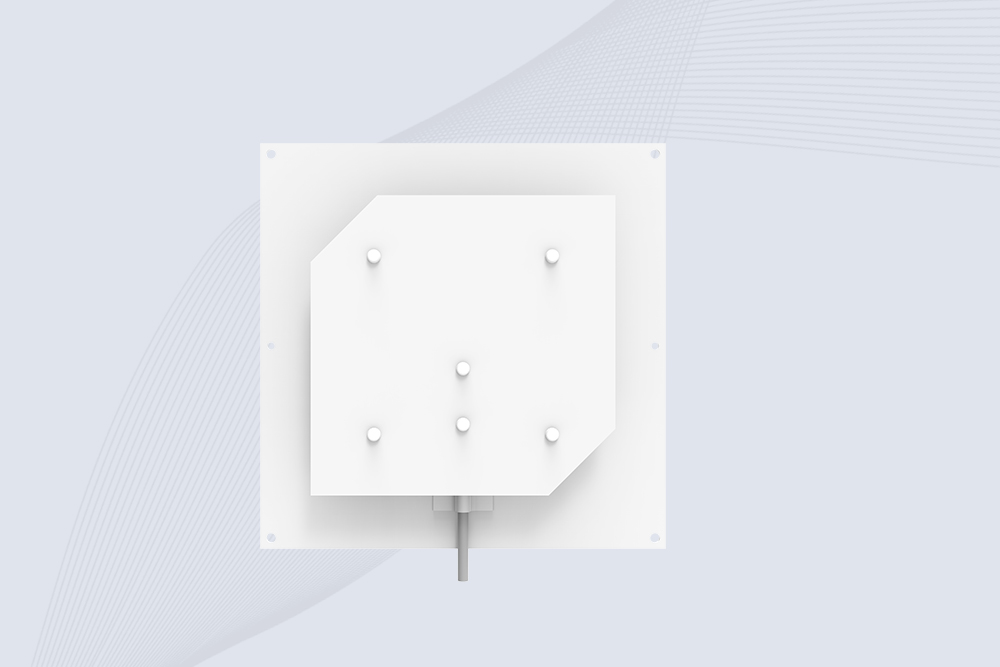
For a UHF reader antenna, a common DIY starting point is a circularly polarized microstrip patch antenna. The goal is a flat, square-ish design that can read tags in various orientations.
Here’s a condensed DIY UHF reader antenna guide:
- Design & Simulate (The First Hurdle): You don’t just start cutting metal. You need antenna design software (like free versions of MMANA or Qucs) to model a patch. You input your target frequency (e.g., 915 MHz), choose a substrate material (like common FR-4), and the software calculates the patch size and the critical feed point location.
- Gather Materials: You’ll need a copper-clad board, etching chemicals (or a CNC mill), an SMA connector, and 50-ohm coaxial cable.
- Fabrication: This is where precision matters. You transfer the patch design onto the board, etch away the unwanted copper, and drill a hole for the feed. The patch dimensions must be accurate to within a millimeter.
- The Feed & Polarization Trick: A simple patch is linearly polarized. To get the desired circular polarization, you must feed the patch at two points with a 90-degree phase shift between them. This often means creating a dual-feed network with precisely calculated trace lengths on the board—a significant jump in complexity.
- Testing & Tuning: Without a Vector Network Analyzer (VNA), you’re flying blind. You might connect it to a reader and see if it reads a tag. But is it efficient? What’s its gain or beamwidth? Without professional tools, you won’t know.
The Wall You Hit: Consistency and Performance
This is where the challenges in building reader antennas become glaring. You might get a prototype to work. But will it work the same way every time, and under different conditions? The issues with a homemade reader antenna typically include:
- Unstable Performance: Minor variations in etching depth or substrate thickness can shift the resonant frequency. Your antenna might work perfectly at 908 MHz but be deaf at the standard 915 MHz.
- Poor Efficiency and Gain: DIY rfid antennas often have significant impedance mismatch, meaning much of the reader’s power is reflected back, not radiated out. This kills your read range.
- No Environmental Hardening: A bare FR-4 board has no protection against humidity, dust, or physical damage. One drop, and it’s likely broken.
Why a Commercial Antenna Isn’t Just a Nicer Box
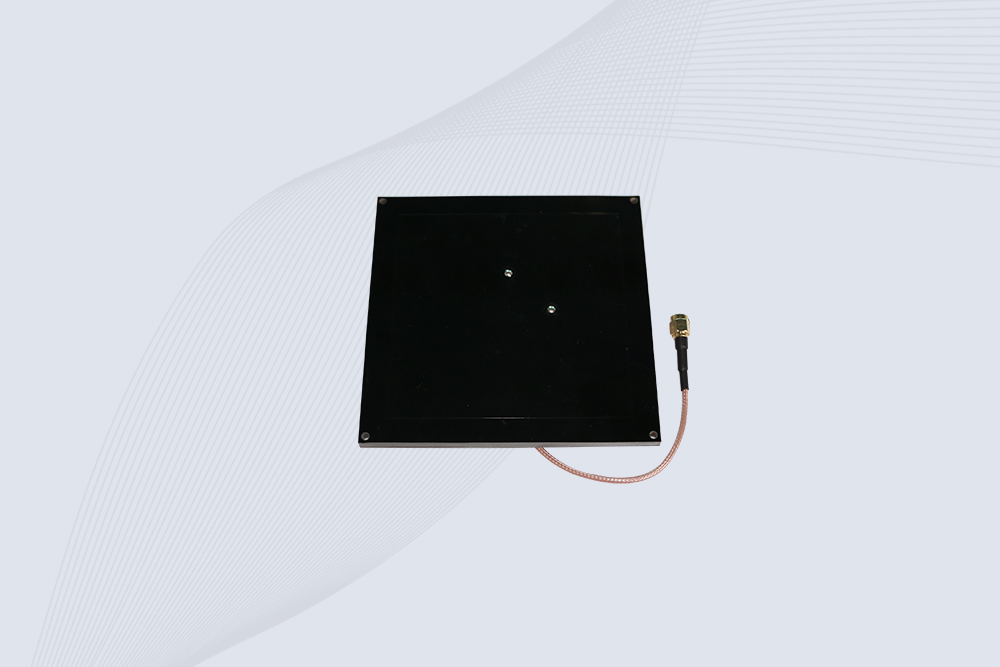
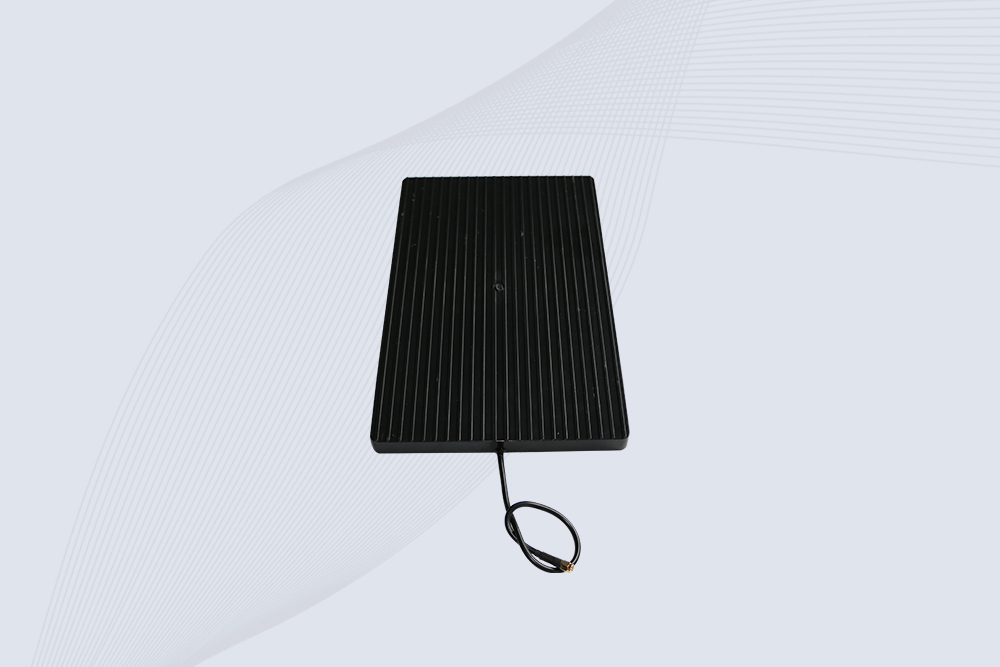
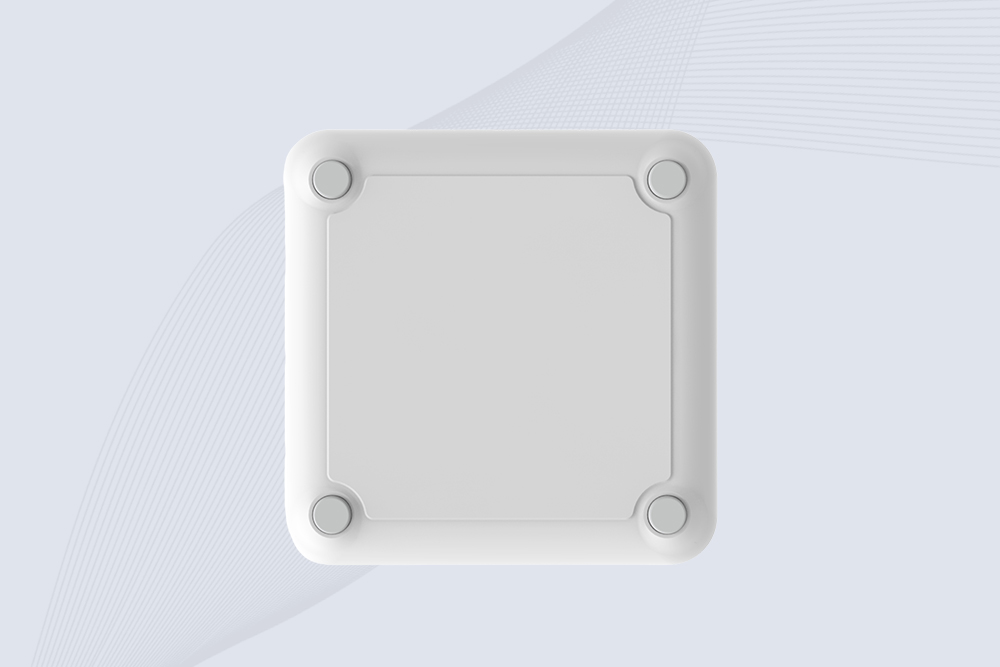
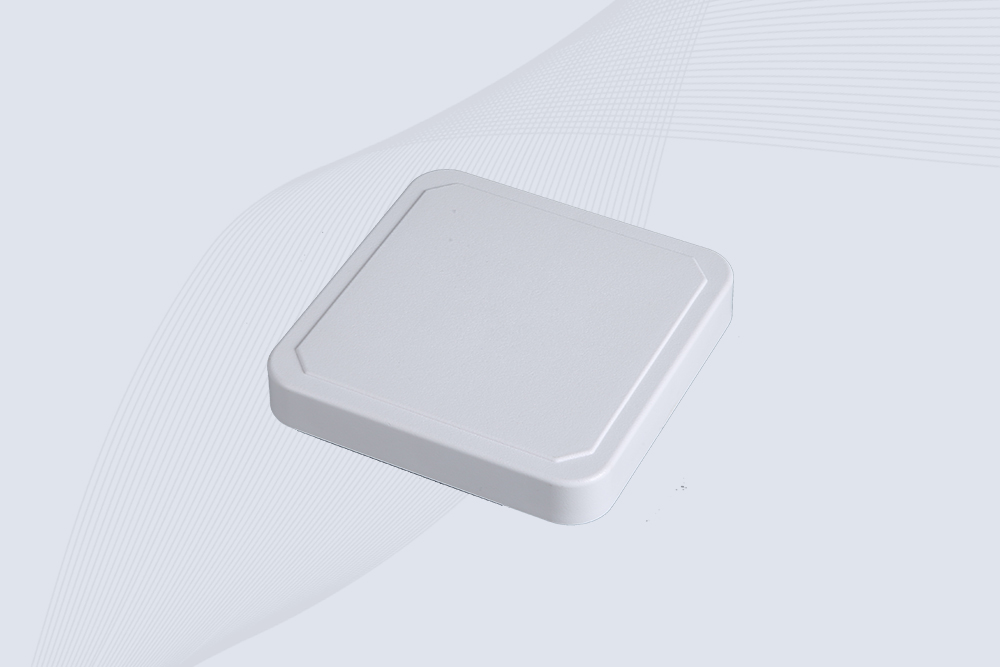
When you compare your project to a professional RFID antenna from CYKEO, you’re not just comparing build quality. You’re comparing an afternoon project to an engineered product.
A commercial antenna undergoes:
- Advanced Simulation: Modeled in 3D EM software (like HFSS) to optimize radiation pattern, gain, and axial ratio across the entire frequency band.
- Precision Manufacturing: PCB fabrication with tolerances in microns, not millimeters.
- Rigorous Testing: Each unit is checked for VSWR, gain, and polarization purity in an anechoic chamber.
- Purpose-Built Housing: The plastic case is part of the RF design, providing environmental sealing (IP67) and mechanical stability.
The performance gap between a homemade and commercial reader antenna is not subtle. It’s the difference between reading a tag at 2 meters with 50% reliability and reading it at 8 meters with 99.9% reliability.
The Verdict: Build to Learn, Buy to Deploy
So, should you learn how to build RFID reader antenna? Yes, if your goal is deep, practical learning. There’s no better way to understand concepts like impedance matching, polarization, and VSWR.
However, for any business application, pilot project, or system where reliability impacts operations or cost, buying a professional antenna is the only rational choice. The time, frustration, and performance uncertainty of a DIY approach quickly outweigh the upfront cost of a proven component.
At CYKEO, we design antennas so you don’t have to. We encourage the curiosity that leads to building—it makes you a better engineer. But for your actual deployment, we provide the reliable, high-performance foundation your RFID system needs to succeed.
RFID Reader Antenna Recommendation
 Cykeo RFID IoT Solution Products R&D Manufacturer