 Cykeo RFID IoT Solution Products R&D Manufacturer
AI-Powered RFID: Can It Read 1000 Tags/Second?
843Discover how AI-powered RFID systems achieve 1,000+ tags/second reads. Cykeo breaks down the tech, accuracy, and real-world applications for warehouses and retail.
MoreAll RFID Product
You’ve seen it happen—a warehouse worker waves a handheld device over a pallet, and within seconds, the screen displays exactly what’s inside each case. But what’s actually happening at the microscopic level? The question how RFID technology reads the details from the chip gets to the heart of what makes this technology tick. It’s not magic, and it’s not simply “radio stuff.” It’s a precisely choreographed exchange of energy, commands, and data that happens in milliseconds.
The chip inside an RFID tag is a sophisticated piece of silicon, but it’s completely powerless on its own. Reading data from it requires the reader to wake it up, ask nicely for information, and then interpret the whispers that come back. Here’s the real story of what happens inside that exchange.
Before any data can be read, the chip needs power. For passive RFID—the kind used in most retail and logistics applications—the tag has no battery . So how RFID technology reads the details from the chip starts with the reader doing something that seems counterintuitive: it shouts to power up the thing it wants to listen to.
The reader emits a continuous wave (CW) signal through its antenna. When a passive tag enters that field, its antenna captures some of that RF energy. That energy travels into the chip and hits the rectifier circuit . The rectifier converts the alternating current from the RF signal into direct current, which charges a small capacitor inside the chip.
Once enough charge builds up—and this happens in microseconds—the chip’s logic circuits wake up. The tag is now alive and listening, but it hasn’t sent anything yet. It’s just sitting there, powered up, waiting for instructions .
This is a critical point: the chip doesn’t broadcast anything until the reader specifically asks for it. That’s how systems avoid chaos when hundreds of tags are present.
To understand how RFID technology reads the details from the chip, you need to know what’s actually inside that tiny piece of silicon. Modern RFID chips are marvels of miniaturization, containing several functional blocks .
The RF interface sits at the front door. It handles the energy harvesting we just discussed, plus it modulates and demodulates signals. When the reader sends commands, this interface extracts them from the carrier wave. When the chip needs to reply, this interface prepares the data for transmission.
The logic control unit is the chip’s brain—a simple state machine that interprets reader commands, decides whether to respond, and manages access to memory . It’s not a general-purpose processor, but it’s smart enough to follow the Gen2 protocol’s rules.
Then there’s the non-volatile memory where the actual data lives. This is the “details” people are asking about. The memory is organized into banks, and depending on the chip, it might be read-only (factory programmed) or rewritable . High-memory tags can store hundreds of bits of user data beyond the basic identifier .
If you’re going to understand how RFID technology reads the details from the chip, you need a map of the memory. Under the Gen2 protocol that dominates UHF RFID, chip memory is divided into four distinct banks .
Reserved memory stores passwords. There’s a kill password that can permanently disable the tag, and an access password that locks down the other banks. Most inventory applications never touch these.
TID memory contains the Tag Identifier—a unique number burned into the chip during manufacturing. This identifies the chip itself, not the item it’s attached to. It’s like the chip’s serial number.
EPC memory holds the Electronic Product Code. This is the identifier for the item—think of it as the RFID equivalent of a barcode. In extended memory chips, this bank can go up to 496 bits, enough to encode GS1-compliant serialized identifiers .
User memory is optional. When present, it can store additional data like expiration dates, batch numbers, or maintenance records. Some chips offer up to 752 bits of user memory . This turns the tag into a portable database that travels with the item.
The term “reader” is a bit misleading. In RFID literature, these devices are often called interrogators , which better captures their function. They don’t just passively listen for tag broadcasts. They actively manage the entire conversation.
When you press the trigger on a CYKEO handheld rfid reader, the reader begins transmitting a query command. This command is modulated onto the RF carrier and includes parameters like which tags should respond (based on memory content) and how they should manage their responses .
The chip, now powered and listening, decodes that command through its demodulator circuit. If the command matches the chip’s protocol settings, the logic unit prepares a response. It pulls data from the appropriate memory bank—usually the EPC memory—and hands it to the modulator circuit .
Here’s where it gets clever. The chip doesn’t have its own transmitter. It can’t generate radio waves. Instead, it uses backscatter modulation . The chip simply changes its antenna impedance in a pattern that corresponds to ones and zeros. This impedance change reflects the reader’s own carrier wave differently, and the reader detects those tiny variations. It’s like signaling with a mirror while someone shines a light on you.
All of this happens according to strict rules. The EPC Gen2 protocol (ISO 18000-6C) governs how RFID technology reads the details from the chip in the vast majority of UHF systems .
The reader starts with a Query command. Tags that hear this command pick a random number—this is the anti-collision mechanism that prevents everyone from shouting at once . The reader then steps through time slots, acknowledging tags one by one.
When the reader specifically addresses a tag, it sends a Req_RN (request random number) command. The tag responds with a new random number that serves as a handle for subsequent commands . Then the reader can issue Read commands, specifying which memory bank and which address to pull data from.
The chip responds by fetching that data from memory, encoding it according to protocol rules, and backscattering it to the reader. The reader checks the CRC for errors, and if everything checks out, the data appears on your screen.
If you’re wondering how RFID technology reads the details from the chip quickly enough to inventory a whole pallet in seconds, the answer lies in modern modulation techniques and protocol efficiency.
Traditional passive tags use binary modulation—each symbol carries one bit of information . But research is pushing toward higher-order modulation like 4QAM, which can double throughput at the same symbol rate. Experimental systems have achieved uplink speeds up to 16 Mbit/s .
In practical terms, a good UHF reader using standard Gen2 protocols can interrogate hundreds of tags per second . Each tag might be read dozens of times within that second as the reader cycles through the population. The chip’s logic unit handles all of this at blinding speed, drawing only microwatts of power from the harvested RF energy.
Basic inventory applications only need the EPC—just enough to identify the item. But many applications require more. This is where understanding how RFID technology reads the details from the chip gets really interesting.
When a tag has user memory, the reader can issue commands to access specific addresses within that bank . For example, a pharmaceutical tag might store lot number and expiration date. A manufacturing tag might record assembly dates and quality inspection results .
The Gen2v2 protocol introduced file structures that let different supply chain partners manage their own data sections independently . Each file can have its own security settings—so the manufacturer can write data that the distributor can read but not alter. The reader issues a “file open” command to select which file to access, then reads or writes that section without disturbing other data.
This turns the humble RFID tag into a secure, portable record that travels with the item through its entire lifecycle.
Of course, theory and practice don’t always align. How RFID technology reads the details from the chip in a clean lab environment is one thing. Doing it in a metal-filled warehouse with forklifts moving and fluorescent lights buzzing is another.
The chip’s response is incredibly weak—microvolts at the reader antenna. The reader’s receiver must pick that signal out of the noise, filter out interference, and decode it accurately . Modern readers use sophisticated filtering and error correction to make this work.
Environmental factors matter too. Metal reflects RF signals, creating null spots where tags can’t be read. Liquids absorb UHF energy. The chip’s logic unit can only work with the power it harvests—if the tag is in a dead zone, it never wakes up, and no amount of protocol sophistication will read it.
This is why experienced operators learn to adjust their scanning technique. Angle matters. Distance matters. Understanding the physics behind how RFID technology reads the details from the chip helps you get better results in challenging environments.
So how RFID technology reads the details from the chip? The reader powers the chip through RF energy. The chip wakes up, decodes the reader’s commands, accesses its memory banks, and backscatters the data by changing its antenna impedance. All of this happens in milliseconds, following strict protocols that prevent collisions and ensure data integrity.
At CYKEO, we build readers that handle this complex dance reliably, whether you’re counting inventory in a quiet back room or tracking assets on a noisy factory floor. Understanding what’s happening inside that little chip helps you appreciate just how remarkable this technology really is.
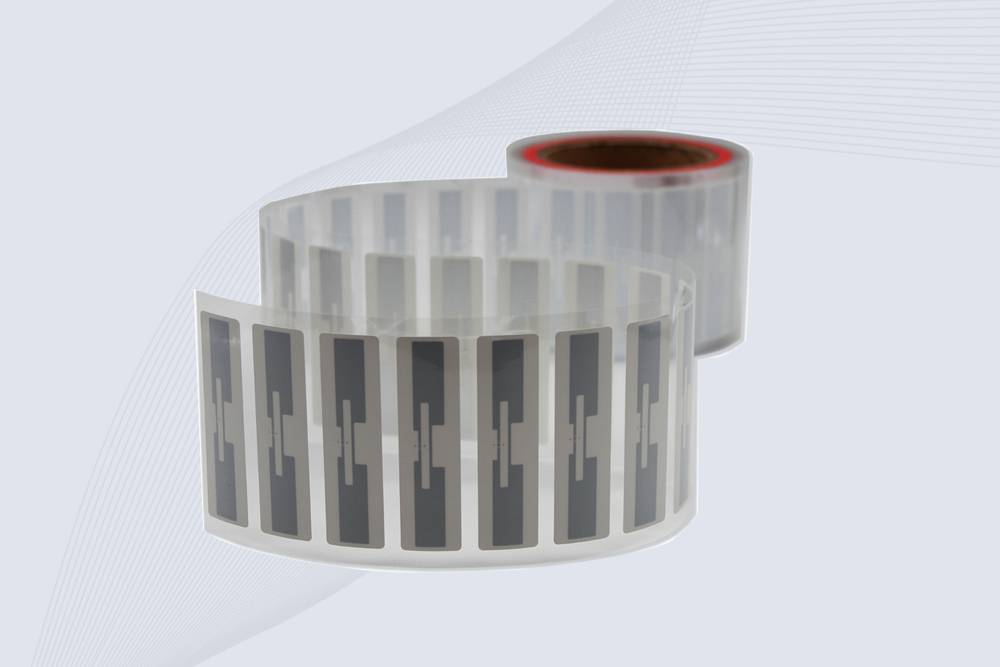
CYKEO Passive RFID Tags are made for wet and high-humidity environments where standard labels do not last. This rfid passive tag is often used around liquids, chemicals and temperature changes, providing stable reading distance and long data life for industrial tracking.
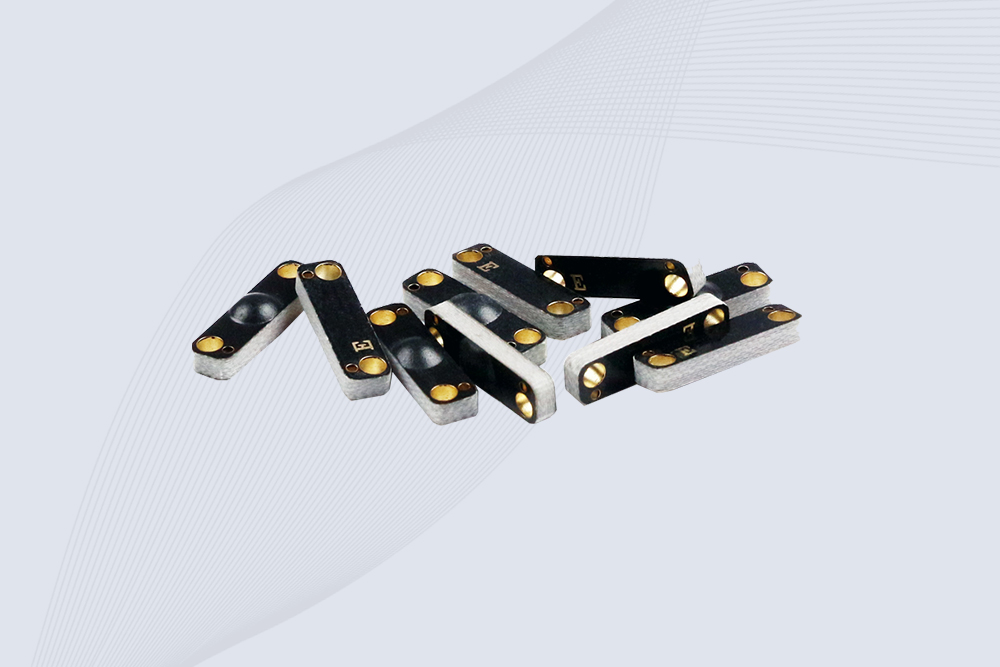
CYKEO CYKEO-PCB1504 Metal RFID Tags is a compact anti-metal UHF RFID solution built for direct mounting on metal surfaces. With stable 8-meter read range, Ucode-8 chip, and long data retention, this rfid metal tag fits tools, containers, automotive parts, and industrial asset tracking.
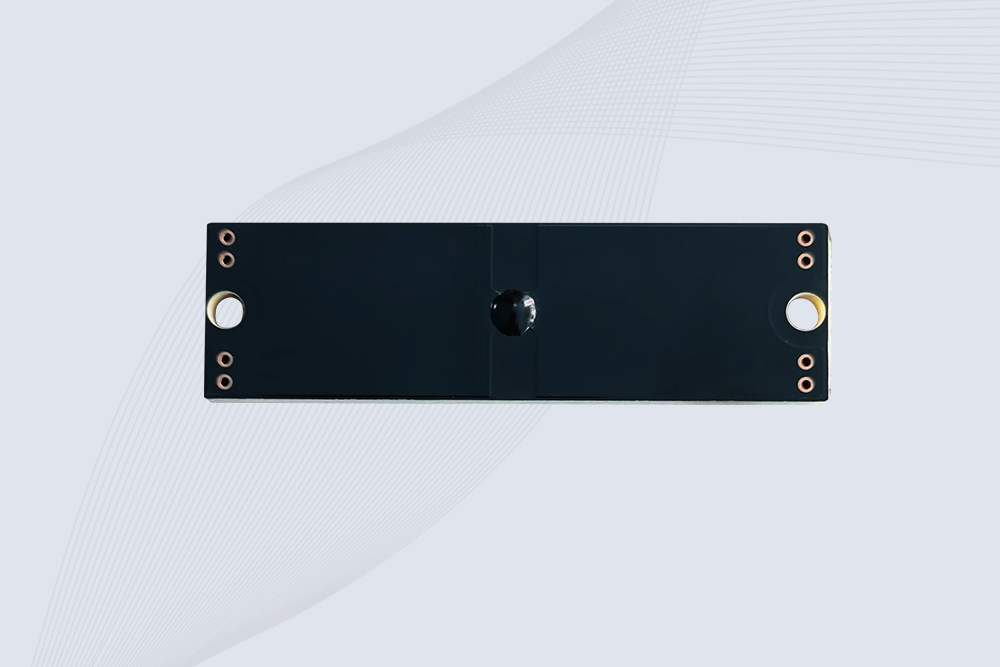
CYKEO CYKEO-PCB7020 On-Metal RFID Tags are designed for reliable tracking on steel and metal surfaces. Built with an FR4 epoxy body and industrial-grade chips, these On-Metal RFID Tags deliver stable performance, long data life, and chemical resistance, making them a dependable RFID anti-metal tag for harsh environments.
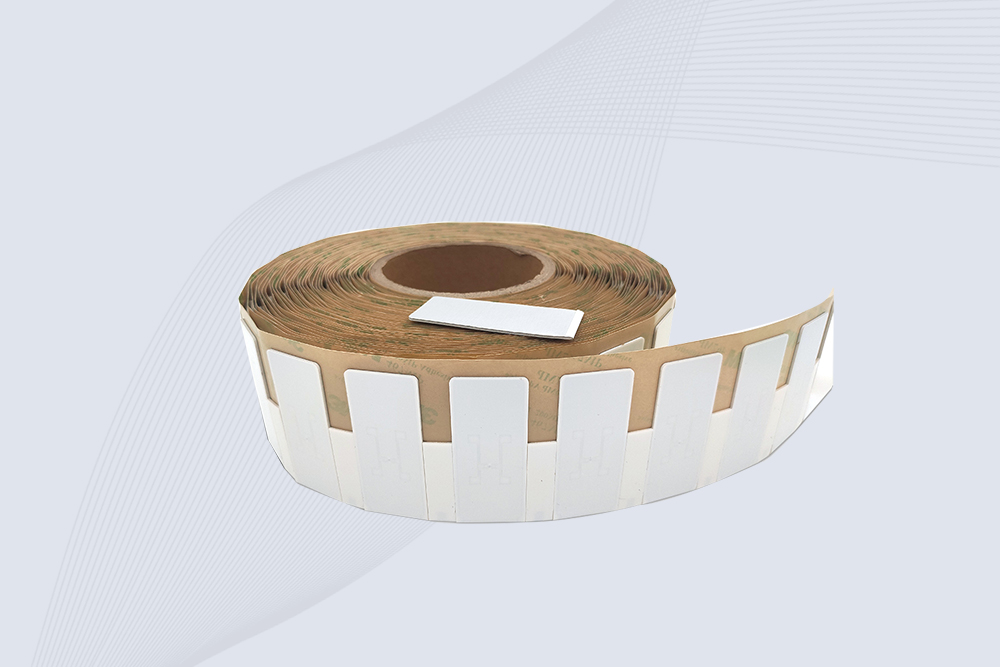
The CYKEO CYKEO-60-25 Anti-Metal RFID Tag is built for metal surfaces where standard tags fail. Designed for long-range performance, harsh environments, and stable data retention, this Anti-Metal RFID Tag is ideal for industrial assets, containers, and equipment tracking using on metal RFID tags.
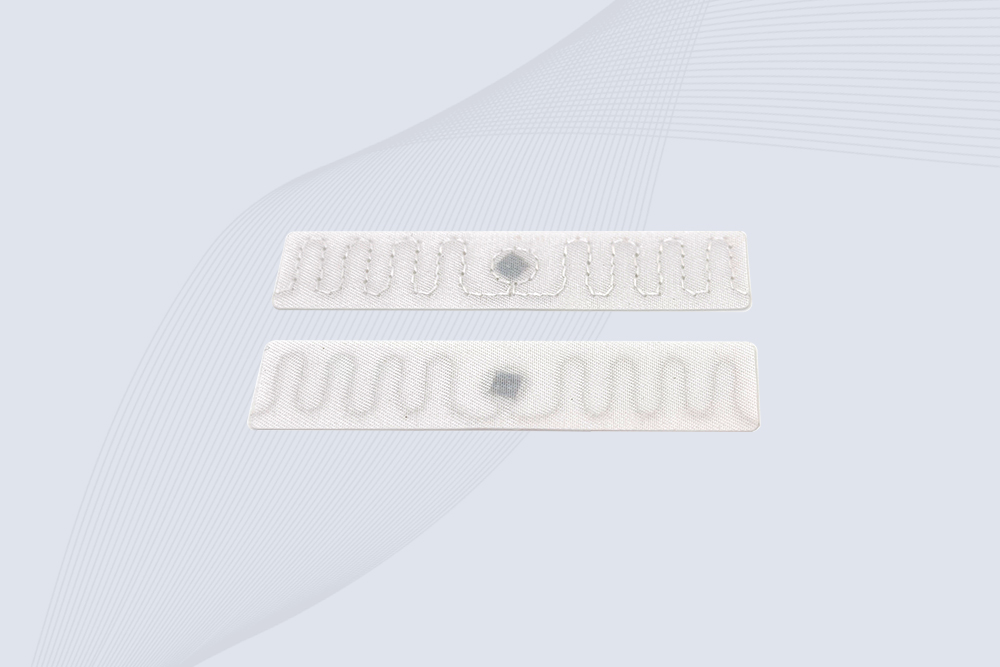
The CYKEO RFID Laundry Tag is designed for long-term textile identification in harsh laundry environments. Built to withstand high heat, chemicals, and repeated washing, this RFID Laundry Tag delivers stable performance for hotels, hospitals, and industrial laundry operations using laundry rfid tags at scale.
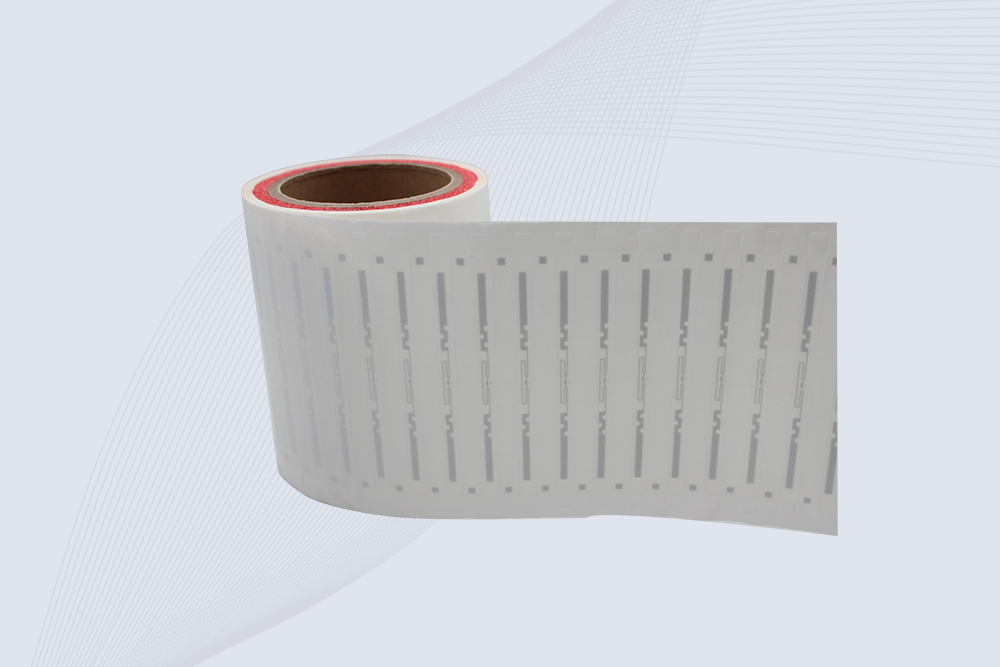
The CYKEO CYKEO-125-7 RFID Book Tag is designed for reliable book and document tracking in libraries and archives. This RFID Book Tag delivers long read range, dense placement support, and stable performance on shelves, making it a practical rfid tag on books for library automation, file management, and archival systems.
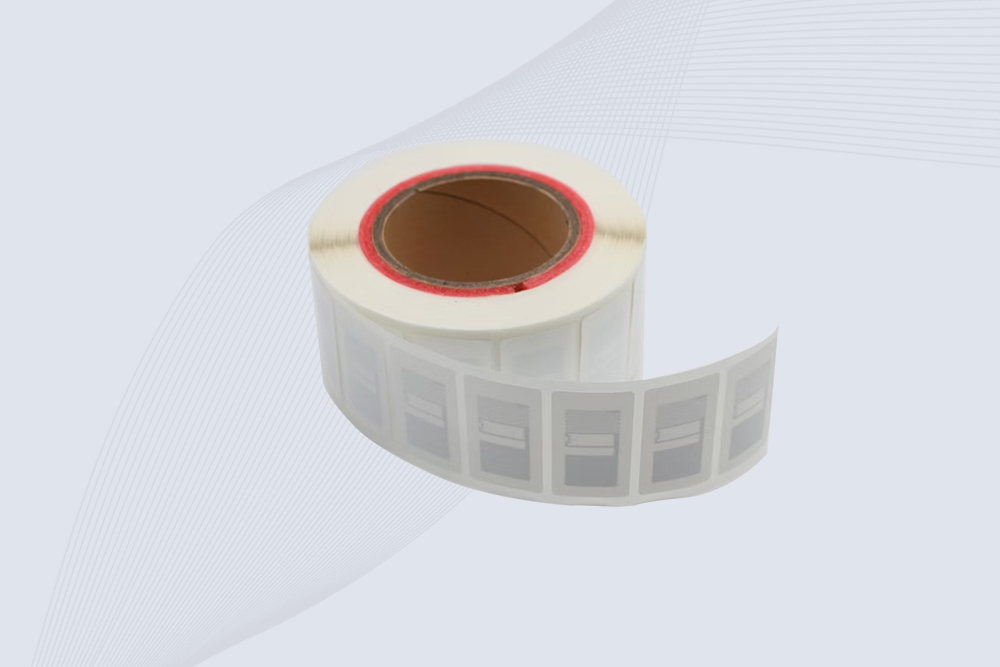
CYKEO RFID tags in hospitals are designed for sterile environments where accuracy matters. These autoclavable RFID tags support long-term tracking of surgical tools, implants, and medications, helping hospitals improve visibility, compliance, and patient safety.

CYKEO RFID Cable Tie Tag is built for reliable identification on metal surfaces. This UHF RFID Cable Tie Tag is widely used in rfid tags for inventory systems, industrial asset management and Hospital RFID Tags, offering stable read performance, long service life and global EPC Gen2 compatibility.
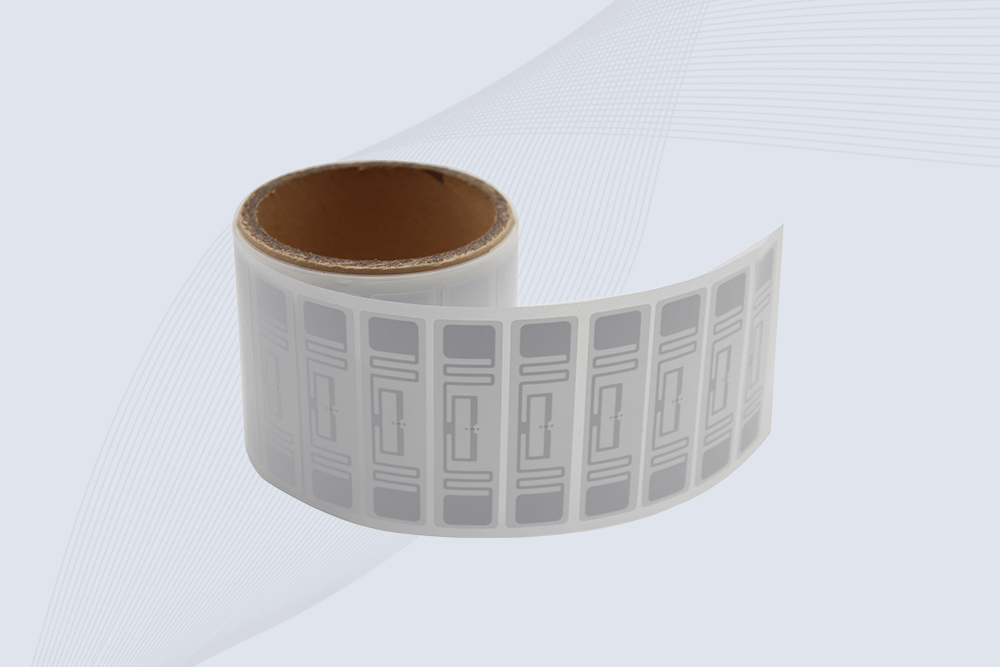
CYKEO RFID Asset Tag is designed for stable identification of metal assets in industrial environments. This UHF RFID Asset Tag is commonly used for rfid tag asset tracking on equipment, tools and containers, providing reliable reads, long service life and ISO/IEC 18000-6C support.

CYKEO UHF RFID Card is designed for fast identification and long-term use in industrial and commercial systems. Supporting ISO 18000-6C, this UHF RFID Card works at 860–960 MHz and is suitable for custom RFID cards used in asset tracking, access control and inventory management.
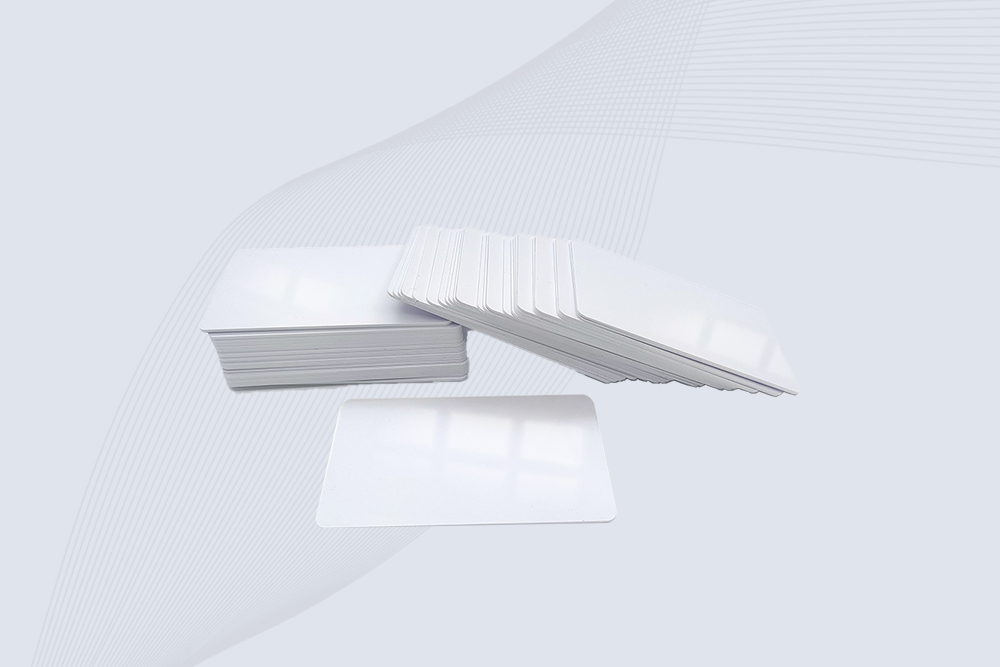
CYKEO HF RFID Cards are designed for secure and stable access control systems. These 13.56 MHz RFID key cards support ISO 14443-A, reliable rewriting and long service life, making HF RFID Cards suitable for offices, campuses, events and membership management.
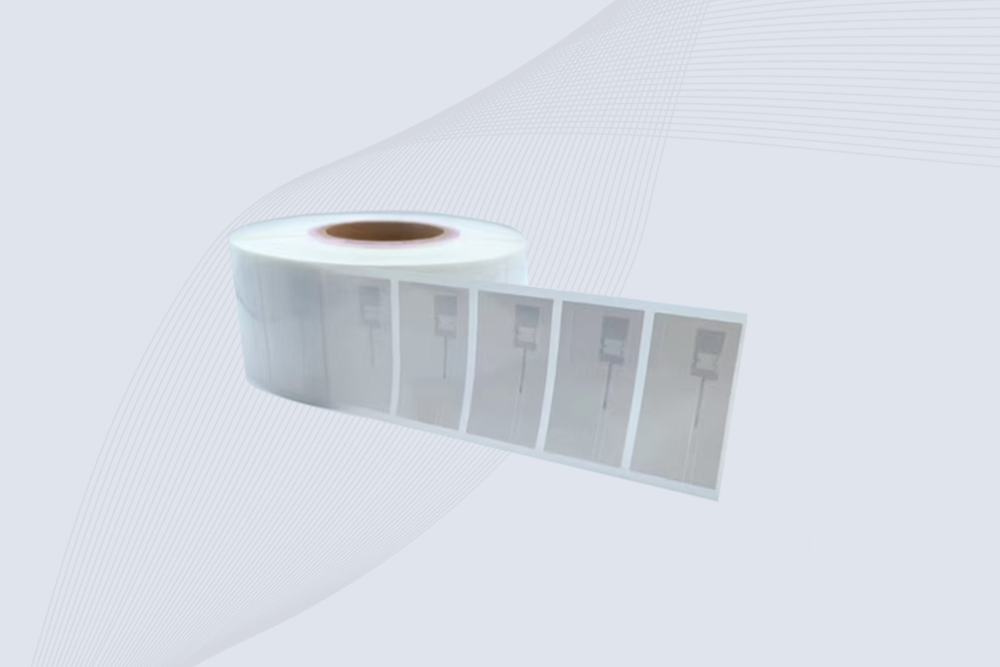
CYKEO UHF RFID Tag is designed for reliable tracking of metal jewelry and high-value items. This Jewelry RFID Tag supports long-range reading up to 8 meters, anti-counterfeit protection and stable performance on metal, making it suitable for retail, inventory control and asset management.
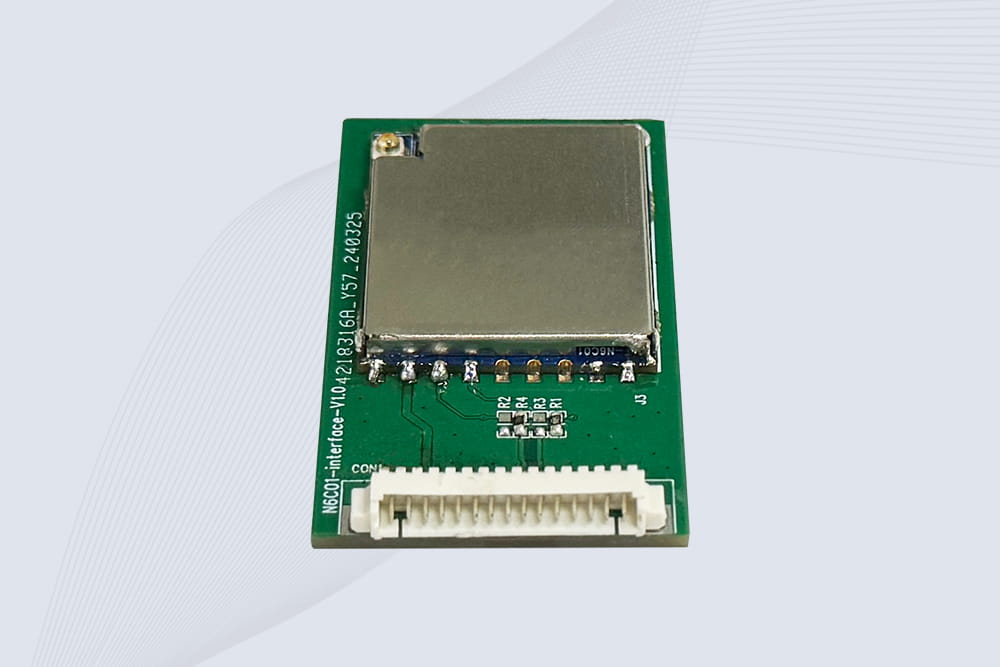
CYKEO Embedded RFID Modules are designed for compact industrial and IoT devices that require stable UHF performance. These UHF RFID Modules support global protocols, flexible power control, and reliable multi-tag reading for smart cabinets, production lines, and asset tracking systems.
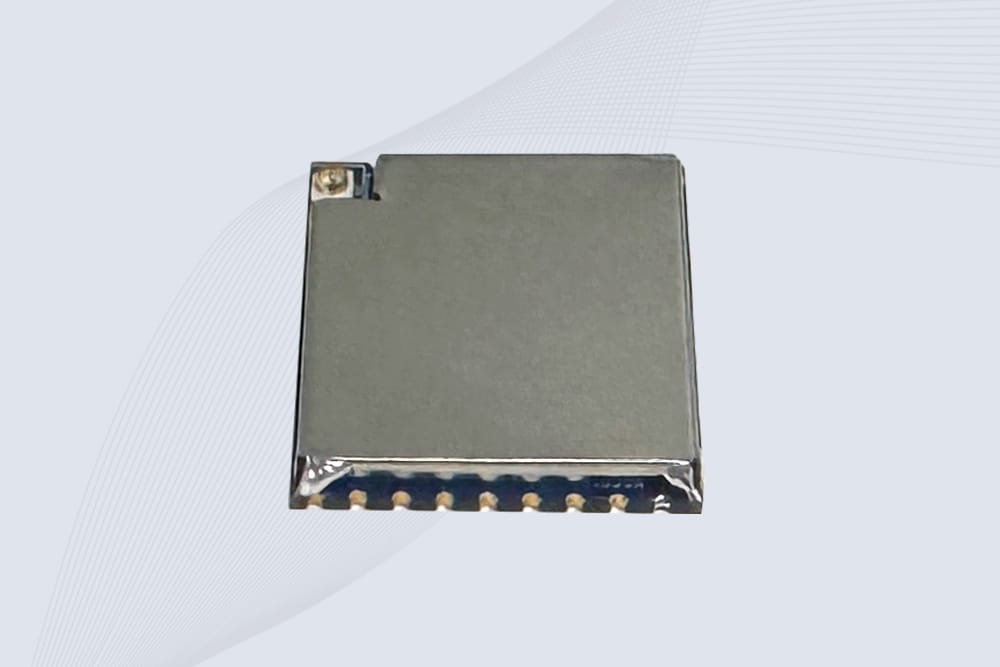
CYKEO Embedded RFID Module is built for compact IoT and industrial devices that need stable UHF performance. This UHF module supports global protocols, low power operation, and reliable multi-tag reading for smart lockers, production lines, and always-on RFID systems.
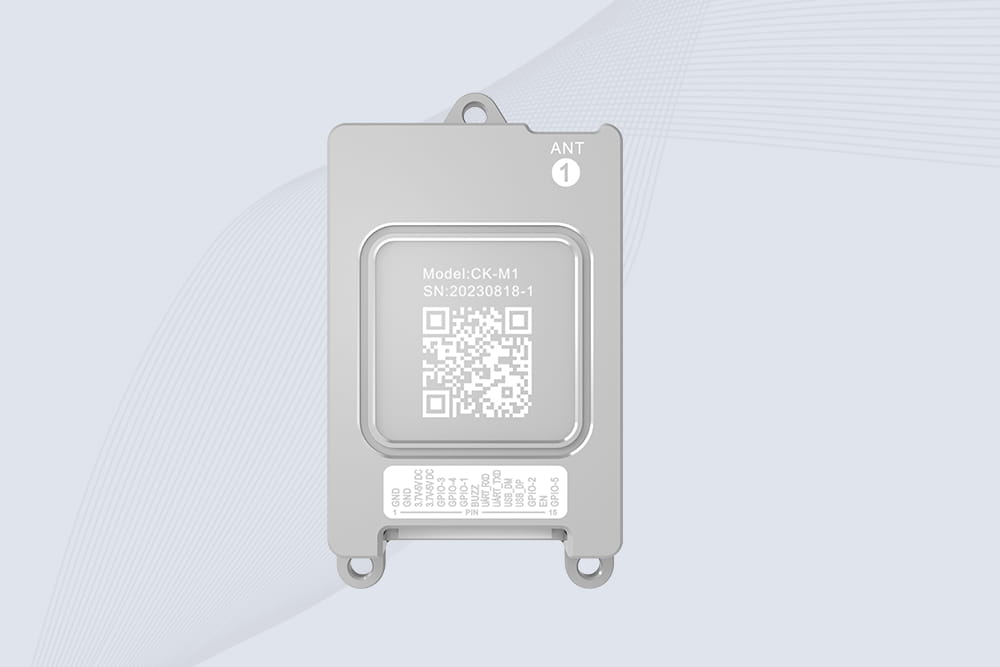
CYKEO CYKEO-M1 drone rfid module is a compact UHF RFID reader module designed for drones and UAV platforms. It supports long-range aerial scanning, fast multi-tag reading, and stable performance in wind, vibration, and outdoor environments.
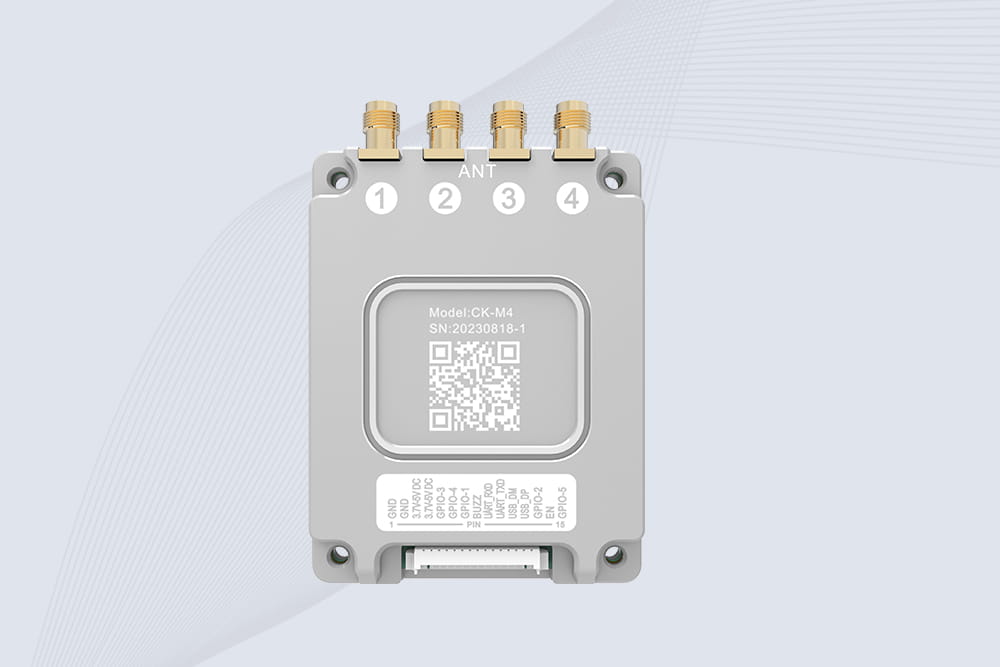
CYKEO CYKEO-M4 RC522 RFID Module is an industrial-grade UHF RFID reader with 4 ports, supporting ISO, EPC, and GB protocols. High-speed, accurate reading for IoT, automation, and warehouse applications.
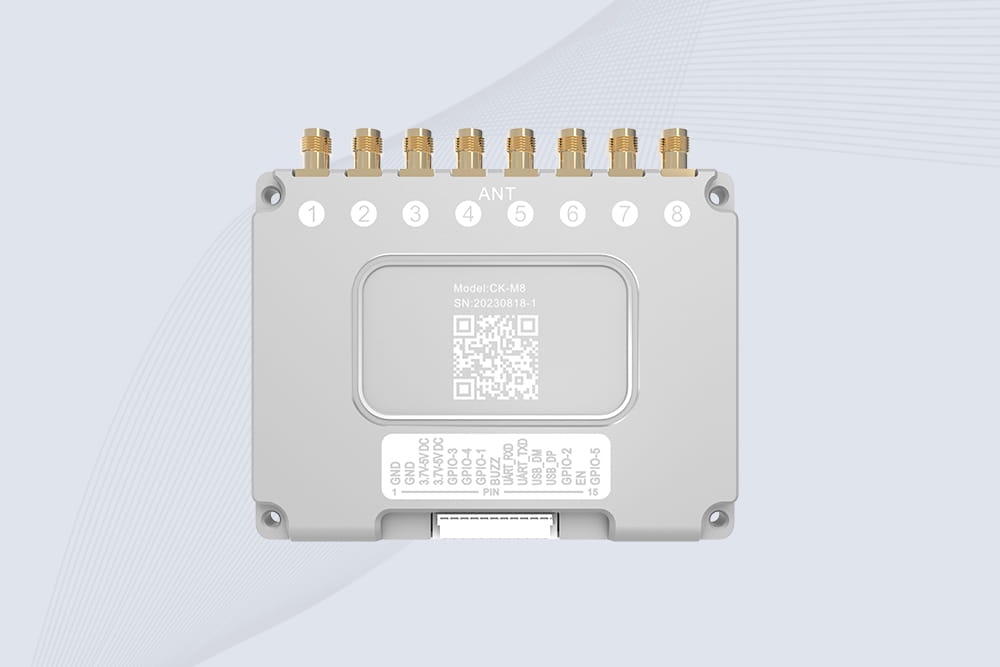
CYKEO CYKEO-M8 Module RFID is an 8-port UHF R2000 RFID Module designed for high-density, multi-tag environments. Stable 33dBm output, ISO & GB protocol support, ideal for warehouses, factories, and automated systems.
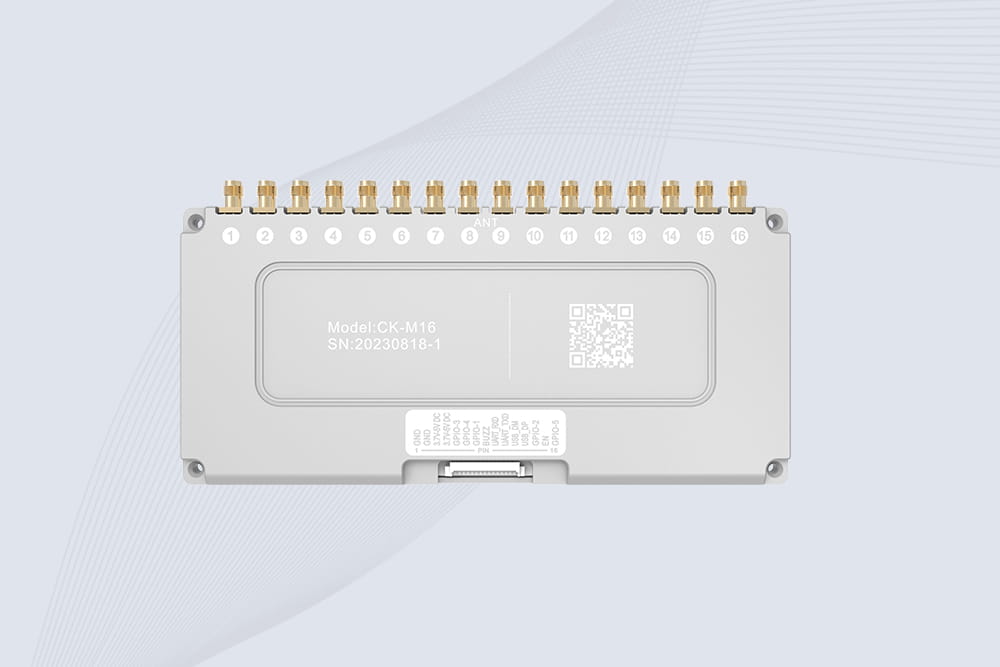
CYKEO CYKEO-M16 RFID Module is a 16-port UHF RFID reader module based on the R2000 chipset. Designed for dense tag environments, it supports ISO and GB standards and delivers stable multi-antenna control for industrial automation.
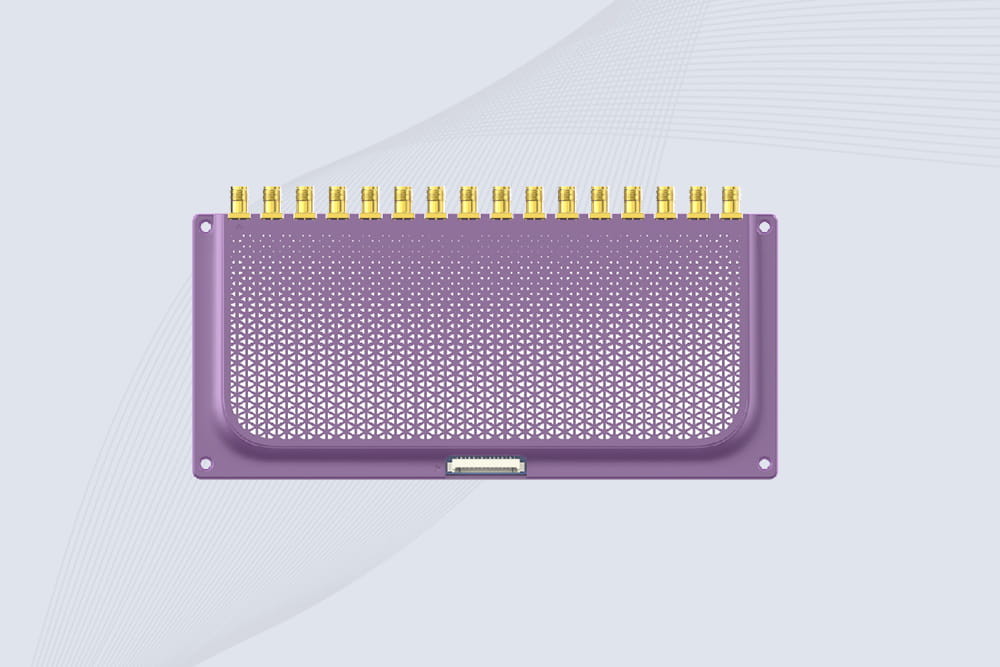
The CYKEO CYKEO-M16L RFID Reader Module is a 16-channel UHF RFID core designed for dense tag environments. With adjustable 33dBm output, multi-protocol support, and stable multi-antenna control, this RFID Tag Reader Module fits industrial automation, warehouse systems, and large-scale IoT deployments.
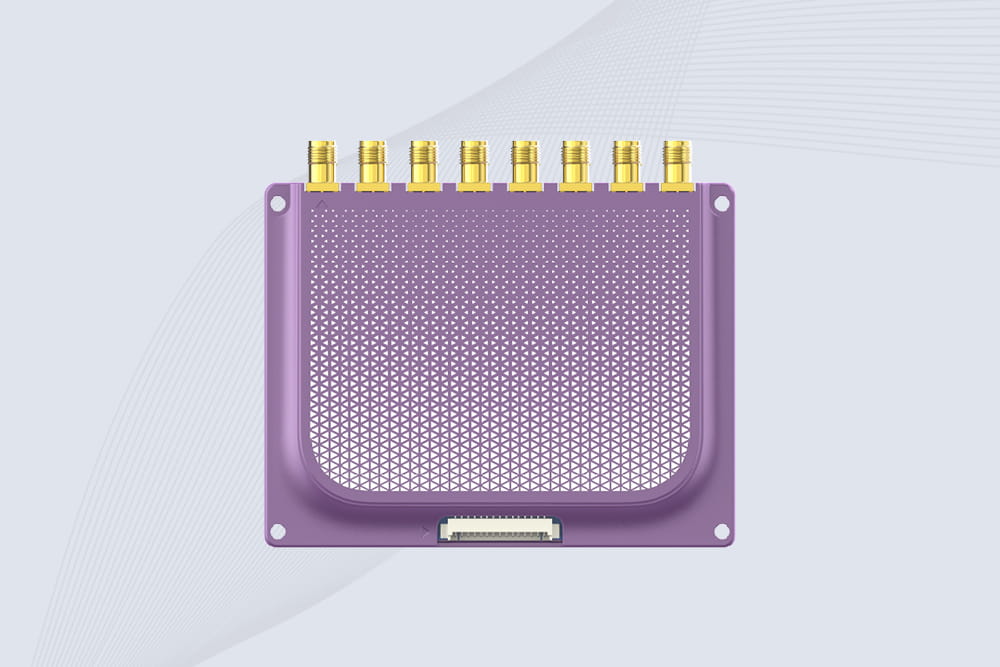
CYKEO CYKEO-M8L module RFID is a compact industrial UHF module built for dense tag and multi-antenna environments. With 8 RF ports, adjustable 33 dBm output, and ISO & GB protocol support, it is widely used in factories, warehouses, and automated tracking systems.
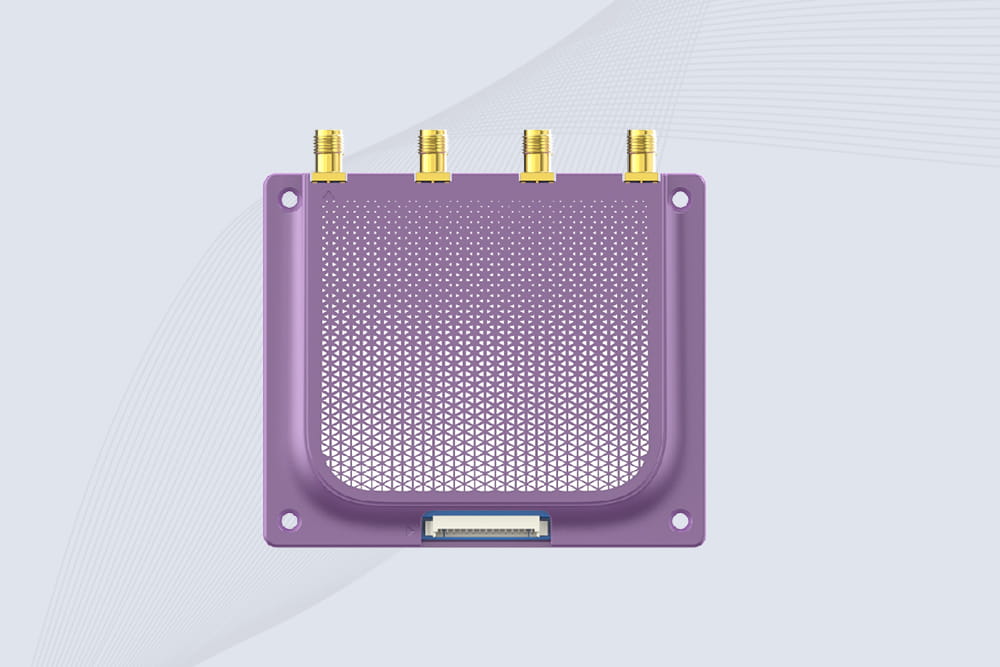
CYKEOCYKEO-M4L UHF RFID Module is a compact 4-channel RFID tag reader module designed for dense tag environments. Supporting ISO and GB protocols, it delivers stable reads up to 10 meters for industrial and IoT systems.
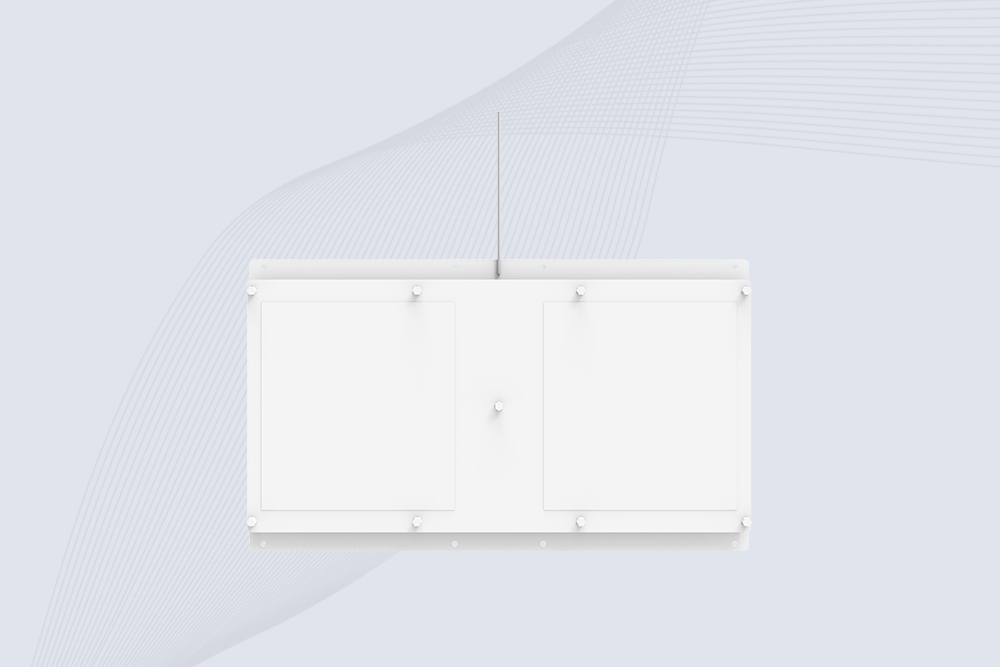
Cykeo CYKEO-A11 UHF RFID reader antenna delivers 11dBi gain, 840-960MHz frequency range, and IP65 ruggedness for retail, logistics, and industrial RFID systems. Features low VSWR and easy installation.

CYKEO Antenna RFID Reader delivers stable long-range UHF performance with a 10.5dBi directional design, built for warehouses, conveyor portals, and industrial RFID systems. This rfid reader antenna provides 20m+ read distance and rugged IP67 protection.

Cykeo CYKEO-PHF3 industrial HF RFID Antenna offers 24-point dynamic tracking, ISO 14443A/15693 protocols, metal-environment stability for archives/libraries/manufacturing.

Cykeo CYKEO-A5B industrial Linear RFID Antenna delivers 5dBi gain, ≤1.5:1 VSWR, and IP65 rugged design for warehouse, production line, and logistics UHF systems.

Cykeo’s CYKEO-B12 Long Range RFID Antenna delivers 15m+ read range with 12dBi gain, IP65 rugged design, and global 840-960MHz UHF support. Ideal for warehouse/logistics asset tracking.
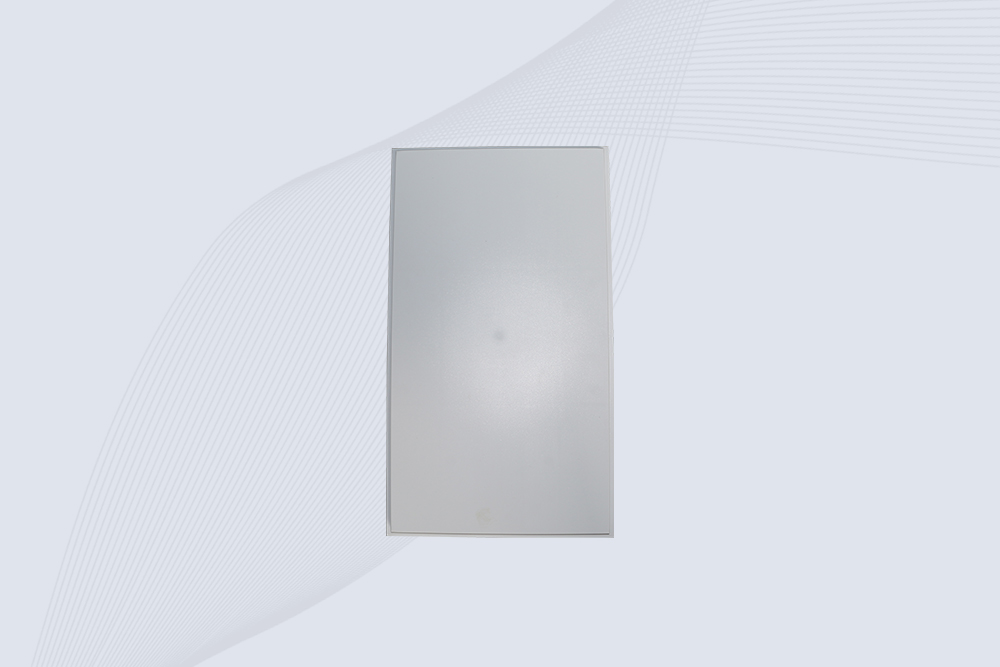
Cykeo CYKEO-B10 Long Distance RFID Antenna offers 10dBi gain, 840-960MHz frequency range, IP65 rating, and 20m+ coverage for logistics/warehousing/ETC systems. Low VSWR ensures stable signal transmission.
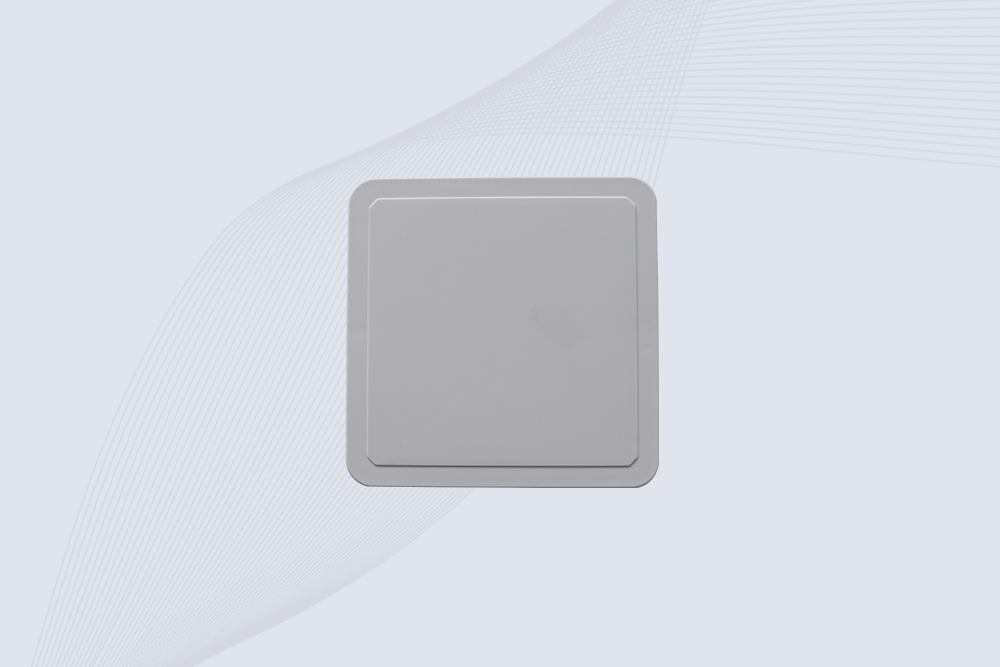
Cykeo CYKEO-A6 UHF RFID panel antenna features 6dBi gain, 840-960MHz broadband, IP65 metal-ready housing for logistics/smart retail. 18mm ultra-thin design with tool-free mounting.

Cykeo CK-A3 industrial antenna RFID UHF offers 5m+ tag detection, ≤1.3:1 VSWR, IP65 rugged design, and global UHF spectrum compatibility (840-960MHz) for warehouses, factories, and retail.
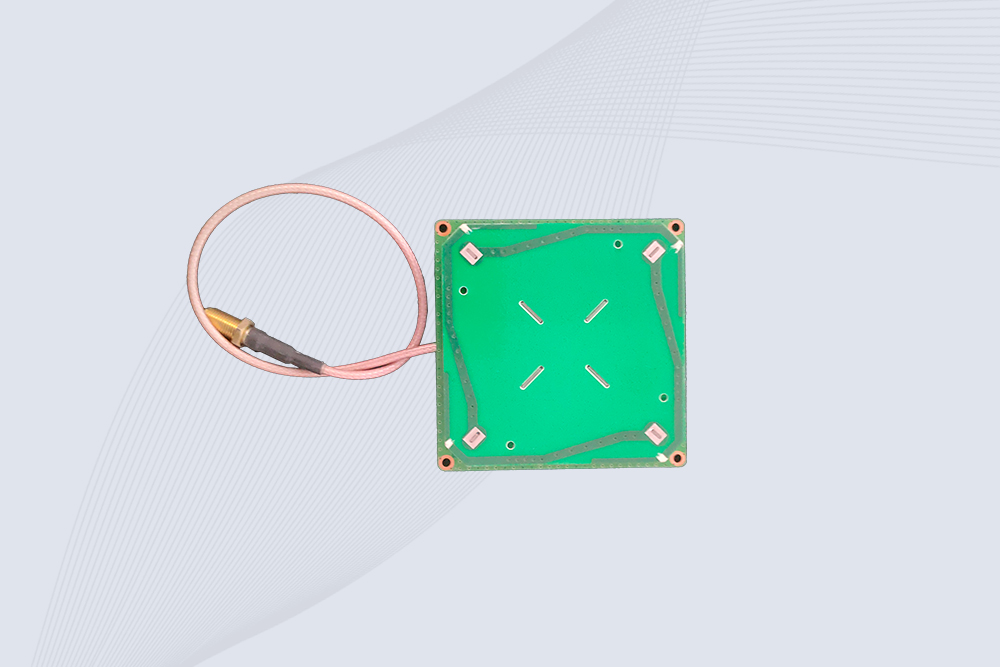
Cykeo CYKEO-B5 directional RFID antenna provides 5dBi gain with 60° narrow beamwidth for precise inventory tracking. IP65-rated, global UHF frequency support, and low VSWR.
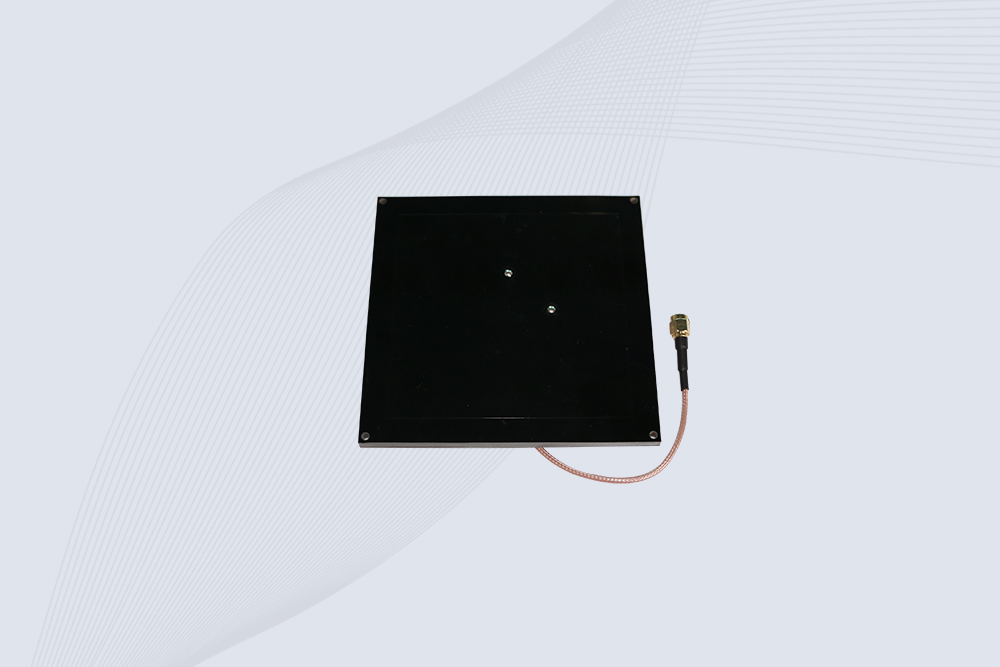
Create your own high-performance DIY RFID antenna! 5dBi gain, 840-960MHz tunable, step-by-step guides. Compatible with Arduino, Raspberry Pi, and commercial UHF readers.
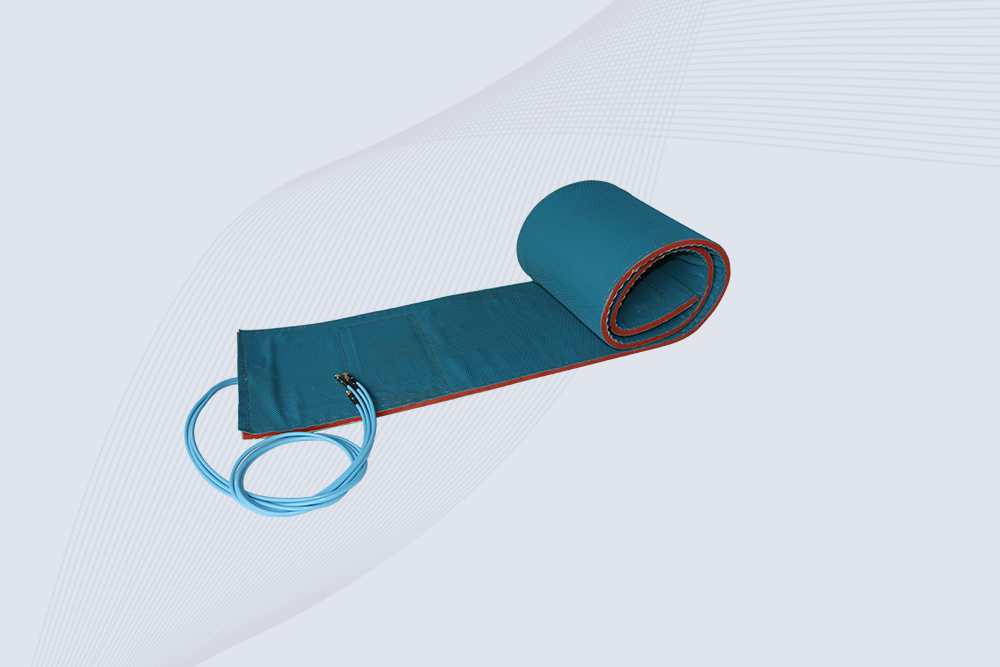
Cykeo CYKEO-A7 Flexible RFID Antenna features 840-960MHz wideband tuning, 7dBi gain, and IP68 rating for medical/retail/industrial curved surface deployments. 98% read accuracy with peel-and-stick installation.

Cykeo CYKEO-B5A industrial Passive RFID Antenna delivers 5dBi gain, 70° beamwidth, and -40°C~55°C operation for warehouses/smart cabinets. Compatible with Zebra/Impinj readers.
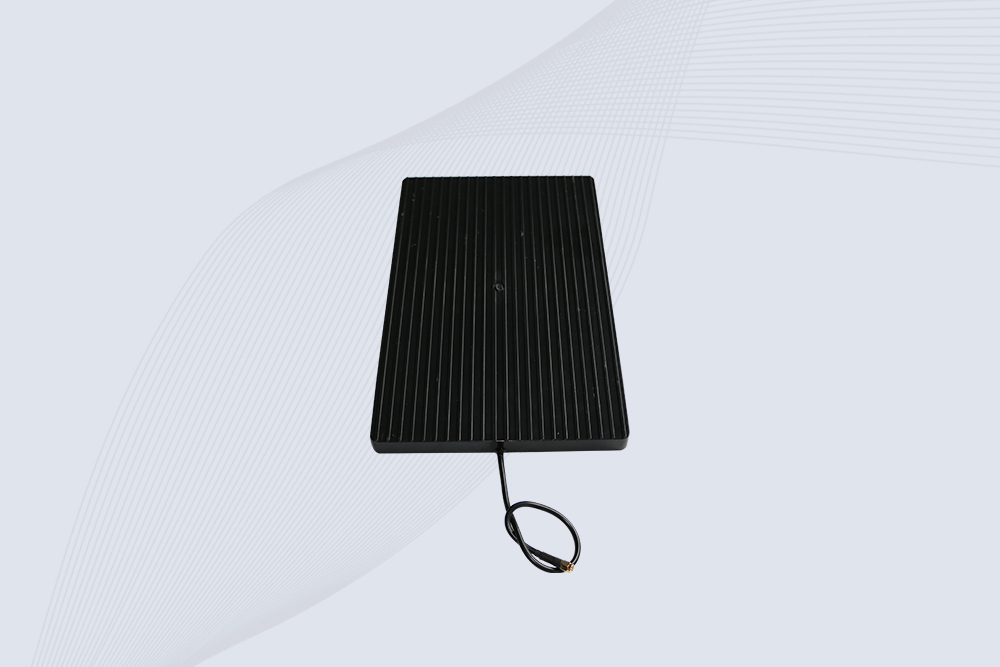
Cykeo’s CYKEO-A9B High Gain RFID Antenna delivers 15m+ read range with 9dBi amplification. Features IP54 rugged design, 840-960MHz bandwidth, and 80° beamwidth for warehouse/manufacturing RFID systems.

Cykeo’s enterprise-grade 8dbi Impinj RFID Antenna 10m+ read range with 840-960MHz tuning. Features IP65 housing, 1.4 VSWR, 35° beamwidth for retail/warehouse RFID systems.
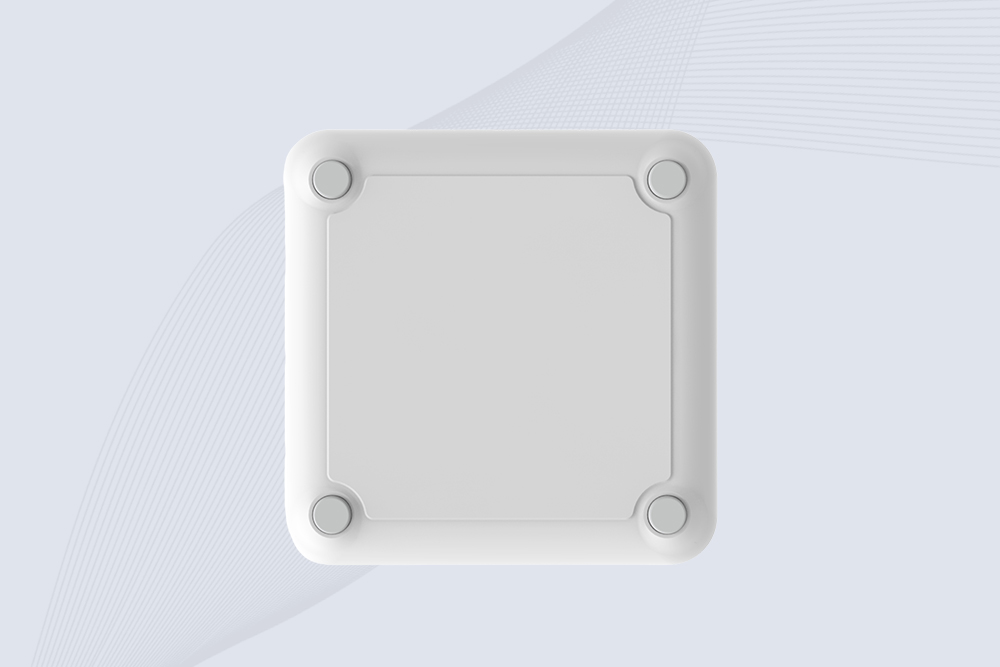
Cykeo CYKEO-A9 industrial UHF RFID antenna delivers 9dBi gain, 840-960MHz frequency range, and IP65 protection for warehouse/logistics/retail RFID systems. Features N-type connector and ≤1.3:1 VSWR.
CYKEO UHF RFID Antenna built for long-distance and industrial applications. This antenna rfid uhf delivers strong gain, outdoor durability, and reliable tag performance in warehouses, yards, and vehicle ID systems.
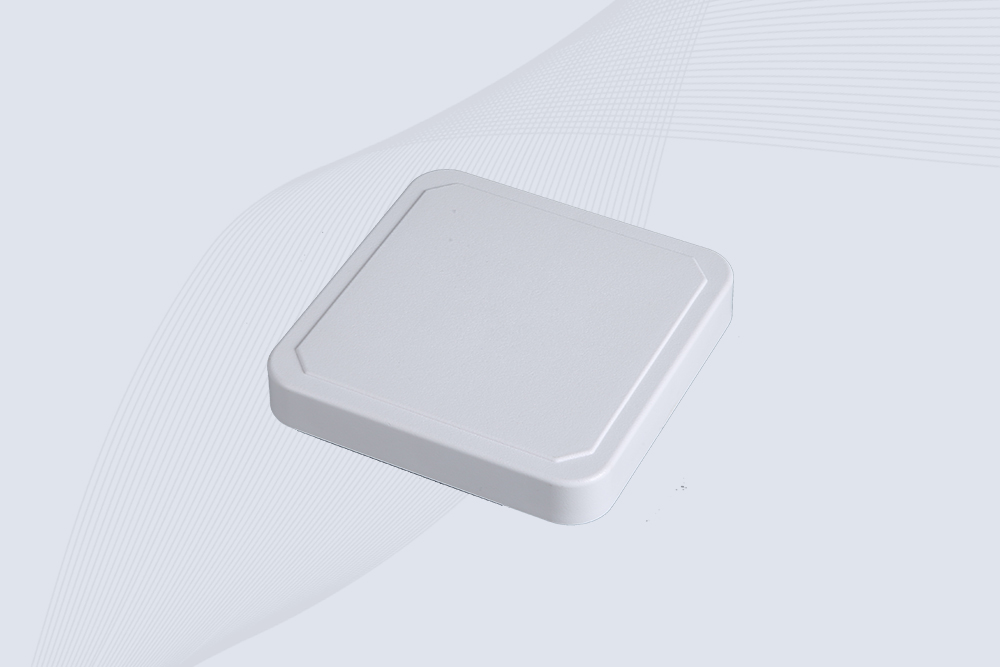
CYKEO Antenna RFID delivers reliable long-range UHF performance in warehouses, retail shelves, and cold-chain environments. This compact uhf rfid antenna provides stable reads with circular polarization and ultra-wide 840–960 MHz support, ideal for industrial tracking, smart shelves, and asset monitoring.
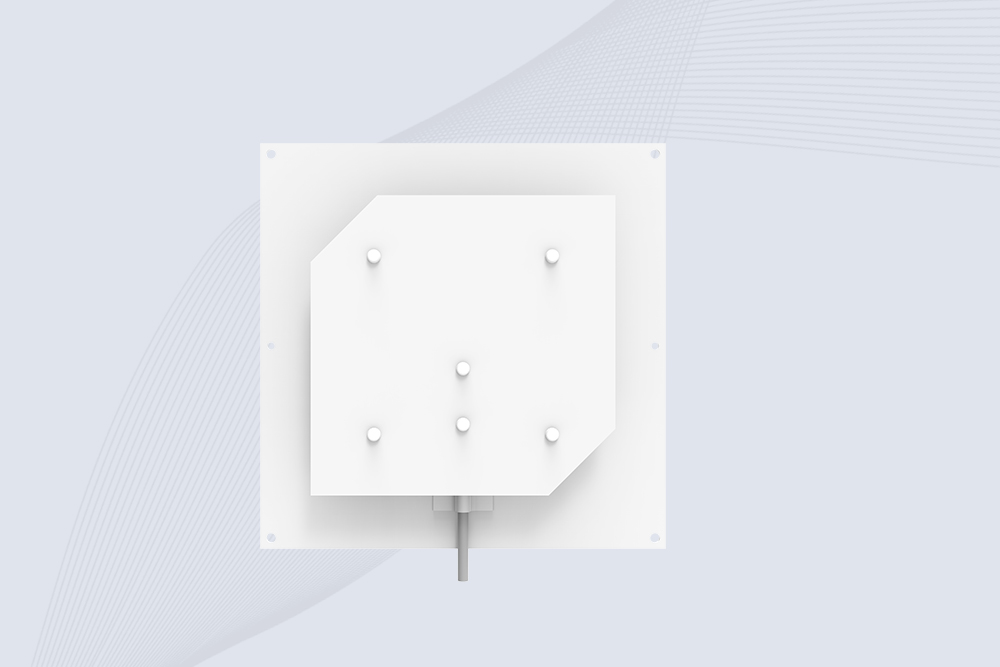
Cykeo’s CYKEO-C8 UHF RFID antennas delivers 8dBi gain, 840-960MHz full-band coverage, and IP65 ruggedness for manufacturing/warehouse RFID systems. Industrial RFID Antennas Features
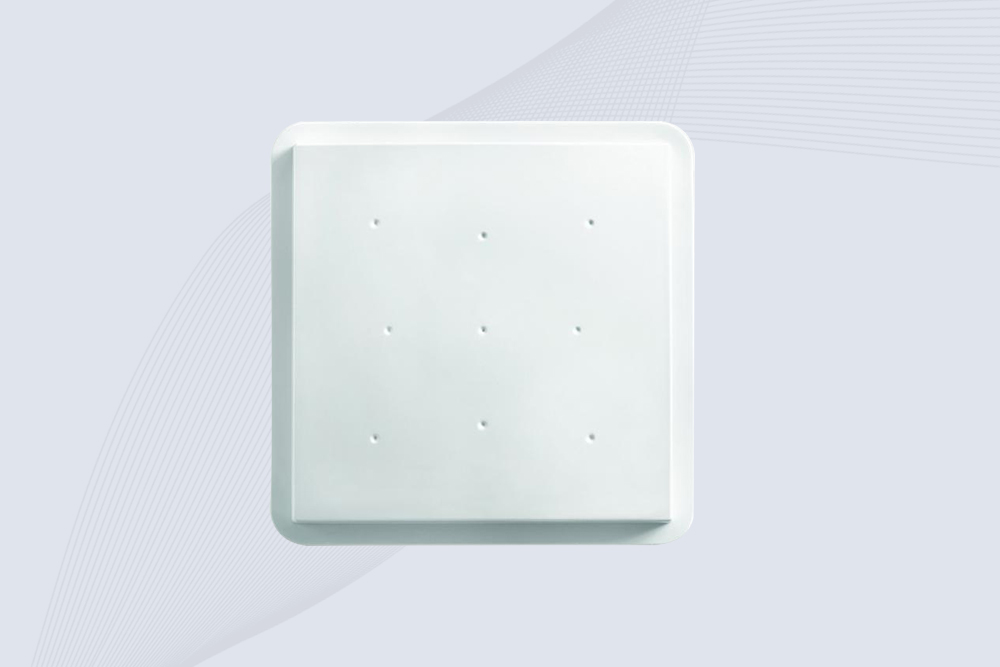
Cykeo’s 8dBi UHF RFID antenna and reader kit delivers 10m+ range, 840-960MHz broadband, and IP65 ruggedness for factories, warehouses, and logistics. ISO 18000-6C & EPC Gen2 certified.
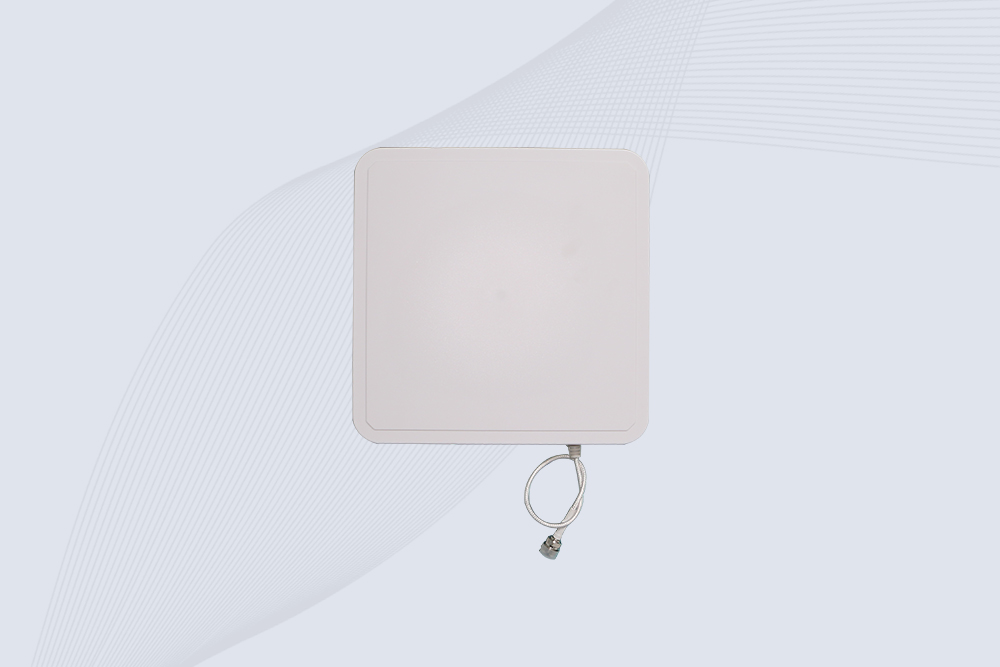
Cykeo CYKEO-A9A industrial UHF RFID reader and antenna kit delivers 10m range, 500 tags/sec, IP65 ruggedness for manufacturing/logistics. Supports EPC Gen2, ISO18000-6C.
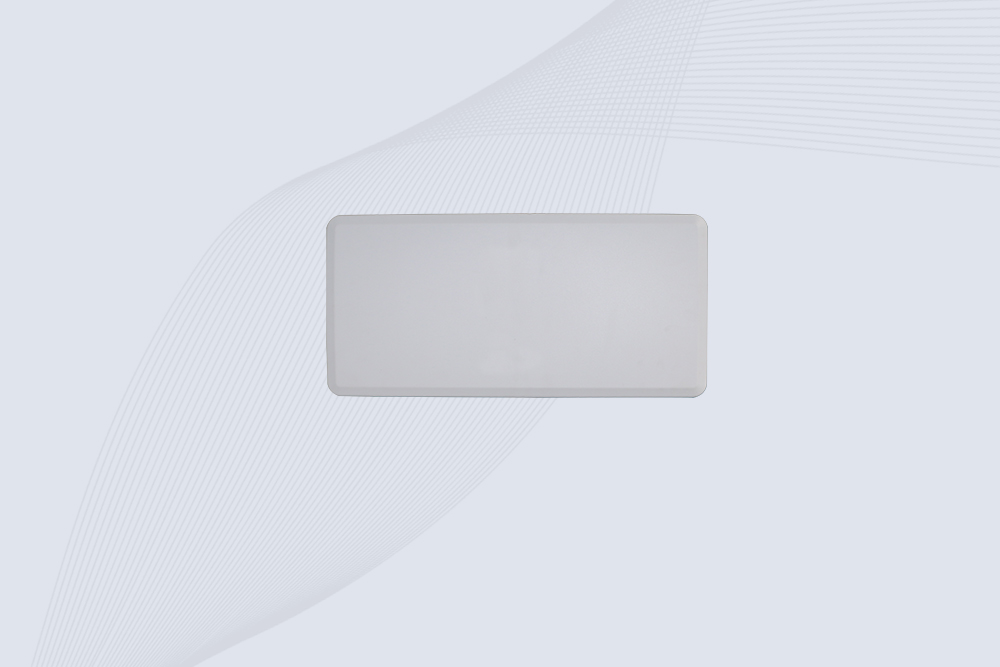
Cykeo’s CYKEO-A12C UHF Large RFID Antenna delivers 12dBi gain, 840-960MHz global frequency, IP65 ruggedness for logistics/warehousing/automotive. 40° beamwidth ensures stable 15m+ tag reads.

CYKEO Near Field RFID Antenna provides precise 5–30 cm reading for shelves, cabinets, and workstations. This compact rfid shelf antenna delivers stable short-range performance around metal and clutter, ideal for pharmacies, libraries, and electronics sorting.
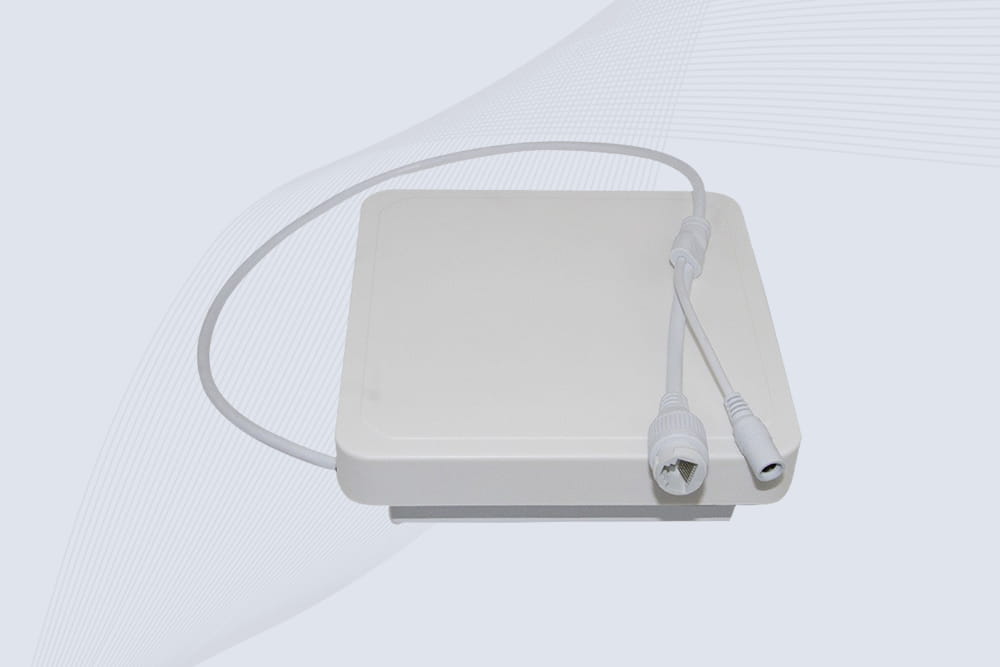
Cykeo’s industrial long range RFID reader delivers 20-meter scanning, 500+ tags/sec speed, and IP67 waterproof design for automated warehouses, logistics, and harsh environment applications.
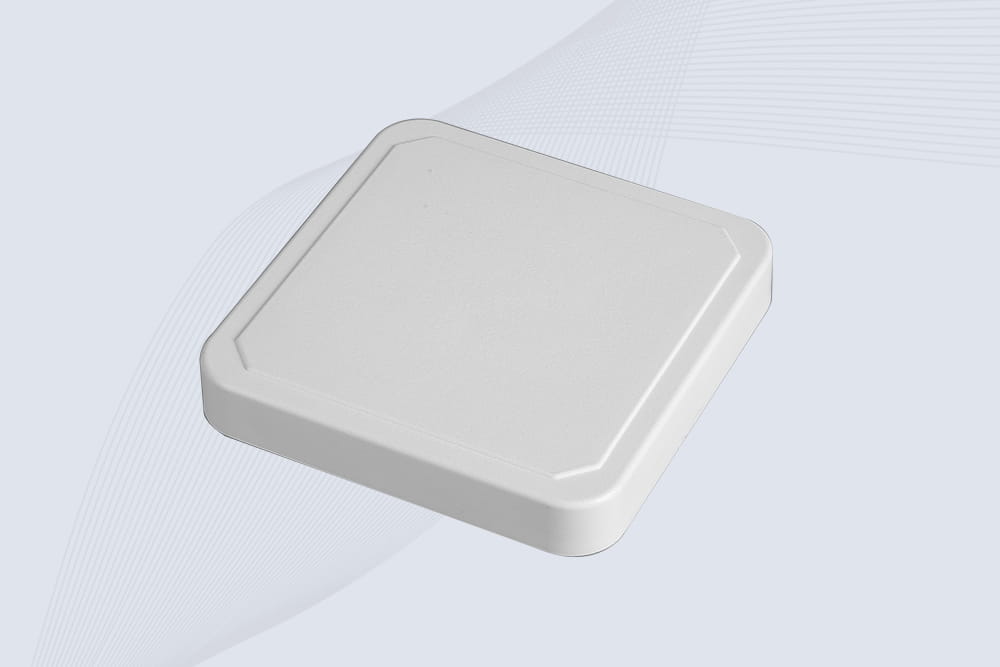
Cykeo’s CYKEO-RA6L industrial RFID long range reader features 20m read distance, 500 tags/sec speed, and IP67 protection. Ideal for warehouse automation, manufacturing WIP tracking, and smart logistics. Supports ISO 18000-6C/6B protocols.
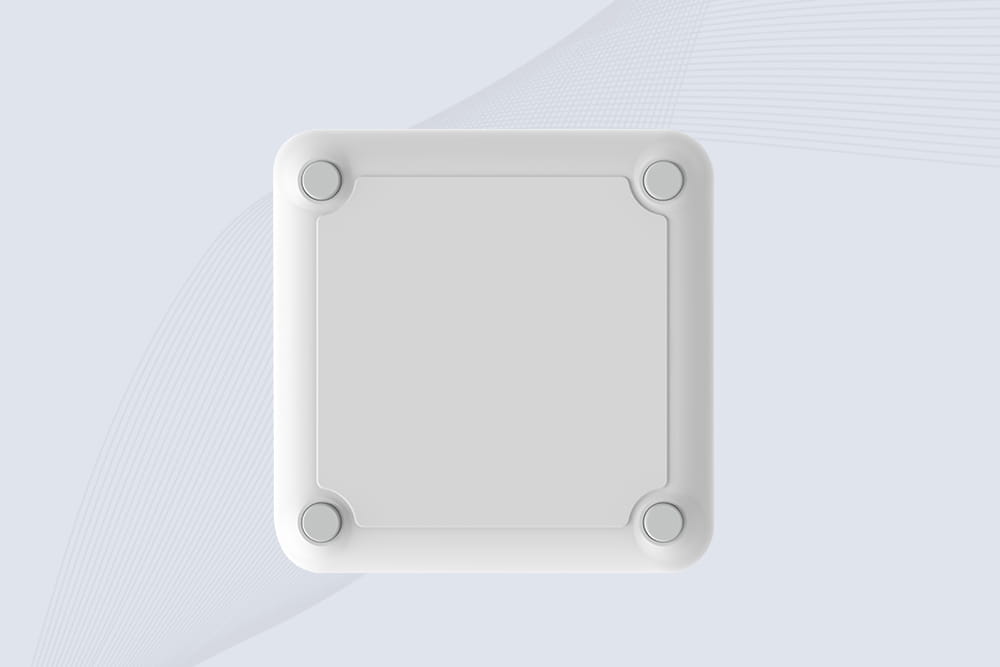
CYKEO Long Range RFID Tag Reader built for outdoor and industrial operations. This Outdoor RFID Reader delivers 20m read distance, fast tag processing, and IP67 durability for wide-area tracking.
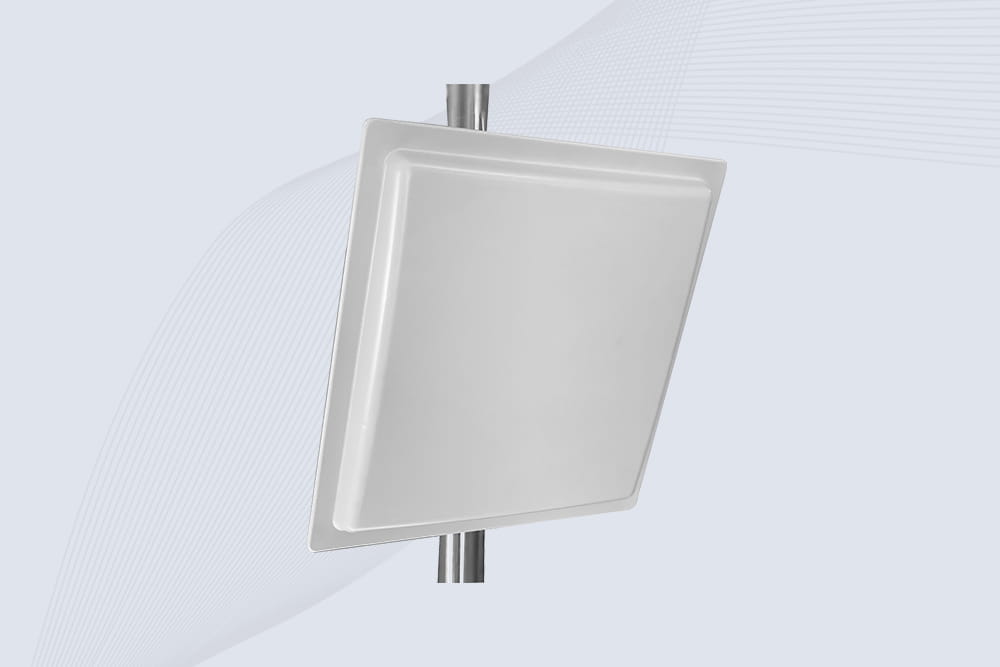
Cykeo CYKEO-RA12L industrial Long Range RFID Reader delivers 20m read range, 200+ tags/sec scanning, and IP67 protection for manufacturing/logistics applications. Supports ISO 18000-6C/GB protocols.
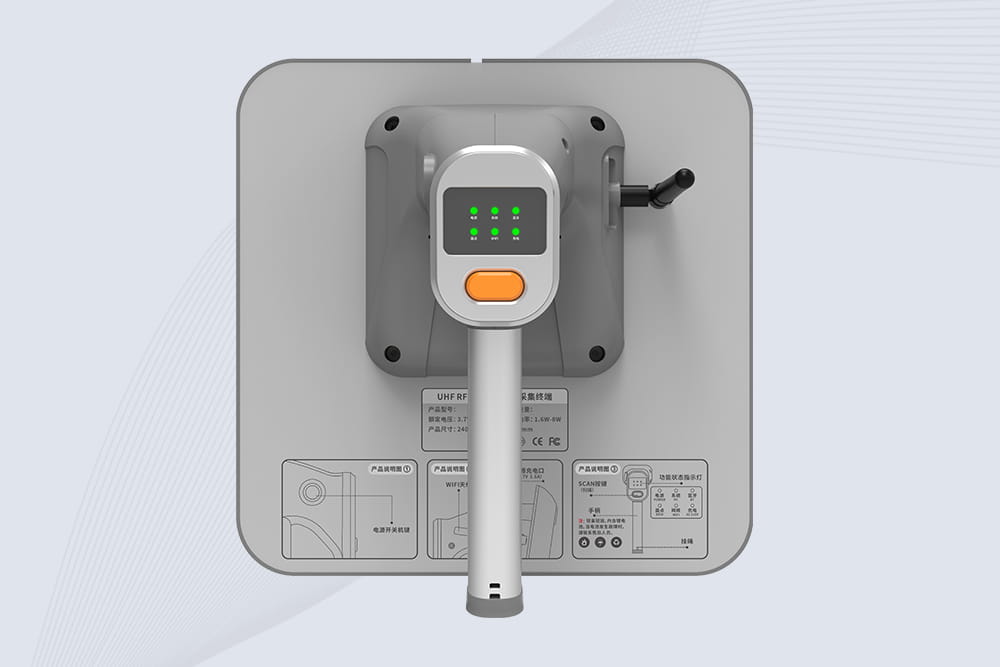
Cykeo CYKEO-B9 UHF Bluetooth handheld RFID scanner features 12m UHF range, 200+ tags/sec scanning, IP67 rugged design for retail/warehouse/pharma. Supports Android SDK & real-time Bluetooth 5.0 transmission.
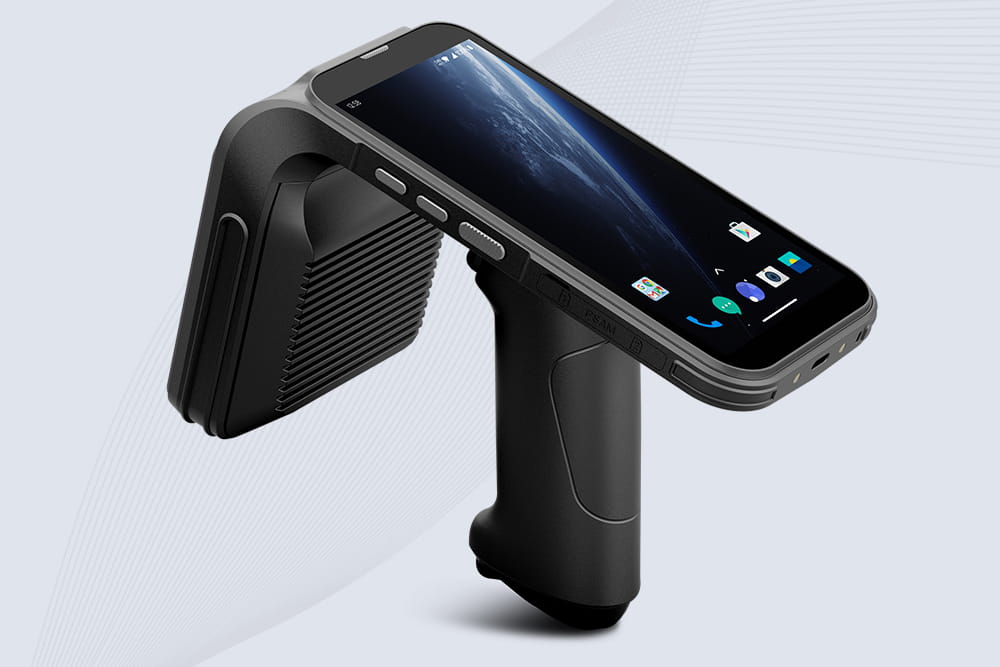
Cykeo CYKEO-B4 UHF Handheld RFID Reader scanner delivers 1300 tags/sec reading, 30m UHF range, and 12-hour battery life. IP65 rugged design with barcode/NFC/ID scanning for retail/manufacturing/logistics.
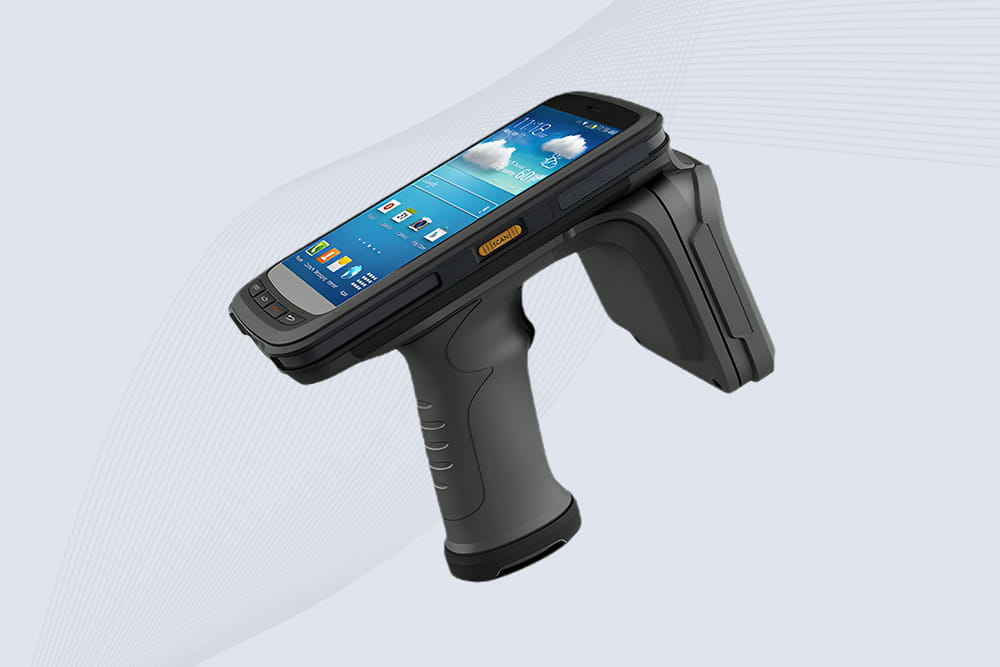
Cykeo CYKEO-B2 industrial UHF RFID handheld offers 10m range, 500 tags/sec scanning, Android 11 OS, and IP65 rugged design for retail/warehouse/manufacturing.

Discover how AI-powered RFID systems achieve 1,000+ tags/second reads. Cykeo breaks down the tech, accuracy, and real-world applications for warehouses and retail.
More
Discover how multi-protocol RFID readers drive retail innovation with unmatched flexibility and efficiency. Explore Cykeo’s cutting-edge retail RFID solutions.
More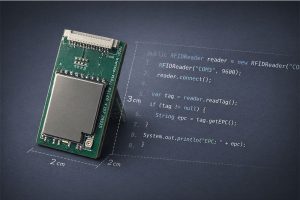
Cykeo UHF embedded RFID modules are designed for developers who need stable performance, clean APIs, and real SDK support. Easy to integrate, predictable in real systems, and ready for custom development.
More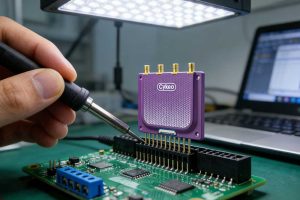
Confused by RFID components? Learn what an RFID module is, how it powers tags and reads data, and why it's the essential building block for access control and tracking systems.
More