 Cykeo RFID IoT Solution Products R&D Manufacturer
What’s the True Cost of an RFID Reader System? (Breakdown Included)
1207What’s the true cost of an RFID reader system? We break down hardware, software, and hidden expenses—plus how Cykeo’s solutions maximize ROI.
MoreAll RFID Product
If you’ve ever spent a full day inside a warehouse during inventory counting, you probably know one thing: it’s rarely as organized as spreadsheets make it look.
Boxes move. Pallets get relocated. Someone scans the wrong label. And somehow, when the numbers finally go into the system, something still doesn’t add up.
I remember visiting a mid-size warehouse a couple of years ago. They were running a quarterly inventory audit. Five workers, barcode scanners in hand, moving slowly down the aisles. By late afternoon everyone looked exhausted — and they still had two rows left.
That’s the moment the operations manager said something interesting:
“Counting inventory shouldn’t feel like this.”
A few months later, they switched to portable RFID scanners. The difference wasn’t just speed — it changed how the entire counting process worked.
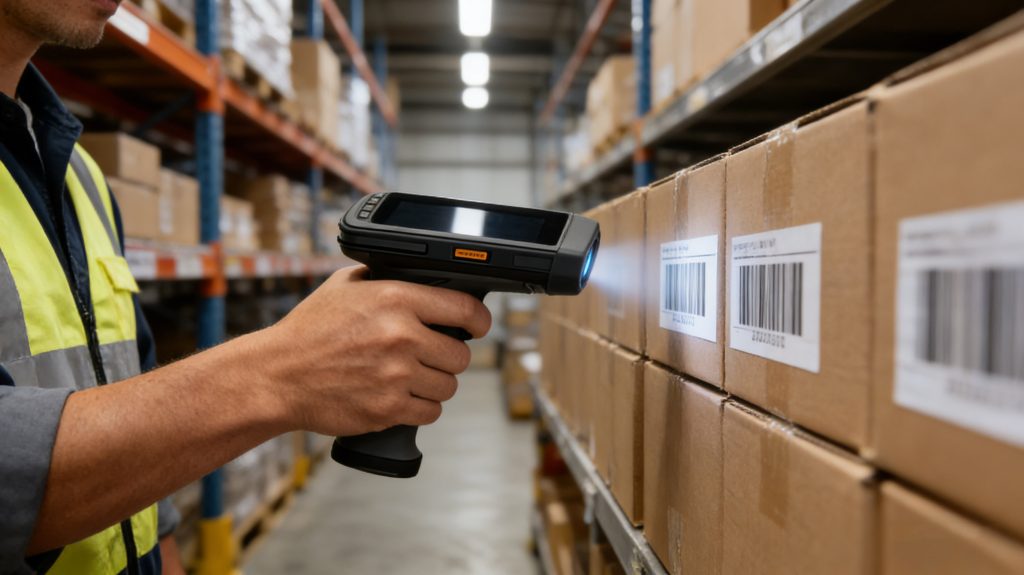
Barcode systems are reliable. They’ve been around for decades, and most warehouses understand how to use them.
But they also come with some built-in limitations that show up when operations scale.
The biggest one is line-of-sight scanning. Every barcode has to be visible. Every item needs to be scanned individually. When a pallet holds dozens of cartons, that’s dozens of scans.
Multiply that by thousands of products and you start to see the problem.
Workers get tired. Some labels are hidden. A few scans are missed. None of these issues are dramatic on their own, but together they slowly introduce inventory errors.
And those errors usually appear at the worst time — when a customer order can’t be fulfilled because the system says the product is there, but the shelf is empty.
Portable RFID scanners approach the same problem in a completely different way.
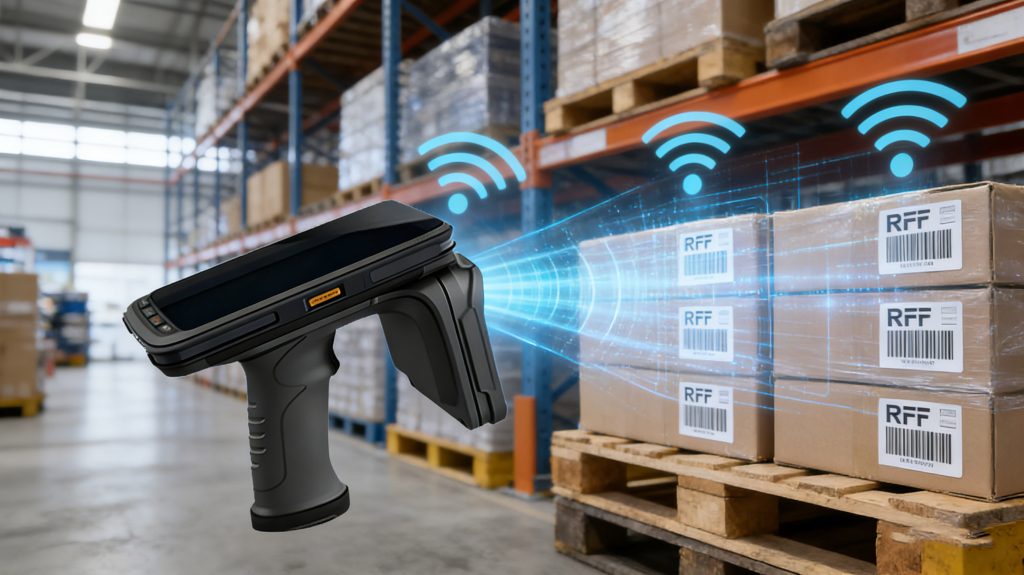
Instead of scanning visible labels one by one, RFID readers detect radio signals from RFID tags. A handheld reader can capture multiple tags simultaneously — sometimes dozens within a second.
That means workers don’t need to aim at each item.
In many warehouses, a worker can simply walk past a rack while the scanner collects tag data automatically. The reader picks up nearby tags and sends the information to the inventory system.
The first time people see this happen, it feels almost strange. After years of scanning individual barcodes, watching an entire shelf get counted in seconds feels like skipping steps.
But it works.
One of the more interesting changes RFID brings is how warehouses handle cycle counting.
Traditional inventory audits are disruptive. Teams often block off areas, pause picking operations, and run large scheduled counts.
With portable RFID scanners, many warehouses stop doing those big counts entirely.
Instead, they switch to continuous cycle counting.
Workers can scan sections of the warehouse during normal shifts — maybe one aisle today, another tomorrow. Because scanning is so fast, these checks take only a few minutes.
Over time, the warehouse maintains accurate inventory without needing those painful all-day audits.
I’ve seen managers describe this shift as moving from “inventory correction” to “inventory monitoring.”
Human error is unavoidable when people repeat the same task thousands of times.
Barcode scanning requires constant attention: point, align, scan, repeat.
Portable RFID scanners remove a lot of that repetition.
Because the reader automatically detects nearby tags, workers are less likely to miss items. The system collects multiple tag IDs in one pass.
Some RFID systems even provide instant discrepancy alerts. If the scanned inventory doesn’t match the expected quantity, the system flags it immediately.
That feedback loop helps teams catch problems earlier instead of discovering them during large audits.
Another benefit that often gets overlooked is data timing.
In traditional workflows, barcode scan data may not reach the warehouse management system until later — sometimes at the end of a shift.
With portable RFID scanners, the data can sync instantly through wireless networks.
This gives warehouse managers a much clearer picture of what’s happening on the floor.
Instead of asking, “What did inventory look like yesterday?” they can see what’s happening right now.
For operations teams juggling fast-moving orders, that kind of visibility is extremely useful.
In practice, RFID scanners usually support several warehouse tasks.
When shipments arrive, workers can quickly confirm that the correct items were delivered.
Instead of opening boxes and scanning individual labels, a handheld reader can verify the tagged items in seconds.
This is where RFID often delivers the biggest efficiency gain.
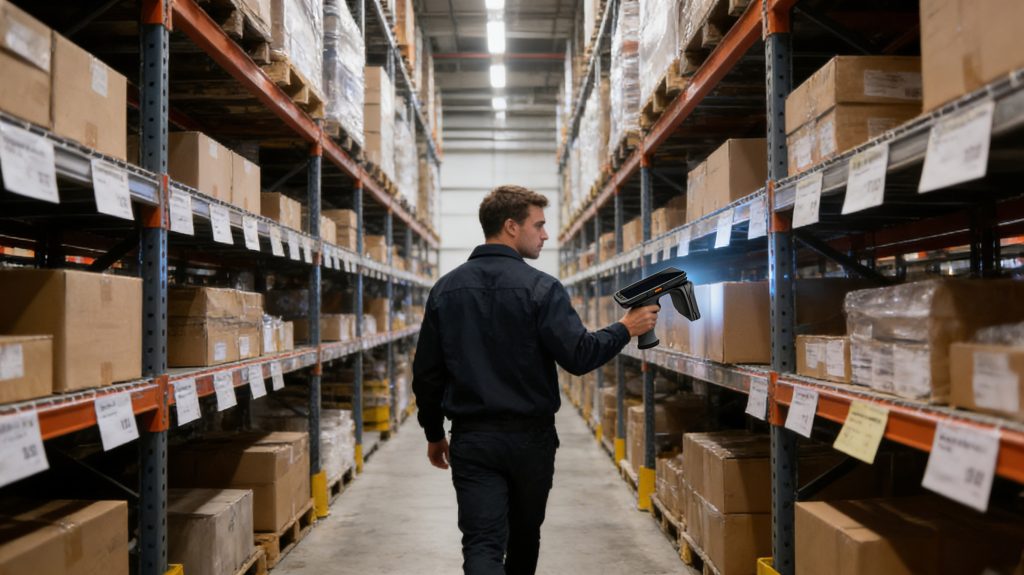
Workers simply walk along shelves while scanning, collecting inventory data continuously.
A process that used to take hours can often be done in minutes.
Before an order leaves the warehouse, workers can scan the items to confirm that the correct products were picked.
RFID makes these checks quick enough to fit into normal workflows.
Some warehouses also tag internal assets — things like containers, pallets, or forklifts.
Portable scanners help staff locate equipment quickly, especially in larger facilities.
Not every handheld RFID reader is suitable for warehouse environments.
A few features make a big difference in real operations.
Reading range is one of them. Most warehouses use UHF RFID scanners that can read tags several meters away.
Battery life matters too. A scanner that dies halfway through a shift quickly becomes frustrating for workers.
Durability is another factor. Warehouse equipment inevitably gets dropped, bumped, and exposed to dust. Devices built for industrial use tend to last much longer.
And finally, software compatibility is critical. If the scanner doesn’t integrate well with the warehouse management system, the data becomes harder to use.
Despite the benefits, RFID isn’t always the right solution.
Very small warehouses with limited inventory might not see a big advantage over barcode systems. In those environments, the cost of RFID tags and readers may outweigh the efficiency gains.
But once operations grow — especially when inventory counts reach thousands of items — manual scanning starts to slow things down.
That’s usually the point where RFID becomes worth considering.
When people talk about RFID, they often focus on speed.
And yes, portable RFID scanners are much faster than barcode scanners.
But the real benefit is something slightly different.
RFID gives warehouses better visibility into their inventory.
Instead of discovering problems during occasional audits, teams can monitor inventory continuously. Discrepancies appear earlier, and they’re easier to fix.
For warehouses trying to operate faster while maintaining accuracy, that shift makes a noticeable difference.

CYKEO CYKEO-D1LA USB RFID Reader is a compact desktop solution with near-field control for precise tag reading and encoding. Powered by USB, supporting ISO 18000-6C, and built for stable batch writing, this usb rfid tag reader fits retail, libraries, offices, and controlled RFID encoding tasks.
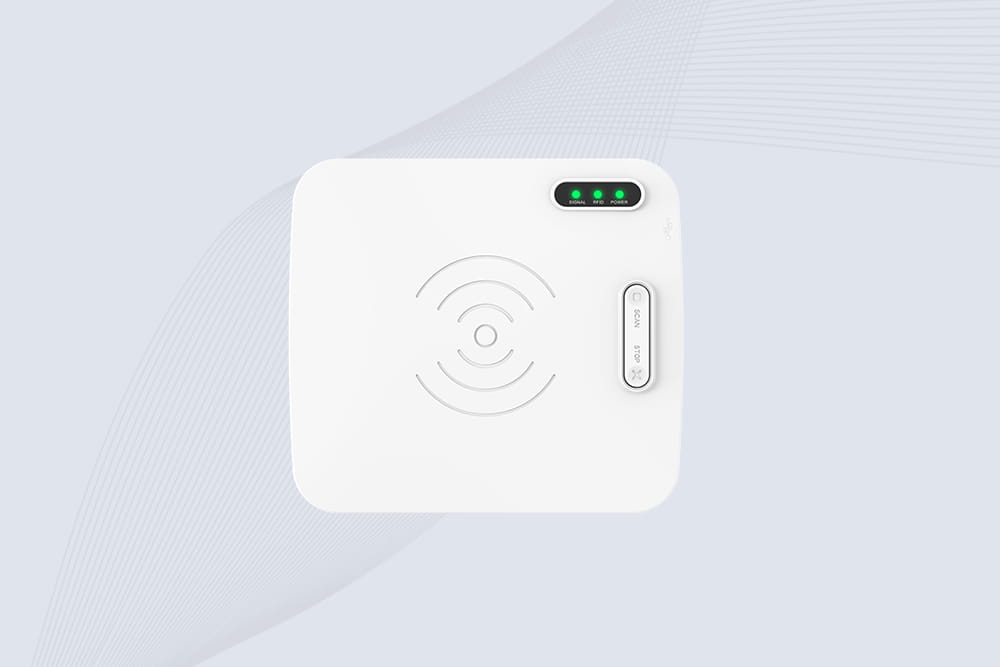
CYKEO CYKEO-D1L RFID scanner USB is a compact desktop UHF RFID scanner designed for short-range tag writing and verification. This usb rfid scanner supports batch encoding, stable 0–26 dBm output, and works across Windows, Linux, and Android systems.
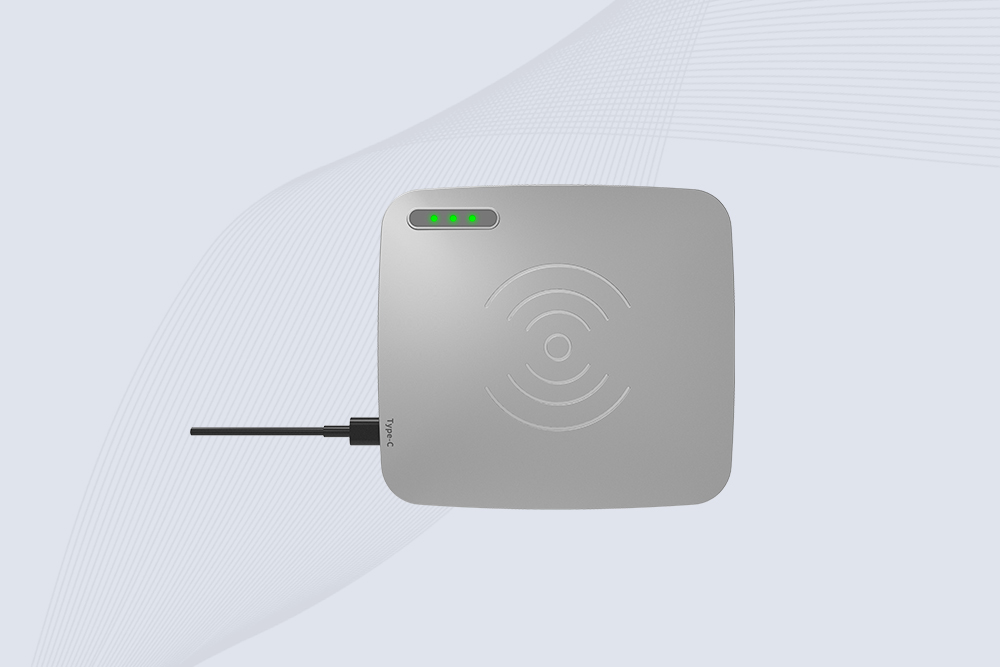
CYKEO CYKEO-D1C USB RFID Card Reader is a near-field UHF desktop writer designed for secure, short-range tag encoding. With USB-C connectivity and stable 26 dBm output, this rfid reader usb c is ideal for badge issuance, label encoding, and controlled desktop RFID workflows.
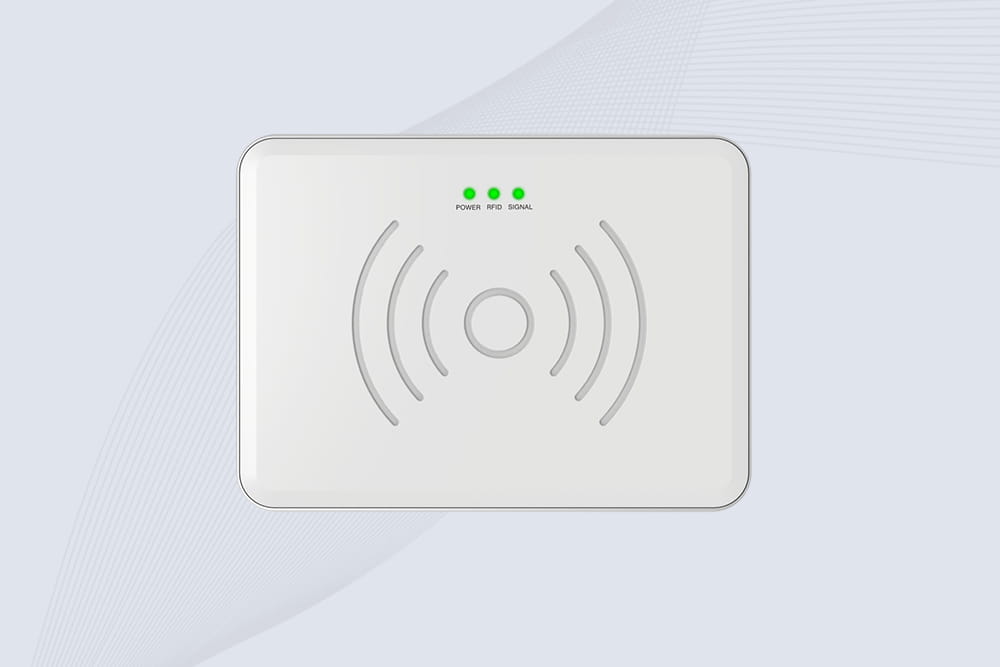
CYKEO CYKEO-D2L RFID Reader USB is a compact desktop encoder built on the Impinj R500 chip. With near-field control and stable USB power, this usb rfid card reader delivers precise tag writing for offices, retail counters, and small-scale logistics encoding tasks.
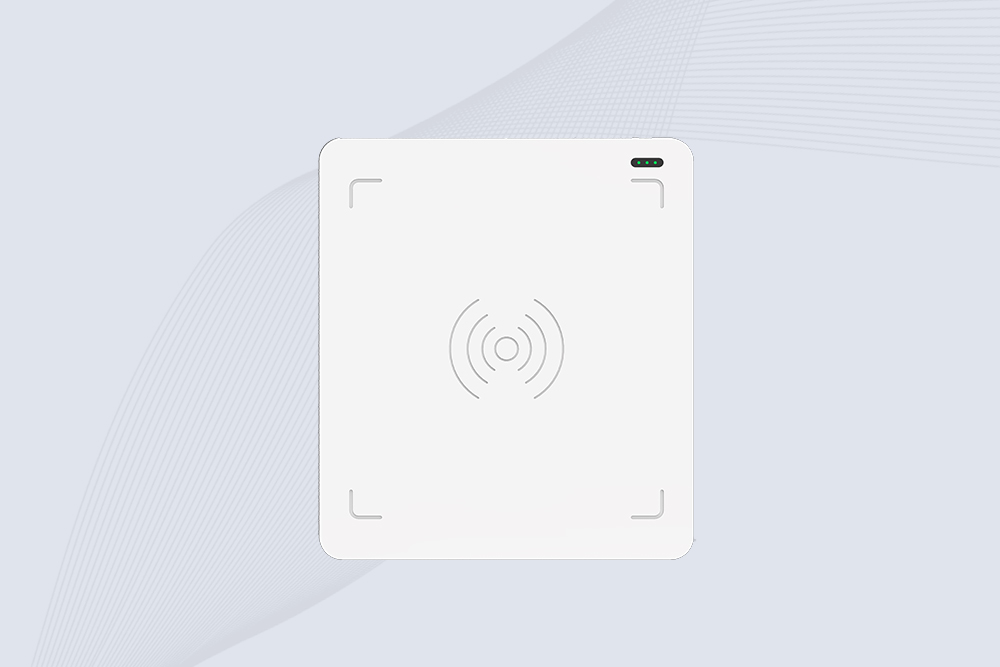
CYKEO CYKEO-D3L USB RFID Tag Reader delivers stable UHF tag reading and writing for daily desktop and light industrial tasks. Designed for controlled short-range operation, this USB RFID Tag Reader works reliably with rfid tag and reader systems in libraries, tool tracking, and inventory registration.
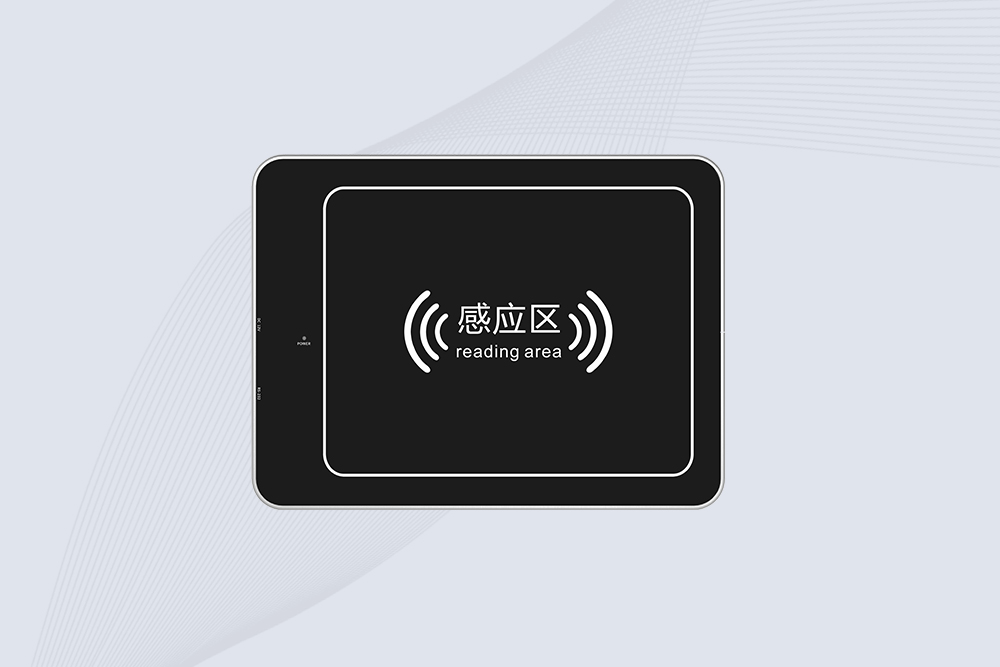
The CYKEO CYKEO-D4L UHF RFID Tag Reader is a stable Desktop RFID Reader designed for accurate tag registration, borrowing, and return workflows. Built with the Impinj R2000 chip, this UHF RFID Tag Reader delivers controlled short-range reads for libraries, asset tracking, and inventory management environments.
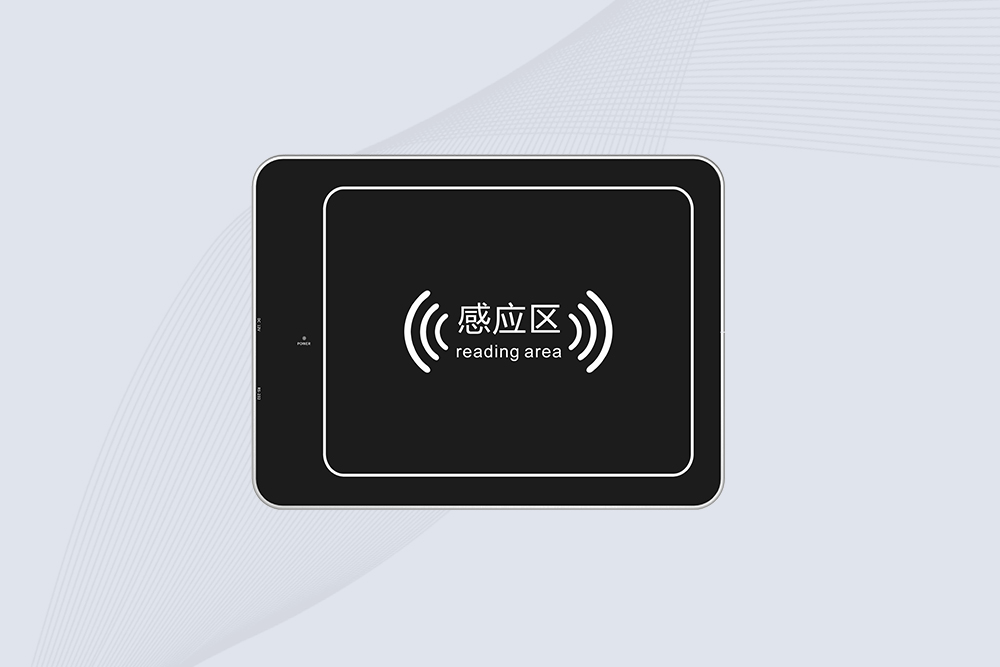
The CYKEO CYKEO-D5L Desktop RFID Card Reader is a stable UHF RFID Card Reader designed for controlled short-range reading and writing. Built for libraries, tool rooms, and asset desks, this UHF RFID Card Reader supports dense tag handling, secure data processing, and easy USB integration.
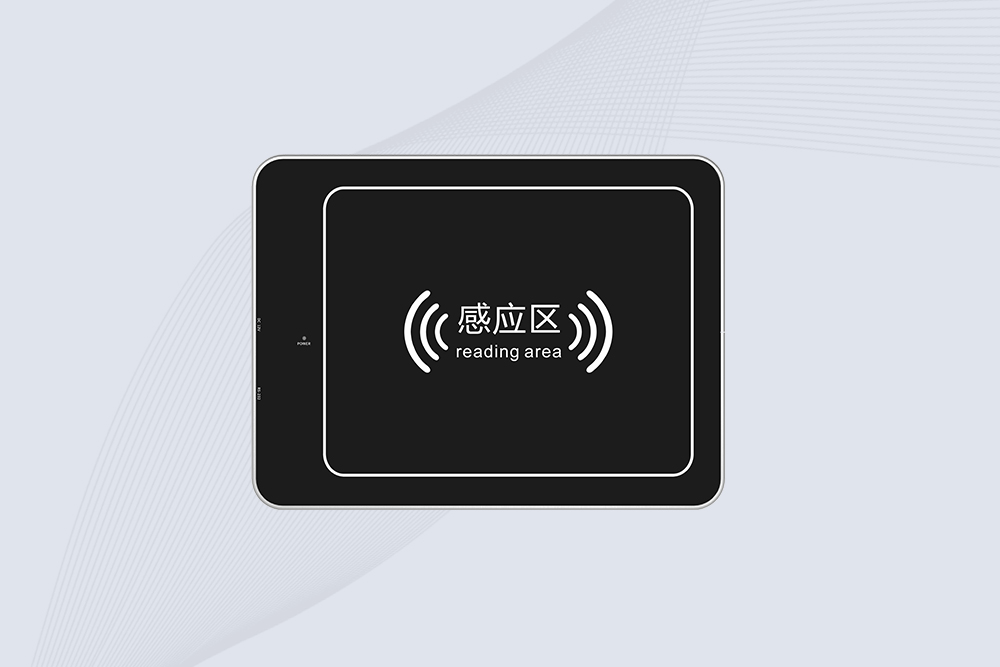
The CYKEO CYKEO-D6L RFID Reader Writer is a heavy-duty Desktop RFID Reader designed for short-range, high-accuracy tag programming. Built for libraries, labs, and asset desks, this RFID Reader Writer supports batch processing, stable 33dBm output, and seamless integration with existing management systems.
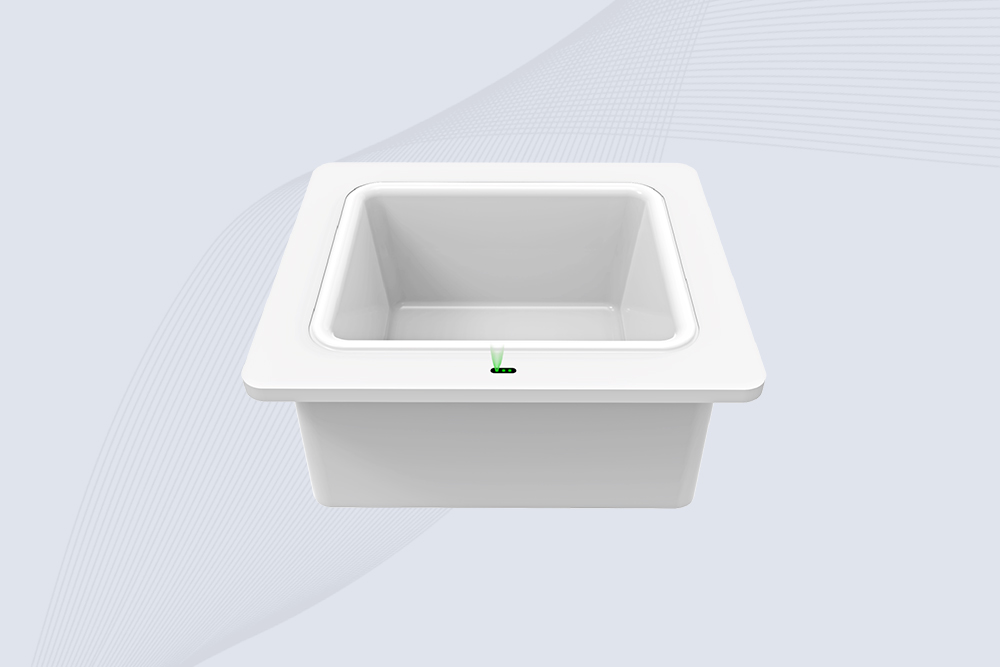
Cykeo CYKEO-D8B UHF RFID tunnel features 30+ items batch reading,
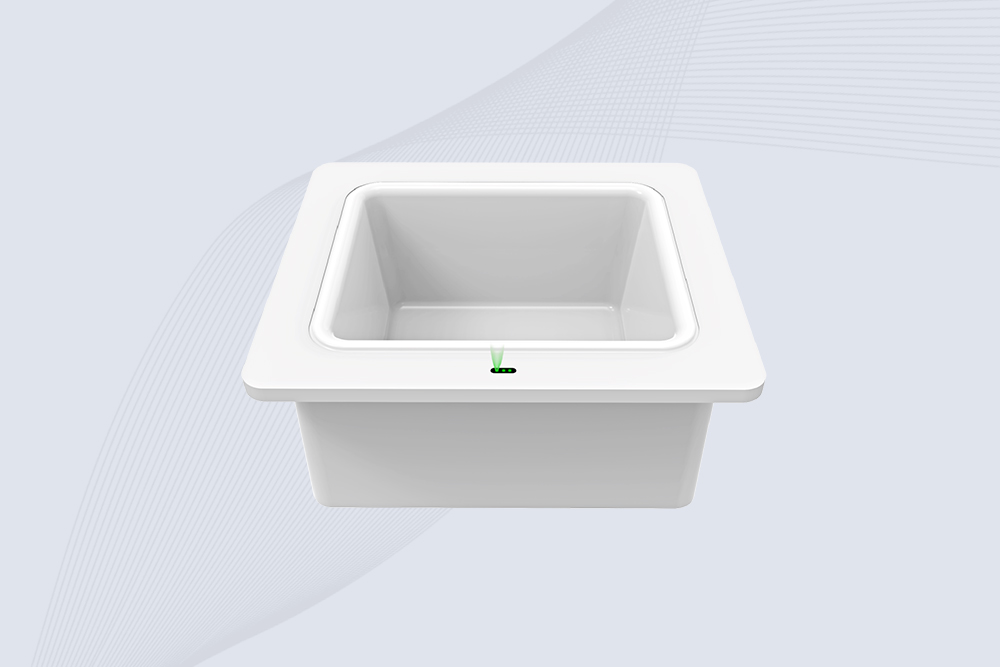
Cykeo CYKEO-D8A embedded RFID badge reader offers 30+ tags/sec scanning, 20cm anti-crosstalk precision, and DC 12V power for unmanned stores, warehouses, and smart inventory systems.
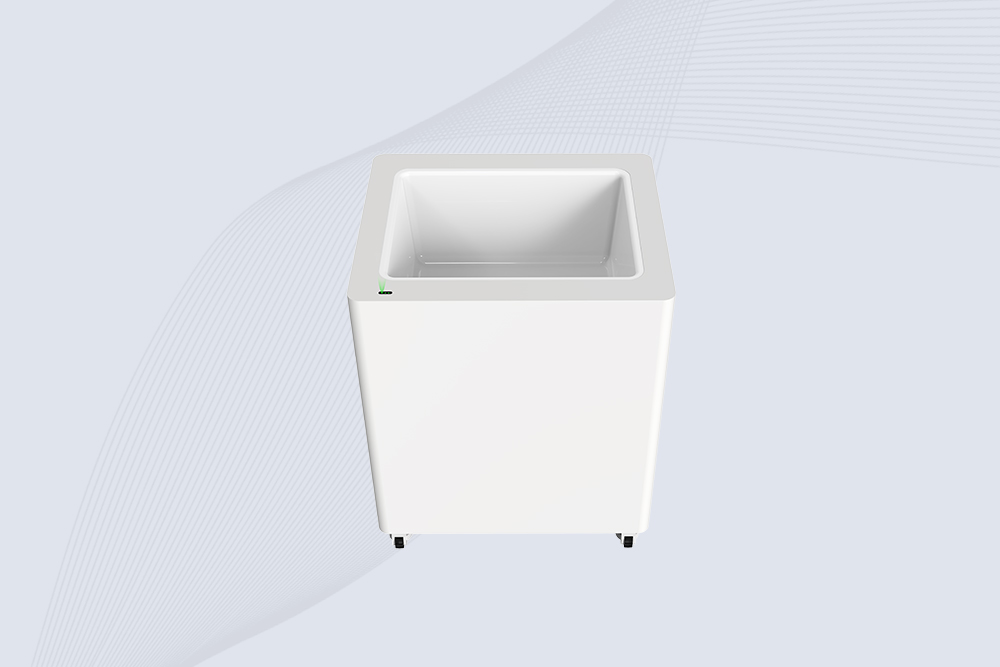
Cykeo’s CYKEO-D8C UHF RFID gate reader achieves 200-tag/batch scanning with adjustable power control, ideal for retail inventory and smart warehouse management.
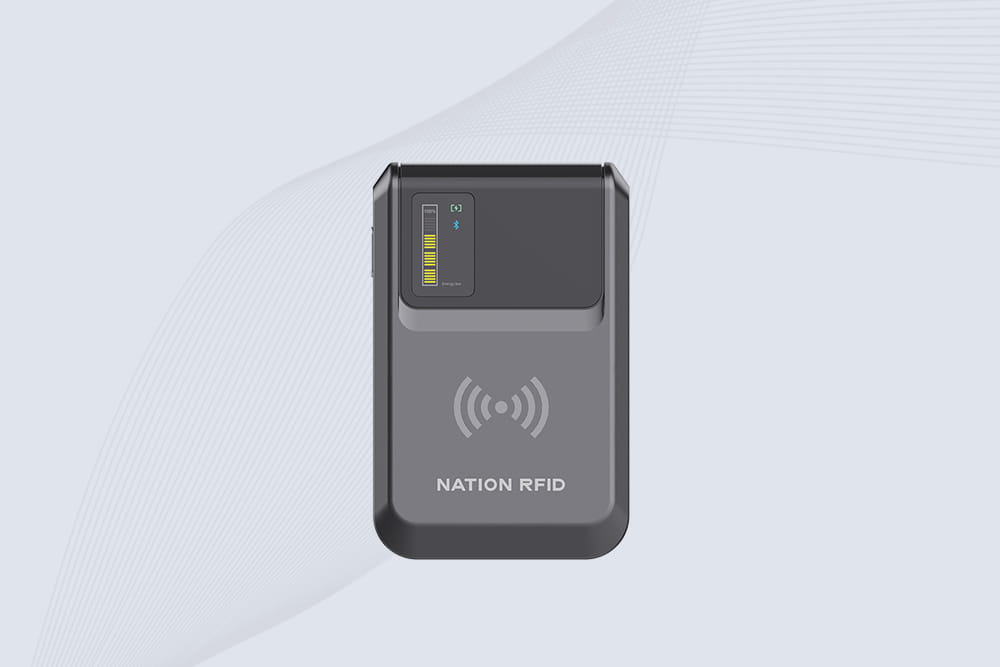
Cykeo CYKEO-B5L portable iPhone RFID reader features 8m range, 500 tags/sec scanning, and built-in 10000mAh charger. Perfect for retail/warehouse teams needing iOS integration.
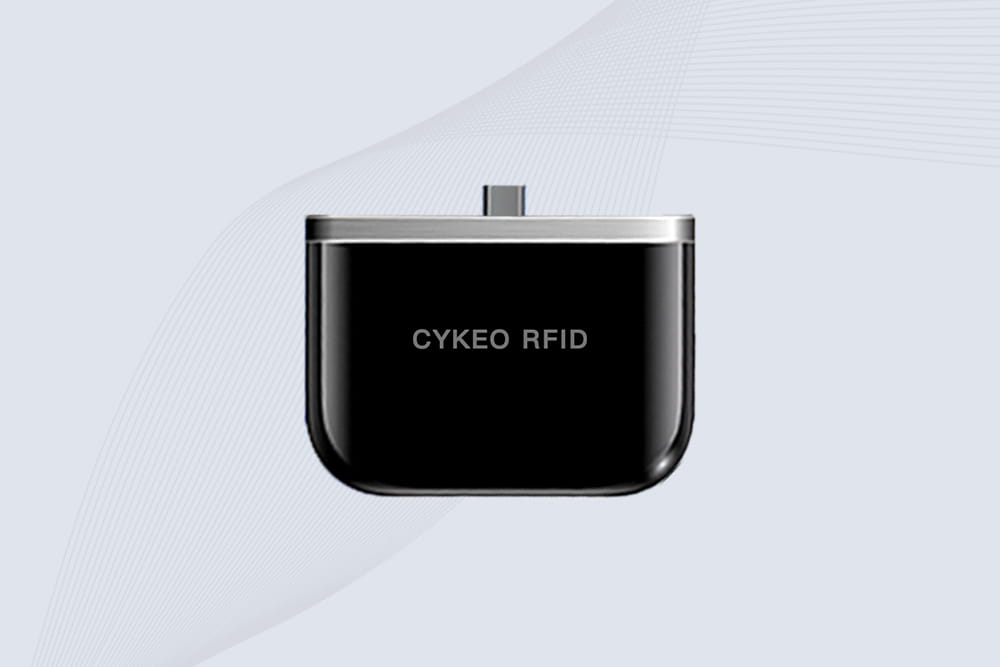
Cykeo CYKEO-B4L Android RFID reader features 37g magnetic phone attachment, 30cm UHF scanning, and Java/C# SDK for mobile asset tracking. Ideal for anti-counterfeit and warehouse verification.
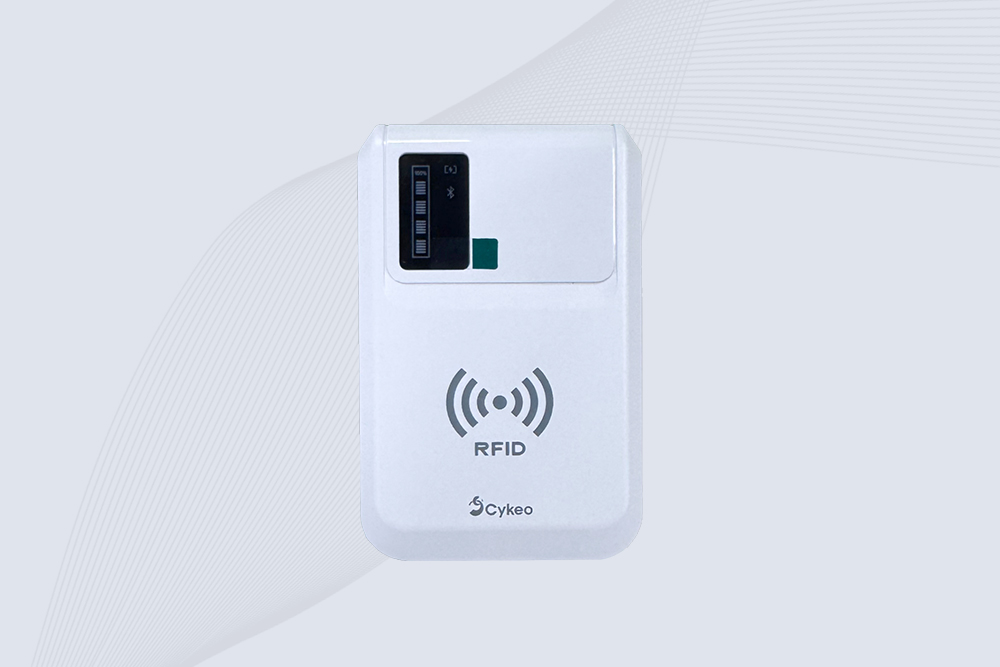
CYKEO CYKEO-B5L RFID Chip Reader iPhone delivers long-range UHF scanning, iOS compatibility, and all-day battery life. A compact RFID Tag Reader iPhone solution for retail, healthcare, and mobile inventory tracking.

What’s the true cost of an RFID reader system? We break down hardware, software, and hidden expenses—plus how Cykeo’s solutions maximize ROI.
More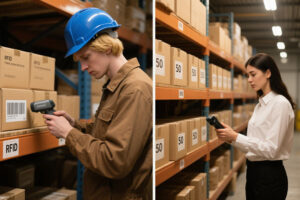
RFID vs barcode for inventory management: Discover which tech reduces stocktakes from days to hours. Real speed tests, hidden costs, and when to switch.
More
RFID tags use wireless identification to enable fast book check-in/out, accurate inventory, and anti-theft management. This article explains how RFID works and its advantages over traditional barcode systems.
More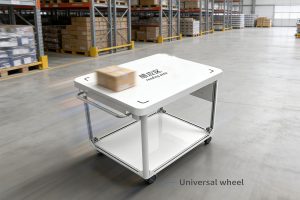
Looking for a faster, more accurate way to manage your inventory? The CK-D7 Mobile RFID Cart offers real-time tracking and simple integration. Perfect for warehouses, retail, and tool rooms.
More