When I first heard about RFID, I thought it was just some fancy barcode thing. Turns out, it’s a lot more interesting. Imagine objects having a tiny little voice—they don’t need to be seen to “talk” to a system. That’s basically what RFID does.
The Three Main Players in This Invisible Conversation
To really get RFID, you need to think in terms of three parts:
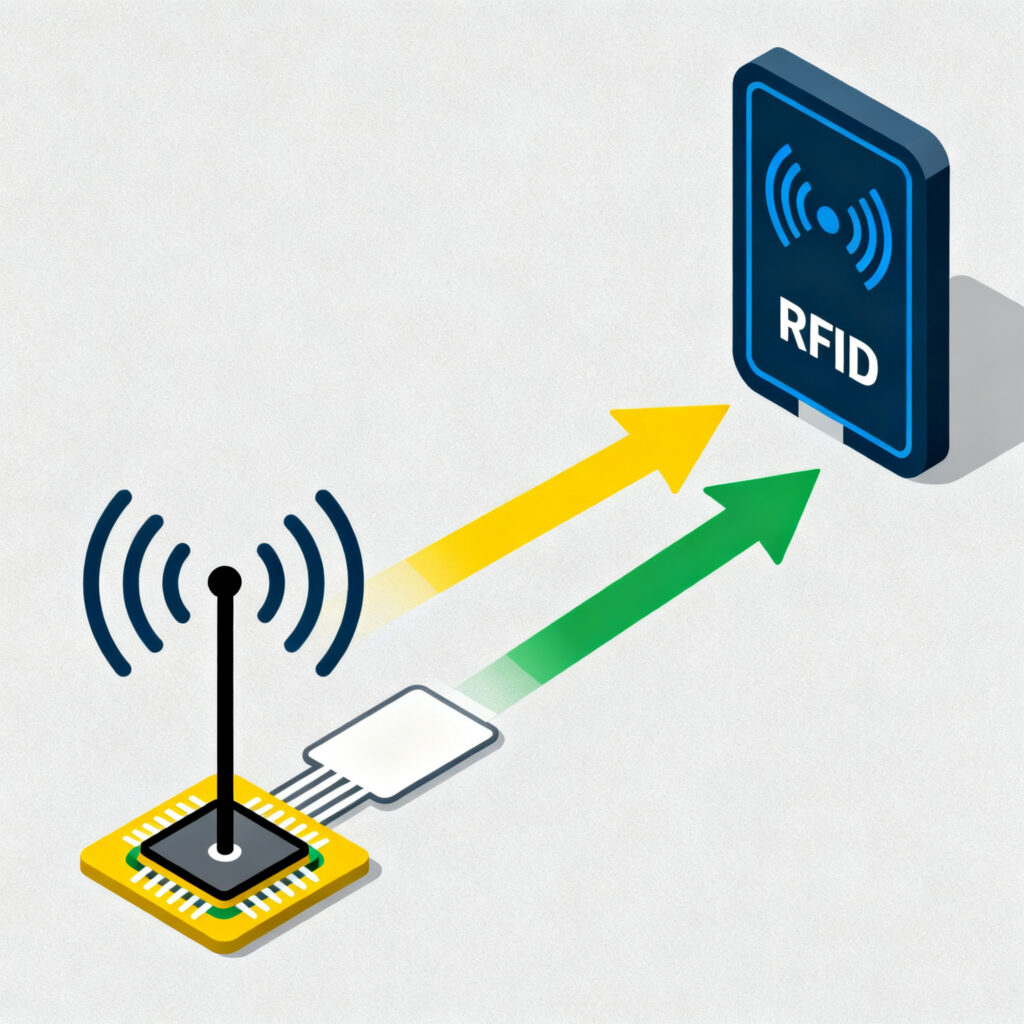
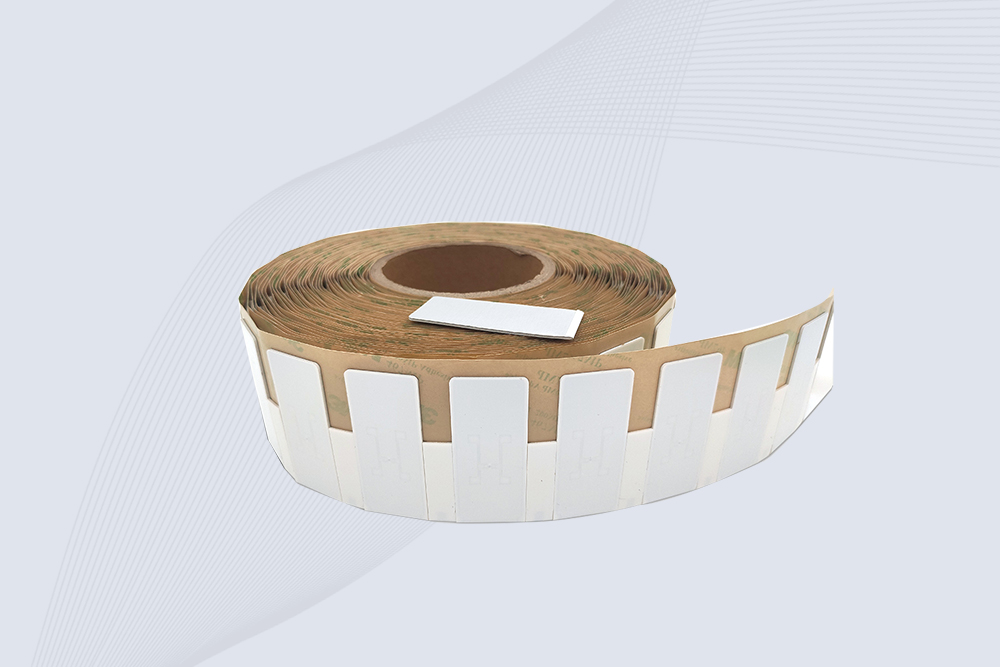
The Tag – Tiny chip plus antenna. The chip stores information, like a personal ID. The antenna? That’s what lets the tag send out its message.
The Reader – This is the device that sends out radio waves and listens for the tag’s reply. You could picture it like a host trying to get the guest to speak up.
The Backend System – Readers aren’t enough. The data has to go somewhere. That’s where software takes over, updating inventories, checking patient info, or managing access.
It’s almost like a little play: the reader hosts, the tag acts, and the backend scribbles notes in the background.
How the “Conversation” Happens
Here’s the fun part: the reader emits radio waves. A passive tag—one without its own battery—picks up energy from the waves, like it’s grabbing a quick wireless charge. Once awake, it sends back its stored info in a modulated signal.
The reader catches this signal, decodes it, and passes it on to the backend. Active tags, on the other hand, don’t need to wait—they can broadcast info on their own.
Two Ways Tags Talk to Readers
Inductive coupling – Two coils near each other, energy passing via magnetic fields. This is how low- and high-frequency RFID works—think metro cards or office badges. Short range, but reliable.
Backscatter coupling – Tags reflect the reader’s waves, but “stamp” their info onto the reflection. Ultra-high frequency tags use this, often in warehouses or shipping yards, reaching several meters.
Seeing RFID in Real Life
Theory is one thing, but you notice RFID in action in everyday life:
Supermarkets: Roll your cart through a gate, and all your items get scanned at once. No tedious barcode scanning.
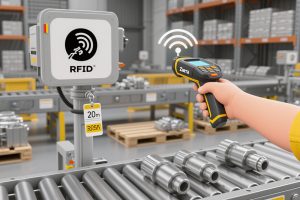
Warehouses: Walk down the aisle with a handheld reader; stock levels update automatically.
Hospitals: Nurses scan patient wristbands—no mistakes, fast verification.
Transportation: Highway tolls, metro cards—you probably use RFID every day without realizing it.
Pros and Some Quirks
The obvious perks:
No line-of-sight needed
Can read many tags at once
Holds more data than barcodes
Durable and sometimes tamper-proof
But it’s not perfect:
Metal or water can mess with signals
Costs more than barcodes
Multiple tags can interfere, so systems use anti-collision protocols
Privacy—tags could be read by someone sneaky
Wrapping It Up
At the end of the day, RFID isn’t magic. It’s more like a quiet bridge linking the physical and digital worlds. Tags are the piers, readers the entry points, and the backend system the highway.
Thanks to this setup, goods check themselves in, patients are tracked, and even lost pets can be found. You might not think about RFID daily, but it’s quietly working behind the scenes, making life a little smoother.
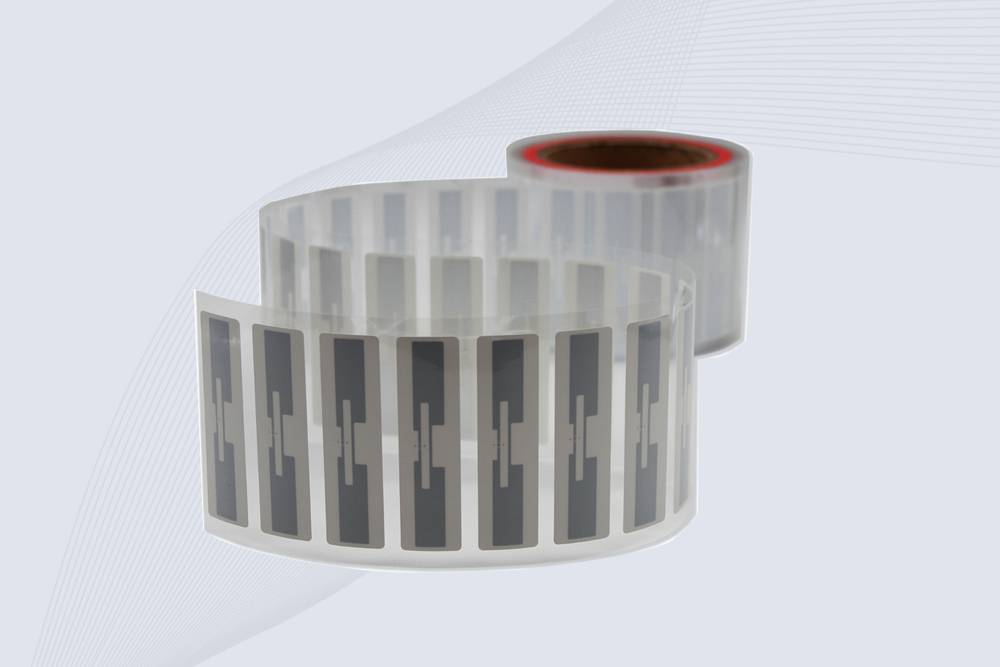
CYKEO Passive RFID Tags are made for wet and high-humidity environments where standard labels do not last. This rfid passive tag is often used around liquids, chemicals and temperature changes, providing stable reading distance and long data life for industrial tracking.
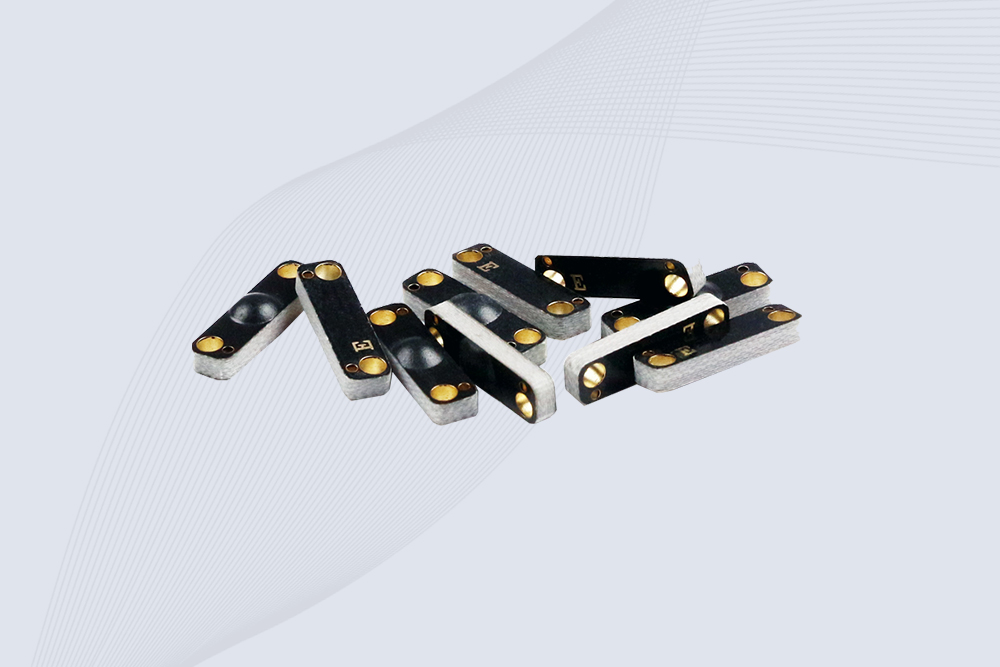
CYKEO CYKEO-PCB1504 Metal RFID Tags is a compact anti-metal UHF RFID solution built for direct mounting on metal surfaces. With stable 8-meter read range, Ucode-8 chip, and long data retention, this rfid metal tag fits tools, containers, automotive parts, and industrial asset tracking.
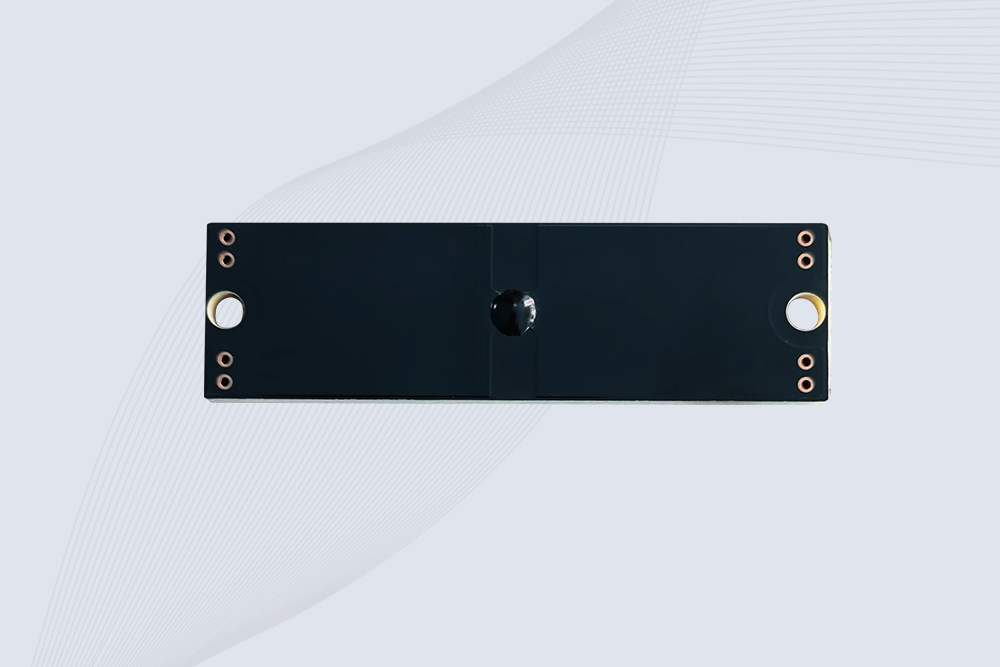
CYKEO CYKEO-PCB7020 On-Metal RFID Tags are designed for reliable tracking on steel and metal surfaces. Built with an FR4 epoxy body and industrial-grade chips, these On-Metal RFID Tags deliver stable performance, long data life, and chemical resistance, making them a dependable RFID anti-metal tag for harsh environments.
The CYKEO CYKEO-60-25 Anti-Metal RFID Tag is built for metal surfaces where standard tags fail. Designed for long-range performance, harsh environments, and stable data retention, this Anti-Metal RFID Tag is ideal for industrial assets, containers, and equipment tracking using on metal RFID tags.
Discover the maximum read range for industrial UHF RFID tags with handheld scanners. Learn how tag type, environment, and antenna design impact performance.
Wondering what is a fixed RFID reader? We explain the definition, how it differs from handhelds, common applications in warehouses and factories, and key features like multi-port antennas. Real guidance from CYKEO engineers.
 Cykeo RFID IoT Solution Products R&D Manufacturer