How Does an RFID Antenna Work? Think of It as a Two-Way Radio Whisperer
You see an employee in a warehouse wave a handheld scanner at a pallet, and a list of items pops up on the screen instantly. The magic that makes this happen isn’t just in the computer or the sticker tag—it’s in the unseen conversation happening through the antenna. So, how does an RFID antenna work? In simple terms, it’s the dedicated translator and messenger for a wireless chat. It takes a command from the reader, shouts it into the air in a way tags can understand, and then listens intently for their whispers back.
Step 1: The Power-Shout (Sending Energy and Commands)
The process starts with the reader, which is like the brain of the operation. It creates a specific command (“Identify yourself”) as an electrical signal. This signal travels down a cable to the antenna.
Here’s the first key job: the RFID antenna power and communication function. The antenna takes this incoming electrical energy and converts it into electromagnetic radio waves (RF energy) that radiate out into space. For passive UHF systems—the most common type in logistics—this broadcast does double duty. First, it carries the encoded command. Second, and just as crucially, this radio wave is the power source for any tags in its path. The tag harvests energy from this wave to wake up its tiny microchip. Without this broadcast from the antenna, a passive tag is just a dumb sticker.
Step 2: The Data-Whisper (Listening for the Reply)
Once the tag is powered, it executes the command. It pulls its unique ID number from memory and then does something clever: it modifies the signal it’s receiving and reflects it back. It doesn’t have its own transmitter; it just changes the “echo.”
This reflected signal is incredibly weak. This is where the antenna’s second, equally important job kicks in. It acts as a highly sensitive ear, tuned to pick up these specific echoes. It captures the faint returning radio waves and converts them back into a clean electrical signal. This signal is sent back up the cable to the reader, which decodes it into the tag’s ID number or other stored data. This complete loop—shout, listen, understand—is the core role of the antenna in RFID systems.
Why Design Matters: It’s Not Just About Being Loud
If it were just about shouting loudly, any antenna would do. But real-world performance depends on how the energy is broadcast. This is where RFID antenna polarization explained becomes critical.
- Linear Polarized Antennas: These send waves out in a single, straight plane—like a horizontal sheet. They can reach far, but only if the tag is perfectly aligned with that plane. A tilted tag might be missed.
- Circular Polarized Antennas (the common choice): These send waves out in a corkscrew pattern. They sacrifice a tiny bit of potential range for massive reliability. Because the wave is spiraling, it presents a readable angle to tags in almost any orientation. This is why they’re standard for inventory, where boxes and tags are placed randomly.
Making This Knowledge Work for You
Understanding how does an RFID antenna work helps you troubleshoot and plan. Are tags on a conveyor being missed? Maybe their orientation is fixed, and a linear antenna would give you better range. Getting stray reads from adjacent aisles? Your antenna’s beam might be too wide for the space.
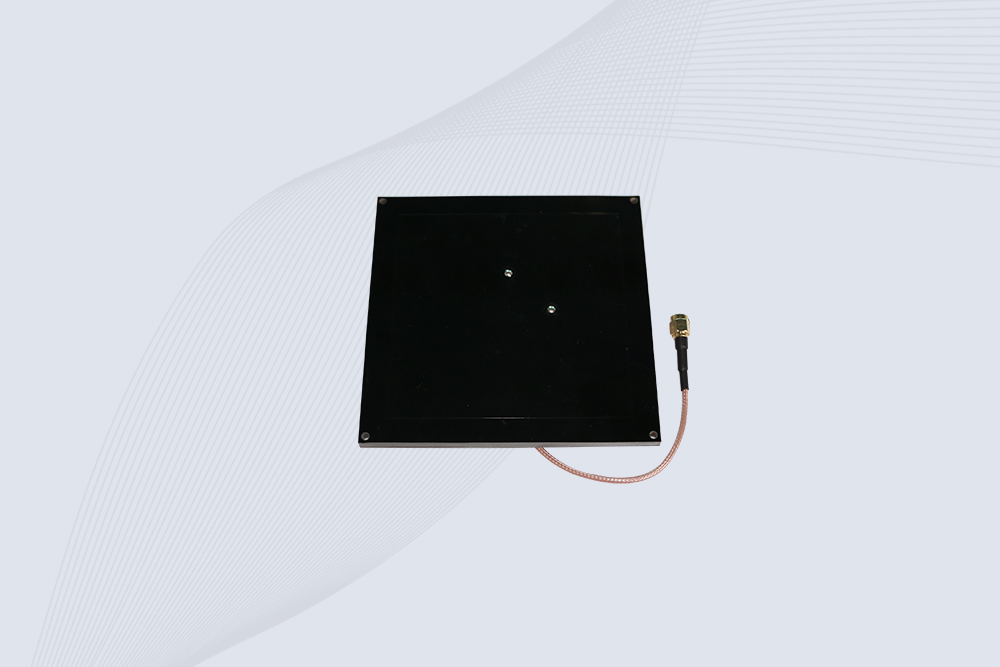
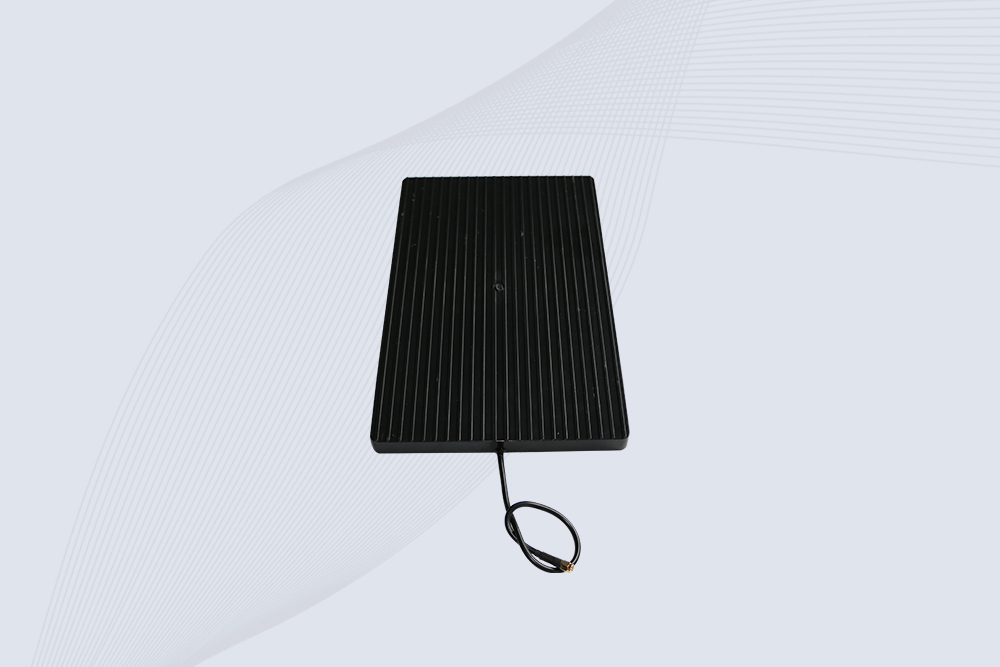
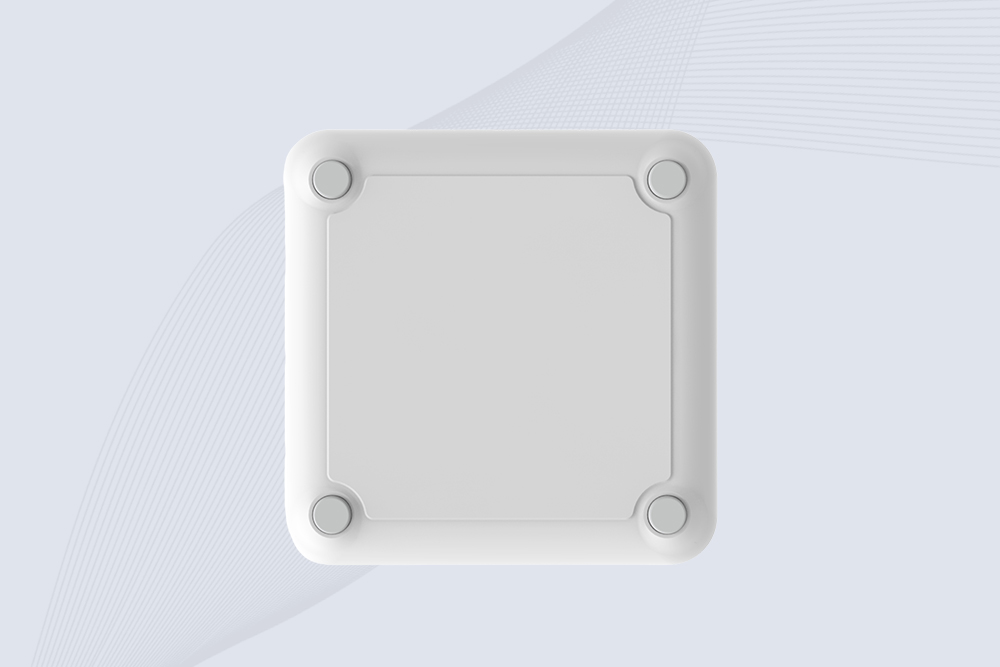
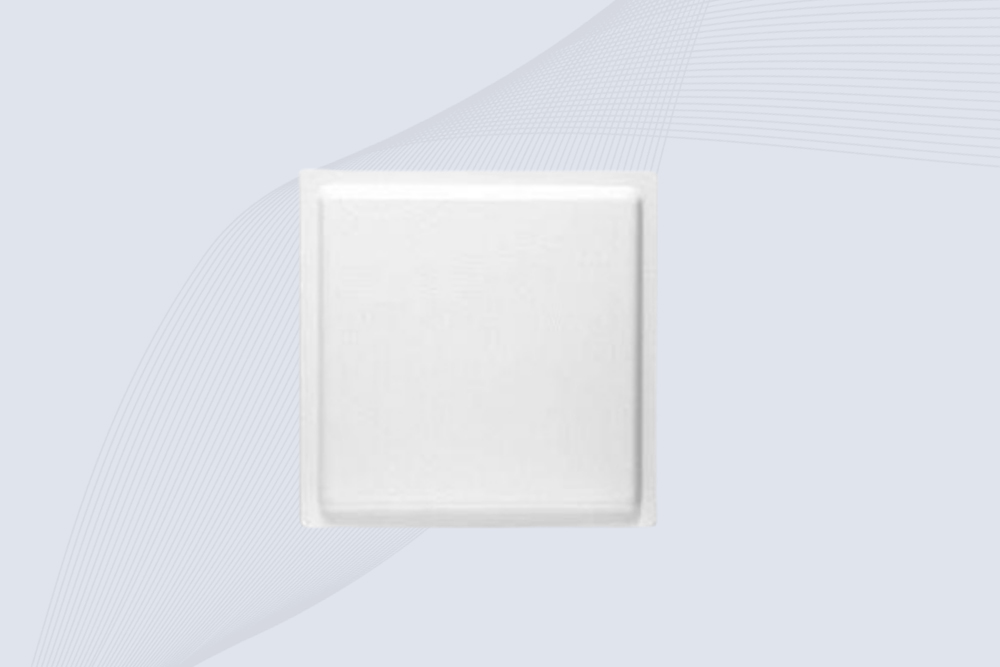
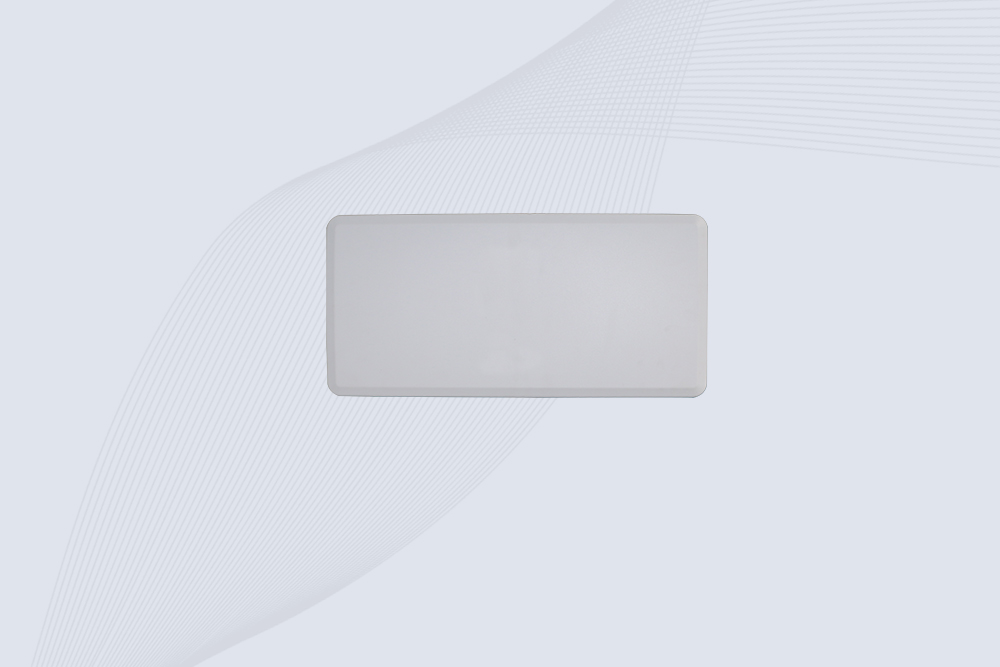
When selecting the right UHF RFID antenna CYKEO offers, you’re matching this two-way messenger’s abilities to your environment. You’re choosing the right “shout” pattern and ensuring you have the best “listening ear” to get clear, reliable data from every tag, every time. It’s the unsung hero that turns radio waves into actionable business intelligence.
RFID Antennas Recommendation
 Cykeo RFID IoT Solution Products R&D Manufacturer