 Cykeo RFID IoT Solution Products R&D Manufacturer
how to write rfid
114RFID cards are written by using a compatible RFID writer, programming software, and verified data transfer into the correct card memory area for identificati...
MoreAll RFID Product
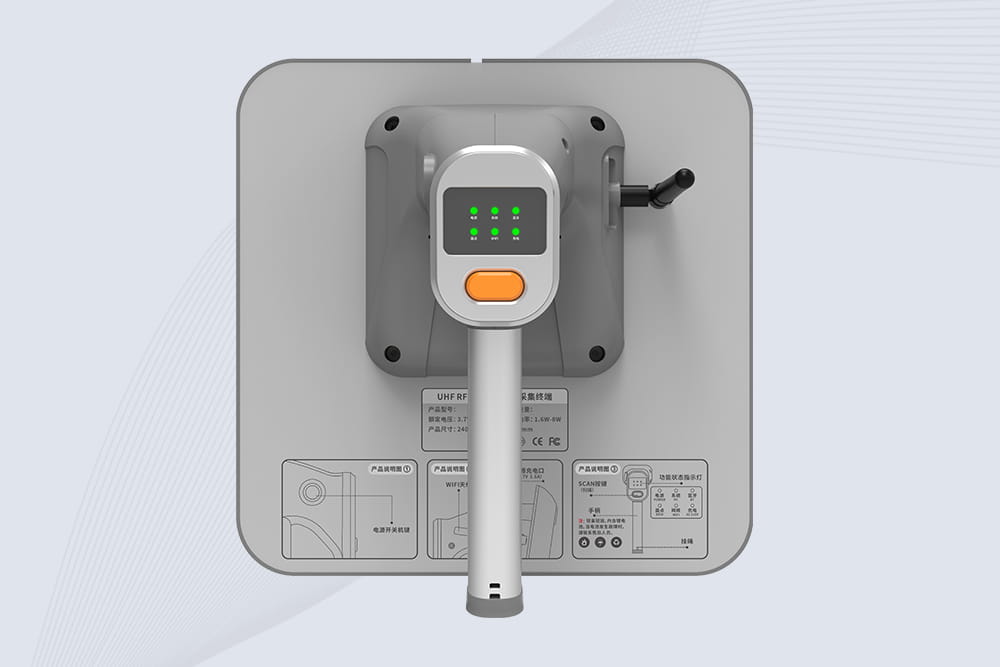
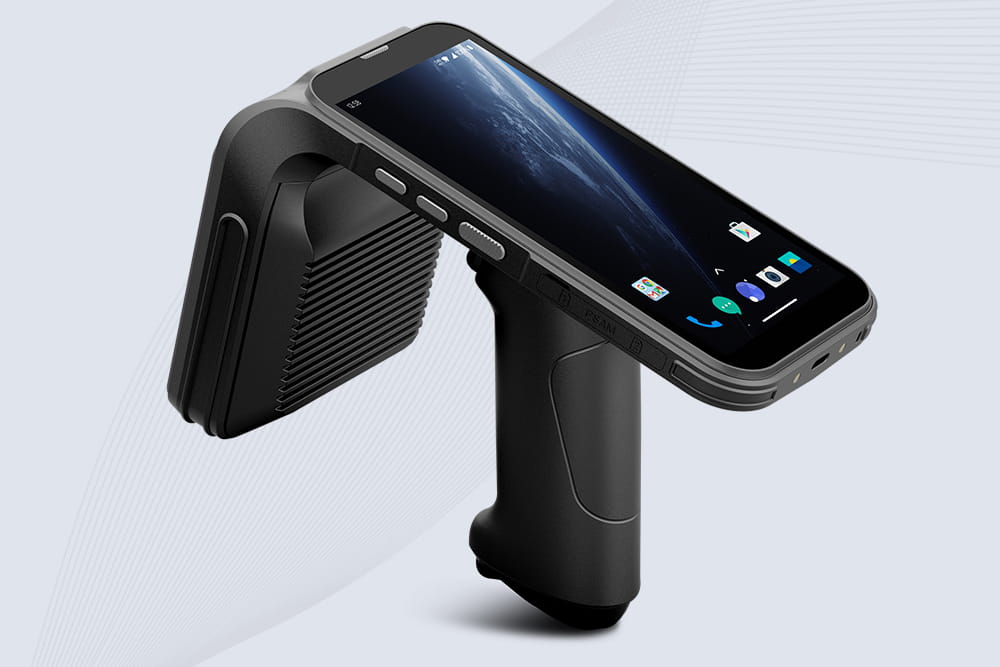
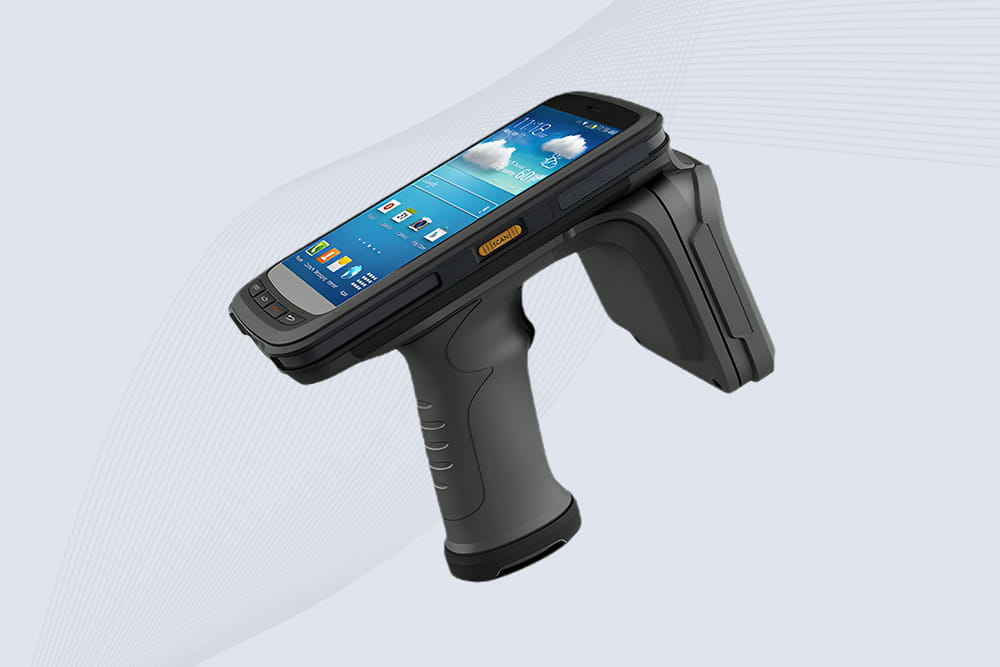
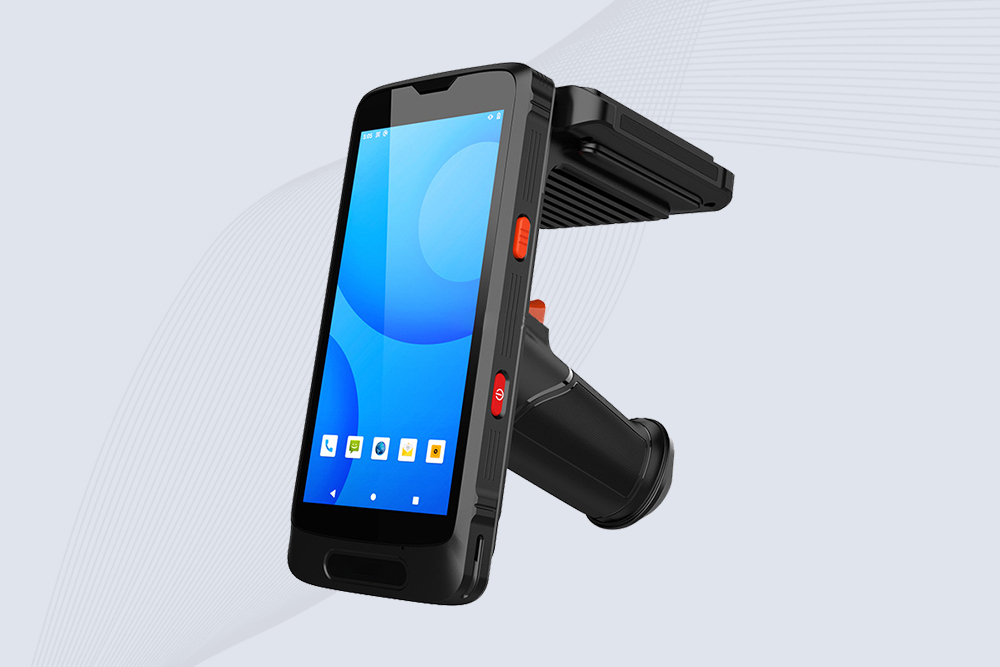
Inventory accuracy is critical for businesses to minimize losses, optimize stock levels, and meet customer demands. Handheld RFID scanners have revolutionized inventory management by replacing error-prone manual processes with automated, real-time tracking. Here’s how these devices ensure precision across industries like retail, manufacturing, and healthcare.
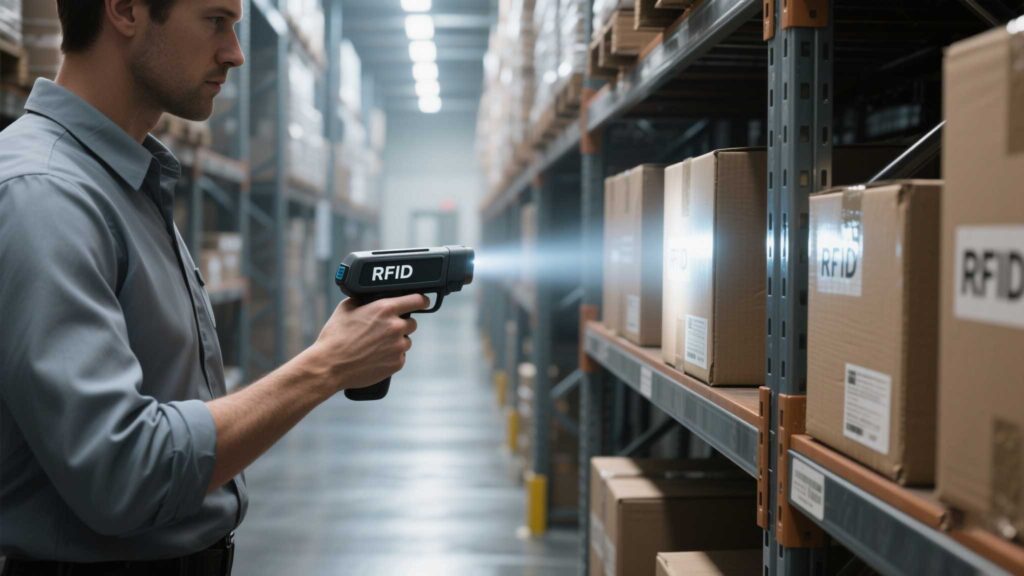
Handheld RFID scanners instantly read multiple RFID tags simultaneously—even through materials like plastic or cardboard. Unlike barcode systems requiring line-of-sight, RFID allows workers to scan entire pallets or shelves in seconds. This eliminates delays caused by manual counting and ensures live inventory updates, reducing discrepancies between digital records and physical stock.
Manual data entry often leads to miscounts or mislabeled items. RFID scanners automate the process, capturing tag data with 99.9% accuracy. For example, Cykeo’s handheld models use advanced signal filtering to ignore duplicate reads, ensuring each item is counted once. This precision is vital for industries like pharmaceuticals, where inventory errors can have legal or safety consequences.
A single handheld RFID scanner can process hundreds of tags per second, making it ideal for large warehouses or high-volume retail environments. This speed enables frequent cycle counts without disrupting daily operations, keeping inventory records consistently up-to-date.
Modern scanners sync seamlessly with inventory management platforms, automatically updating stock levels and triggering reorder alerts. Cykeo’s devices, for instance, support integration with tools like SAP EWM and Oracle SCM, enabling end-to-end visibility from warehouse to point-of-sale.
RFID scanners log timestamps, locations, and user IDs for every scan, creating a tamper-proof audit trail. This transparency simplifies compliance with regulations like FDA 21 CFR Part 11 or retail inventory audits.
Advanced scanners identify misplaced items or stock anomalies in real time. If a tagged product is stored in the wrong aisle, the system flags the error immediately, allowing teams to correct issues before they escalate.
A European automotive parts supplier reduced inventory discrepancies by 78% after deploying Cykeo’s handheld RFID scanners. The devices enabled warehouse teams to conduct daily stock checks 3x faster while maintaining 99.5% accuracy.

RFID cards are written by using a compatible RFID writer, programming software, and verified data transfer into the correct card memory area for identificati...
More
Learn about RFID gate pass systems for residential use. Keyless access, security benefits, and real-world challenges of RFID technology.
More
A practical guide for RFID integrators and warehouse operators. Learn how antenna height, mounting angle, and gate placement affect RFID performance in real-world deployments.
More
USB RFID technology is flexible because the same basic reader concept can support very different industries. The important step is matching the hardware to t...
More