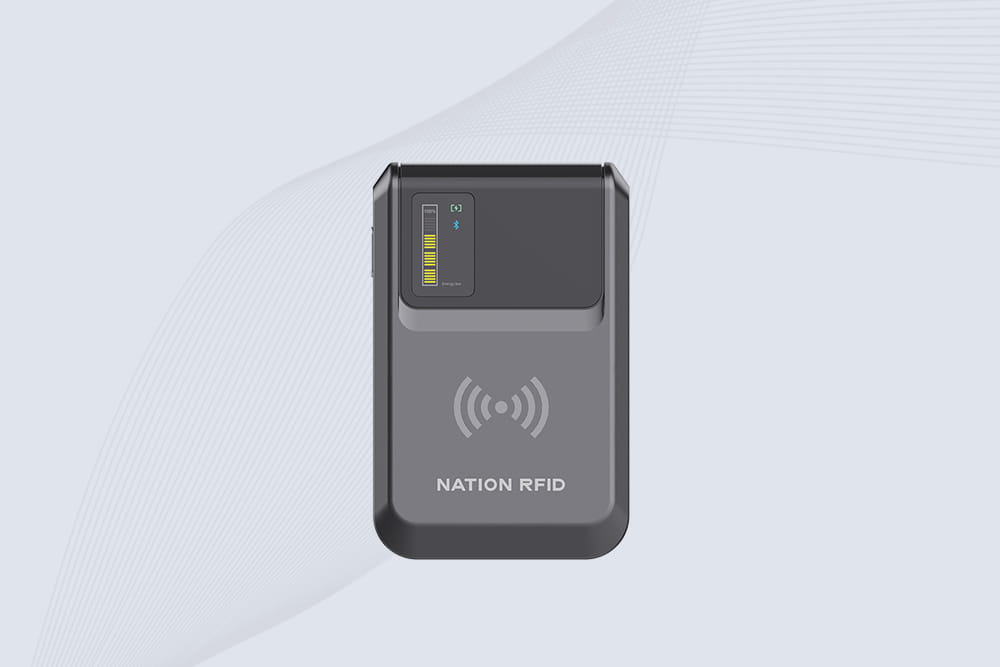
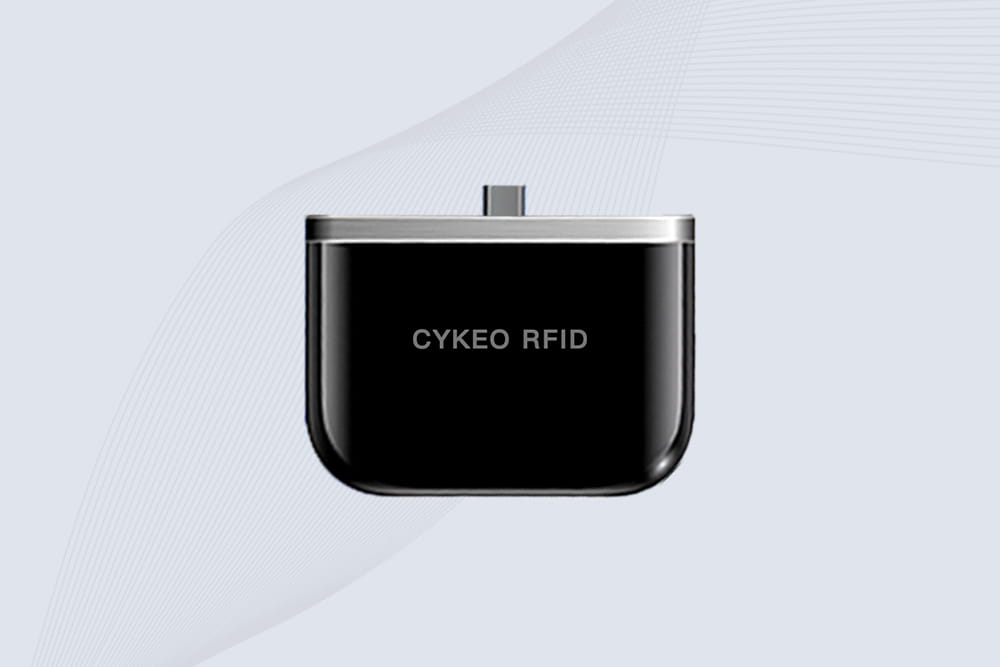
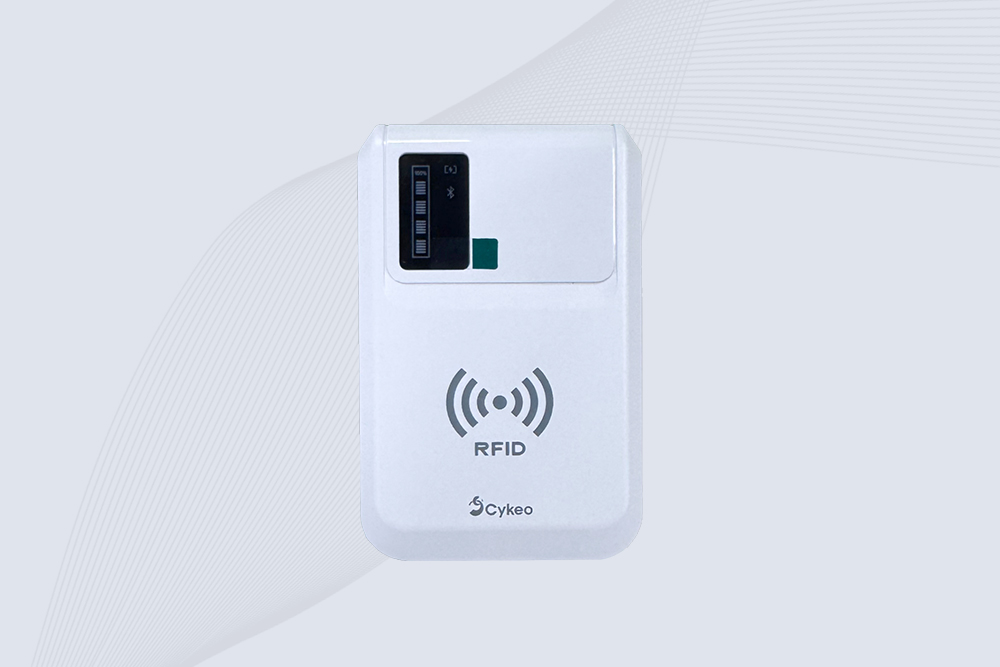
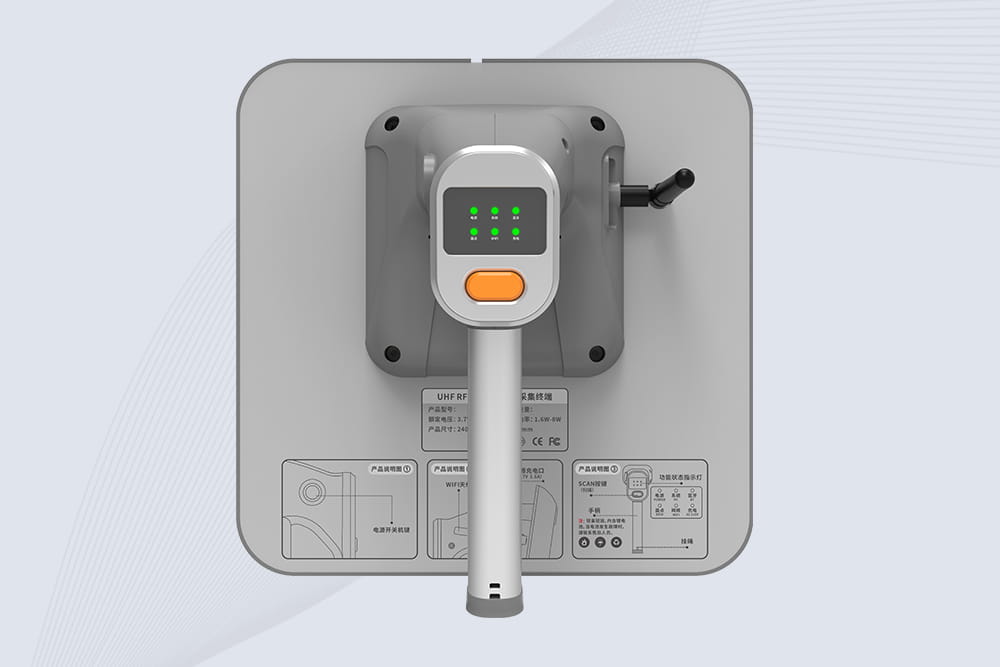
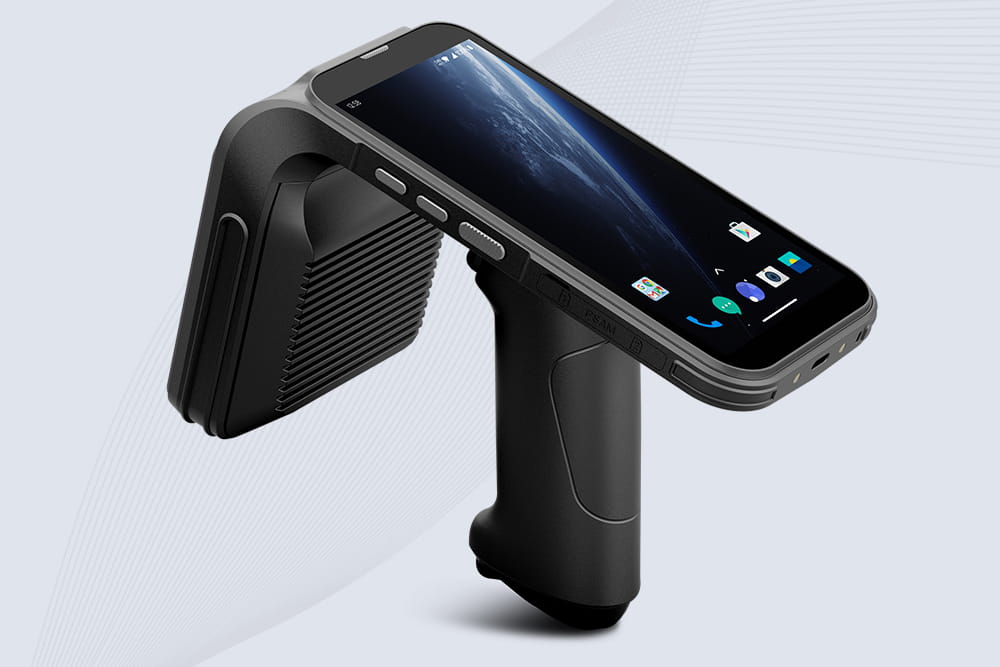
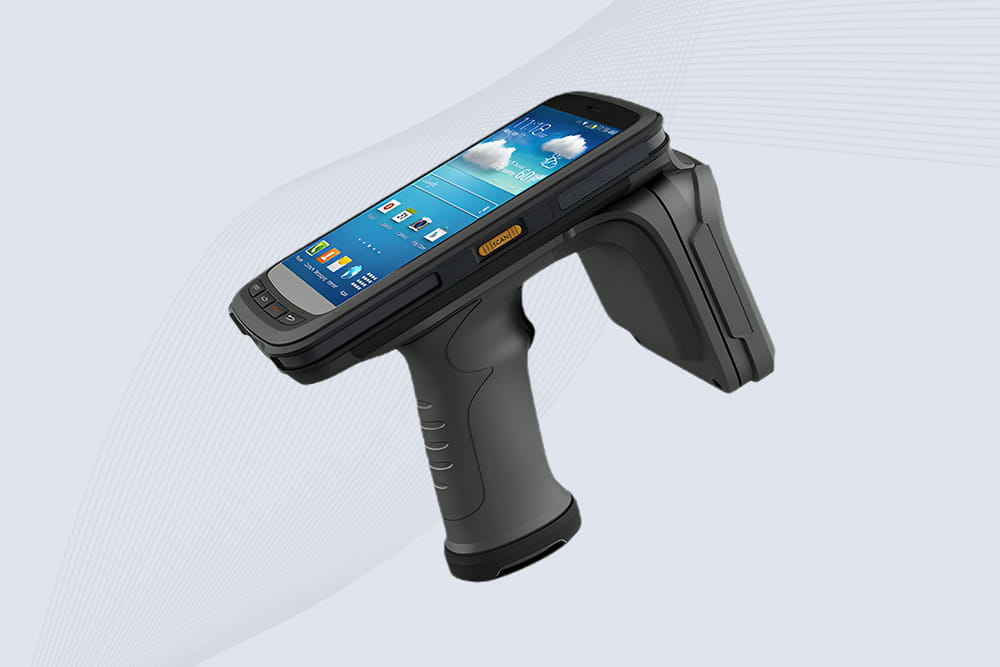
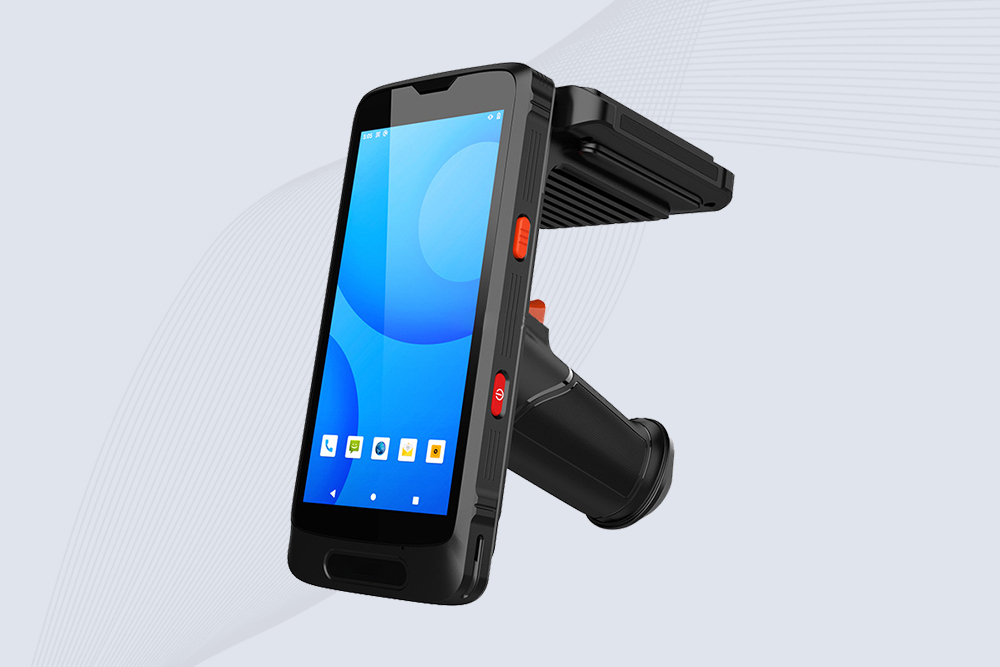
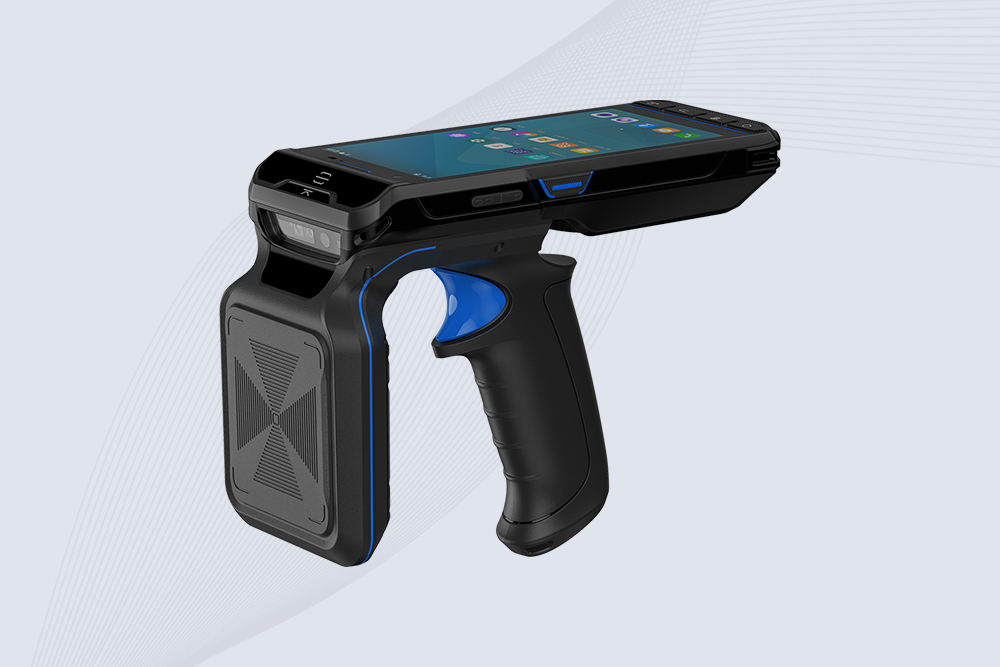
Most handheld UHF RFID readers offer 8–12 hours of continuous scanning on a single charge. However, runtime varies based on usage intensity, antenna power, and environmental factors. Below, we break down battery specs for top models, tips to extend runtime, and scenarios affecting performance.
1. Battery Life of Top Handheld UHF RFID Readers
Model
Battery Capacity
Average Runtime
Best Use Case
CK-B2G
3,000 mAh
10–12 hours
High-density warehouse scans
CK-B2
4,000 mAh
12–14 hours
Outdoor construction sites
CK-B4
5,000 mAh (hot-swap)
14–16 hours
24/7 logistics operations
CK-B2L
3,500 mAh
8–10 hours
Retail inventory audits
2. Factors Affecting Battery Life
Scanning Density:
Scanning 500+ tags/hour drains batteries 20–30% faster than light use.
Transmit (TX) Power:
High TX power (e.g., 30 dBm) reduces runtime by up to 40%.
Environmental Conditions:
Cold storage (0–4°C) can cut battery life by 25%.
Screen & Connectivity:
Constant Bluetooth/Wi-Fi use drains 15% more power.
3. How to Extend Battery Life
Enable Power-Saving Modes:
Use batch mode (scan/store data locally, sync later).
Disable unused features (GPS, Wi-Fi).
Optimize TX Power:
Lower TX to 20–25 dBm if scanning within 5 meters.
Use Hot-Swappable Batteries:
allow instant swaps without shutdown.
Charge Smartly:
Avoid full discharges—keep batteries between 20–80%.
RFID laundry tags provide automated identification and tracking solutions for industrial laundry, hotel linen, and medical textiles. This article introduces the types, working principles, core advantages, and typical application scenarios of RFID ...
Get a clear answer to how far can RFID be read. We break down the real ranges for LF, HF, and UHF systems and what factors actually affect reading distance.
With the continuous advancement of technology, intelligent management has become a goal across industries. In the field of tool management, RFID tool cabinets have provided strong support for achieving intelligent management. In this arti...
 Cykeo RFID IoT Solution Products R&D Manufacturer