 Cykeo RFID IoT Solution Products R&D Manufacturer
Can RFID Tags Be Read by All RFID Readers?
1206Discover why not all RFID tags work with every reader. Learn about frequency, standards, and how Cykeo’s multi-protocol readers ensure universal compatibility.
MoreAll RFID Product
In the expanding world of RFID technology, the handheld rfid reader has emerged as one of the most flexible and impactful tools — not just for tag scanning, but as a development component for customized solutions.
Portable RFID readers aren’t just “gadgets” for inventory counts. For RFID software developers, system integrators, and solution providers, handheld readers can be a foundation for creating tailored applications, whether it’s smart cabinets with automated tracking, custom access control modules, or specialized data collection workflows.
If you’re new to the space, this overview helps you see how handheld RFID tools work and how they are being used in practical business applications like retail inventory management and asset tracking. For a detailed beginner guide, check out: How Handheld RFID Scanners Work and How to Use Them.Handheld RFID Readers: Working Principle, Product Types, and Selection Guide
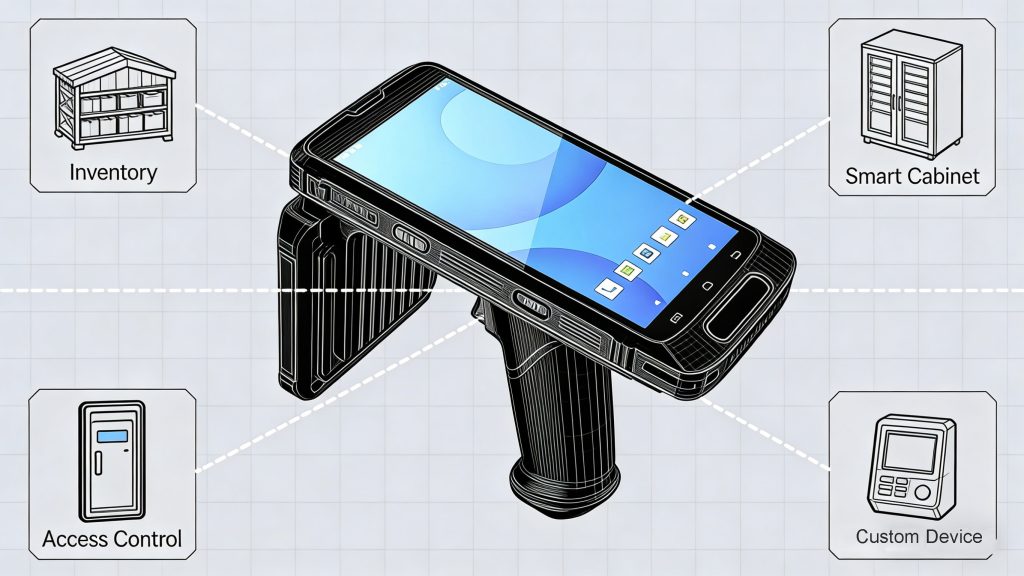
A handheld RFID reader is a portable RFID reader designed to communicate with RFID tags wirelessly. These devices typically feature:
They’re widely used where mobility and flexibility are needed — warehouse checks, retail stocktakes, field asset audits, logistics, and many other scenarios where a fixed reader (like gate or portal readers) isn’t practical.
For a broader look at how handheld readers fit into RFID environments, you can explore this overview of small-business RFID tools: Small Business RFID Readers and Their Applications.Small Business RFID Readers
At the heart of every handheld RFID reader is the interaction with RFID tags. When the reader’s antenna emits radio waves, nearby RFID tags are energized and respond with their unique identifier. The reader captures the data for processing or transmission.
This basic flow — power, query, tag response, data capture — is why RFID is so effective for fast scanning over a batch of tags.
For a full rundown of how handheld RFID scanners work and how beginners can use them step by step, read:How to Use a Handheld RFID Scanner: A Step-by-Step Guide for Beginners
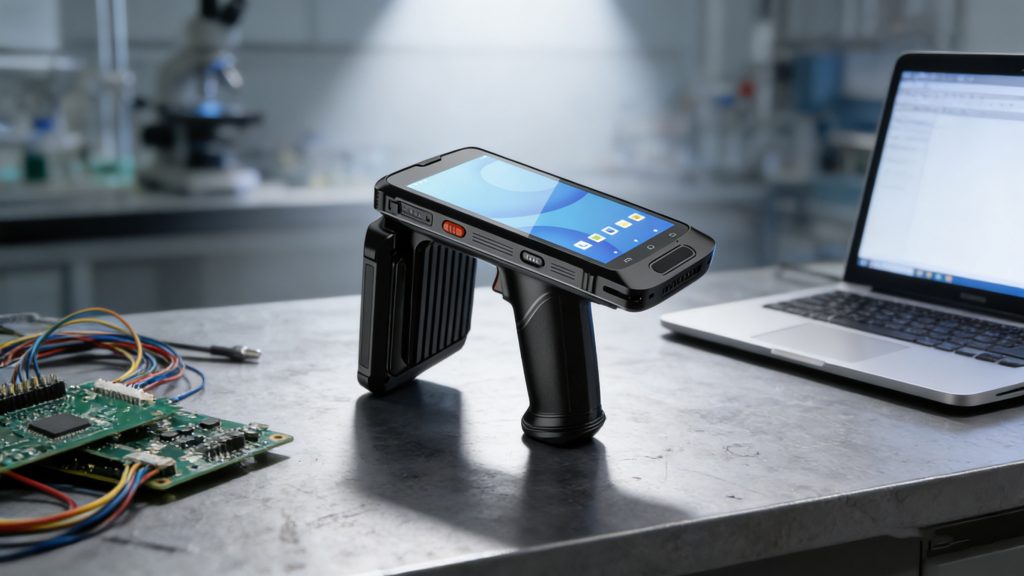
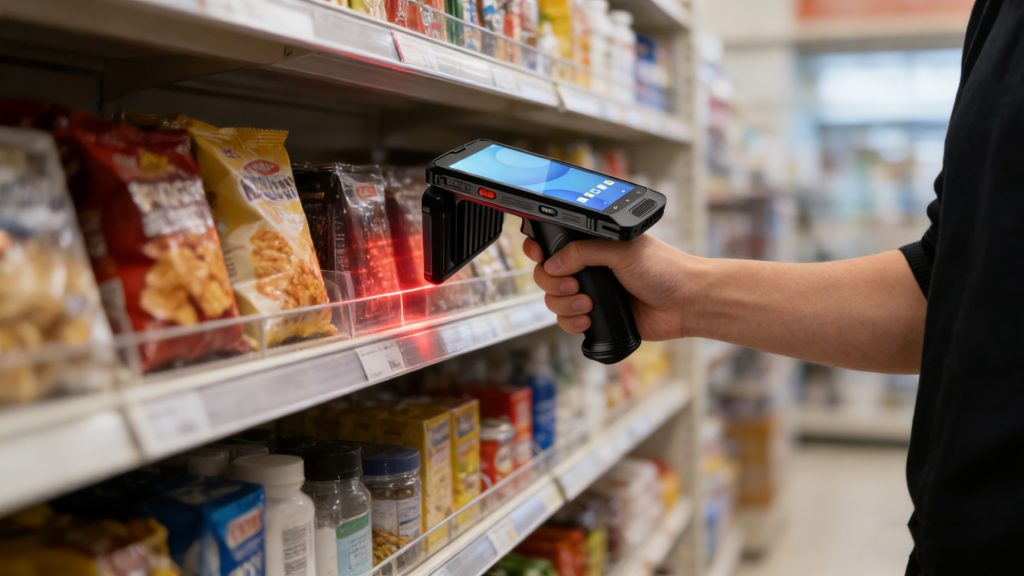
One of the most common business uses of handheld RFID readers is retail inventory counting. Unlike barcode scans that require line-of-sight, RFID tags can be read in bulk — dramatically speeding up stock audits and improving accuracy.
Handheld readers enable workers to walk through aisles and capture tag data in seconds, making RFID inventory checks far more efficient than traditional scanning.
For enterprises that manage large volumes of assets — tools, machinery, equipment — handheld readers offer flexible, on-site scanning. Whether in a warehouse floor or across distributed field sites, portable RFID handhelds capture data on the go.
Here’s where the integration advantage really comes in:
Instead of purchasing full software packages or fixed infrastructure, many RFID solution providers and system integrators buy handheld RFID readers as a development platform.
With a handheld reader, companies can:
What makes handheld readers particularly attractive for developers and integrators is how they can become building blocks rather than finished black boxes.
For example, a team might procure a reliable handheld RFID reader, combine it with their in-house electronics and firmware, and assemble a custom RFID-enabled smart locker — reusing the reader’s tag processing capabilities while controlling the broader user experience on their own terms.
If you’re evaluating handheld RFID readers specifically for development and integration, take a look at this product lineup:RFID Handhelds
These devices are often chosen not just for out-of-the-box scanning, but for their ability to plug into bespoke software and systems.
From the standpoint of an RFID software developer, handheld RFID readers offer several key benefits:
Developers can incorporate RFID scanning into prototypes without needing to design RF hardware from scratch.
Many handheld readers provide SDKs that allow developers to integrate RFID capture into custom applications — whether for inventory apps, field service tools, or enterprise dashboards.
Handheld readers can operate independently or be combined with fixed readers, gateways, and backend systems, giving integrators flexibility depending on the project scale.
Handheld units can be used as part of a hybrid system — fixed readers for portal access and handheld readers for periodic audits — all connected to central software.
The handheld rfid reader is far more than a scanning device — it’s a flexible integration component that enables developers, system integrators, and solution providers to build custom RFID-enabled products and workflows.
Whether you’re managing retail inventory, tracking enterprise assets, or developing specialized RFID systems, handheld readers give you a portable, programmable, and extensible platform.
If your business is developing RFID-aware applications or devices, leveraging handheld RFID readers as part of your toolkit can dramatically reduce development time and expand the types of solutions you can deliver.
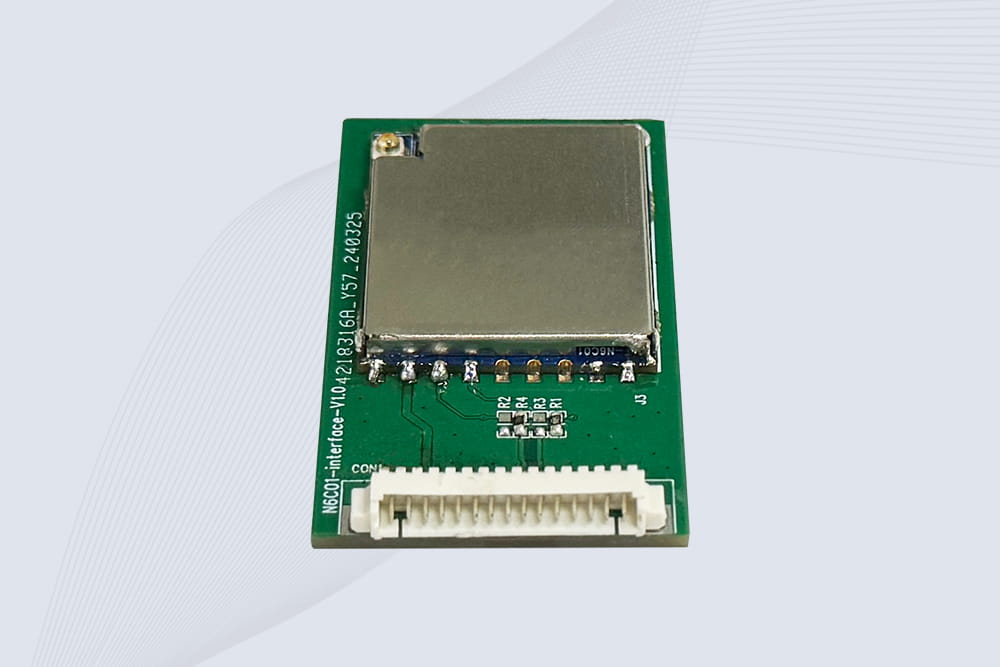
CYKEO Embedded RFID Modules are designed for compact industrial and IoT devices that require stable UHF performance. These UHF RFID Modules support global protocols, flexible power control, and reliable multi-tag reading for smart cabinets, production lines, and asset tracking systems.
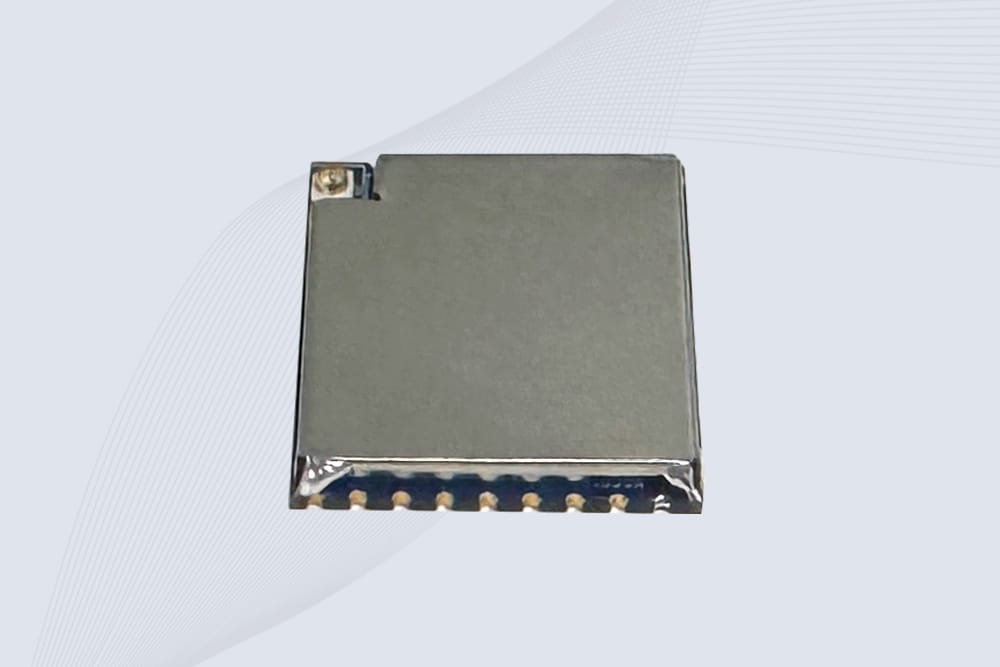
CYKEO Embedded RFID Module is built for compact IoT and industrial devices that need stable UHF performance. This UHF module supports global protocols, low power operation, and reliable multi-tag reading for smart lockers, production lines, and always-on RFID systems.
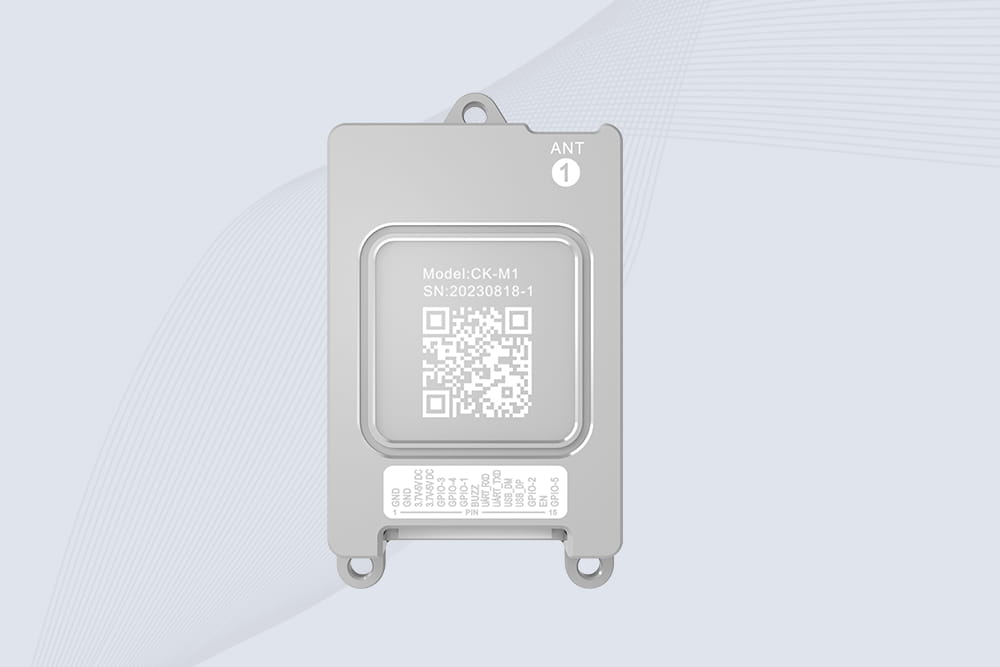
CYKEO CYKEO-M1 drone rfid module is a compact UHF RFID reader module designed for drones and UAV platforms. It supports long-range aerial scanning, fast multi-tag reading, and stable performance in wind, vibration, and outdoor environments.
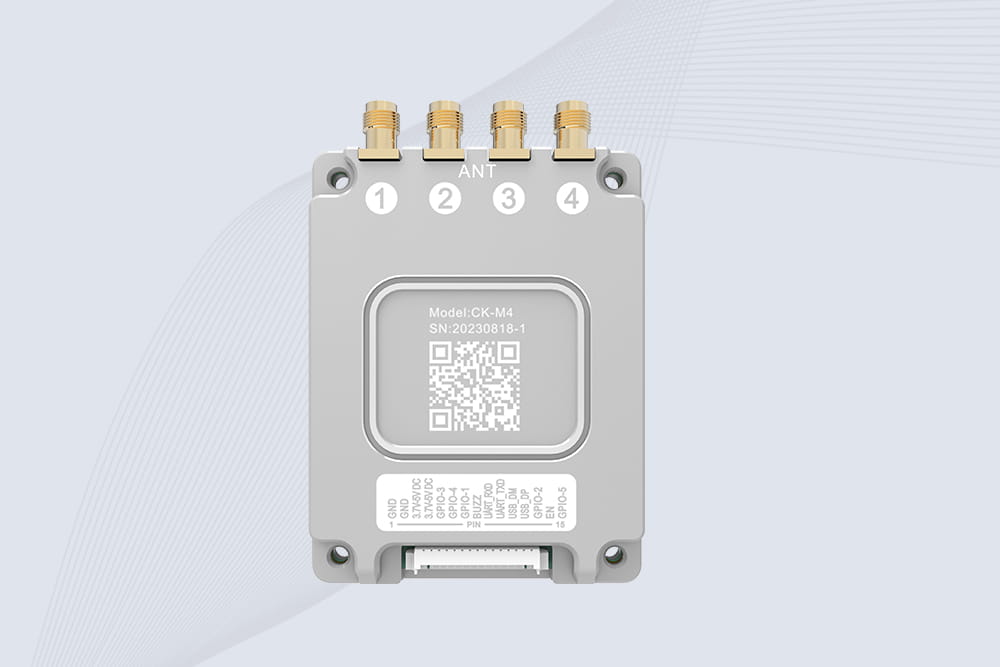
CYKEO CYKEO-M4 RC522 RFID Module is an industrial-grade UHF RFID reader with 4 ports, supporting ISO, EPC, and GB protocols. High-speed, accurate reading for IoT, automation, and warehouse applications.
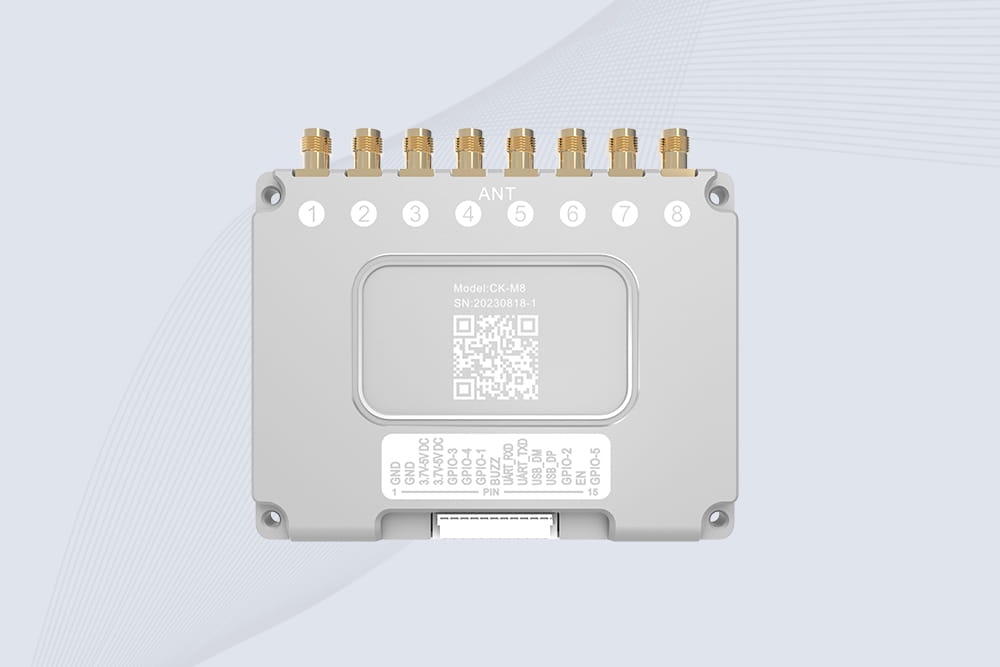
CYKEO CYKEO-M8 Module RFID is an 8-port UHF R2000 RFID Module designed for high-density, multi-tag environments. Stable 33dBm output, ISO & GB protocol support, ideal for warehouses, factories, and automated systems.
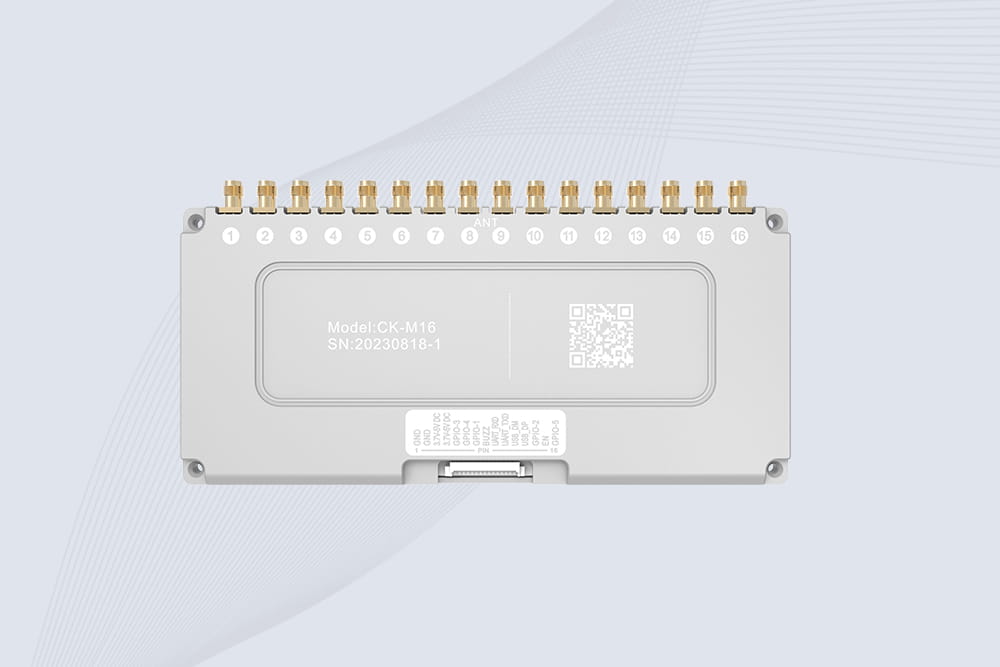
CYKEO CYKEO-M16 RFID Module is a 16-port UHF RFID reader module based on the R2000 chipset. Designed for dense tag environments, it supports ISO and GB standards and delivers stable multi-antenna control for industrial automation.
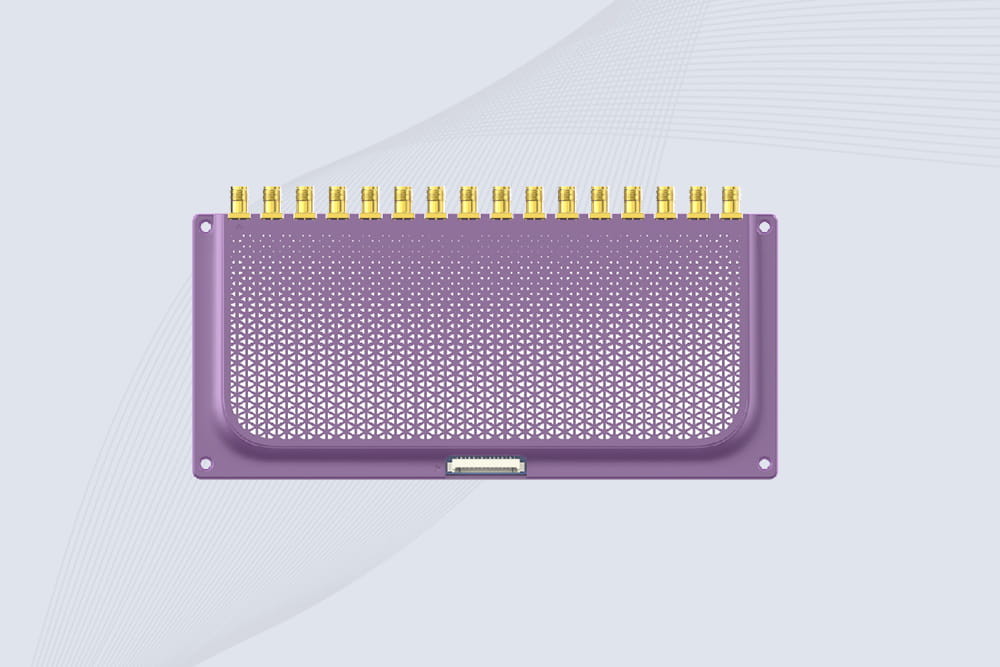
The CYKEO CYKEO-M16L RFID Reader Module is a 16-channel UHF RFID core designed for dense tag environments. With adjustable 33dBm output, multi-protocol support, and stable multi-antenna control, this RFID Tag Reader Module fits industrial automation, warehouse systems, and large-scale IoT deployments.
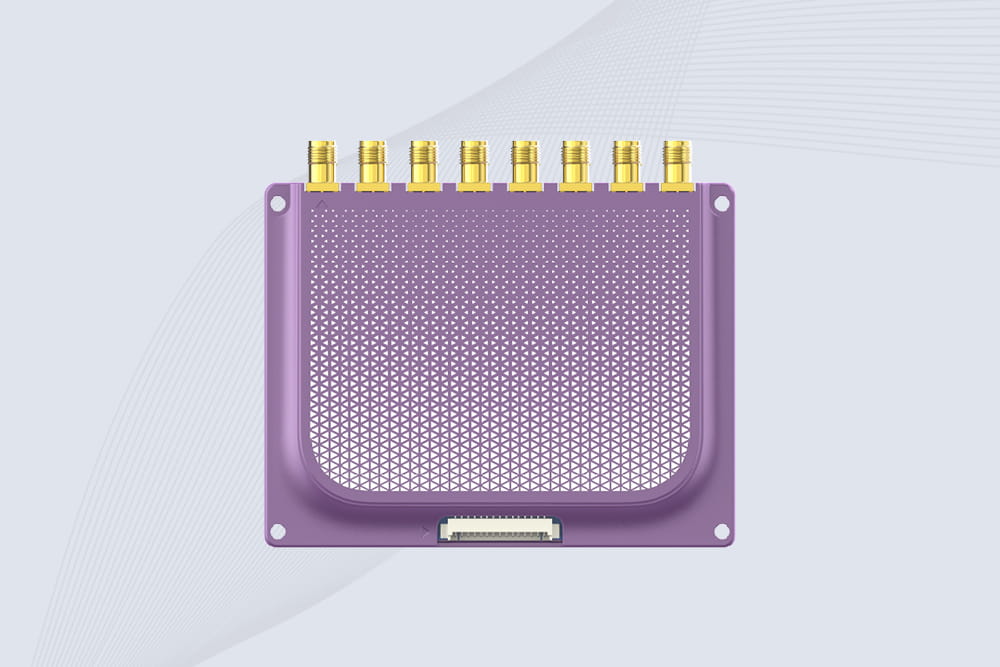
CYKEO CYKEO-M8L module RFID is a compact industrial UHF module built for dense tag and multi-antenna environments. With 8 RF ports, adjustable 33 dBm output, and ISO & GB protocol support, it is widely used in factories, warehouses, and automated tracking systems.
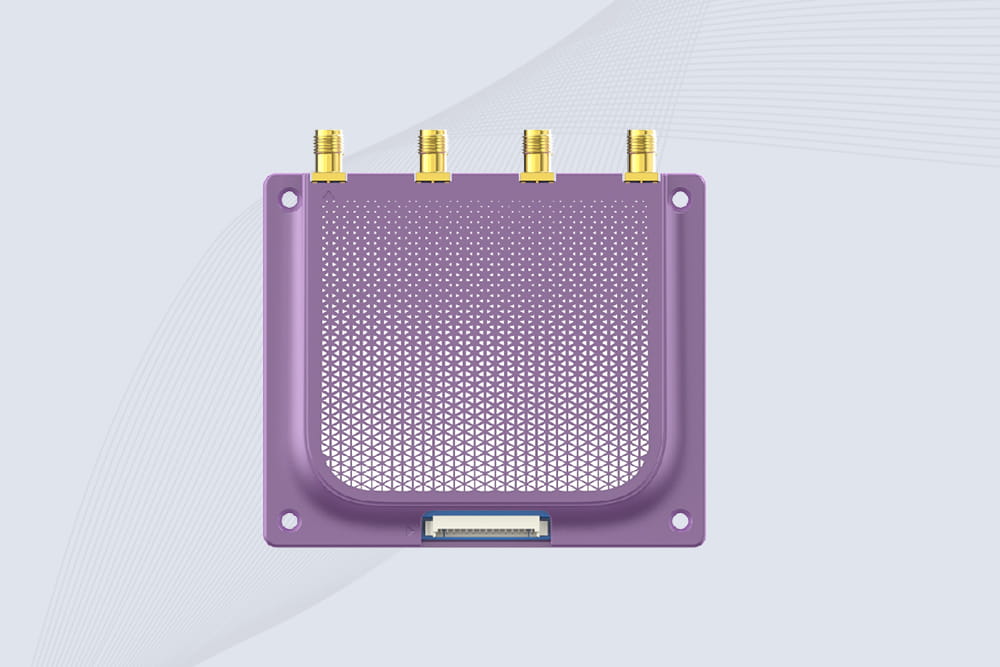
CYKEOCYKEO-M4L UHF RFID Module is a compact 4-channel RFID tag reader module designed for dense tag environments. Supporting ISO and GB protocols, it delivers stable reads up to 10 meters for industrial and IoT systems.
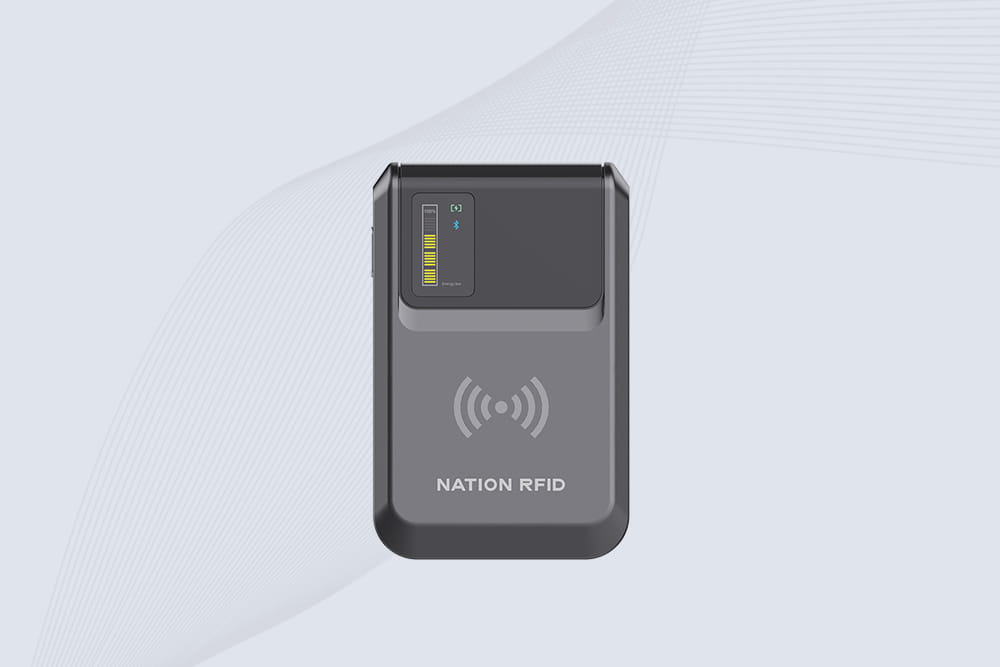
Cykeo CYKEO-B5L portable iPhone RFID reader features 8m range, 500 tags/sec scanning, and built-in 10000mAh charger. Perfect for retail/warehouse teams needing iOS integration.
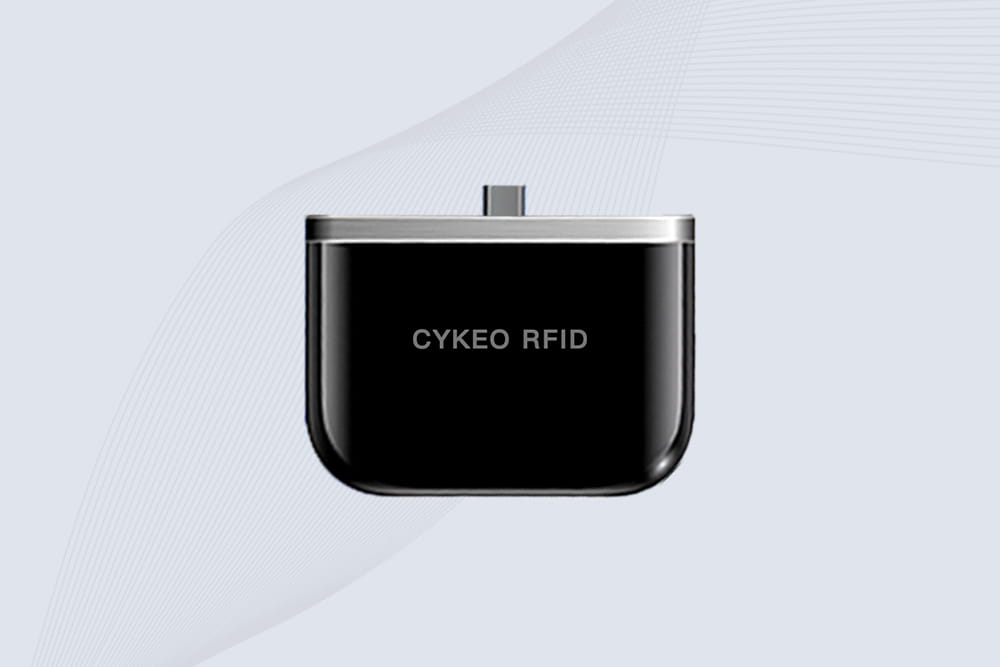
Cykeo CYKEO-B4L Android RFID reader features 37g magnetic phone attachment, 30cm UHF scanning, and Java/C# SDK for mobile asset tracking. Ideal for anti-counterfeit and warehouse verification.
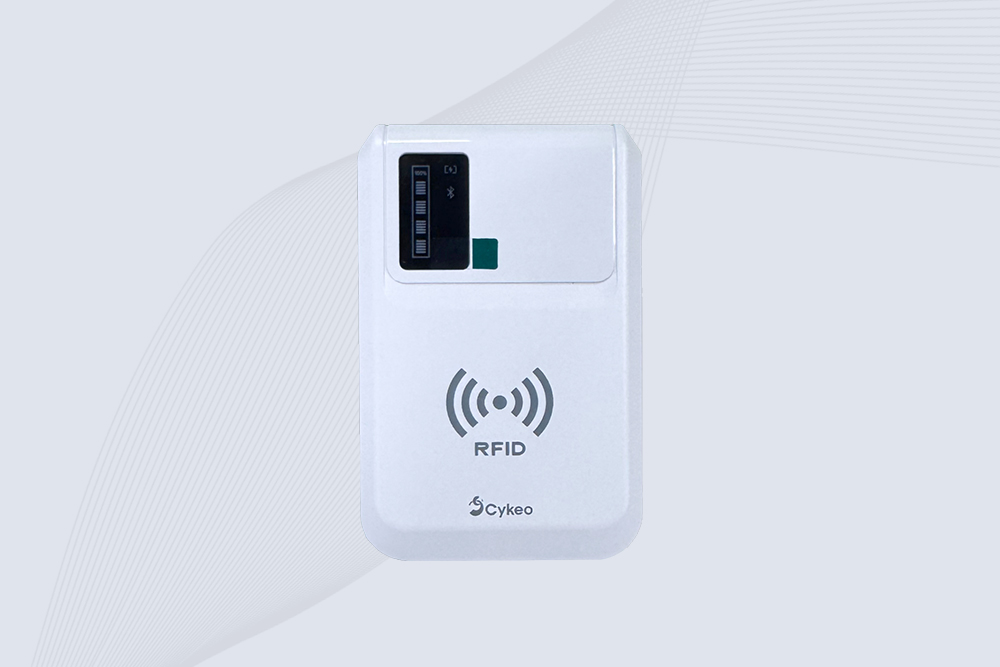
CYKEO CYKEO-B5L RFID Chip Reader iPhone delivers long-range UHF scanning, iOS compatibility, and all-day battery life. A compact RFID Tag Reader iPhone solution for retail, healthcare, and mobile inventory tracking.
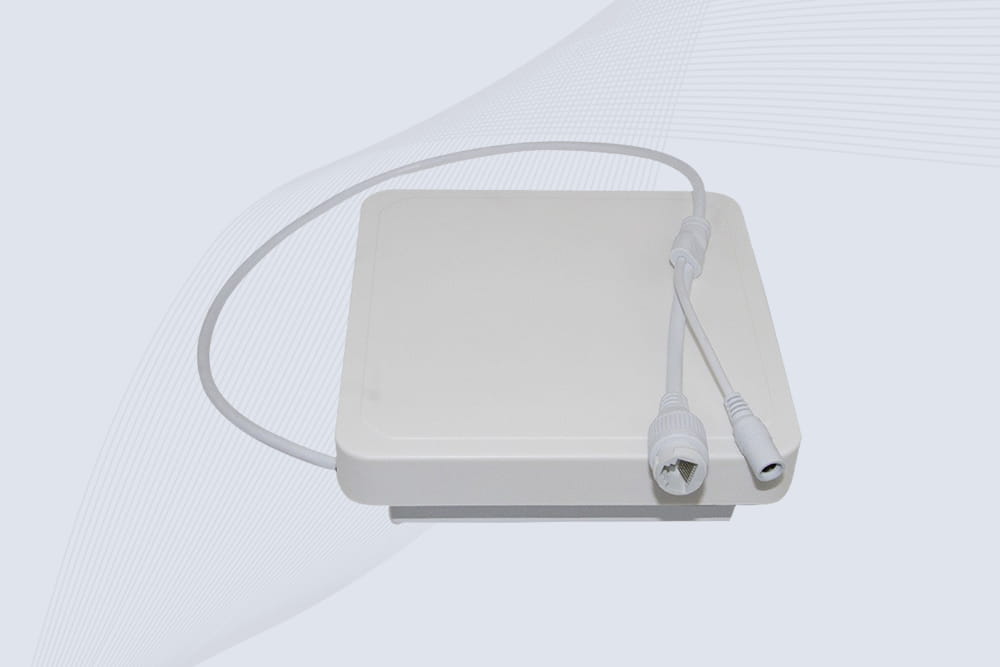
Cykeo’s industrial long range RFID reader delivers 20-meter scanning, 500+ tags/sec speed, and IP67 waterproof design for automated warehouses, logistics, and harsh environment applications.
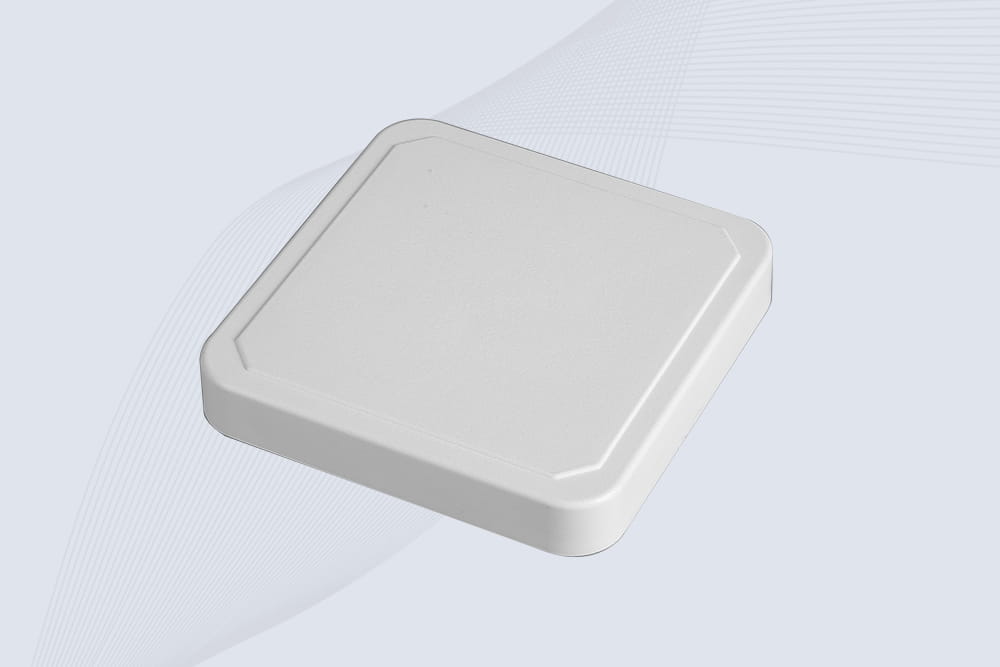
Cykeo’s CYKEO-RA6L industrial RFID long range reader features 20m read distance, 500 tags/sec speed, and IP67 protection. Ideal for warehouse automation, manufacturing WIP tracking, and smart logistics. Supports ISO 18000-6C/6B protocols.
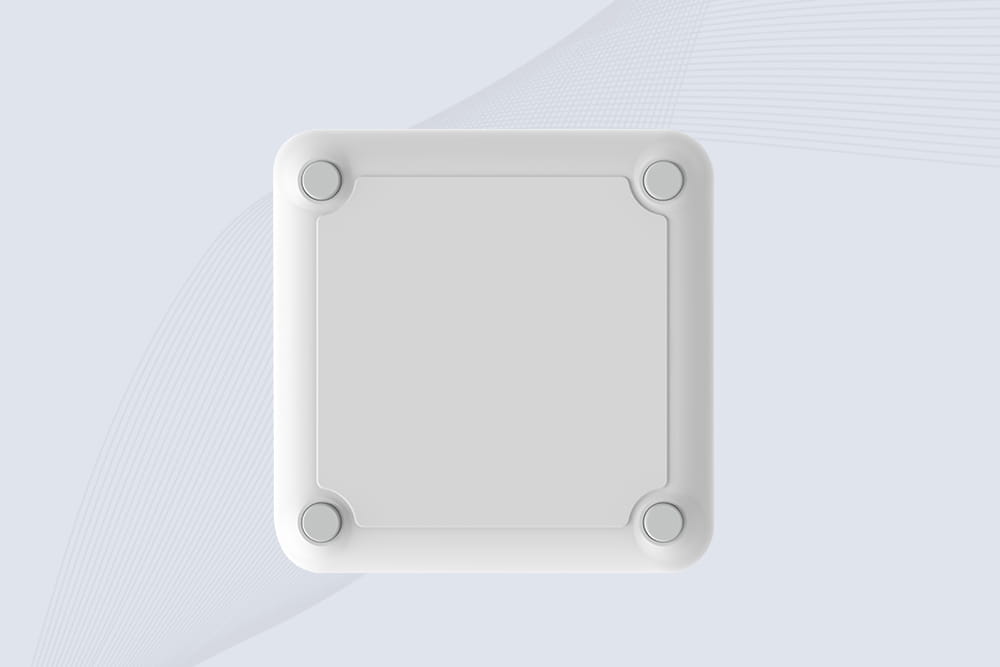
CYKEO Long Range RFID Tag Reader built for outdoor and industrial operations. This Outdoor RFID Reader delivers 20m read distance, fast tag processing, and IP67 durability for wide-area tracking.
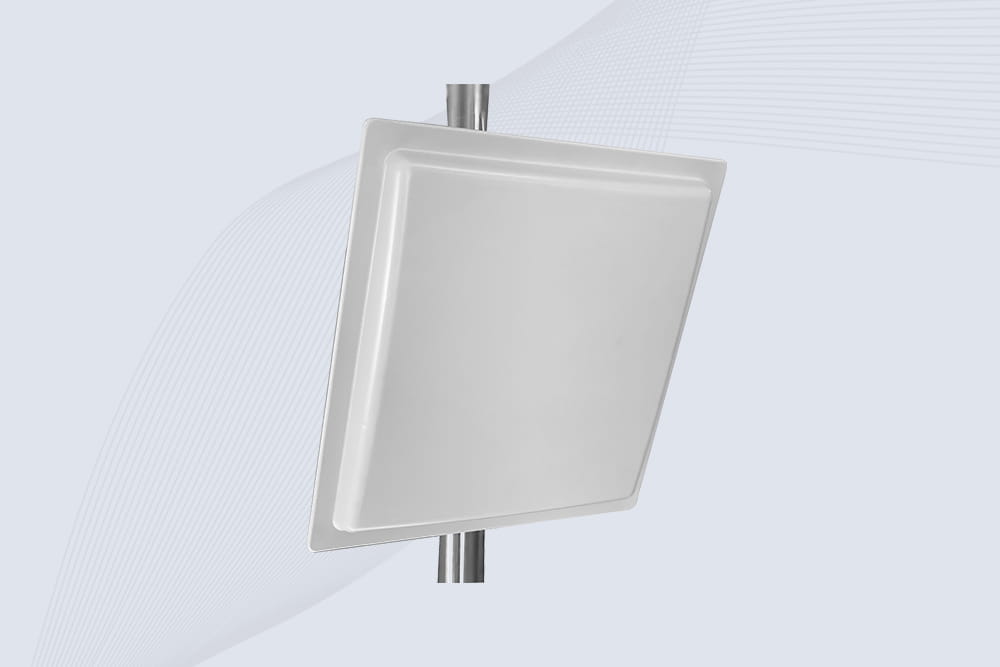
Cykeo CYKEO-RA12L industrial Long Range RFID Reader delivers 20m read range, 200+ tags/sec scanning, and IP67 protection for manufacturing/logistics applications. Supports ISO 18000-6C/GB protocols.
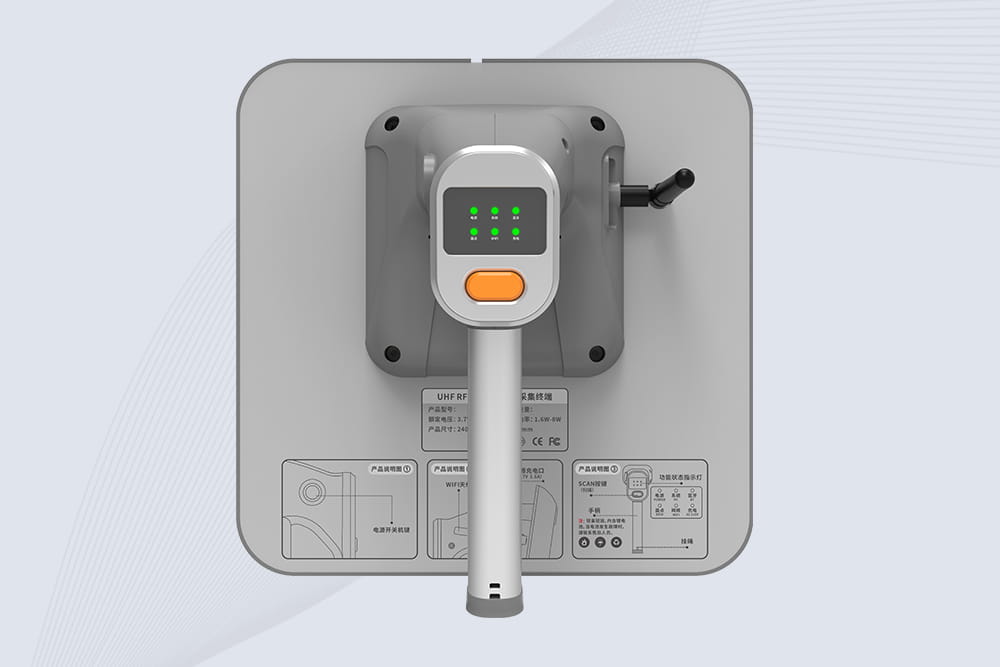
Cykeo CYKEO-B9 UHF Bluetooth handheld RFID scanner features 12m UHF range, 200+ tags/sec scanning, IP67 rugged design for retail/warehouse/pharma. Supports Android SDK & real-time Bluetooth 5.0 transmission.
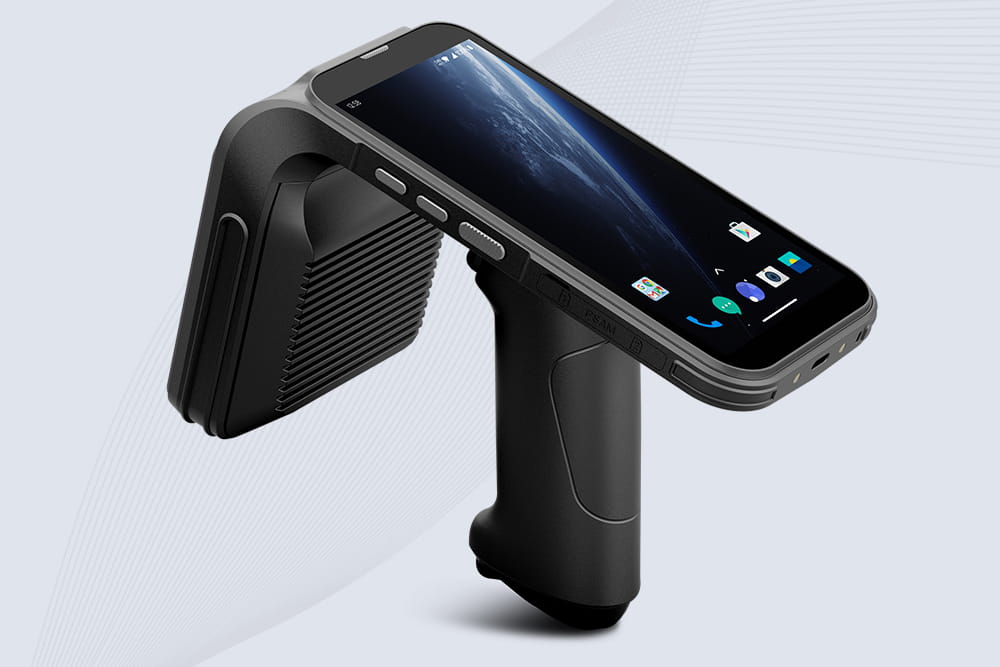
Cykeo CYKEO-B4 UHF Handheld RFID Reader scanner delivers 1300 tags/sec reading, 30m UHF range, and 12-hour battery life. IP65 rugged design with barcode/NFC/ID scanning for retail/manufacturing/logistics.
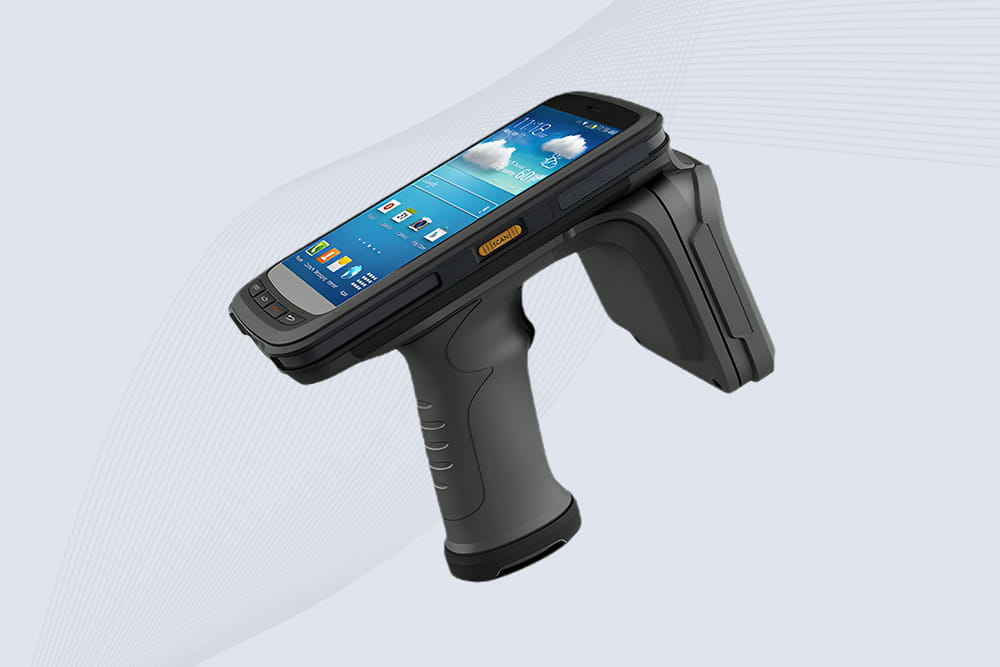
Cykeo CYKEO-B2 industrial UHF RFID handheld offers 10m range, 500 tags/sec scanning, Android 11 OS, and IP65 rugged design for retail/warehouse/manufacturing.
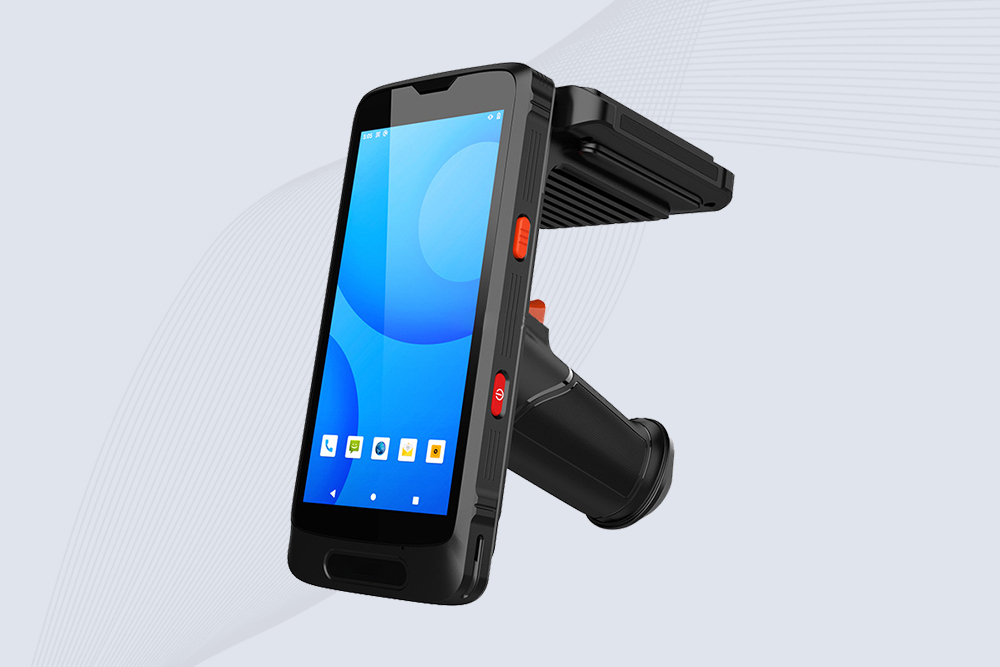
Cykeo CYKEO-B3 industrial RFID Reader Handheld, terminal offers 2m read range, multi-protocol scanning (NFC/barcode/ID), Android 10 OS, and IP65 ruggedness for logistics/retail/manufacturing.
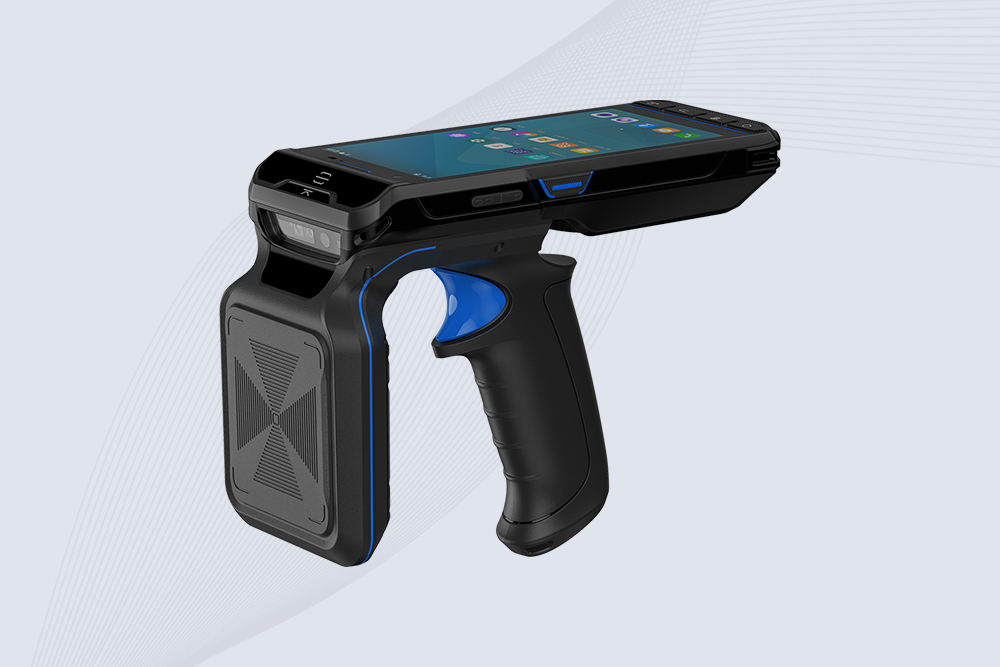
Cykeo CYKEO-B3L industrial handheld UHF RFID Reader terminal features 20m read range, 500 tags/sec scanning, Android 13 OS, 12-hour battery for logistics/retail/manufacturing. Supports barcode/NFC/ID reading.
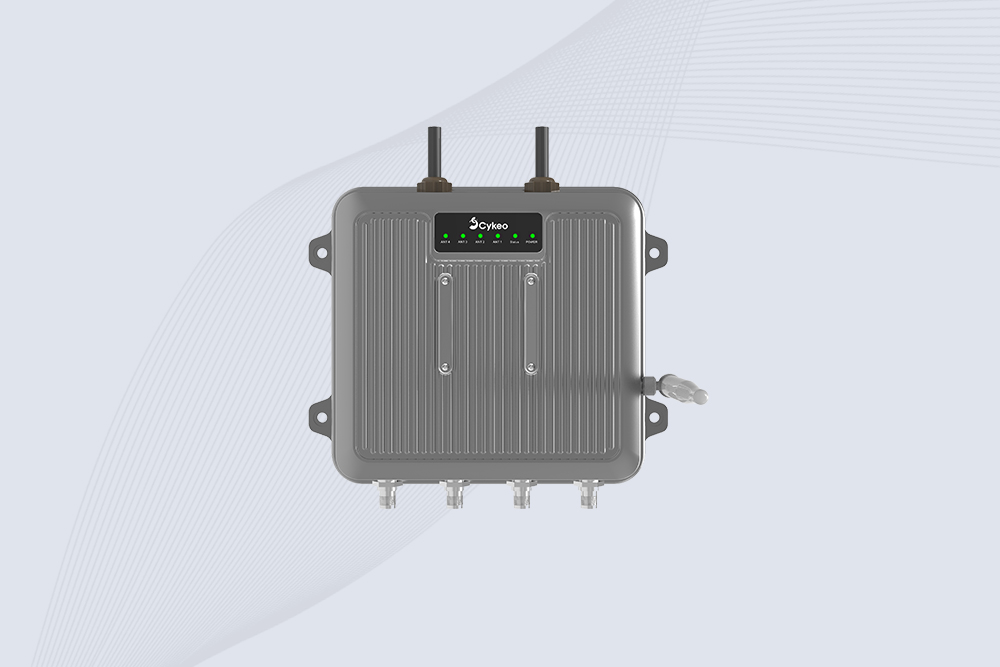
Cykeo CYKEO-C1 industrial Forklift RFID Reader features 20m read range, 600 tags/sec scanning, Impinj R2000 chipset, and IP67 rugged design. Ideal for warehouse logistics and manufacturing. Supports ISO 18000-6C/6B protocols.
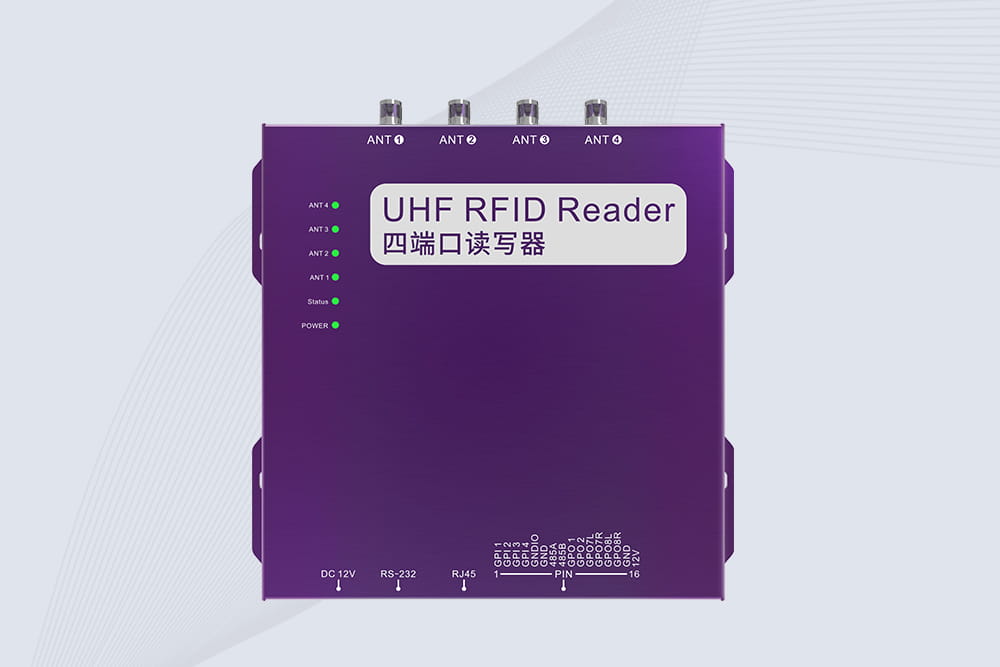
Cykeo CYKEO-R4 industrial UHF RFID Fixed Reader features 4 TNC ports, 400+ tags/sec speed, IP67 housing, and global frequency compliance for vehicle inspection, smart warehouse, and asset management systems.
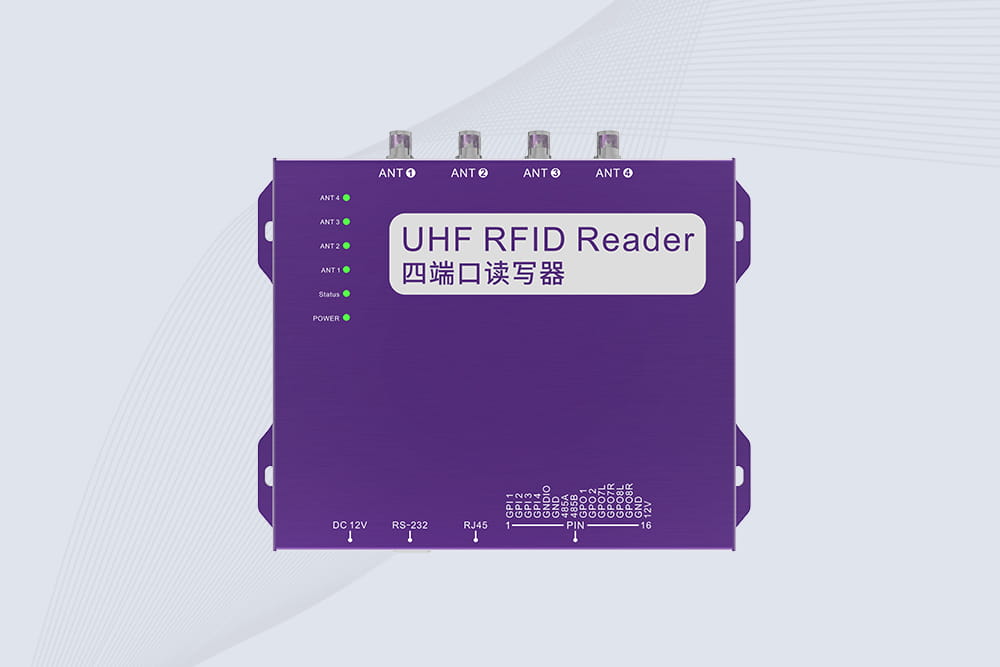
Cykeo’s CYKEO-R4L 4-port Fixed UHF RFID Reader delivers 400 tags/sec scanning, ISO 18000-6C compliance, and IP65 protection. Ideal for warehouse automation, manufacturing WIP tracking, and logistics management.
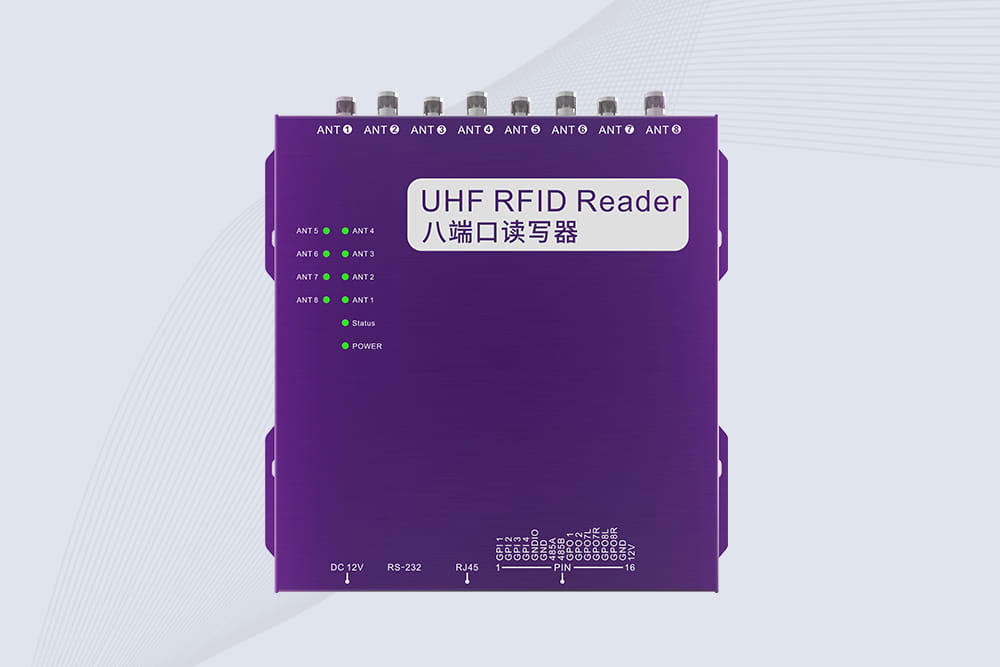
CYKEO CYKEO-R8L Fixed RFID Reader with 8-port UHF design, Impinj-based RF core and up to 20m read range. An industrial Fixed RFID Reader for vehicle inspection, warehouse portals, smart manufacturing lines and secure access checkpoints.
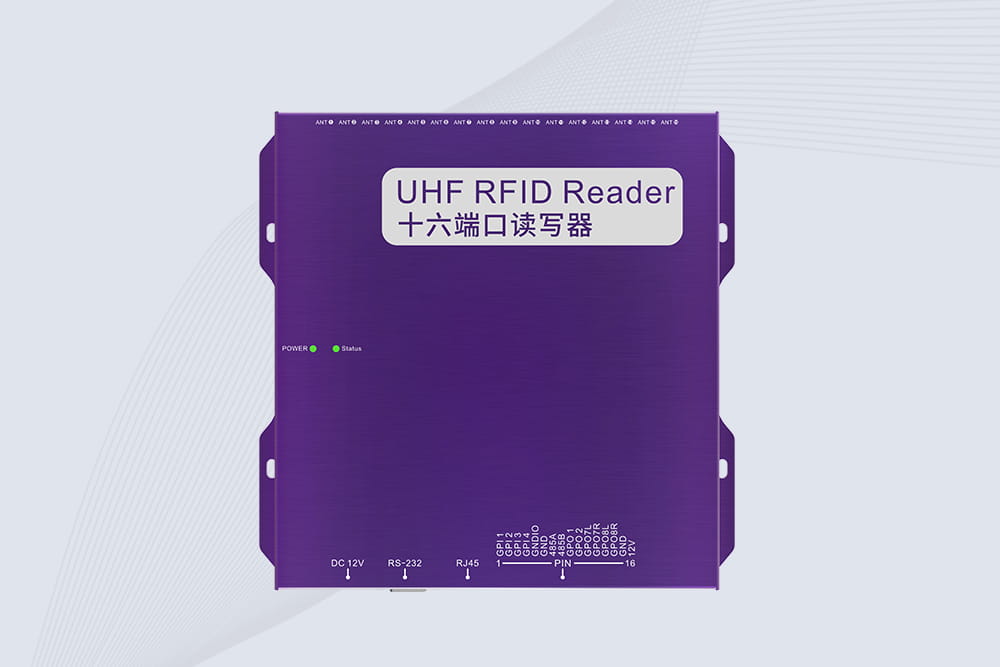
RFID Fixed Reader from CYKEO – the CYKEO-R16L 16-port UHF fixed reader for warehouses, smart cabinets, and production lines. Long-range, multi-tag reading, stable performance for 24/7 industrial use.
Discover why not all RFID tags work with every reader. Learn about frequency, standards, and how Cykeo’s multi-protocol readers ensure universal compatibility.
More
Discover how RFID works in plain language. Learn about tags, readers, and real-world applications in retail, logistics, healthcare, and transportation.
More
125kHz RFID reader, with its unique performance characteristics, plays an irreplaceable role in many use cases.
More
Discover how UHF RFID handheld terminals improve inventory efficiency in the apparel industry, optimizing tag scanning, stocking, inventory counting, and store replenishment while reducing labor costs and increasing accuracy.
More