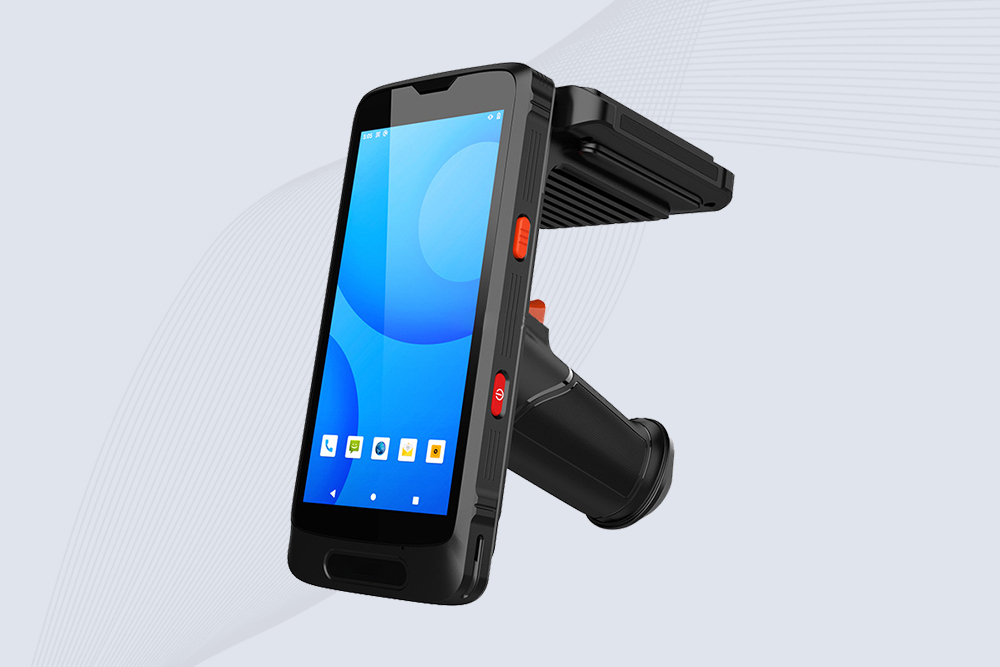
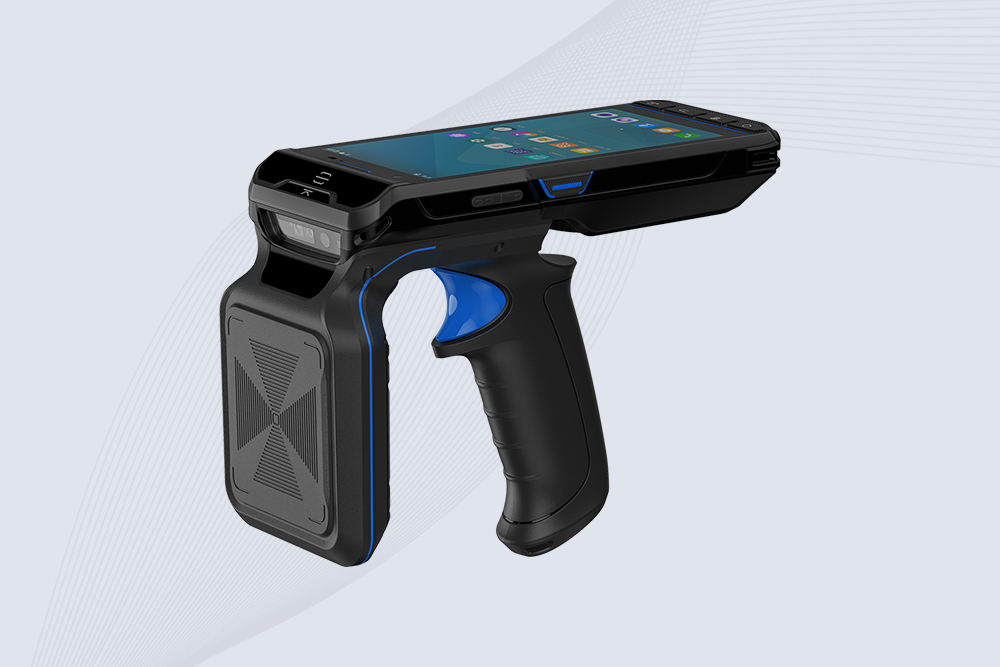
Handheld RFID scanners are workhorses in warehouses, hospitals, and retail stores—until they break down. Regular maintenance isn’t just about extending their lifespan; it’s about avoiding costly downtime and inaccurate scans. Here’s how to keep your scanners running smoothly, even in the toughest environments.
1. Daily Cleaning: Dust and Grime Are the Enemy
Why It Matters: Dirt blocks antennas, reduces read range, and can even damage internal components. What to Do:
Wipe Exteriors: Use a microfiber cloth slightly dampened with water or isopropyl alcohol. Avoid harsh chemicals.
Clean Screens: Apply screen-safe cleaner to remove fingerprints and smudges.
Check Ports: Blow out dust from USB/charging ports with compressed air.
Pro Tip: For scanners used in food processing or healthcare (like Cykeo’s sanitization-ready models), disinfect surfaces daily with 70% alcohol wipes.
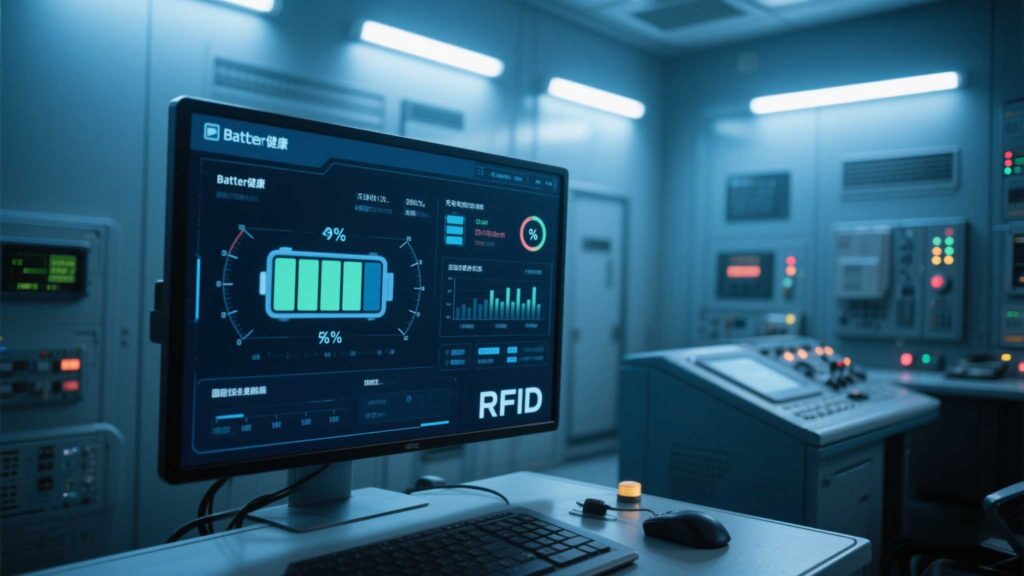
2. Battery Care: Avoid Premature Death
Why It Matters: Poor battery habits shorten lifespan and cause mid-shift failures. Best Practices:
Avoid Full Discharges: Recharge when battery drops to 20–30%.
Store Properly: Keep scanners in a cool, dry place (not in freezing trucks or hot docks).
Calibrate Monthly: Fully drain and recharge batteries every 30 cycles to maintain accuracy.
Warning: Swollen batteries are a fire risk—replace them immediately.
3. Firmware and Software Updates
Why It Matters: Updates fix bugs, improve security, and add compatibility with new RFID tags. How to Do It:
Connect to Wi-Fi/PC: Ensure the scanner has internet access or is plugged into update software.
Backup Data: Export scan logs to avoid data loss during updates.
Recurring Errors: If problems persist after troubleshooting.
Warranty Tip: Cykeo and most brands void warranties if you open the scanner yourself.
8. Maintenance Schedule Cheat Sheet
Task
Frequency
Clean exterior/screen
Daily
Check battery health
Weekly
Update firmware
Monthly
Inspect antenna/sensors
Quarterly
Full diagnostic test
Bi-annually
Takeaway: Routine maintenance is the difference between a scanner that lasts 2 years and one that lasts 5. By dedicating just minutes a day to cleaning, updates, and checks, you’ll avoid frustrating breakdowns and keep operations running smoothly. Brands like Cykeo design their scanners for easy upkeep, but consistency is key—treat your tools well, and they’ll return the favor.
Discover which antenna types boost long-range RFID reader performance for industrial, logistics, and outdoor use. Learn how Cykeo’s solutions enhance read accuracy and range.
This article explains the difference between reading and writing RFID tag data, including tag memory, software commands, and security considerations. It help...
Discover proven strategies to reduce interference in outdoor long-range RFID systems. Learn how Cykeo’s rugged solutions maintain accuracy in challenging environments.
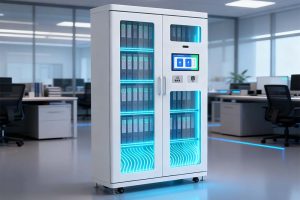
RFID file cabinet lets you track files automatically, locate them instantly, and secure access with real audit trails. A practical, honest look at why it’s replacing traditional file cabinets in modern offices.
 Cykeo RFID IoT Solution Products R&D Manufacturer