 Cykeo RFID IoT Solution Products R&D Manufacturer
Can You Read RFID with iPhone? Let’s Cut to the Chase.
92Trying to use your iPhone for RFID? We answer "can you read RFID with iPhone" by explaining the limited NFC capability and its real-world business applications.
MoreAll RFID Product
Anyone who has worked with warehouse or production-line RFID knows the drill:
stacked labels, weird orientations, stray reads from the next pallet… and somehow the system still expects 100% accuracy.
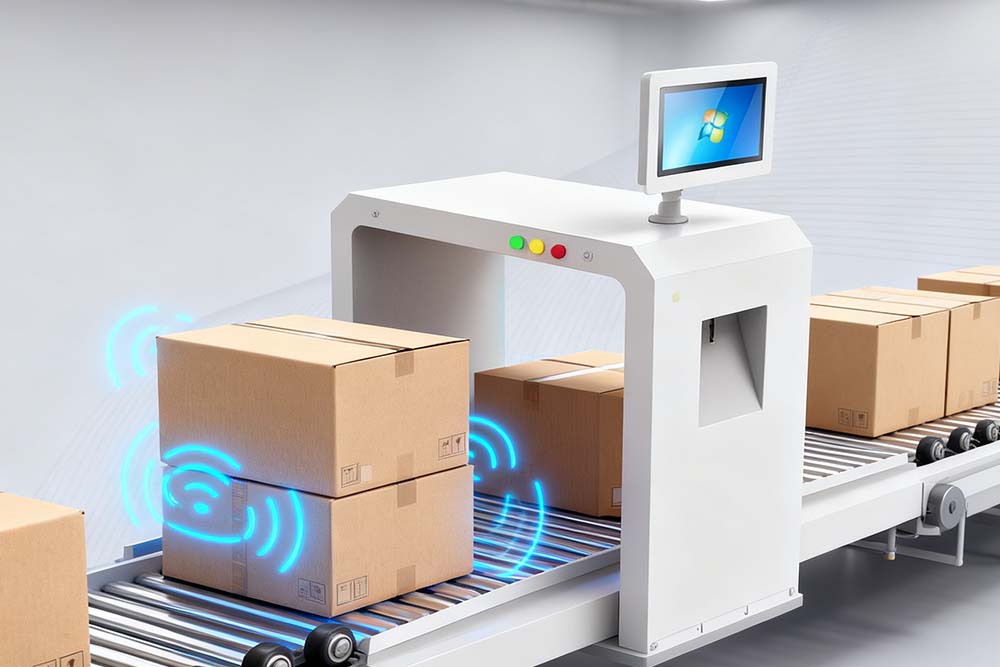
The Cykeo CK-TP2C RFID Tunnel Reader is built exactly for this kind of messy, real-world environment.
Not the “perfect lab test setup”—the noisy, fast, unpredictable one.
And honestly?
That’s why the machine makes sense.
In simple words:
It automates high-volume, high-speed RFID identification for items passing through a physical tunnel structure.
Think of:
No manual scanning.
No stopping the belt “just to get a read”.
No operator frustration.
Just clean, stable, automatic data.
Antennas arranged around the entire tunnel space, plus internal shielding.
This means fewer “ghost reads” and far better control over the reading zone.
You’re not scanning half the warehouse—just the items passing through.
Realistically:
Exactly what high-volume workflows need.
The tunnel aligns with belt conveyors, roller tables, or push-through racks.
You decide whether items need to pause or just flow through at a constant pace.
RESTful API, SDK, structured data output.
Plug into your WMS/ERP/MES without drama.
The IT guys won’t hate you for this one.
Metal housing, reinforced edges, shielded internal space.
It survives warehouses, hot production floors, and daily use—no babysitting required.
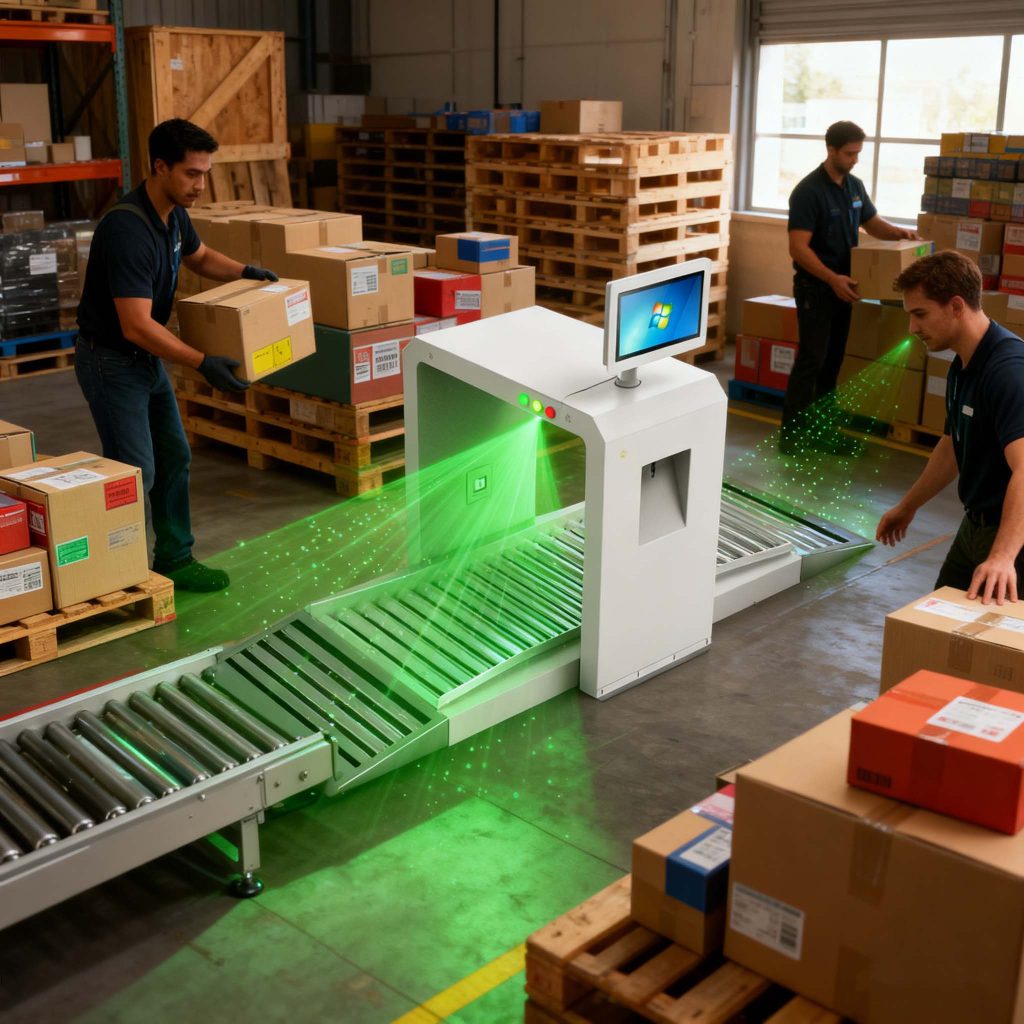
Inbound carton verification.
Outbound shipment validation.
Cycle-count automation.
Tunnel scanning turns a messy receiving station into a predictable data flow.
Component bins.
Work-in-process items.
Finished goods moving to storage.
The tunnel feeds real-time traceability directly into MES/WMS.
Soft items are a nightmare because they collapse into each other.
A shielded tunnel with a proper antenna array actually handles them—bags, bundles, loose items—cleanly.
Tools entering or leaving maintenance rooms, workshops, calibration zones…
The tunnel creates a fully automatic check-in/check-out point.
Anything that frequently moves through a controlled zone benefits from tunnel-based identification.
This is the “human opinion” part:
Especially with mixed items—cartons, fabrics, small tools, metal-adjacent objects.
That’s usually where cheaper tunnels collapse.
It isolates the read zone very effectively.
You only capture what you should capture.
Panels open easily.
Electronics are accessible.
You don’t need a dedicated specialist just to run routine checks.
The software side doesn’t feel over-engineered.
You can get it talking to your system quickly.
This is important—
some tunnels only work well with consistent box sizes.
The CK-TP2C handles mixed goods without losing its mind.
No marketing. Just practical notes:
The Cykeo CK-TP2C RFID Tunnel Reader is one of those systems that simply works in the environments most RFID solutions struggle in.
It’s built for bulk scanning, for speed, for accuracy, for continual use—and most importantly, for real operations, not ideal ones.
If you need clean, predictable RFID data in a high-volume flow—
this tunnel is a solid, reliable, and honestly very practical choice.
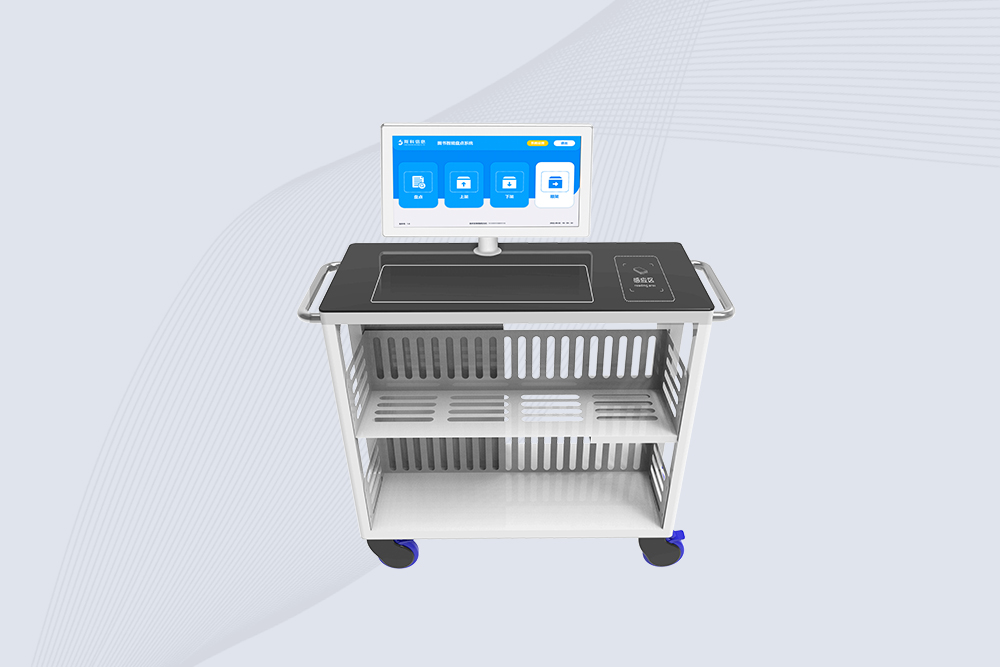
Cykeo CYKEO-C2 UHF RFID inventory cart features 10 UHF readers, 500 tags/sec scanning, Windows/Android OS, and hybrid power for warehouses/libraries. Supports ISO 18000-6C protocols and customization.
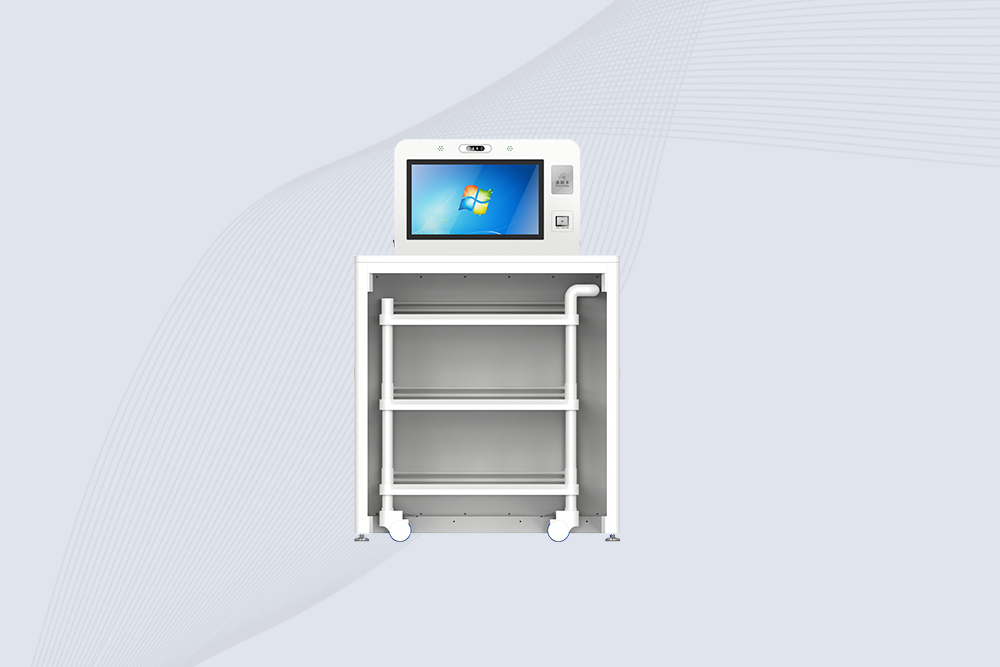
Cykeo’s industrial RFID Inventory Tracking station features dual scanning modes, 200+ items/sec bulk reading, and SAP integration for precise warehouse management. MIL-STD-810G certified with Windows/Android OS.

Cykeo CYKEO-D7 RFID system for inventory offers 40+ tags/sec scanning, 150L secure storage, and Impinj R2000 chipset for warehouses, toolrooms, and retail. Global frequency compliance (840-960MHz).
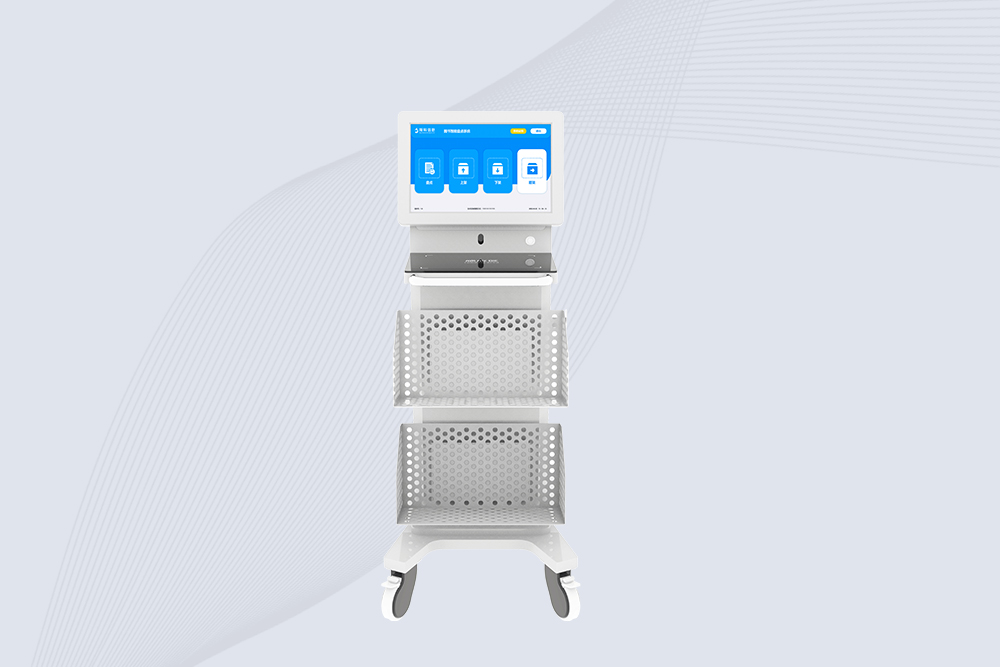
Cykeo CYKEO-C1 mobile RFID scanner cart features PLC-controlled antenna lifting, 10-tag/sec reading, and 21.5″ touchscreen for libraries, hospitals, and warehouses. Supports Windows/Android and multi-protocol RFID.
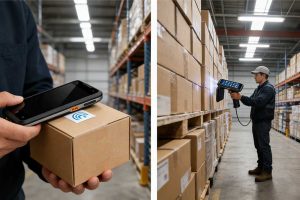
Trying to use your iPhone for RFID? We answer "can you read RFID with iPhone" by explaining the limited NFC capability and its real-world business applications.
More
Facing rfid reader not working issues? Discover practical troubleshooting tips, common failure causes, and proven CYKEO solutions to restore stable RFID performance fast.
More
Can an Android phone read an RFID tag? Yes—but only 13.56 MHz HF/NFC tags within 1-4 cm. For UHF warehouse tags? Absolutely not. Here’s exactly what works.
More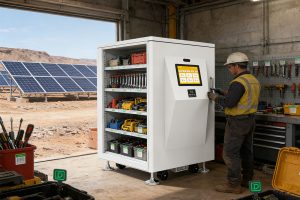
CK-GT3B RFID tool inventory cabinet enables intelligent tool management for remote mining sites, offshore platforms, wind farms, and military outposts. Supports RESTful & native APIs, secondary development SDK, Java/C# cross-platform integration, ...
More