 Cykeo RFID IoT Solution Products R&D Manufacturer





Where to Buy RFID Reader?
68Not sure where to buy RFID reader for your business? Learn about your key purchasing options, what to consider, and why CYKEO direct support matters.
MoreAll RFID Product
Most software teams do not start a project by looking for RFID hardware.
They usually start with a system requirement.
It might be a smart cabinet that needs to know which compartment is open.
It might be a warehouse shelf that should update inventory automatically.
Or it might be a location-based system where tags need to be detected continuously, not scanned by hand.
Only later does the question come up: what kind of fixed UHF RFID reader can actually support this without becoming the weak link?
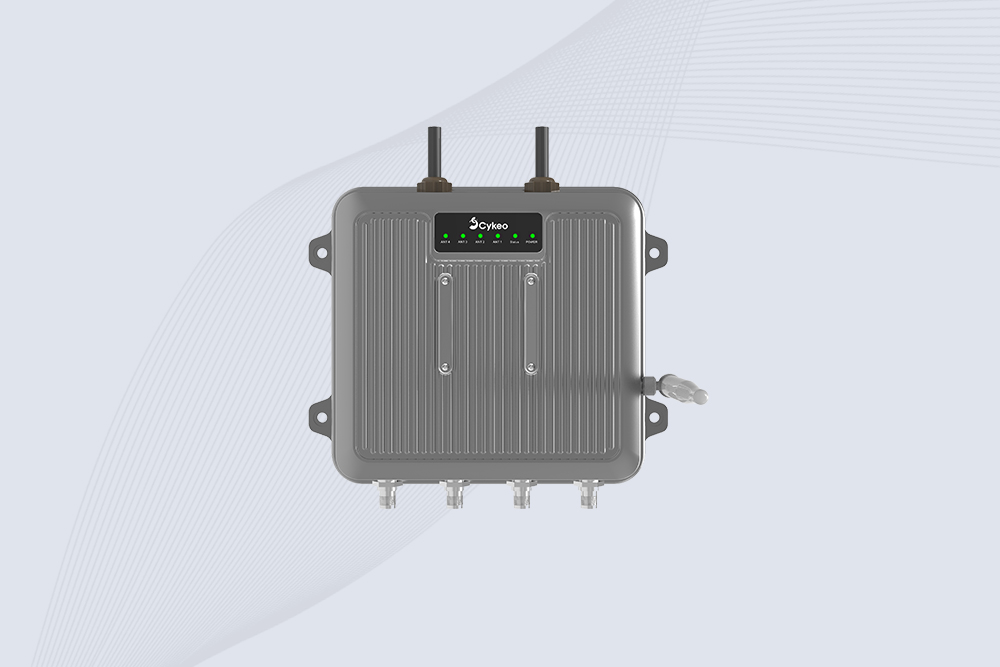
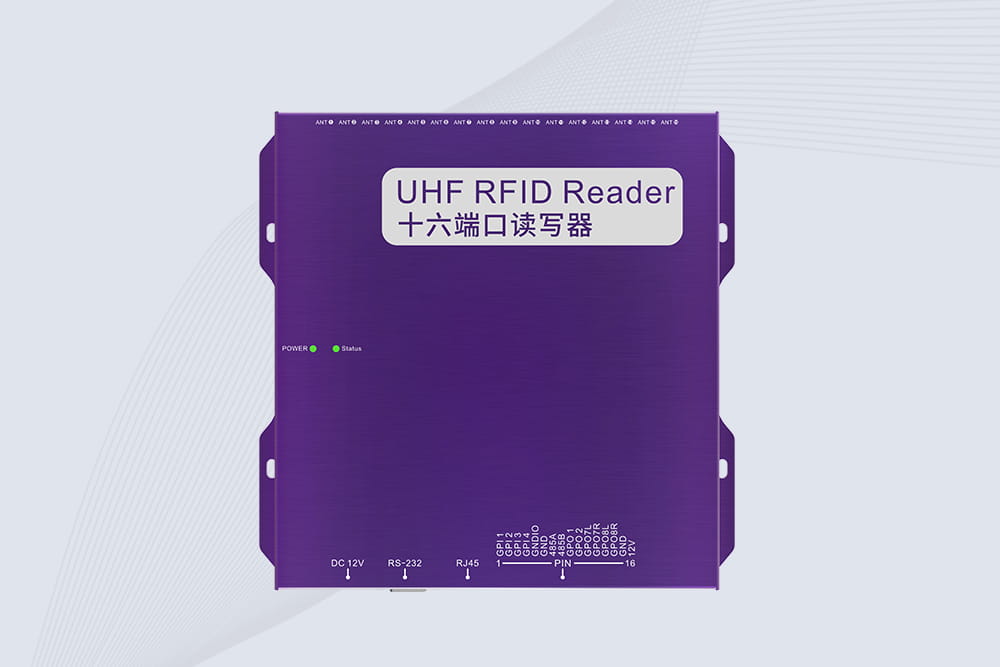
The CYKEO CK-R16L fixed UHF RFID reader was designed around that question.
In theory, a fixed reader is simple.
In real deployments, it rarely is.
Software developers often run into the same issues:
CK-R16L exists because these problems keep repeating.
The CK-R16L provides 16 independent antenna ports, which changes how a system can be designed.
Instead of deploying many small readers, developers can control multiple reading zones from a single device. This simplifies system topology, reduces network load, and makes maintenance easier.
In smart cabinet projects or warehouse shelf identification, this matters a lot more than raw reading distance.
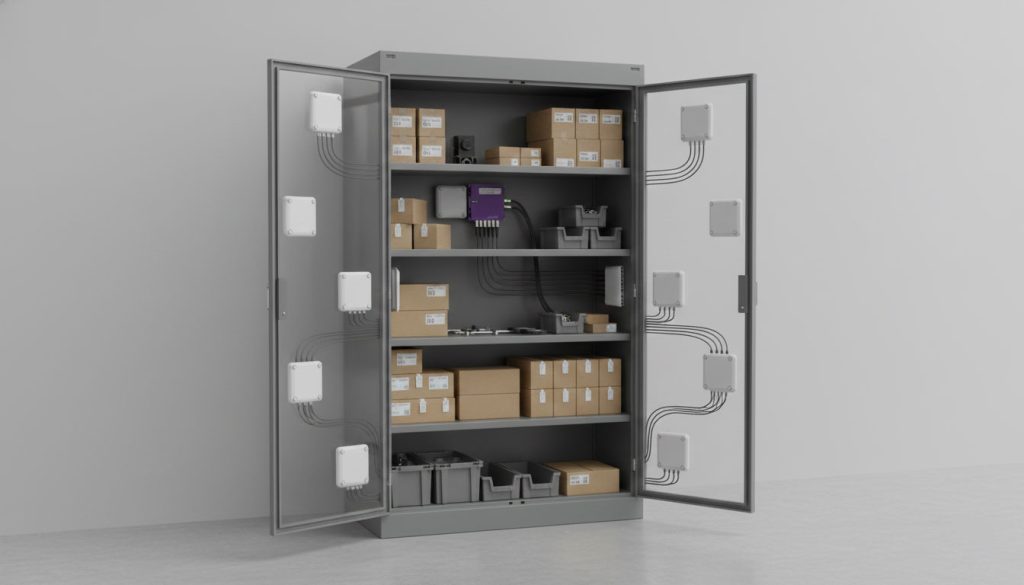
CK-R16L supports Ethernet, RS-232, RS-485, and Wi-Fi.
This is not about flexibility for marketing slides.
It is about fitting into systems that already exist.
Some projects require TCP/IP over Ethernet.
Others still rely on serial communication.
Some environments prefer wireless to reduce cabling.
From a software perspective, being able to choose the interface avoids unnecessary redesign.
CK-R16L supports adjustable output power up to 33 dBm, with reading distances up to 15 meters, depending on antenna type and environment.
More importantly, it supports dense tag reading and stable performance over time.
Reading speed above 400 tags per second sounds impressive, but in practice, consistency is what keeps systems stable. CK-R16L focuses on that.
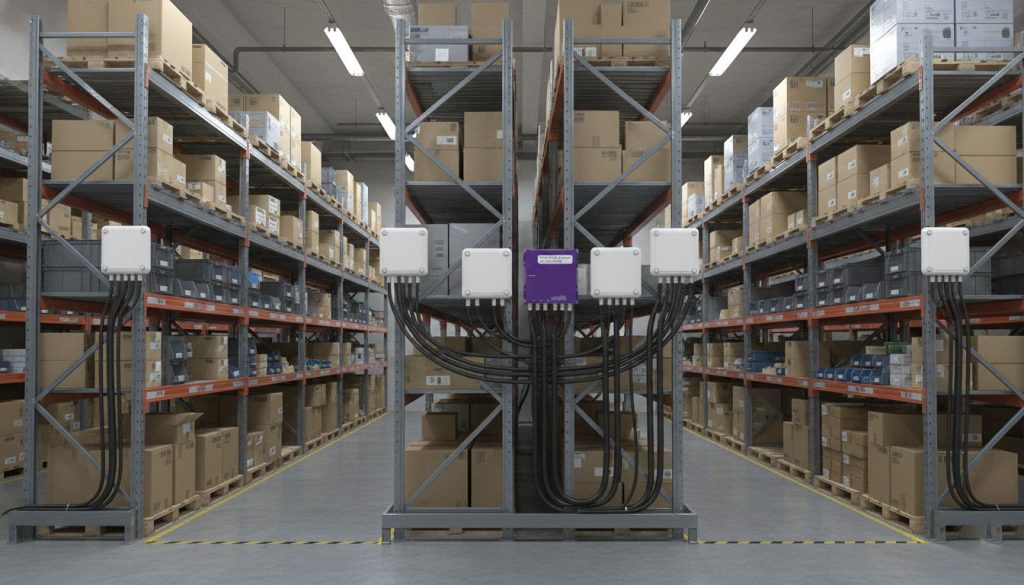
CK-R16L supports major UHF RFID standards including EPC C1G2, ISO 18000-6B/C, and optional GB/T29768-2013.
It also supports multiple regional frequency bands, making it suitable for global deployments without changing hardware.
For developers, this means fewer exceptions and less region-specific logic.
A fixed reader only works as well as the antenna connected to it.
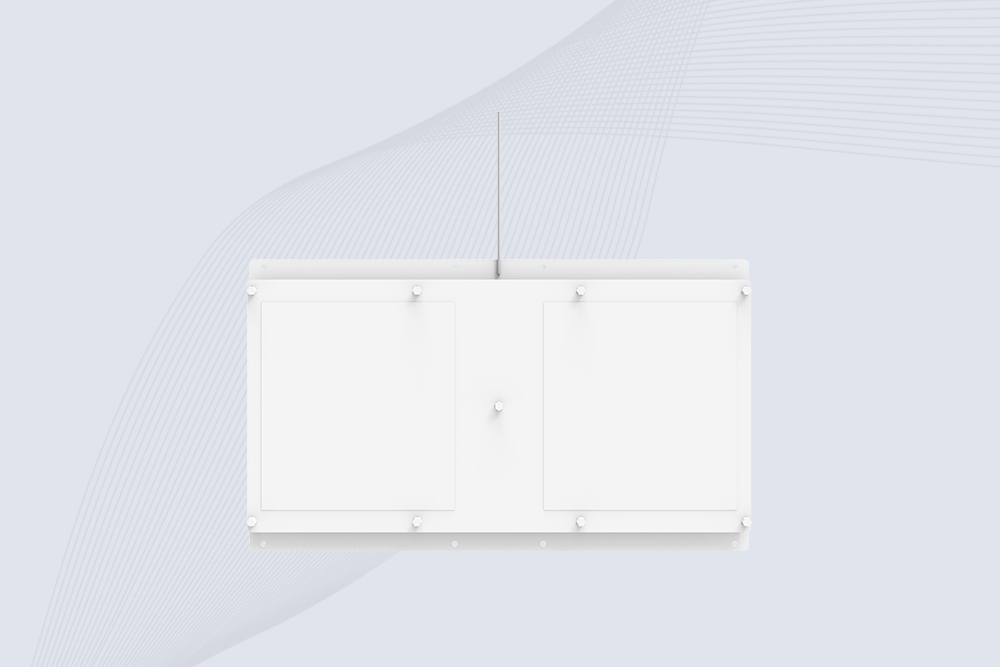
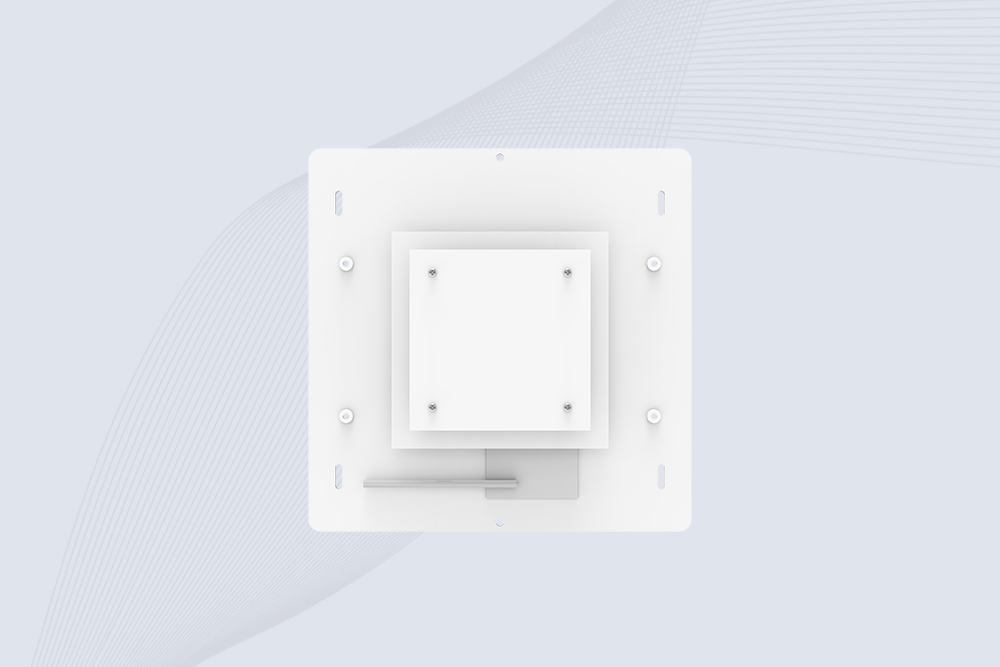
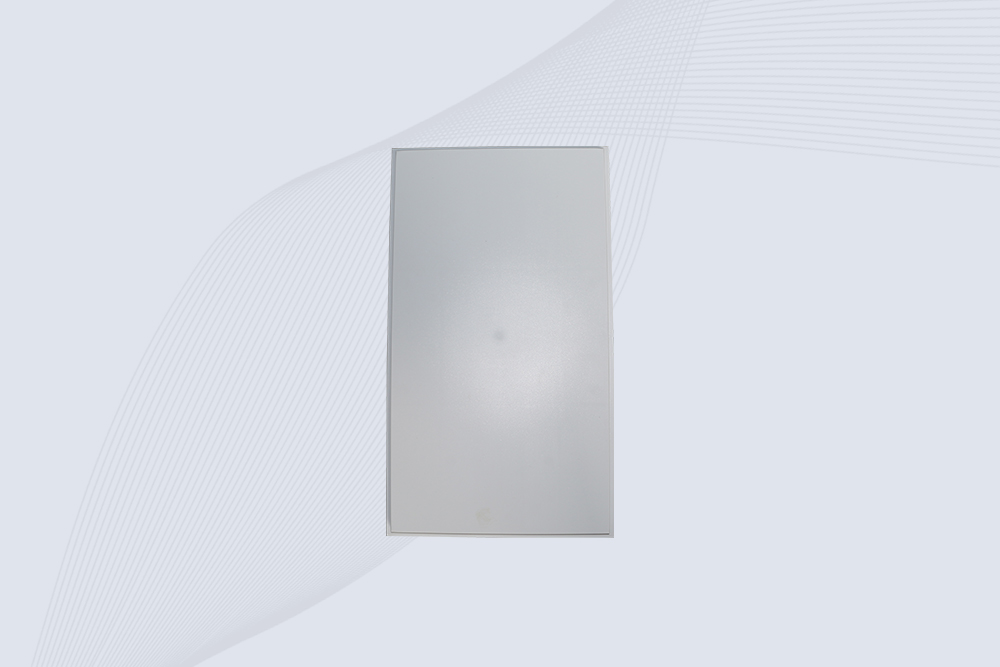
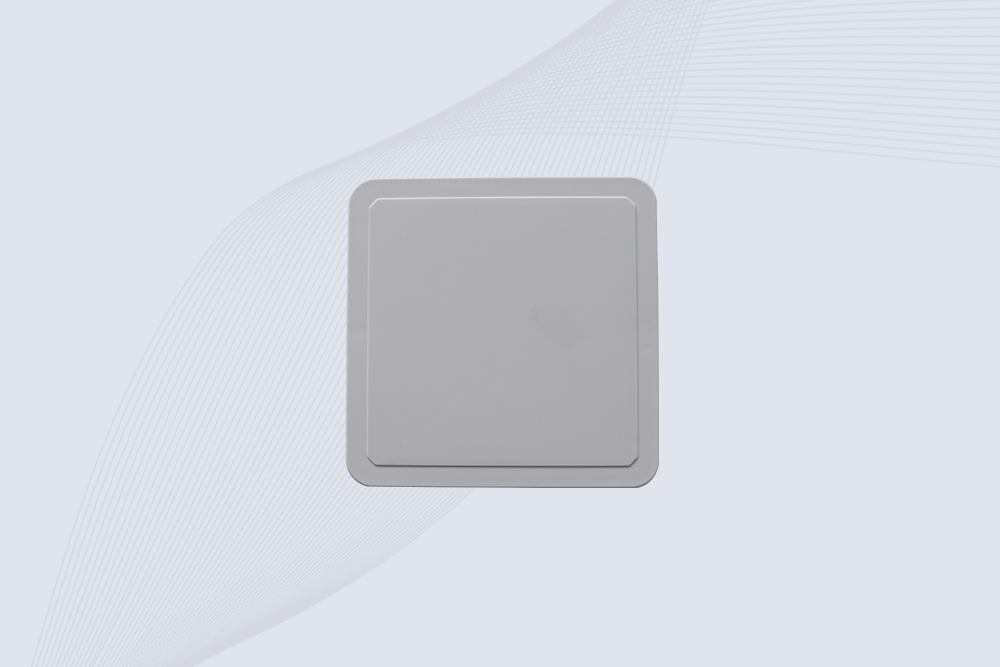
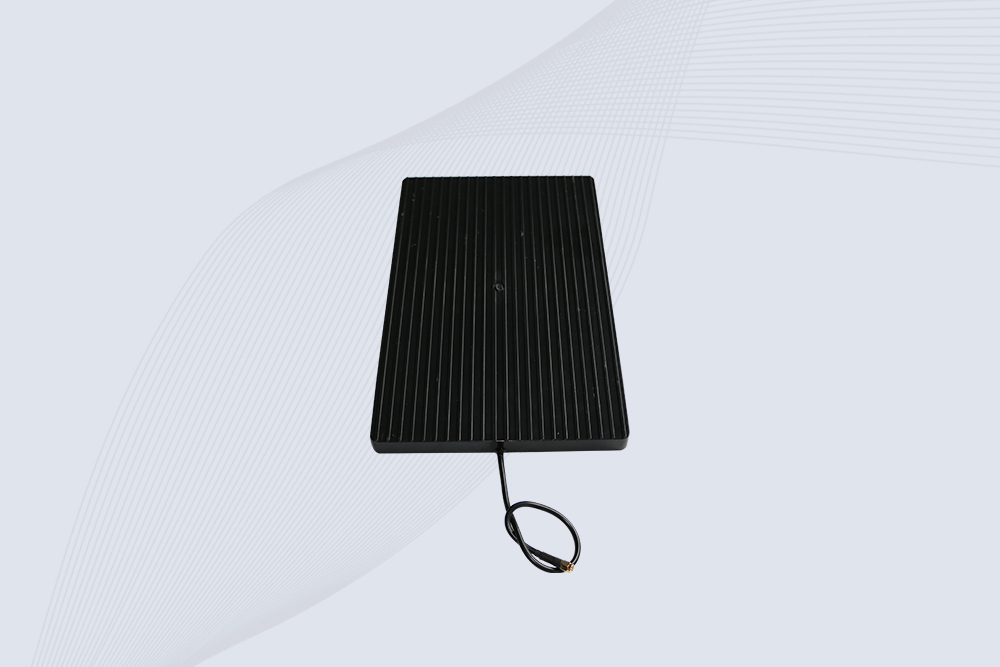
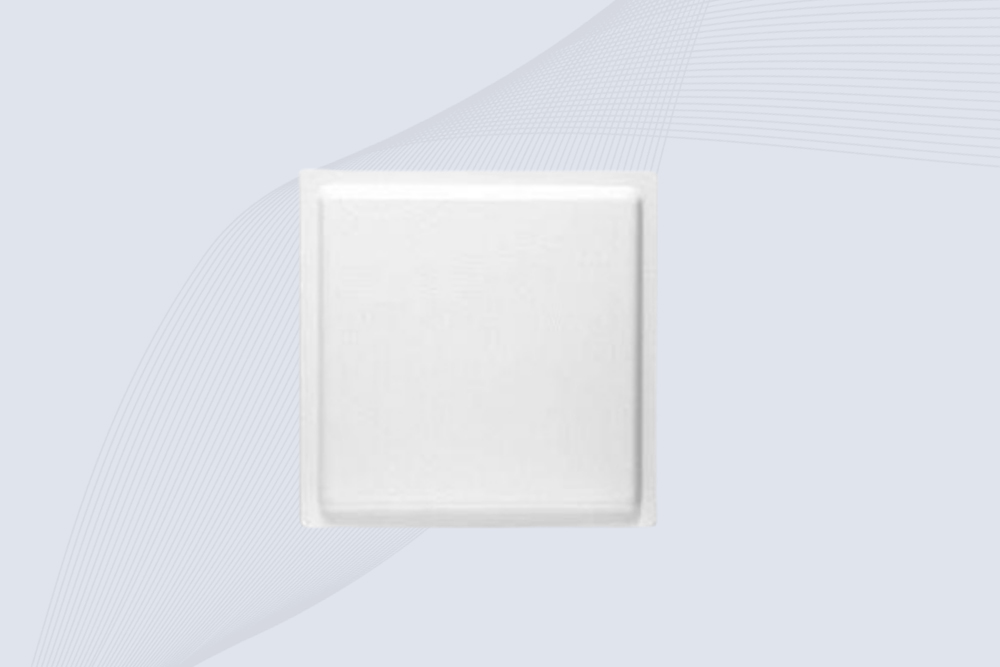
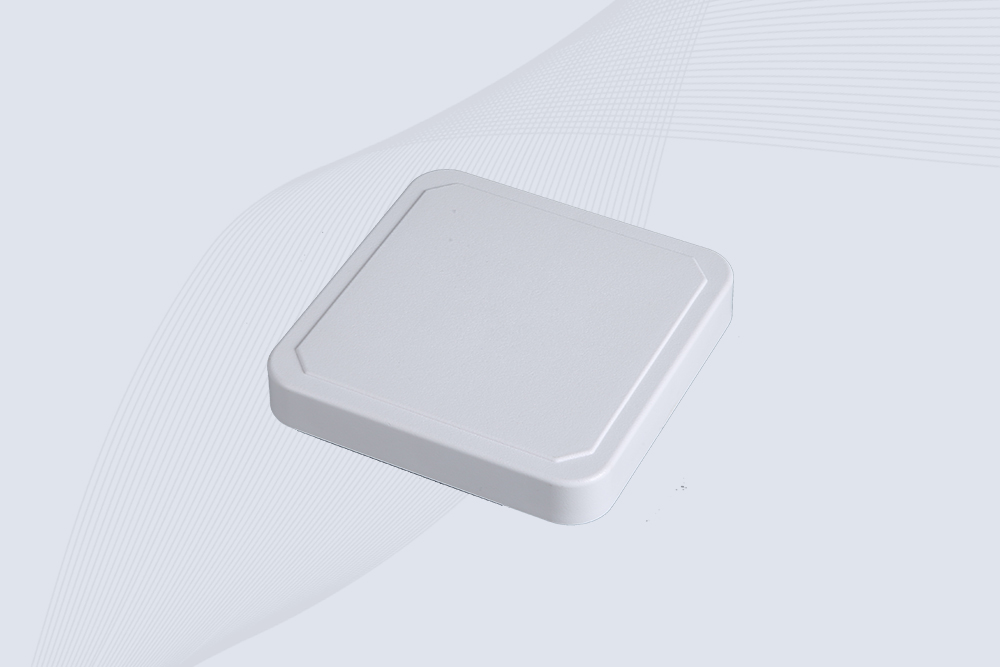
CYKEO pairs CK-R16L with the CK-A9 9dBi circular polarized UHF RFID antenna, designed for long-range and stable coverage.
The antenna provides:
Together, the reader and antenna form a complete system rather than separate components.
Some features are only appreciated after deployment:
These reduce maintenance effort and help diagnose issues without visiting the site.
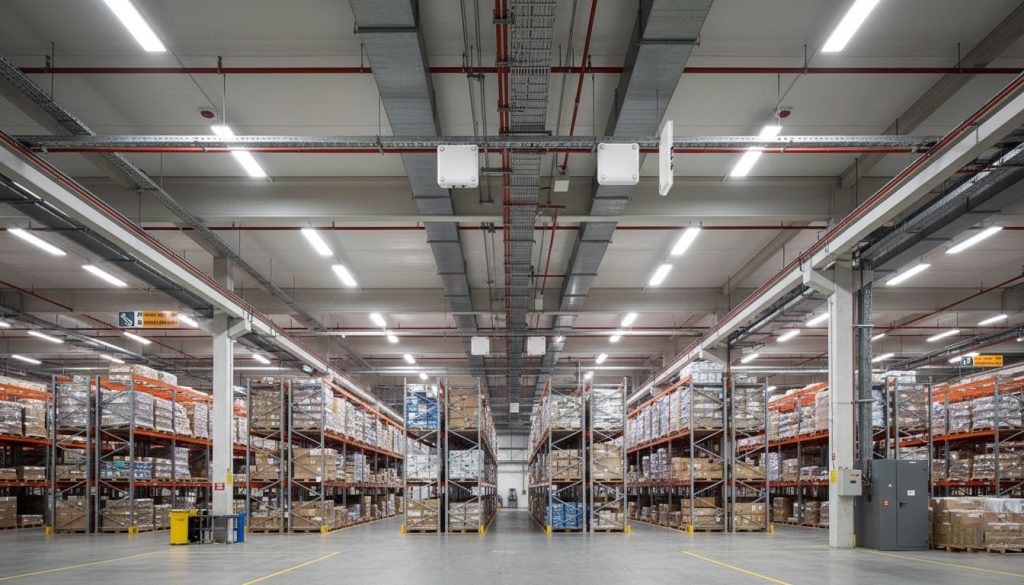
CK-R16L with CK-A9 antennas is commonly used in:
In these systems, the uhf fixed reader acts as a continuous data source rather than an active scanning device.
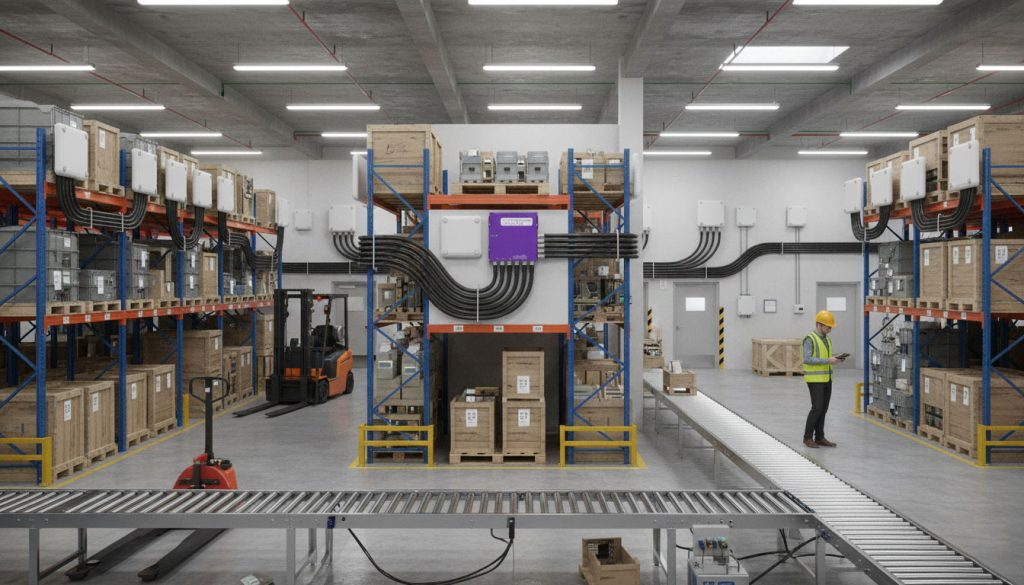
CK-R16L is not designed to impress during a demo.
It is designed to stay stable after months of operation.
For software teams building systems that rely on continuous RFID data, a fixed uhf rfid reader like CK-R16L offers a balance of performance, flexibility, and long-term reliability.
Paired with the CK-A9 antenna, it becomes a practical foundation for automated RFID systems rather than just another hardware component.

Not sure where to buy RFID reader for your business? Learn about your key purchasing options, what to consider, and why CYKEO direct support matters.
More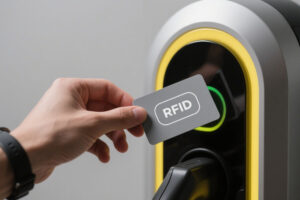
Wondering what an RFID card for EV charging is? Learn how these keycards work, why drivers rely on them, and how they simplify electric vehicle charging.
More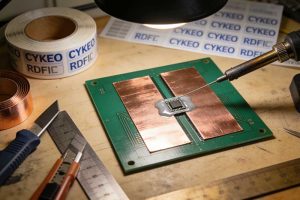
Wondering how to make a RFID antenna? We walk through building a simple UHF dipole, explain the tuning challenges, and when to choose commercial solutions.
More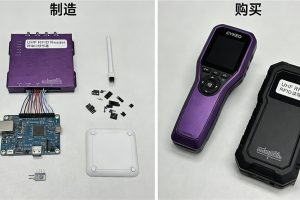
Explore how to build RFID reader for a prototype, and understand the challenges vs. buying a reliable, certified professional unit from CYKEO.
More