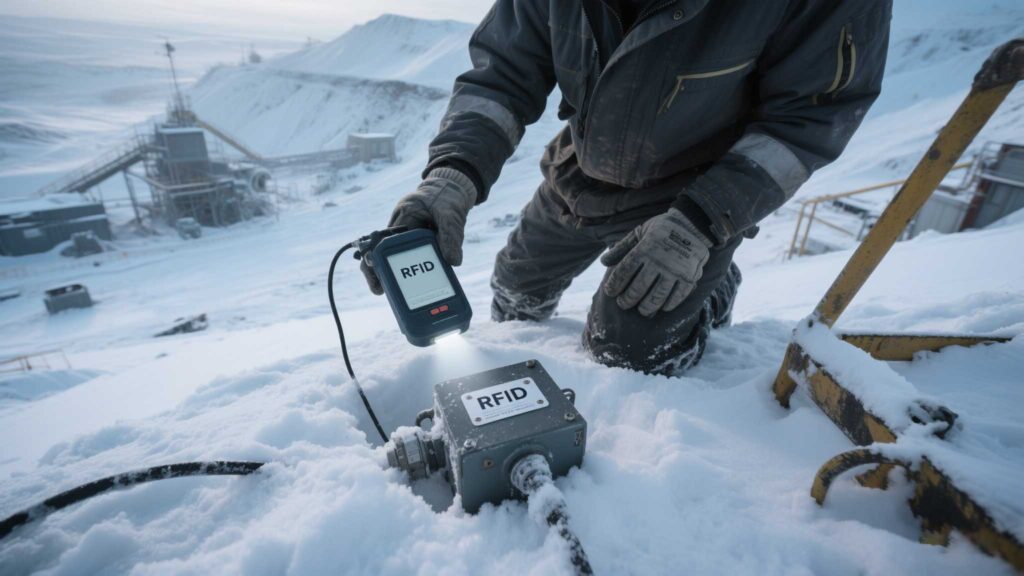
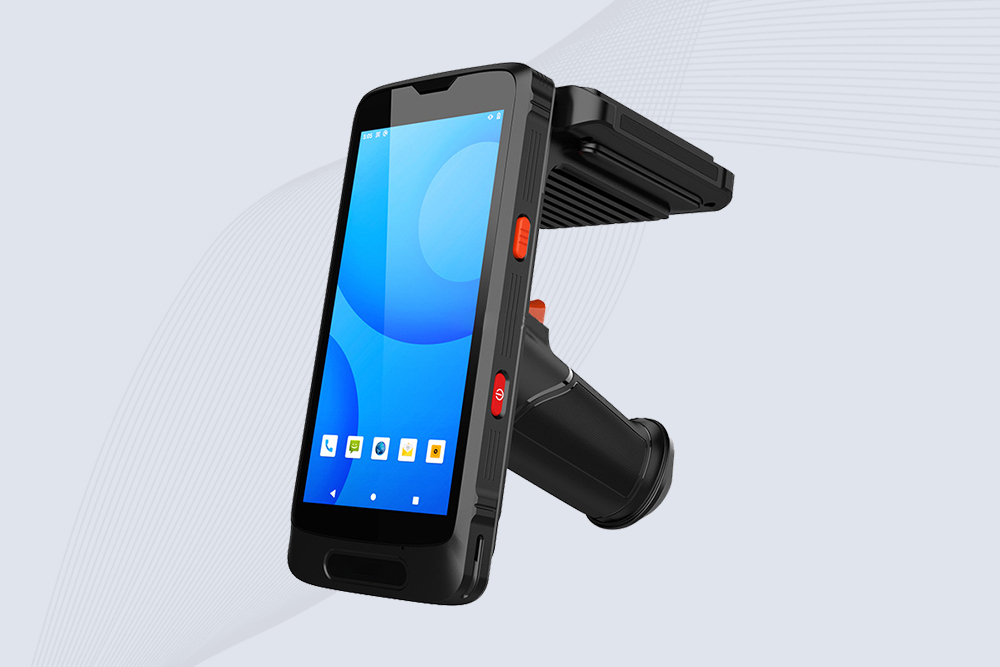
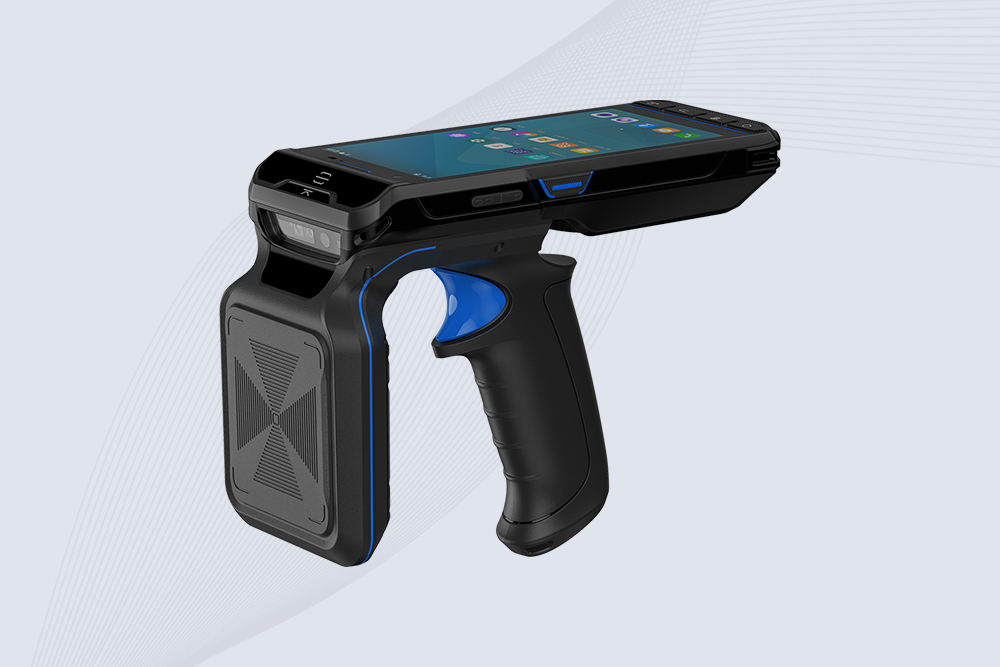
From freezing warehouses to dusty construction sites, businesses need RFID scanners that deliver reliability in extreme conditions. Modern handheld RFID scanners are engineered to survive harsh environments—here’s how they achieve durability and consistent performance.
1. Industrial-Grade Protection
Handheld RFID scanners built for rugged use typically feature:
IP65/IP68 Ratings: Resists water jets, dust ingress, and submersion (up to 1.5m for 30 minutes).
MIL-STD-810H Certification: Withstands drops from 2+ meters and vibrations from heavy machinery.
Temperature Resilience: Operates in -20°C to 50°C (-4°F to 122°F) ranges, ideal for cold storage or desert logistics.
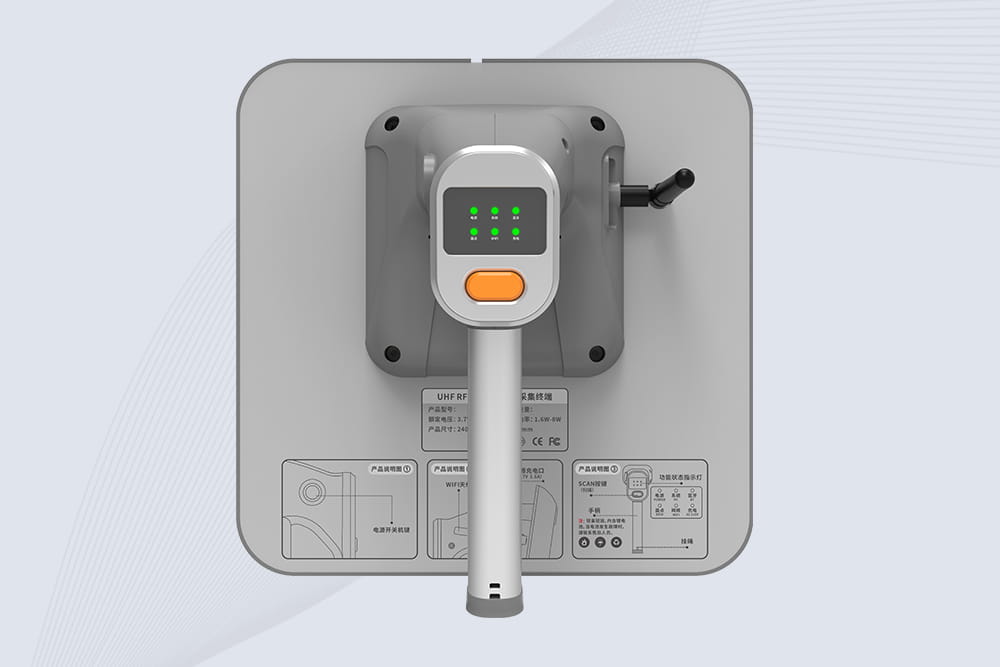
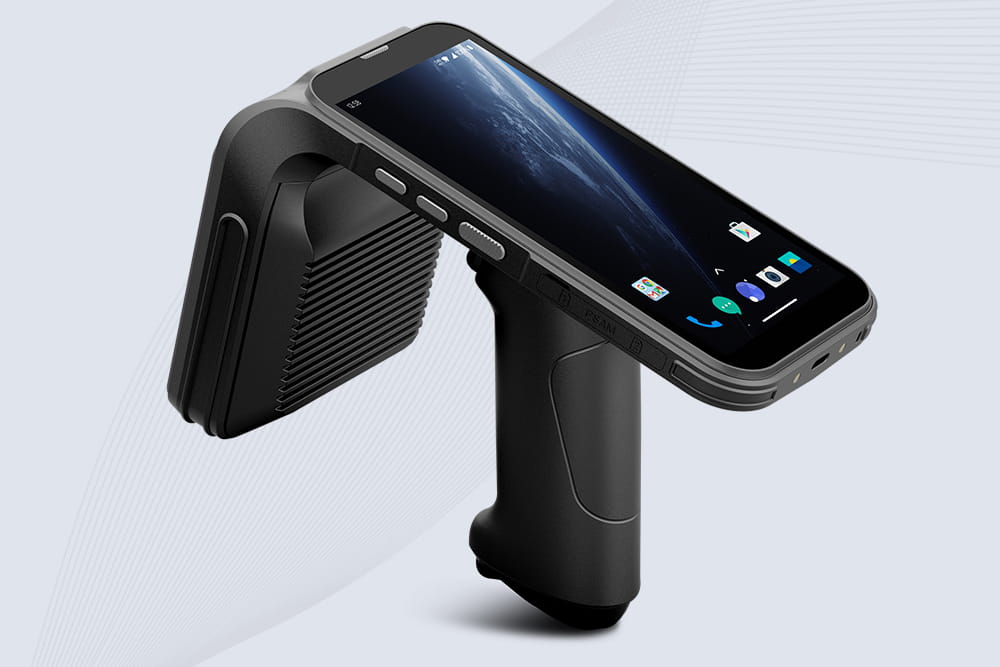
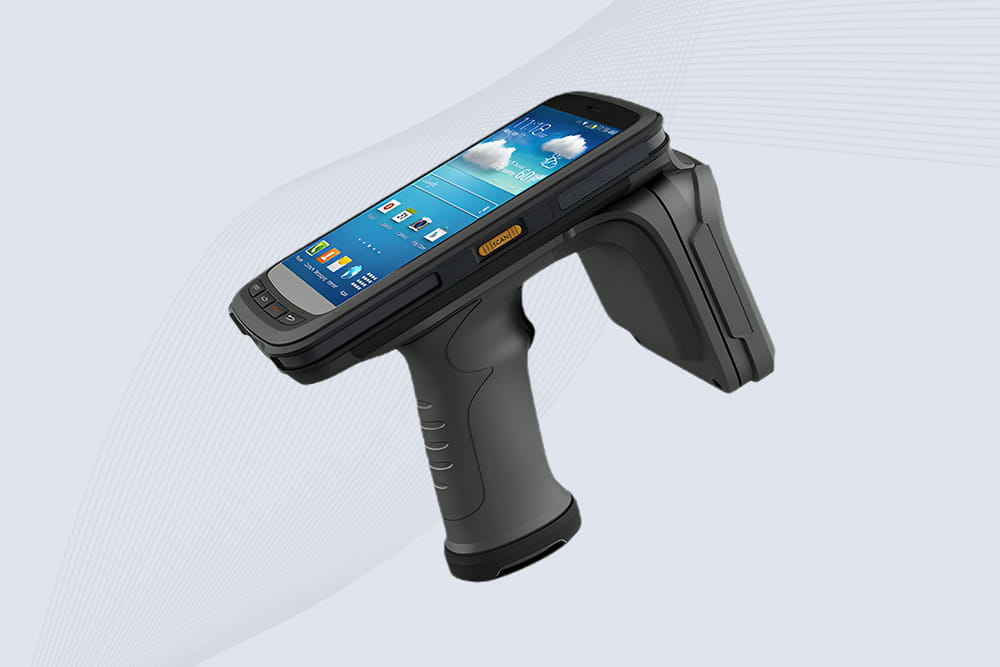
For example, Cykeo’s industrial scanners use reinforced polycarbonate casings and silicone seals to block contaminants without sacrificing portability.
2. Enhanced Read Performance in Challenging Settings
RFID signals can struggle with interference from metal surfaces or liquids. Rugged scanners address this with:
High-Power RFID Antennas: Boosts signal penetration for reading tags on metal tools or liquid containers.
Frequency Agility: Automatically switches between UHF frequencies to avoid noise in crowded RF zones.
Anti-Interference Algorithms: Filters out false reads caused by machinery or Wi-Fi networks.
Ever wonder how an RFID reader actually works? This article breaks it down in a human way — how the reader talks to tags, what happens in warehouses or metro gates, and why it’s quietly powering daily life everywhere.
Discover the best RFID-barcode hybrid scanners for small retail stores in 2024. Compare affordability, durability, and software compatibility for seamless inventory management.
RFID surgical instrument tracking helps hospitals reduce lost tools, improve OR efficiency, and ensure compliance. See how CYKEO delivers real results.
Learn how RFID works, its key components, and real-world applications. Discover Cykeo’s RFID solutions for industries like retail, healthcare, and logistics.
 Cykeo RFID IoT Solution Products R&D Manufacturer