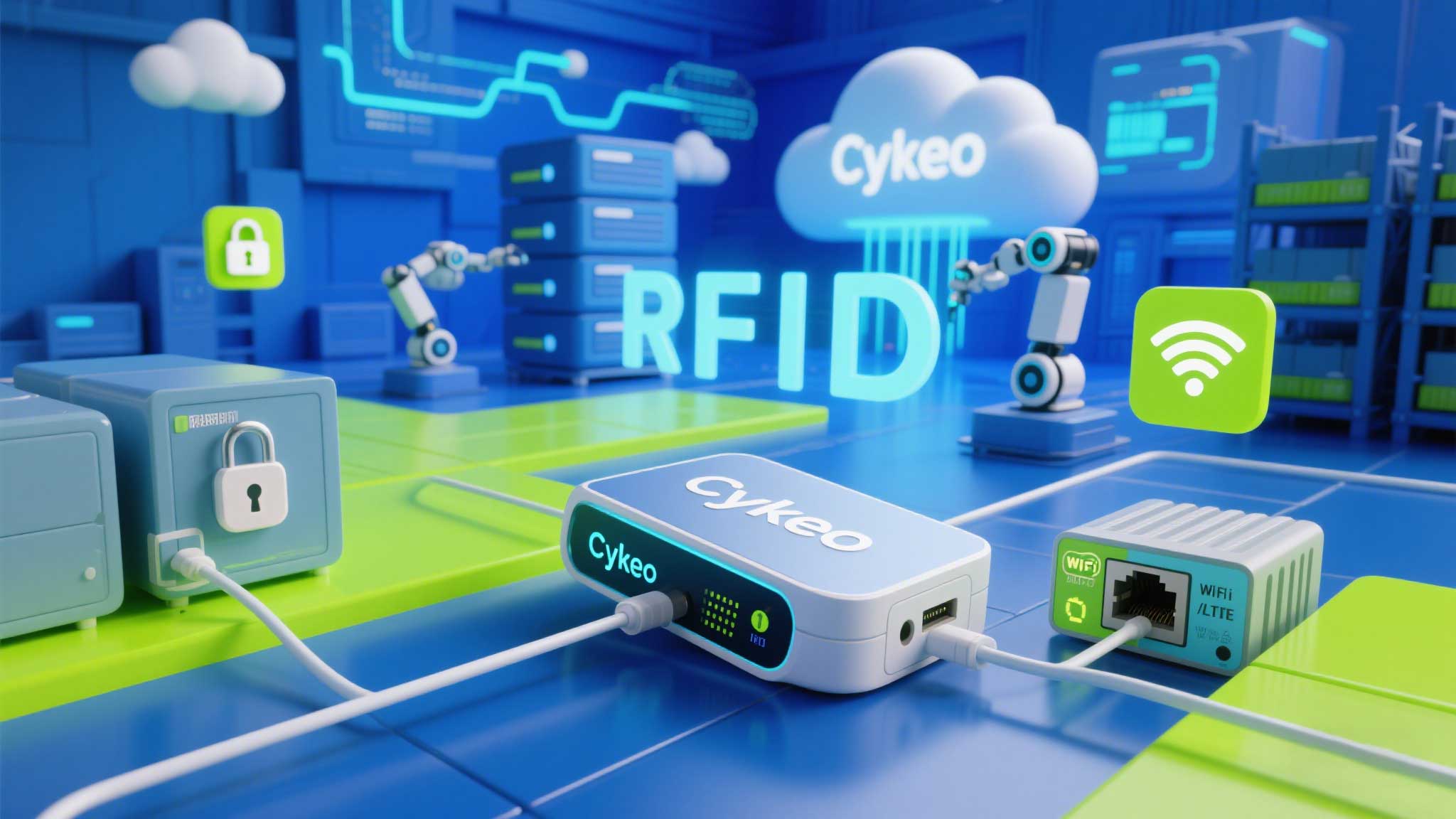
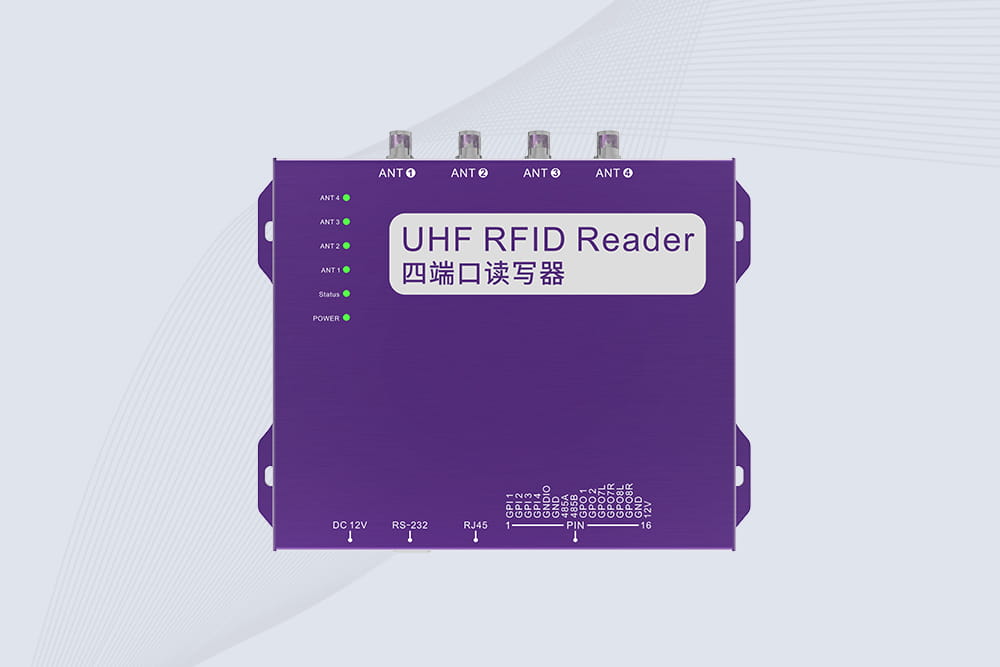
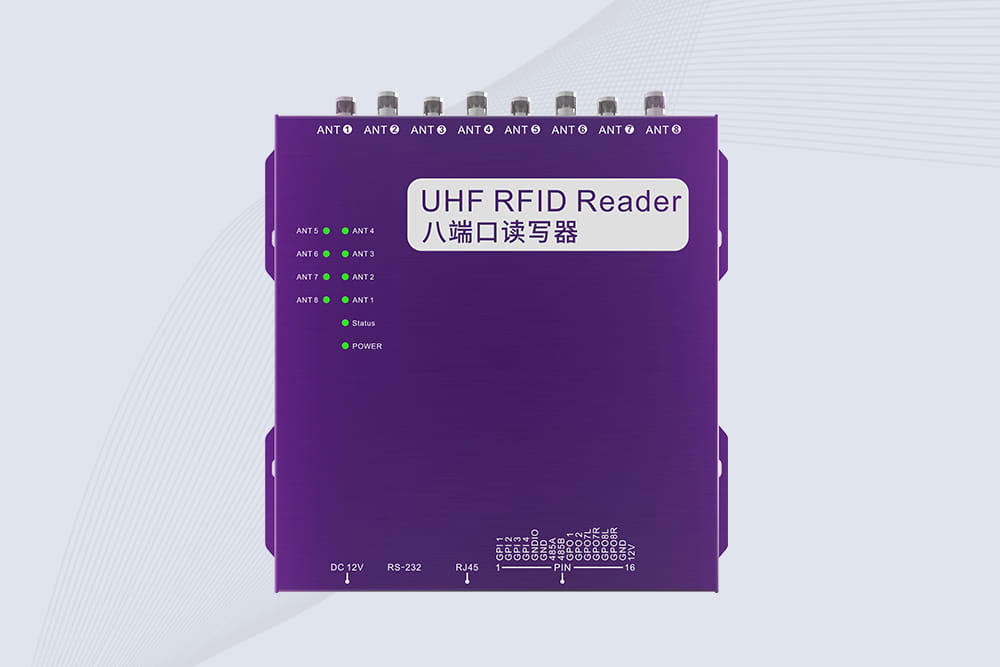
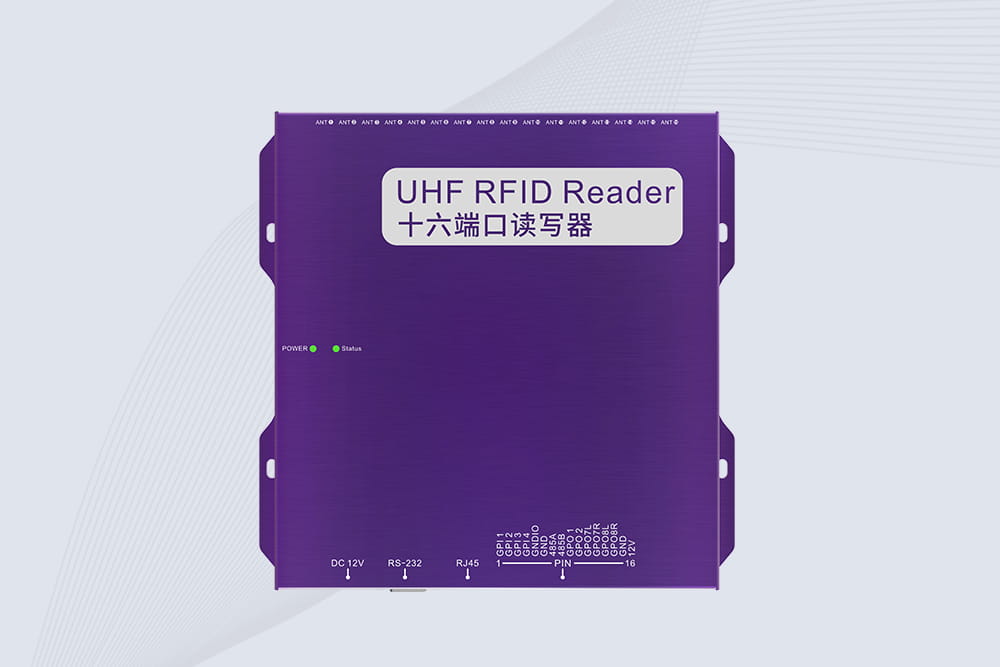
RFID readers and IoT devices are increasingly used together to automate inventory tracking, smart logistics, and asset management. However, compatibility depends on hardware design, communication protocols, and network infrastructure. Here’s how to ensure seamless integration and build a future-ready system.
1. Protocol Compatibility: The Foundation of IoT-RFID Integration
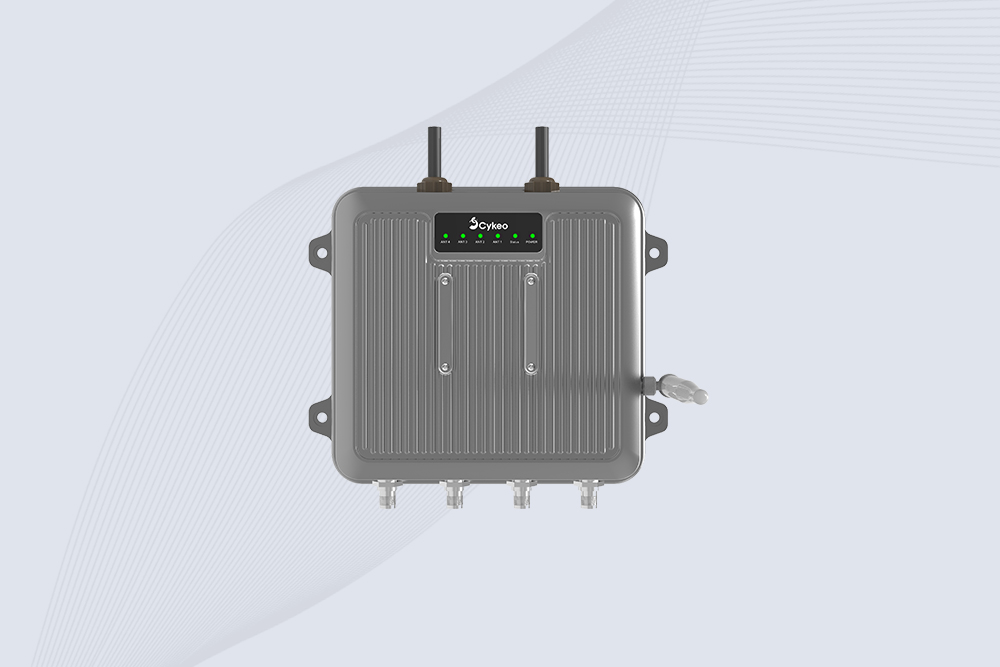
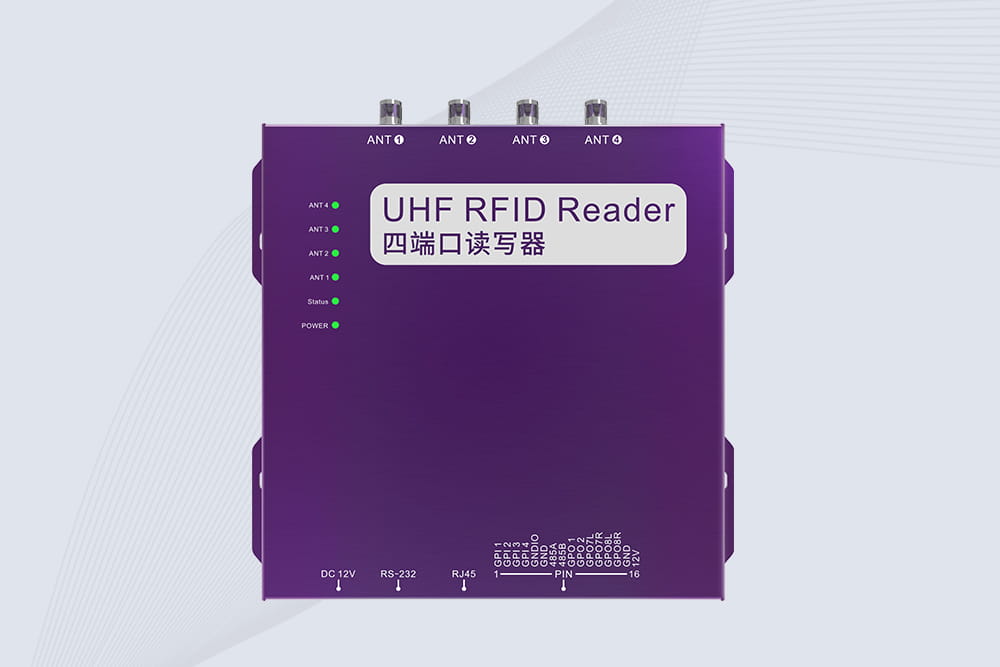
Modern RFID readers communicate via MQTT, HTTP/HTTPS, or CoAP—standard IoT protocols that enable data sharing with cloud platforms or edge devices. For example, Cykeo’s industrial-grade readers support MQTT, making them ideal for IoT ecosystems requiring real-time updates.
Check for Open Standards: Avoid proprietary protocols that lock you into a single vendor.
Edge Computing: Pair readers with IoT gateways to preprocess data (e.g., filtering duplicate RFID scans) before sending it to the cloud.
2. Network Integration: Wi-Fi, LTE, and LoRaWAN
RFID readers must align with your IoT network’s connectivity:
Wi-Fi 6: Offers low latency for high-density environments like warehouses.
LoRaWAN: Extends range to 15+ km for rural asset tracking.
Cykeo’s Hybrid Model: Some readers include dual-mode connectivity (Wi-Fi + LTE) for failover during outages.
3. Security: Protecting IoT-RFID Data Streams
IoT devices are prime targets for cyberattacks. Secure your RFID setup by:
Encrypting Data: Use TLS/SSL for all transmissions.
Device Authentication: Assign unique certificates to readers to prevent spoofing.
Firmware Updates: Enable auto-patching for vulnerabilities (Cykeo devices include over-the-air updates).
4. Scalability: Designing for Growth
Future-proof systems handle increasing device loads without performance drops:
API-First Design: Ensure readers integrate with platforms like AWS IoT or Azure via RESTful APIs.
Modular Hardware: Choose readers with expandable memory or slot-in modules (e.g., adding 5G later).
5. Cykeo’s IoT-Ready RFID Solutions
Cykeo’s readers are built for IoT integration, featuring:
Cloud-Native Architecture: Direct synchronization with major IoT hubs.
Energy Efficiency: Solar-powered options for off-grid deployments. For large-scale projects, their SmartEdge middleware simplifies device management and analytics.
RFID access management isn’t just about tapping a card to open doors. This word guide explores real-world use cases in offices, warehouses, hospitals, and schools—highlighting benefits, common pitfalls, and practical lessons learned.
Imagine walking into a crowded event, people everywhere, or managing hundreds of pieces of equipment spread across warehouses. Now, think about trying to gather useful data in both situations—without losing your mind. That’s exactly where RFID d...
Discover how the RFID Tool Cabinet simplifies tool management and integration for ERP and IoT systems. Learn about flexible hardware, RESTful and native APIs, SDK support, and custom development options for developers and system integrators.
 Cykeo RFID IoT Solution Products R&D Manufacturer