 Cykeo RFID IoT Solution Products R&D Manufacturer
Can Smartphones Read RFID? Let’s Get Real.
148Wondering if you can use smartphones to read RFID? We explain the NFC capability, its severe limitations, and when you need professional RFID hardware.
MoreAll RFID Product
As digitalization transforms asset tracking, inventory audits, and personnel attendance, RFID Bluetooth Readers become essential tools for improving operational efficiency and data accuracy. Compared to traditional RFID readers, Bluetooth versions offer greater mobility and easier connectivity—ideal for mobile inspections and handheld usage.

Choosing the right RFID frequency depends on your application:

When choosing an RFID Bluetooth Reader, check which communication protocols it supports, such as:
Also distinguish between BLE (Bluetooth Low Energy) and Classic Bluetooth—BLE suits long-term use with mobile devices, while Classic Bluetooth supports faster data transmission.
Handheld RFID Bluetooth Readers are often used in mobile settings, so battery performance directly affects operational uptime. Focus on:
Some devices also support low-power modes and battery alerts to ensure stable operation throughout the day.
RFID Bluetooth Readers vary widely in reading distance:
Reading distance depends not just on the reader’s power, but also on tag type, antenna design, and surrounding interference. Always run field tests to assess real-world performance. UHF readers suit long-range and bulk scanning needs better than HF devices.

Modern RFID Bluetooth Readers must integrate smoothly with enterprise systems. Ensure that the device:
Premium models may also support OTA updates and encrypted data transmission, improving security and long-term maintainability. System compatibility is critical to successful RFID deployment—prioritize devices with broad platform support and integration potential.
In 2025, enterprises should check these five key parameters before buying an RFID Bluetooth Reader:
Choosing the right RFID Bluetooth Reader helps enterprises accelerate digital transformation and improve asset tracking across departments.
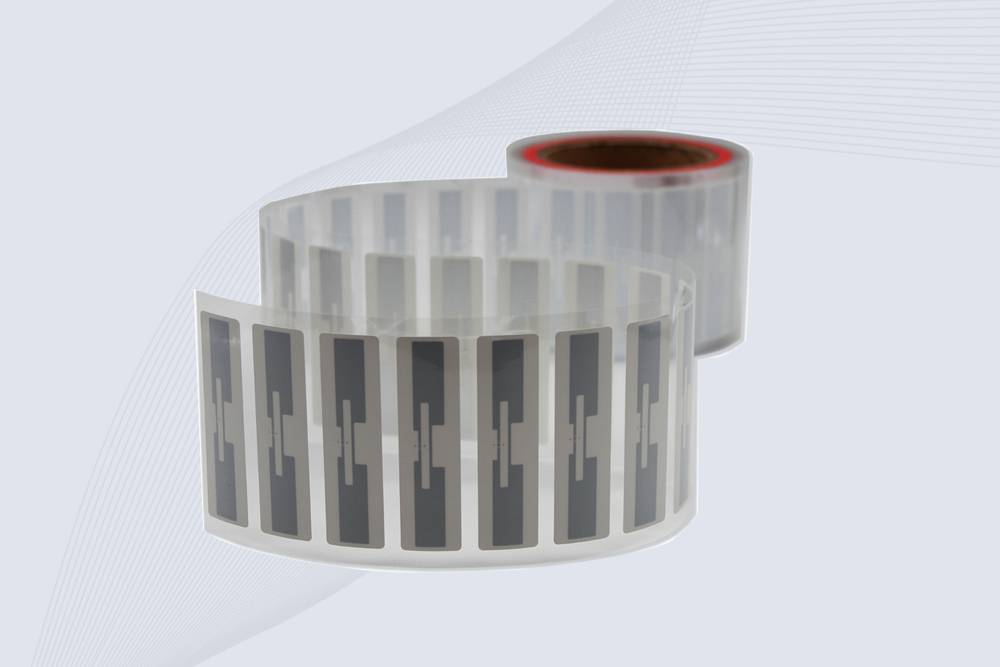
CYKEO Passive RFID Tags are made for wet and high-humidity environments where standard labels do not last. This rfid passive tag is often used around liquids, chemicals and temperature changes, providing stable reading distance and long data life for industrial tracking.
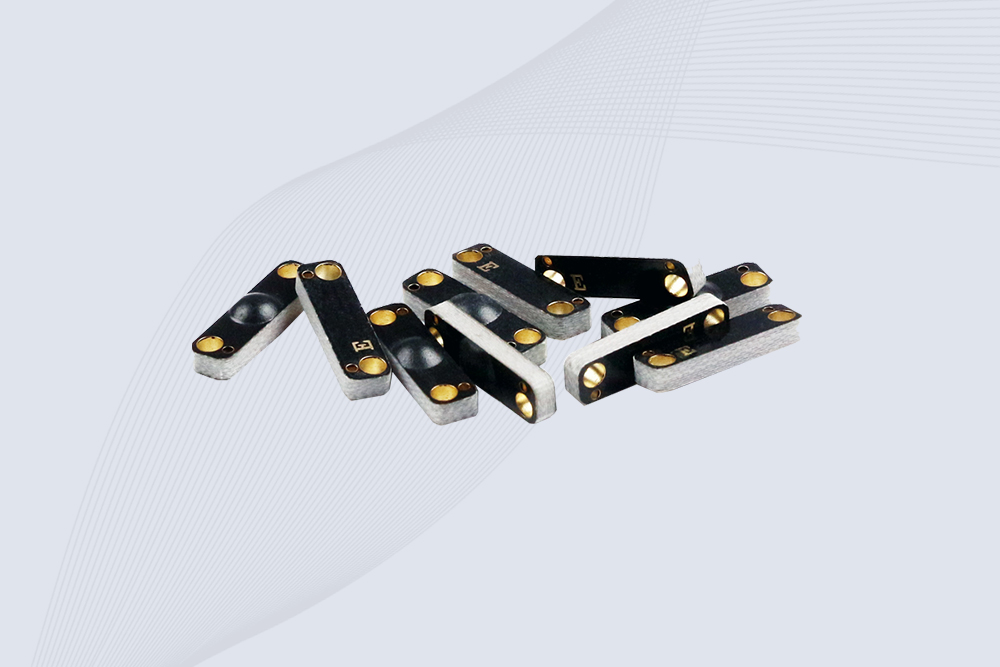
CYKEO CK-BQ1504 Metal RFID Tags is a compact anti-metal UHF RFID solution built for direct mounting on metal surfaces. With stable 8-meter read range, Ucode-8 chip, and long data retention, this rfid metal tag fits tools, containers, automotive parts, and industrial asset tracking.
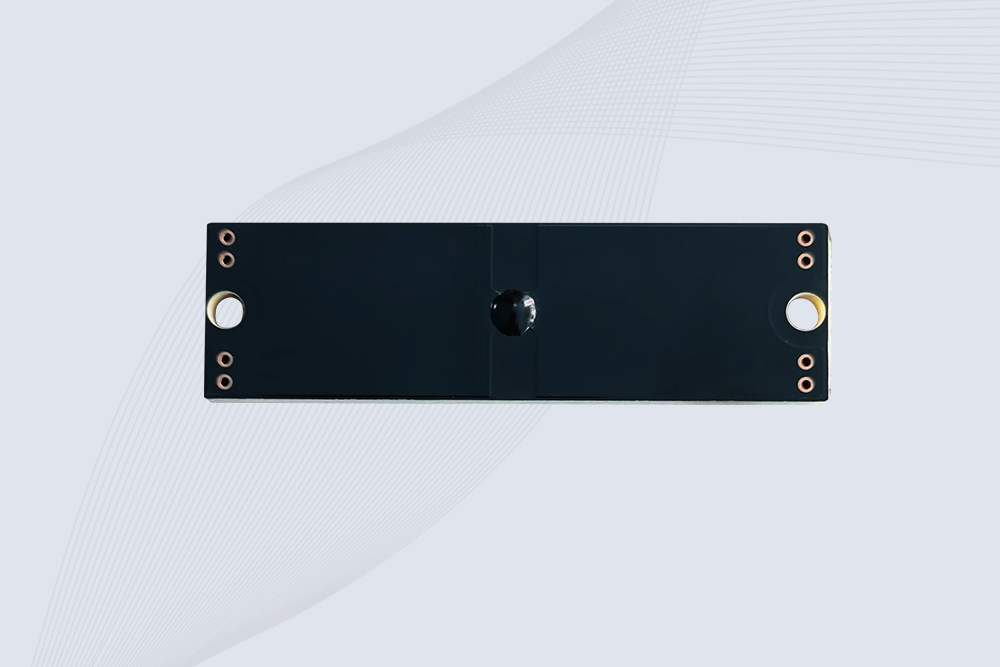
CYKEO CK-BQ7020 On-Metal RFID Tags are designed for reliable tracking on steel and metal surfaces. Built with an FR4 epoxy body and industrial-grade chips, these On-Metal RFID Tags deliver stable performance, long data life, and chemical resistance, making them a dependable RFID anti-metal tag for harsh environments.
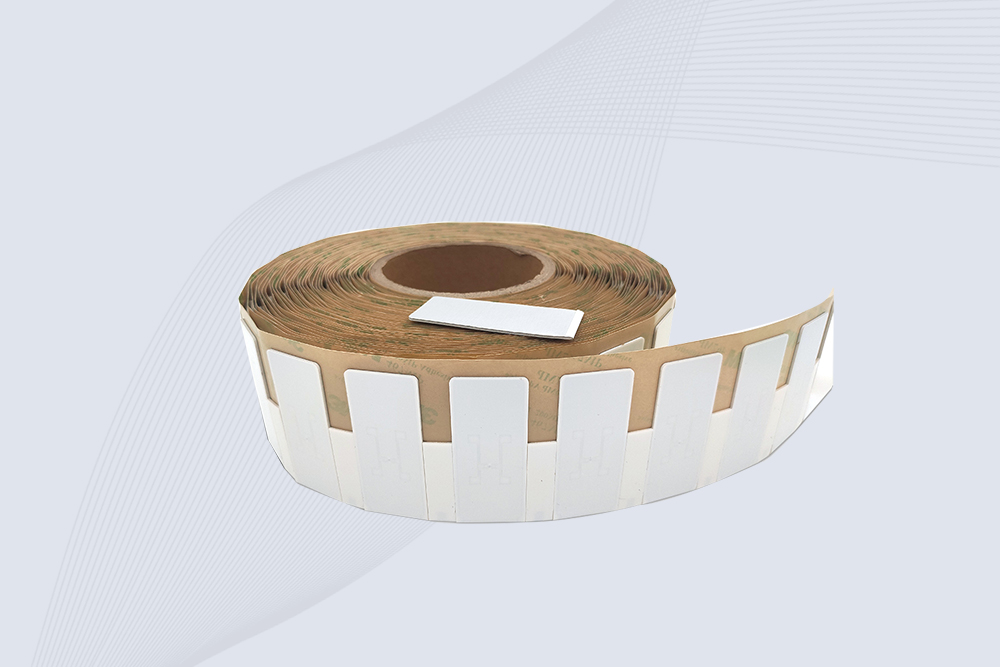
The CYKEO CK-BQ6025 Anti-Metal RFID Tag is built for metal surfaces where standard tags fail. Designed for long-range performance, harsh environments, and stable data retention, this Anti-Metal RFID Tag is ideal for industrial assets, containers, and equipment tracking using on metal RFID tags.

Wondering if you can use smartphones to read RFID? We explain the NFC capability, its severe limitations, and when you need professional RFID hardware.
More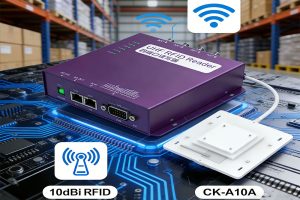
How to seamlessly integrate the CK-A10A 10dBi RFID antenna with your existing RFID reader system, improve signal strength, and enhance tracking accuracy. A straightforward approach to boosting RFID system performance.
More
RFID attendee tracking helps event teams see who’s present, where people move, and when it matters. A practical guide based on real event use.
More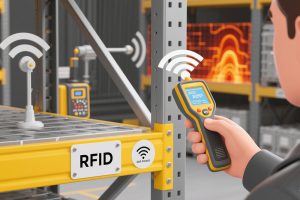
Learn proven strategies to minimize RFID tag read errors in high-metal warehouses. Discover anti-metal tags, optimal placement, and interference reduction techniques.
More