 Cykeo RFID IoT Solution Products R&D Manufacturer
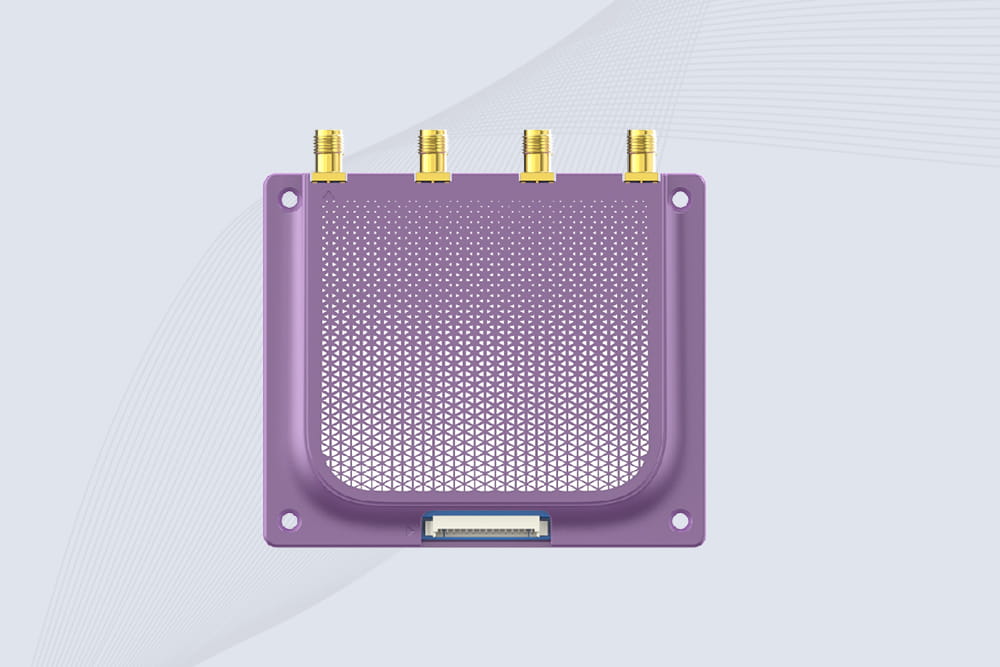
RFID Access Control: A Practical Integration Guide for RFID Developers and OEMs
73how RFID access control systems are built and why developers prefer reader + antenna based integration. A practical guide for RFID OEMs and system integrators.
MoreAll RFID Product
Picture this: Your warehouse in Berlin uses RFID tags that follow EPC Gen 2 standards. Your partner in Tokyo uses ISO 18000-3. Suddenly, shipments get delayed because your systems can’t talk to each other. Cue frustration, lost revenue, and frantic IT calls. Multi-protocol RFID modules fix this mess by speaking every RFID language—here’s why they’re non-negotiable for agile supply chains.
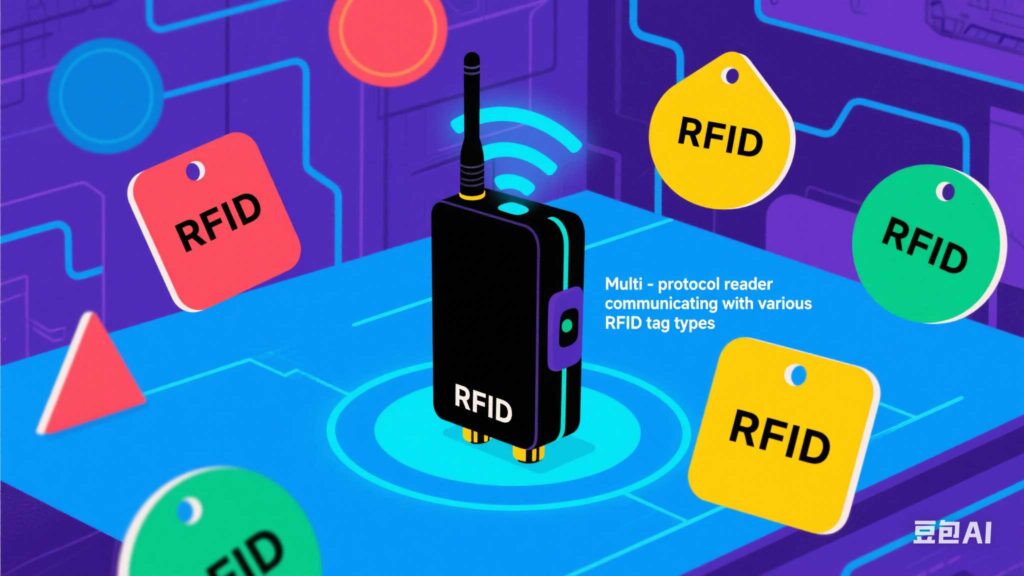
These are RFID readers or tags that support multiple communication standards (e.g., EPC, ISO, RAIN RFID). Think of them as polyglot translators in a world of fragmented RFID dialects.
Why It Matters:
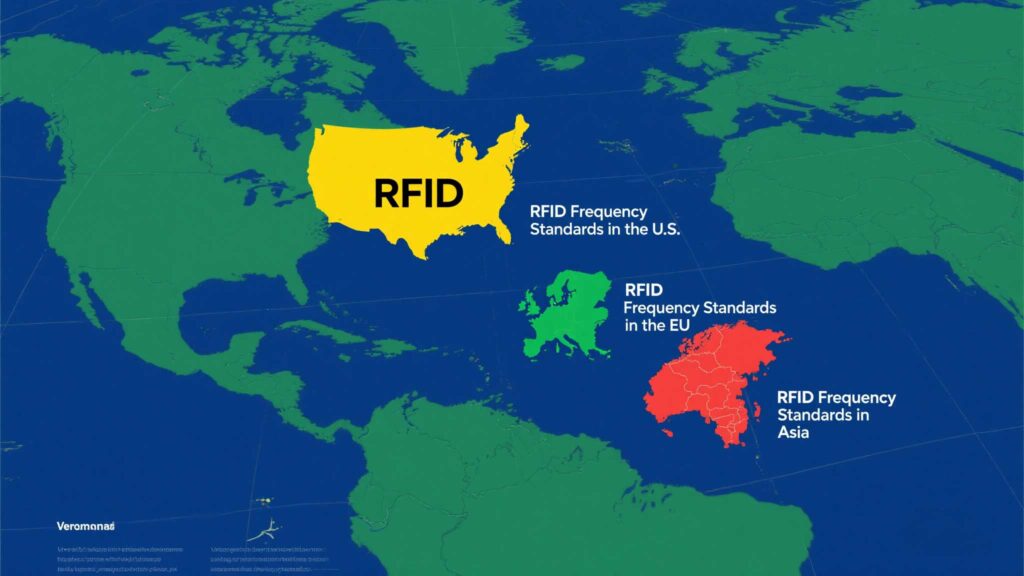
a. No More “Lost in Translation” Scenarios
b. Future-Proof Against Shifting Standards
New RFID tech emerges every 3–5 years. Multi-protocol devices adapt via firmware updates, not hardware swaps.
c. Simplify Mergers & Acquisitions
Integrate new partners’ systems overnight—no rip-and-replace drama.
Real Pain: A U.S. retailer lost a $2M deal with a Japanese distributor over RFID incompatibility.
Red Flag: Vendors charging extra per protocol—transparency matters.
Takeaway: In supply chains, flexibility isn’t a luxury—it’s survival. Multi-protocol RFID modules erase compatibility barriers, slash costs, and keep you ready for whatever standards come next. Whether you’re a 3PL provider or a manufacturer, betting on single-protocol tech is like using a flip phone in 2024. Time to upgrade.
how RFID access control systems are built and why developers prefer reader + antenna based integration. A practical guide for RFID OEMs and system integrators.
More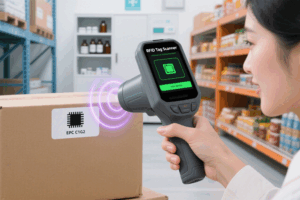
handheld RFID reader is a portable intelligent device widely used in asset inventory, warehouse logistics, and medical tracking. This article introduces its working principle, structural components, frequency support, and selection suggestions to ...
More
Discover top long-range RFID readers compliant with EPCglobal Gen2 standards. Ensure seamless global interoperability and accuracy with Cykeo’s certified solutions.
More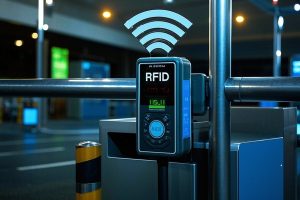
Discover how long-distance RFID readers streamline vehicle tracking for toll booths, parking management, fleet logistics, and more. Explore UHF RFID benefits and real-world applications.
More