 Cykeo RFID IoT Solution Products R&D Manufacturer
Is an RFID Antenna and Reader Two Separate Devices? It Depends on Your Toolbox.
94Confused? We clarify if an RFID antenna and reader are two separate devices, explaining integrated vs. external setups for different applications.
MoreAll RFID Product
A few months ago I was visiting a mid-sized warehouse that shipped electronics accessories. Nothing unusual about the operation—rows of shelving, forklifts moving pallets, workers scanning boxes.
But the warehouse manager told me something interesting.
Their system showed 98% inventory accuracy. Yet every day the team still spent hours searching for items that the system insisted were “in stock.”
That’s a familiar story in many warehouses. The data looks fine. The reality on the floor is different.
And that gap—between what the system says and what’s actually on the shelf—is exactly where an RFID stock management system starts to make a real difference.
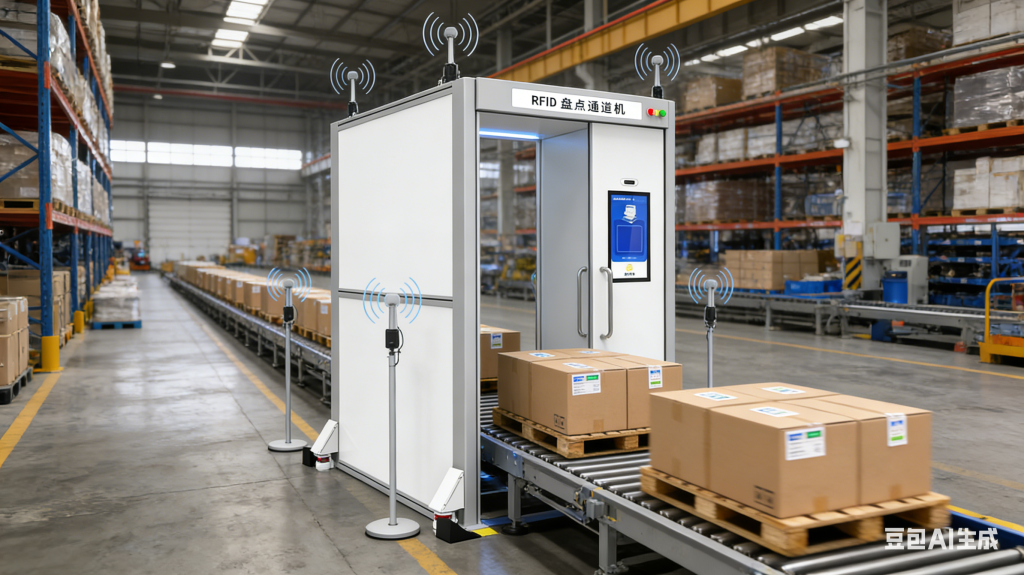
Most warehouses already have some kind of inventory system. Usually barcode-based.
The issue isn’t that barcodes don’t work. They do. But they depend heavily on people doing the right thing every single time.
Someone has to scan the item.
Someone has to scan the location.
Someone has to remember to update the system.
Miss one step during a busy shift and the data starts drifting away from reality.
It doesn’t happen dramatically. It happens slowly—one missed scan here, one rushed receiving process there.
After a few weeks, the numbers stop being trustworthy.
RFID works differently from traditional barcode scanning.
Instead of requiring a worker to scan each label directly, RFID tags can be detected automatically using radio signals. Even if the tag isn’t visible.
That might sound like a small technical detail, but operationally it changes everything.
Instead of relying on manual confirmation, the system starts capturing data automatically as items move through the warehouse.
In other words, inventory updates start happening in the background.
Less manual input usually means fewer opportunities for mistakes.
One thing warehouse teams rarely enjoy is stock counting.
With barcode systems, counting inventory means scanning items individually. It’s slow and often disruptive to daily operations.
RFID makes that process much faster.
Dozens—or even hundreds—of tagged items can be read within seconds. That means cycle counts can happen more frequently without shutting down the workflow.
And interestingly, when counting becomes easier, warehouses tend to do it more often.
Which leads to better data overall.
Handheld RFID readers are useful, but in high-volume environments the biggest gains usually come from automation.
For example, in conveyor-based warehouses, items are constantly moving between receiving, sorting, and shipping areas.
Instead of scanning each carton manually, some facilities install tunnel-style RFID scanners.
A system like the CK-TP1B inventory RFID tunnel scanner allows cartons to pass through a scanning tunnel where multiple RFID tags are read at once.
No manual step required.
The system automatically verifies what’s inside each carton and sends the data directly to the warehouse management system.
In fast-moving operations, that kind of automated verification can remove a surprising amount of friction from the process.
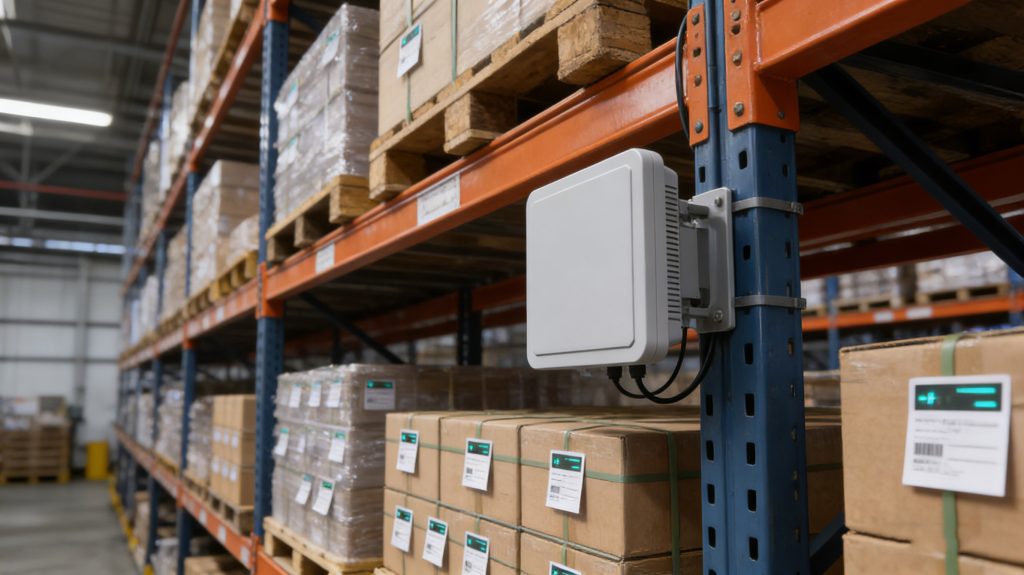
From what I’ve seen, RFID tends to have the biggest impact in a few specific areas.
Receiving is one of them. Incoming shipments are often rushed, and mistakes during receiving can cause inventory errors that last for weeks.
Outbound verification is another. Making sure the correct items are leaving the warehouse can prevent expensive returns or customer complaints.
And then there’s location tracking. When inventory movement is captured automatically, it becomes much easier to know exactly where products are stored.
Those three areas alone can dramatically improve overall accuracy.
When inventory data becomes unreliable, warehouse teams start working around the system.
They double-check everything.
They walk aisles to confirm stock.
They keep personal notes or spreadsheets “just in case.”
It slows everything down.
An effective RFID stock management system gradually restores confidence in the data. When scans happen automatically and consistently, the numbers in the system start matching reality again.
And once that happens, the warehouse can actually operate the way the software intended.
Inventory accuracy isn’t just about counting items correctly. It’s about capturing inventory movement at the right moments—receiving, storage, picking, and shipping.
Manual systems can handle part of that job, but they rely heavily on perfect human behavior.
RFID shifts some of that responsibility to the technology itself.
And when the data collection becomes automatic, inventory accuracy stops being a daily struggle and starts becoming a normal part of operations.
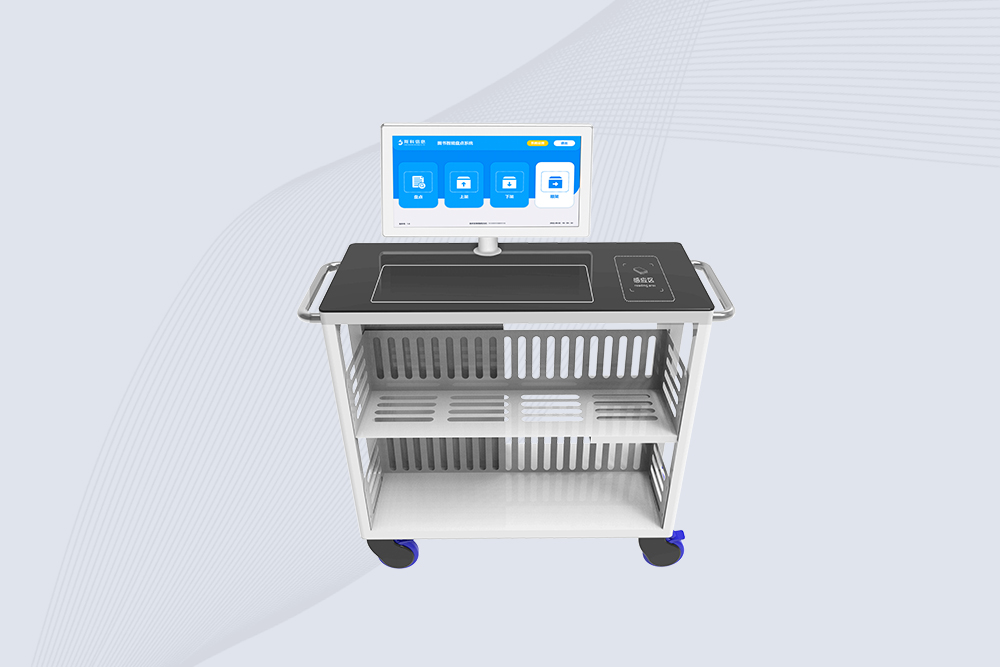
Cykeo CYKEO-C2 UHF RFID inventory cart features 10 UHF readers, 500 tags/sec scanning, Windows/Android OS, and hybrid power for warehouses/libraries. Supports ISO 18000-6C protocols and customization.
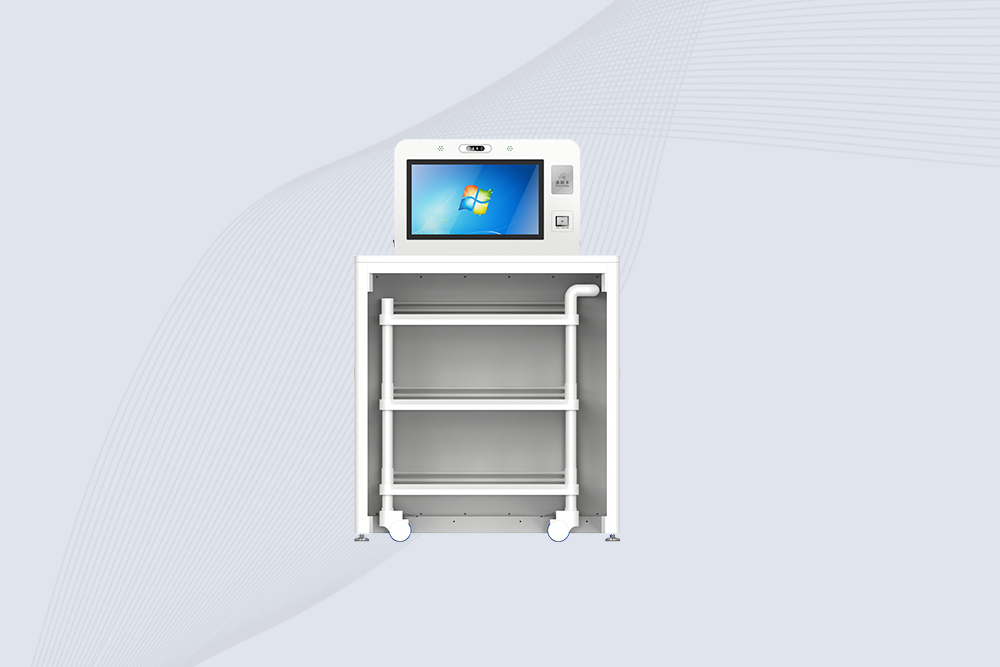
Cykeo’s industrial RFID Inventory Tracking station features dual scanning modes, 200+ items/sec bulk reading, and SAP integration for precise warehouse management. MIL-STD-810G certified with Windows/Android OS.

Cykeo CYKEO-D7 RFID system for inventory offers 40+ tags/sec scanning, 150L secure storage, and Impinj R2000 chipset for warehouses, toolrooms, and retail. Global frequency compliance (840-960MHz).
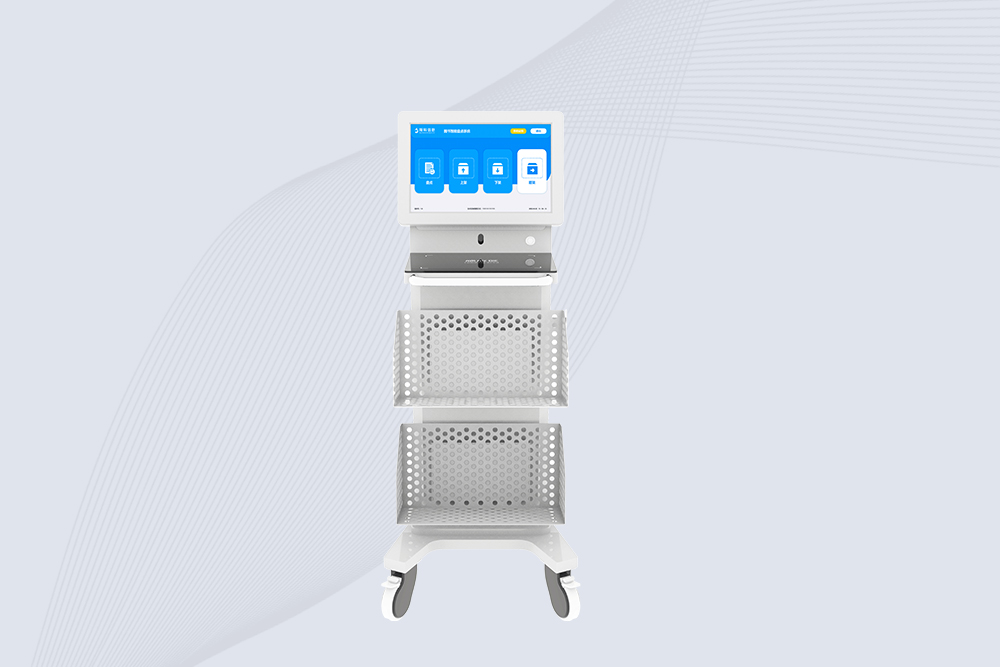
Cykeo CYKEO-C1 mobile RFID scanner cart features PLC-controlled antenna lifting, 10-tag/sec reading, and 21.5″ touchscreen for libraries, hospitals, and warehouses. Supports Windows/Android and multi-protocol RFID.

Cykeo CYKEO-C3 industrial warehouse RFID scanner features motorized lift (2.2m height), 800+ tags/min scanning, Windows/Android OS, and ERP integration. Ideal for high-shelf inventory in logistics/manufacturing.
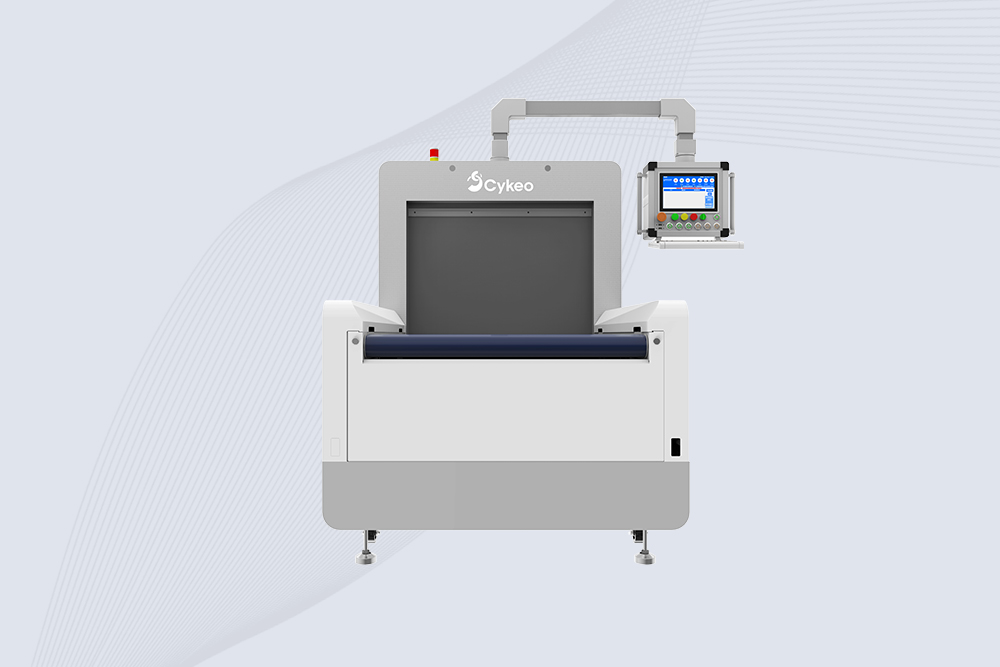
Cykeo’s CYKEO-TP2 automated RFID Inventory Management Tunnel System features 80kg capacity conveyor, 400 tags/sec scanning, and real-time data validation for warehouse/logistics operations.
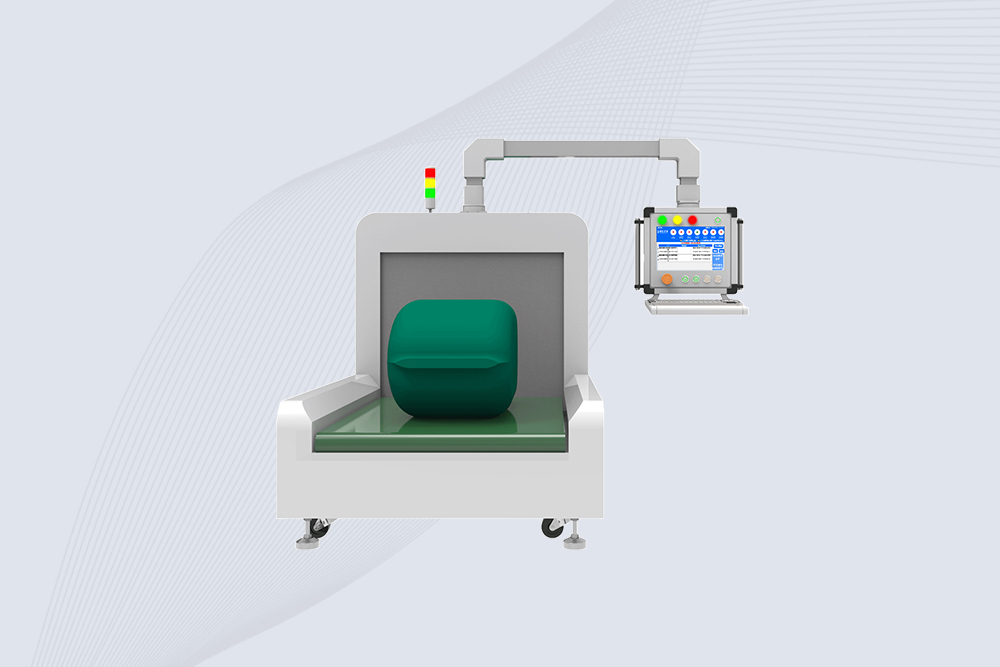
Cykeo’s CYKEO-TP3BC RFID inventory tunnel System management machine delivers 400+ tags/sec counting with ISO 18000-6C compliance. Features 80kg conveyor, -20°C~60°C operation, and ERP integration for apparel/electronics warehouses.
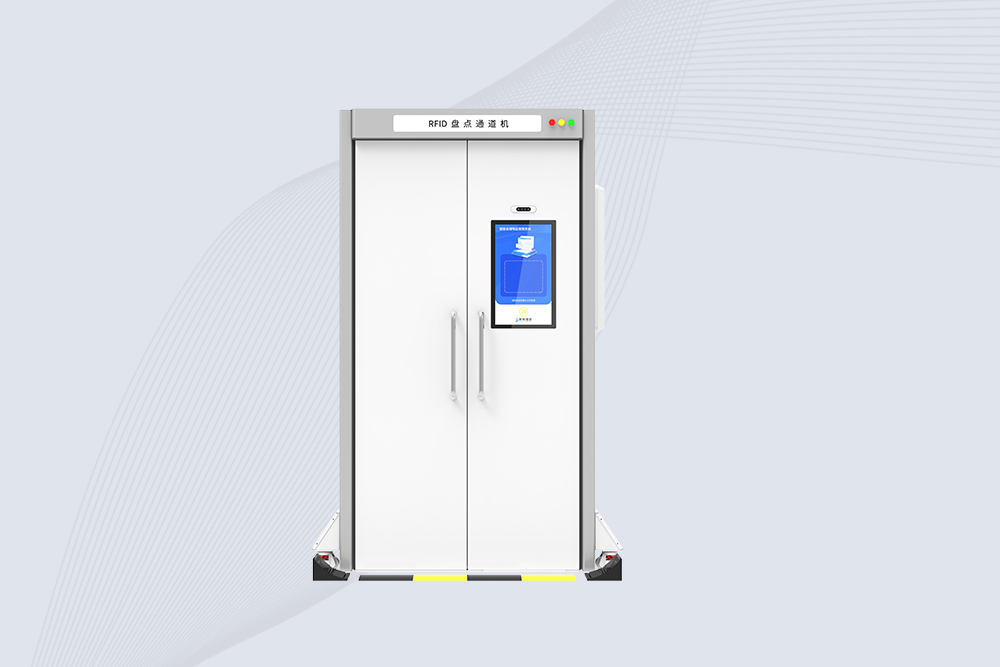
Cykeo’s industrial RFID tunnel scanner enables bulk inventory management for apparel, utilities, and hospitality. Features 10cm anti-interference, ISO18000-6C compliance, and SAP/Oracle integration.
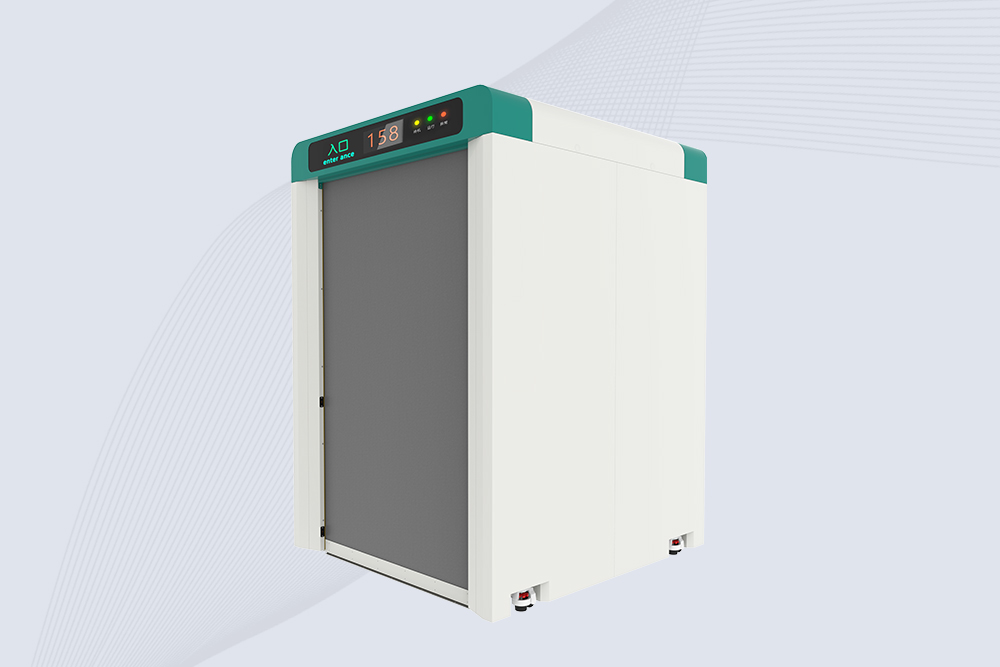
Cykeo CYKEO-TP4 industrial RFID tunnel system features 800-tag/batch processing, PLC-automated shutters, and SAP integration for apparel/hotel/power industries. 3-second verification with 99.9% accuracy.
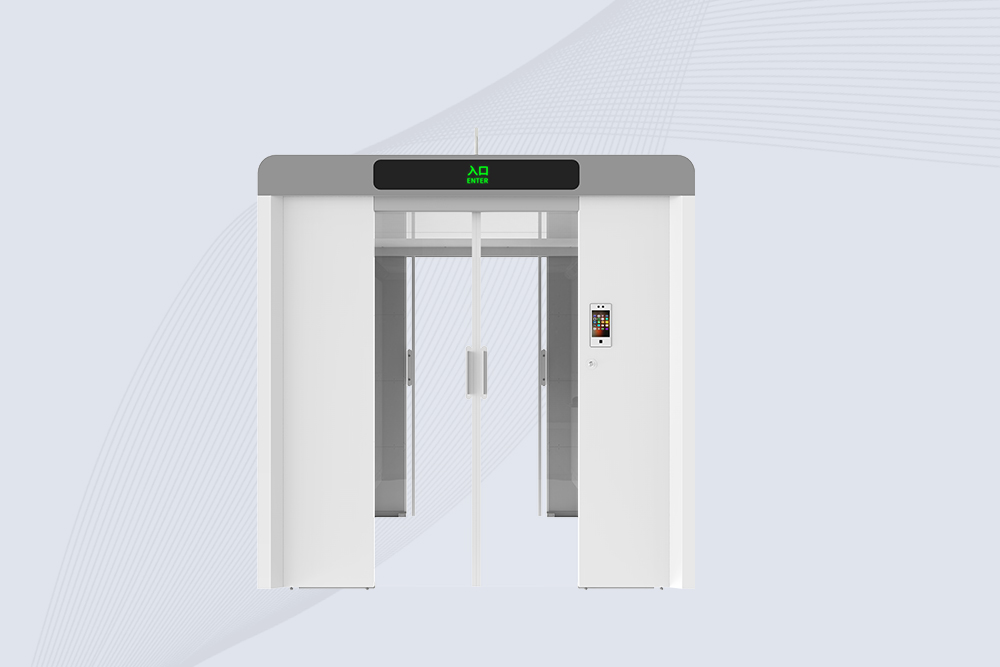
Cykeo CYKEO-TP5A industrial RFID tunnel system features 800-tag/batch processing, PLC-automated shutters, and SAP integration for apparel/hotel/power industries. 3-second verification with 99.9% accuracy.
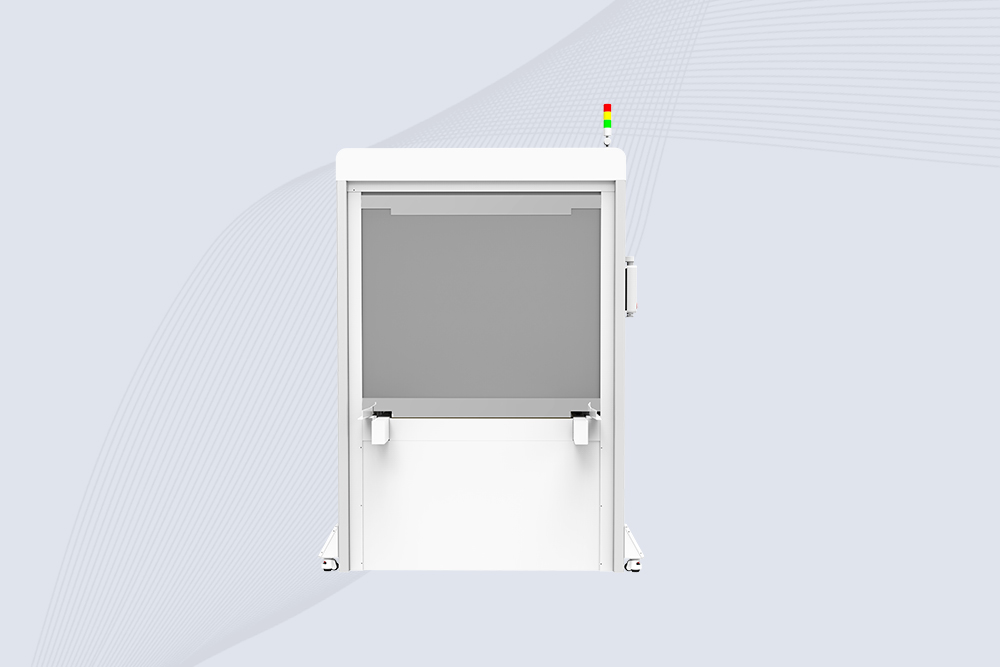
Cykeo CYKEO-TP3 industrial inventory tracking RFID machine achieves 300pcs/3sec bulk scanning with ISO18000-6C compliance. IP65 rugged design for power/garment/hotel linen logistics automation.
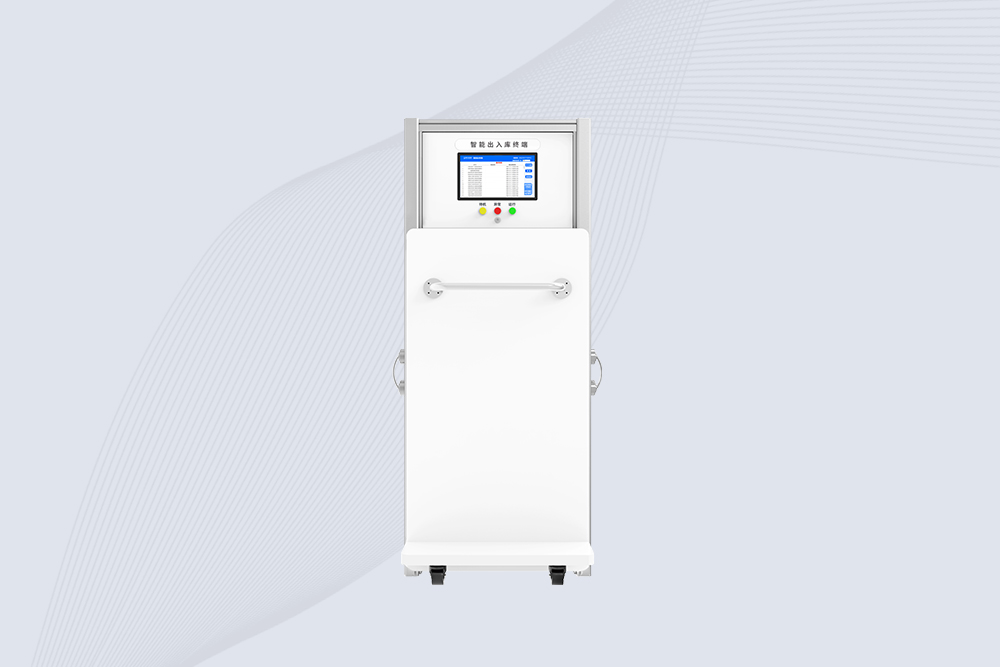
Cykeo CYKEO-GP industrial RFID tunnel achieves 300pcs/sec bulk RFID tags inventory tracking with ISO 18000-6C protocol. 1.9m tunnel height for cage carts, 20cm anti-crosshield tech.

Cykeo’s CYKEO-TP2B automated rfid warehouse management channel enables precision warehouse management with 3s batch processing, ISO 18000-6C compliance, and -20℃ cold chain operation.

Cykeo CYKEO-TP5 RFID inventory management solution delivers 100 tags/sec bulk processing, ISO 18000-6C compliance, and SAP/Oracle WMS integration for power/retail/logistics sectors.
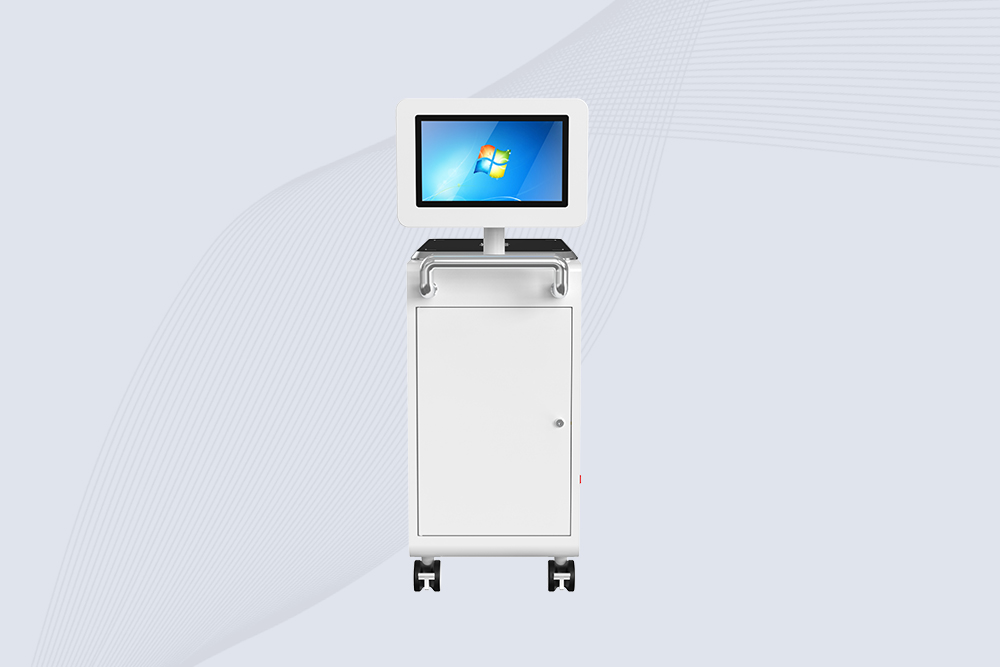
Cykeo CYKEO-C4A RFID inventory systems Cart feature dual-band scanning, 10-antenna array, and SAP integration for warehouse/hospital/supermarket asset audits. 300+ items/min accuracy with industrial reliability.
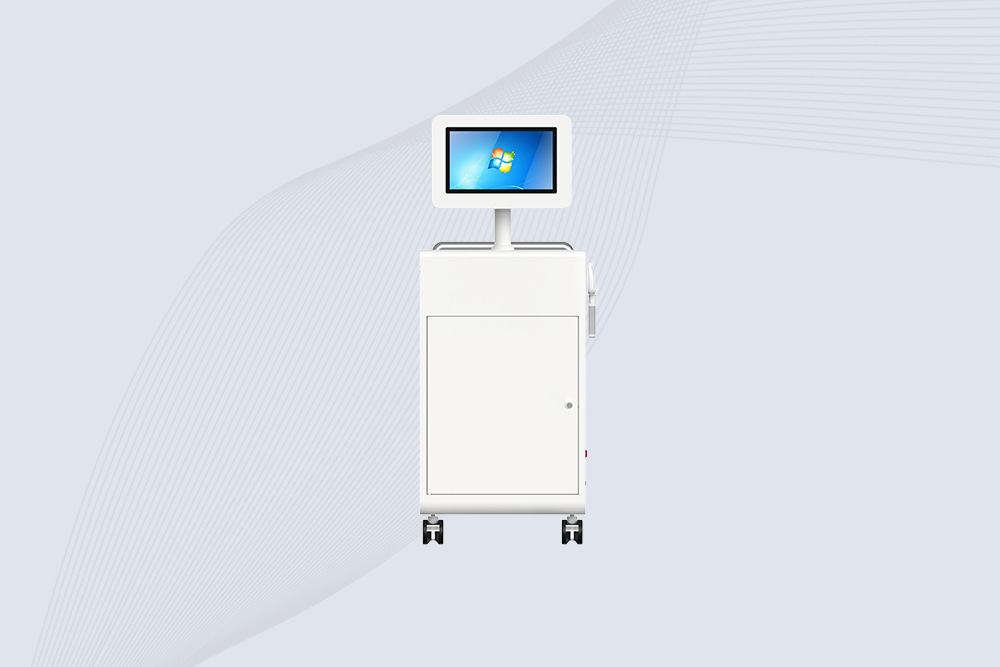
Cykeo CYKEO-C4B RFID inventory managment cart features dual-band scanning, 10-antenna array, and SAP integration for real-time asset tracking in warehouses/hospitals.
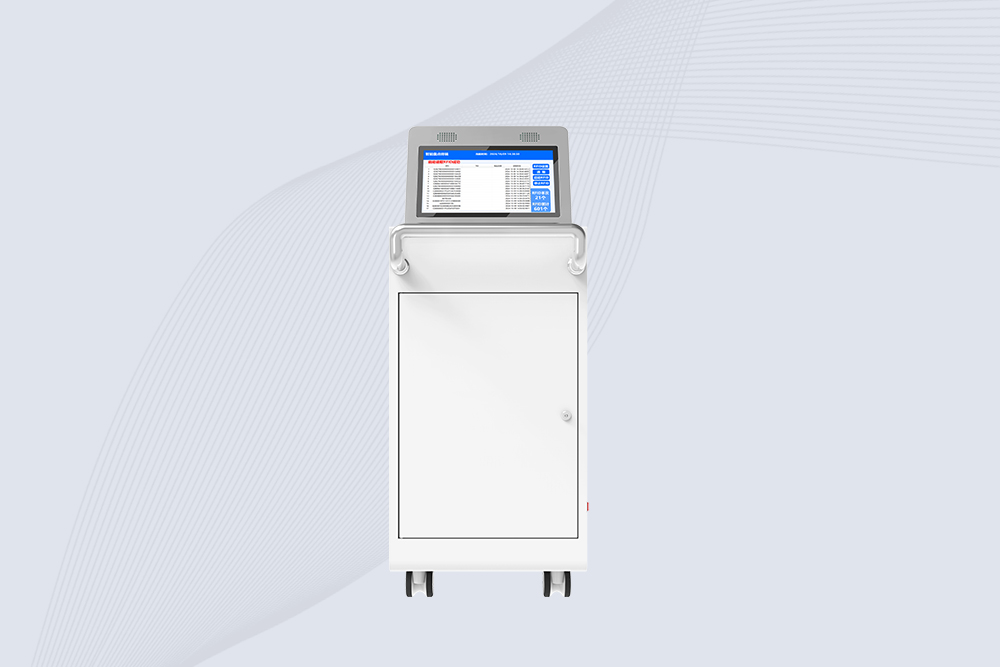
Cykeo CYKEO-C4C RFID inventory tracking cart features 10-antenna array, 300+ items/min scanning, and SAP integration for real-time asset visibility in warehouses/hospitals.
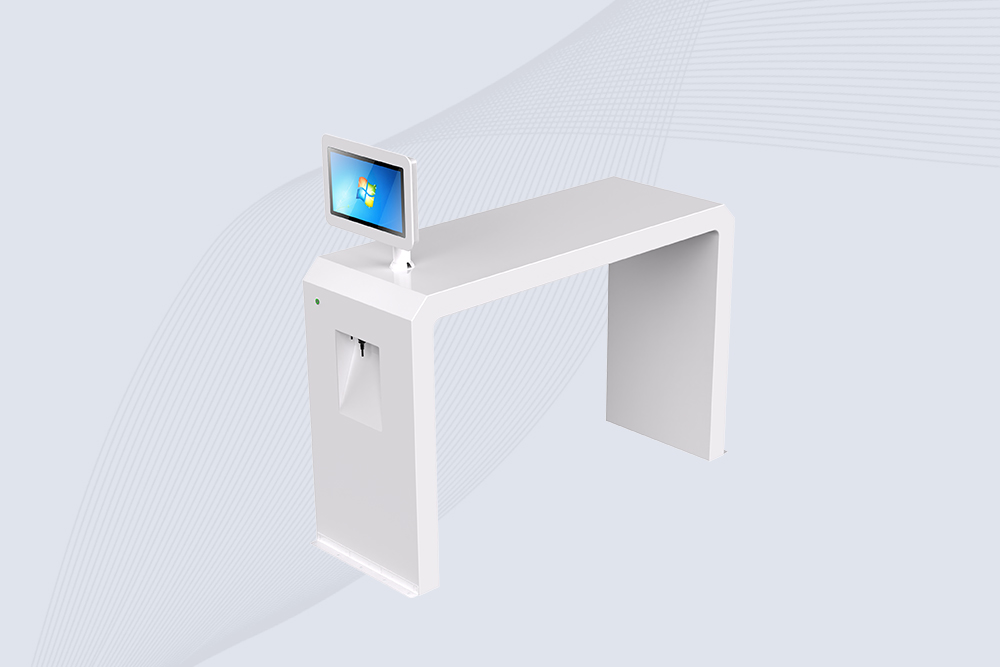
Cykeo CK-T8B industrial rfid gate access system offers 1.85m scanning corridor, 99.6% read accuracy, and Windows/Android OS for production line verification. Supports SAP/Oracle integration.
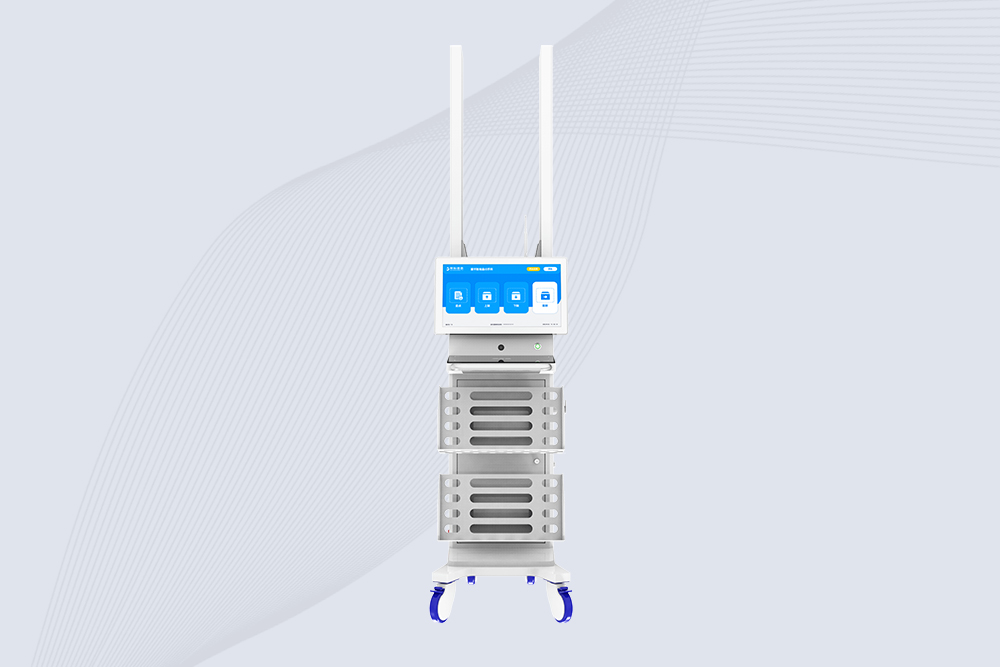
Cykeo CYKEO-C1A RFID tag inventory system features vertical 2.2m manual lift, dual antennas, and Android/Windows OS for warehouse/library inventory. Supports SAP/Oracle integration.
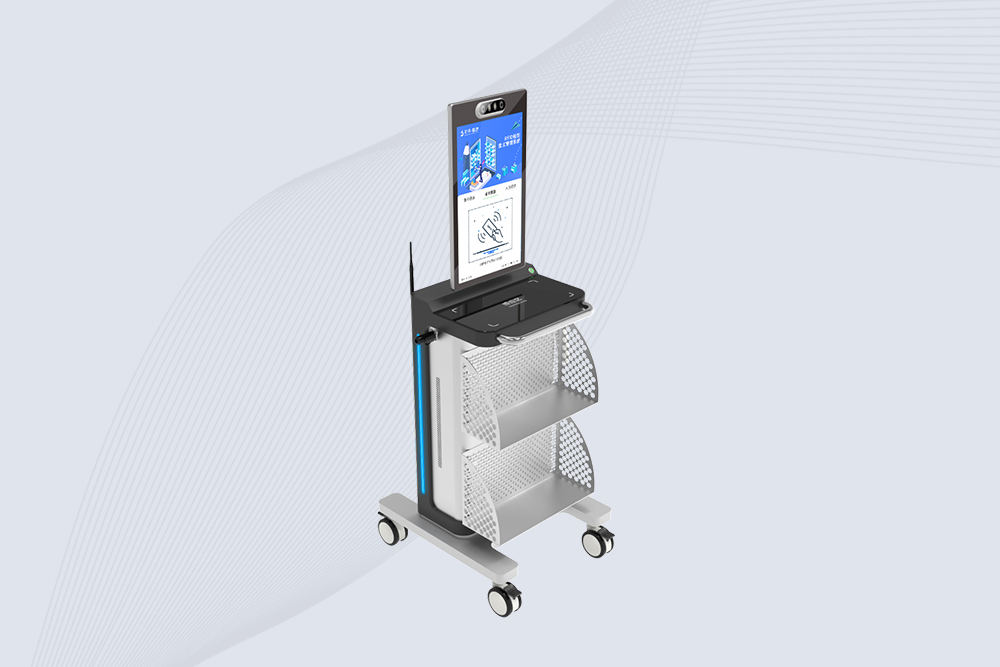
Cykeo CYKEO-C1B RFID to track inventory system features 800+ items/hour scanning, telescopic antenna, and real-time shelf analytics for libraries/warehouses. Supports Windows/Android OS.

Cykeo CYKEO-TP4A retractable RFID gate processes 1000+ items in 10 seconds with expandable width design. Ideal for large-scale utility, hotel linen, and apparel inventory management.
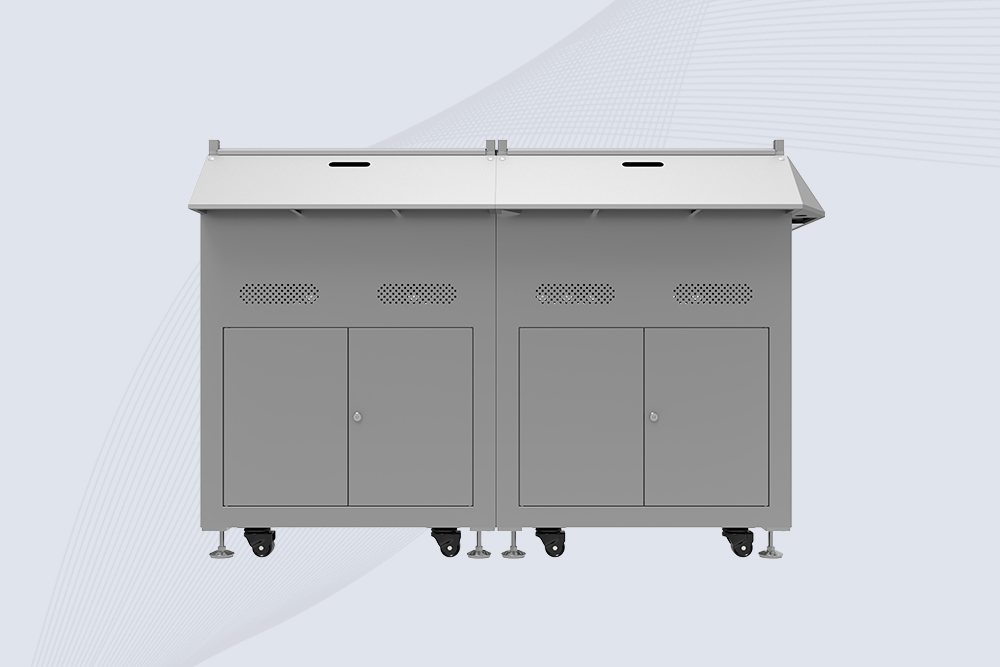
Cykeo CYKEO-S1 RFID library book return sorting system processes 1200 books/hour with modular design and dual-frequency RFID support. Ideal for automated library book sorting and categorization.
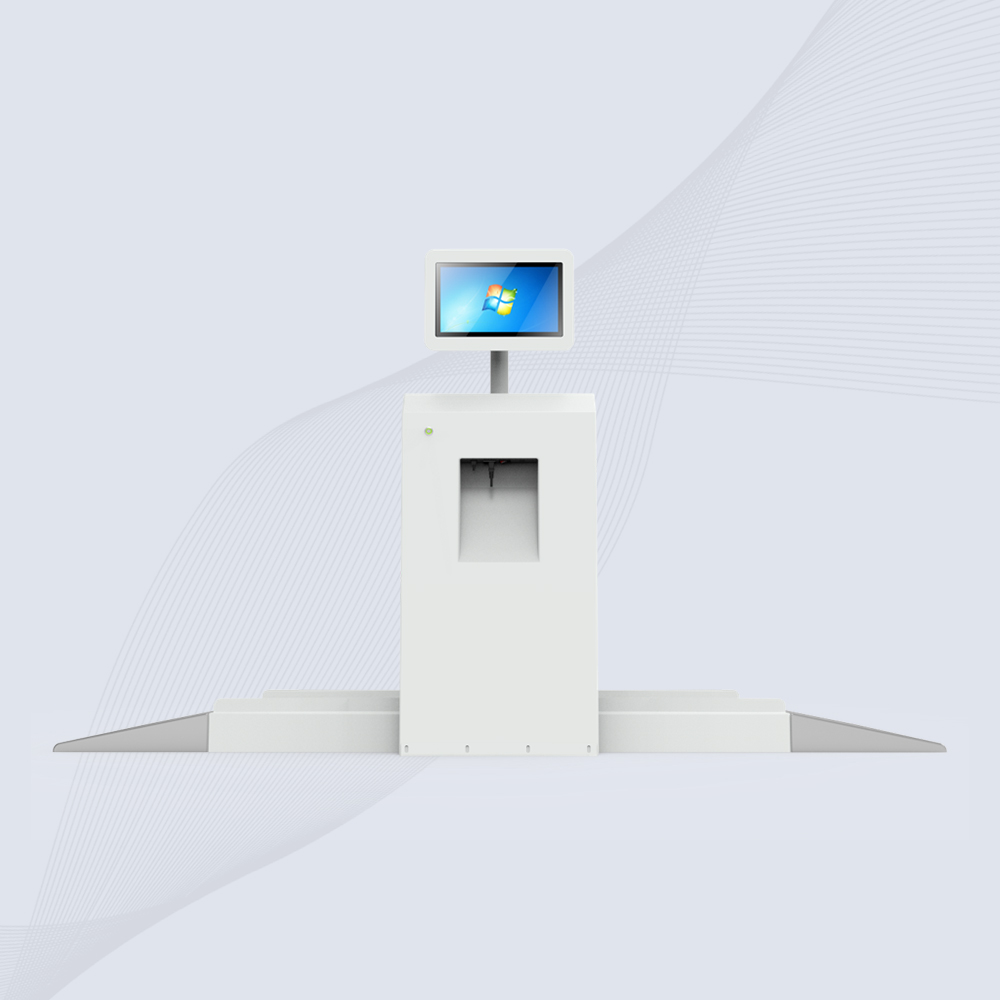
Cykeo CYKEO-TP2C RFID tunnel reader verifies 400+ items in 3 seconds with 4-antenna array and PLC control. Ideal for warehouse inventory management with 99.9% accuracy.
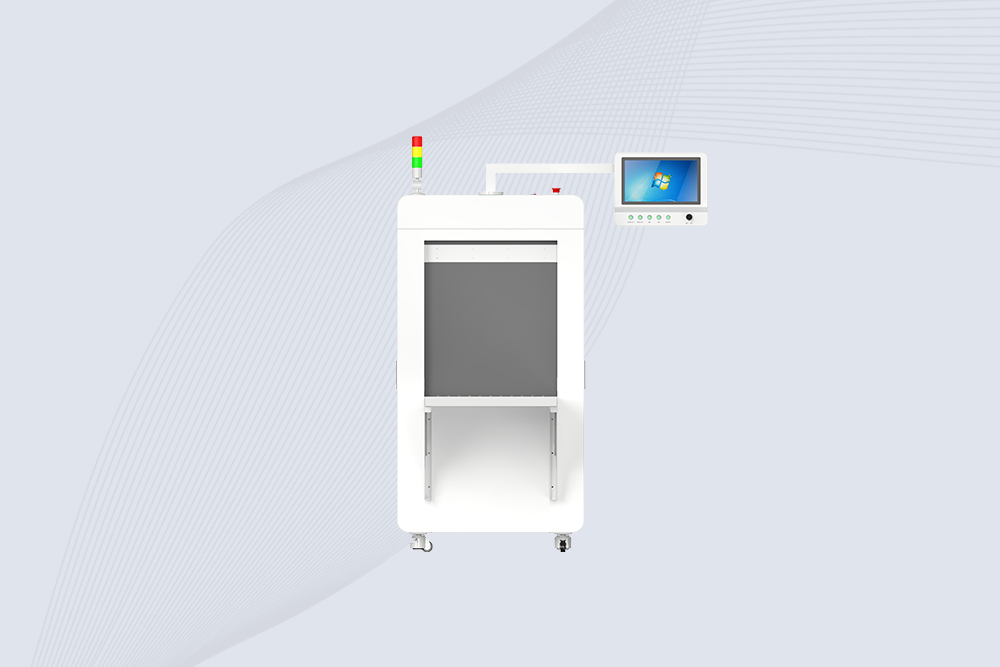
Cykeo CYKEO-TP2D compact RFID tunnel scanner reader offers enclosed scanning with auto-shutter door and IR-activated conveyor. Ideal for mid-scale warehouse inventory management.
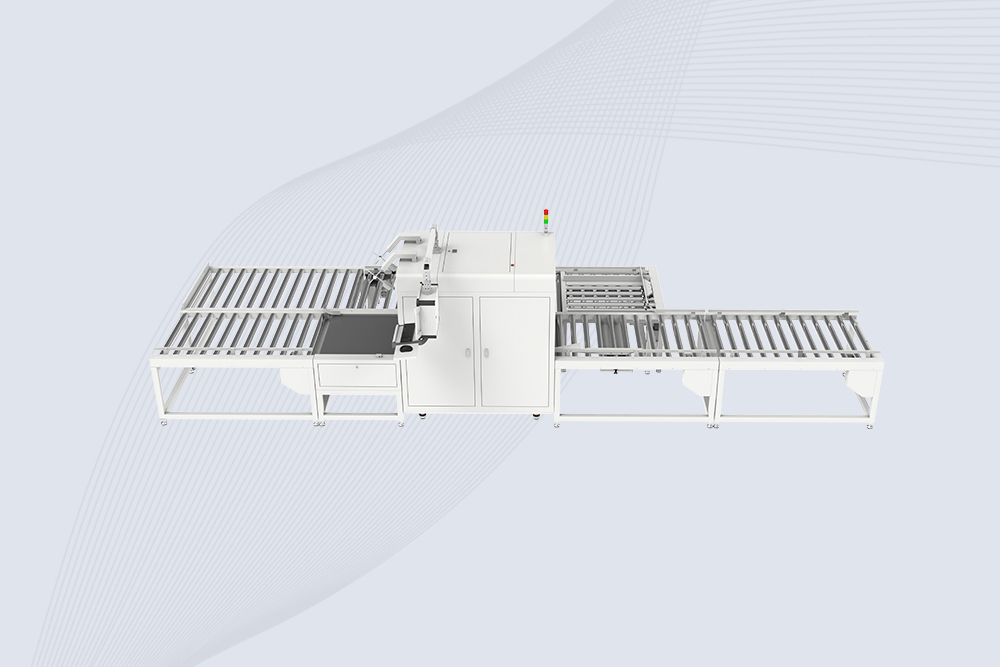
Cykeo CYKEO-TP2A RFID tunnel reader verifies 400+ items in 3 seconds. Integrates RFID, barcode, weighing, and automated sorting for warehouse logistics. Boosts accuracy to 100%.
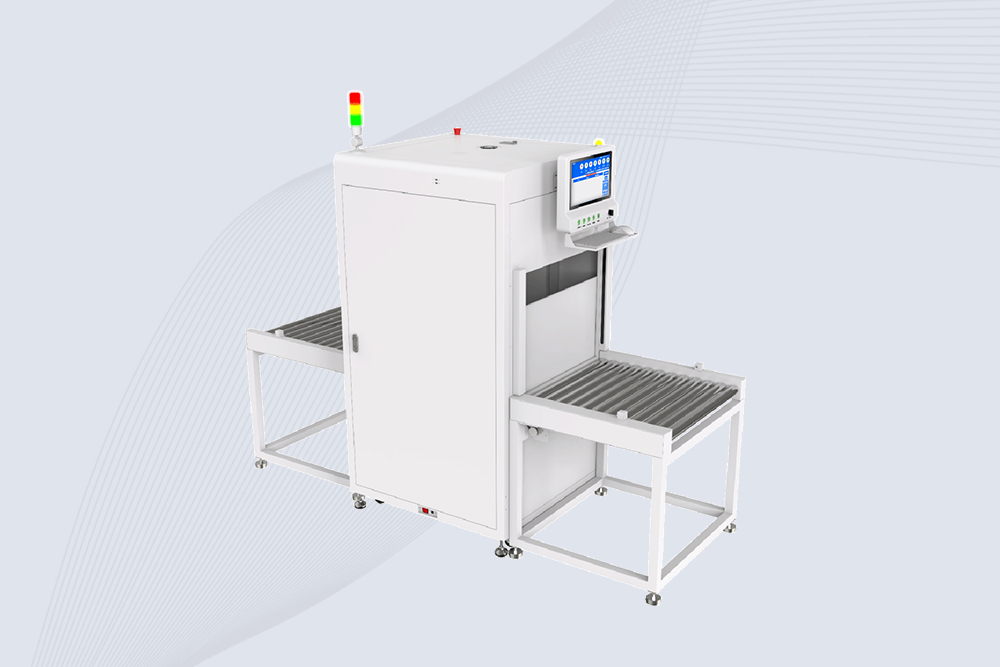
Cykeo CYKEO-TP2BC RFID warehouse inventory tracking system delivers 3-second bulk scans with 99.9% accuracy. Features ISO 18000-6C compliance, ERP integration, and cold chain support for logistics/manufacturing.
Confused? We clarify if an RFID antenna and reader are two separate devices, explaining integrated vs. external setups for different applications.
More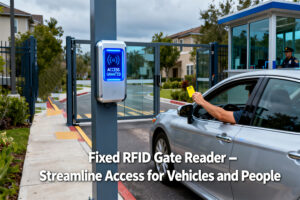
Learn how a fixed RFID gate reader improves security and efficiency in offices, warehouses, and residential communities. Vehicles and personnel move seamlessly while every entry is logged automatically.
More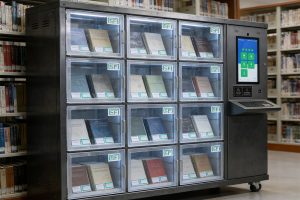
RFID library system built around smart RFID cabinets, antennas, and readers. Suitable for system integrators and solution providers seeking flexible deployment.
More
Discover the top 5 handheld RFID readers for tracking medical equipment in hospitals. Compare features like accuracy, hygiene, and integration with healthcare systems.
More