 Cykeo RFID IoT Solution Products R&D Manufacturer

how to write rfid tag: A Practical Guide from Real Deployments
83Learn how to write RFID tag data quickly using a handheld rfid writer. Step-by-step mobile encoding guide with Cykeo solutions for accurate asset tracking.
MoreAll RFID Product
I’ve noticed something over the years working around RFID projects.
When a system doesn’t behave properly, the first reaction is almost always the same:
“Maybe the reader is not good enough.”
It sounds reasonable. But in practice, that’s rarely the full story.
Sometimes the reader is fine. It’s everything around it that doesn’t quite match the assumption.
In a lab or demo setup, things look clean.
One tag. One reader. One controlled path.
Then you go to a real warehouse.
Suddenly there are metal racks everywhere, forklifts moving in unpredictable patterns, and pallets stacked in slightly different ways every day.
I remember one site where everything worked perfectly during testing.
But once daily operations started, the system began missing reads during peak hours.
Not constantly. Just enough to make people lose confidence in the data.
This might sound a bit counterintuitive, but I’ve seen it happen:
A stronger UHF RFID reader doesn’t always improve results.
Sometimes it actually introduces noise.
Because the reader starts picking up tags from areas it was never meant to cover.
One warehouse ended up receiving duplicate inventory updates just because two zones were overlapping slightly.
No hardware failure. Just too much coverage in the wrong place.
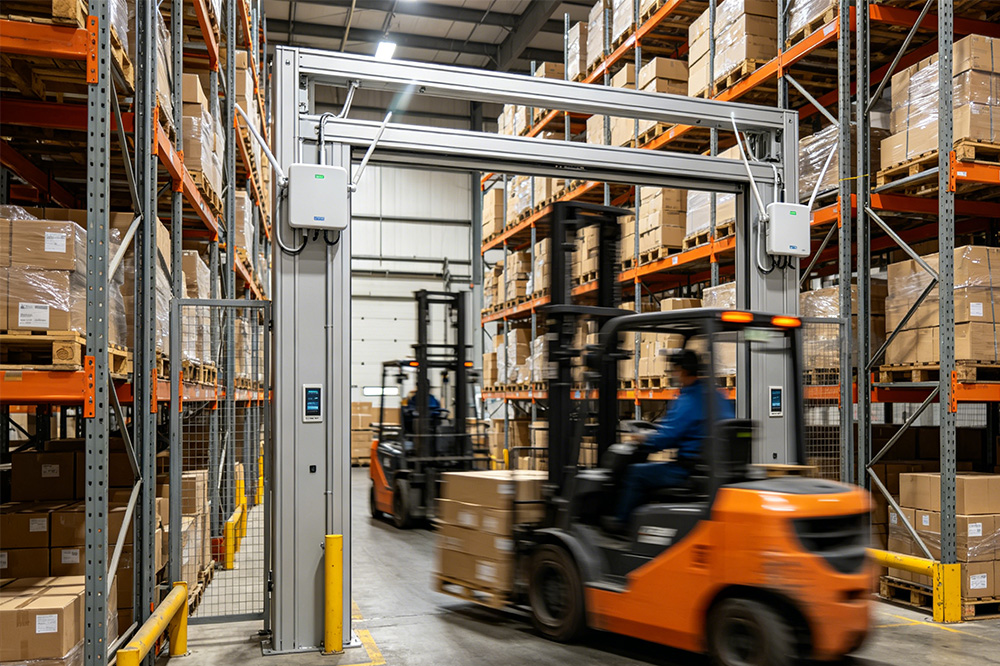
Most industrial deployments still rely on fixed readers placed at key points:
If you’re comparing hardware options, this category is usually where integrators start
But what’s interesting is that experienced teams rarely choose just based on specs anymore.
They think more about “where should the system observe activity” rather than “how far can it read.”
There was a project I remember quite clearly.
Everything looked stable in early testing.
Then after installation went live, read accuracy dropped during specific hours of the day.
After a bit of checking, the cause wasn’t software or firmware.
It was a metal cabinet that had been moved slightly closer to the antenna zone during warehouse rearrangement.
Nobody updated the RFID layout after that.
That small change shifted the signal behavior enough to create confusion.
RF environments are sensitive in a way that’s easy to underestimate.
Hardware setup is often the fast part.
The slow part is data handling.
Once RFID starts generating real-time events, questions begin to appear:
This is usually where projects slow down or get reworked.
Not because the system is broken, but because real operational data is messy.
When talking with distributors or system integrators, the conversation rarely stays technical for long.
It usually shifts toward practical concerns like:
Because once they sell or integrate RFID systems repeatedly, consistency matters more than specs.
One unstable batch can affect multiple downstream projects.
There’s a pattern I’ve seen many times.
A project looks perfect on paper.
Then a small pilot gets installed in a real environment.
And suddenly unexpected things show up:
None of this is obvious in diagrams.
But it shows up immediately in real use.
That’s why many integrators prefer starting small before scaling.
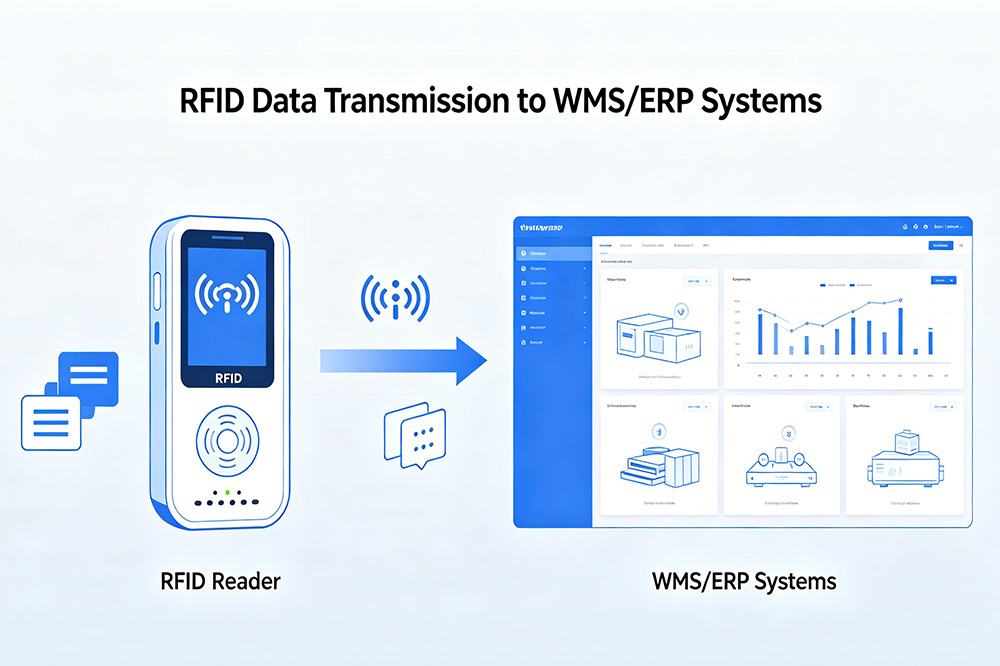
After enough deployments, it’s not really about peak performance numbers anymore.
It becomes something simpler:
When a system reaches that point where nobody is constantly checking it, that’s usually when it’s working properly.
A UHF RFID reader is often treated like a standalone product.
But in real projects, it behaves more like a fixed sensing point inside a constantly moving environment.
Warehouses change. People change behavior. Layouts shift.
And the system has to quietly keep up without drawing attention to itself.
That’s probably why the gap between “demo success” and “real deployment success” is always bigger than expected.
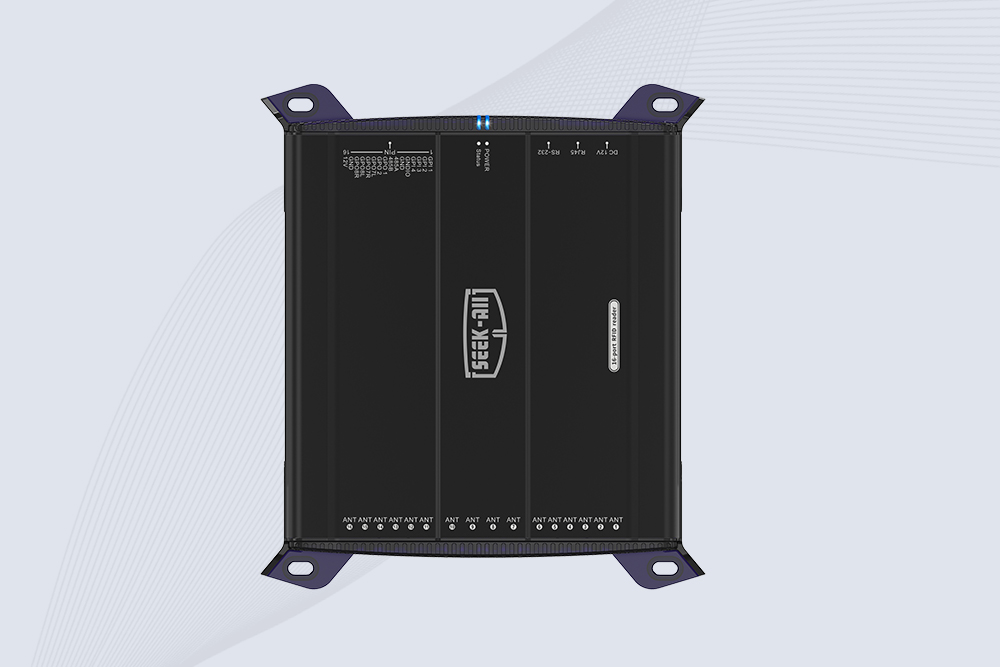
SSD-R16L Multi-Channel RFID Infrastructure for Automated Inventory Management ✔️ 16-Port High-Density RFID Reading Equipped with 16 SMA antenna ports, SSD-R16L supports multi-antenna deployment for warehouses, retail stores, logistics, production lines, and large-area RFID identification. ✔️ High-Speed & Long-Range Performance With up to 33…
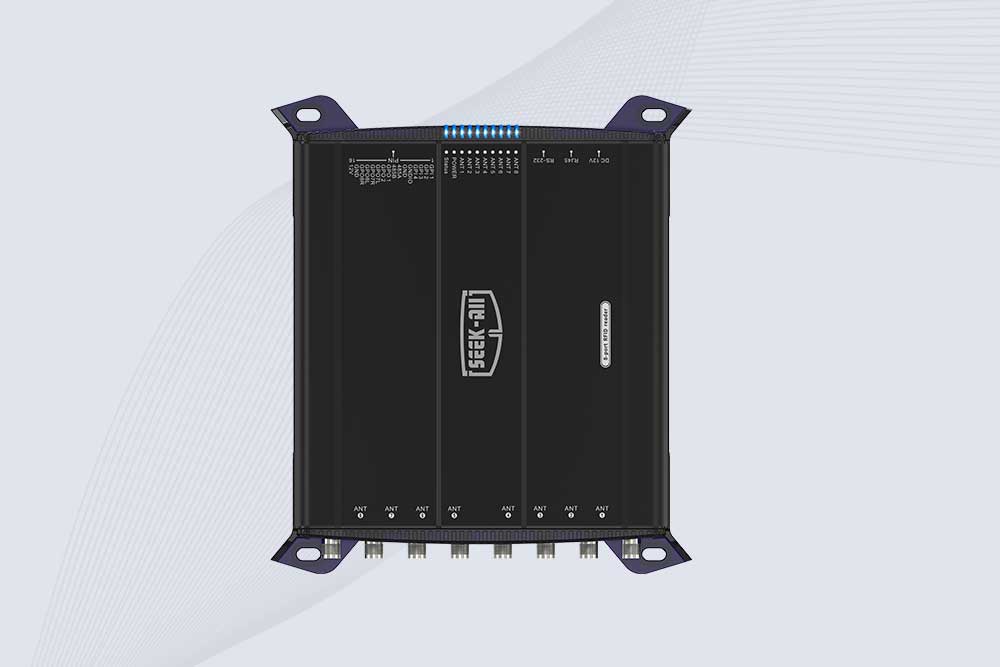
SSD-R8L 8-port UHF RFID reader with 33dBm output, up to 20m reading range and 600+ tags/s recognition. Ideal for warehouse, logistics, retail and asset tracking.
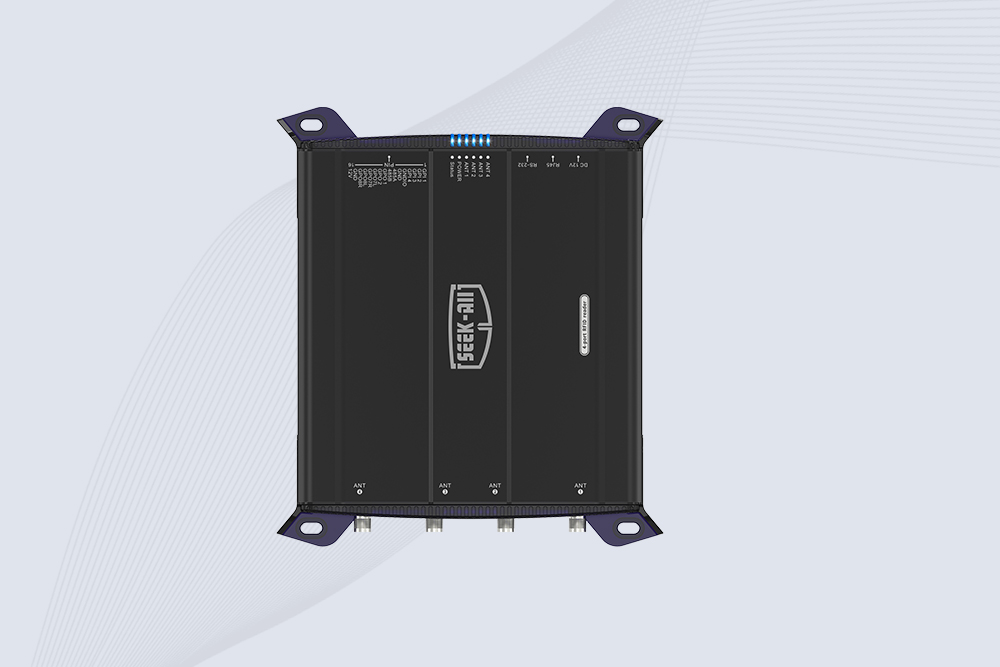
SSD-R4L is a 4-port UHF RFID fixed reader with 33dBm output power, up to 20m reading range, EPC C1G2 support and 600+ tags/s reading speed.
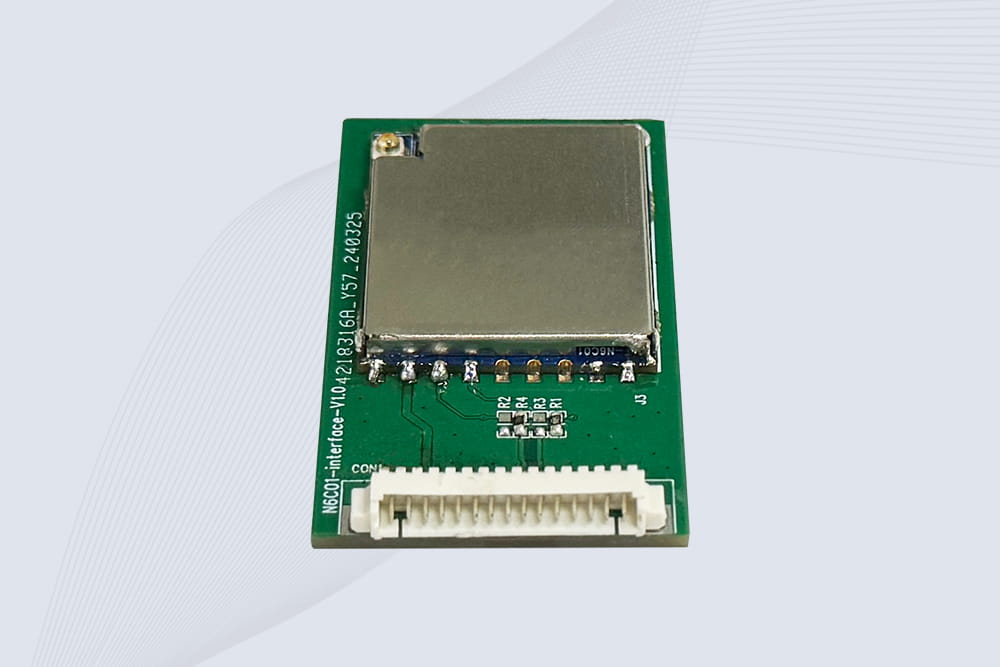
CYKEO Embedded RFID Modules are designed for compact industrial and IoT devices that require stable UHF performance. These UHF RFID Modules support global protocols, flexible power control, and reliable multi-tag reading for smart cabinets, production lines, and asset tracking systems.
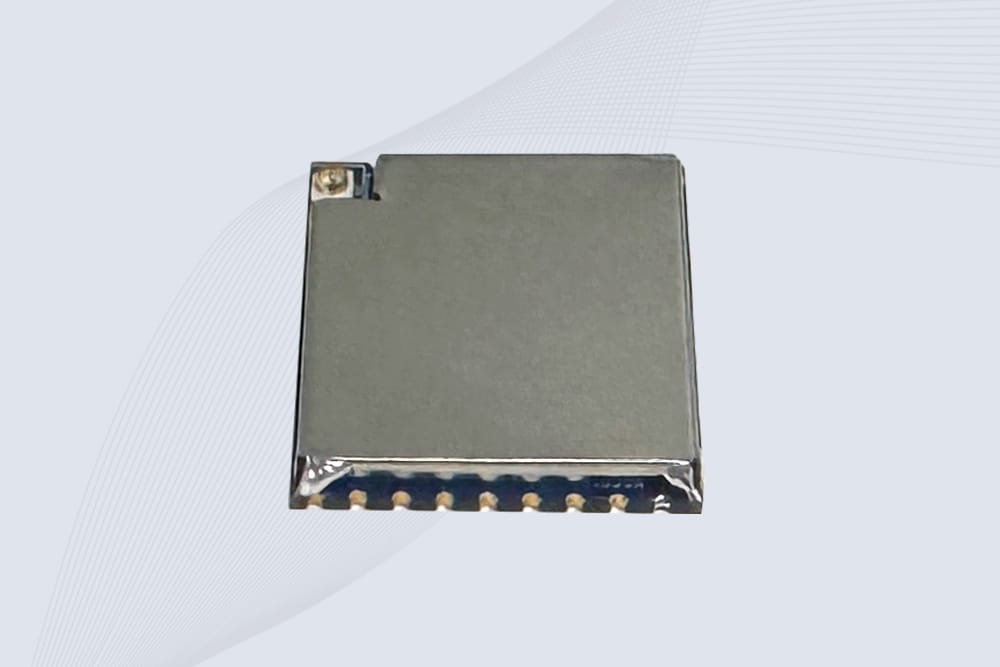
CYKEO Embedded RFID Module is built for compact IoT and industrial devices that need stable UHF performance. This UHF module supports global protocols, low power operation, and reliable multi-tag reading for smart lockers, production lines, and always-on RFID systems.
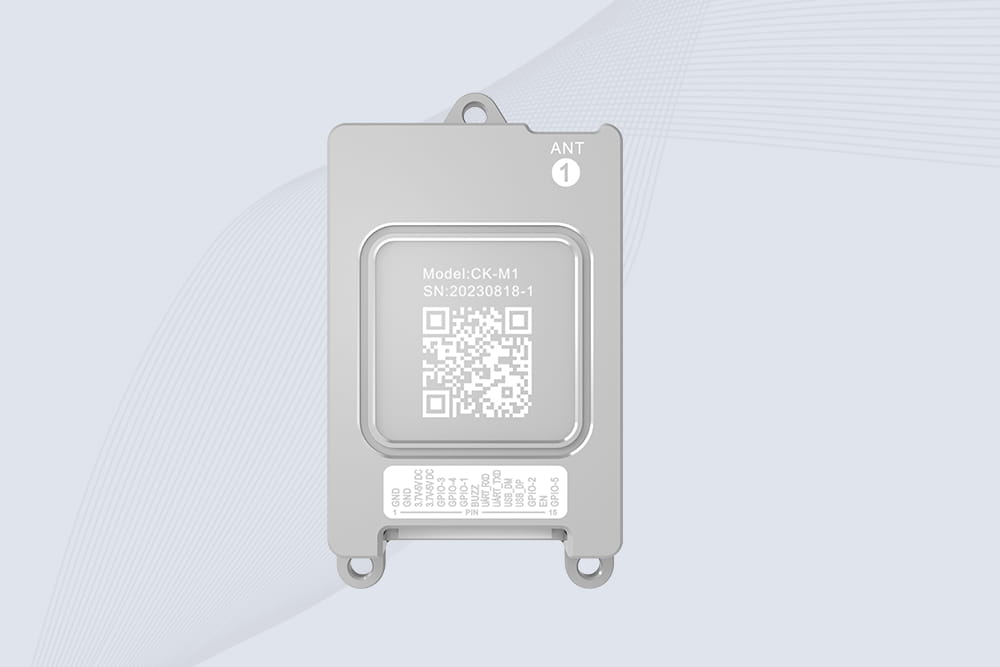
CYKEO CYKEO-M1 drone rfid module is a compact UHF RFID reader module designed for drones and UAV platforms. It supports long-range aerial scanning, fast multi-tag reading, and stable performance in wind, vibration, and outdoor environments.
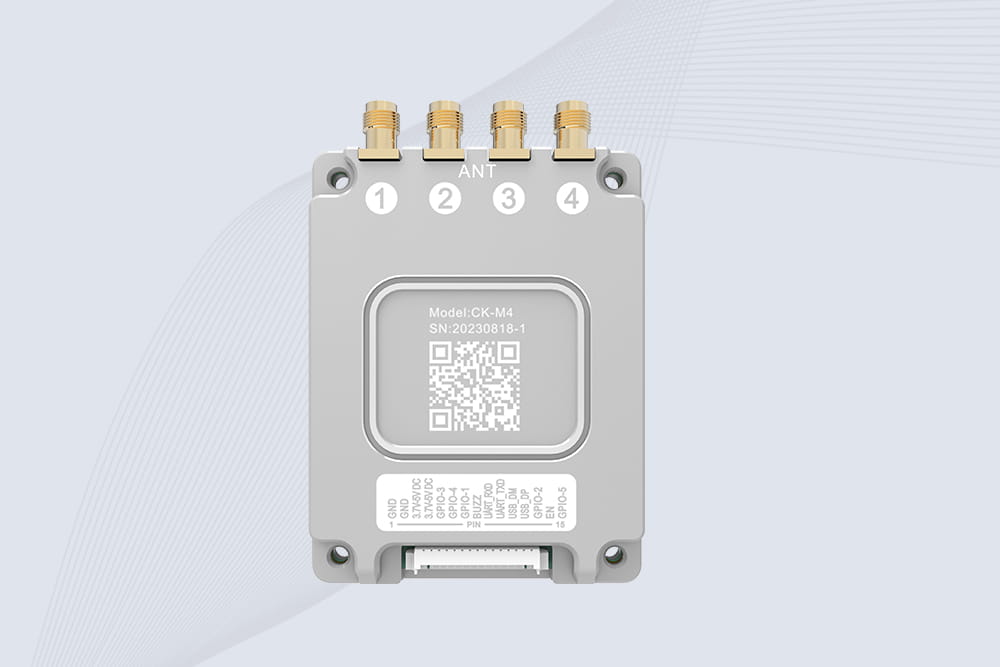
CYKEO CYKEO-M4 RC522 RFID Module is an industrial-grade UHF RFID reader with 4 ports, supporting ISO, EPC, and GB protocols. High-speed, accurate reading for IoT, automation, and warehouse applications.
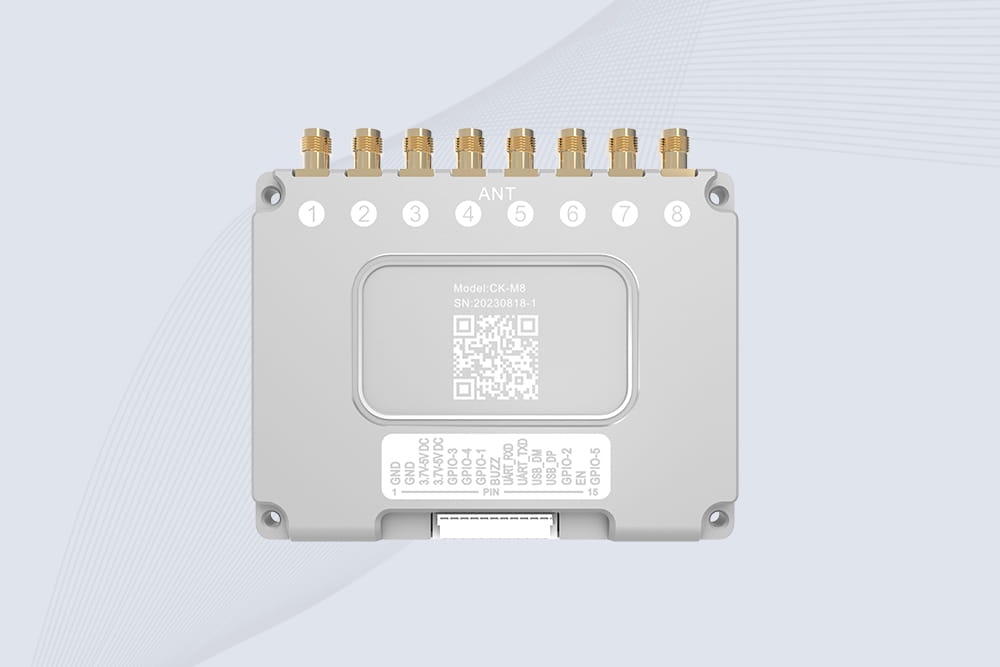
CYKEO CYKEO-M8 Module RFID is an 8-port UHF R2000 RFID Module designed for high-density, multi-tag environments. Stable 33dBm output, ISO & GB protocol support, ideal for warehouses, factories, and automated systems.
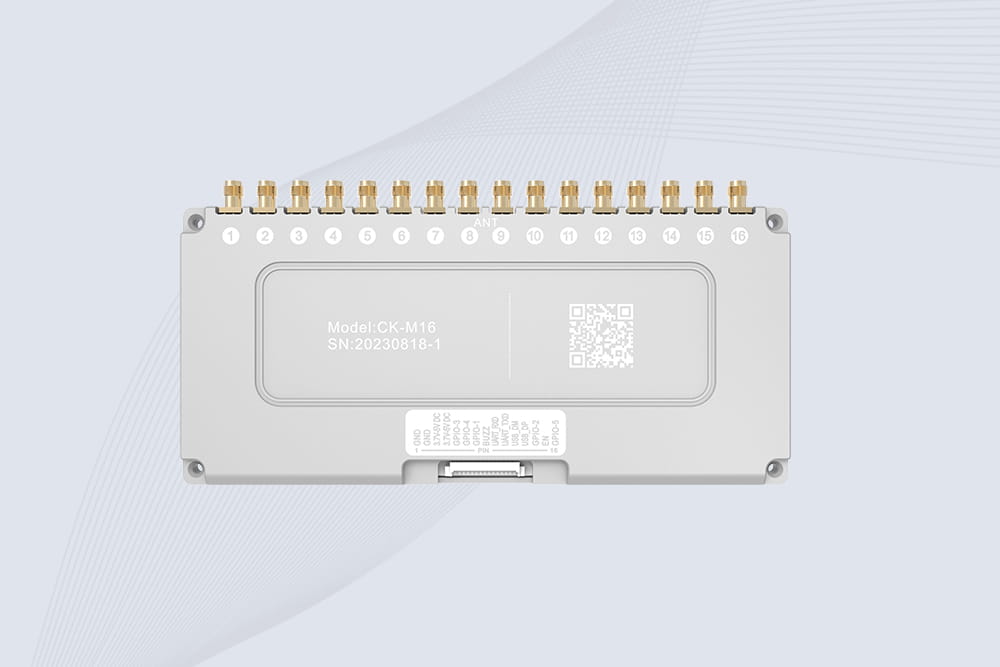
CYKEO CYKEO-M16 RFID Module is a 16-port UHF RFID reader module based on the R2000 chipset. Designed for dense tag environments, it supports ISO and GB standards and delivers stable multi-antenna control for industrial automation.
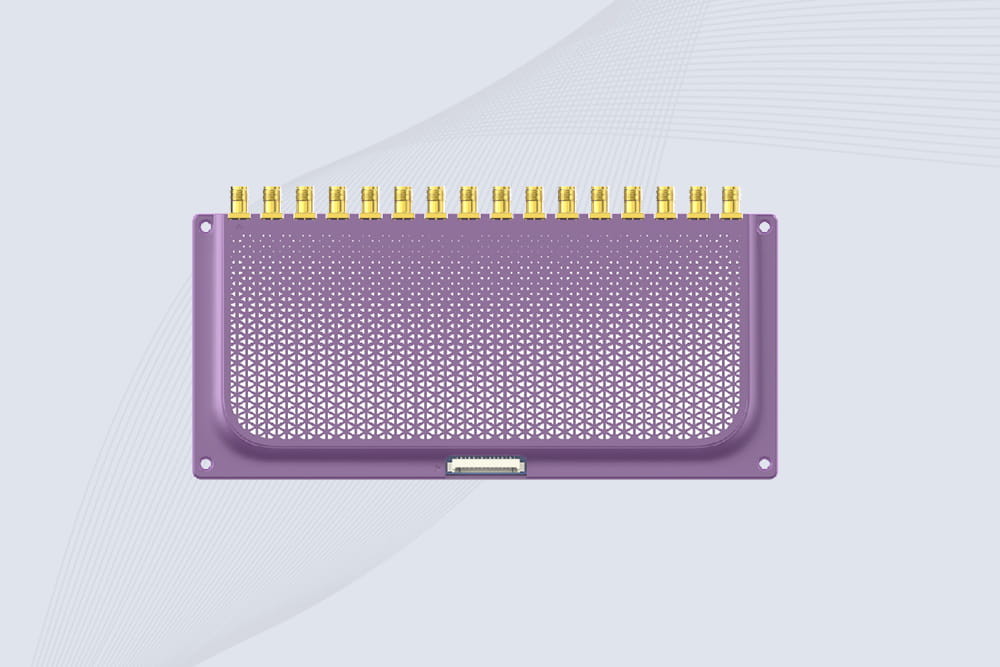
The CYKEO CYKEO-M16L RFID Reader Module is a 16-channel UHF RFID core designed for dense tag environments. With adjustable 33dBm output, multi-protocol support, and stable multi-antenna control, this RFID Tag Reader Module fits industrial automation, warehouse systems, and large-scale IoT deployments.
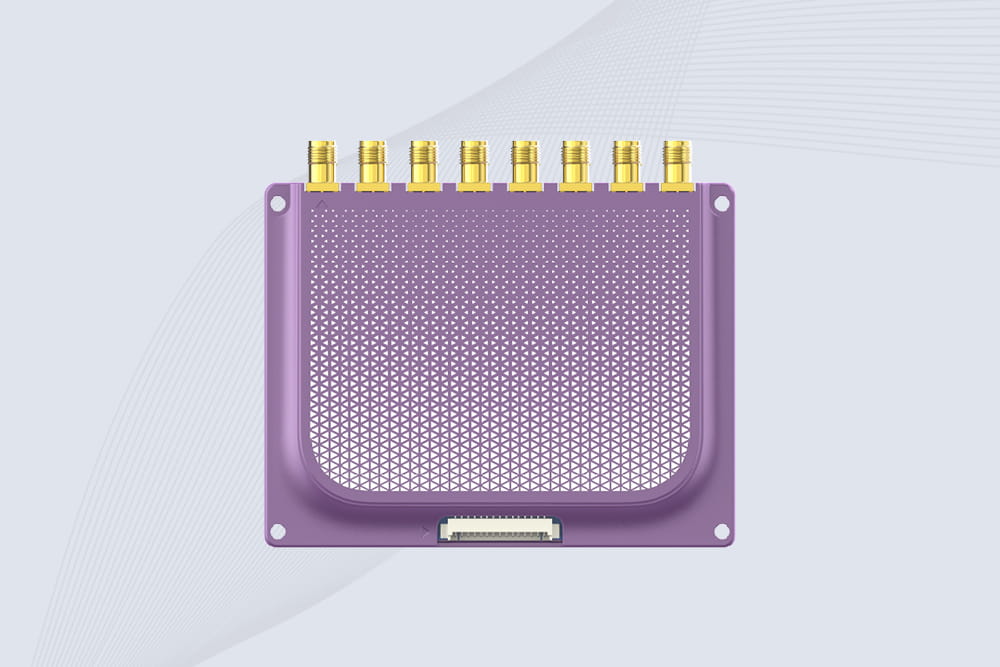
CYKEO CYKEO-M8L module RFID is a compact industrial UHF module built for dense tag and multi-antenna environments. With 8 RF ports, adjustable 33 dBm output, and ISO & GB protocol support, it is widely used in factories, warehouses, and automated tracking systems.
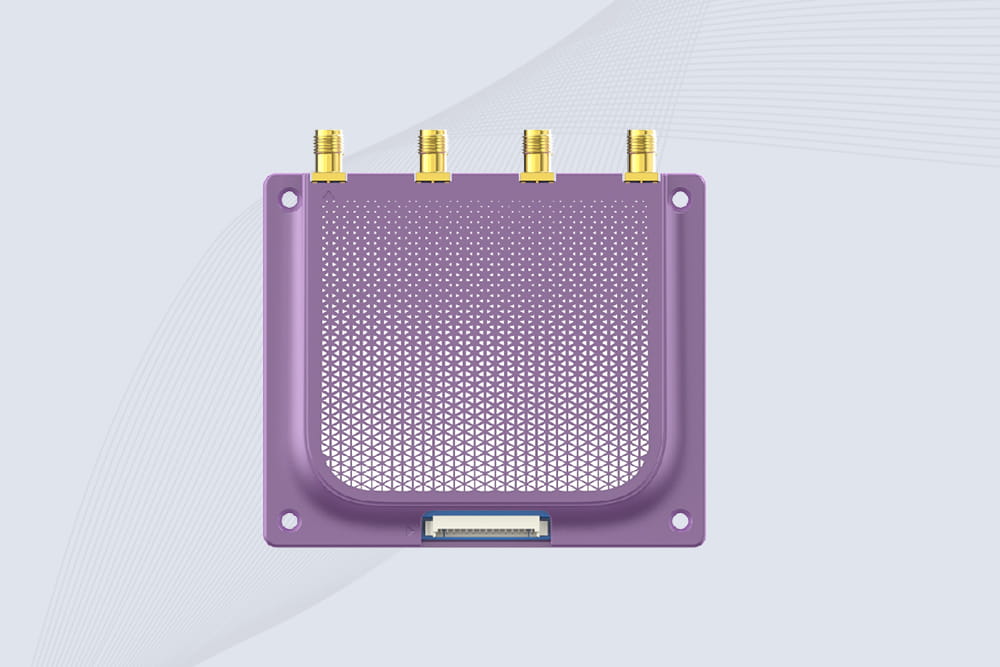
CYKEOCYKEO-M4L UHF RFID Module is a compact 4-channel RFID tag reader module designed for dense tag environments. Supporting ISO and GB protocols, it delivers stable reads up to 10 meters for industrial and IoT systems.
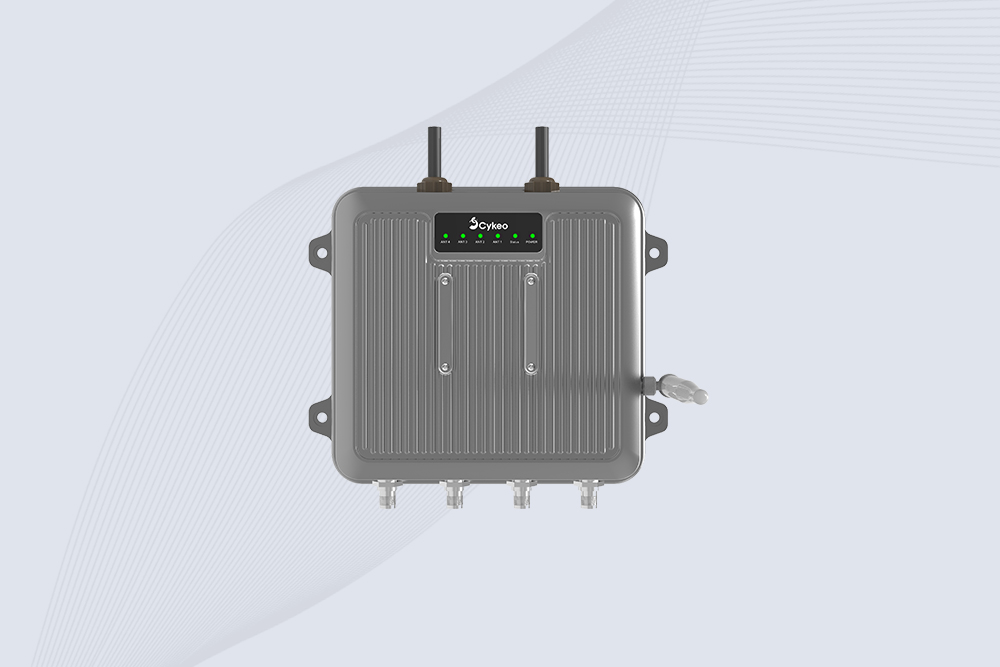
Cykeo CYKEO-C1 industrial Forklift RFID Reader features 20m read range, 600 tags/sec scanning, Impinj R2000 chipset, and IP67 rugged design. Ideal for warehouse logistics and manufacturing. Supports ISO 18000-6C/6B protocols.
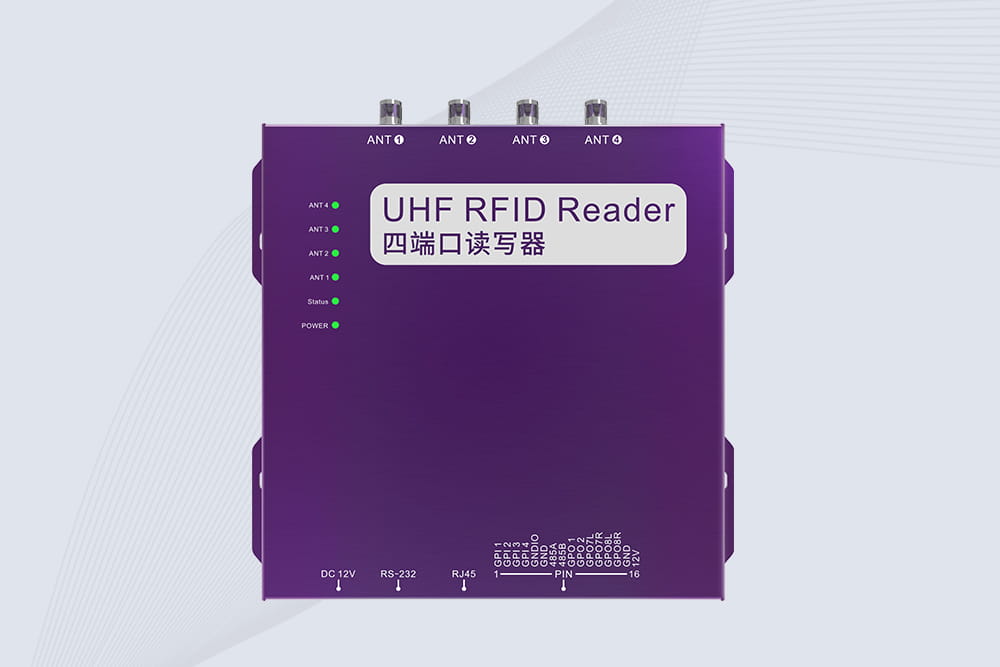
Cykeo CYKEO-R4 industrial UHF RFID Fixed Reader features 4 TNC ports, 400+ tags/sec speed, IP67 housing, and global frequency compliance for vehicle inspection, smart warehouse, and asset management systems.
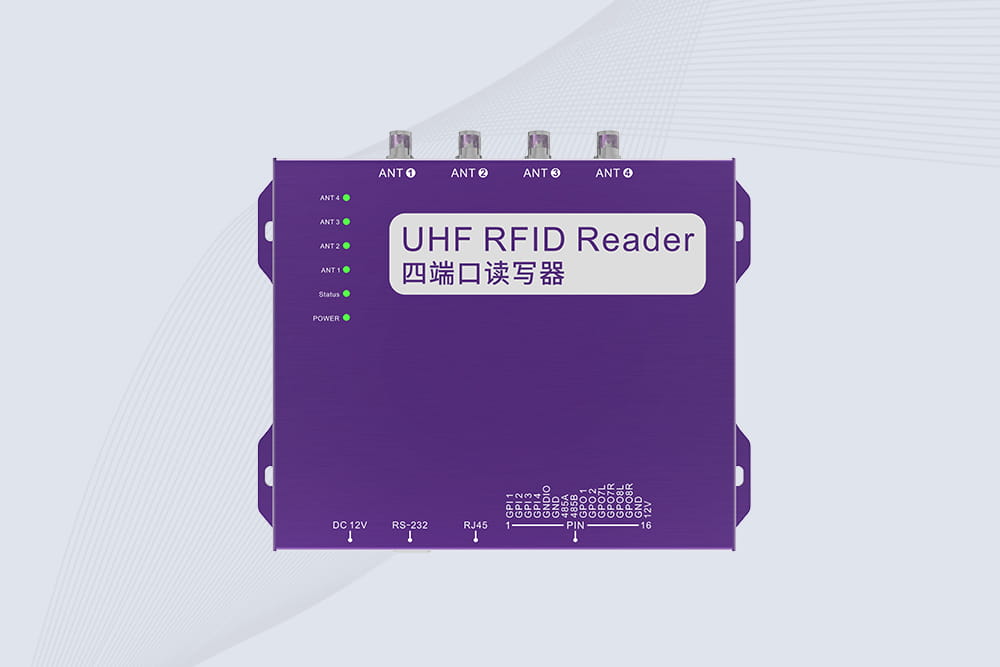
Cykeo’s CYKEO-R4L 4-port Fixed UHF RFID Reader delivers 400 tags/sec scanning, ISO 18000-6C compliance, and IP65 protection. Ideal for warehouse automation, manufacturing WIP tracking, and logistics management.
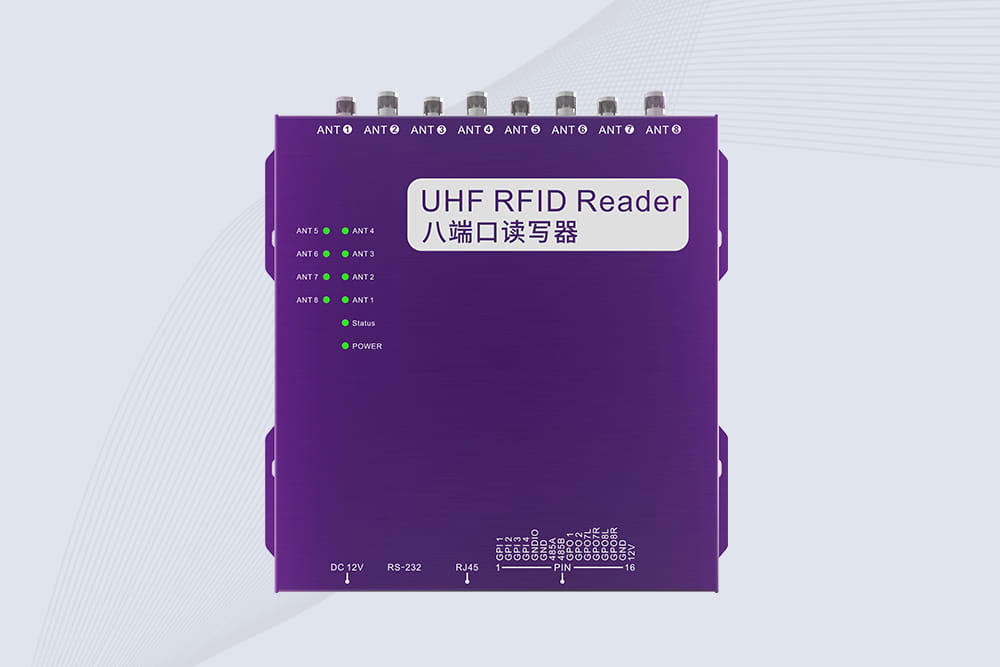
CYKEO CYKEO-R8L Fixed RFID Reader with 8-port UHF design, Impinj-based RF core and up to 20m read range. An industrial Fixed RFID Reader for vehicle inspection, warehouse portals, smart manufacturing lines and secure access checkpoints.
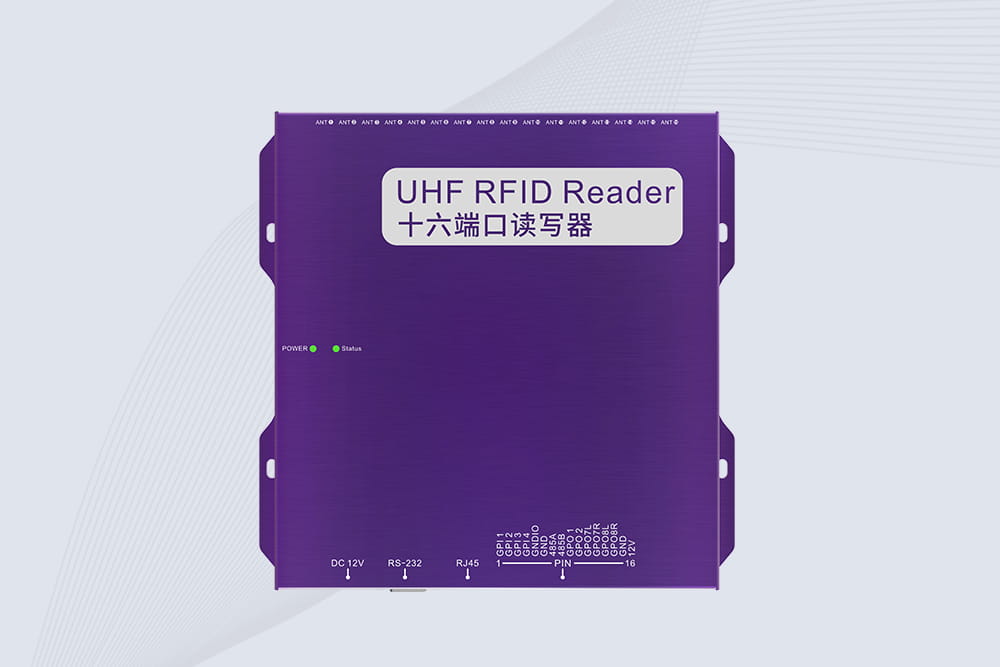
RFID Fixed Reader from CYKEO – the CYKEO-R16L 16-port UHF fixed reader for warehouses, smart cabinets, and production lines. Long-range, multi-tag reading, stable performance for 24/7 industrial use.
RFID Industry Writer | IoT & Asset Tracking Analyst
James writes about RFID technology, asset tracking, and the practical challenges of digital transformation across warehousing, retail, manufacturing, and logistics.
His work focuses on how RFID is applied in real-world operations—improving inventory visibility, automating workflows, and helping businesses manage assets with greater accuracy and efficiency.
He regularly covers topics including UHF RFID, smart cabinets, RFID portals, tool tracking, warehouse automation, and industrial IoT trends..

Learn how to write RFID tag data quickly using a handheld rfid writer. Step-by-step mobile encoding guide with Cykeo solutions for accurate asset tracking.
More
Learn how does rfid antenna work, including RF transmission, polarization, antenna gain, read zones, tag orientation, frequency, and real-world UHF RFID deployment.
More
Tamper proof RFID tags combine wireless identification with anti-tampering features. Once removed, they become invalid immediately. Widely used in asset authentication, logistics sealing, and high-value equipment monitoring. Cykeo offers customiza...
More
Learn how to identify RFID tags by frequency, appearance, and behavior. Understand the differences between LF, HF/NFC, and UHF RFID in everyday use.
More