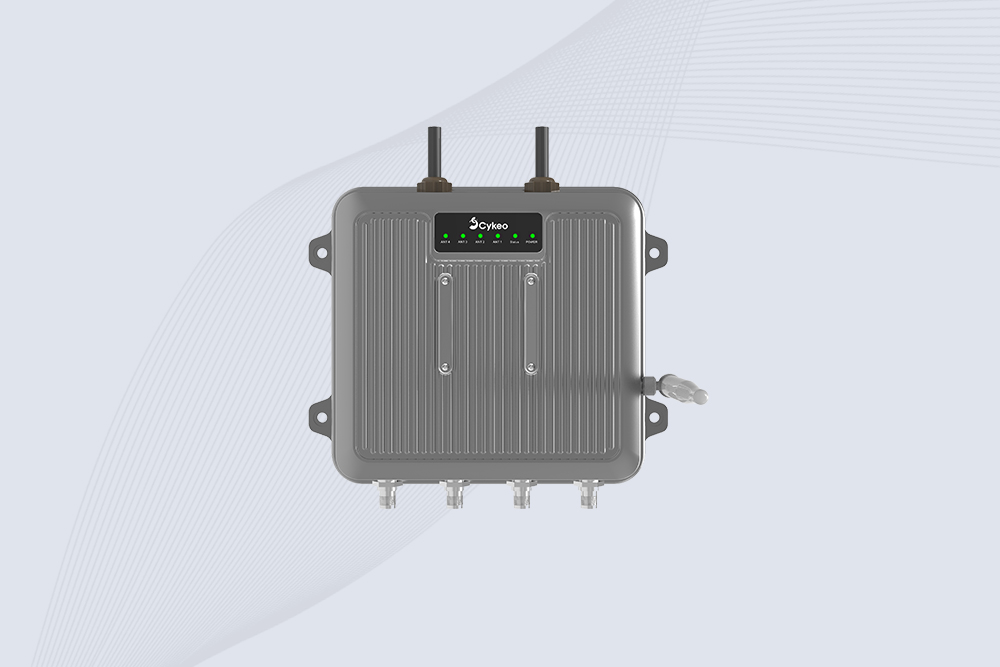
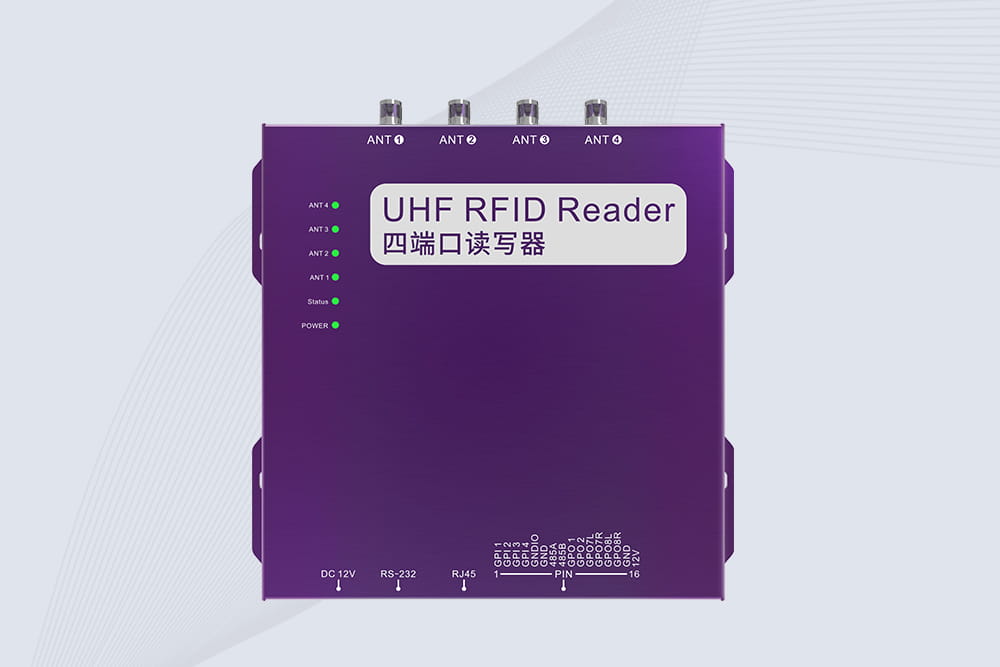
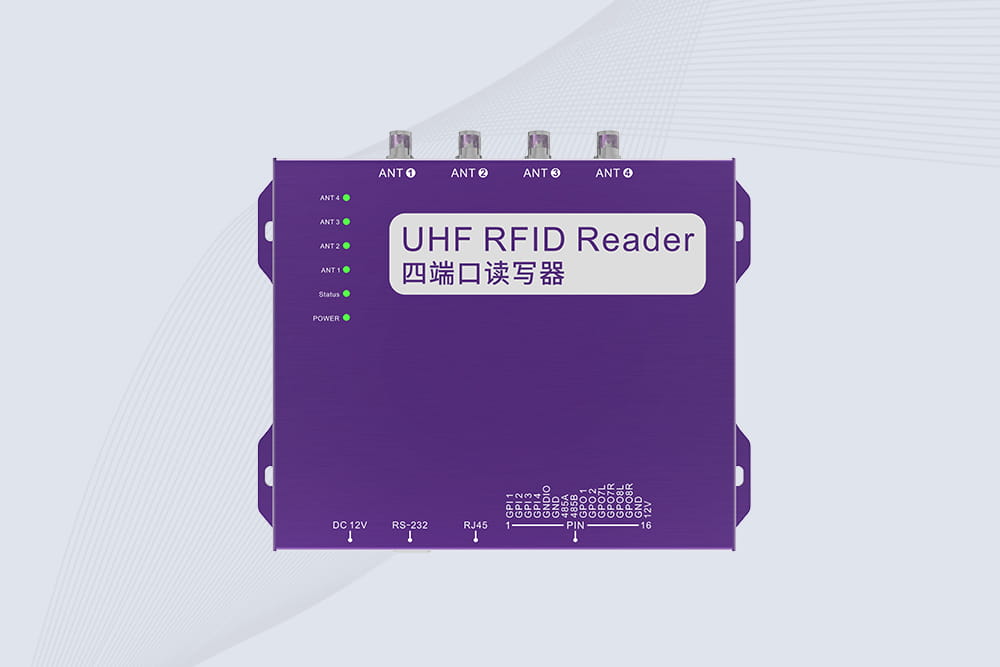
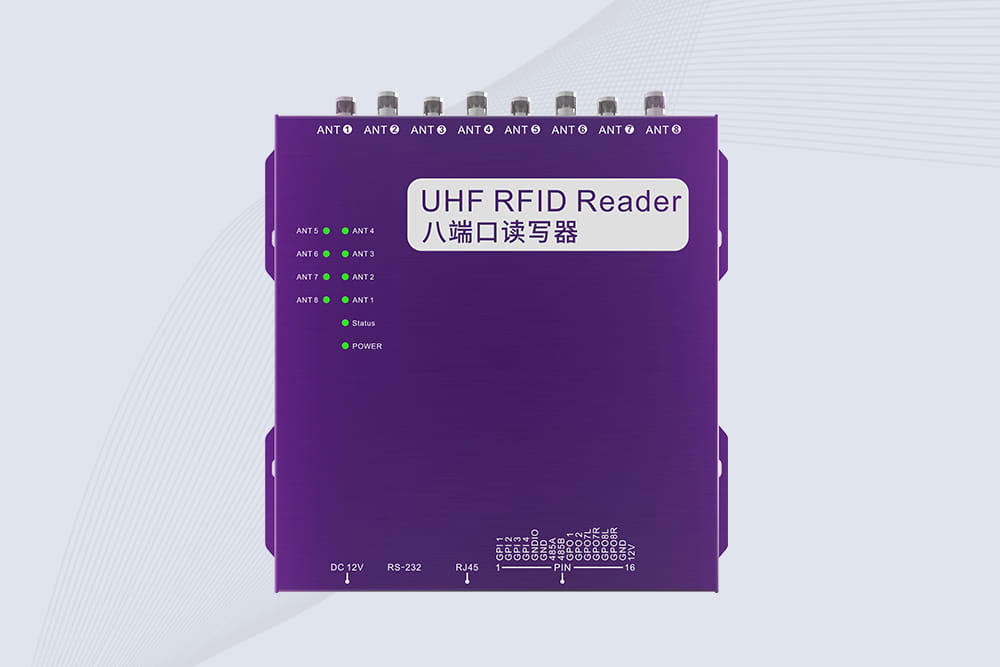
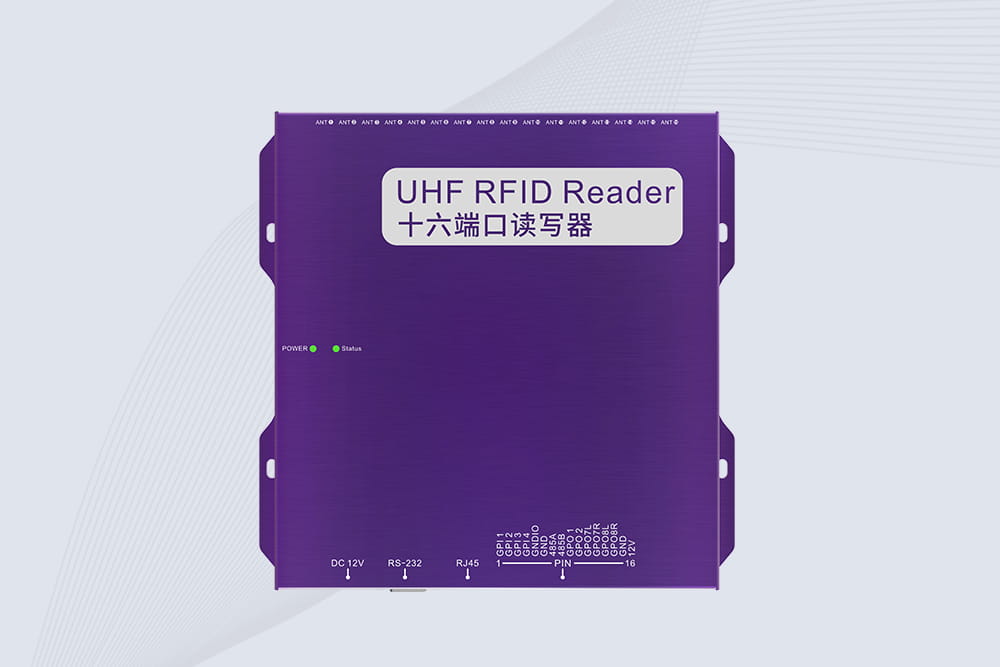
Warehouses demand RFID readers that withstand harsh environments while delivering fast, accurate scans across vast spaces. Unlike standard models, a warehouse-ready RFID reader must balance ruggedness, advanced signal processing, and seamless integration with logistics software. Below, we break down the five non-negotiable features to prioritize when selecting a system for high-volume operations.
1. Industrial-Grade Durability
Warehouses expose equipment to dust, humidity, temperature swings, and accidental impacts. Look for readers rated IP67 or higher for water/dust resistance and operating temperatures of -22°F to 158°F (-30°C to 70°C). For example, Cykeo’s readers are tested in freezer warehouses and construction sites, ensuring reliability in extreme conditions.
2. Long-Range Scanning Capability
High shelves and wide aisles require UHF RFID readers with 30+ feet read ranges. Dual-polarized antennas (linear + circular) ensure tags are detected regardless of orientation, even on fast-moving forklifts.
3. Anti-Interference Technology
Metal racks, machinery, and Wi-Fi networks create signal noise. Opt for readers with adaptive frequency hopping and RF shielding to maintain accuracy. Cykeo’s systems use machine learning algorithms to dynamically avoid congested frequencies.
4. Real-Time Data Integration
A warehouse-ready reader must sync with inventory management platforms like SAP or Oracle via APIs or IoT protocols. Batch scanning 500+ tags per second reduces delays in updating stock levels.
5. Scalability and Power Options
Choose readers supporting PoE (Power over Ethernet) for easy deployment and daisy-chaining to expand coverage without additional infrastructure. Battery-powered handheld models add flexibility for cycle counts.
Why Cykeo’s Readers Excel in Warehouse Environments
Cykeo’s industrial RFID readers combine MIL-STD-810G durability certifications with multi-tag read rates of 1,200 tags/sec, making them ideal for high-density warehouses. Their cloud-based analytics platform identifies bottlenecks like misplaced pallets in real time.
Discover the best handheld RFID readers for small business inventory management. Compare budget-friendly options, UHF performance, and software integration for retail, warehouses, and startups.
passive RFID tags do not contain batteries. They function like a delicate "energy harvester." When entering the electromagnetic field emitted by the reader, the tag antenna converts the received electromagnetic wave energy into direct current, whi...
Discover the best antenna types for fixed RFID readers. Learn how Cykeo’s directional, omnidirectional, and circular-polarized antennas optimize performance in warehouses, factories, and more.
Struggling with RFID reader connectivity in your factory? Learn proven troubleshooting steps to resolve interference, hardware faults, and software conflicts with Cykeo’s expert tips.
 Cykeo RFID IoT Solution Products R&D Manufacturer