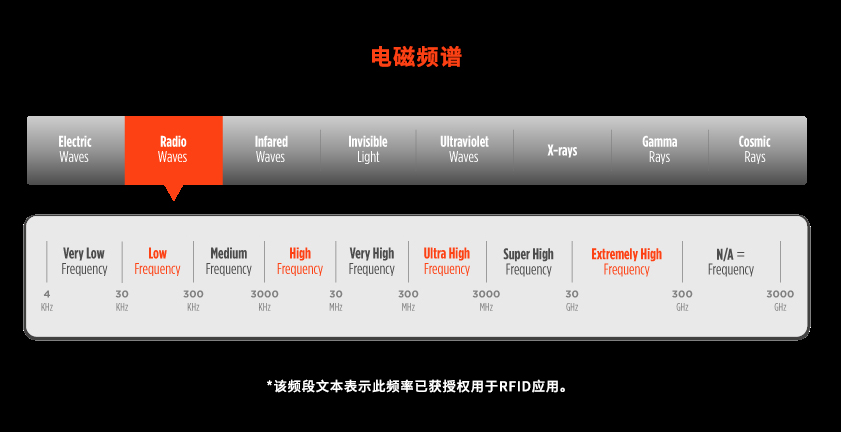
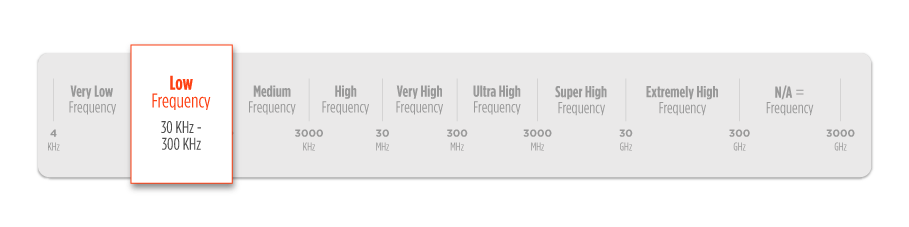
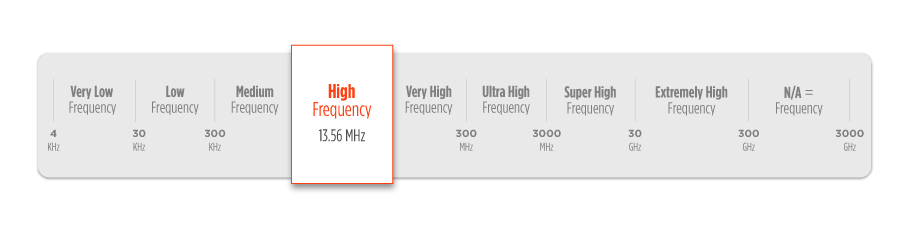
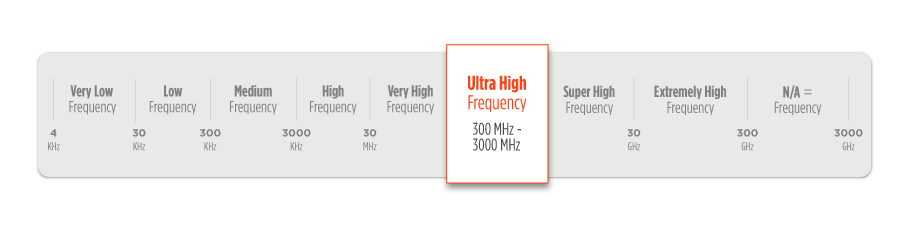
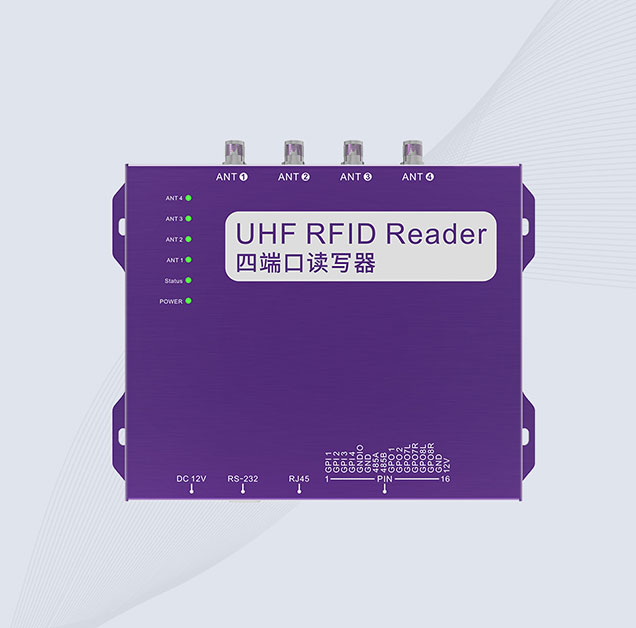
RFID stands for Radio Frequency Identification, a wireless and non-contact technology that uses radio waves to transmit data and identify objects, animals, or people. An RFID system typically consists of RFID readers, RFID tags, and rfid antennas.
RFID technology is widely used across many industries, including healthcare, retail, hospitality, and manufacturing. In simple terms, RFID works similarly to barcodes but does not require line-of-sight scanning.
In this beginner’s guide, we’ll walk through the most common questions about RFID, including:
What RFID is
How RFID technology works
Different types of RFID systems
Where RFID is used in real-world applications
This guide is ideal for anyone who is new to RFID or looking to better understand how RFID systems are designed and deployed.
RFID works by attaching RFID tags to objects, allowing users to automatically and uniquely identify and track inventory or assets.
The process works as follows:
An RFID reader sends radio waves through an RFID antenna.
These radio waves reach nearby RFID tags.
The tag receives energy from the reader signal and activates its internal chip.
The chip transmits the stored data back to the reader.
The reader converts the signal into digital information for software systems.
Each RFID tag contains a unique identifier stored in memory, allowing identical items to be distinguished easily.
Unlike traditional barcode systems, RFID can read tags without direct visibility, sometimes from distances exceeding 30 meters depending on the system design.
RFID technology has existed since the 1930s during World War II, when it was used to identify friendly and enemy aircraft. Since then, the technology has evolved significantly, becoming more efficient and affordable for modern applications.
3. What Is RFID Used For?
RFID applications span a wide range of industries and use cases. From inventory tracking to supply chain management, the technology enables organizations to identify and track individual items quickly and accurately.
RFID readers are usually the most expensive component in an RFID system.
Typical price ranges:
USB Readers: $500–$600
Handheld Readers: $1,000–$3,000+
Industrial Fixed Readers: $1,500–$5,000+
The price depends on performance, connectivity, antenna ports, and processing capabilities.
9. What Is an RFID Antenna?
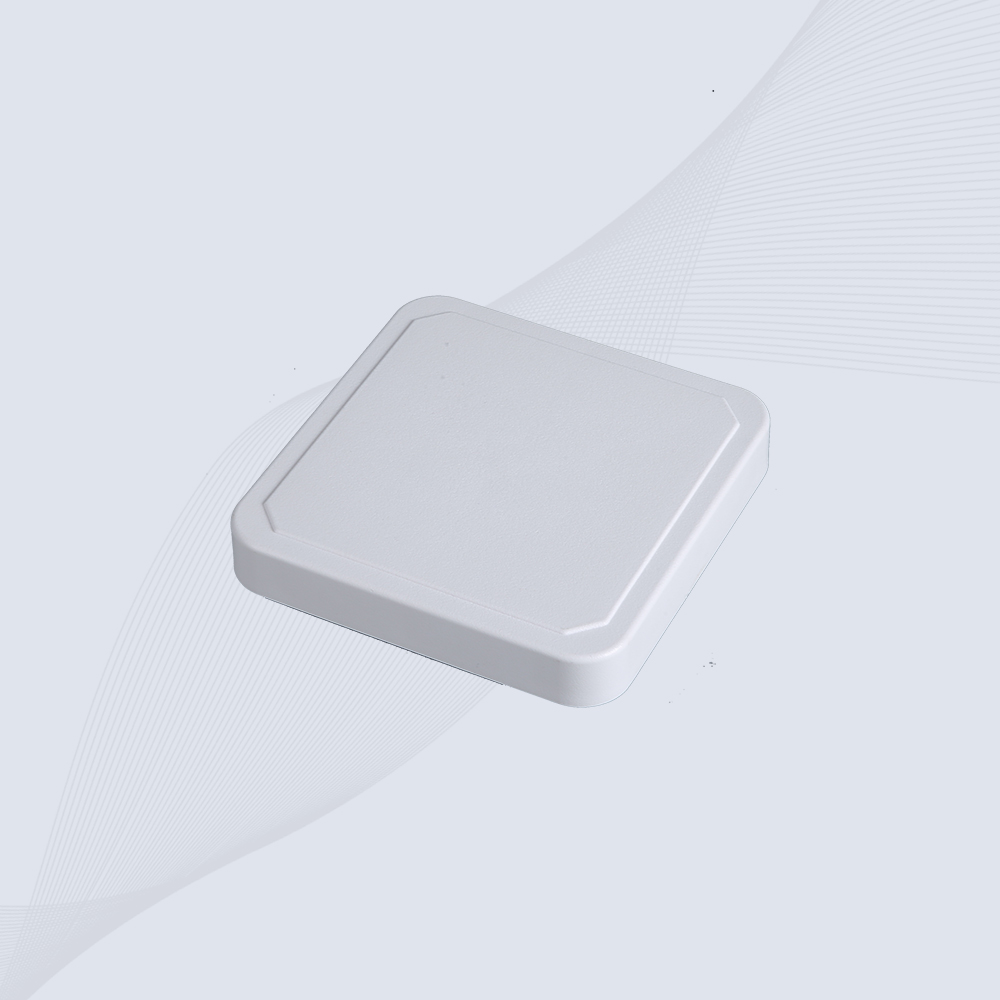
Front profile of the CYKEO CK-A5 industrial UHF RFID antenna.
An RFID antenna is responsible for transmitting and receiving radio signals between the reader and RFID tags.
Without an antenna, the reader cannot communicate with tags.
Antennas create an RF field, enabling nearby RFID tags to receive power and transmit data.
Antenna Polarization Types
Linear Polarization
Emits radio waves in a single horizontal or vertical plane
Offers longer read range when aligned correctly with the tag orientation
Circular Polarization
Emits waves in a rotating circular pattern
Allows tags to be read from multiple orientations
Slightly shorter read range compared to linear antennas
Although this guide contains a wealth of RFID knowledge, it only scratches the surface when it comes to implementing RFID technology. The good news is that there are many ways to continue learning and exploring the topic:
RFID Knowledge Base – This knowledge base is designed to keep you up to date with Cykeo RFID product applications and product knowledge. Whether you are an industry professional or completely new to RFID, we plan to publish original content that covers a wide range of RFID topics and experience levels.
RFID Resources – In our RFID Resources section, you can explore tutorials, research, market reports, and industry insights. We regularly discuss radio frequency identification technology and how it is being applied across different industries.
If you have any questions or would like more information, feel free to contact us anytime.
Discover how RFID cabinet pharmacy storage systems improve medication security, real-time inventory tracking, and regulatory compliance. Learn how smart RFID pharmacy cabinets streamline operations and reduce audit risks.
Wondering "can RFID sensors read through aluminum"? Discover how aluminum blocks RFID signals, why metal causes interference, and solutions for tracking assets in metal-rich environments with CYKEO.
See how CYKEO UHF RFID Fixed Reader enables seamless system integration. Perfect for developers and solution providers needing secondary development, it fits logistics, manufacturing, access control, and asset tracking projects.
 Cykeo RFID IoT Solution Products R&D Manufacturer