 Cykeo RFID IoT Solution Products R&D Manufacturer
How do I integrate fixed RFID readers with SAP ERP systems?
1295Learn how to connect fixed RFID readers to SAP ERP for real-time inventory updates. Explore middleware, API integration, and data mapping best practices.
MoreAll RFID Product
Equipment tracking tags use ultra high frequency RFID technology to identify, locate, and manage industrial assets in real time. In practical warehouse and manufacturing environments, UHF RFID equipment tags reduce manual counting errors, speed up inventory cycles, and improve asset visibility across maintenance, logistics, and production workflows.
At Cykeo, we have deployed UHF RFID equipment tracking systems inside repair workshops, utility facilities, and manufacturing warehouses where conventional barcode labels simply failed after months of dust, oil exposure, and repeated handling. One project still stands out vividly: a European maintenance customer reduced weekly tool search time from nearly three hours to under twenty minutes after switching from manual spreadsheets to RFID equipment tracking tags with handheld UHF readers.
That improvement was not marketing language. It happened because operators stopped hunting for missing assets aisle by aisle.
The challenge is rarely “tracking.” The real issue is visibility under pressure.
In many factories, expensive torque tools, testing devices, laptops, scanners, and calibration equipment move continuously between departments. Once those assets disappear into temporary storage rooms or maintenance carts, manual records become unreliable.
According to research published by the U.S. National Institute of Standards and Technology (NIST), poor inventory accuracy and inefficient asset visibility contribute significantly to operational waste in industrial environments. Meanwhile, a GS1 US study reported RFID can improve inventory accuracy levels to above 95% in many supply chain operations.
In field deployments, UHF RFID equipment tracking tags help solve:
Unlike barcodes, RFID does not require direct line-of-sight scanning. Hundreds of tagged assets can be identified within seconds.
A typical system contains:
| Component | Function |
|---|---|
| UHF RFID Tags | Store unique asset IDs |
| RFID Readers | Read tags automatically |
| Handheld Terminals | Perform mobile inventory |
| RFID Software | Manage asset records |
| Cloud or Local Database | Store tracking history |
When workers move tagged equipment through a warehouse gate or workstation, the RFID reader captures the asset ID instantly. The software updates location and usage status in real time.
What surprises many first-time users is how quickly inventory behavior changes after deployment. Staff members become more accountable because movement records are automatic rather than manually entered later.
Low-frequency RFID works for access control. High-frequency RFID works for short-range authentication. But equipment tracking tags in industrial facilities usually depend on UHF RFID because of read speed and distance advantages.
| Feature | UHF RFID |
| Frequency Range | 860–960 MHz |
| Read Distance | Up to 15 meters |
| Multi-Tag Reading | Yes |
| Line-of-Sight Needed | No |
| Bulk Inventory Speed | Extremely Fast |
Cykeo UHF equipment tracking tags are commonly paired with high-power handheld rfid readers during warehouse audits. In dense storage environments, operators can walk naturally down aisles while the reader continuously collects tag data in motion.
There is no need to stop and aim at every label individually.
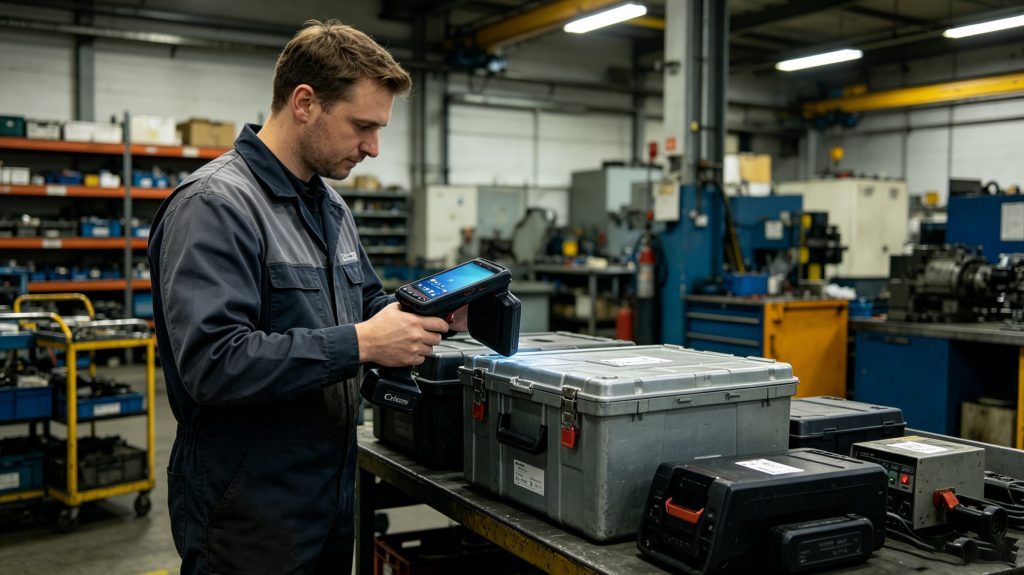
Factories use RFID equipment tracking tags to manage:
One automotive supplier we supported attached rugged RFID tags to calibration kits moving across three production buildings. Before RFID deployment, audits required two full working days every month. After implementation, the same process finished in under two hours.
That operational difference becomes very visible during peak production periods.
RFID tags are increasingly used for:
According to Deloitte’s insights on enterprise asset visibility, organizations lose substantial operational efficiency when IT asset records are outdated or manually maintained.
RFID provides continuous verification rather than occasional checking.
Metal surfaces affect RF signal reflection. Cheap labels often fail after deployment because they were tested only on cardboard boxes rather than industrial assets.
Cykeo engineers usually recommend on-metal UHF RFID tags for:
Technology is rarely the hardest part.
Operators sometimes continue writing equipment records manually even after RFID deployment because that habit feels safer initially. In real projects, successful RFID adoption usually depends on simplifying workflows rather than adding more scanning steps.
The fastest deployments are the ones employees barely notice.
Before choosing RFID equipment tracking tags, verify:
A surprisingly common failure point is adhesive quality. Industrial equipment surfaces often contain oil residue or textured coatings. Poor adhesives fail after a few months, even if the RFID chip itself still works perfectly.
Yes. RFID equipment tracking tags read multiple assets simultaneously without direct line-of-sight scanning, making inventory significantly faster and more accurate in industrial environments.
Ultra high frequency RFID is usually preferred because it supports long-range reading, rapid inventory scanning, and large-scale asset management.
Yes. Specialized on-metal UHF RFID tags are designed specifically for steel tools, cabinets, and industrial equipment.
Industrial RFID tags can withstand dust, vibration, oil exposure, and temperature fluctuations depending on tag material and enclosure design.
In practice, equipment tracking tags are less about “automation” and more about operational clarity. Once facilities gain reliable visibility into where tools and assets actually move, inventory stops feeling reactive. Teams spend less time searching and more time working.
That shift is where ultra high frequency RFID delivers measurable value.
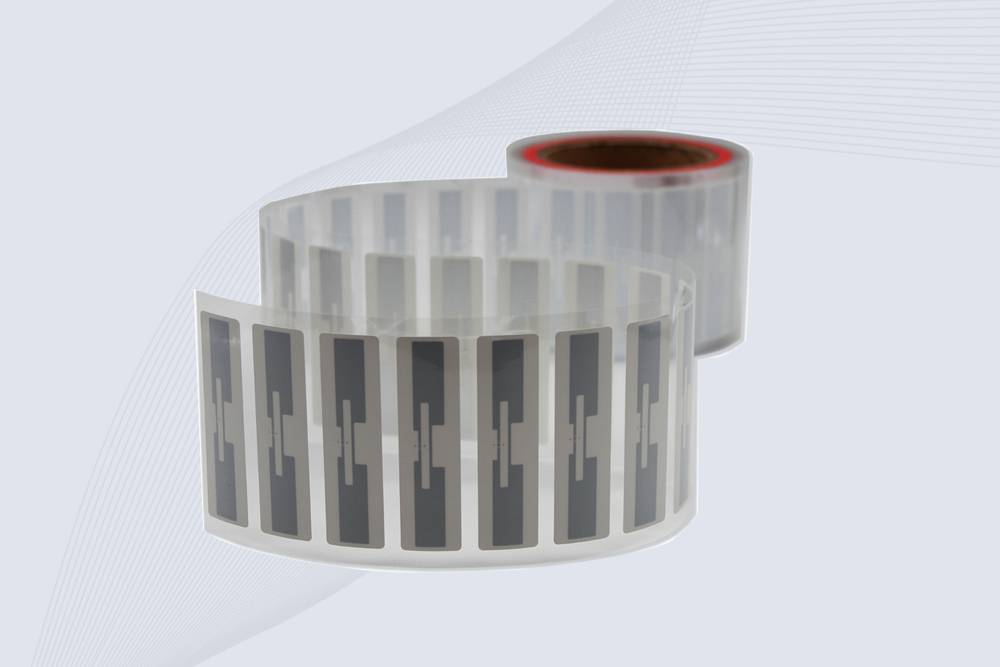
CYKEO Passive RFID Tags are made for wet and high-humidity environments where standard labels do not last. This rfid passive tag is often used around liquids, chemicals and temperature changes, providing stable reading distance and long data life for industrial tracking.
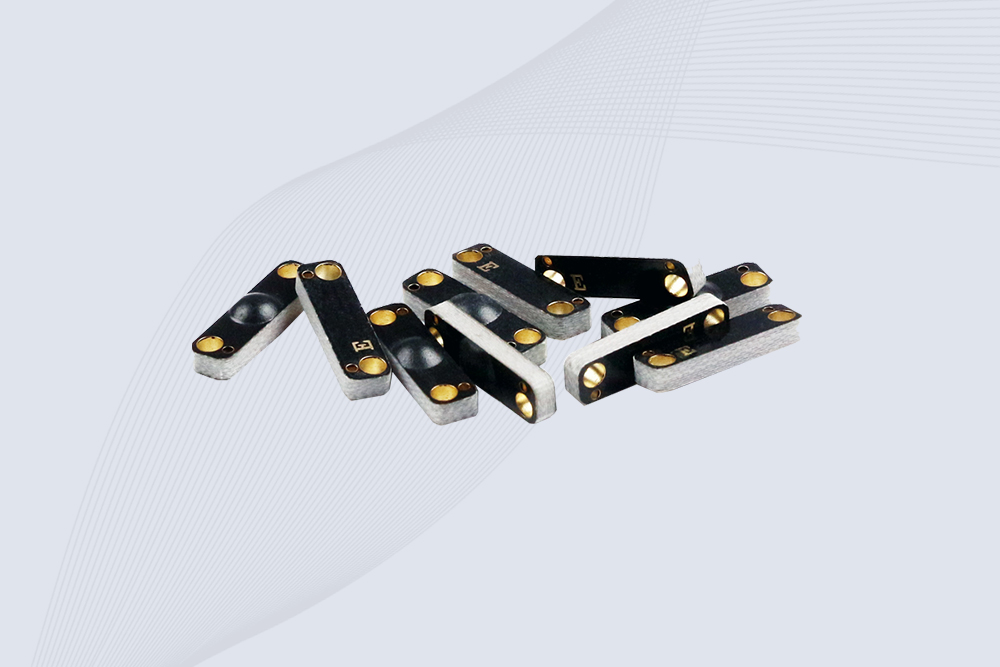
CYKEO CYKEO-PCB1504 Metal RFID Tags is a compact anti-metal UHF RFID solution built for direct mounting on metal surfaces. With stable 8-meter read range, Ucode-8 chip, and long data retention, this rfid metal tag fits tools, containers, automotive parts, and industrial asset tracking.
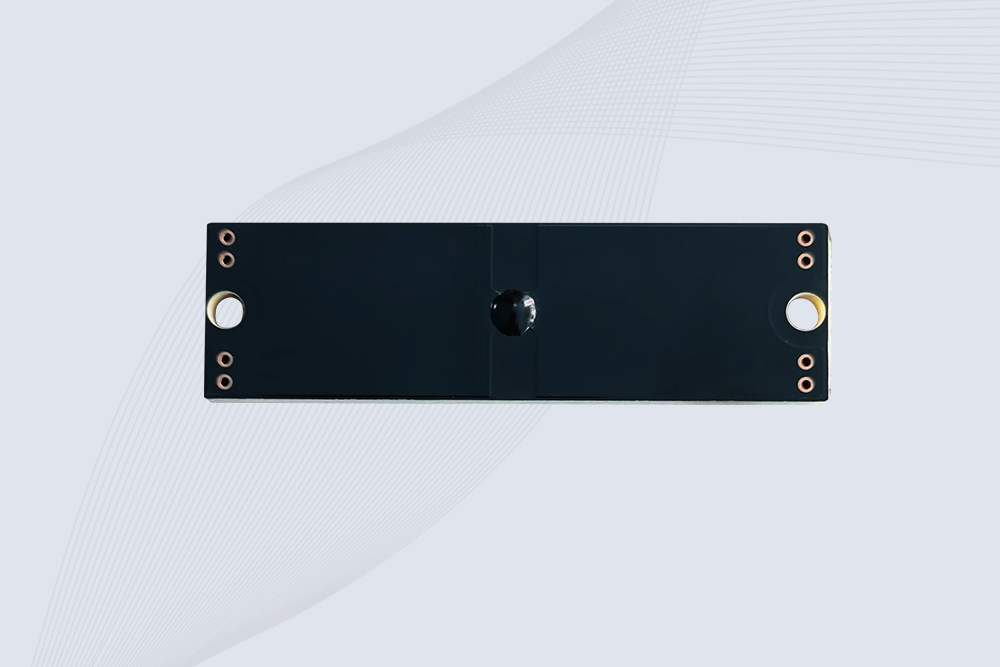
CYKEO CYKEO-PCB7020 On-Metal RFID Tags are designed for reliable tracking on steel and metal surfaces. Built with an FR4 epoxy body and industrial-grade chips, these On-Metal RFID Tags deliver stable performance, long data life, and chemical resistance, making them a dependable RFID anti-metal tag for harsh environments.
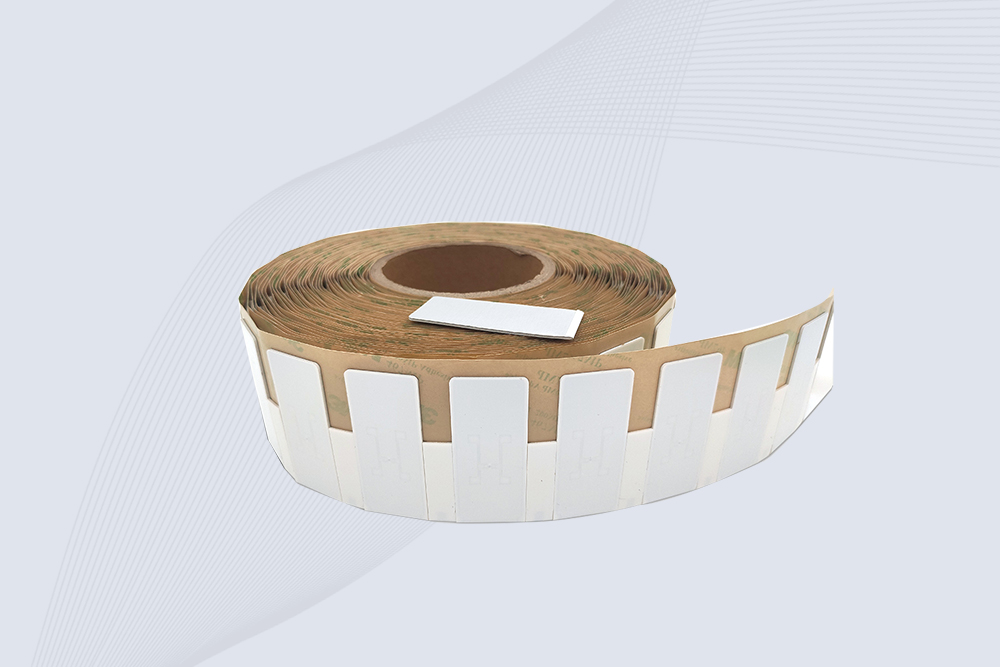
The CYKEO CYKEO-60-25 Anti-Metal RFID Tag is built for metal surfaces where standard tags fail. Designed for long-range performance, harsh environments, and stable data retention, this Anti-Metal RFID Tag is ideal for industrial assets, containers, and equipment tracking using on metal RFID tags.
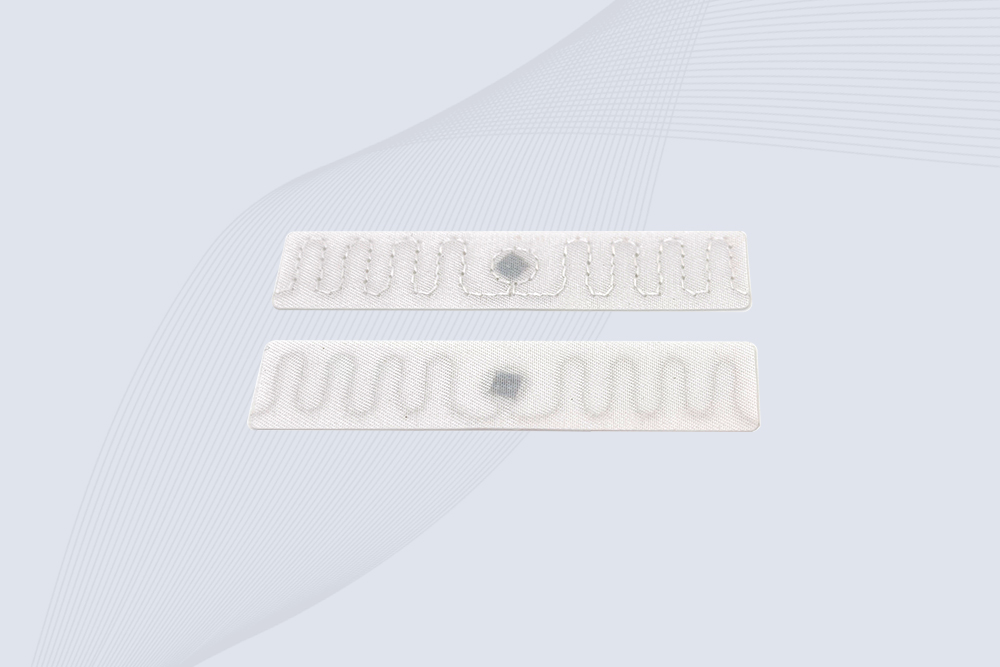
The CYKEO RFID Laundry Tag is designed for long-term textile identification in harsh laundry environments. Built to withstand high heat, chemicals, and repeated washing, this RFID Laundry Tag delivers stable performance for hotels, hospitals, and industrial laundry operations using laundry rfid tags at scale.
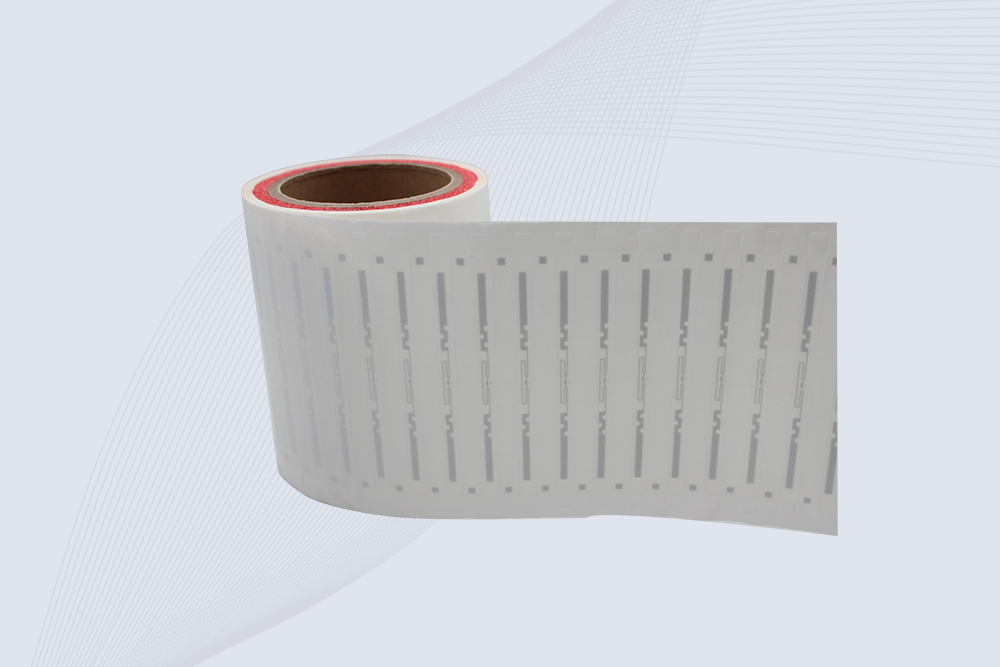
The CYKEO CYKEO-125-7 RFID Book Tag is designed for reliable book and document tracking in libraries and archives. This RFID Book Tag delivers long read range, dense placement support, and stable performance on shelves, making it a practical rfid tag on books for library automation, file management, and archival systems.
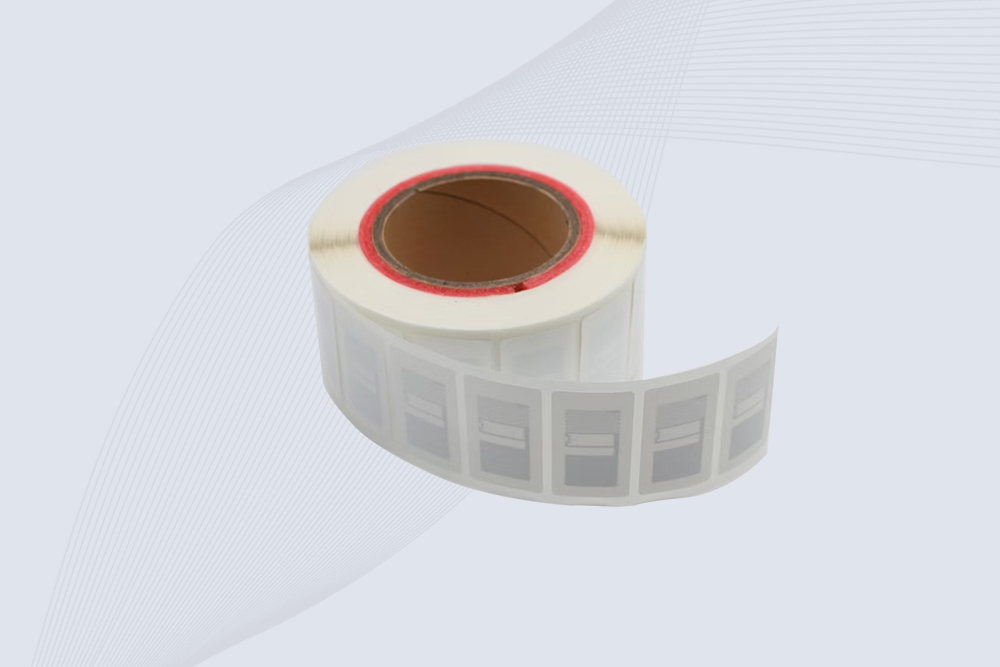
CYKEO RFID tags in hospitals are designed for sterile environments where accuracy matters. These autoclavable RFID tags support long-term tracking of surgical tools, implants, and medications, helping hospitals improve visibility, compliance, and patient safety.

CYKEO RFID Cable Tie Tag is built for reliable identification on metal surfaces. This UHF RFID Cable Tie Tag is widely used in rfid tags for inventory systems, industrial asset management and Hospital RFID Tags, offering stable read performance, long service life and global EPC Gen2 compatibility.
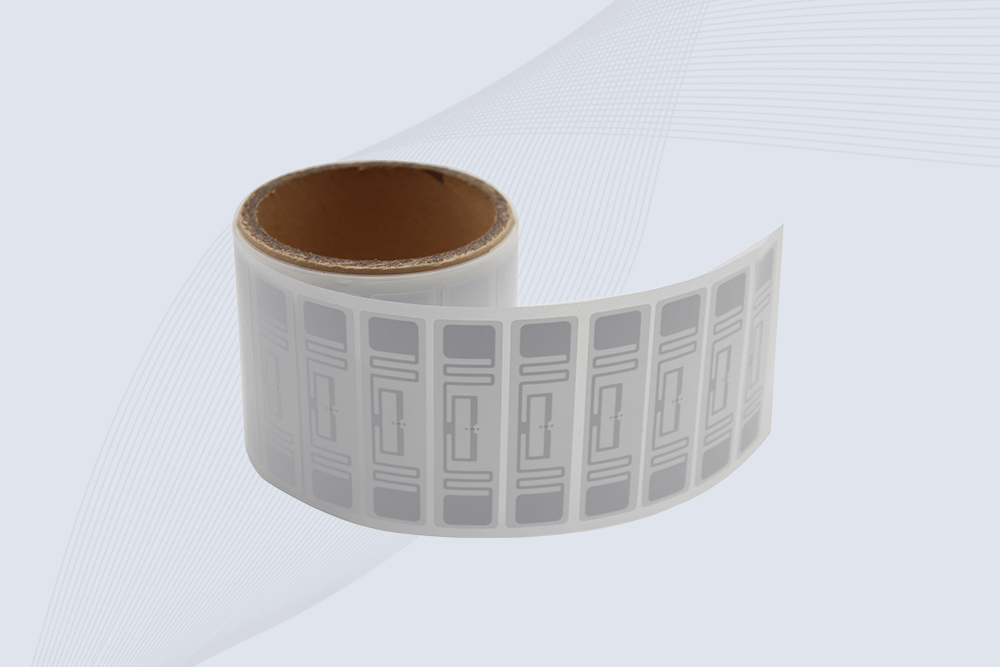
CYKEO RFID Asset Tag is designed for stable identification of metal assets in industrial environments. This UHF RFID Asset Tag is commonly used for rfid tag asset tracking on equipment, tools and containers, providing reliable reads, long service life and ISO/IEC 18000-6C support.

CYKEO UHF RFID Card is designed for fast identification and long-term use in industrial and commercial systems. Supporting ISO 18000-6C, this UHF RFID Card works at 860–960 MHz and is suitable for custom RFID cards used in asset tracking, access control and inventory management.
CYKEO HF RFID Cards are designed for secure and stable access control systems. These 13.56 MHz RFID key cards support ISO 14443-A, reliable rewriting and long service life, making HF RFID Cards suitable for offices, campuses, events and membership management.
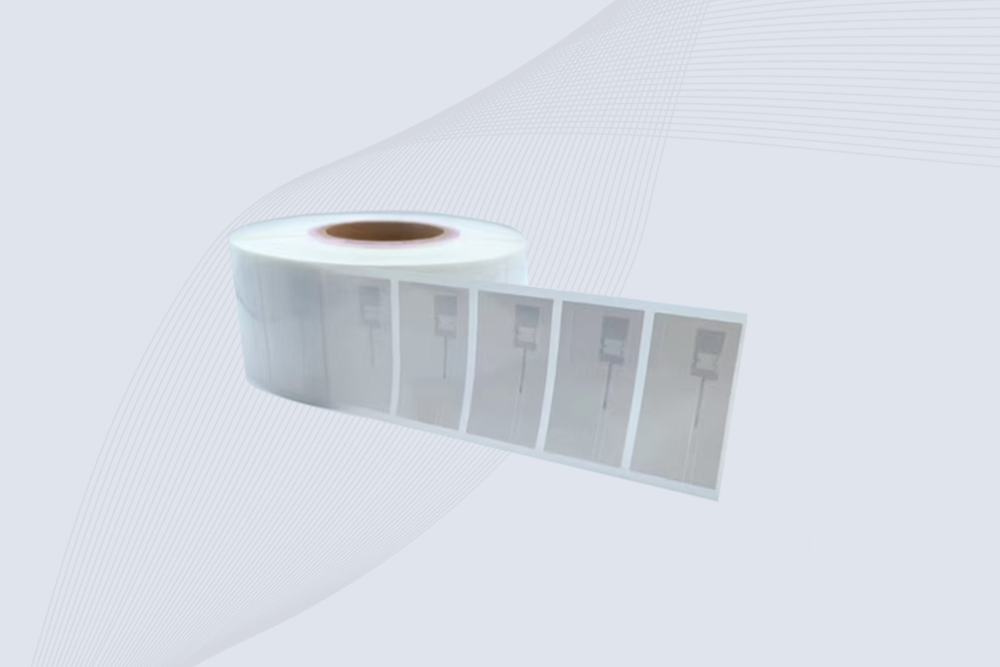
CYKEO UHF RFID Tag is designed for reliable tracking of metal jewelry and high-value items. This Jewelry RFID Tag supports long-range reading up to 8 meters, anti-counterfeit protection and stable performance on metal, making it suitable for retail, inventory control and asset management.

Learn how to connect fixed RFID readers to SAP ERP for real-time inventory updates. Explore middleware, API integration, and data mapping best practices.
More
A field-based look at UHF RFID reader performance in real warehouse environments. Covers installation surprises, signal behavior, integration issues, and what wholesale buyers often realize only after deployment begins.
More
Discover what is a rfid card, how RFID cards store and transmit data, and how Cykeo RFID solutions improve identification, tracking, and smart management.
More
A long range RFID scanner for logistics helps identify tagged pallets, containers, cartons, and other assets as they move through warehouses, loading docks, ...
More