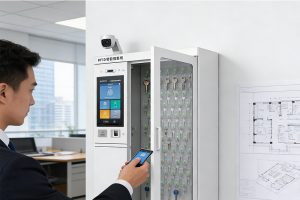
Here’s a common scenario: you see a warehouse worker zip a handheld scanner over a pallet, and instantly, a list of all the boxes pops up on a screen. Or you tap a keycard to enter your office. Most people call the whole device—the scanner gun or the wall-mounted reader—the “RFID system.” But the true workhorse inside, the component that makes the magic happen, is the RFID module.
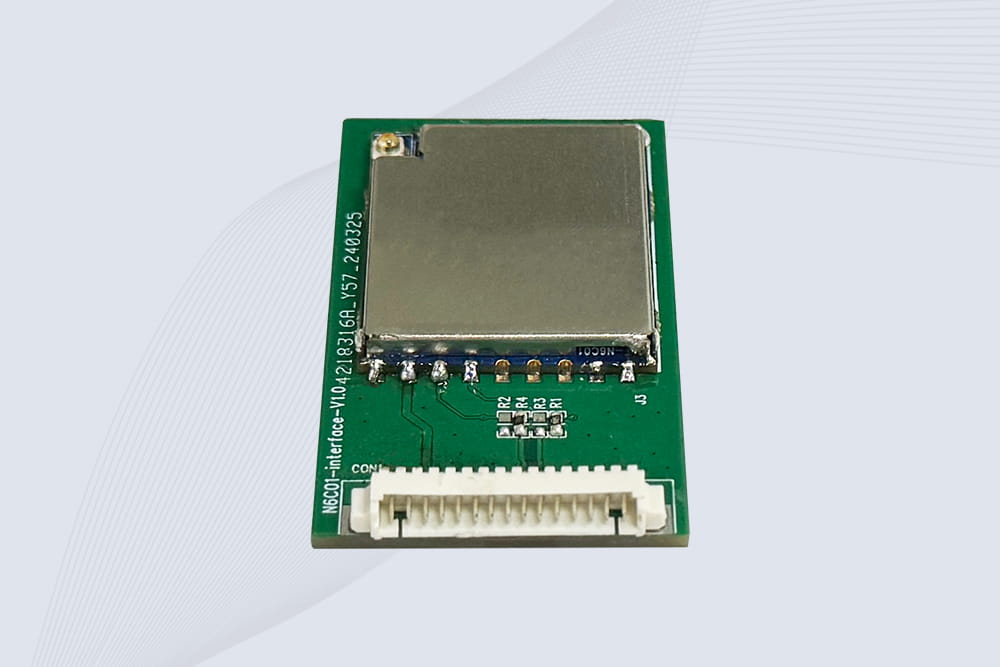
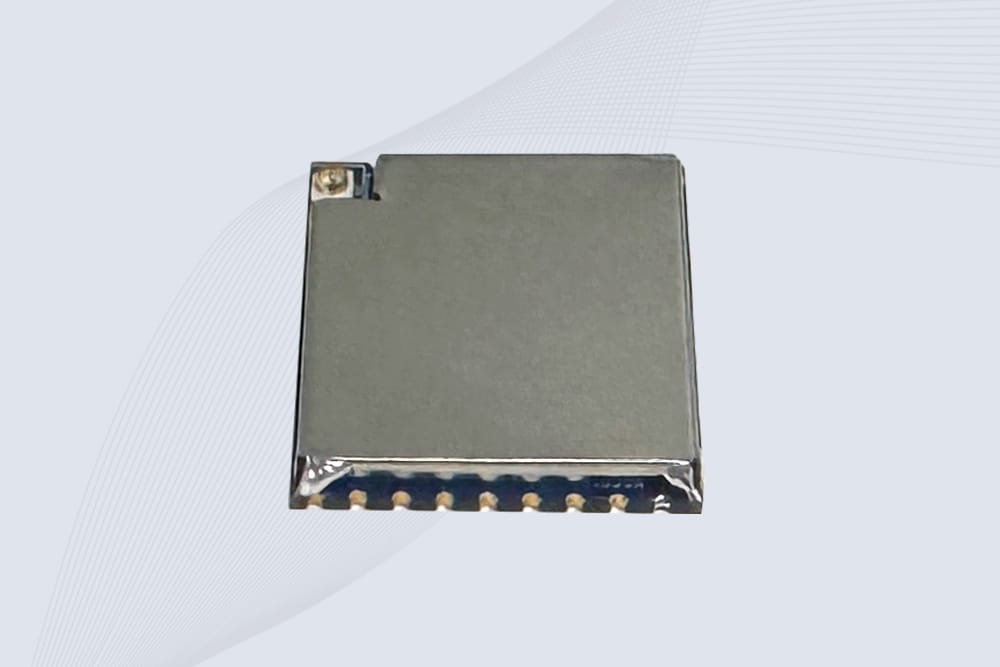
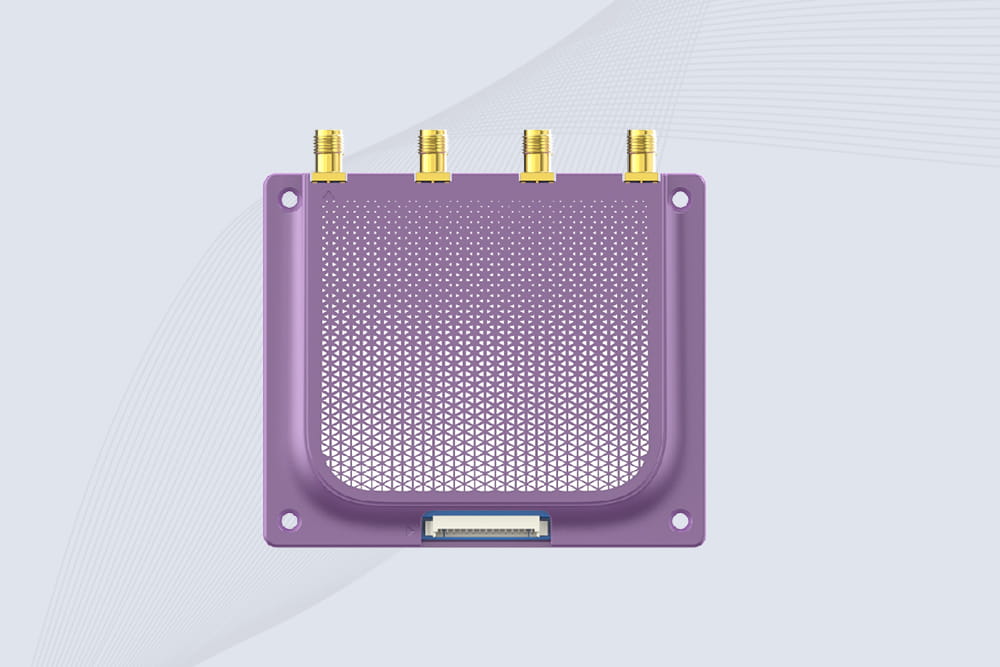
So, let’s break it down. What is an RFID module? In simple terms, it’s the core electronic engine of any RFID system. It’s the circuit board that does the actual job of creating the radio field, talking to the tags, and converting the radio waves into data your computer can understand. If the whole RFID reader were a car, the module is the engine block; the outer casing is the chassis, and the antenna is the wheels.
It’s NOT a finished product you can just plug and play.
This is the most important thing to understand. An RFID module is a component made for engineers and system integrators (like us at CYKEO). It’s a bare or minimally packaged circuit board with a set of technical pins and connectors on the back. You can’t just take it out of the box, point it at a tag, and get data. It needs to be integrated.
To make it work, you have to:
- Power it: Give it the right voltage (like 3.3V or 5V DC).
- Give it an antenna: Connect a tuned antenna to its port. The antenna shape and size determine the read range.
- Give it a brain: Connect it to a microcontroller or a single-board computer (like an Arduino or Raspberry Pi) that can send it commands and receive the tag data it collects.
- Write or use software: Implement the communication protocol (often via a UART, SPI, or I2C interface) to control it.
What’s it actually doing inside?
Think of the module as a dedicated radio communicator with a very specific job description:
- The Shout: Its transmitter generates a precise radio frequency signal (like 125 kHz for short-range access, or UHF 915 MHz for long-range tracking) and beams it out through the antenna.
- The Wake-Up: This radio energy powers up nearby passive RFID tags (the kind without batteries).
- The Listen: It instantly switches to listening mode. Its sensitive receiver picks up the incredibly faint signal the tag sends back by modulating the reflected energy.
- The Translation: It filters out all the background radio noise, decodes the tag’s message (which is usually just a unique ID number), and packages it cleanly.
- The Hand-Off: It sends this clean digital data packet out through its communication pins to your main controller.
Why does this “modular” approach matter?
You might ask, why not just buy a complete, enclosed reader? Because the RFID reader module gives us, as designers, critical flexibility.
- Custom Form Factors: We can embed it inside your unique hardware—a custom kiosk, a piece of industrial machinery, or the dashboard of a vehicle.
- Performance Tuning: We can select the perfect antenna for the job, whether we need to read a single item from inches away or dozens of boxes from 10 meters.
- Cost & Reliability: For building a product at scale, using a reliable, proven module platform is often more robust and cost-effective than using off-the-shelf readers.
In short, asking “what is an rfid module?” is asking about the fundamental communicator. It’s the specialized, behind-the-scenes hardware that companies like CYKEO use as the reliable core to build the tailored access control, inventory tracking, and automation solutions that businesses depend on every day.
RFID Module Recommendation

2025-12-15
CYKEO Embedded RFID Modules are designed for compact industrial and IoT devices that require stable UHF performance. These UHF RFID Modules support global protocols, flexible power control, and reliable multi-tag reading for smart cabinets, production lines, and asset tracking systems.
2025-12-15
CYKEO Embedded RFID Module is built for compact IoT and industrial devices that need stable UHF performance. This UHF module supports global protocols, low power operation, and reliable multi-tag reading for smart lockers, production lines, and always-on RFID systems.
2025-12-15
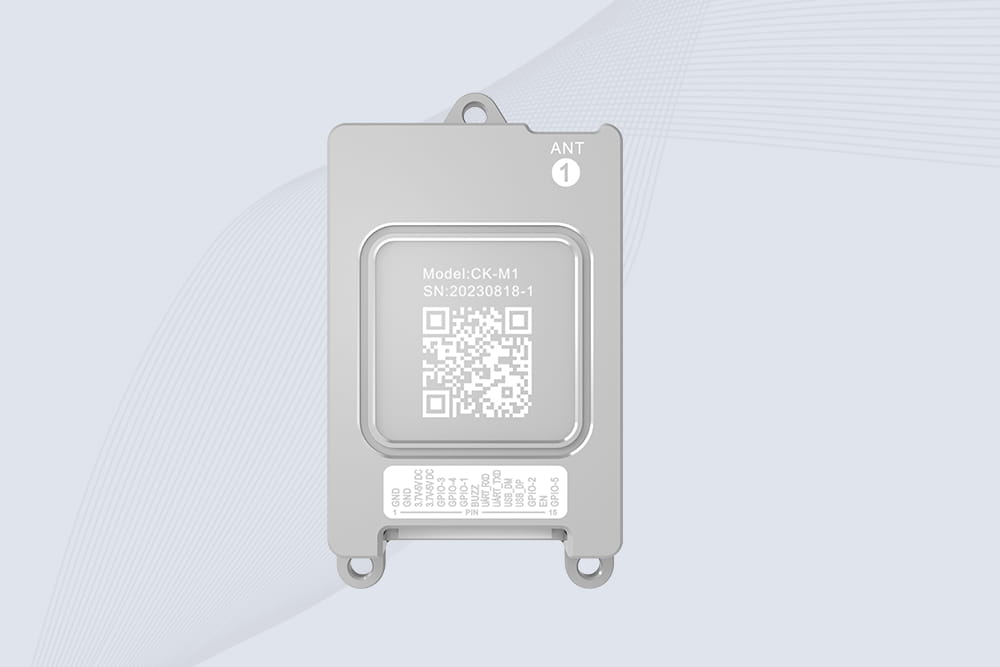
CYKEO CYKEO-M1 drone rfid module is a compact UHF RFID reader module designed for drones and UAV platforms. It supports long-range aerial scanning, fast multi-tag reading, and stable performance in wind, vibration, and outdoor environments.
2025-12-15
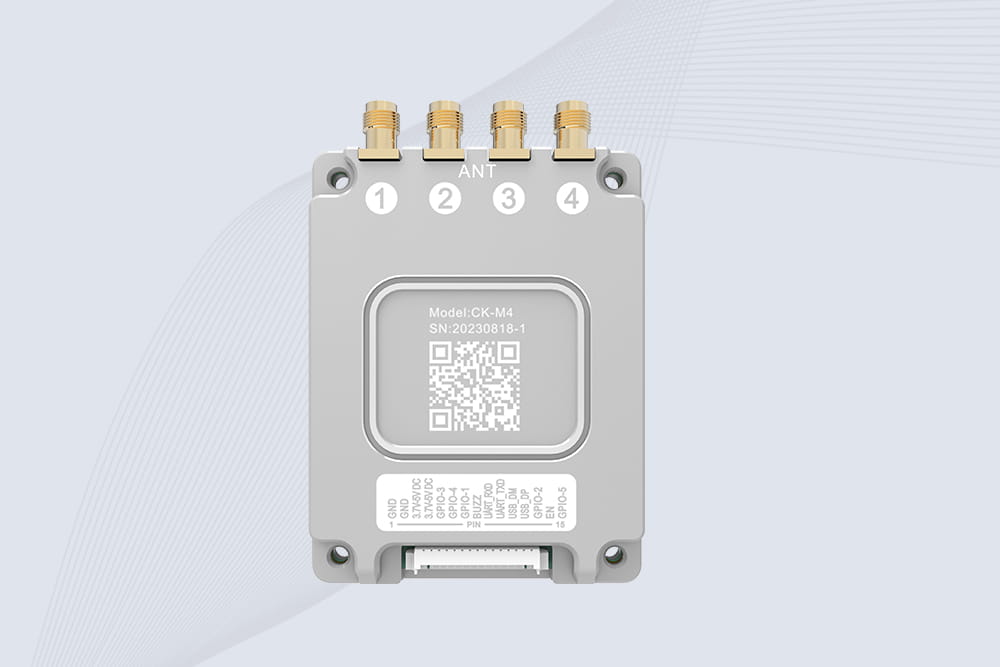
CYKEO CYKEO-M4 RC522 RFID Module is an industrial-grade UHF RFID reader with 4 ports, supporting ISO, EPC, and GB protocols. High-speed, accurate reading for IoT, automation, and warehouse applications.
2025-12-15
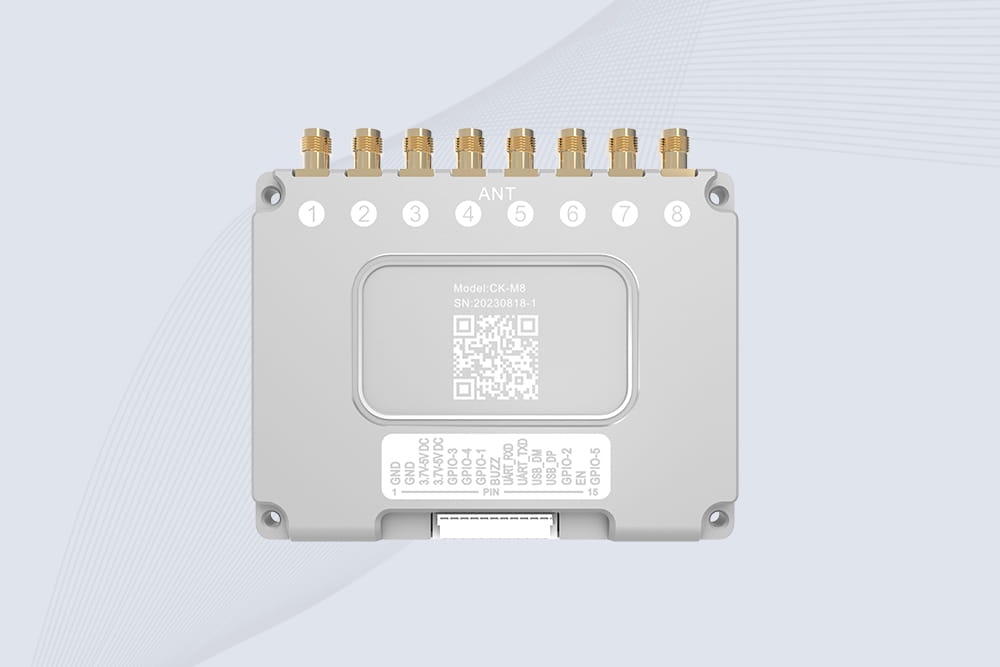
CYKEO CYKEO-M8 Module RFID is an 8-port UHF R2000 RFID Module designed for high-density, multi-tag environments. Stable 33dBm output, ISO & GB protocol support, ideal for warehouses, factories, and automated systems.
2025-12-15
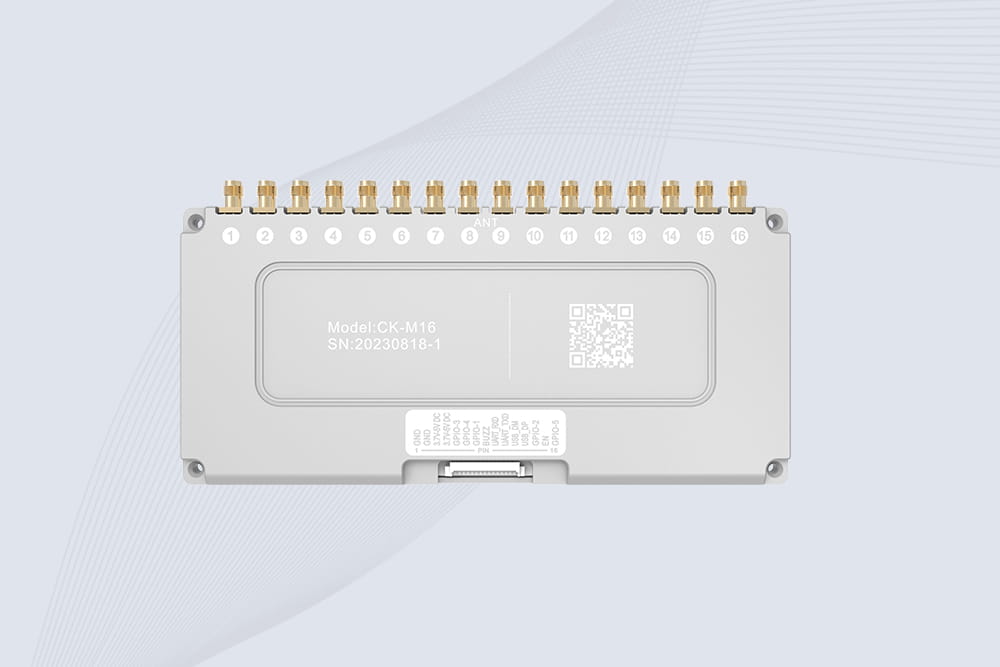
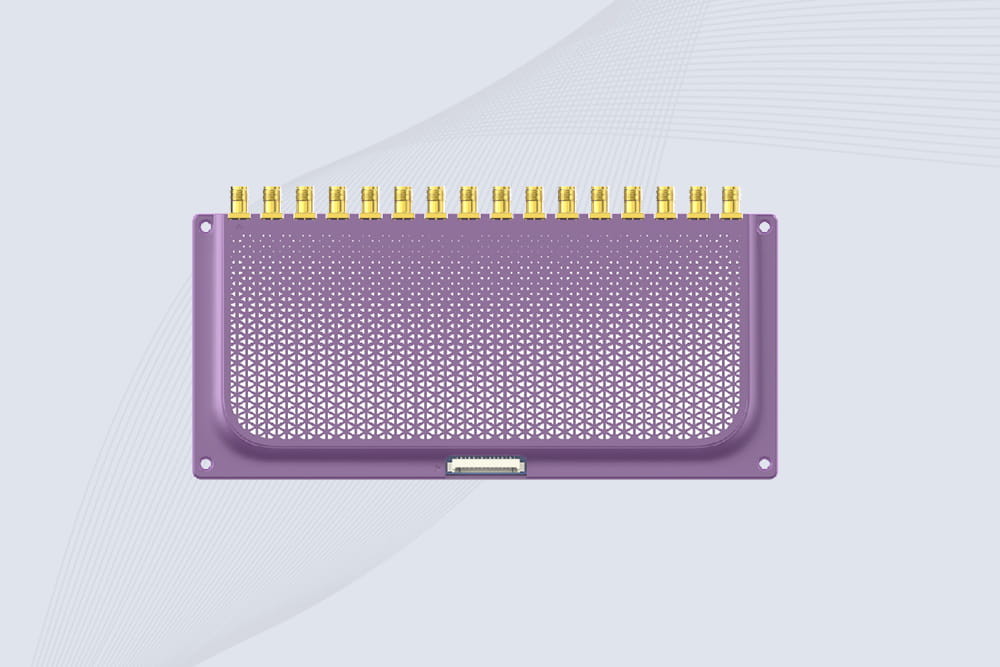
CYKEO CYKEO-M16 RFID Module is a 16-port UHF RFID reader module based on the R2000 chipset. Designed for dense tag environments, it supports ISO and GB standards and delivers stable multi-antenna control for industrial automation.
2025-12-15
The CYKEO CYKEO-M16L RFID Reader Module is a 16-channel UHF RFID core designed for dense tag environments. With adjustable 33dBm output, multi-protocol support, and stable multi-antenna control, this RFID Tag Reader Module fits industrial automation, warehouse systems, and large-scale IoT deployments.
2025-12-15
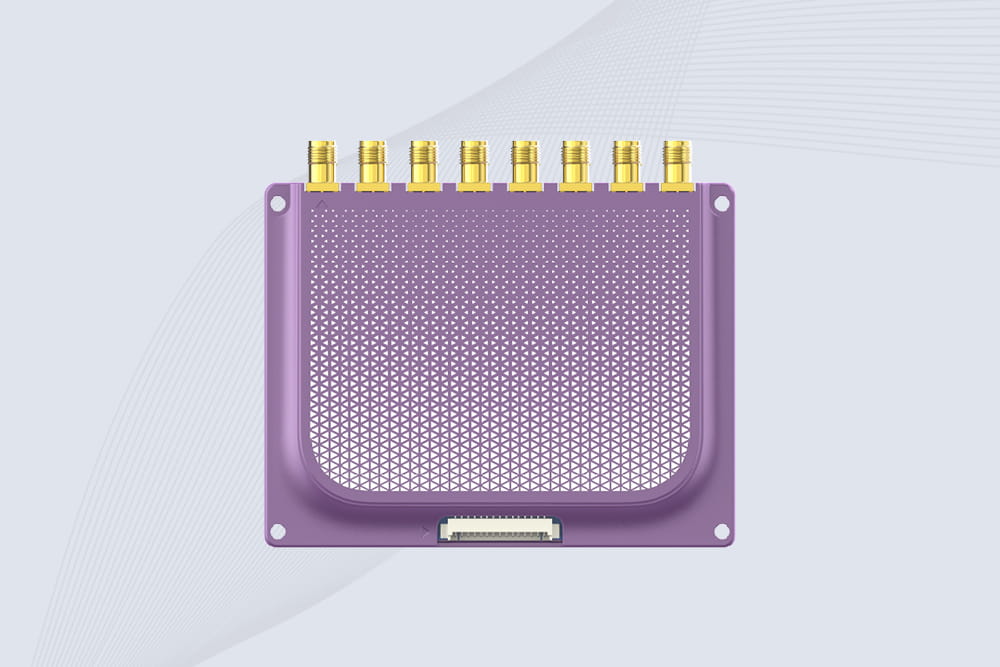
CYKEO CYKEO-M8L module RFID is a compact industrial UHF module built for dense tag and multi-antenna environments. With 8 RF ports, adjustable 33 dBm output, and ISO & GB protocol support, it is widely used in factories, warehouses, and automated tracking systems.
2025-12-15
CYKEOCYKEO-M4L UHF RFID Module is a compact 4-channel RFID tag reader module designed for dense tag environments. Supporting ISO and GB protocols, it delivers stable reads up to 10 meters for industrial and IoT systems.
 Cykeo RFID IoT Solution Products R&D Manufacturer