 Cykeo RFID IoT Solution Products R&D Manufacturer








How is RFID Used in Supply Chain Management?
993Discover how RFID technology optimizes supply chains through real-time inventory tracking, reduced errors, and enhanced transparency. Explore Cykeo’s scalable RFID solutions.
MoreAll RFID Product
Question: I get that an RFID antenna sends and receives signals. But I keep hearing it also “powers” tags. That sounds odd. What does RFID antenna power actually do? Is it like a battery charger in the air?
Answer: That’s a fantastic question, and you’ve hit on the most mind-bending part of passive RFID technology. You’re right—it’s not just communication. For passive UHF and HF systems, the antenna’s power is the entire energy source for the tag. No batteries, no wires.
So, what does RFID antenna power actually do? It performs a wireless magic trick called inductive coupling (for HF/NFC) or electromagnetic wave harvesting (for UHF). Here’s the breakdown:
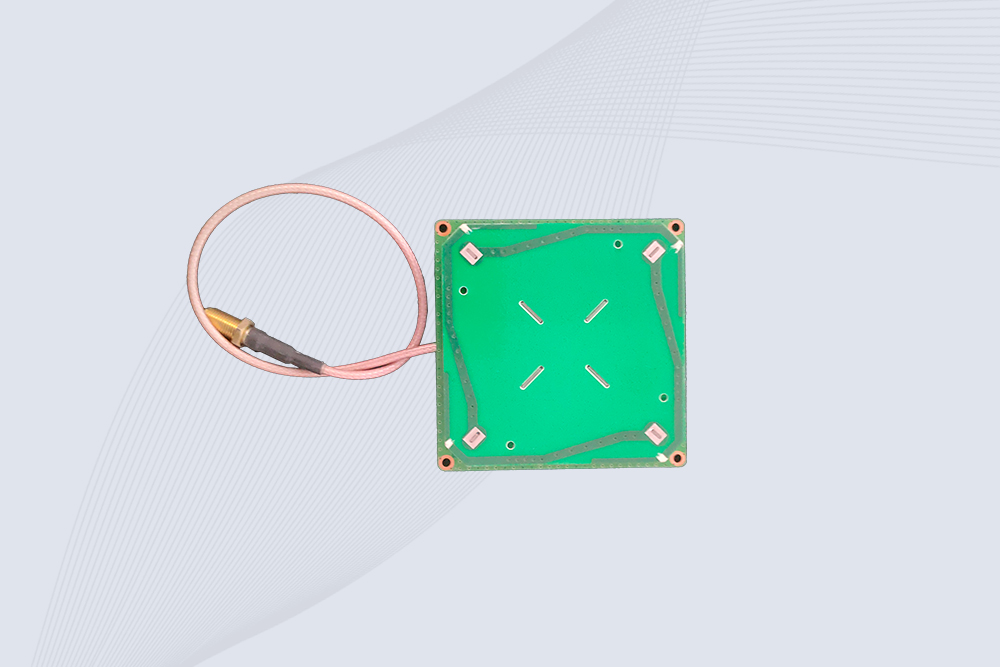
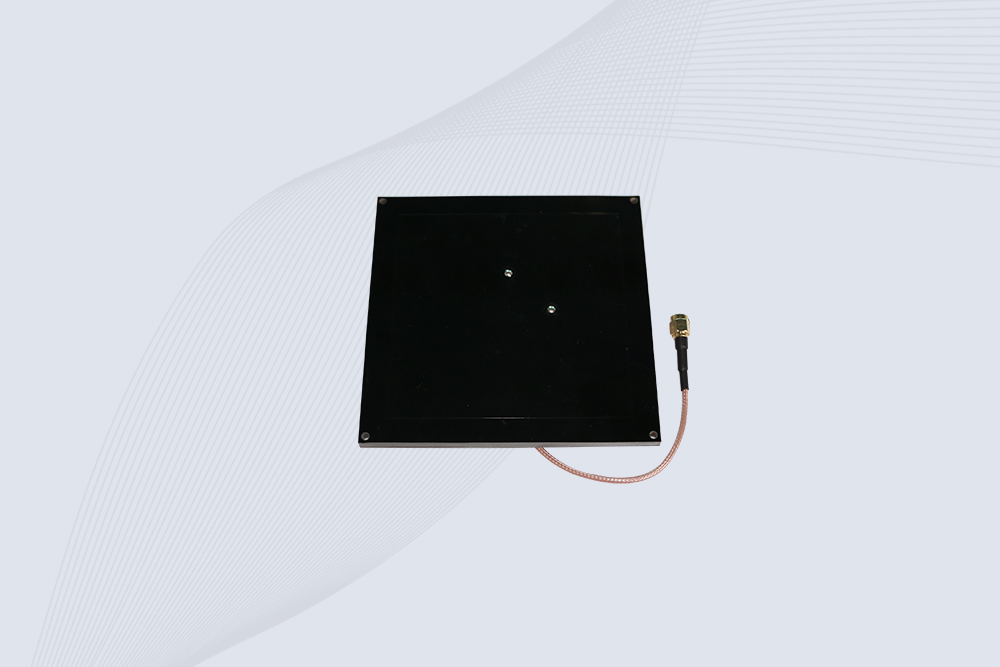
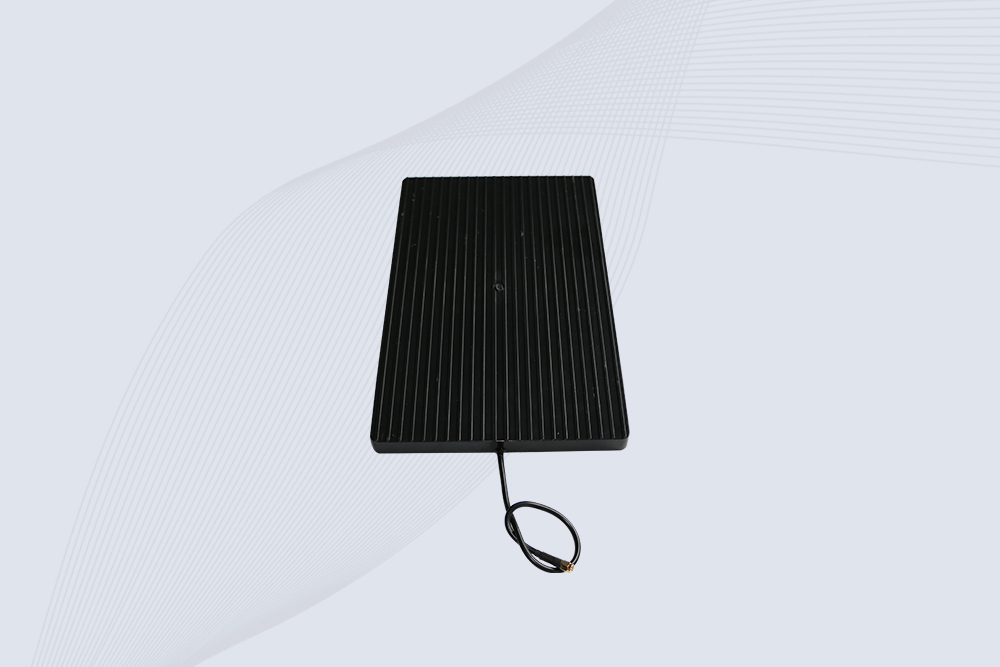
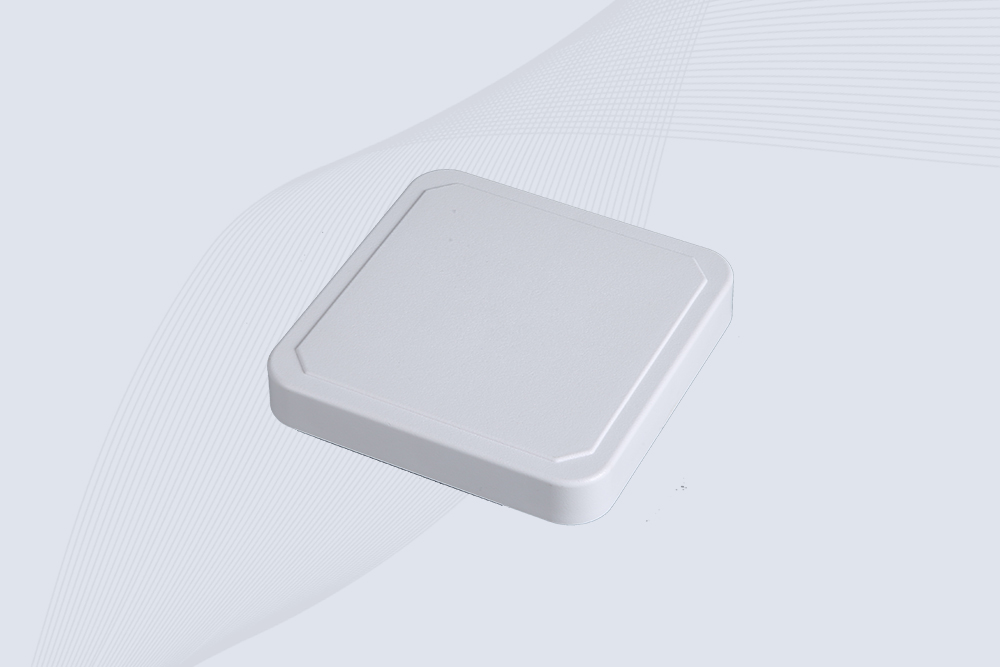
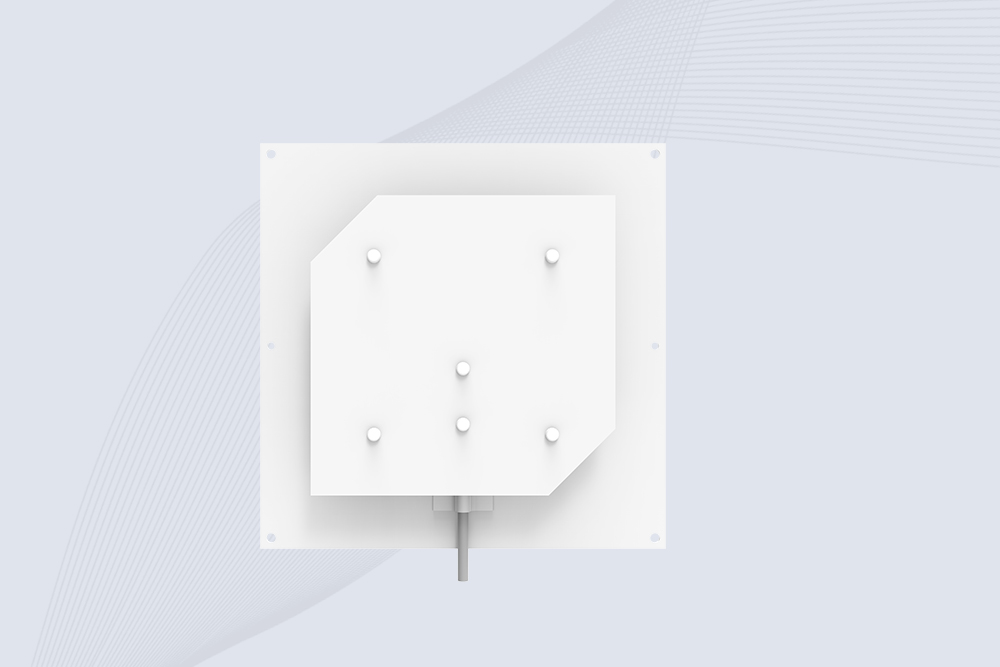
Think of the RFID antenna as a small, focused radio station transmitter. But instead of broadcasting music, it’s broadcasting a continuous wave of electromagnetic energy. When a passive tag enters this energy field, its built-in antenna (a tiny coiled wire or dipole) acts like a miniature receiver.
Here’s the key: that tag antenna is designed to capture just enough of this radiated energy. It converts the radio waves into a tiny trickle of electrical current. This current, harvested from the air, is what wakes up the tag’s microchip and provides the few microwatts of power it needs to operate.
Once powered, the chip boots up, accesses its memory, and then does its main job: it modulates the signal it reflects back to the reader’s antenna, encoding its unique ID into that reflection. All that brainwork and communication runs on the brief burst of power it stole from the antenna’s field.
Understanding what does RFID antenna power actually do explains so much about system design and limitations:
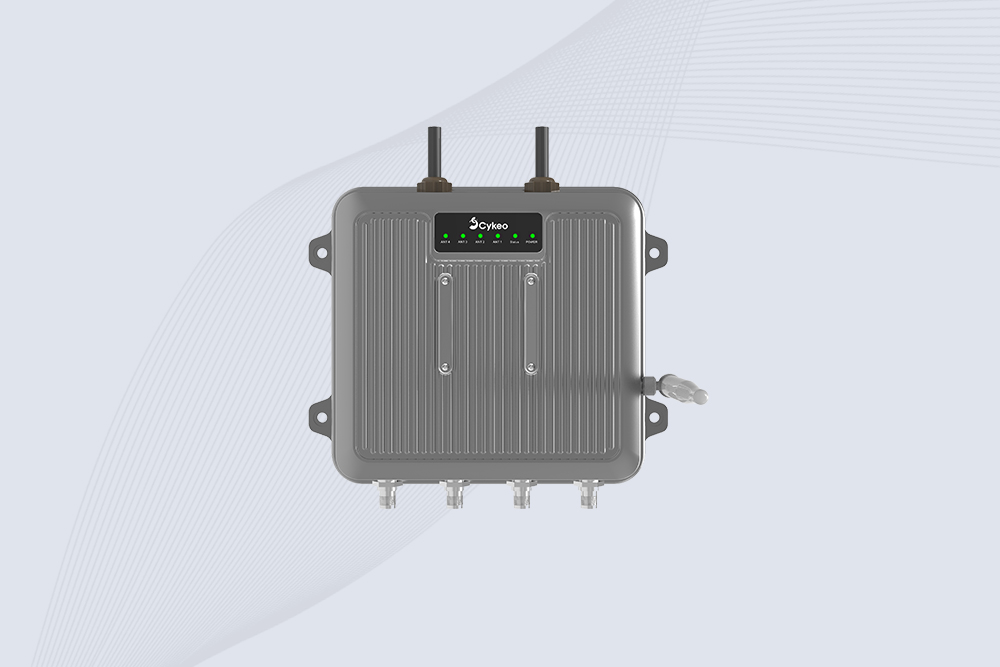
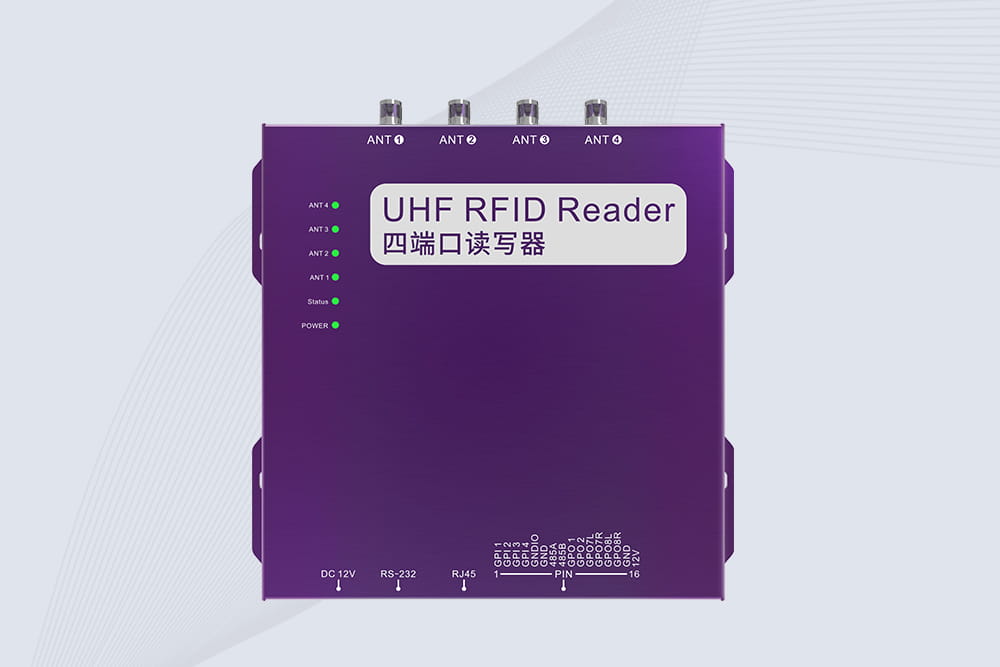
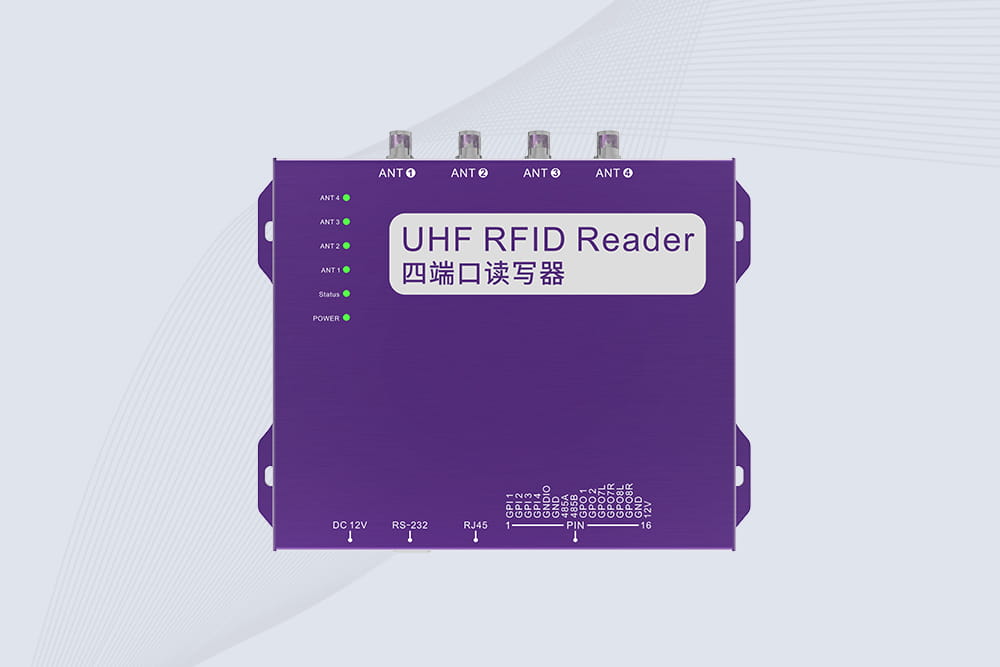
The Bottom Line: What does RFID antenna power actually do? For passive systems, it’s the lifeblood. It wirelessly transmits the operational energy that allows billions of low-cost, battery-free tags to exist and function. This is what enables applications from tapping a credit card to scanning an entire pallet of goods in seconds. At CYKEO, when we engineer our antennas and rfid readers, a core focus is optimizing this power transmission—ensuring it’s robust, compliant, and reliable enough for industrial environments where a missed read costs time and money.

Discover how RFID technology optimizes supply chains through real-time inventory tracking, reduced errors, and enhanced transparency. Explore Cykeo’s scalable RFID solutions.
More
Upgrade to the CK-G0628 UHF RFID Locker System for smarter, faster, and more secure item management. Automate tracking, enhance security, and provide real-time monitoring—all with the power of RFID technology.
More
Discover how RFID tags enhance automotive security, streamline maintenance, and improve user experiences. Explore Cykeo’s RFID solutions for modern vehicles.
More
Discover how RFID card reader works for secure access. We explain the simple tap-and-go technology behind office doors, payments, and ID systems.
More