 Cykeo RFID IoT Solution Products R&D Manufacturer
High Temperature Passive RFID Tags: What Can They Really Handle?
72Need high temperature passive RFID tags? Learn what temperatures they really survive, where passive tags fail, and how CYKEO applies them in heat-heavy sites.
MoreAll RFID Product
RFID’s everywhere these days—those little wireless tags that can talk to a reader without touching. You see them in warehouses, offices, hospitals… basically anywhere you need to track stuff or control access. And USB readers? Super convenient. Plug them in, and your computer suddenly “gets” the tags. No extra setup, no messy wiring.
The Cykeo CK‑D1C is a small desktop reader that’s built to be quick, reliable, and a little smarter than the old one-card-at-a-time readers. It doesn’t just read cards—it can write to them too. That makes it handy for offices, front desks, labs, basically anywhere you need fast tag management.
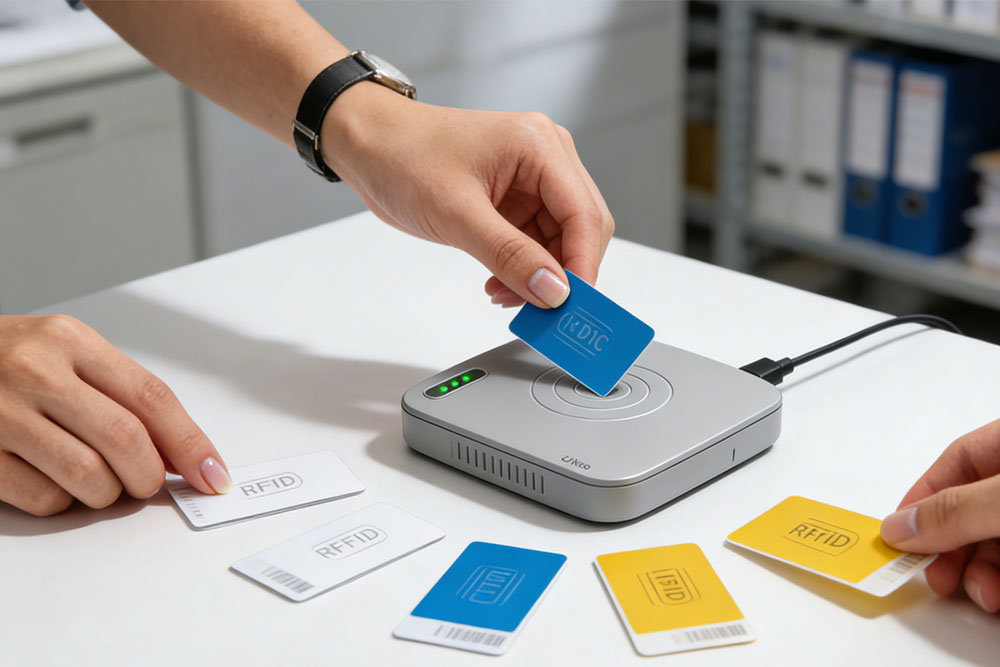
Pretty much anywhere you want cards read or written quickly, safely, and without fuss.
You just plug it into USB‑C or USB 3.0, and it works. Windows, Linux, macOS—you name it. Comes with SDKs too, so if you want, you can tie it straight into your own apps or software.
It’s got anti-collision tech, which basically means you can scan or write hundreds of tags per hour without worrying about mistakes. Old readers that do one card at a time? Yeah, this isn’t one of those.
It works best around 10 cm away. That keeps the writing safe, avoids accidental reads, and keeps everything secure—perfect for sensitive access cards or IDs.
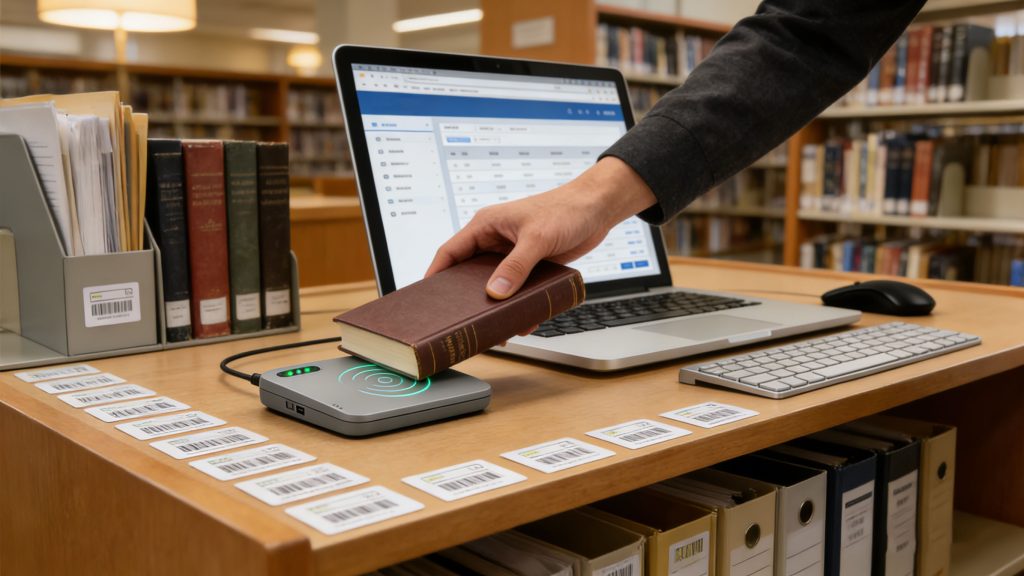
SDK supports C#, Java, and other languages. Integration’s easy. Plus, the casing is industrial-grade, so it can handle a busy desk or workstation without falling apart.
They’re just easy. Plug in, start reading or writing tags—no extra power, no wiring headaches. Modern ones cover multiple RFID standards, so you can handle low- and high-frequency tags, simple IDs or complex encoded cards. Makes them flexible for offices, warehouses, schools, labs… you get the idea.
USB RFID readers make things simpler and faster. The Cykeo CK‑D1C adds batch writing, secure close-range encoding, and easy integration into the mix. If you need a reliable desktop RFID solution for access control, inventory, or card issuance, this one’s definitely worth checking out.

CYKEO CYKEO-D1LA USB RFID Reader is a compact desktop solution with near-field control for precise tag reading and encoding. Powered by USB, supporting ISO 18000-6C, and built for stable batch writing, this usb rfid tag reader fits retail, libraries, offices, and controlled RFID encoding tasks.
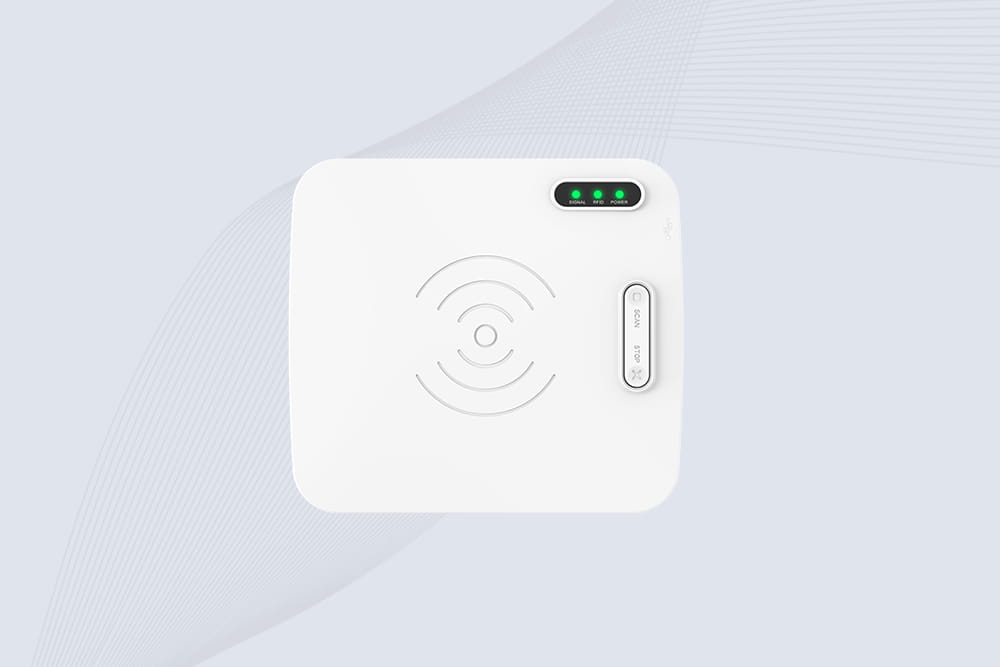
CYKEO CYKEO-D1L RFID scanner USB is a compact desktop UHF RFID scanner designed for short-range tag writing and verification. This usb rfid scanner supports batch encoding, stable 0–26 dBm output, and works across Windows, Linux, and Android systems.
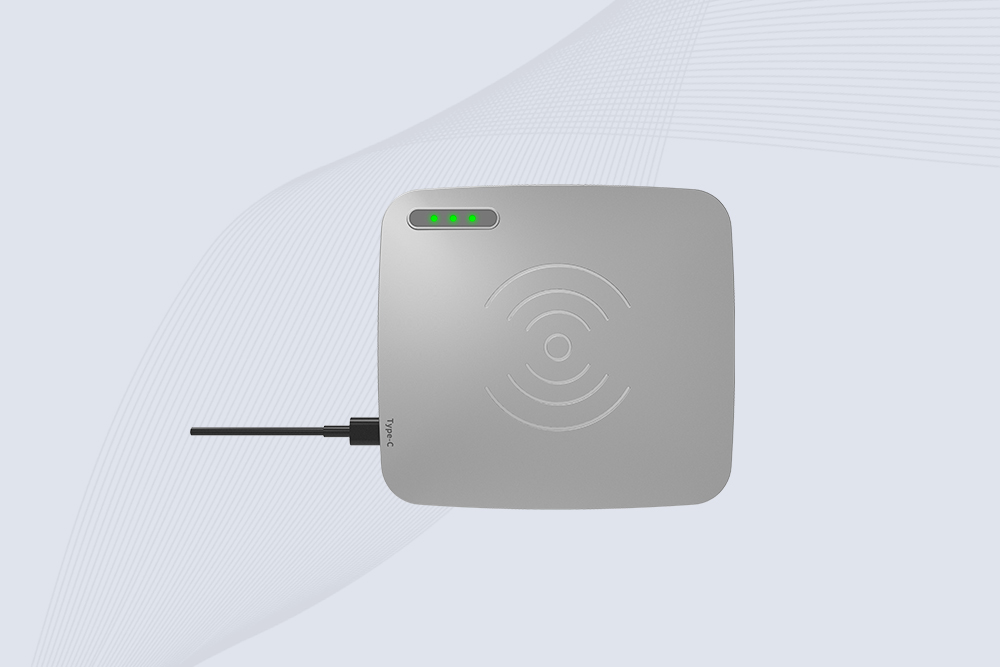
CYKEO CYKEO-D1C USB RFID Card Reader is a near-field UHF desktop writer designed for secure, short-range tag encoding. With USB-C connectivity and stable 26 dBm output, this rfid reader usb c is ideal for badge issuance, label encoding, and controlled desktop RFID workflows.
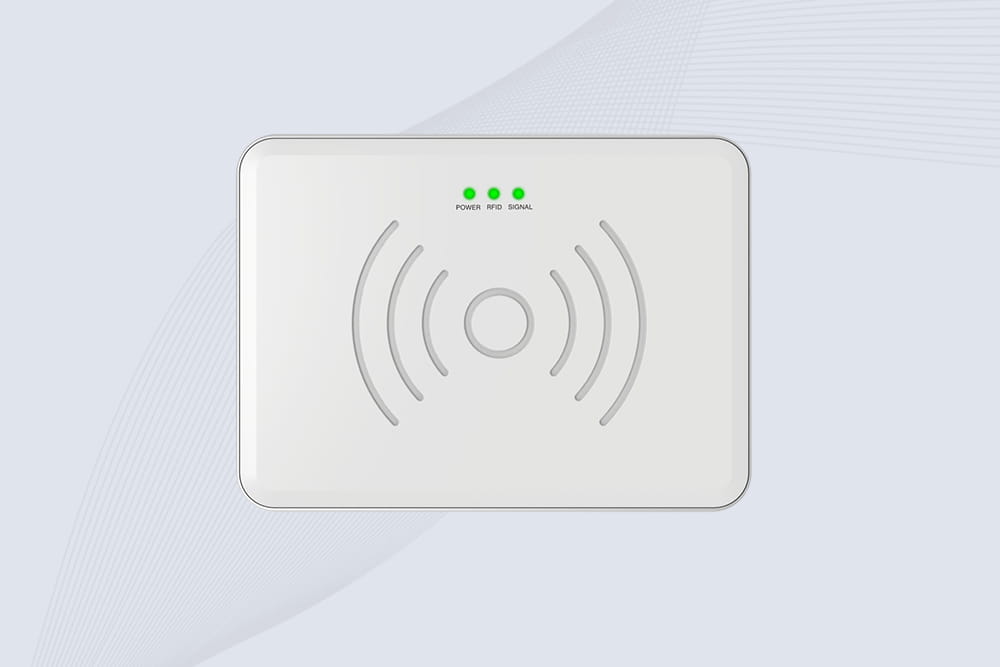
CYKEO CYKEO-D2L RFID Reader USB is a compact desktop encoder built on the Impinj R500 chip. With near-field control and stable USB power, this usb rfid card reader delivers precise tag writing for offices, retail counters, and small-scale logistics encoding tasks.

Need high temperature passive RFID tags? Learn what temperatures they really survive, where passive tags fail, and how CYKEO applies them in heat-heavy sites.
More
Wondering if your smartphone works with NFC RFID readers? Follow our step-by-step test to check compatibility, fix pairing issues, and start scanning tags in minutes.
More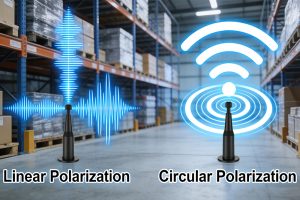
Choosing between circular and linear polarization RFID antennas can significantly impact system performance. This guide explains the differences, advantages, and real-world use cases to help RFID solution providers select the right antenna.
More
Learn how to prevent RFID signal interference with handheld scanners. Discover solutions for metal environments, frequency conflicts, and optimal antenna placement.
More