 Cykeo RFID IoT Solution Products R&D Manufacturer
RFID IoT System: A Cost-Effective and Efficient Solution for the Logistics Industry
1080RFID and IoT technologies offers efficiency Logistics Solution
MoreAll RFID Product
When you pick a UHF RFID fixed reader, the hardware specs are only part of the decision.
For system integrators and software developers, the real question is much simpler:
How easy is it to work with the reader from code?
That’s where the RFID reader API comes in.
Cykeo’s UHF RFID fixed readers are built with open integration in mind. No closed ecosystems, no vendor lock-in. You get direct access to the reader through well-documented APIs and SDKs, so you can connect it to your own systems—whether that’s a warehouse platform, an RFID gate, or a custom IoT backend.
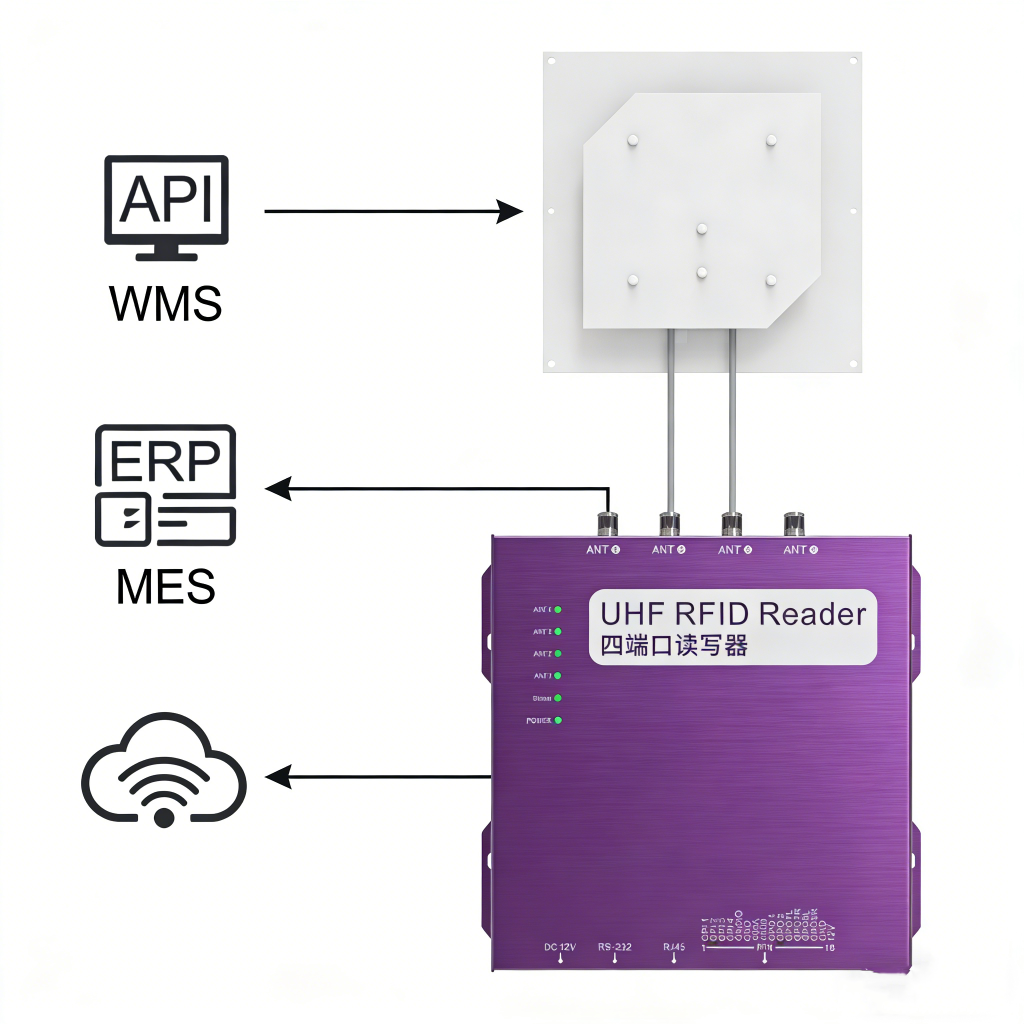
The Cykeo RFID reader API is a set of software interfaces that let your application talk directly to the UHF RFID fixed reader.
Through the API, your system can:
In short, the reader handles RF scanning.
The API delivers clean, structured data to your software.
Using the RFID reader API, developers can:
This is the foundation for inventory systems, asset tracking, production traceability, and more. Nothing fancy—just reliable tag access at scale.
Cykeo fixed readers support both continuous reading and event-driven output.
Via the API, you can configure the reader to:
This makes integration with WMS, ERP, MES, or custom services straightforward. No polling hacks, no fragile workarounds.
Manually configuring readers on site doesn’t scale.
With the RFID reader API, you can remotely control:
For projects with dozens or hundreds of readers, this alone saves a lot of time during deployment and maintenance.
To reduce development effort, Cykeo provides SDKs that wrap the core RFID reader API.
Typical SDK support includes:
Instead of dealing with low-level communication, developers can focus on business logic and system workflows.
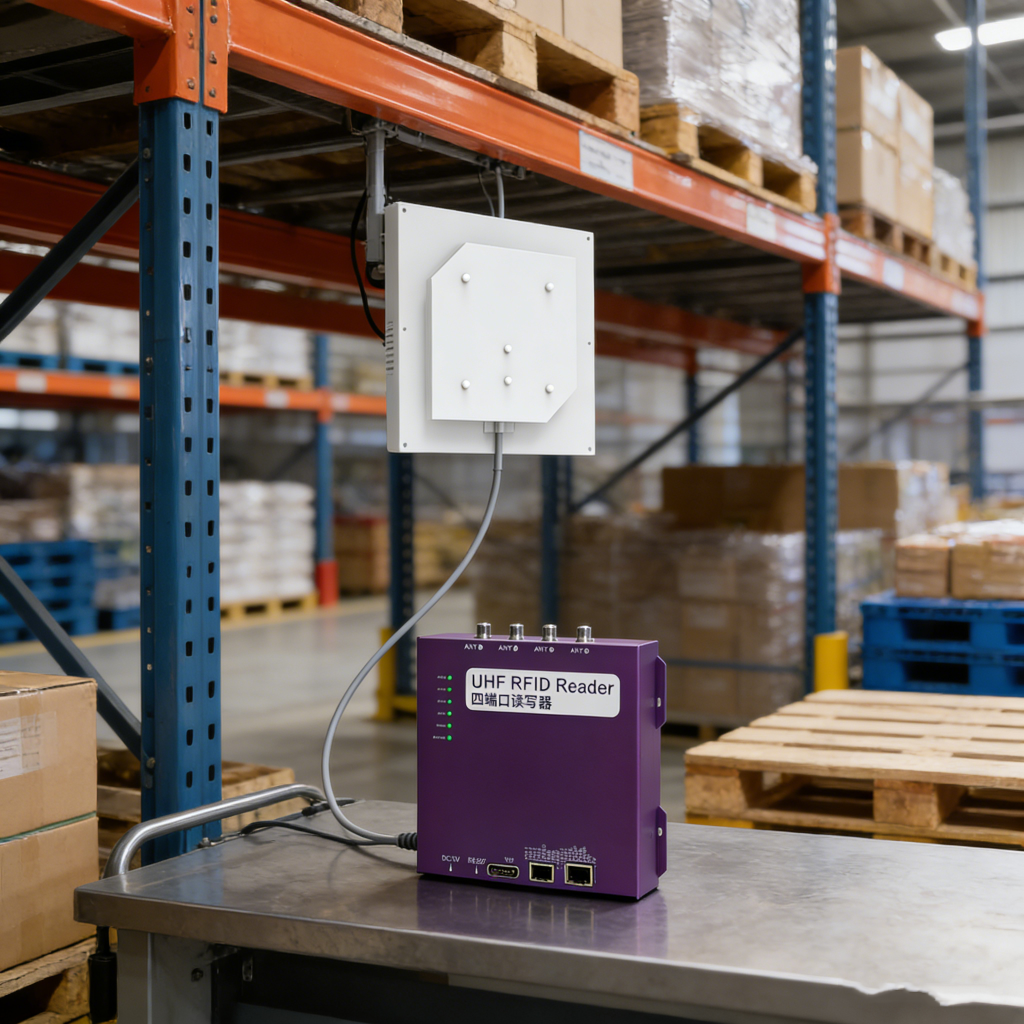
Readers installed at dock doors automatically read pallet or carton tags.
The API pushes data directly into the WMS for inbound and outbound confirmation—no handheld scanning, no manual input.
RFID readers connect to access control or gate management software through the API.
Each tag read becomes a digital entry or exit record, ready for logging, alerts, or audits.
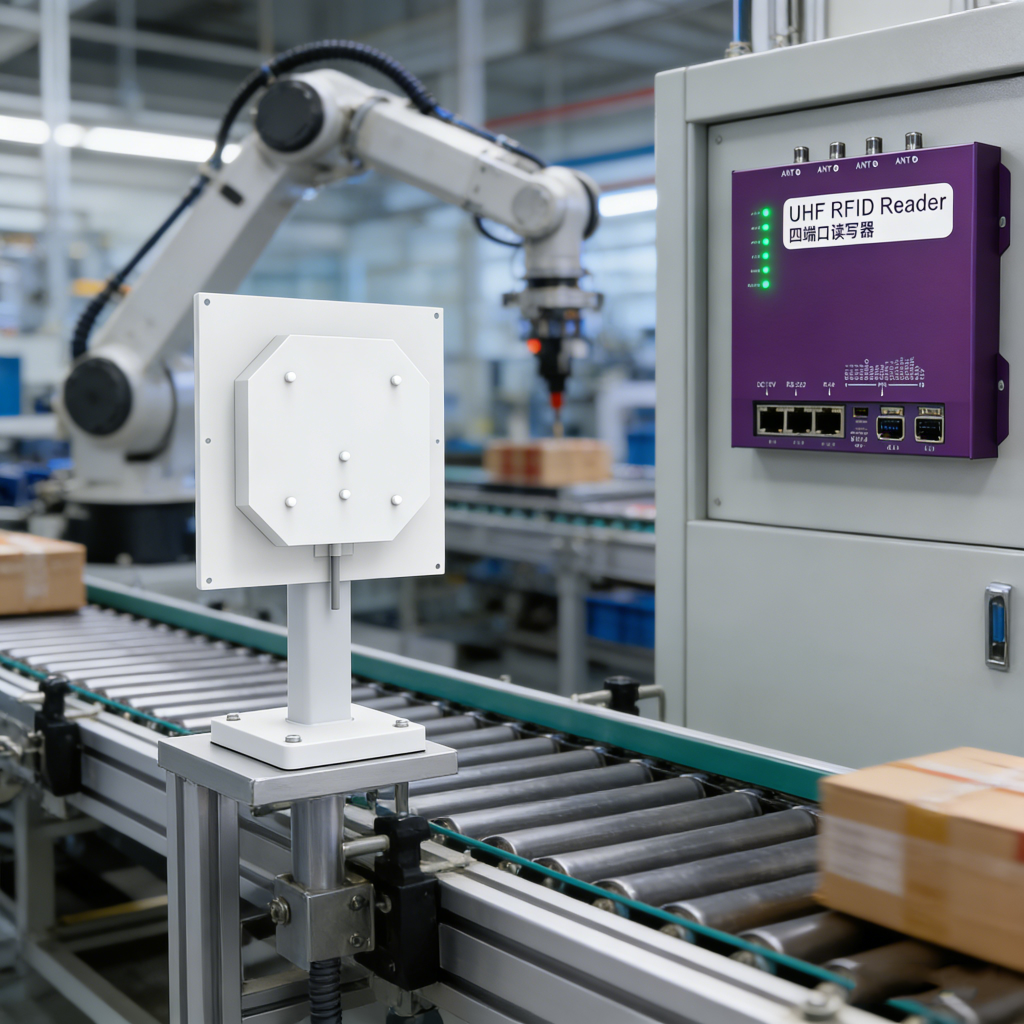
RFID tags move with work-in-progress along the production line.
The API feeds real-time updates into MES systems, enabling automatic process tracking without operator involvement.
Many developers stream RFID data via the API into cloud platforms, databases, or analytics tools for further processing, reporting, or optimization.
A powerful RFID reader with a weak API quickly becomes a bottleneck.
Cykeo’s RFID reader API is designed around real deployment needs:
This makes the readers suitable for long-term, software-driven projects—not just one-off installations.
A typical development flow looks like this:
For specific project needs, Cykeo’s technical team can also provide API manuals, SDK packages, and integration support.
If your RFID project needs more than basic tag reads, the RFID reader API becomes the core of the system.
Cykeo UHF RFID fixed readers are built for that reality—open, flexible, and ready to integrate.
The hardware reads the tags.
The API turns reads into structured data.
Your software turns that data into real value.
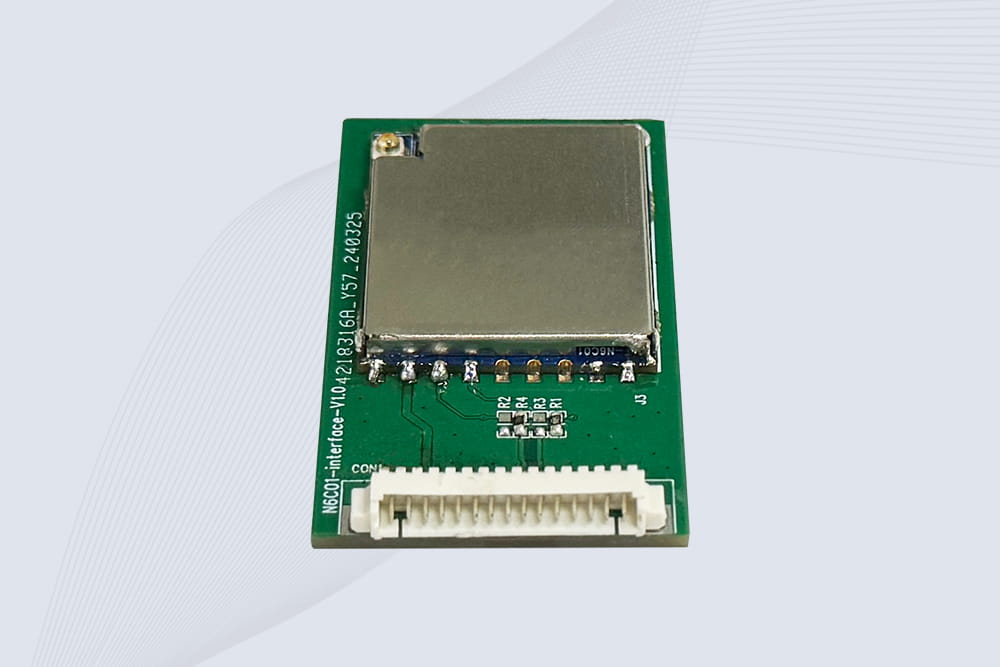
CYKEO Embedded RFID Modules are designed for compact industrial and IoT devices that require stable UHF performance. These UHF RFID Modules support global protocols, flexible power control, and reliable multi-tag reading for smart cabinets, production lines, and asset tracking systems.
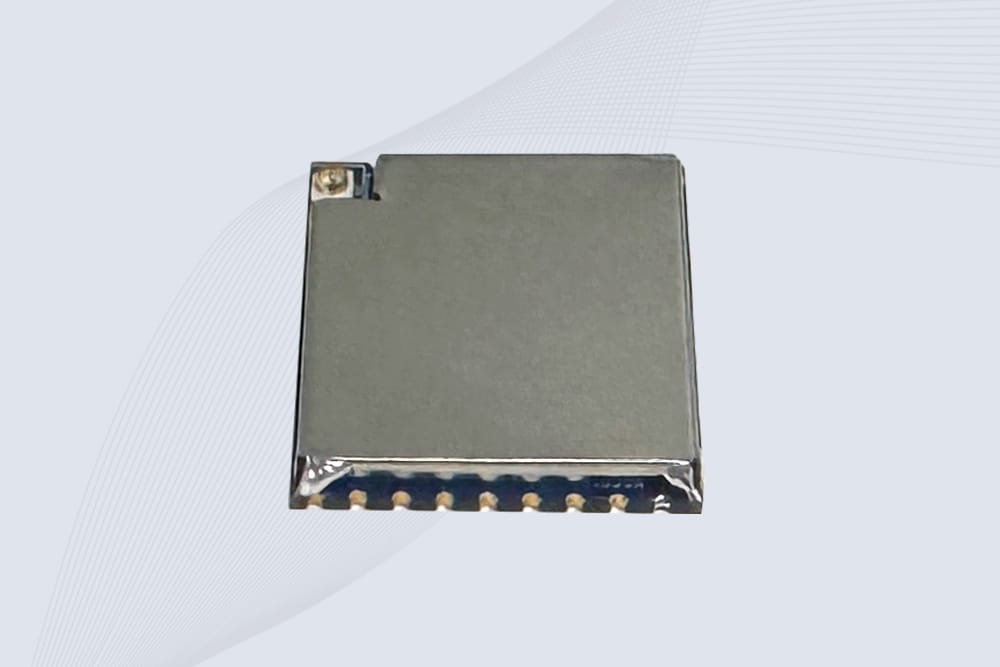
CYKEO Embedded RFID Module is built for compact IoT and industrial devices that need stable UHF performance. This UHF module supports global protocols, low power operation, and reliable multi-tag reading for smart lockers, production lines, and always-on RFID systems.
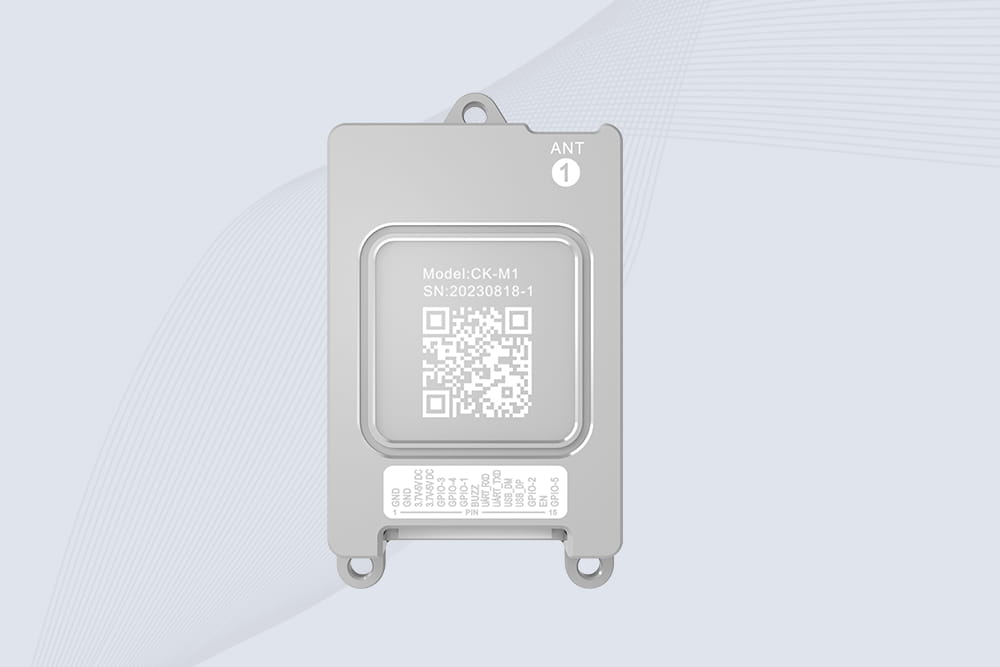
CYKEO CYKEO-M1 drone rfid module is a compact UHF RFID reader module designed for drones and UAV platforms. It supports long-range aerial scanning, fast multi-tag reading, and stable performance in wind, vibration, and outdoor environments.
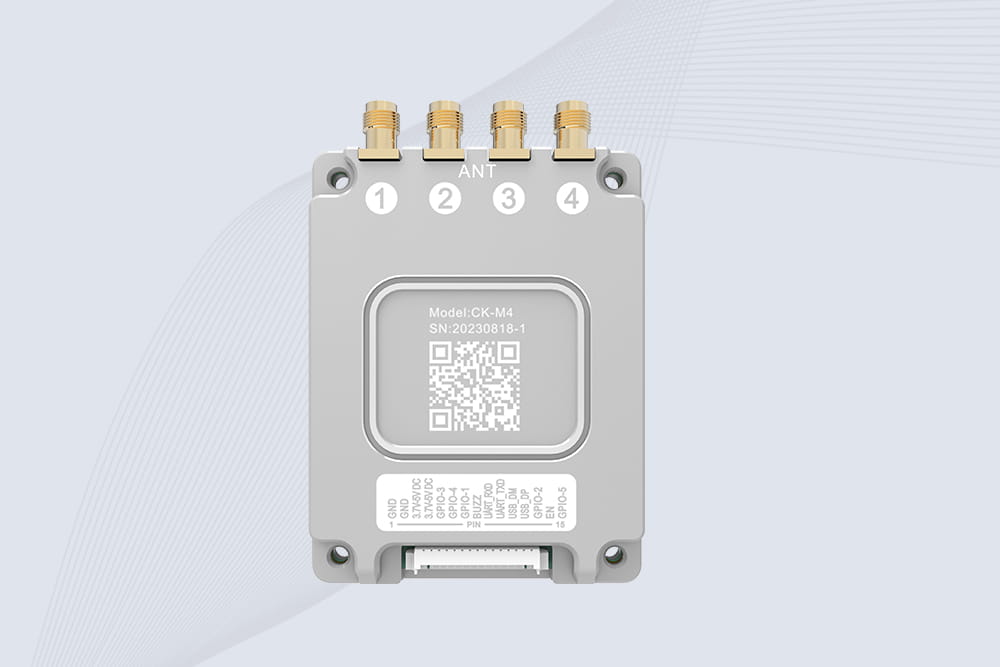
CYKEO CYKEO-M4 RC522 RFID Module is an industrial-grade UHF RFID reader with 4 ports, supporting ISO, EPC, and GB protocols. High-speed, accurate reading for IoT, automation, and warehouse applications.
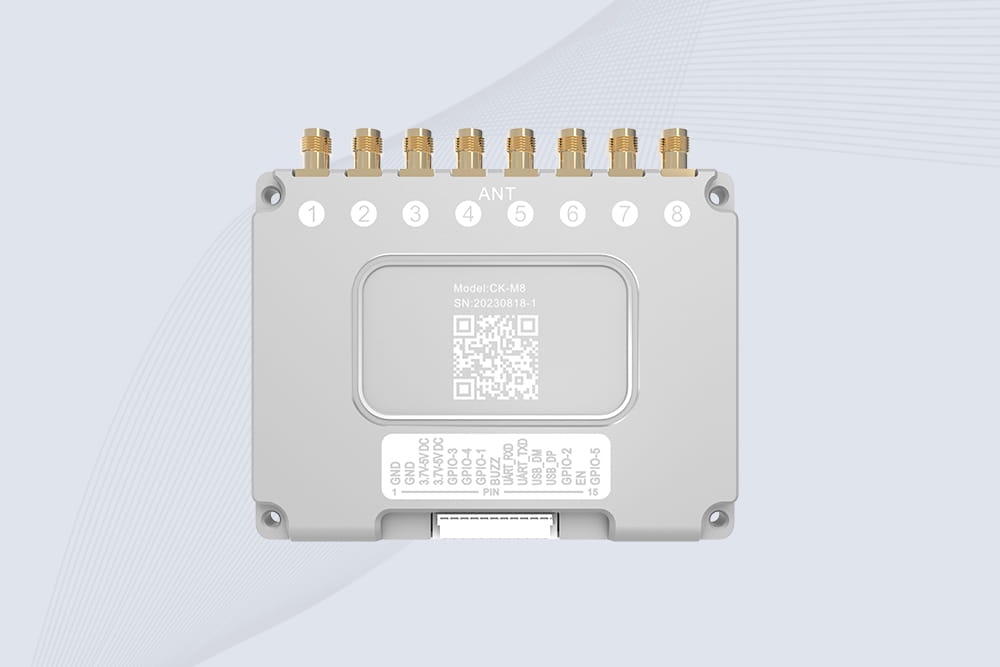
CYKEO CYKEO-M8 Module RFID is an 8-port UHF R2000 RFID Module designed for high-density, multi-tag environments. Stable 33dBm output, ISO & GB protocol support, ideal for warehouses, factories, and automated systems.
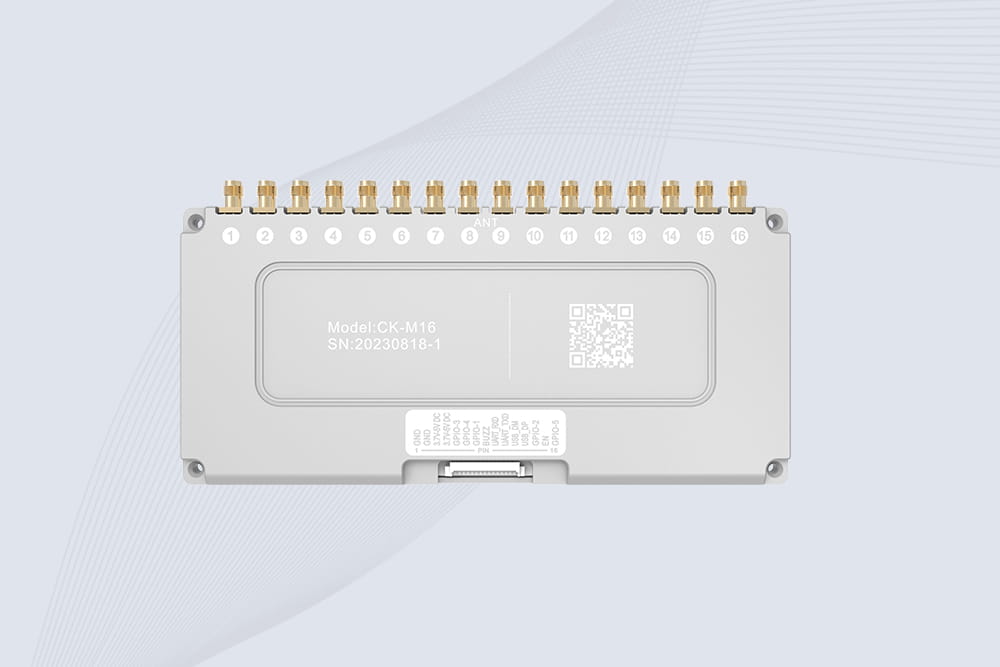
CYKEO CYKEO-M16 RFID Module is a 16-port UHF RFID reader module based on the R2000 chipset. Designed for dense tag environments, it supports ISO and GB standards and delivers stable multi-antenna control for industrial automation.
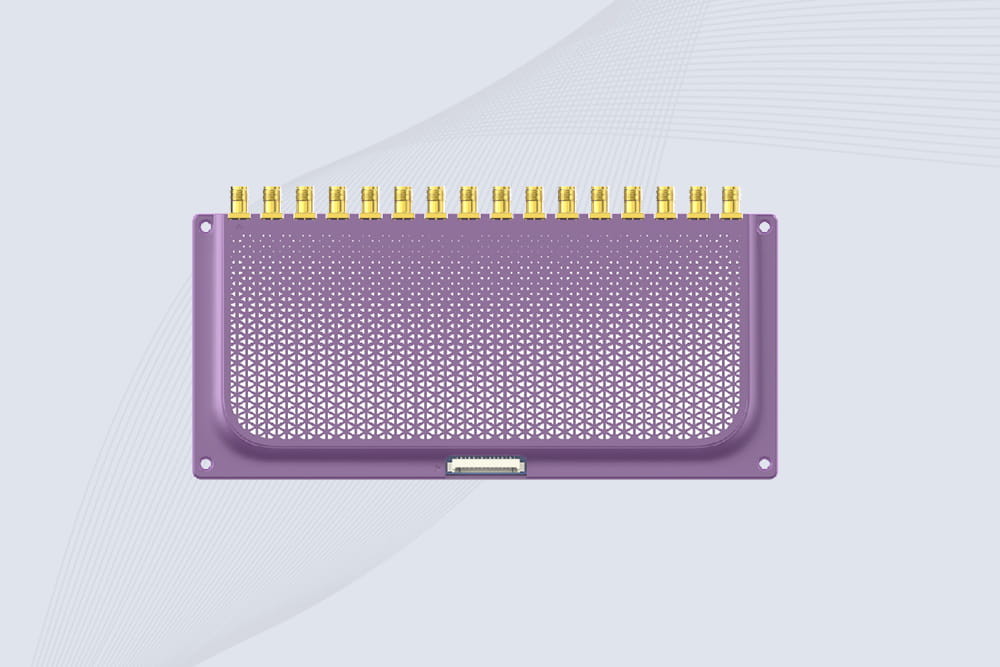
The CYKEO CYKEO-M16L RFID Reader Module is a 16-channel UHF RFID core designed for dense tag environments. With adjustable 33dBm output, multi-protocol support, and stable multi-antenna control, this RFID Tag Reader Module fits industrial automation, warehouse systems, and large-scale IoT deployments.
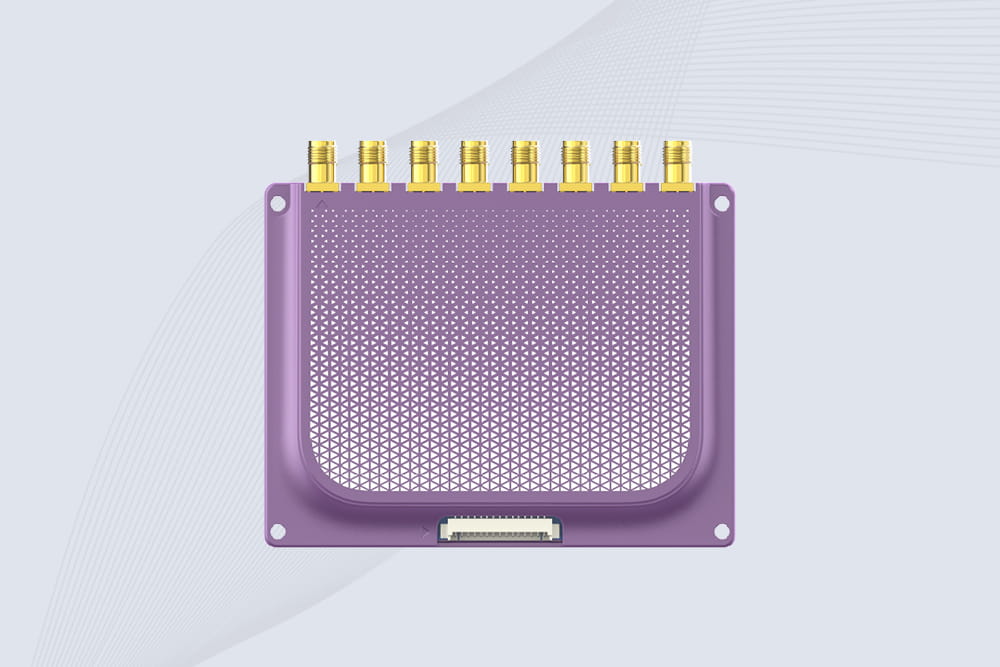
CYKEO CYKEO-M8L module RFID is a compact industrial UHF module built for dense tag and multi-antenna environments. With 8 RF ports, adjustable 33 dBm output, and ISO & GB protocol support, it is widely used in factories, warehouses, and automated tracking systems.
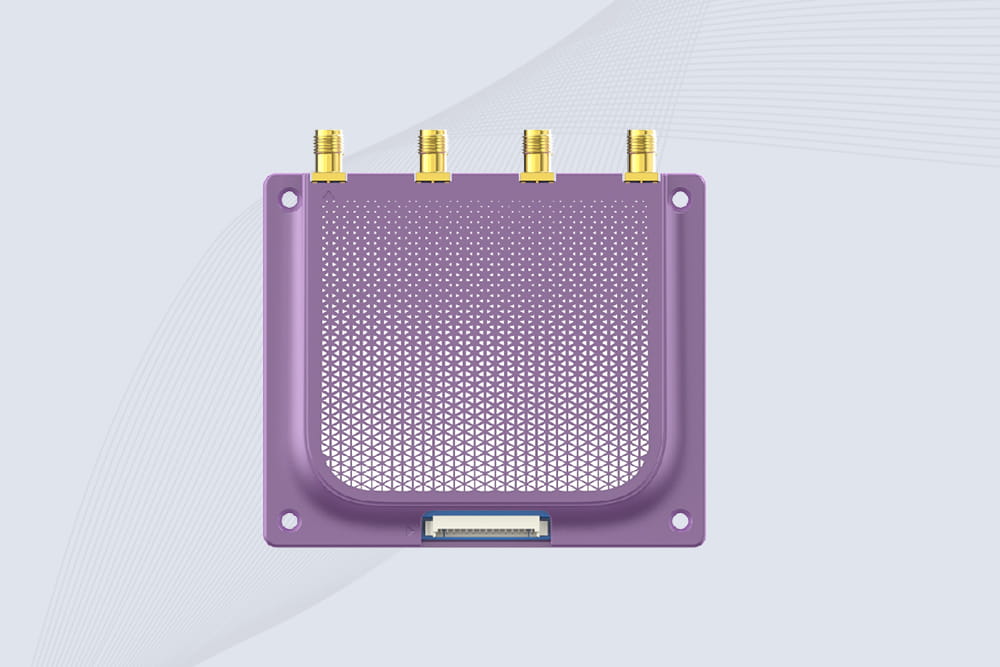
CYKEOCYKEO-M4L UHF RFID Module is a compact 4-channel RFID tag reader module designed for dense tag environments. Supporting ISO and GB protocols, it delivers stable reads up to 10 meters for industrial and IoT systems.
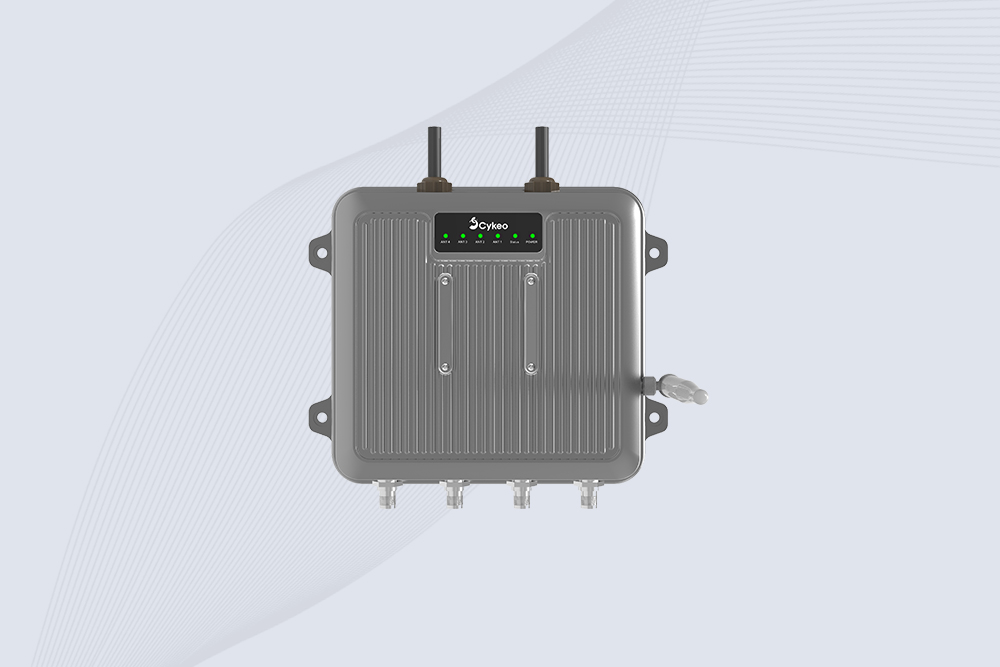
Cykeo CYKEO-C1 industrial Forklift RFID Reader features 20m read range, 600 tags/sec scanning, Impinj R2000 chipset, and IP67 rugged design. Ideal for warehouse logistics and manufacturing. Supports ISO 18000-6C/6B protocols.
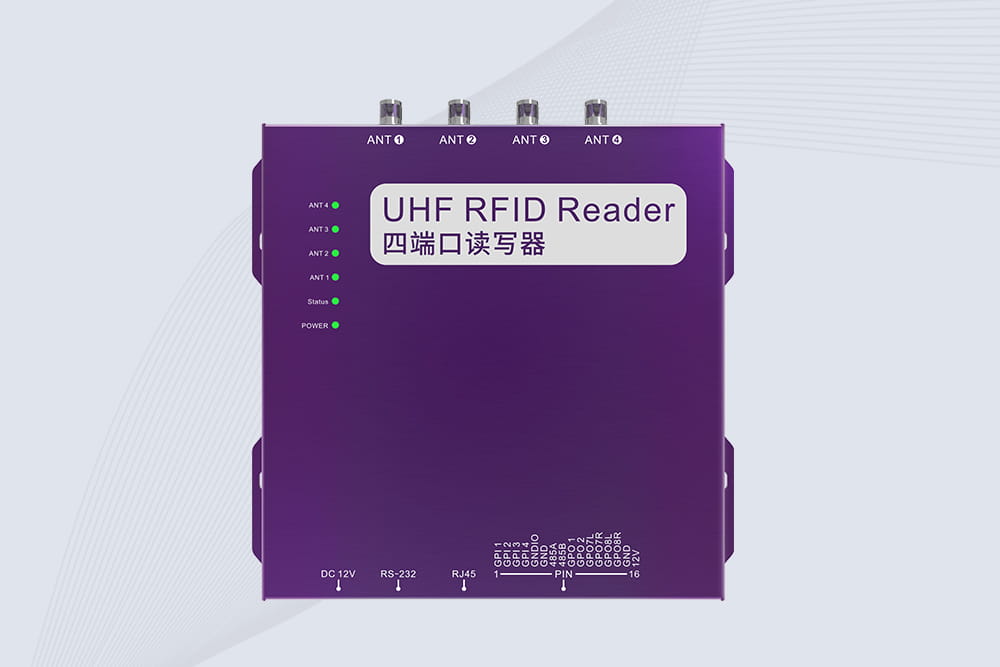
Cykeo CYKEO-R4 industrial UHF RFID Fixed Reader features 4 TNC ports, 400+ tags/sec speed, IP67 housing, and global frequency compliance for vehicle inspection, smart warehouse, and asset management systems.
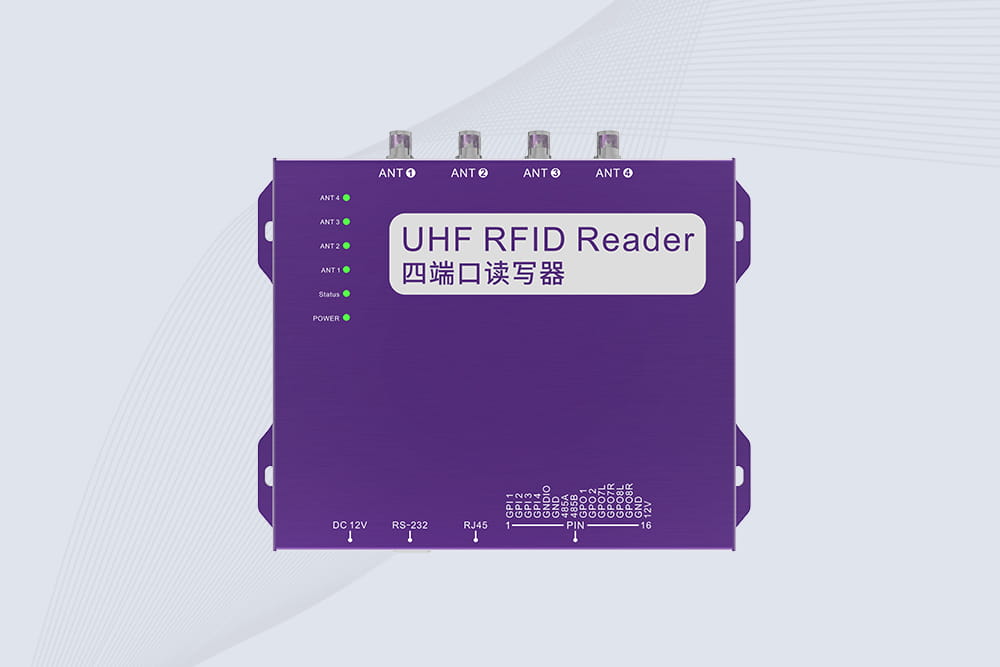
Cykeo’s CYKEO-R4L 4-port Fixed UHF RFID Reader delivers 400 tags/sec scanning, ISO 18000-6C compliance, and IP65 protection. Ideal for warehouse automation, manufacturing WIP tracking, and logistics management.
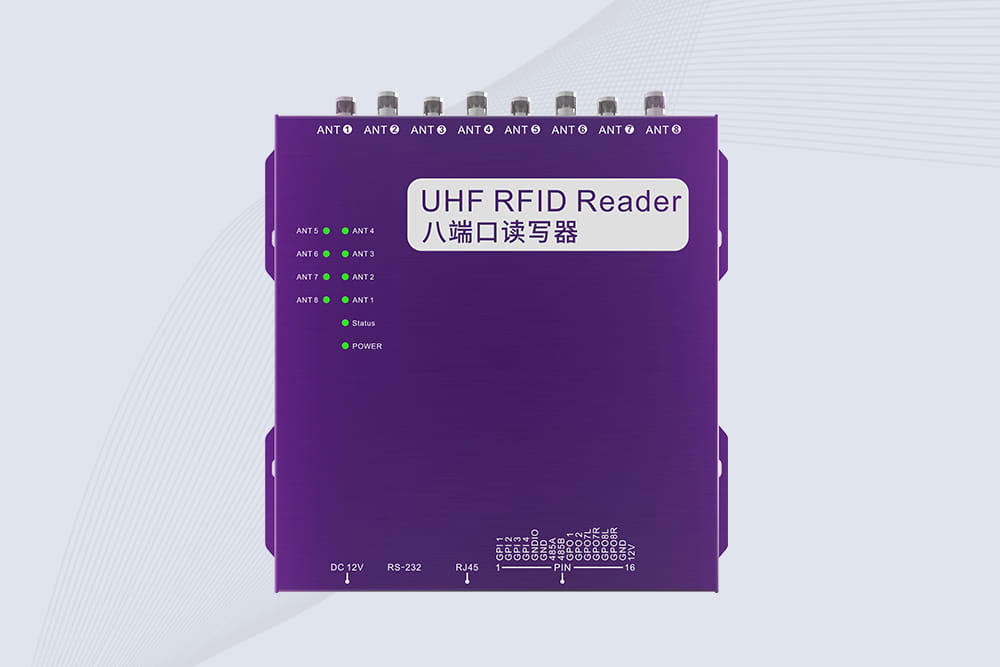
CYKEO CYKEO-R8L Fixed RFID Reader with 8-port UHF design, Impinj-based RF core and up to 20m read range. An industrial Fixed RFID Reader for vehicle inspection, warehouse portals, smart manufacturing lines and secure access checkpoints.
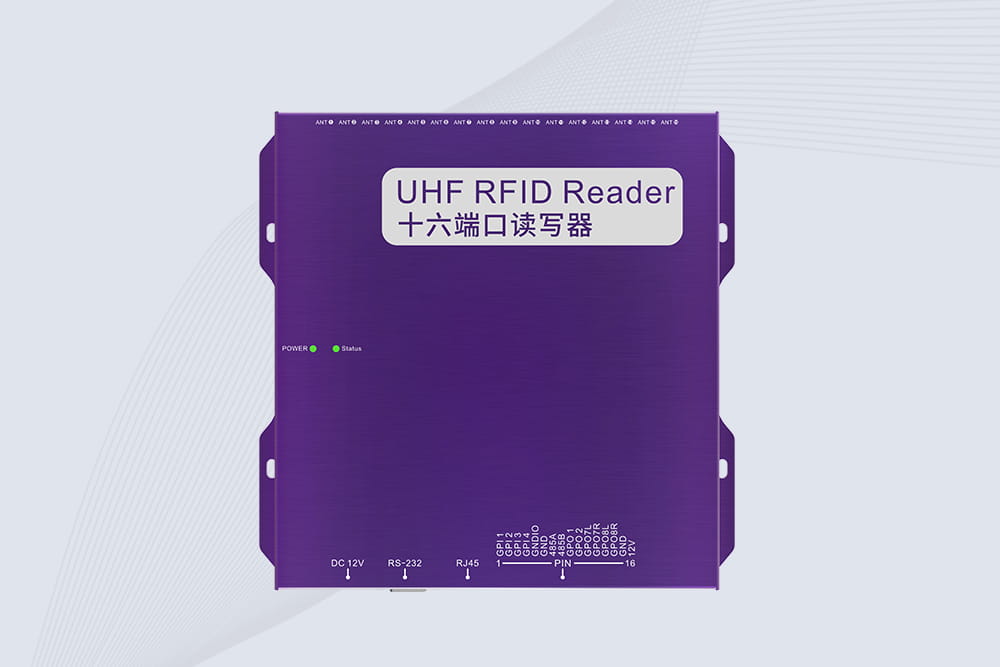
RFID Fixed Reader from CYKEO – the CYKEO-R16L 16-port UHF fixed reader for warehouses, smart cabinets, and production lines. Long-range, multi-tag reading, stable performance for 24/7 industrial use.

RFID and IoT technologies offers efficiency Logistics Solution
More
Step-by-step guide to access control installation, from wiring readers and power supply to testing locks—beginners can handle it easily.
More
Discover why the RFID 13.56 MHz reader is the best choice for modern access control and industrial tracking. Real-world insights, practical tips, and lessons learned from hands-on installations.
More
The Cykeo CK‑D1C USB RFID card reader makes reading and writing cards fast and hassle-free. Perfect for offices, warehouses, libraries, and access control systems. Plug-and-play, batch encoding, and secure short-range reading.
More