Honestly, if you think RFID is just that little box by store doors, think again. It’s everywhere now—access cards, hospital wristbands, even your metro pass might secretly be RFID-enabled. And it’s creeping into areas you wouldn’t expect, like digital identity and smart retail. The funny thing is, behind the “tap-and-go” convenience, there’s a lot of tech most people never see.
Designing HF RFID Readers Isn’t Simple
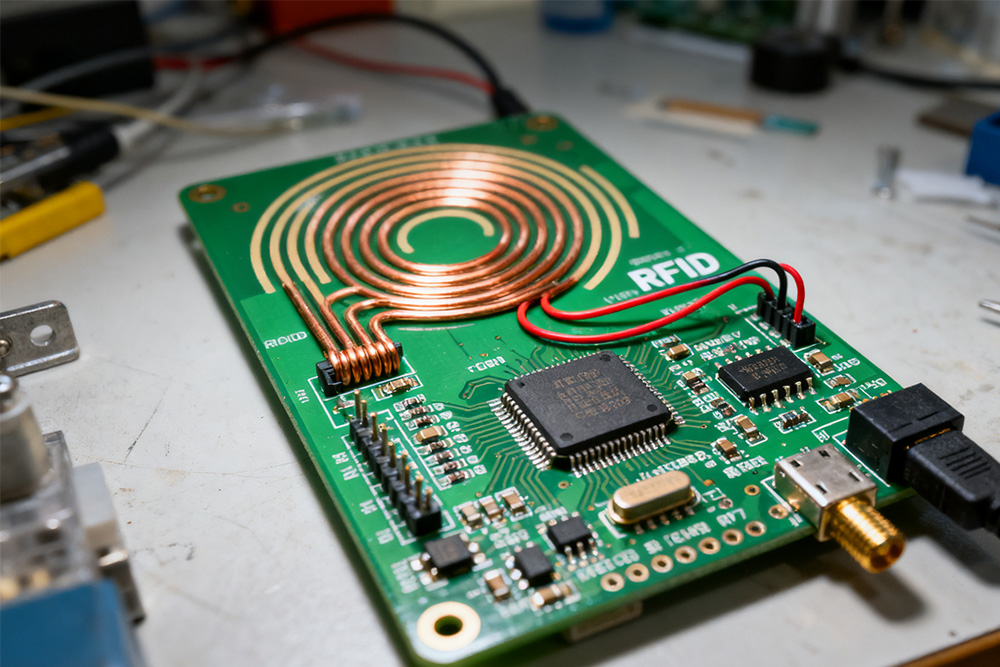
High-frequency RFID (around 13.56 MHz) is the usual choice, but making a reader isn’t plug-and-play. You’ve got to juggle antennas, signal strength, power supply, and how well it talks to tags.
Too tiny an antenna? Your read range shrinks. Too big? Hello interference.
Power management is tricky too—especially for kiosks or access systems. If it’s off even a little, expect weird read failures.
Protocols matter. A tag that “reads” but takes forever to respond is basically useless.
It sounds dry, but trust me, skipping any of these details will make your system a headache in the field.
New Uses Popping Up Everywhere
RFID used to just track inventory, but now it’s everywhere:
Security: ID badges that are harder to copy than the old magnetic stripe cards.
Medical: Hospitals track devices and even patients to prevent loss or accidents.
Self-service kiosks: Ticket gates, vending machines, even check-in booths—users just want to tap and move on.
Basically, it’s gone from a “nice extra” to almost a necessity in certain situations.
Security & Privacy: The Elephant in the Room
RFID talks wirelessly, so yeah, someone could theoretically eavesdrop or clone it.
Some systems throw in dynamic encryption—so even if someone tries, the tag keeps changing the “secret handshake.”
Others use hardware tricks like challenge-response, which makes casual copying harder.
It’s like having a fancy key—you can’t just drop it in anyone’s pocket. Smooth experience up front, but the tech behind the scenes is busy keeping things locked down.
Looking Ahead: Simple for Users, Complicated in the Backend
Current trends are clear:
User-friendly front-end: Tap your card, walk through. Don’t think about protocols or signal strength.
It’s kind of funny—super simple for humans, super messy for machines. But that might just be the recipe for RFID to go mainstream.
Wrapping Up
RFID isn’t just a tag and a reader anymore. It’s security, intelligence, and utility rolled into one. You need to mind the hardware details, watch your antennas, consider protocols, and think about privacy. If done right, RFID can go from a niche tool to something as normal as QR codes—quietly everywhere, and mostly invisible, but absolutely essential.
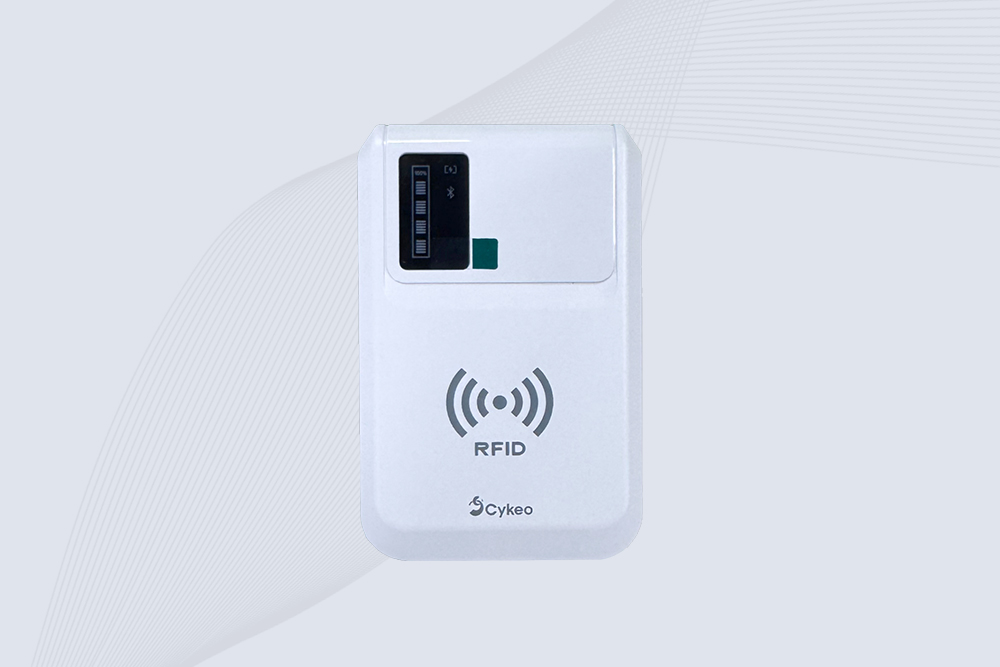
Cykeo CYKEO-B5L portable iPhone RFID reader features 8m range, 500 tags/sec scanning, and built-in 10000mAh charger. Perfect for retail/warehouse teams needing iOS integration.
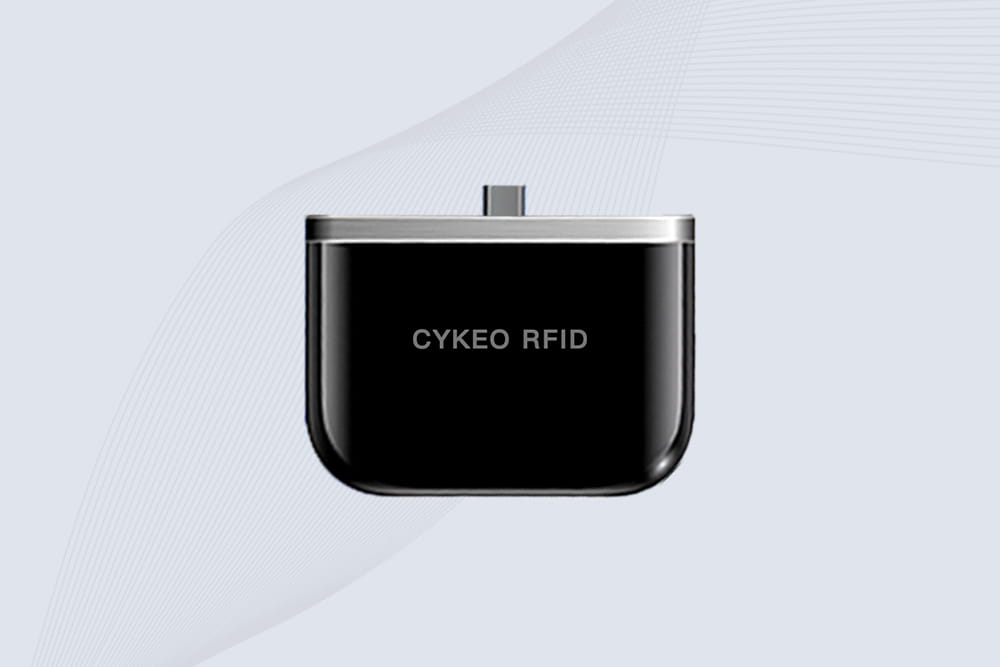
Cykeo CYKEO-B4L Android RFID reader features 37g magnetic phone attachment, 30cm UHF scanning, and Java/C# SDK for mobile asset tracking. Ideal for anti-counterfeit and warehouse verification.
CYKEO CYKEO-B5L RFID Chip Reader iPhone delivers long-range UHF scanning, iOS compatibility, and all-day battery life. A compact RFID Tag Reader iPhone solution for retail, healthcare, and mobile inventory tracking.
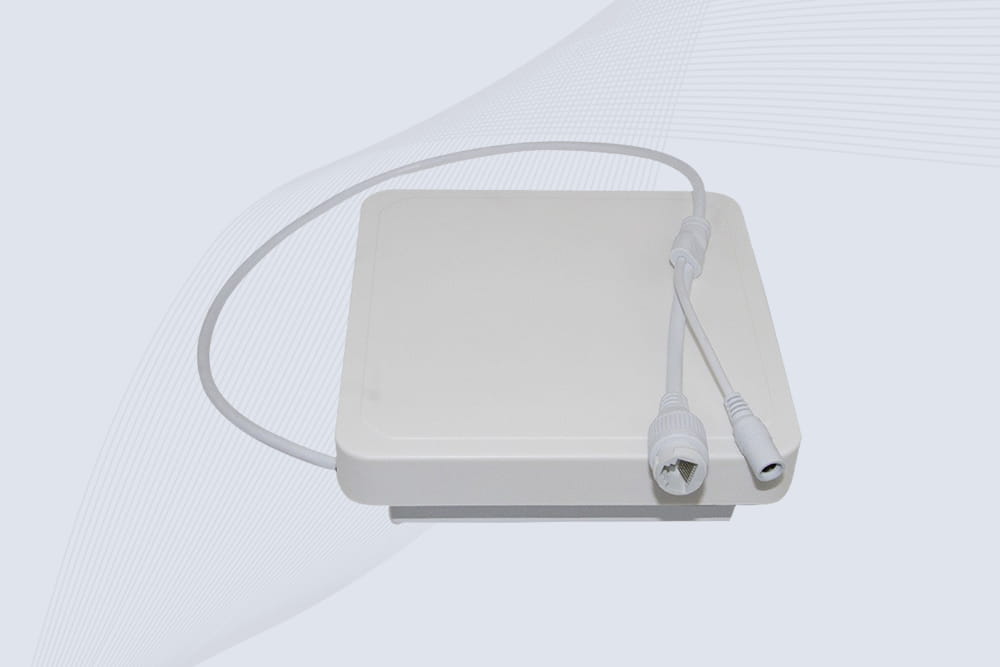
Cykeo’s industrial long range RFID reader delivers 20-meter scanning, 500+ tags/sec speed, and IP67 waterproof design for automated warehouses, logistics, and harsh environment applications.
Discover how asset management RFID tracking works, where it fits in real-world operations, and what to watch out for. A practical take with examples, small pitfalls, and lessons learned.
Learn what it truly means to program an RFID reader. Our guide covers configuration, software integration, and the realities of custom firmware development.
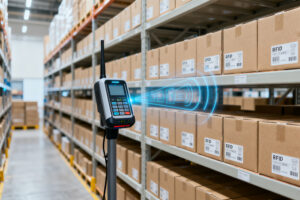
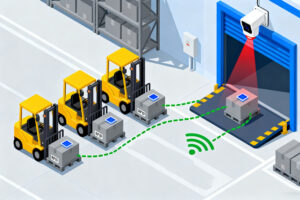
Curious about how RFID works in warehouses? This FAQ explains how RFID improves inventory accuracy, reduces errors, and streamlines operations. Learn the differences between passive and active tags, costs, and real-world benefits.
 Cykeo RFID IoT Solution Products R&D Manufacturer