 Cykeo RFID IoT Solution Products R&D Manufacturer
What’s the Lifespan of an RFID Reader? Maintenance Tips to Prolong It
675What’s the average RFID reader lifespan? Learn key factors affecting durability and practical maintenance tips to extend its operational life.
MoreAll RFID Product
Textile RFID tags are now part of everyday laundry and uniform management. Not because they look advanced on paper, but because they solve very real problems — lost linens, slow counting, and constant manual checking.
In a busy laundry facility, thousands of items move in and out every day. Bed sheets, towels, uniforms, workwear. Once volumes reach that level, manual tracking stops working. Barcode labels help a little, but they still require line-of-sight scanning and individual handling. RFID changes that completely.
With UHF textile RFID tags embedded into fabric, large batches of items can be read instantly. Entire carts of linens can be identified in seconds without opening bags or scanning one by one. That alone saves hours of labor every week and cuts down on counting mistakes.
The tag stays with the textile from the moment it enters circulation. From that point on, every wash, every transfer, every return can be recorded automatically.
Laundry RFID tags aren’t meant to be temporary labels.
They’re built to live inside textiles for years.
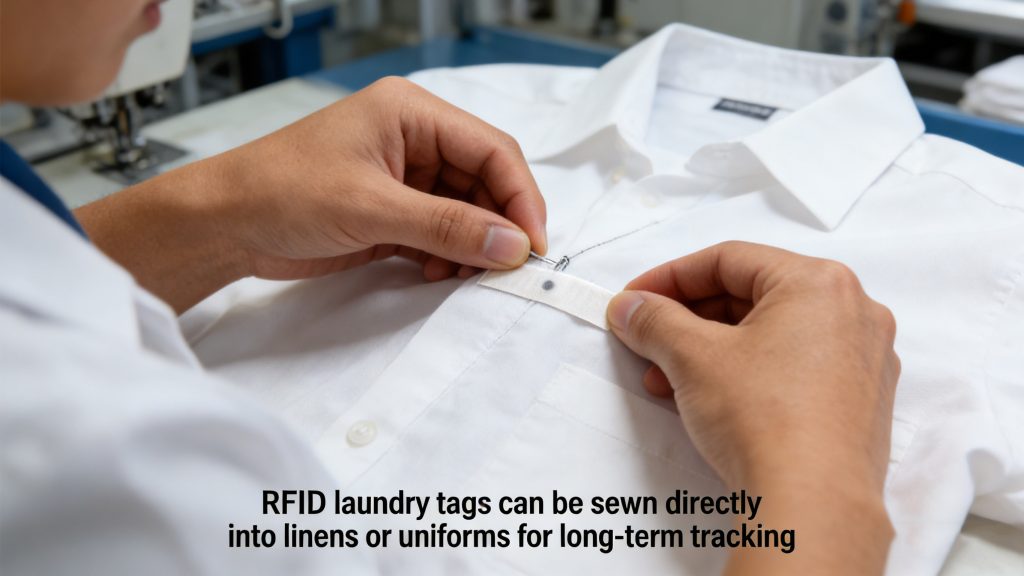
Once sewn or heat-sealed into a hem or seam, the tag becomes part of the item. It bends with the fabric, survives folding and pressing, and doesn’t affect daily use. Staff don’t need to remove it before washing or reattach it afterward. It simply stays there and keeps working.
Durability matters more than anything else in this environment. Commercial washing means heat, pressure, water, and chemicals — repeated hundreds of times. A tag that fails after a few months quickly turns into a replacement cost and a tracking gap. That’s why industrial laundry tags are built to tolerate long-term use rather than just short-term testing.
The CK-BQ7015 industrial RFID laundry tag is made for continuous textile tracking in commercial laundry systems. It’s not oversized and not rigid, so it integrates easily into linens, uniforms, and workwear without creating discomfort or handling issues.
Installation is straightforward.
It can be stitched directly into fabric or heat-sealed during manufacturing or repair. Once in place, it remains unobtrusive and flexible, moving naturally with the textile through washing, drying, and daily use.
Because the tag is designed for long-term placement, it supports full lifecycle tracking. Each textile item can be identified from first use until retirement.
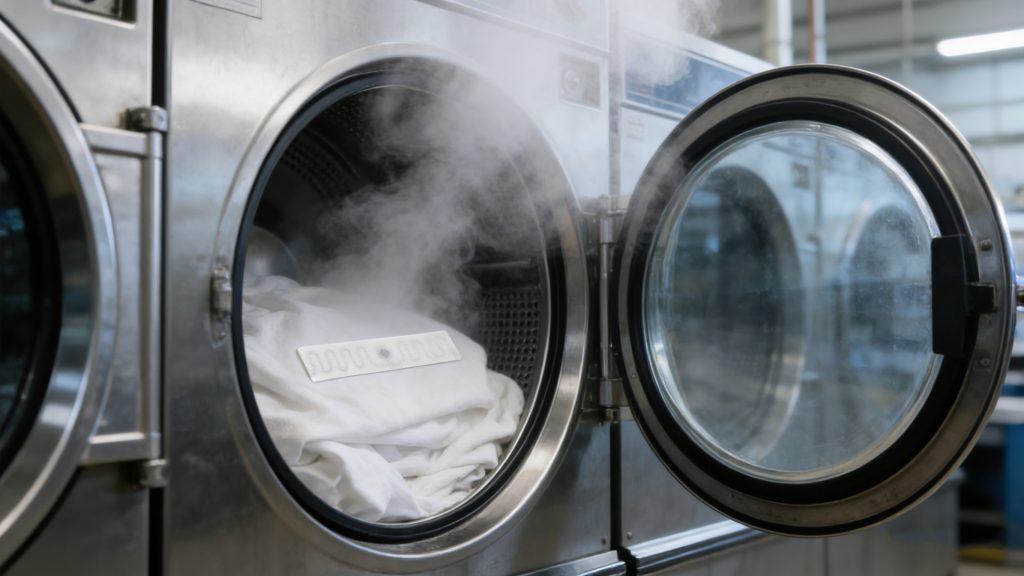
Commercial laundry environments are rough. High temperatures, strong detergents, water extraction, and mechanical movement all happen in a single cycle. The CK-BQ7015 is built with those conditions in mind.
It handles repeated industrial washing and high-temperature ironing without losing readability. The structure resists pressure and chemical exposure, while the chip maintains stable performance across long usage periods. Even when textiles are wet or stacked tightly, reading remains consistent.
Operating on standard UHF frequencies, the tag works with common EPC Gen2 compatible readers. Multiple items can be scanned at once during sorting or inventory checks. No direct alignment or individual handling is required, which keeps workflow moving.
The memory is designed for long retention and repeated data writing, allowing each textile item to carry its own usage record for years.
Large hotels use textile RFID tags to keep track of linens moving between rooms, storage, and laundry. Instead of guessing how many items are in circulation, they know exactly what’s available and what’s missing.
Hospitals rely on consistent linen supply and strict hygiene tracking. RFID helps maintain control without slowing down daily operations.
Uniform rental companies use embedded tags to manage distribution and returns across multiple clients. Each garment can be tracked without manual logging.
Industrial facilities apply the same approach to reusable workwear and protective clothing. Losses drop, replacement cycles become clearer, and inventory stays under control.

RFID in textiles isn’t flashy. Most of the time it’s invisible, stitched into a seam and forgotten. But once it’s in place, daily operations start running differently. Counting becomes faster. Losses become visible. Inventory stops being guesswork.
Tags like the CK-BQ7015 are designed to last through the same lifespan as the textiles they’re attached to. No extra handling, no complicated maintenance. Just consistent tracking, wash after wash, year after year.
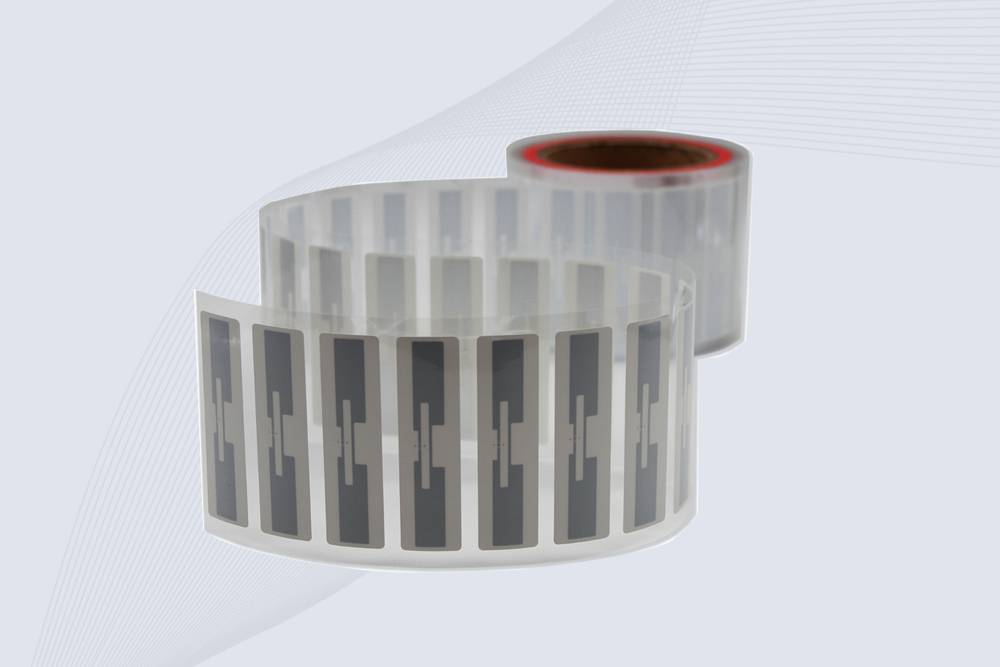
CYKEO Passive RFID Tags are made for wet and high-humidity environments where standard labels do not last. This rfid passive tag is often used around liquids, chemicals and temperature changes, providing stable reading distance and long data life for industrial tracking.
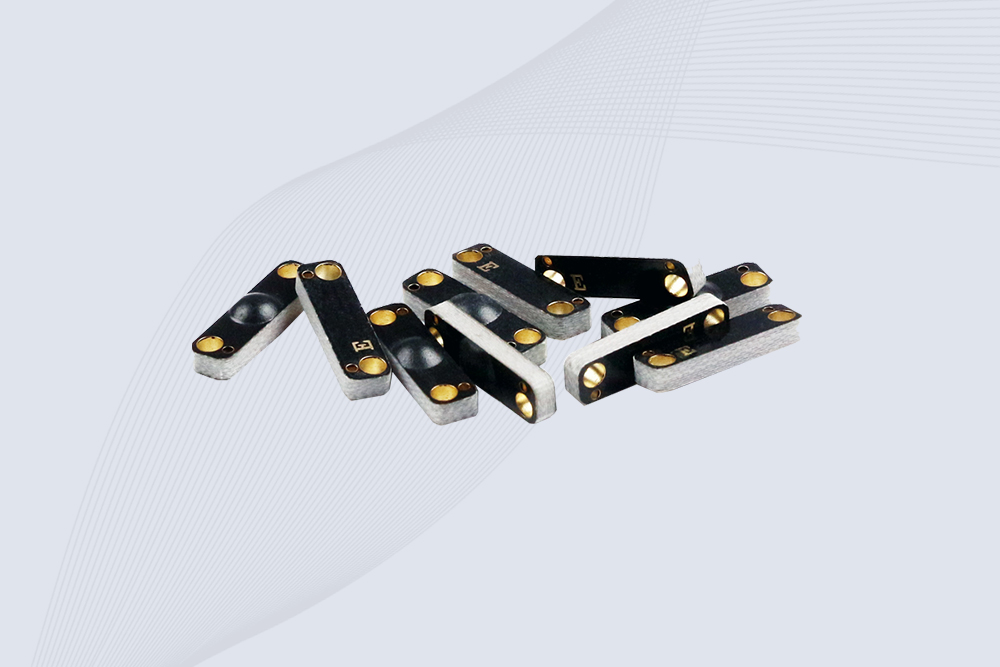
CYKEO CK-BQ1504 Metal RFID Tags is a compact anti-metal UHF RFID solution built for direct mounting on metal surfaces. With stable 8-meter read range, Ucode-8 chip, and long data retention, this rfid metal tag fits tools, containers, automotive parts, and industrial asset tracking.
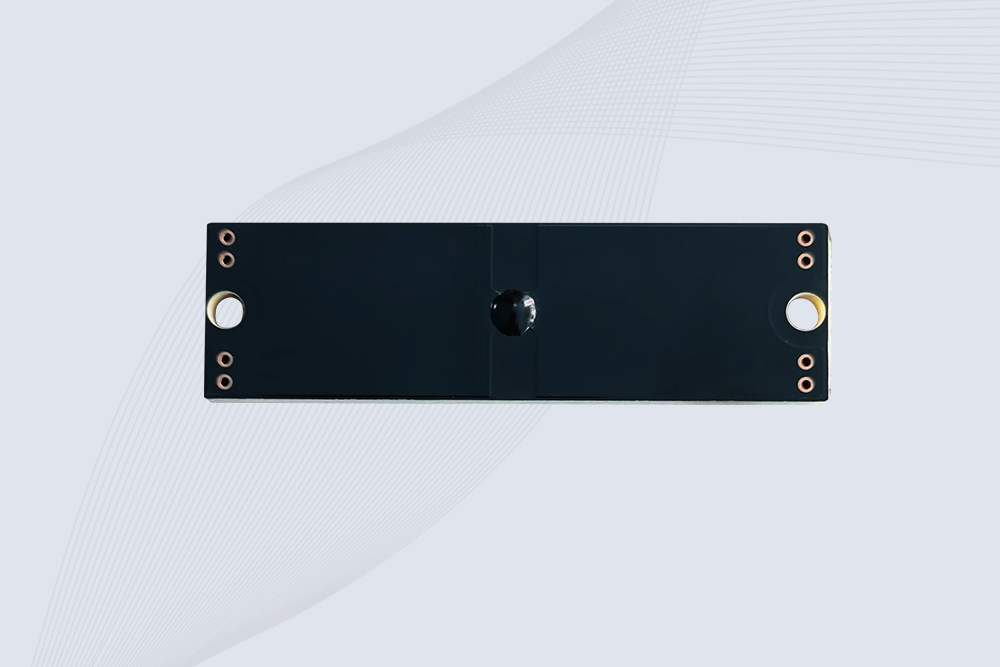
CYKEO CK-BQ7020 On-Metal RFID Tags are designed for reliable tracking on steel and metal surfaces. Built with an FR4 epoxy body and industrial-grade chips, these On-Metal RFID Tags deliver stable performance, long data life, and chemical resistance, making them a dependable RFID anti-metal tag for harsh environments.
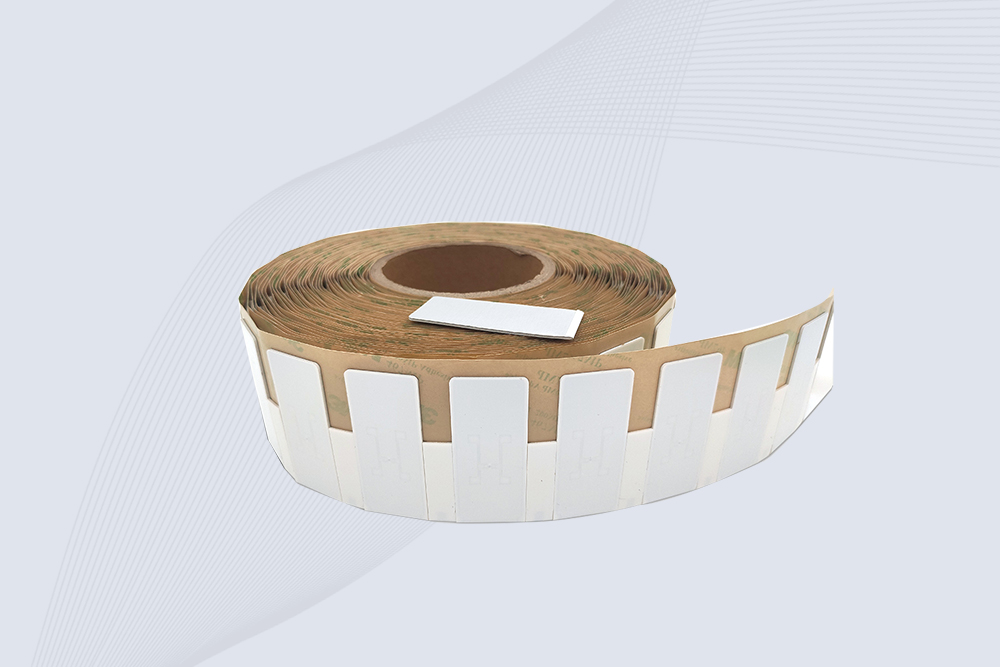
The CYKEO CK-BQ6025 Anti-Metal RFID Tag is built for metal surfaces where standard tags fail. Designed for long-range performance, harsh environments, and stable data retention, this Anti-Metal RFID Tag is ideal for industrial assets, containers, and equipment tracking using on metal RFID tags.
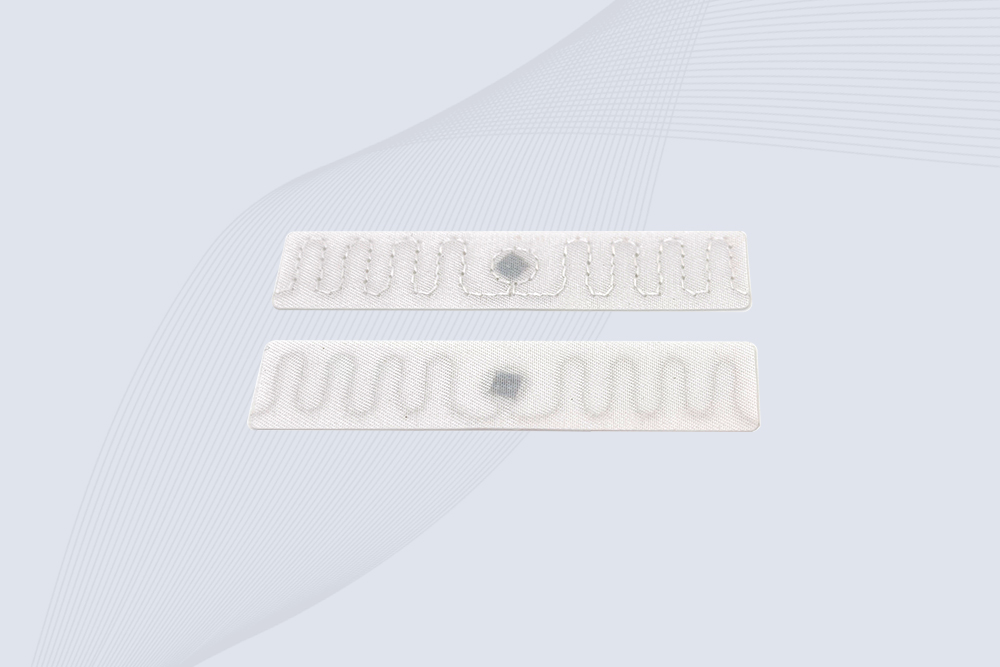
The CYKEO RFID Laundry Tag is designed for long-term textile identification in harsh laundry environments. Built to withstand high heat, chemicals, and repeated washing, this RFID Laundry Tag delivers stable performance for hotels, hospitals, and industrial laundry operations using laundry rfid tags at scale.
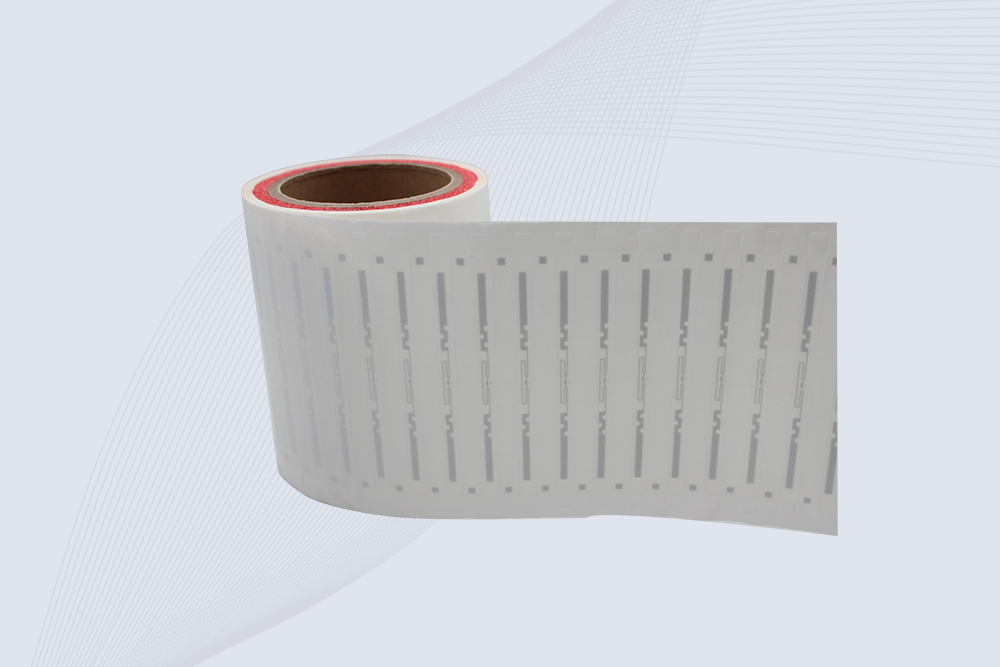
The CYKEO CK-BQ12507 RFID Book Tag is designed for reliable book and document tracking in libraries and archives. This RFID Book Tag delivers long read range, dense placement support, and stable performance on shelves, making it a practical rfid tag on books for library automation, file management, and archival systems.
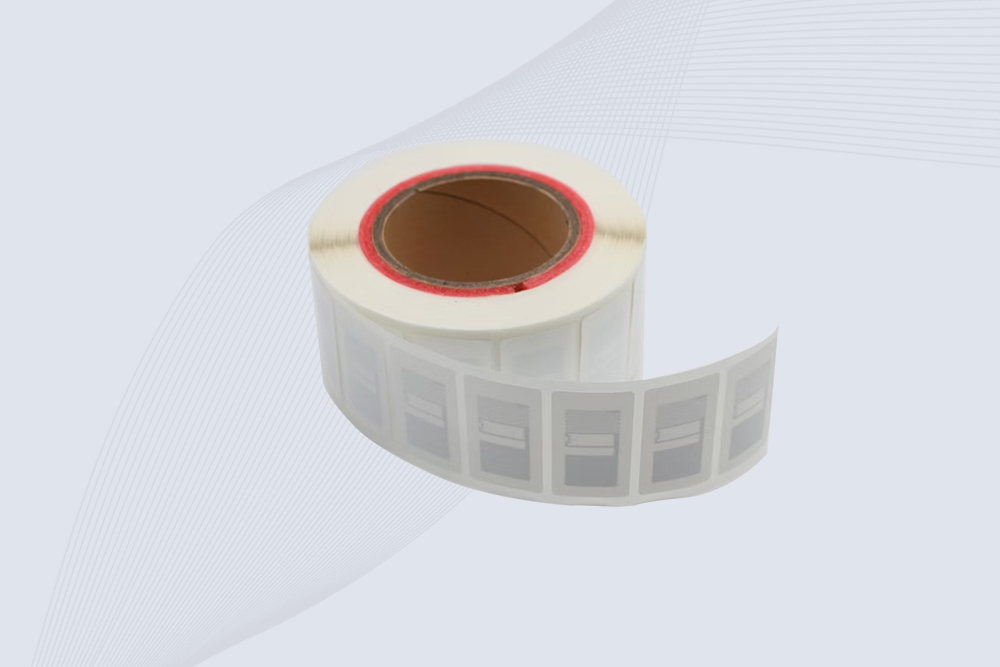
CYKEO RFID tags in hospitals are designed for sterile environments where accuracy matters. These autoclavable RFID tags support long-term tracking of surgical tools, implants, and medications, helping hospitals improve visibility, compliance, and patient safety.

CYKEO RFID Cable Tie Tag is built for reliable identification on metal surfaces. This UHF RFID Cable Tie Tag is widely used in rfid tags for inventory systems, industrial asset management and Hospital RFID Tags, offering stable read performance, long service life and global EPC Gen2 compatibility.
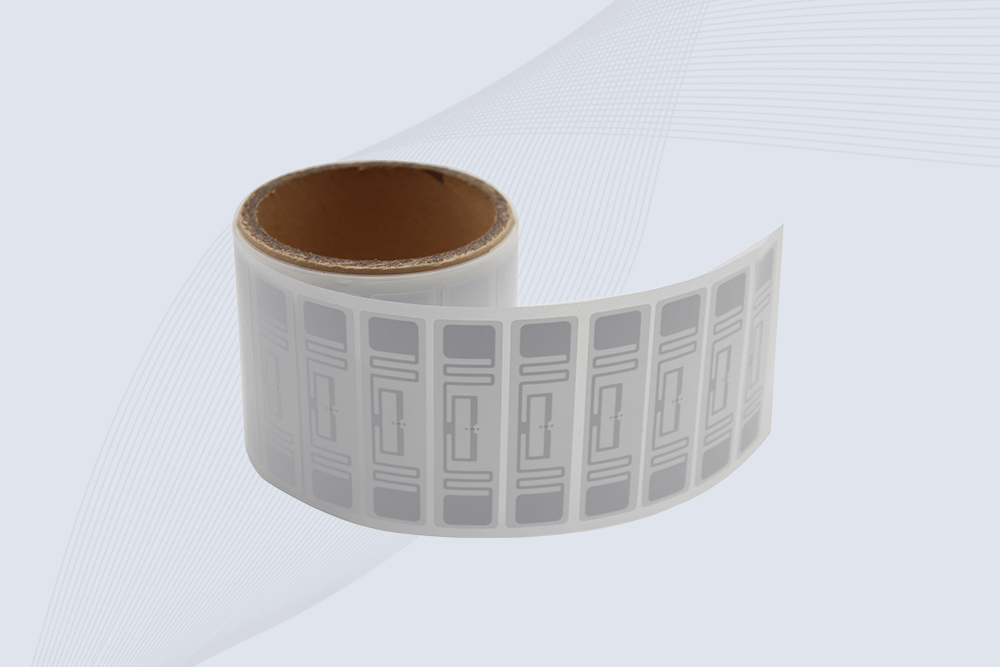
CYKEO RFID Asset Tag is designed for stable identification of metal assets in industrial environments. This UHF RFID Asset Tag is commonly used for rfid tag asset tracking on equipment, tools and containers, providing reliable reads, long service life and ISO/IEC 18000-6C support.
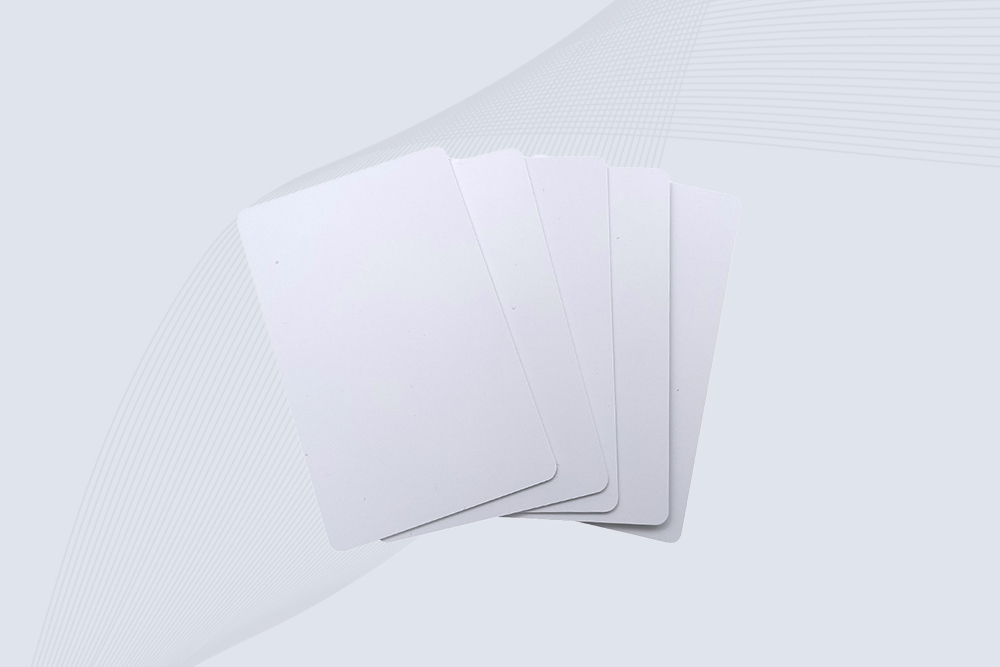
CYKEO UHF RFID Card is designed for fast identification and long-term use in industrial and commercial systems. Supporting ISO 18000-6C, this UHF RFID Card works at 860–960 MHz and is suitable for custom RFID cards used in asset tracking, access control and inventory management.
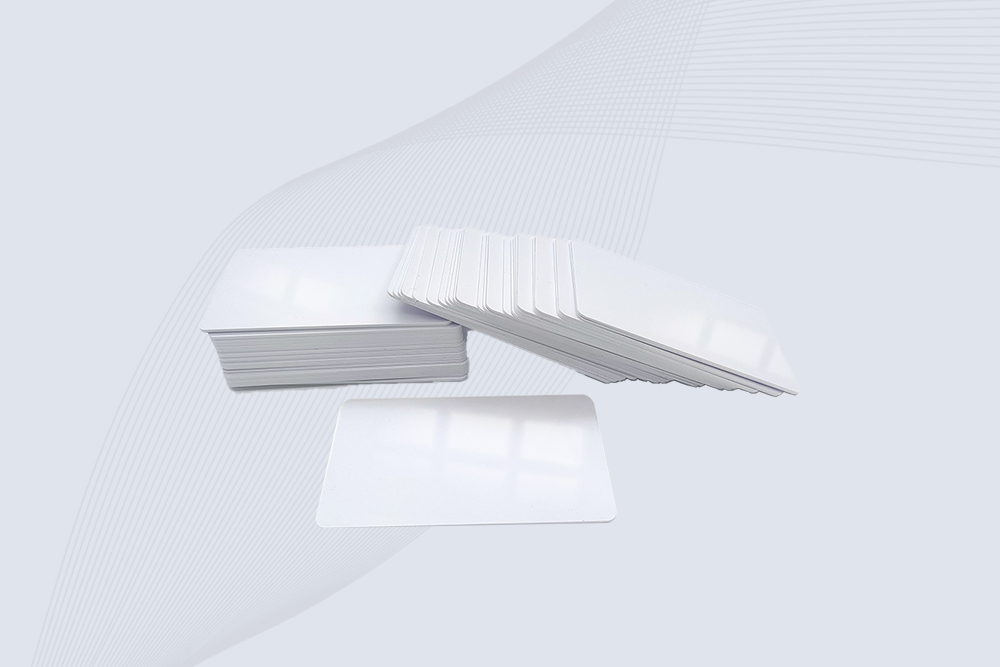
CYKEO HF RFID Cards are designed for secure and stable access control systems. These 13.56 MHz RFID key cards support ISO 14443-A, reliable rewriting and long service life, making HF RFID Cards suitable for offices, campuses, events and membership management.
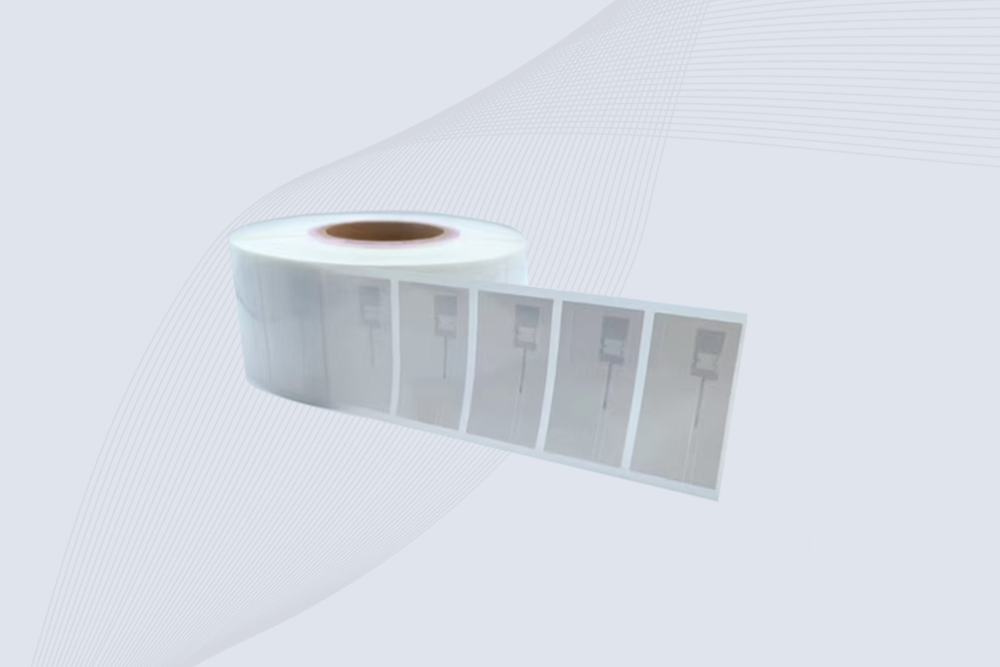
CYKEO UHF RFID Tag is designed for reliable tracking of metal jewelry and high-value items. This Jewelry RFID Tag supports long-range reading up to 8 meters, anti-counterfeit protection and stable performance on metal, making it suitable for retail, inventory control and asset management.
What’s the average RFID reader lifespan? Learn key factors affecting durability and practical maintenance tips to extend its operational life.
More
Reading RFID with Android explained clearly. What Android phones can do, what they can’t, and how CYKEO readers make it work reliably.
More
Comparing RFID vs NFC through real warehouse and retail scenarios. Practical insights from Cykeo’s deployments explain why RFID scales better for logistics, manufacturing, and high-volume tracking.
More
RFID copy machine explained honestly: what can be copied, what can’t, and where risks appear. Real use cases, no hype.
More