 Cykeo RFID IoT Solution Products R&D Manufacturer
Can all RFID tags be rewritten or reprogrammed?
1799Discover which RFID tags are rewritable, reprogramming steps, security implications, and how to leverage reusable tags for cost-saving supply chain management.
MoreAll RFID Product
supply chain RFID is a real-time identification system that enables end-to-end visibility of goods across manufacturing, warehousing, and distribution networks. It improves inventory accuracy, reduces manual scanning errors, and accelerates logistics decision-making in complex global supply chains.
In real operations, the value is not just “tracking items,” but maintaining continuous data flow between physical movement and digital systems.
In practical logistics environments, supply chain RFID refers to the use of UHF RFID tags and rfid readers to automatically capture product movement without line-of-sight scanning.
Key functions include:
Based on GS1 EPCglobal standards (gs1.org), RFID provides a globally interoperable identification structure that supports multi-vendor logistics ecosystems.
From field deployment experience in warehouse integration projects, the biggest failure point is not transportation—it is information delay.
Typical issues observed:
According to McKinsey supply chain research (mckinsey.com), companies that digitize inventory visibility can reduce logistics errors by 20–50% depending on process maturity.
The key problem is not data collection—it is data latency.
A typical supply chain RFID system includes:
This creates a continuous “physical-to-digital bridge” across logistics nodes.
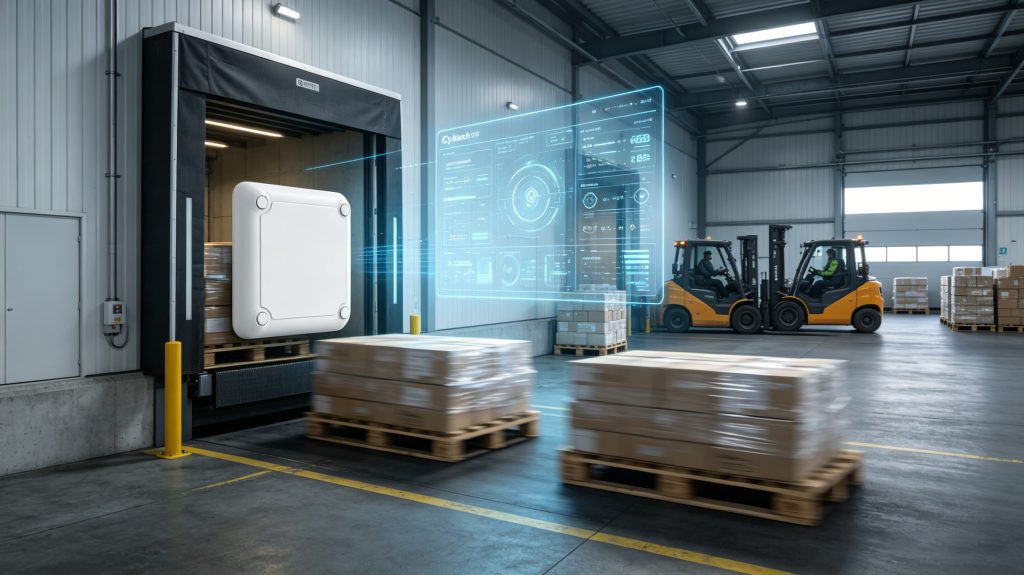
A typical logistics flow with RFID:
Unlike barcode systems, no manual scanning is required at every step.
From integration experience, supply chain RFID success depends on:
Different tag quality leads to inconsistent read rates.
Metal racks and dense shelving can distort signal fields.
Without filtering, duplicate reads can inflate inventory counts.
Common industry applications include:
Each sector shares a core requirement: accurate, real-time inventory visibility across multiple nodes.
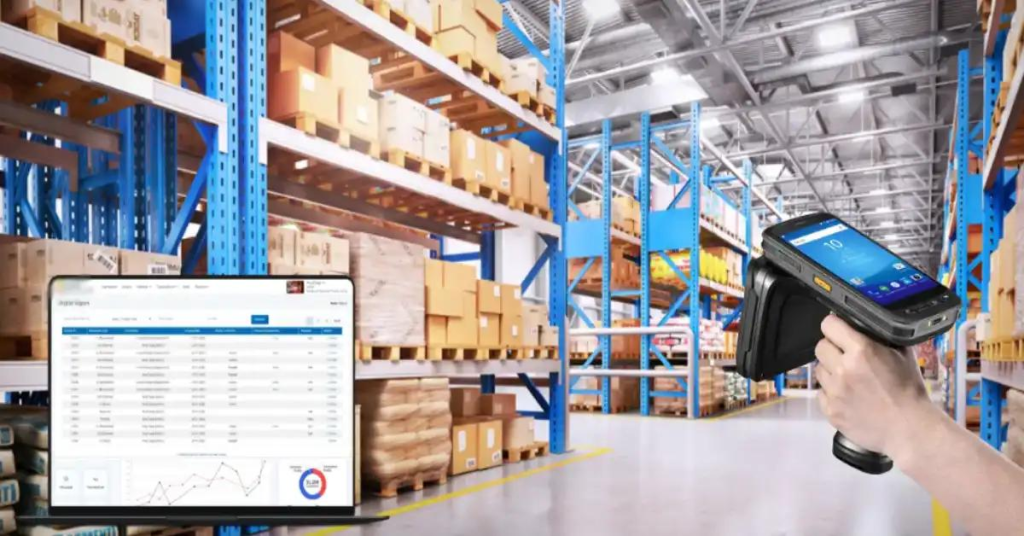
According to GS1 and industry logistics reports:
These improvements compound across large-scale supply chains, especially in high-volume retail and manufacturing systems.
In real deployments, the transformation is subtle:
Before RFID:
After RFID:
The system does not “record logistics”—it continuously observes it.
Q1: Does RFID replace barcode systems?
Not completely, but it significantly reduces reliance on manual scanning in high-volume logistics.
Q2: Can it track international shipments?
Yes, RFID tags remain readable across global logistics nodes when infrastructure is deployed.
Q3: What is the main benefit?
Real-time visibility and reduced inventory mismatch across supply chain layers.
At the system level, supply chain RFID is not just a tracking method—it is the real-time data backbone that keeps global logistics synchronized and predictable.

Discover which RFID tags are rewritable, reprogramming steps, security implications, and how to leverage reusable tags for cost-saving supply chain management.
More
Step-by-step guide to installing and configuring industrial RFID readers for maximum efficiency. Learn best practices and avoid common pitfalls with Cykeo’s expertise.
More
In the digital age, data has become a crucial asset for businesses and individuals alike. Whether it’s personal photos, work documents, or corporate secrets, the security and reliability of hard drives as storage media are more important than ever...
More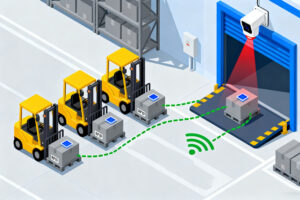
Curious about how RFID works in warehouses? This FAQ explains how RFID improves inventory accuracy, reduces errors, and streamlines operations. Learn the differences between passive and active tags, costs, and real-world benefits.
More