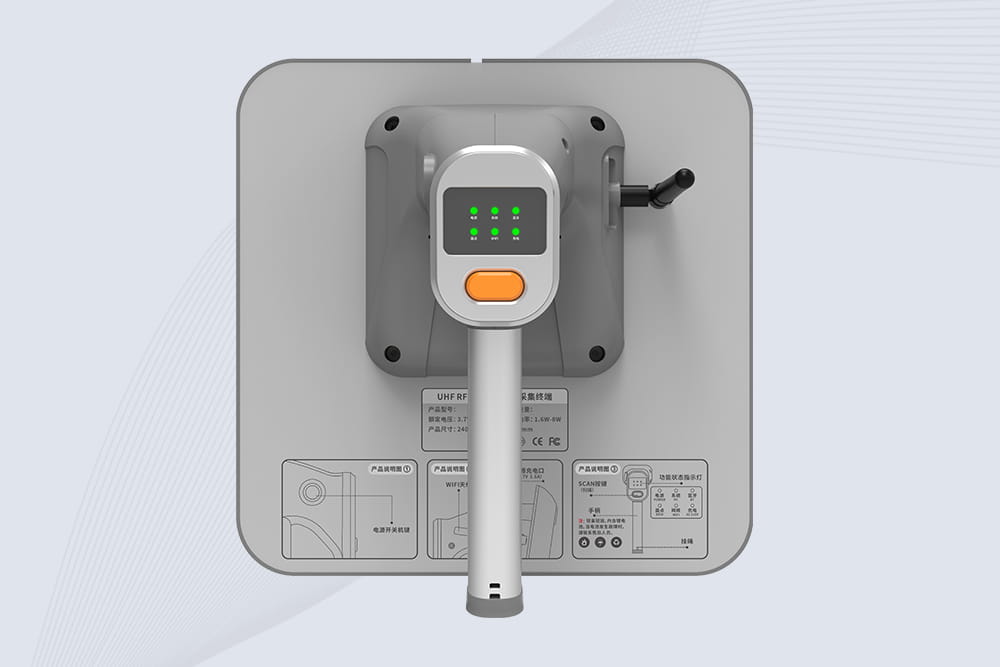
In most real deployments, handheld RFID readers are not plug-and-play tools. They sit somewhere between operators on the warehouse floor and enterprise systems that don’t like surprises. That gap is where secondary development and system integration either work quietly—or become a long-term pain point.
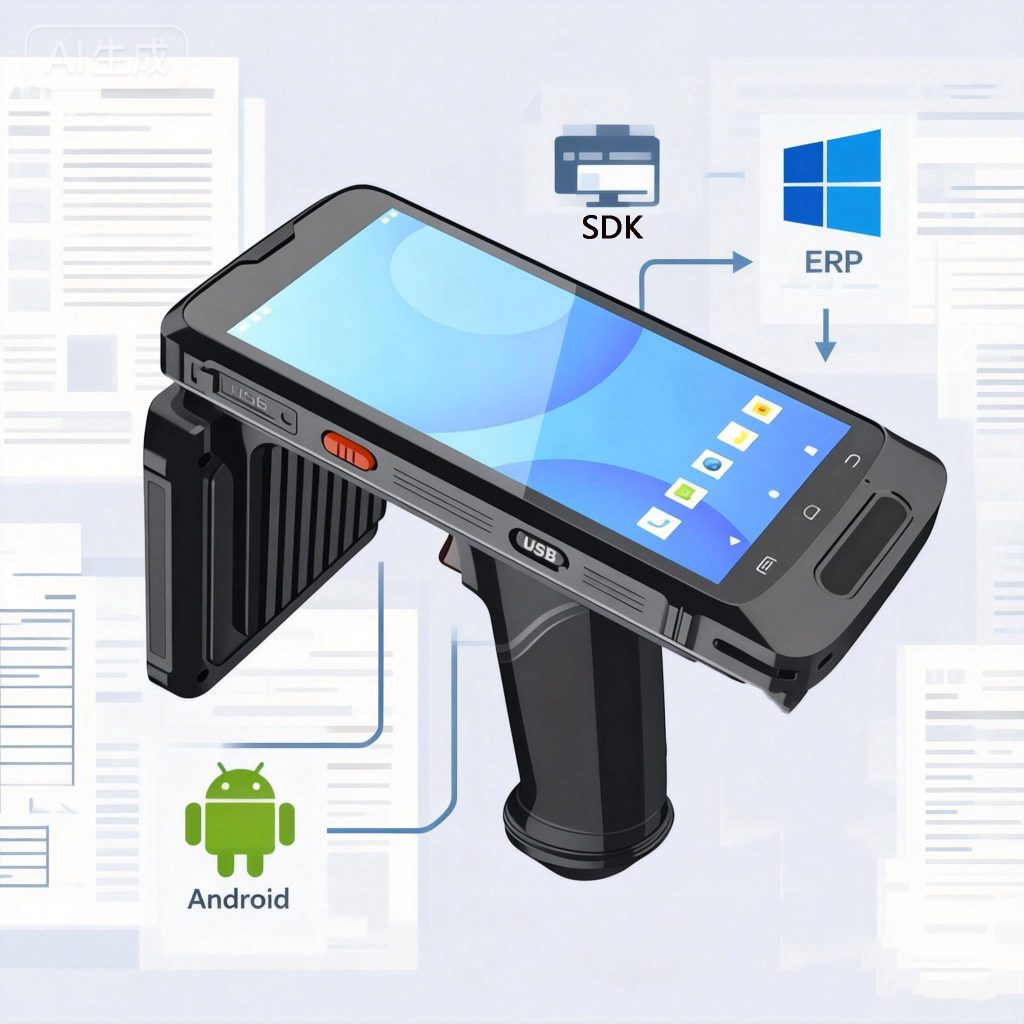
This article focuses on what actually matters when integrating handheld RFID readers: Android and Windows SDKs, API-level control, and practical ERP integration patterns. No theory-heavy talk, just patterns that tend to survive real projects.
Why Secondary Development Is Where Projects Win or Stall
Most handheld RFID readers can read tags. That part is rarely the problem.
The issues usually show up later:
When workflows change
When ERP logic gets updated
When someone asks for “just one more field” in the data
If the device is locked down or the SDK is thin, every small change turns into rework. Readers that support real secondary development give teams room to adjust without rewriting everything.
Android SDK: Where Most Modern Integrations Start
Android-based handheld RFID readers are common for a reason. They’re flexible, familiar, and easier to adapt when requirements shift.
What a Usable Android SDK Looks Like in Practice
From experience, a workable Android SDK should let developers:
Start and stop RFID scanning cleanly
Control power levels, sessions, and filters
Receive tag data through stable callbacks
Run scans in the background without killing the app
In most projects, the Android app does more than scanning. It handles:
Windows handheld RFID readers haven’t disappeared. They’re still used in environments where ERP systems are older or tightly coupled to desktop applications.
Where Windows-Based Readers Still Make Sense
Factories running legacy MES or ERP clients
Warehouses with custom desktop software
On-site tools that don’t require mobile app distribution
A Windows SDK doesn’t need to be fancy. It just needs to be predictable:
Clear DLL interfaces
Stable read loops
Well-documented error handling
In these environments, reliability usually matters more than UI polish.
API Design: Keep Business Logic Out of the Device
One mistake that keeps repeating is pushing business rules into the handheld reader itself. That works at first—and then becomes a problem.
A better approach is simple:
Let the reader collect data
Let the backend decide what that data means
A Common, Durable Pattern
RFID reader scans tags via API
Local app formats the raw data
Backend system applies business rules
ERP records inventory, assets, or transactions
This keeps handheld software light and reduces the blast radius when ERP logic changes.
A typical ERP integration doesn’t need to be complex.
In practice, it often looks like this:
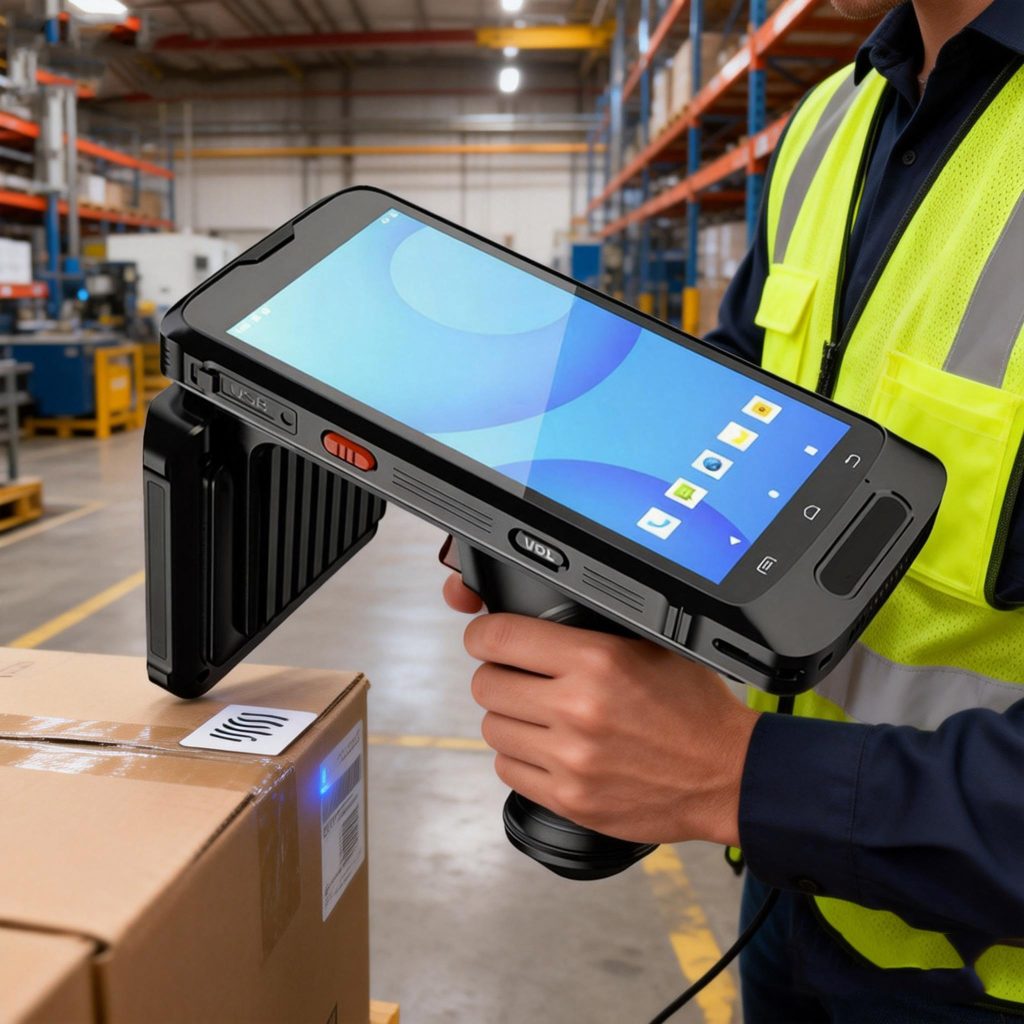
Operator scans items with a handheld RFID reader
SDK returns tag IDs and metadata
Local app packages the data
Data is sent to ERP via REST or middleware
ERP updates inventory or process records
Lessons Learned the Hard Way
Avoid hard-coding ERP endpoints
Expect network outages and handle them
Cache scans locally when offline
Separate raw scan logs from ERP transactions
Most ERP issues aren’t RFID problems—they’re integration design problems.
Testing Before Rollout: Don’t Skip This
Short demos rarely reveal real issues.
Before scaling up:
Run long scanning sessions
Test batch reads under load
Simulate weak Wi-Fi
Update OS versions and retest SDK behavior
Many RFID bugs appear only after hours of continuous use.
Closing Thoughts
Handheld RFID readers succeed or fail based on how well they fit into systems, not how far they read in a demo. SDK quality, API stability, and integration flexibility matter more over time than spec sheets.
Devices that support Android and Windows SDKs, expose usable APIs, and integrate cleanly with ERP systems give teams breathing room as workflows evolve. Handheld RFID readers like those listed athttps://www.cykeorfid.com/rfid-product/rfid-handhelds are usually evaluated not just as hardware, but as long-term system components.
If developers don’t have to fight the device, the project usually goes fine.
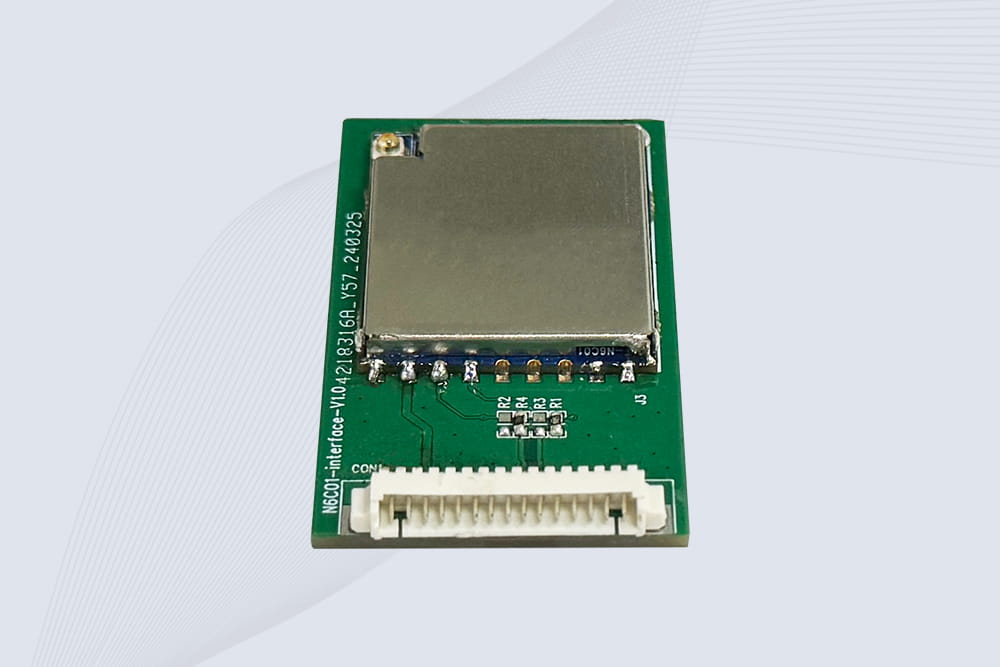
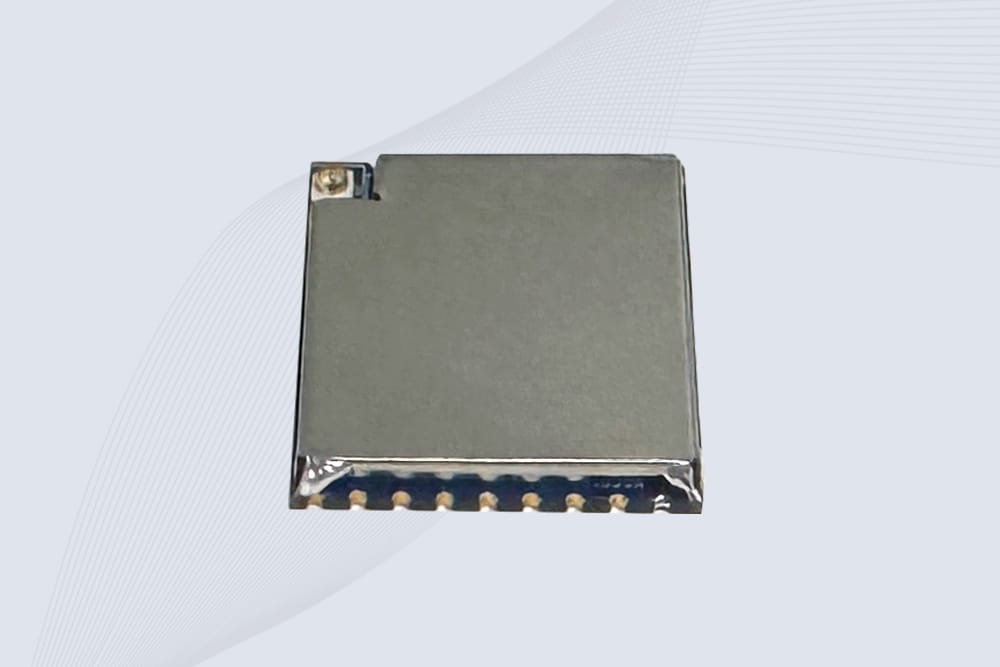
CYKEO Embedded RFID Modules are designed for compact industrial and IoT devices that require stable UHF performance. These UHF RFID Modules support global protocols, flexible power control, and reliable multi-tag reading for smart cabinets, production lines, and asset tracking systems.
CYKEO Embedded RFID Module is built for compact IoT and industrial devices that need stable UHF performance. This UHF module supports global protocols, low power operation, and reliable multi-tag reading for smart lockers, production lines, and always-on RFID systems.
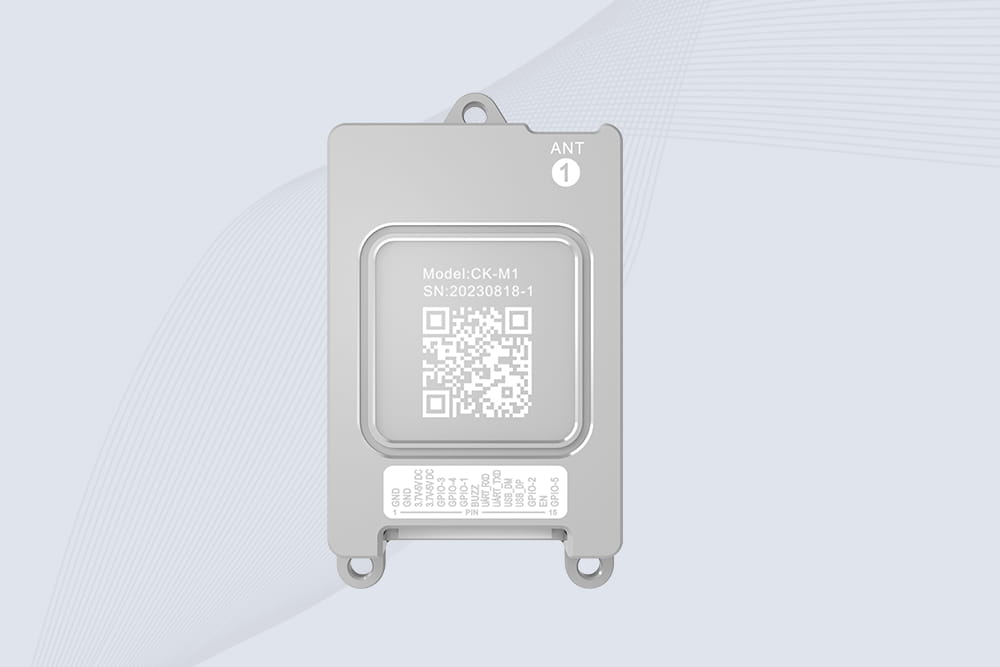
CYKEO CYKEO-M1 drone rfid module is a compact UHF RFID reader module designed for drones and UAV platforms. It supports long-range aerial scanning, fast multi-tag reading, and stable performance in wind, vibration, and outdoor environments.
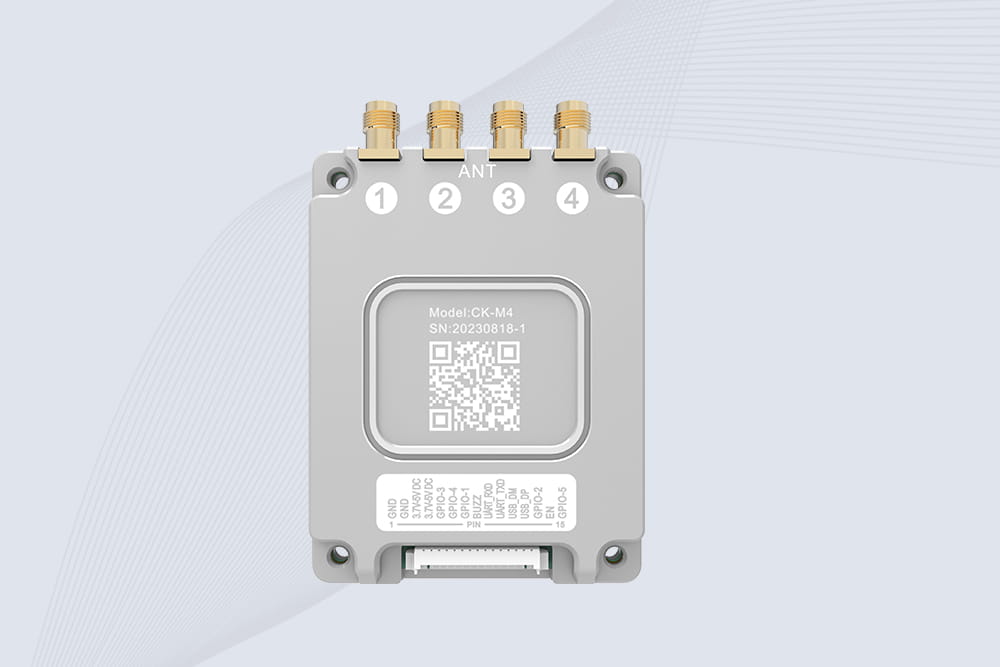
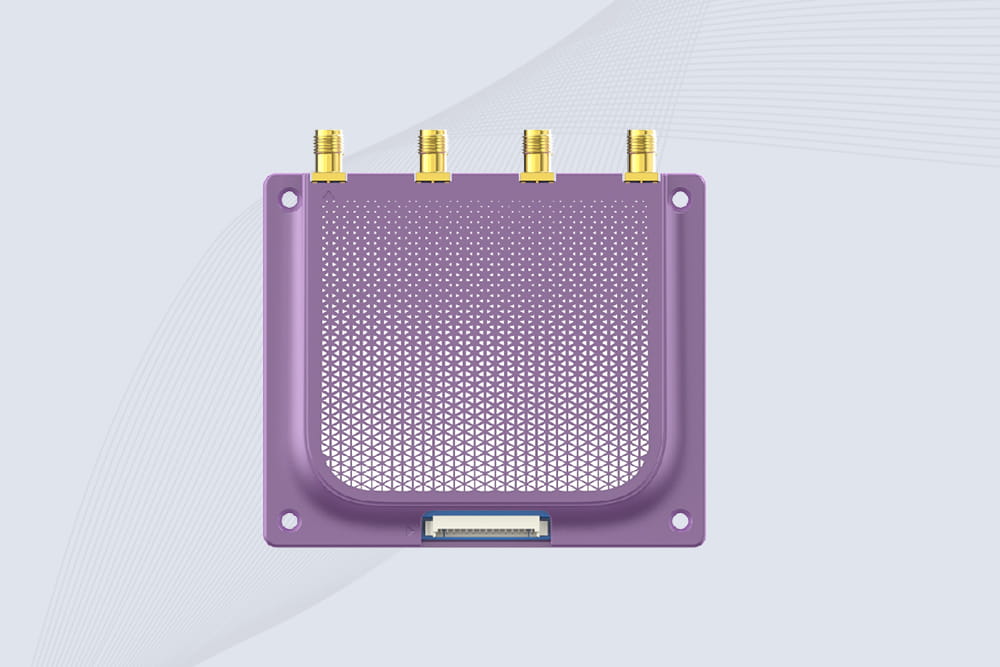
CYKEO CYKEO-M4 RC522 RFID Module is an industrial-grade UHF RFID reader with 4 ports, supporting ISO, EPC, and GB protocols. High-speed, accurate reading for IoT, automation, and warehouse applications.
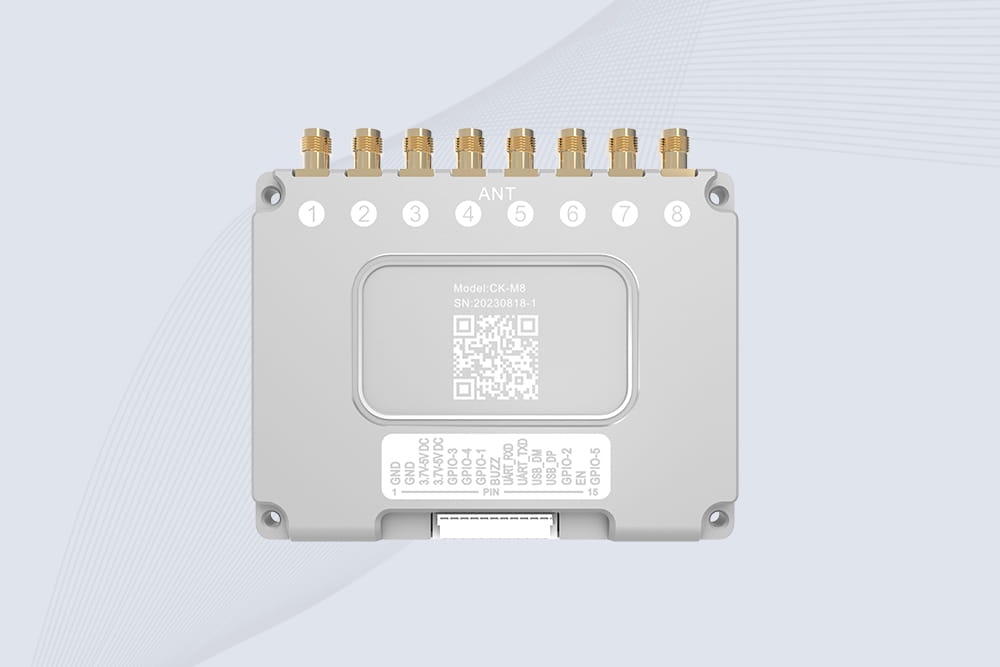
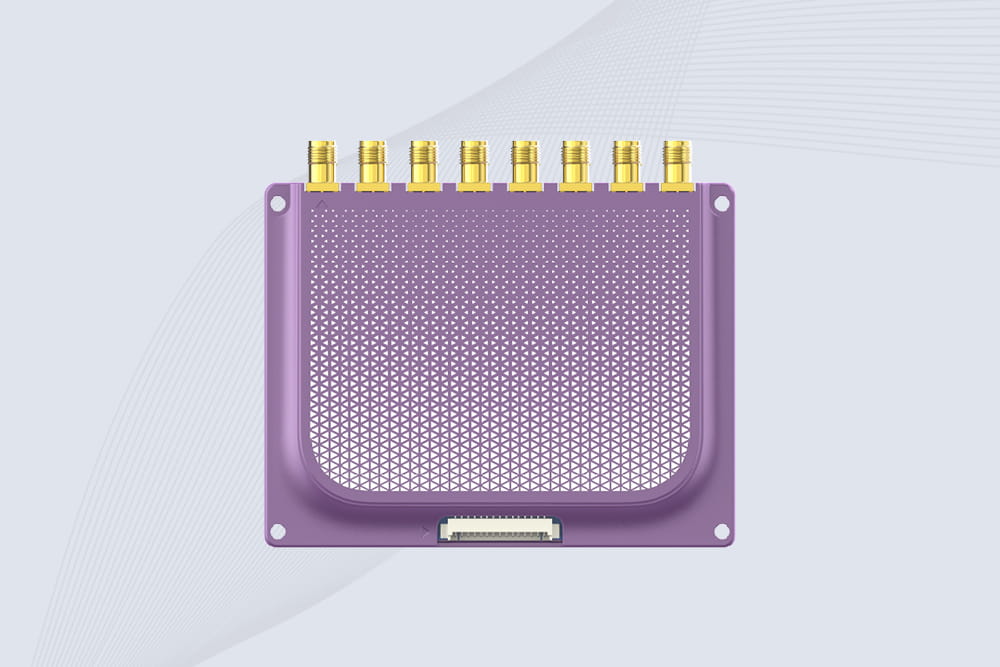
CYKEO CYKEO-M8 Module RFID is an 8-port UHF R2000 RFID Module designed for high-density, multi-tag environments. Stable 33dBm output, ISO & GB protocol support, ideal for warehouses, factories, and automated systems.
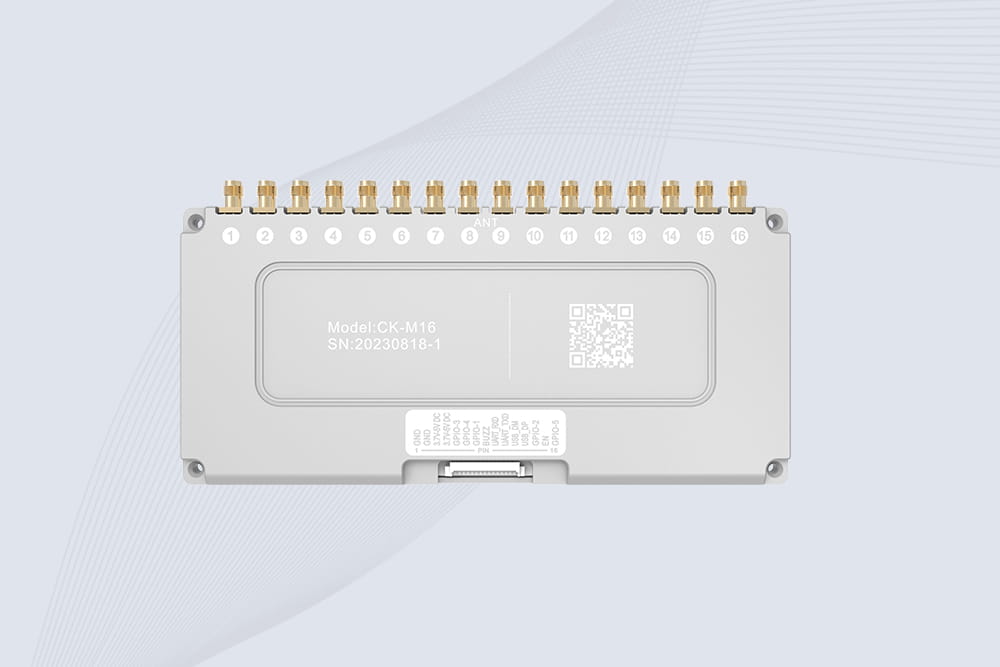
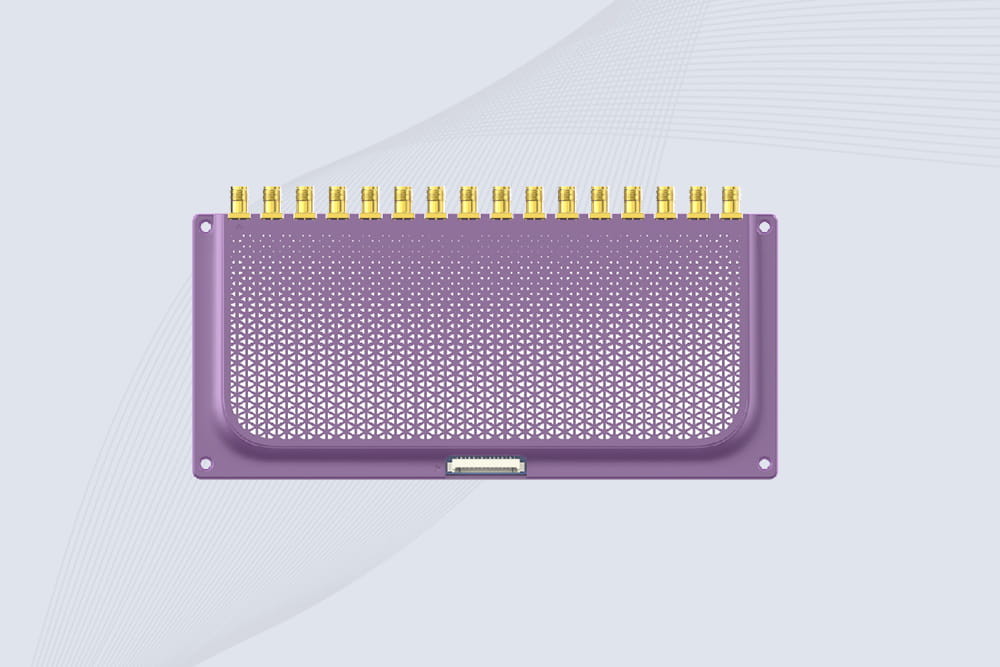
CYKEO CYKEO-M16 RFID Module is a 16-port UHF RFID reader module based on the R2000 chipset. Designed for dense tag environments, it supports ISO and GB standards and delivers stable multi-antenna control for industrial automation.
The CYKEO CYKEO-M16L RFID Reader Module is a 16-channel UHF RFID core designed for dense tag environments. With adjustable 33dBm output, multi-protocol support, and stable multi-antenna control, this RFID Tag Reader Module fits industrial automation, warehouse systems, and large-scale IoT deployments.
CYKEO CYKEO-M8L module RFID is a compact industrial UHF module built for dense tag and multi-antenna environments. With 8 RF ports, adjustable 33 dBm output, and ISO & GB protocol support, it is widely used in factories, warehouses, and automated tracking systems.
CYKEOCYKEO-M4L UHF RFID Module is a compact 4-channel RFID tag reader module designed for dense tag environments. Supporting ISO and GB protocols, it delivers stable reads up to 10 meters for industrial and IoT systems.
Cykeo CYKEO-A11 UHF RFID reader antenna delivers 11dBi gain, 840-960MHz frequency range, and IP65 ruggedness for retail, logistics, and industrial RFID systems. Features low VSWR and easy installation.
CYKEO Antenna RFID Reader delivers stable long-range UHF performance with a 10.5dBi directional design, built for warehouses, conveyor portals, and industrial RFID systems. This rfid reader antenna provides 20m+ read distance and rugged IP67 protection.
Cykeo CYKEO-A5B industrial Linear RFID Antenna delivers 5dBi gain, ≤1.5:1 VSWR, and IP65 rugged design for warehouse, production line, and logistics UHF systems.
Cykeo’s CYKEO-B12 Long Range RFID Antenna delivers 15m+ read range with 12dBi gain, IP65 rugged design, and global 840-960MHz UHF support. Ideal for warehouse/logistics asset tracking.
Cykeo CYKEO-B10 Long Distance RFID Antenna offers 10dBi gain, 840-960MHz frequency range, IP65 rating, and 20m+ coverage for logistics/warehousing/ETC systems. Low VSWR ensures stable signal transmission.
Cykeo CYKEO-A6 UHF RFID panel antenna features 6dBi gain, 840-960MHz broadband, IP65 metal-ready housing for logistics/smart retail. 18mm ultra-thin design with tool-free mounting.
Cykeo CK-A3 industrial antenna RFID UHF offers 5m+ tag detection, ≤1.3:1 VSWR, IP65 rugged design, and global UHF spectrum compatibility (840-960MHz) for warehouses, factories, and retail.
Cykeo CYKEO-B5 directional RFID antenna provides 5dBi gain with 60° narrow beamwidth for precise inventory tracking. IP65-rated, global UHF frequency support, and low VSWR.
Create your own high-performance DIY RFID antenna! 5dBi gain, 840-960MHz tunable, step-by-step guides. Compatible with Arduino, Raspberry Pi, and commercial UHF readers.
Cykeo CYKEO-A7 Flexible RFID Antenna features 840-960MHz wideband tuning, 7dBi gain, and IP68 rating for medical/retail/industrial curved surface deployments. 98% read accuracy with peel-and-stick installation.
Cykeo CYKEO-B5A industrial Passive RFID Antenna delivers 5dBi gain, 70° beamwidth, and -40°C~55°C operation for warehouses/smart cabinets. Compatible with Zebra/Impinj readers.
Cykeo’s CYKEO-A9B High Gain RFID Antenna delivers 15m+ read range with 9dBi amplification. Features IP54 rugged design, 840-960MHz bandwidth, and 80° beamwidth for warehouse/manufacturing RFID systems.
Cykeo’s enterprise-grade 8dbi Impinj RFID Antenna 10m+ read range with 840-960MHz tuning. Features IP65 housing, 1.4 VSWR, 35° beamwidth for retail/warehouse RFID systems.
Cykeo CYKEO-A9 industrial UHF RFID antenna delivers 9dBi gain, 840-960MHz frequency range, and IP65 protection for warehouse/logistics/retail RFID systems. Features N-type connector and ≤1.3:1 VSWR.
CYKEO UHF RFID Antenna built for long-distance and industrial applications. This antenna rfid uhf delivers strong gain, outdoor durability, and reliable tag performance in warehouses, yards, and vehicle ID systems.
CYKEO Antenna RFID delivers reliable long-range UHF performance in warehouses, retail shelves, and cold-chain environments. This compact uhf rfid antenna provides stable reads with circular polarization and ultra-wide 840–960 MHz support, ideal for industrial tracking, smart shelves, and asset monitoring.
Cykeo’s CYKEO-C8 UHF RFID antennas delivers 8dBi gain, 840-960MHz full-band coverage, and IP65 ruggedness for manufacturing/warehouse RFID systems. Industrial RFID Antennas Features
Cykeo’s 8dBi UHF RFID antenna and reader kit delivers 10m+ range, 840-960MHz broadband, and IP65 ruggedness for factories, warehouses, and logistics. ISO 18000-6C & EPC Gen2 certified.
Cykeo’s CYKEO-A12C UHF Large RFID Antenna delivers 12dBi gain, 840-960MHz global frequency, IP65 ruggedness for logistics/warehousing/automotive. 40° beamwidth ensures stable 15m+ tag reads.
CYKEO Near Field RFID Antenna provides precise 5–30 cm reading for shelves, cabinets, and workstations. This compact rfid shelf antenna delivers stable short-range performance around metal and clutter, ideal for pharmacies, libraries, and electronics sorting.
Learn proven strategies to minimize RFID tag read errors in fixed reader systems. Discover Cykeo’s best practices for antenna placement, signal optimization, and environmental adjustments.
Can an RFID chip be read through anti static bag? The answer changes based on whether you mean pink poly or metal-shielded. We break down the real-world differences.
long range RFID scanner reader for industrial environments,applications, integration flexibility,developers embed long-range RFID readers into any system.
Got a single RC522 module? Learn what to do with RC522 RFID module 1pc. We cover real first-step projects like a simple lock or logger to get you started.
 Cykeo RFID IoT Solution Products R&D Manufacturer